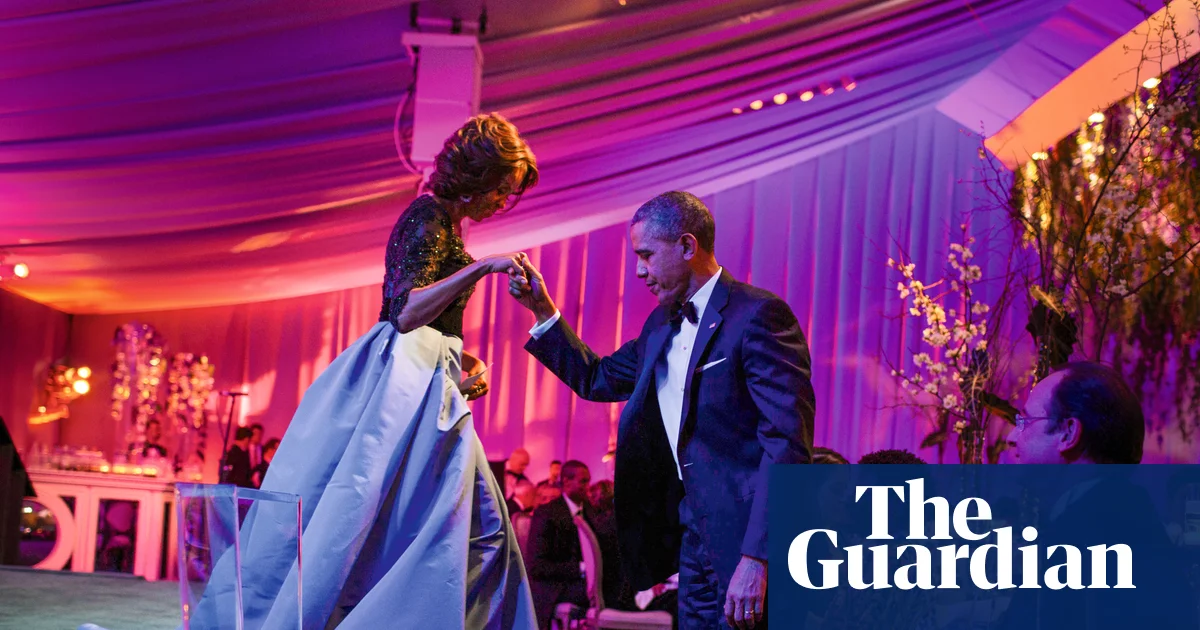
In recent years, the cultural significance of fashion, especially among influential women in politics, has become impossible to ignore. The first lady of the United States has long served as a symbol of national identity and societal shifts. Michelle Obama’s iconic style, from her first official portrait to her daring sleeveless silhouettes, exemplifies this phenomenon. Her choice of fashion was not merely about aesthetics but a deliberate form of social messaging and visibility. In her recently released photo book, Michelle Obama Style, she delves into the social repercussions and cultural shifts her wardrobe choices generated, revealing how her style became an empowering tool for representation.
Obama’s bold fashion statements, including her prominent use of sleeveless dresses, sparked intense media scrutiny and public debate. Critics labeled her choices as “too informal” or “out of season,” but the underlying social tension was more profound. For many, her style was not just a reflection of personal taste—it challenged longstanding norms and questioned what it means to represent a diverse America. Sociologist Farah Jasmine Griffin emphasizes how her support for emerging Black, Asian, and Latina designers and her accessible aesthetic “lent style to her substance.” In a cultural landscape often defined by exclusivity among former first ladies—such as Jacqueline Kennedy’s haute couture—Obama’s high-low mix highlighted her commitment to inclusive representation and “inviting” the nation into a shared space of identity and change.
However, this shift did not come without controversy. The episode dubbed “Sleevegate,” where critics ridiculed her exposed biceps during a speech to Congress, underscored a deeper societal discomfort with a Black woman asserting her authority in a traditional political space. Obama reflects on how this public backlash was intertwined with broader racial and gender stereotypes. Influential analysts like Robin Givhan argue that Obama’s style and demeanor challenged the “rules” of political decorum and societal expectations—consequently sparking a cultural debate on Black womanhood and the politics of appearance. Despite the attacks, Michelle Obama’s authentic expression of style reinforced the idea that fashion can be a powerful act of assertion and visibility in a conservative society.
As influential as her style choices have been, Obama also used her platform to elevate lesser-known designers and foster inclusivity. Her decision to wear a gown from the emerging Taiwanese-born designer Jason Wu for her inaugural ball was a calculated stand against tradition, symbolizing her readiness to challenge the status quo. Her “high-low” approach—favoring markets like H&M, Target, and J.Crew—resonates with a younger generation yearning for authenticity and relatability in political figures. Today, fashion is increasingly recognized as a form of cultural activism, shaping perceptions and empowering marginalized voices. The real question now is whether this evolution signifies a permanent transformation in how public figures use style as a form of social engagement. As society continues to grapple with issues of representation and identity, the next big question may be: Will future leaders prioritize authentic expression over traditional decorum, and how will that redefine the cultural landscape for generations to come?