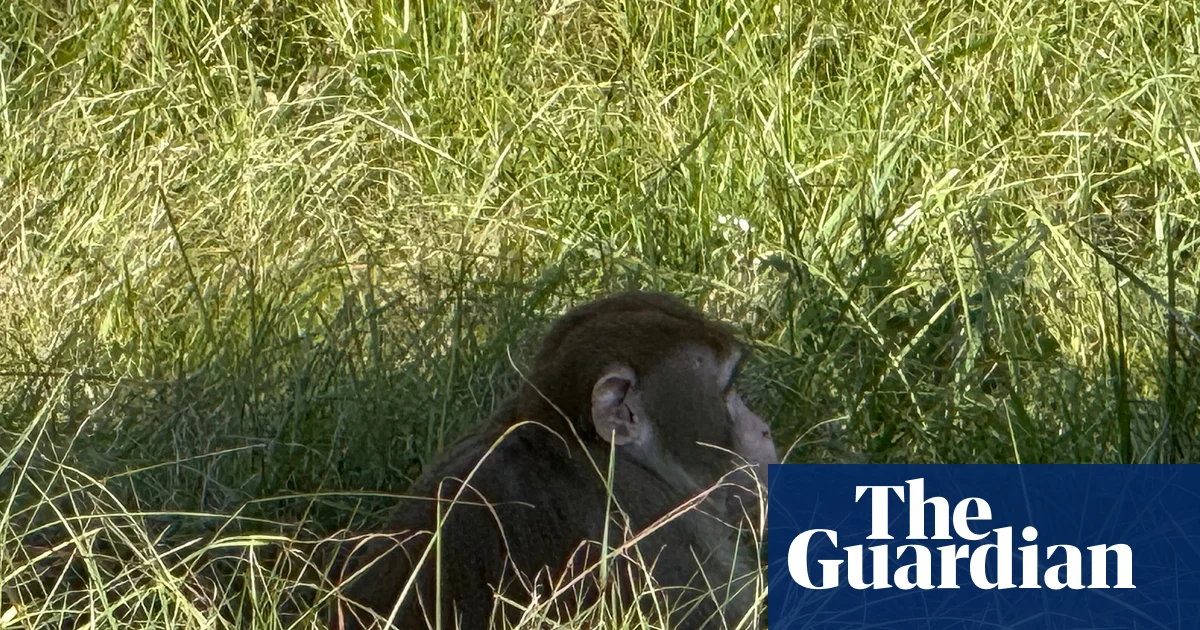
In a startling incident that briefly captured international attention, a laboratory monkey escape in Mississippi highlights the growing risks associated with scientific research conducted in the United States and the potential public dangers posed by lab animals. On 28 October, a truck crash resulted in the escape of several Rhesus monkeys from the Tulane University National Biomedical Research Center in New Orleans. While local authorities quickly responded by capturing or killing the animals, the incident has ignited broader debates about biomedical research safety and public health protocols across borders. As the world watches, the incident underscores the delicate balance between scientific progress and national security concerns.
The event took a dramatic turn when one of the monkeys was shot and killed by a homeowner in Mississippi. Jessica Bond Ferguson, a mother of five, justified her decision by emphasizing her fears for her children’s safety after learning that the escaped animals might carry diseases. This decision, though personal, echoes a wider international debate about the adequacy of biosafety measures and the potential hazards of holding dangerous organisms in urban or semi-urban environments. Local authorities confirmed that the monkeys, initially suspected of carrying infectious agents such as herpes, were confirmed by Tulane University to be disease-free. Nonetheless, the incident raises questions about biocontainment failures and the potential for zoonotic transmission—a topic of rising concern among global health experts.
From a geopolitical perspective, the incident exposes vulnerabilities within the U.S. biomedical research infrastructure that could ripple globally. International organizations such as the World Health Organization frequently emphasize the importance of stringent safety standards in handling research animals, especially when their origins include research facilities that routinely distribute primates internationally. The incident’s timing coincides with blaring warnings from analysts about the necessity of > u>enhanced biosecurity measures to prevent accidental releases, which could serve as vectors for emerging infectious diseases—a risk with potential to destabilize regions or hamper international cooperation. The incident also contrats the narrative that scientific research is always contained; instead, it presents a stark reminder that gaps in protocol can result in unpredictable outcomes with global consequences.
The international community watches as he aftermath unfolds, aware that such incidents are not solely local—they reflect broader issues of transnational bioethics and scientific oversight. Would-be critics argue that the incident underscores the urgency for international treaties and standardized safety protocols for research involving dangerous pathogens and primates. As delicate as this situation remains, its implications extend into debates about global health security, international research accountability, and the role of nations in safeguarding against biohazards. These incidents remind us that, within the relentless march of science, humanity must remain vigilant. History continues to be written in moments of crisis like this—a stark warning that advances in science can come with profound and unpredictable consequences.