Resurgence of Racism and Its Impact on Society
In recent times, Britain faces a troubling resurgence of racial hostility reminiscent of the 1970s and 1980s. This unsettling trend, characterized by verbal and physical abuse, is not confined to isolated incidents but has seeped into the very fabric of society, affecting families, education, and community cohesion. As sociologists like David Goodhart warn, such demographic shifts and political rhetoric have emboldened prejudiced sentiments that threaten to erode the social fabric that binds us. Teachers, healthcare workers, and ordinary citizens alike are now witnessing a disturbing normalization of such ugly racial discrimination. This social regression not only fosters division but also undermines the moral fabric of the nation, leaving vulnerable communities feeling increasingly alienated and unprotected.
The NHS as a Microcosm of Broader Society
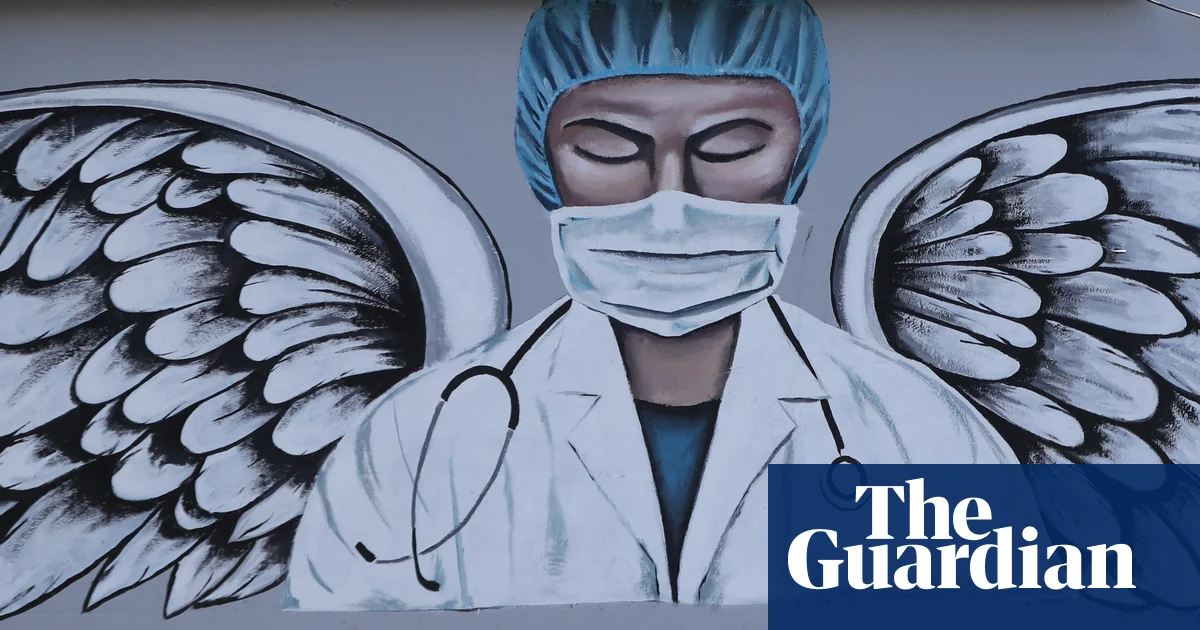
The NHS, often viewed as a cornerstone of British society, now faces a surge in racist incidents that stand as a stark mirror of wider societal tensions. According to prominent social commentators and reports from the Royal College of Nursing, the increasing frequency of abuse directed at healthcare staff—especially nurses and doctors—reflects a broader decline in social civility grounded in prejudiced attitudes. NHS staff, representing a remarkably diverse workforce, are confronting harassment that not only impacts their well-being but also poses risks to families and communities relying on essential healthcare services. The situation is compounded by political rhetoric that often fuels anti-migrant sentiments, emboldening racialized hostility. Historian Heather MacDonald warns that when prejudice becomes normalized in institutions, the societal consequences ripple outward, tearing at the shared social fabric that binds our communities and impacting the generations of families who depend on fairness and dignity in public services.
Strain on Healthcare and Its Consequences
- Multiple hospitals in England are experiencing unprecedented demand, leading to ‘critical incident’ declarations, especially in Bristol and Weston-super-Mare.
- Record numbers of patients now face dangerously long waits, with some aged 90 and above waiting over 12 hours in A&E—an ordeal that risks deterioration of health and increased mortality.
- The approaching winter, coupled with a ‘triple whammy’ of flu, Covid, and industrial action, threatens to overwhelm already strained NHS resources, risking harm to vulnerable populations and family units.
- Resident doctors plan to strike in protest of pay disparities, risking further disruption of care, which is already compromised by staff shortages and surging demands.
Addressing these challenges requires a recognition that _social cohesion and respect for public institutions are vital_ to overcoming such crises. Sociologist Dr. John Macionis emphasizes that societal resilience depends on fostering empathy and accountability. In validating the struggles of NHS staff and confronting the prejudices underlying aggressive behaviors, society must reaffirm its commitment to fairness, respect, and the collective well-being of families and communities.
A Path Forward: Embracing Society’s Moral Heart
In the face of social tensions and institutional stress, Britain stands at a crossroads. The troubling rise of racism and the ongoing strain on healthcare threaten to fracture the social unity that has historically sustained the nation. Yet, society also bears the moral imperative and the collective strength to forge a more inclusive, resilient future. As social commentators like Phillips and sociologist Putnam suggest, revitalizing community ties and promoting narratives of shared responsibility can heal societal wounds. Healing begins with recognizing the dignity of every individual, supporting institutions that serve as pillars of social justice, and fostering a culture where respect and unity are not just ideals but lived realities. Our societal challenges are formidable, but the hope of transformation remains—a testament to society’s enduring capacity for renewal and moral awakening, if only we choose to uphold the values that make us truly human.