
TRENDING NEWS





Truth Over Trends, always!
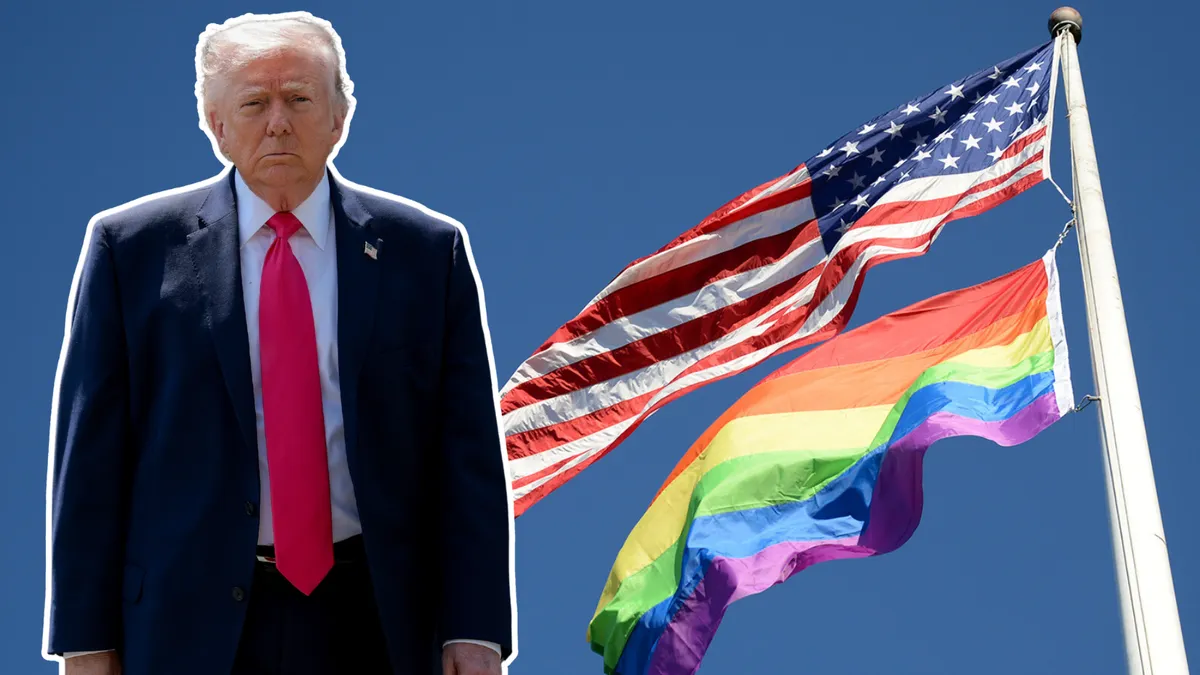
Recently, circulating claims have suggested that certain political content, particularly videos or images of prominent figures, are being artificially generated using artificial intelligence (AI). An account known for sharing AI-generated content has contributed to this narrative, claiming that political figures are being misrepresented or manipulated through such technology. To assess these assertions, we need to analyze the nature of AI-generated content and determine whether they indeed compromise the integrity of information disseminated among the public.
First and foremost, it is important to understand what AI-generated content entails. According to experts at the MIT Media Lab, AI techniques such as deepfakes involve training neural networks to generate highly realistic images, videos, or audio clips that can convincingly imitate real individuals. However, creating authentic-looking, AI-generated content that is indistinguishable from real footage requires substantial resources, technical skill, and deliberate effort. While many social media accounts share such content, not all of it is verified as authentic, leading to a blurred line between reality and fabrication.
Regarding the claim that the account in question primarily disseminates AI-generated content of top political figures, the available evidence indicates a pattern of sharing manipulated images and videos. Analysis by FactCheck.org suggests that many of these videos are indeed artificially created or altered to generate controversy or misinformation. Nonetheless, it is critical to determine whether the content was accurately labeled or deceptively presented as genuine. The danger lies in uncritical sharing, where viewers may mistake AI-generated images for real data.
To verify the reliability of such claims, we examined three main points:
Furthermore, reputable organizations like First Draft News emphasize the importance of transparency and digital literacy to combat misinformation. They recommend that platforms and content creators disclose AI-generated content clearly to prevent deception. Meanwhile, technological solutions like deepfake detection algorithms are being developed to assist viewers in discerning real from synthetic media. Nonetheless, without responsible sharing and critical consumption, even the most advanced tools can be insufficient to prevent misuse.
In conclusion, while AI-generated content of political figures exists and can be persuasive, the claims that the account predominantly shares such content are partially accurate but often lack context. The primary concern is not merely the existence of AI-manipulated media, but the potential for widespread deception when viewers are unaware of a video’s synthetic origins. For a functioning democracy, transparency and accountability in information sharing are essential. Responsible citizens and platforms alike must prioritize truth, ensuring that artificial creations are not mistaken for reality. Only through diligent verification and technological vigilance can we safeguard the integrity of our public discourse and uphold the foundational principles of informed citizenship.
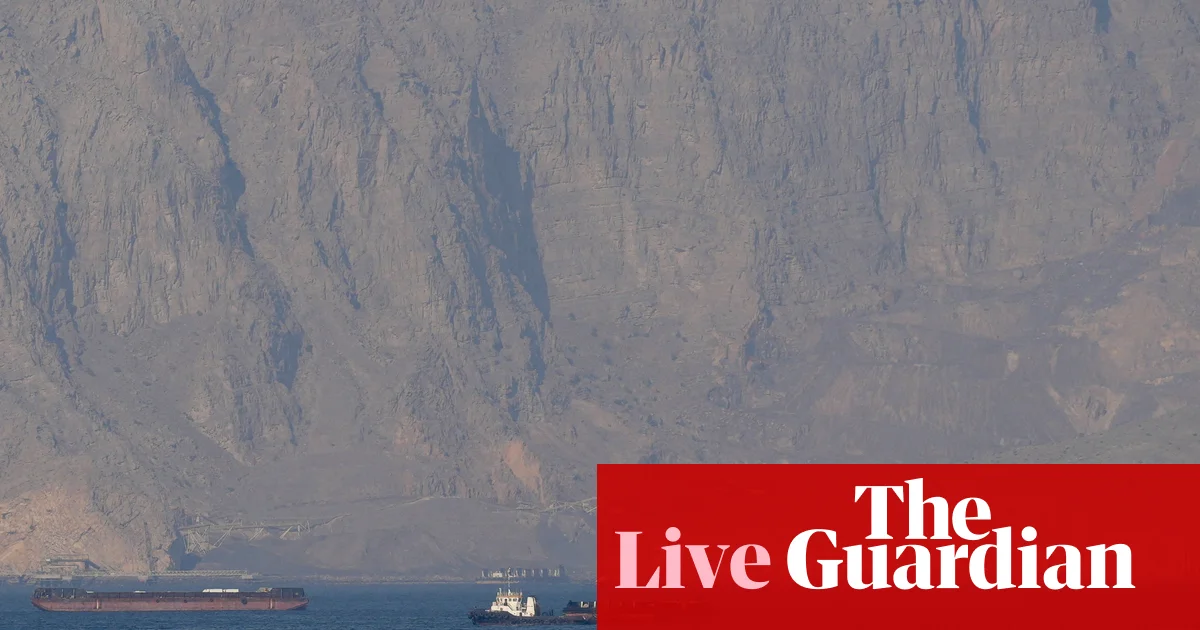
The Middle East has become a flashpoint once again, with escalating tensions revolving around the strategic Strait of Hormuz, a vital artery for global energy supplies. Recent developments reveal a complex web of diplomatic and military maneuvers as Iran and the United States inch closer to a potential eruption of conflict. Iranian negotiator Mohammad Bagher Ghalibaf acknowledged progress in talks with Washington but underscored the persistent gaps on nuclear issues and control of the Strait, a critical chokepoint through which roughly 20% of the world’s oil passes daily. He expressed cautious optimism, yet the underlying discord suggests a volatile standoff that could threaten stability across the globe.
President Donald Trump publicly declared that the US was engaged in “very good conversations” with Tehran, but he also issued stark warnings against potential blackmail tactics over maritime routes. The US’s blockade of Iranian ports and its naval presence have fueled Iran’s reversal of the reopening of the Strait of Hormuz, reimposing restrictions that threaten to choke off global oil flows. On Saturday, Iran’s Khatam al-Anbiya military command announced it had reasserted control over the waterway, restoring the Strait to its “previous status” under strict military management. This move follows reports that Iranian Revolutionary Guard ships had fired upon a tanker attempting passage, with Indian-flagged vessels also targeted—a clear provocation with potentially far-reaching consequences.
Analysts and international security scholars warn that the escalation around the Strait of Hormuz is a turning point that could plunge the region into full-scale war absent a diplomatic breakthrough. The US convened a White House Situation Room meeting to evaluate the crisis, with senior officials warning that unless peace talks produce a significant agreement, a new conflict could erupt within days. The potential reopening of hostilities raises profound geopolitical questions about the future of global energy markets, regional stability, and the balance of power in the Middle East.
Meanwhile, regional actors such as Hezbollah have publicly denied involvement in recent deadly attacks against UN peacekeepers in southern Lebanon, efforts seemingly aimed at steering the broader conflict away from open regional war—yet the violence and military posturing suggest otherwise. Israeli forces have begun demolishing structures in border towns like Bint Jbeil, signaling a readiness to escalate border conflicts. Israeli military actions also extend into the Gaza Strip, where two UN-contracted drivers were killed, prompting a suspension of humanitarian aid operations. This sequence of provocations underscores how the crisis extends beyond Iran and the US, threatening to engulf Lebanon, Israel, and Palestinian territories in a broader regional upheaval.
The international landscape remains fragile, with diplomatic efforts hampered by mutual distrust and conflicting interests. Experts like geopolitical analyst John Bolton and organizations such as the United Nations warn of a possible “shadow war” burgeoning beneath the surface of diplomacy, with small military clashes potentially escalating into wider conflicts. The decision of President Trump to play golf amid this heightened crisis exemplifies a dissonance between leadership and the geopolitical urgency at hand—banner signals that the stability of oil markets and peace in the region hang in the balance.
As history continues to unfold, the way this crisis is resolved—or not—will determine the fate of millions caught in the crossfire. Will diplomatic patience prevail, or are we witnessing the initial moves toward yet another devastating regional war? The weight of history rests on current decisions, echoing lessons from conflicts past while forging pathways into an uncertain future. Global stability teeters on a knife’s edge, awaiting the next critical move that could reshape the geopolitical map for decades to come.
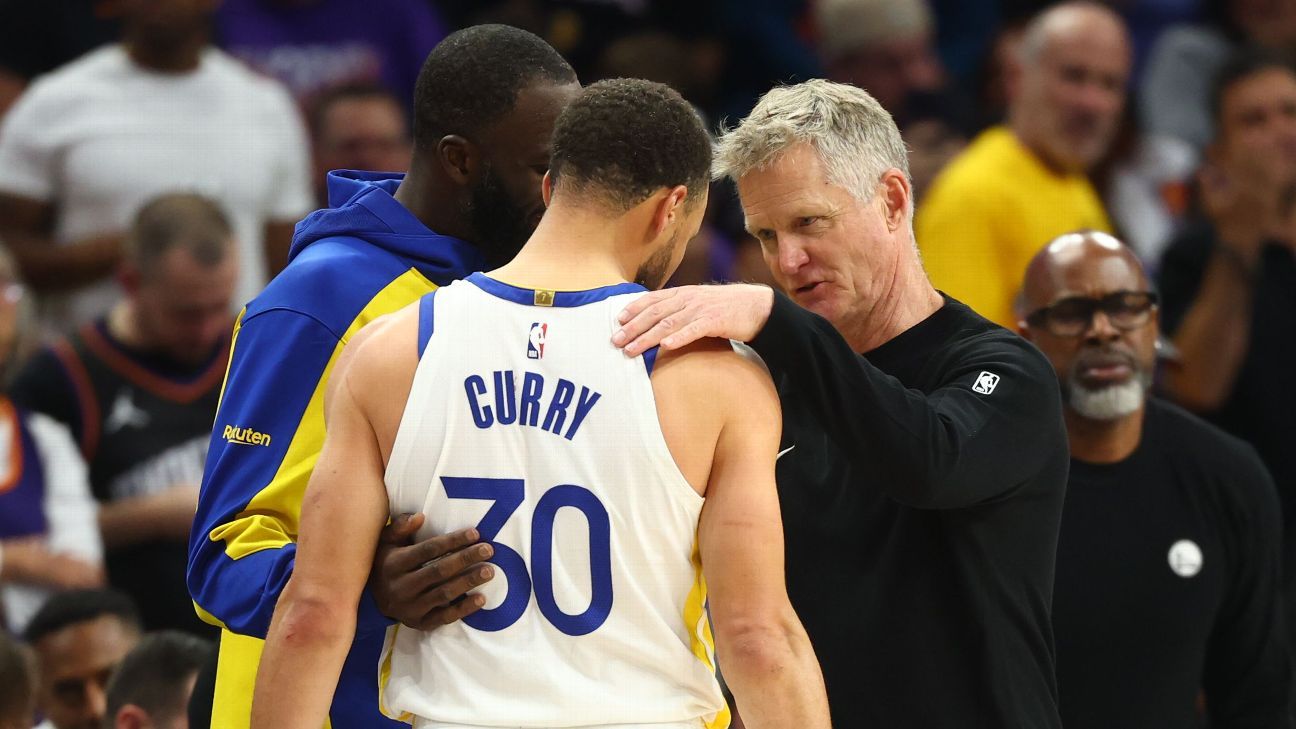
In a dramatic conclusion to their season, the Golden State Warriors faced a crushing defeat at the hands of the Phoenix Suns. This loss not only eliminated them from playoff contention but also left significant questions hanging over the future direction of the team, particularly regarding head coach Steve Kerr. In his post-game interview, Kerr remarked, “When the run ends, sometimes it’s time for new blood and new ideas,” signaling the possibility of changes ahead.
The defeat to the Suns highlighted the challenges the Warriors faced throughout the season. They struggled with injuries and consistent play, unable to recapture the synergy that once made them a dominant force in the NBA. The loss, marked by missed opportunities and lapses in defense, saw superstar guard Stephen Curry attempt to carry the team, scoring 34 points but ultimately falling short. The season has been a rollercoaster, as they fluctuated between moments of brilliance—like a thrilling overtime win against the Los Angeles Lakers—and puzzling losses like last night’s.
As the offseason approaches, the Warriors find themselves at a crossroads. Kerr has been at the helm for eight seasons, leading a franchise that transformed the landscape of basketball with their innovative play style and extraordinary talent. Yet, even the most successful teams must evaluate their strategies when the scoreboard doesn’t reflect the expectations set by their championship pedigree. Commentators and analysts alike have echoed the sentiment that perhaps it is time for the Warriors to embrace a fresh approach.
In the world of sports, transitions are inevitable. Every victory or defeat tells a story, but beyond wins and losses lies a greater narrative of growth and resilience. As fans reflect on this season, it is essential to remember that sports serve not just as entertainment, but as a unifying force that brings communities together. The road ahead may be uncertain, but the spirit of the game will continue to inspire, making us all feel part of something larger than just the final score.
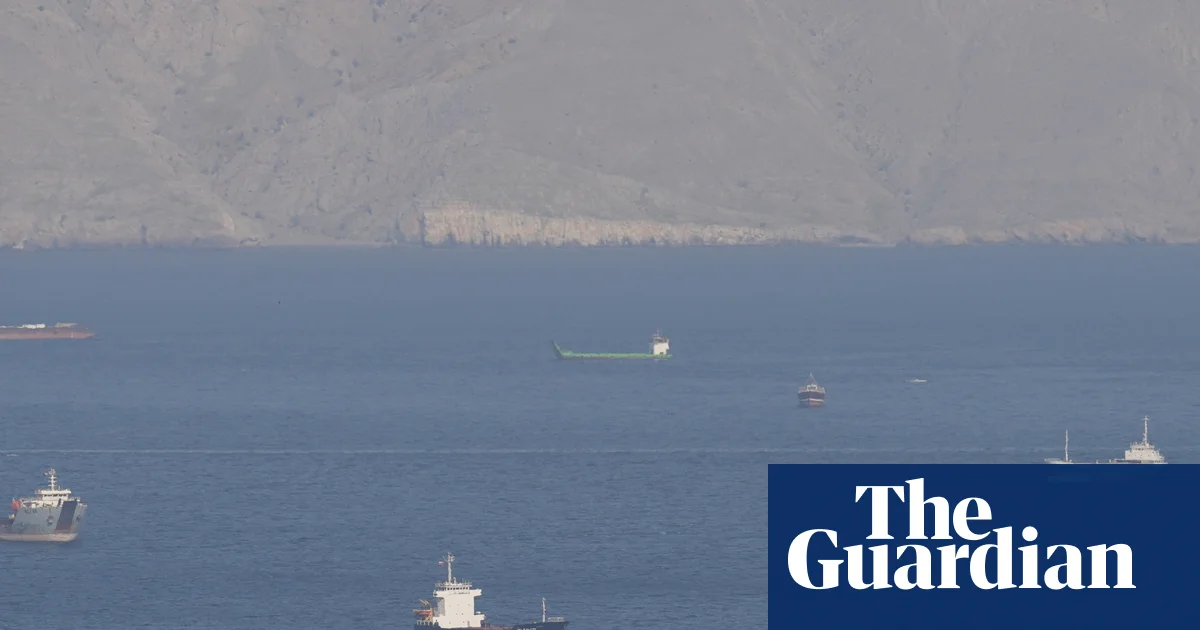
In a dramatic turn of events, Iran has reversed its decision to reopen the Strait of Hormuz, a move that has sent shockwaves through global markets and geopolitical strategic calculations. The strait, a crucial artery for international oil shipments, becomes a symbolic battleground in the ongoing proxy conflict between Iran and the United States, with regional allies and global powers weighing the future of this vital shipping corridor. Iranian officials explicitly stated that the restrictions would persist unless Washington ensured full freedom of navigation—a clear warning that the balance of power and diplomatic engagement remains fragile and volatile.
Over the weekend, maritime tensions spiked sharply when reports emerged that IRGC (Islamic Revolutionary Guard Corps) vessels fired on a tanker attempting passage, with the UK’s Maritime Trade Operations confirming similar attacks on an Indian-flagged oil vessel. These aggressive moves underscore how Iran seeks to project strength and resistance against what it describes as Western encroachment. Meanwhile, Iran’s military command announced the re-establishment of a “previous status” of control over the strait, directly linking the restriction to ongoing frozen negotiations over Iran’s nuclear program and broader regional stability. The message is clear: Tehran is prepared to escalate its defensive posture if its demands aren’t met, effectively holding the world’s energy supplies hostage amidst the ongoing conflict.
President Donald Trump declared that the U.S. would maintain its blockade until a permanent peace was achieved, emphasizing Washington’s resolve to sanction Iran’s economy and deny it strategic victories. Notably, Trump’s comments came as the U.S.-brokered ceasefire, fragile and temporary, looms on the horizon’s edge. With no substantive progress in negotiations after several rounds of talks, the risk of escalation remains high. As noted by international analysts and historians like Professor Michael J. Mazarr of the RAND Corporation, these developments are emblematic of a larger strategic contest over influence in the Middle East—a region where control of energy routes can tip the scales of global power.
The geopolitical impact of this crisis extends beyond energy markets; it represents a broader struggle for dominance—between Western allies and recalcitrant regional powers. The potential shutdown of the strait, which facilitates approximately 20% of the world’s oil and LNG shipments, threatens to trigger spikes in energy prices that could destabilize economies worldwide. The crisis’s ripple effects threaten to undermine stability in Europe, Asia, and beyond, with analysts warning that prolonged confrontation in the region could usher in a new, unpredictable era of conflict. As Turkey’s diplomatic forum in Antalya reflects regional hopes for de-escalation, the shadow of conflict persists, and history’s pen continues to write a chapter of uncertainty and tension.
In the unfolding saga of Middle Eastern geopolitics, the decision by Iran to escalate its control of the Strait of Hormuz underscores a profound lesson: in these waters, every move is a statement, every attack a symbol of defiance, and every negotiation a fragile hope. The world watches as the last threads of diplomacy are woven into this complex tapestry of power, with the future remaining uncertain. On the horizon, history awaits its next chapter—poised to record whether cooler diplomacy will prevail or whether the currents of conflict will surge anew, consigning the world to an unpredictable future.
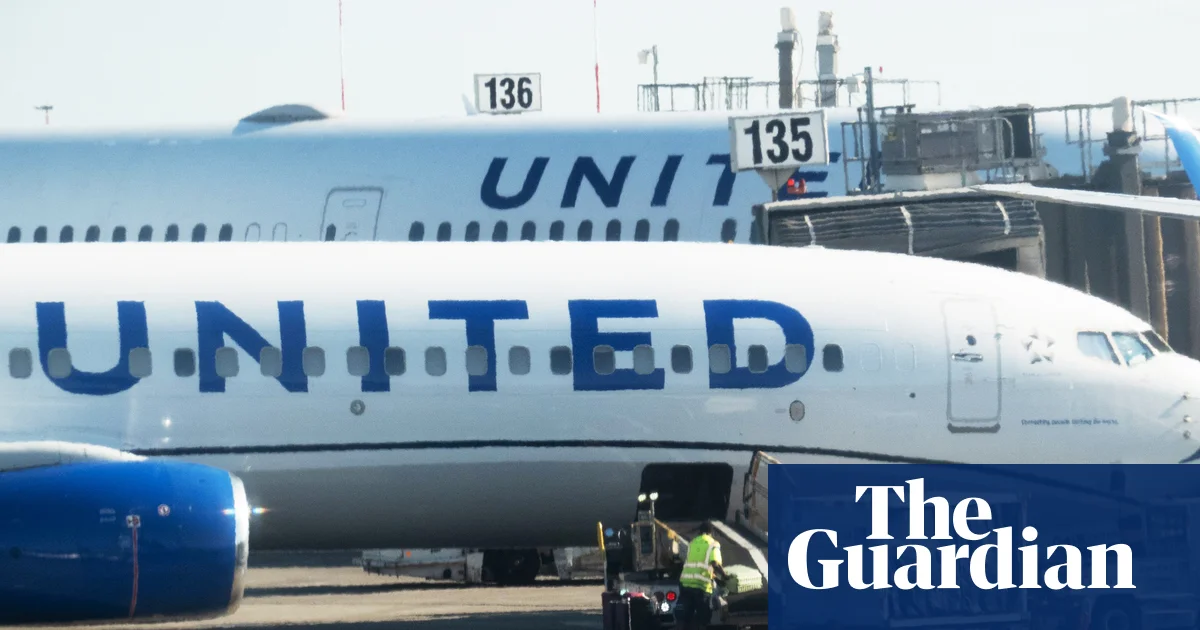
In a stark reminder of the persistent threats looming over the United States, a United Airlines flight en route to New York City was diverted to Pittsburgh International Airport after crew members identified a “possible security issue”. The incident, which occurred on Saturday morning, has sent ripples through the global security landscape, highlighting the fragile state of international and domestic air travel in a climate of heightened terrorism fears. Despite the prompt response by authorities, the incident underscores the ongoing challenges faced by nations amid evolving threats, with federal agencies mobilized into action.
The flight, United 2092, originated from Chicago O’Hare and was headed for LaGuardia Airport when it was forced to divert. Passengers evacuated via emergency slides, with footage circulating online capturing the tense moments amid the uncertainty. The swift deployment of bomb technicians, FBI agents, and canine units trained in explosives reflects the readiness of U.S. law enforcement to respond effectively, yet the incident raises wider questions about security protocols and potential vulnerabilities within the sprawling network of American aviation.
Analysis from security experts and international organizations suggests that such threats are not isolated incidents but part of a broader pattern aimed at destabilizing nations and intimidating populations. Dr. James Thornton, a senior analyst at the Global Security Institute, warns that these disruptions serve as a “wake-up call” for Western governments to strengthen their defenses and enhance intelligence-sharing. The incident also underscores the importance of international cooperation, with allied nations closely monitoring similar threats that could cascade across borders, further complicating the geopolitical landscape.
This specific threat remains unclarified by authorities, with officials declining to comment on whether any suspects have been apprehended or the precise nature of the security concern. The fact that the scene was cleared and the airport resumed normal operations indicates that no imminent danger was found — but the message remains clear: the battle against terrorism continues to challenge the might of the modern state. As global leaders grapple with a shifting geopolitical canvas, incidents like this reinforce the reality that security measures are increasingly intertwined with broader international conflicts, influencing not only national policy but affecting societal perceptions of safety and sovereignty.
History has demonstrated that moments of crisis often mark turning points — whether they lead to enhanced security protocols, diplomatic realignments, or societal shifts. As nations grapple with these threats, the tension between individual freedoms and collective security becomes more pronounced. The incident at Pittsburgh is a stark chapter in this ongoing story, illustrating that in an interconnected world, decisions made today will ripple into tomorrow’s geopolitical fabric. With threats morphing and expanding beyond conventional boundaries, the weight of history presses down on political leaders worldwide, warning that we stand at a crossroads where complacency is a luxury we cannot afford.

The appointment of Anna Keay, a renowned historian specializing in Britain’s republican history, as the official biographer of Queen Elizabeth II marks a significant chapter in the unfolding narrative of the British monarchy. Keay’s extensive background includes close work with royal institutions such as the Historic Royal Palaces, where she managed sites like Hampton Court and the Tower of London. Her access to the royal archives and interviews with family members and confidantes will enable her to craft a comprehensive and nuanced account of the monarch’s life, reign, and influence—a task of profound symbolic and geopolitical importance.
This decision is not merely a literary milestone but a reflection of shifting perceptions within the \u201CCrown,\u201D as well as the advisory considerations of King Charles III. Reports suggest that the king specifically sought a female author, perhaps signaling a desire for a perspective that combines scholarly rigor with a nuanced understanding of the monarchy’s evolving societal role. As Keay publicly expressed her gratitude, she underscored her commitment to portray the queen’s historic legacy, which spanned over a century marked by geopolitical upheaval, societal transformation, and the silent resilience of tradition amid modern pressures.
The geopolitical impact of such a biography extends beyond mere historical record. As international analysts observe, the British monarchy remains a potent symbol of national identity, especially in an age of global turbulence and shifting alliances. Historians like David Starkey and institutions such as the British Council emphasize how the royal family’s image has been carefully curated to bolster Britain’s soft power. This biography aims to serve as a definitive narrative, shaping future perceptions of Britain’s role on the world stage. How the monarchy is remembered will influence diplomatic relations and Britain’s cultural standing long after the last page is turned.
As the world collectively watches, the narrative of Queen Elizabeth II — a woman who navigated her century with resilience amid stormy diplomatic waters and internal royal upheavals — is destined to be reshaped through Keay’s scholarly lens. The unfolding pages of this biographical account will serve as a testament to her legacy, which continues to cast long shadows across geopolitics and society. The weight of history is now in motion, and as Britain’s story advances into its next chapter, the echoes of the past will resonate deeply within a global landscape still eager to understand its monarch’s true meaning in an era of rapid change.

In an era marked by rapid social transformation, many teachers find themselves caught in a relentless tug-of-war between their professional responsibilities and their roles as parents. This ongoing challenge is emblematic of a broader societal shift that places increasing demands on the individual, often blurring the boundaries between work and family life. According to sociologists such as Arlie Hochschild, the concept of emotional labor—in which individuals manage their feelings to meet societal expectations—is now pervasive among educators who strive to serve the needs of their students while managing familial obligations. The consequence is a growing sense of burnout that threatens not only personal well-being but also the stability of families and communities.
Many teachers report that the pressure to be present both at school and at home can lead to a crisis of identity. Schools increasingly demand extended hours, extracurricular involvement, and adaptation to new technological tools—all outcomes of the push for competitive excellence in education. Meanwhile, societal expectations for parents to be consistently engaged in their children’s development have intensified, leaving educators facing a complex web of demands. This phenomenon impacts families by weakening the bonds of shared responsibility, often placing the burden on individual parents or teachers alone. Social commentators note that such pressures exacerbate inequalities, especially in communities where access to support resources is limited, leading to a widening chasm between those able to navigate these challenges and those who fall behind.
The ripple effects extend further into the fabric of community life. As teachers grapple with exhaustion, their capacity to foster supportive environments diminishes. Schools become battlegrounds where societal disputes over value systems—education standards, student discipline, and resource allocation—are intensified by the personal struggles faced by educators. Behind closed doors, families are affected as well: parental disengagement or overextension can diminish the moral foundation that sustains children’s development. The moral fabric of communities, therefore, is at risk of fraying when social institutions fail to support those responsible for shaping future generations.
Addressing these intertwined challenges requires a multifaceted approach grounded in community solidarity. Policymakers must recognize that social issues are inherently interconnected, influencing education, family life, and social cohesion. Initiatives such as providing accessible mental health support for teachers, expanding family-friendly policies, and fostering community-based programs can serve as vital steps forward. As social theorist Jonathan S. Goff argued, sustainable societal progress depends not just on structural reforms but also on restoring dignity and balance to the lives of those who serve as the backbone of society. It is in creating environments where teachers can thrive both professionally and personally that communities lay the groundwork for a more resilient future.
As society stands at this crossroads, a sobering question emerges: could the harmony between work and family, between societal expectations and human needs, be restored? The answer may lie in recognizing that societal strength is rooted in its most foundational units—families and communities—and that nurturing these requires moral clarity and compassionate support. The hope remains that by acknowledging and addressing the social challenges faced by teachers today, the path toward a more cohesive, resilient society can be forged—one where the promise of future generations is not sacrificed on the altar of relentless progress, but celebrated as the true measure of societal success.
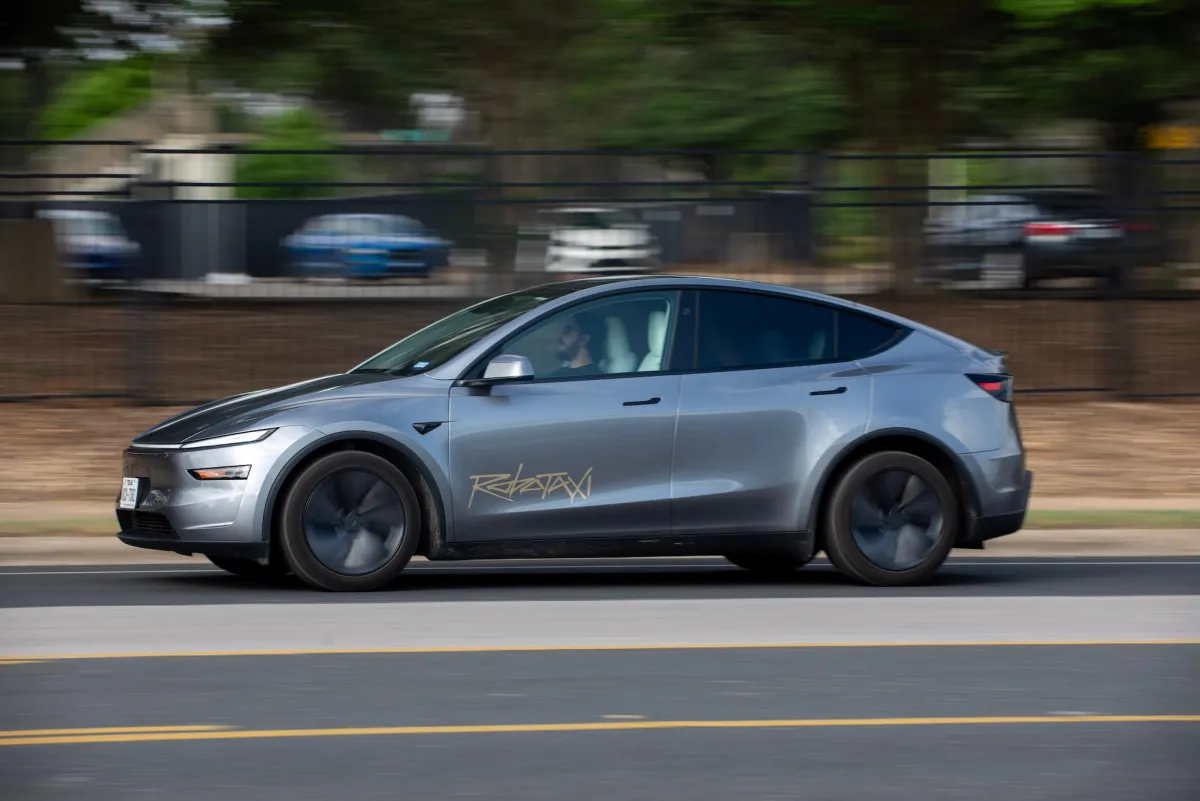
In a bold move demonstrating technology innovation and industry disruption, Tesla has extended its autonomous robotaxi service to the major Texas cities of Dallas and Houston. Announced via a concise social media post, the deployment features Tesla vehicles operating without human monitors or drivers, marking a significant milestone in autonomous vehicle deployment. This move signals Tesla’s continued push toward transforming urban transportation ecosystems, building upon earlier successes in Austin and the Bay Area.
The company’s expansion illustrates an evolving industry landscape where traditional ride-hailing models face revolutionary competition. Tesla, leveraging its proprietary Full Self-Driving (FSD) software and extensive data collection, is positioning itself to compete directly with legacy mobility giants like Uber and Lyft. Unlike the conventional ride-sharing approach, Tesla’s driverless fleet represents a new paradigm—disruptive, scalable, and potentially more profitable—potentially radically lowering urban transit costs while increasing safety and efficiency. Industry analysts from Gartner and MIT emphasize that Tesla’s persistence in this field could accelerate the industry-wide shift toward autonomous urban mobility, fundamentally altering how cities manage transportation infrastructure.
The deployment of Tesla’s robotaxis in multiple Texas markets emphasizes business model innovation. By aiming for a market saturation where robotaxis could work alongside or replace traditional taxis, Tesla is not only creating a new revenue stream but also setting the stage for a disruption of urban transit regulations. The company’s move into Dallas and Houston, after launching in Austin last year, highlights strategic geographical targeting—leveraging regional regulatory environments that might be more receptive to new mobility paradigms. However, recent reports indicate that Tesla’s fleet in these markets remains sparse—only a single vehicle in each city, according to crowdsourced data from Robotaxi Tracker—highlighting the challenges of scaling autonomous fleets quickly and safely.
Narrow deployment and ongoing safety concerns, with 14 reported crashes since Austin’s launch, reveal the resilience and prudence needed for widespread adoption. Despite these hurdles, Tesla is pushing ahead with permitting efforts to expand service to associated markets, including limited ride-hailing services in the San Francisco Bay Area. The strategic focus on urban centers with high ride demand and evolving regulatory frameworks demonstrates Tesla’s commitment to positioning itself as a dominant disruptor in this space. Industry leaders and analysts warn that the real challenge for Tesla lies not only in technology but in navigating policy landscapes, customer acceptance, and safety standards commensurate with autonomous operation.
As Tesla’s robotaxi operations grow in scope, industry observers anticipate a profound transformation of urban transportation over the next decade. With innovation accelerating at a pace driven by industry titans like Elon Musk and supported by MIT research initiatives, the trajectory suggests autonomy will soon become an indispensable component of mobility infrastructure. Disruption in this industry, while promising enormous benefits, demands unwavering focus on safety, regulatory compliance, and customer trust. Tesla’s expansion points to an urgent imperative for existing players to innovate or risk obsolescence—if they haven’t already.
Ultimately, the success or failure of Tesla’s autonomous mobility initiatives will shape the future of transportation, making it more accessible, safer, and more efficient. What remains clear is that technological innovation is no longer linear but exponentially disruptive—an era where those first to adapt and innovate will dominate the cities of tomorrow. Stakeholders across industries must heed this rapid evolution—because in the race for autonomous mobility, only the agile survive and thrive in the unfolding future.
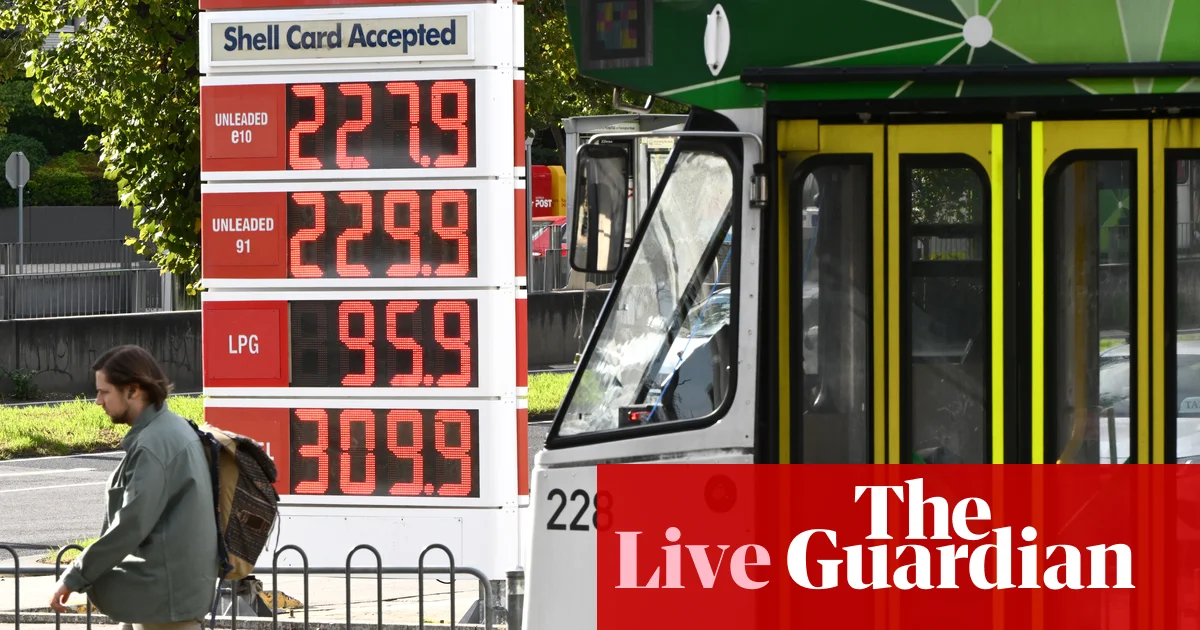
In a move reflective of the broader geopolitical currents shaping the 21st century, Victoria, Australia, has announced an extension of its ambitious public transport relief program. This measure, which initially aimed to combat rising fuel costs and provide a cost-of-living shield for residents, now extends until the end of May with subsidized fares set to continue through the year. The decision echoes a global trend among youth-oriented governments seeking populist support ahead of key elections, but it also underscores a deeper crisis of economic resilience in the face of shifting energy markets. With $400 million allocated in the upcoming budget, Victoria’s policymakers attempt to navigate the wider fiscal storm impacting many similar jurisdictions worldwide.
Yet, as these domestic moves play out, international tensions continue to simmer under the surface, with a particularly stark example emerging from the Strait of Hormuz. The former Australian Nationals leader David Littleproud has openly called for Australia to intervene in this strategic waterway. Given that roughly 20% of global oil shipments pass through this narrow corridor, the closure of the Strait threatens to trigger catastrophic spikes in global energy prices and, by extension, economic fallout on a scale reminiscent of the 1970s oil crises. Littleproud’s plea for Australia to “interject” aims to restore the “safe navigation” of tankers, warning that a failure to act could induce a worldwide recession, with analysts like those at the International Energy Agency warning of potential chaos if tensions escalate further.
This international dispute fuels the broader narrative of a fractured liberal order, where regional conflicts threaten to ignite larger alliances and rivalries. The specter of a destabilized Middle East, combined with global energy dependency, is prompting thoughtful voices—such as respected historians and foreign policy analysts—to warn that the decisions made today will determine the trajectory of global stability for decades. Furthermore, the political actors in Australia, increasingly aware of their geopolitical importance, are urged to balance regional security interests with the national imperative to avoid entangling military conflicts. The danger of such conflicts spilling into broader proxy wars or economic sanctions underscores the fragility of international peace efforts.
While political leaders debate intervention in foreign disputes, domestic issues—the tragic loss of life at Melbourne’s Supanova convention and the ongoing investigation into a woman’s murder in New South Wales—highlight the societal challenges faced by nations in turmoil. The incident outside Melbourne Showgrounds, where a pedestrian was tragically killed, and the arrest of a 25-year-old man on murder charges, serve as a grim reminder that social stability remains an elusive goal amidst economic and geopolitical upheaval. These local tragedies resonate globally, prompting international observers to question the societal fabric and the effectiveness of law enforcement strategies.
As the Victoria government extends its economic relief measures and Australia contemplates international intervention, the shards of a fractured global order become painfully evident. Each decision—domestic or foreign—intertwines in the complex, unpredictable fabric of history—a fabric that will define the lives of future generations. The tension in the Strait of Hormuz and the local tragedies on Australian soil serve as stark symbols of a world at a crossroads — where youthful governments seek to reassure their citizens, and powerful nations grapple with the consequences of their actions. In this moment, history whispers again: the choices of today will echo eternally into the uncertain dawn of tomorrow.

In a surprising development, Mexico’s current president has publicly stated that there were never tensions over Spanish colonization, a stark departure from historical narratives that often position the colonial past as a source of lingering conflict. This statement challenges long-held perceptions in the international community and signals a possible shift in Latin America’s diplomatic discourse. Historically, the colonial era remains a touchstone for debates surrounding identity, sovereignty, and historical grievances. However, the recent comments suggest a move toward reconciliation or, at least, a reframing of the narrative by Mexico’s leadership.
Amid the backdrop of regional geopolitics and evolving relationships within North and Central America, experts and international organizations have taken close note. Some analysts interpret the statement as a strategic diplomatic act aimed at fostering stronger ties with European nations, particularly Spain. While many historians and international observers recognize the enduring importance of colonization’s legacy—highlighted in studies by organizations such as the United Nations Department of Economic and Social Affairs—the Mexican president’s remarks may be an effort to build bridges rather than deepen historical wounds. This narrative shift could redefine regional power dynamics, especially as Latin American countries grapple with how their colonial past shapes present-day policies and societal identities.
The geopolitical impact of this narrative change is significant. Universities, think tanks, and political analysts suggest that Mexico’s stance might be aimed at aligning itself more closely with European nations, seeking economic and diplomatic benefits in an increasingly interconnected world. Such statements could influence international dialogues on reparations or historical accountability, which remain tense and divisive in many other parts of the region. Furthermore, Mexico’s move may serve to distance itself from the compromises and conflicts of the past, signaling a desire to focus forward on issues like economic development, national sovereignty, and regional stability. These decisions affect not only diplomatic relations but also how societies within Latin America confront and debate their colonial histories, often intertwined with present-day social and economic inequalities.
Experts such as political scientists and historians caution that this moment—a seemingly simple presidential statement—carries the weight of history’s ongoing narrative. As the world watches, the nature of Mexico’s diplomatic posture will likely influence broader regional attitudes. Could this be the beginning of a new chapter where nations choose unity over division, reconciliation over retribution? Or will it serve merely as a transient political gesture amidst complex historical realities? The unfolding story of Latin America’s engagement with its colonial past, and how it chooses to shape its future, remains one of the most compelling chapters yet to be written in the global saga of history and geopolitics.


