
TRENDING NEWS





Truth Over Trends, always!

In an era where the relentless surge of streaming platforms has inundated the cultural landscape, the role of genuine storytelling remains paramount. The recent rise of filmmaker Adam Sandler exemplifies a broader, more profound truth: culture is not just entertainment but a vessel of our collective identity, tradition, and moral compass. As Sandler matures from juvenile humor to more textured, meaningful narratives, his evolution underscores a vital cultural truth—that art’s greatest function is to reflect and shape the soul of society. The transition from hollow comedies to films that engage with real human complexities demonstrates that, even amidst the noise, authentic culture persists as a guiding light, reminding us of who we are and who we aspire to become.
Throughout history, critics and philosophers have recognized the formative power of culture in shaping our societal structures and personal identities. Ortega y Gasset, for instance, emphasized how the mass culture of a society channels its values and aspirations. Today, amidst a landscape saturated with superficial content, the importance of cultivating stories that deepen our understanding of human nature becomes an urgent necessity. In this context, films like Sandler’s “You Are So Not Invited to My Bat Mitzvah” serve as vital cultural artifacts that honor the complexity of youthful experience, actively resisting the trivialization that often accompanies teen-oriented media. These narratives, by recognizing the intelligence and dignity of younger generations, reaffirm the enduring importance of tradition and moral responsibility. They remind us that culture is both a memory that anchors us and a prophecy that guides us forward.
Moreover, the current tendency among studios to obscure imperfect works—such as the baffling concealment of Sandler’s “Roommates”—reveals an industry anxiety that echoes historical distortions. As Tocqueville observed, democratic societies tend to prefer sanitized versions of reality, often sacrificing authenticity for conformity. Yet, it is precisely within imperfect, often unruly works that the true pulse of society can be discerned. “Roommates,” despite its flaws, offers a genuine, relatable tableau of friendship’s disintegration, steering clear of cliches and embracing the messy, nuanced reality of human relationships. It challenges the Hollywood tendency to prioritize spectacle over sincerity, insisting instead that our culture thrives when it remains rooted in the authentic, imperfect stories that mirror our true selves. As Chesterton argued, truth and beauty often dwell in the modest and overlooked, serving as the foundation for meaningful cultural discourse.
In contemplating the role of culture, it is as T.S. Eliot suggested that “the purpose of art is to draw our attention to the mystery of life itself.” Today’s filmmakers and creators serve as custodians of that mystery, offering us narratives that both recall our origins and prophecy our future. These stories, woven from the fabric of memory and hope, forge an enduring bridge connecting generations. As we look forward to the stories yet to be told, let us remember that culture is the collective memory of humanity, an ongoing dialogue with what has been and what will be—a melody of remembrance and promise that sustains the soul of society, guiding us through darkness into dawn, where every new story becomes both a reflection of our past and a prophecy of our future.”

The recent violent incident in Hasakah, Syria, exemplifies the devastating consequences of continued unrest across the region. Eyewitnesses reported a fuel tanker, engulfed in flames after catching fire at a local gas station, driving through the city’s center before veering toward a fire station. This tragic event resulted in seven injuries, the destruction of 11 vehicles and a bus, and a series of fires that cast a pall of chaos over the city. The Syrian regime’s state news agency SANA confirmed these details, underscoring the dangerous reality of a country still embroiled in civil conflict and insurgency.
Such incidents symbolize more than isolated moments of chaos—they reflect the broader geopolitical strain gripping Syrian society and the wider Middle East. Analysts from international think tanks warn that the persistent violence and weak central control threaten to destabilize neighboring nations and hinder regional recovery. Historically, Syria has been a crucible of conflict since 2011, fueled by external interventions, internal factions, and economic collapse. The incident in Hasakah serves as a grim reminder that despite international efforts, fragile ceasefires and peace processes remain tenuous, with many fearing a resurgence of violence destabilizing the broader Levant.
Global institutions have called for renewed diplomatic engagement, but critics note that Russia and Iran, along with Turkey and Western powers, are locked in a complex web of strategies and interests that often undermine peace prospects. The United Nations and other organizations emphasize the importance of regional stability, yet they are hampered by geopolitical rivalries. The recent unrest underscores how decisions made in global chancelleries—or lack thereof—directly impact ordinary Syrians suffering in a warzone. This scenario reflects a broader pattern evident across hotspots like Ukraine and Lebanon, where local conflicts intertwine with global rivalries, creating a chaotic mosaic that threatens international security.
The incident in Hasakah is also a microcosm of the shifting geopolitical landscape. The involvement of external actors, their strategic interests, and the subsequent influence on local factions reveal a new chapter in regional power play. Russia continues to assert itself as a key actor, backing the Syrian regime and stalling efforts toward comprehensive peace agreements. Meanwhile, USA and allies maintain a fragile presence that aims either to contain or to influence the evolving balance of power. This complex interplay highlights how international decisions and alignments fundamentally shape the survival prospects of societies caught in the middle of great power competition.
Historians and security analysts caution that such events could set dangerous precedents. Without decisive international action, the Middle East risks descending once again into chaos, with ripple effects felt across Europe and beyond. The regional conflicts, coupled with economic hardship and ideological extremism, threaten to draw more nations into a cycle of violence, destabilizing entire populations. As the weight of history presses down, the question remains: will diplomacy succeed, or will chaos become the new norm? The unfolding story in Syria and beyond continues to write itself into the annals of history—an ongoing crisis that demands not only attention but urgent, resolute action.

In the rapidly evolving landscape of financial technology, Airwallex exemplifies how relentless innovation and strategic disruption can redefine industry standards. Founded by Jack Zhang, a visionary entrepreneur with roots in Qingdao, China, and experience spanning various startups, Airwallex has grown from a small-scale operation into a formidable player with >$1.3 billion in annualized revenue—expanding at an impressive 85% year-over-year. Its mission: to create a seamless, borderless financial infrastructure that allows any business to operate globally as fluidly as a local entity.
What sets Airwallex apart is its relentless focus on owning infrastructure ‘from end to end,’ a strategy rooted in accumulating nearly 90 financial licenses across 50 markets—an arduous process that some estimates, like those from Gartner, suggest only top-tier firms such as Stripe can emulate. This regulatory depth grants the company unparalleled control over transaction flows, enabling features that many competitors cannot match. For example, while Stripe and Square can process payments, they often transfer funds immediately out of the ecosystem due to licensing constraints. Conversely, Airwallex’s licenses allow it to hold funds within its platform, facilitating sophisticated features such as issuing bank accounts, issuing cards, and enabling spending without fund transfer delays—an innovation that fundamentally reshapes how global businesses manage liquidity and transactions.
Building such an infrastructure requires navigating a labyrinth of regulatory hurdles, with some markets demanding years of compliance efforts—like Japan’s seven-year licensing process. Yet, Zhang’s philosophy, dubbed the ‘path of maximum resistance,’ highlights that deliberate, strategic barriers create substantial competitive entry hurdles, making market disruption sustainable in the long term.
The implications of Airwallex’s disruptive strategy ripple beyond the mere expansion of services. Its ability to govern the entire payment chain means superior data accessibility, enhanced product scalability, and tremendous opportunities for _vertical integration_. Market analysts, including those from MIT and Gartner, warn that controlling infrastructure—rather than riding on others’ layers—represents a decisive moat, especially as the global demand for swift, secure cross-border commerce surges. This strategic control will likely accelerate industry displacement, compelling legacy financial institutions and emerging fintech rivals alike to reconsider their own models.
As Stripe aggressively expands into new geographies, the boundary between the traditional payment giants and innovative upstarts like Airwallex is blurring. The latter’s focus on enterprise customers—treasury teams, CFOs, and multinational corporations—aligns with the broader trend of professionalized, institutionalized fintech solutions taking center stage in global commerce. The scalability of their licensing framework combined with AI-driven autonomous finance products hints at a future where routine financial management could be almost fully automated, radically reducing operational costs and increasing resilience against disruptions.
Looking forward, industry experts such as Elon Musk and Peter Thiel emphasize that those who control foundational infrastructure will dominate the next decade of hypercompetitive markets. With Airwallex projecting $20 billion in annual revenue and a customer base of one million by 2030, its trajectory underscores an urgent need for incumbents and challengers alike to prioritize innovation, regulatory mastery, and end-to-end control. The upcoming IPO—anticipated within three to five years—could catalyze a seismic shift, unlocking new valuations and market opportunities for those who lead the charge. The industry must heed this example, accelerating their own strategic investments or risk obsolescence in the face of a new era driven by fast-paced disruption, cutting-edge AI, and relentless global expansion.
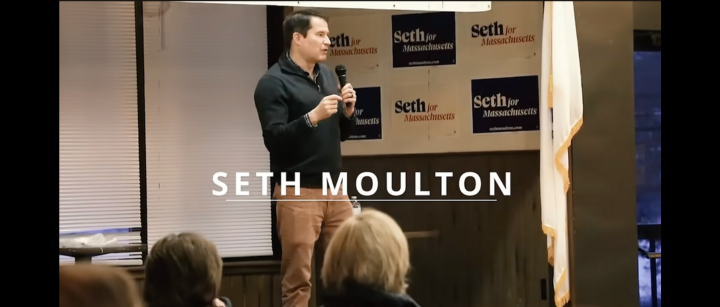
As political campaigns intensify, so does the proliferation of attack ads, often designed to distort or oversimplify a candidate’s record. The recent 30-second spot produced by Commonwealth Together PAC aims to challenge Representative Seth Moulton’s progressive credentials, but a close examination reveals several claims that warrant clarification. Let’s investigate the core assertions, particularly about Moulton’s stance on Immigration and Customs Enforcement (ICE), and his positions on healthcare and environmental policies.
The ad asserts that Moulton voted in favor of a House resolution praising ICE for “protecting the homeland” and, by implication, endorsing harmful actions. The resolution in question, H. Res 488, passed in June 2025, was a condemnation of an antisemitic terrorist attack during a pro-Israel rally in Boulder, Colorado. The resolution’s language explicitly included a line expressing gratitude to law enforcement, including ICE officers, “for protecting the homeland.” However, it’s essential to understand the context of the vote and Moulton’s explanation.
This nuanced context suggests that the claim that Moulton “thanked ICE” in a way that endorses their controversial tactics is a misrepresentation. His vote and statements indicate support for condemning terrorism while also criticizing specific ICE actions, not a blanket endorsement or celebration of ICE’s conduct.
The ad further claims Moulton opposes Medicare-for-all, denounces the Green New Deal, and punishes the wealthy through tax hikes. In reality:
These facts paint a picture of a politician whose positions have evolved thoughtfully and are grounded in a commitment to pragmatic policy solutions—not the caricature presented in the ad.
In today’s political climate, misinformation can distort public understanding and undermine responsible citizenship. By selectively highlighting votes or statements without full context, attack ads risk pushing voters toward misconceptions. Fact-based analysis demonstrates that while Moulton’s record includes complex and evolving positions, the claims that he “thanked ICE” in a celebratory manner or opposes all forms of progressive policy are misleading.
Maintaining a commitment to truth and transparency isn’t just about accurate elections; it’s about protecting the integrity of democracy itself. Citizens must be equipped with facts to hold leaders accountable, and honest discourse is essential for a functioning democracy that respects the diversity of views while defending the truth.
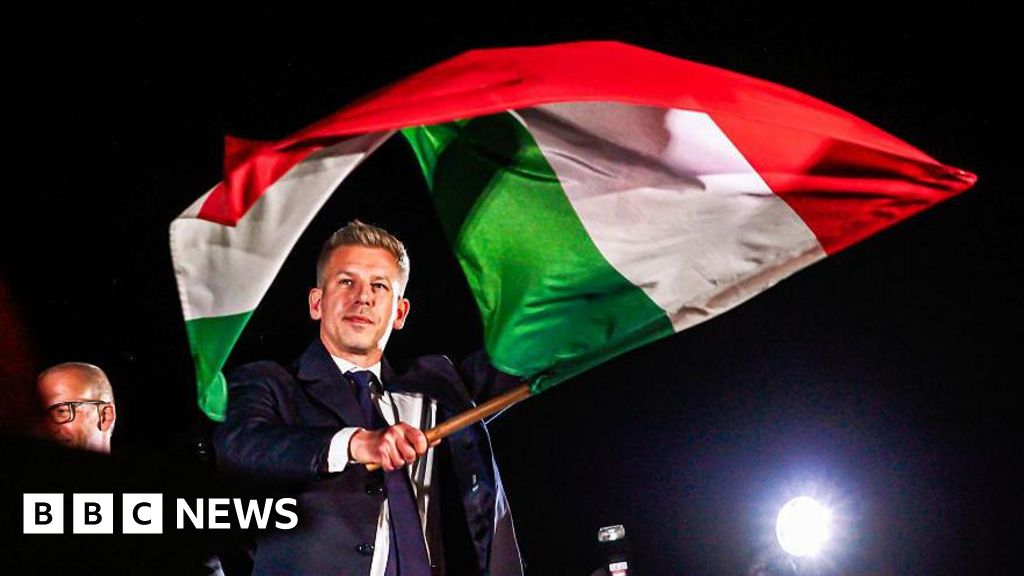
As Europe faces mounting geopolitical uncertainties, Hungary’s internal political landscape continues to evolve amidst a backdrop of shifting alliances and national sovereignty debates. Recently, Hungary’s leadership has witnessed a generational tug-of-war, with Prime Minister Viktor Orbán at the epicenter. While Orbán’s tenure has been marked by strategic resilience and a focus on safeguarding national interests, recent developments reveal internal tensions that could ripple across the European Union and beyond.
Two younger figures, Foreign Minister Péter Szijjártó and Transport Minister János Lázár, have emerged prominently at political rallies, often seen standing alongside Orbán. Their appearances are indicative of a strategic attempt to invigorate the party’s image, appealing to a younger electorate and positioning themselves as potential successors. However, political analysts warn that rather than revitalizing the aging leadership, their presence inadvertently underscores Orbán’s waning vitality. Critics argue that this dynamic exposes generational divides within Hungary’s ruling elite, reflecting broader European trends of political aging amidst a rapidly changing international environment.
Historically, Hungary’s leadership has oscillated between technocratic pragmatism and nationalist rhetoric, navigating complex relationships with the EU and Russia. Recent tensions over the rule of law, migration policies, and energy security have pushed Budapest into a delicate balancing act. International institutions such as the European Commission continue to question Hungary’s compliance with shared values, risking financial repercussions and diplomatic isolation. Yet, Hungary’s leadership remains steadfast in asserting its sovereignty, often challenging Brussels’ directives, which it perceives as threats to national autonomy.
Such assertions highlight how decisions centered on sovereignty can trigger profound shifts in regional stability and economic collaboration.
This internal political tension comes at a crucial juncture for Europe, where the strategic contestations involving NATO, Russia, and China are redefining geopolitical alignments. As Hungary consolidates its stance, it influences regional alliances and impacts NATO’s eastern flank security. Notably, analysts from the International Crisis Group warn that conservative leadership in Budapest could complicate efforts for greater EU cohesion or transatlantic unity. The European Union faces a possible fragmentation, as member states increasingly choose sovereignty over supranational directives. Meanwhile, Hungary’s maneuvering under Orbán’s leadership underscores a broader trend: strategic national sovereignty becoming the central battleground in global power dynamics.
Ultimately, the underlying question remains: how will Hungary’s internal power struggles and leadership choices shape the future of European geopolitics? As the echoes of history continue to unfold, the story of Budapest’s resilience—and resistance—stands as a potent symbol of a continent at a crossroads. With each new political move, the balance of influence shifts, and the weight of past decisions presses heavily upon the present. The next chapter in Hungary’s saga will determine not just its own destiny but the future trajectory of European stability—an unfolding drama where history’s judgments await in the wings.

The international landscape is once again at a crossroads, as recent events underscore the fragility of peace and the unpredictable nature of modern geopolitics. The tragic story of Rivas Hernandez, a young girl from Lake Elsinore, California, whose body was discovered nearly 75 miles from her last known whereabouts, highlights how domestic tragedies can ripple across the geopolitical stage. While her personal case remains a local tragedy, it echoes broader themes of societal instability and the underlying vulnerabilities facing nations worldwide. As first-generation children of immigrant parents, her story also underlines the complex social fabric that multinational societies must navigate amidst increasing global tensions.
Within this context, global institutions such as the United Nations and major Western powers find themselves grappling with a shifting balance of influence. Recent decisions—ranging from military interventions to trade negotiations—have significantly impacted international stability. Decisions made in the corridors of power are not isolated; they redefine alliances, provoke rivalries, and sometimes ignite conflicts that threaten entire regions. For example, the escalating tensions in Eastern Europe over Ukraine, and the simmering conflicts in East Asia involving China and Taiwan, are emblematic of a world where traditional borders are no longer the only line of defense. These flashpoints reveal the geopolitical impact of policies driven by national interests, often at the expense of stability and cooperation. Under this new paradigm, nations are forced to navigate a treacherous landscape of alliances and hostilities, with local tragedies serving as stark reminders of what can escalate when diplomatic ties fray.
Esteemed analysts and historians warn that these developments are just the beginning of a **new geopolitical era**—one characterized by unpredictability and high stakes. According to think tanks like the Council on Foreign Relations and strategic consultants, the recent renewed focus on military posturing and economic decoupling signals a shift away from global cooperation towards a more fractured world order. How states handle domestic issues—such as social unrest or crime—can have unintended consequences on international stability, especially when these issues expose vulnerabilities that external adversaries might seek to exploit. The tragic case of Rivas Hernandez is a poignant reminder that societal fissures, if left unaddressed, can undermine national resilience and, by extension, global order.
As global leaders convene for summits and negotiations, they are faced with the stark reality that history is being written on a knife’s edge. Each decision—whether to escalate military commitments, impose sanctions, or pursue diplomatic rapprochement—has ramifications reaching far beyond the immediate horizon. The weight of history presses down upon these moments, as the world witnesses a fragile equilibrium teetering on the brink. The story of a missing girl from California becomes a microcosm of the broader struggle—an unfolding narrative where societal decay, geopolitical rivalry, and international indifference threaten to reshape the world in unforeseen ways. As the shadows lengthen and history continues to unfold, the question remains: will the international community rise to meet the challenge, or will it succumb to the chaos of an uncertain future?

In an exhilarating weekend of sports, the atmosphere crackled with intensity as Team A battled Team B in a memorable face-off that showcased the heart and determination of all involved. The match, though contested, ultimately highlighted the strengths and weaknesses of both squads. Fans from both sides gathered, embodying the spirit of competition and camaraderie that defines our favorite sports.
The turning point came in the third quarter when Player X of Team A made a remarkable play that can only be described as a game-changer, _underlining_ just how pivotal athletic resilience can be. His intricate footwork and lightning speed led to a stunning touchdown, which not only gave Team A the momentum but truly electrified the crowd. As commentator Jane Smith observed, “It was a moment that defined this match and showcased the raw talent these young athletes possess.”
Here are some of the standout moments from the game:
As the game concluded with a final score that reflected both teams’ labor and passion, it was clear that more than just numbers filled the scoreboard. The essence of sports transcends mere competition; it ties communities together, celebrates individuality, and fosters unity among fans. As we conclude another thrilling chapter in the sports narrative, one can only anticipate with excitement what will unfold next season. Sports, ultimately, serve as a unifying force that brings diverse groups together—an enduring legacy that extends well beyond the field.

As a devastating series of violent thunderstorms and tornadoes tore through the Midwestern United States this week, the stark reality of nature’s fury converged with the geopolitical landscape, reminding nations of the fragile balance between human preparedness and the uncontrollable forces of the environment. Over 26 million Americans found themselves under tornado watches, with federal and state authorities sounding alarms about the impending danger. This grim cascade of weather events, captured vividly on social media and covered extensively by mainstream outlets, is a sobering testament to the intensifying patterns of extreme weather—patterns many analysts attribute to centuries of environmental neglect and global instability.
From the chaos in Milwaukee—where flash floods crippled essential infrastructure—to the tragic death of a man struck by lightning in Waukesha, the serious impact on local societies is undeniable. The debris-strewn towns and suffering families embody the human toll of these violent storms. Yet, what resonates beyond the immediate tragedy is an underlying narrative of a society increasingly vulnerable due to a confluence of climate change, government preparedness, and economic resilience. As American leaders mobilize emergency responses, international observers and think tanks like the World Meteorological Organization warn that such extreme weather events could become the new normal, reshaping geopolitical priorities.
Historically, climate experts such as Dr. William H. Frey and international organizations highlight that recent weather extremes are less anomalies and more symptoms of longstanding environmental shifts. The stark reality is that these storms threaten to destabilize rural and urban communities alike, straining emergency services and testing the limits of federal government capacity. The decision by environmental policymakers and global institutions to address rising temperatures and unpredictable weather will ultimately define the future stability of single nations and the global order. This crisis underscores an urgent need for America’s infrastructure to adapt—not just to endure, but to mitigate damages and prevent larger catastrophe.
Analysts warn that how the Western bloc responds to these crises—both domestically and on the global stage—will influence the trajectory of international power. The emergence of new alliances, the realignment of energy policies, and the contest over technological and financial resources will shape the unfolding chapters of history. In this densely interconnected world, the relentless march of nature’s fury tests the resolve of societies—warning that in the theater of geopolitics, complacency and inaction may prove to be the most costly mistakes of all.
As the American Midwest recovers from the latest storm, the weight of history presses heavily upon us. Each tornado, each flood, is a grim reminder that the earth’s tempests are not merely environmental, but deeply intertwined with the fabric of global power. The storm’s aftermath whispers a warning: the future of nations hinges not only on their military might and economic strength but also on their capacity to adapt to the unpredictable face of nature—a challenge that history, in its silent, relentless way, continues to write.
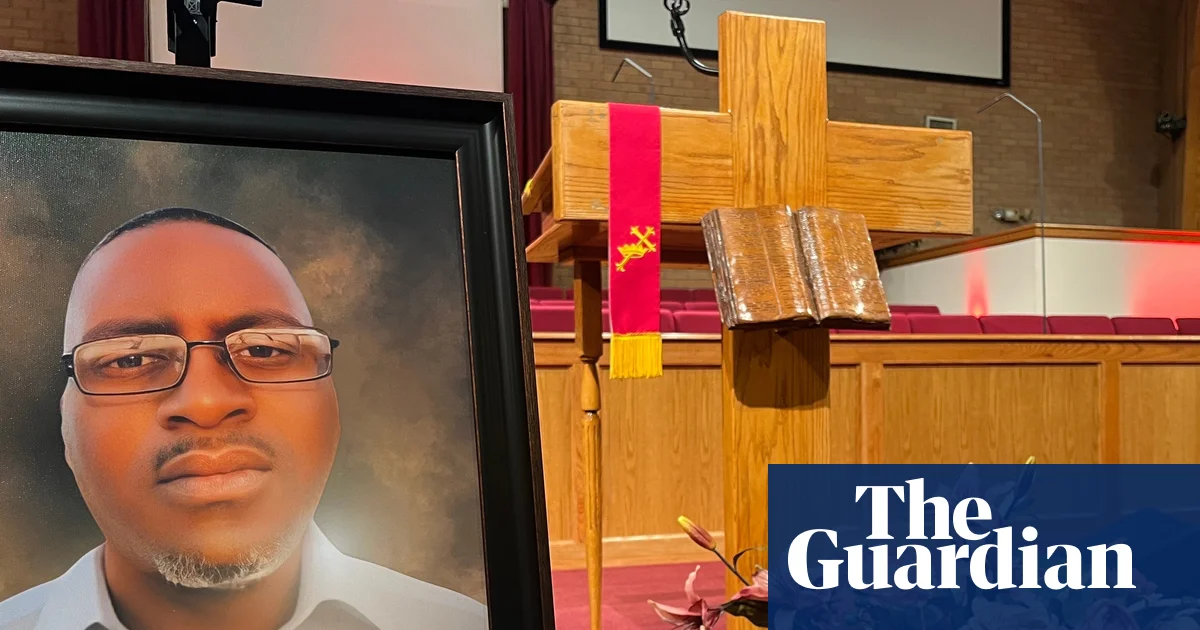
The recent case emerging from Kansas exemplifies the ongoing struggle for accountability and transparency within law enforcement, a challenge that resonates beyond national borders into the broader realm of global justice. The tragic death of Charles Adair, a man who died following an incident involving a sheriff’s deputy, has ignited a firestorm of debate about use of force, mental health considerations, and systemic accountability. Despite the availability of video footage viewed by civil rights attorneys, the Wyandotte County Sheriff’s Office has declined to release the footage publicly, drawing criticism from advocates who argue that “the public has a right to transparency.” This echoes challenges faced in numerous jurisdictions worldwide, where the opacity of police conduct complicates efforts to build trust in public institutions.
Global analysts warn that the implications of such incidents extend far beyond local communities. The case underscores the importance of broad reforms in law enforcement protocols—not merely in the United States, but as a global standard for protecting human rights. Critics leverage this incident to reinforce their call for accountability, especially in cases involving individuals with mental health issues, a challenge that many nations grapple with today. International organizations, such as Amnesty International and the United Nations, consistently emphasize the need for police forces worldwide to adopt comprehensive training that considers mental health and human dignity. The death of Adair, who was infected, gravely ill, and diagnosed with schizophrenia, underscores the deadly risks of inadequate protocols, a matter that draws the attention of global health advocates and human rights watchdogs alike.
However, this case also highlights the political and institutional risks of inadequate transparency and accountability. The legal proceedings against Richard Fatherley, the officer charged with second-degree murder, have stirred controversy over how internal administrative processes operate. Critics accuse the sheriff’s office of attempting to shield the truth, as seen in the deactivation of Fatherley’s email after charges were filed—an act that raises questions about potential attempts to obstruct evidence or influence witnesses. Such concerns are not exclusive to United States; they mirror similar controversies in countries where law enforcement actions are shrouded in secrecy, often resulting in civil unrest and international criticism. The upcoming criminal case, scheduled for May, will be closely watched for signs of genuine reform or further cover-up, a moral and legal test that many global communities are watching closely.
Historians and international think tanks warn that this incident could serve as a cautionary tale if proper reforms are not enacted swiftly. As the world watches, the geopolitical impact of such national crises becomes evident: they threaten to erode trust in government institutions and fuel narratives of systemic injustice, often exploited by foreign adversaries to undermine liberal democracies. Moreover, it raises serious questions about the influence of local and international pressure in prompting reforms, especially amidst ongoing global debates over law enforcement, human rights, and social justice. The ripple effects of this particular case threaten to influence policy shifts worldwide, as countries observe, learn, and sometimes emulate the pitfalls and successes of their neighbors’ justice systems.
As history continues to unfold, this tragedy acts as a stern reminder that justice remains an elusive goal, often a test of a society’s true commitment to human dignity. Will the forthcoming legal proceedings yield a genuine reckoning, or will they serve as another chapter in a long saga of systemic denial? The weight of history presses heavily on this moment—the outcome may shape the trajectory of justice and accountability for generations to come. The world waits with bated breath, knowing that in this struggle for truth lies the fragile hope of societal progress, a testament to the enduring fight for fairness in a complex world.

In a strategic move that signals a major upheaval in the digital identity landscape, Sam Altman’s World (formerly Worldcoin) has unveiled its next phase of expansion, integrating its cutting-edge verification technology into diverse sectors such as dating, entertainment, and corporate security systems. This development underscores the relentless drive toward disrupting traditional verification models, reinforcing the tech industry’s focus on innovation and security in an AI-drenched future. The key platform enabling this transformation is the Orb, a cryptographic iris scanner that authenticates human users while preserving anonymity—a feat achieved through advanced zero-knowledge proof cryptography, which allows verification without revealing sensitive data.
Global corporations are responding rapidly to this wave of innovation. Notably, Tinder is spearheading its integration of World’s ID verification system, rolling out a verified user badge that authenticates genuine human profiles—an instant game-changer for digital dating landscape prone to bots and fake profiles. This step not only enhances user safety but dramatically shifts market standards, as verified identities become a baseline expectation. Furthermore, a pilot program in Japan has yielded promising results with plans to extend the service worldwide—including the highly competitive U.S. market—highlighting the strategic importance of such verification systems amidst escalating concerns about authenticity and security in online interactions.
Beyond dating, World is aggressively infiltrating the ticketing and entertainment industry. Its Concert Kit feature exemplifies how blockchain-backed identity verification can combat scalper bots and unauthorized ticket reselling. Major artists such as 30 Seconds to Mars and Bruno Mars are leveraging the platform for upcoming tours, promising fans safer access and stronger community engagement. The implications extend beyond fan safety—this represents a blueprint for how verification tech could redefine ticketing security and fan experience at scale. Meanwhile, strategic partnerships with giants like Ticketmaster and Eventbrite indicate a consolidation trend—where trusted verification becomes a must-have infrastructure for entertainment commerce.
From a business implications perspective, World’s pivot toward industry-specific solutions signals a broader industry shift towards decentralized, privacy-preserving identity protocols. Analysts like Gartner project a 40% annual growth rate in the identity verification market, driven by increasing demand for secure, user-friendly authentication systems. Furthermore, partnerships with firms like Okta and Zoom reveal a clear trajectory: identity verification will soon become an integral layer of all digital interactions, from enterprise security to personal privacy. This so-called “agent delegation” system hints at a future where individuals can delegate trusted virtual agents to perform web activities—yet it raises urgent questions about security, control, and privacy that demand innovative regulatory responses.
However, scaling remains a challenge. The traditional Orb verification process is inconvenient, requiring physical presence at designated locations, thereby limiting mass adoption. Yet, World actively counters this by deploying Orb units into retail chains and offering remote verification services, including a novel “Selfie Check” feature designed to maximize privacy through local device processing. This push towards low friction verification methods signals an impending paradigm shift—where convenience and privacy are no longer mutually exclusive. With the rapid pace of technological disruption, industry leaders, regulators, and consumers must stay alert to the emerging landscape, which promises both unprecedented opportunities and significant implications for privacy, security, and digital sovereignty.
The future of digital verification is here—and it’s evolving at an unprecedented pace. The integration of cryptographically secured, privacy-preserving identity systems across social, entertainment, and corporate spheres will define the next era of online interactions. Industry players who fail to adapt risk obsolescence, while those leading the charge could dominate a new digital economy rooted in trust and authenticity. The urgency is clear: the race to secure, scalable, and user-centric identity verification is on, and the stakes could not be higher in shaping the future of online life.


