
TRENDING NEWS




Truth Over Trends, always!
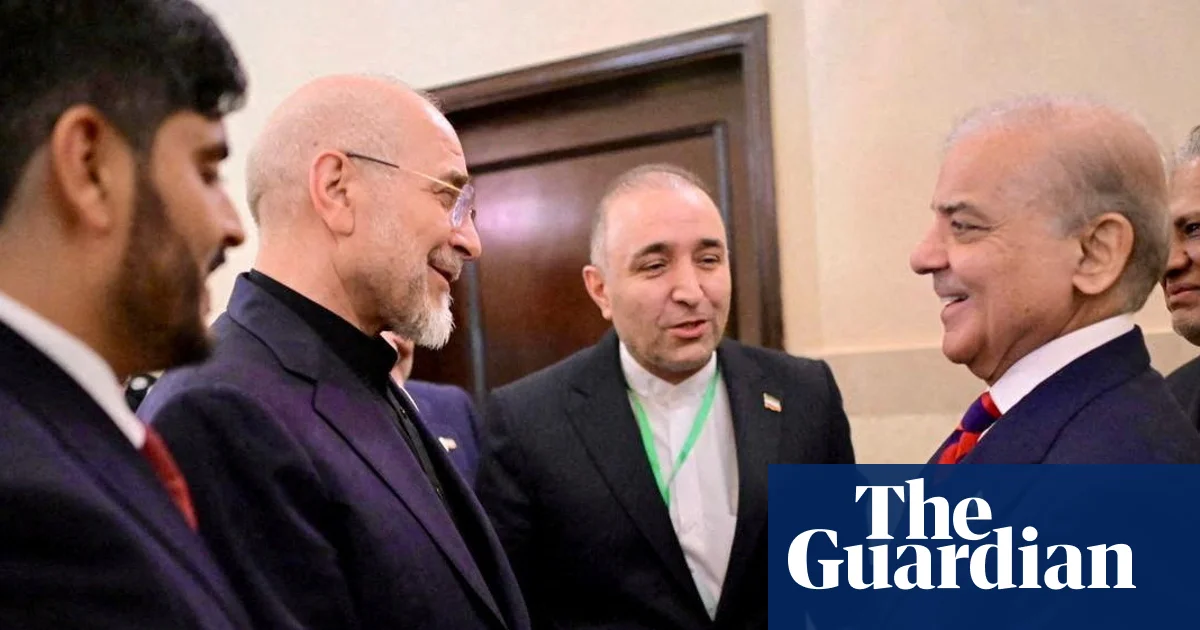
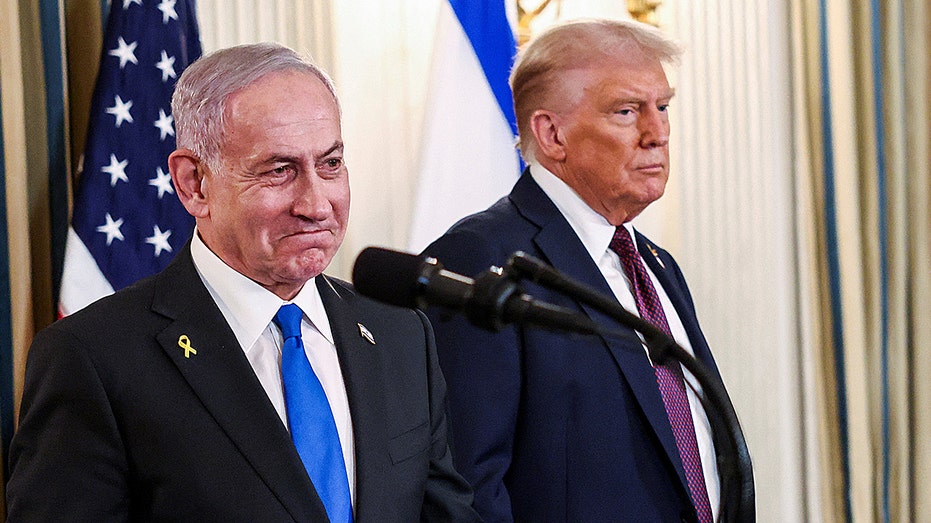
In an unprecedented turn of events, Iran and the United States have initiated direct peace negotiations in Islamabad, marking a historic moment since 1979 when diplomatic ties sharply severed. The talks, conducted under the aegis of Pakistan, aim to recalibrate decades of mutual hostility and regional instability. This diplomatic breakthrough was confirmed by both sides, with senior negotiators, including US Vice President JD Vance, and Iran’s parliamentary speaker Mohammad Bagher Ghalibaf, sitting at the same table for substantive discussions. The presence of Pakistani Army Chief Asim Munir underscores Islamabad’s pivotal role as a neutral mediator striving to foster dialogue amid ongoing regional conflict, notably in Lebanon.
Despite optimism from Pakistani officials, who see the talks as a *glimmer of hope* amid regional chaos, questions remain about the ultimate viability of such negotiations. Analysts warn that how decisions are made now will significantly influence the geopolitical landscape. American and Israeli policymakers, emboldened by recent military successes—including the sinking of Iranian mines in the Gulf and the destruction of Hezbollah targets—are prepared to assert dominance over Tehran. President Donald Trump publicly declared that the US is “starting the process of clearing out the Strait of Hormuz,” with US navy assets repositioning to guarantee “freedom of navigation,” a move denounced by Iran as a provocative escalation.
Meanwhile, regional actors such as Israel and Hezbollah stand at the brink of a new phase of confrontation. Israel’s recent bombing of Lebanese targets and rocket exchanges signal an entrenched conflict that could unravel the fragile thread of diplomacy. Reports of a potential *U.S.-brokered* ceasefire between Lebanon and Israel remain tentative, as internal divisions deepen—especially with Hezbollah supporters rallying against diplomatic negotiations—highlighting the volatile intersection of local and global power struggles. Historians and analysts warn that flashpoints in Lebanon and the Gulf embody the broader contest for regional dominance, where every move has the potential to ignite a larger conflagration with catastrophic consequences.
As the world watches with bated breath, the unfolding chapters in the Iran-US saga may yet shape history’s verdict. Will these negotiations signal a genuine thaw or merely a pause in a relentless confrontation? With powerful regional players determined to shape the future on their terms, the next steps—regardless of diplomatic surface appearances—may seal the fate of an entire generation. In the shadows of these tense negotiations, the question remains: are we approaching a new era of peace, or are we merely witnessing the lull before a storm that could redefine the Middle East’s destiny for generations to come?

In an era where social equity and academic excellence are increasingly intertwined, the recent remarks by Headteacher Julia Polley highlight a promising shift in educational practices. By emphasizing that students now receive quicker and more detailed feedback without the interference of teacher bias, there is a recognition of the need to foster a more fair and inclusive learning environment. This evolution directly impacts families and communities, addressing longstanding disparities that have historically marginalized certain groups, especially within disadvantaged neighborhoods.
Historically, bias and inconsistency in assessment have contributed to a widening gap between students from different socio-economic backgrounds. Sociologists such as Pierre Bourdieu have documented how *social capital and educational opportunities* often reinforce existing societal hierarchies. Today, the application of equitable feedback mechanisms aims to dismantle these barriers, ensuring that all students — regardless of background — can access quality encouragement and targeted support. This progress is particularly crucial for families seeking to elevate their children’s prospects in a highly competitive society. Furthermore, such methods cultivate a sense of dignity and motivation among students, fostering a belief that their future is not predetermined by circumstances beyond their control.
The push toward more objective assessment tools also highlights an important debate within our educational landscape: how to measure learning and growth fairly. Critics and educational experts underscore that teacher bias— calibrated by unconscious prejudices or systemic inequalities—can skew student evaluations, influencing self-esteem and long-term motivation. As sociologists like Carol Gilligan point out, transforming feedback practices is not solely about academic outcomes; it’s about nurturing moral development and self-efficacy. This shift promises to safeguard the dignity of marginalized students and encourage their engagement with learning as a powerful tool for social mobility.
Yet, challenges remain in translating these innovations into broad societal benefits.
As social commentators emphasize, the future of education is intertwined with the broader goals of building stronger, more resilient communities. From the perspectives of historians like Tony Judt, societal progress hinges on collective efforts to democratize opportunities and foster a shared sense of purpose. Our children’s ability to thrive depends not only on curriculum content but also on the moral fabric of the institutions that nurture them. The pursuit of equitable, unbiased feedback is a vital step toward restoring that moral compass. Ultimately, as society faces the persistent challenge of social inequality, the hope remains that concerted action—guided by fairness, integrity, and a commitment to inclusivity—will lead to a society where every young person’s potential is recognized, respected, and realized.
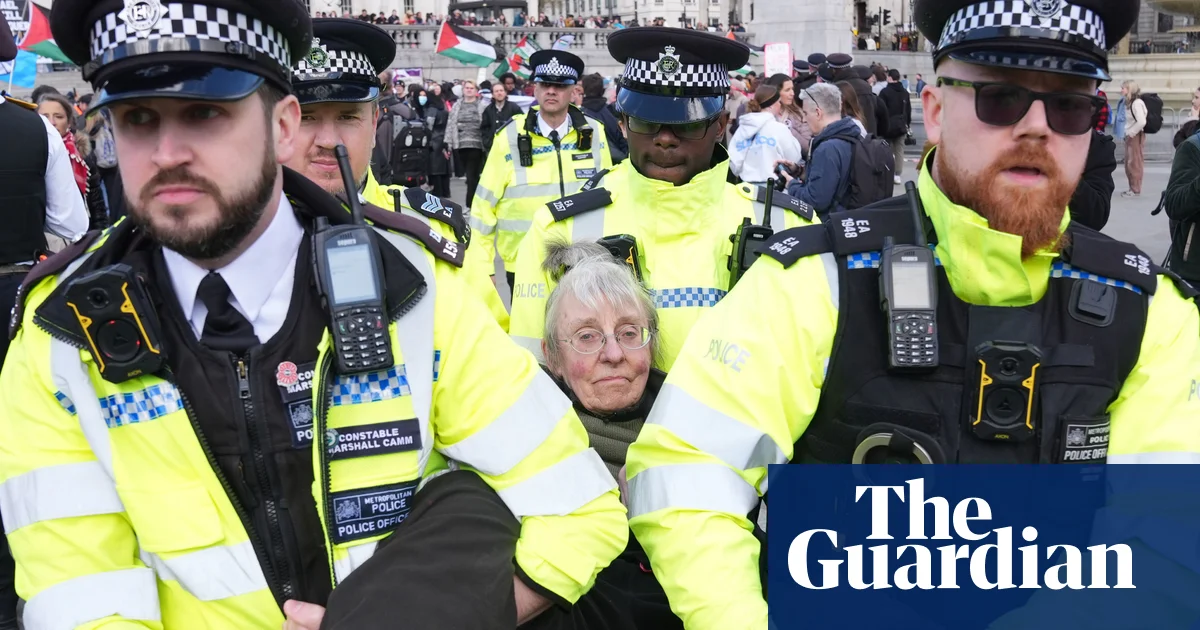
The recent events in London have sent shockwaves across the global geopolitical landscape. More than 90 individuals, ranging from the young to the elderly, were arrested during a mass demonstration in Trafalgar Square, protesting the unlawful proscription of Palestine Action by the British government. This police crackdown, despite the High Court’s ruling that the group’s ban was inherently disproportionate and unlawful, exemplifies how international conflicts have entered the streets of the West with a ferocious intensity. Such actions not only highlight domestic resistance but also serve as a wider reflection of the international community’s discomfort with London’s stance on the Israeli-Palestinian conflict.
Analysts have pointed out that the decision by UK authorities to enforce the proscription—despite legal setbacks and warnings from leading lawyers—reveals a troubling shift towards suppressing dissent through heavy-handed tactics. The High Court previously declared the group’s activities not reaching the threshold of terrorism, but the police’s enforcement signals a broader effort to stifle international solidarity movements under the guise of maintaining public order. This move leaves a clear geopolitical impact: it underscores the mounting tension between Western governments and global organizations like the UN, which have condemned the proscription as “chilling” and an attack on free speech. The crackdown is institutionalized suppression that threatens to embolden other governments to follow suit, potentially curbing peaceful protests across borders.
Crucially, the voices of seasoned advocates — including hunger strikers and former prisoners — illuminate the internal gravity of the situation. Qesser Zuhrah and Kamran Ahmed, who endured months-long hunger strikes, emphasized that their activism is rooted in a moral imperative: to confront what they see as *state-sponsored war crimes* and international law abuses. They argue that the real terrorists are those who generate the weapons that devastate Palestinian lives — a stark contrast to the narrative promoted by London’s current administration. These assertions not only challenge the legitimacy of the proscription but also raise serious questions about the role of Western diplomacy in perpetuating regional conflicts.
Beyond the streets, the global reaction remains divided but increasingly critical of London’s stance. UN officials, along with historians and international watchdog organizations, warn of a dangerous trajectory where free speech and peaceful protest are sacrificed on the altar of political expediency. As the appeals process of the High Court’s decision plays out, the weight of history hangs in the balance: will the UK’s pursuit of silence over solidarity mark a turning point towards authoritarianism, or will international pressure force a reconsideration of the measures taken? The looming courtroom battles, set for late April, will undoubtedly serve as a critical juncture. The world watches as the battle for truth, justice, and the right to protest unfolds—reminding us all that, amid the tumult, history continues to be written with every arrest and every rally, every courtroom, and every silent plea for justice.

Recent demonstrations centered around rising costs have erupted across multiple regions, shedding light on the profound geopolitical impact of the escalating US-Israeli confrontation with Iran. As protests ripple through cities and highways, the broader consequences extend beyond mere discontent, signaling shifts in international stability and economic resilience. This unrest, driven significantly by economic pressures exacerbated by the ongoing conflict, reflects a society strained under the weight of war and the ripple effects of superpower diplomacy.
At the heart of recent upheaval are the sharp increases in fuel prices and commodities—an outcome of sanctions, tanker rerouting, and disrupted supply chains that have deepened economic vulnerabilities. Experts from the International Monetary Fund and geopolitical analysts argue that these economic disturbances are not isolated; instead, they are harbingers of a broader destabilization that could influence international alliances and power dynamics for years to come. Historian Dr. Jane Roberts warns that history teaches us conflict not only reshapes borders but also ripples through societal stability and civil order. The demonstrations highlight how local populations are affected by decisions made in distant capitals, underscoring the interconnectedness of modern geopolitics.
This surge in unrest coincides with heightened tensions between the United States, Israel, and Iran, where diplomatic efforts and military posturing are shaping a precarious global landscape. The recent military strikes and sanctions against Iran have sharply increased prices and supply uncertainties in global markets, fueling inflation and consumer distress. Countries across the Middle East and beyond face pressures to navigate these turbulent waters, with some analysts warning that any misstep could ignite a broader regional conflict. The United Nations warns that such instability undermines international peace efforts and feeds into anti-globalist sentiments worldwide.
Moreover, the geopolitical landscape is undergoing a profound transformation as alliances shift under the burden of war. Countries such as Russia remain watchful, evaluating how these conflicts open avenues for strategic gains or weaknesses. Decisions made now, including military support, sanctions, and diplomatic overtures, will reverberate long after the dust settles, shaping the post-war order and influence of global powers. International organizations, united in their pursuit of peace, continue to warn that escalation risks drawing a divided world into deeper chaos, with civilians caught in the crossfire.
As the protests continue to obstruct traffic and draw international attention, they serve as a stark reminder: the flow of history is unpredictable, yet often driven by moments of crisis. In the shadows of rising prices and unrest, the true test lies in whether nations can pursue stability amid upheaval or succumb to the chaos that war engenders. The world watches, holding its breath, as the tide of geopolitical currents carries us toward an uncertain future.

In a remarkable development defining the future trajectory of chip manufacturing, SiFive, a trailblazing firm founded in 2015 by UC Berkeley engineers who pioneered open-source chip designs, has secured a staggering $400 million in an oversubscribed funding round. Valued at $3.65 billion, this capital infusion underscores a significant vote of confidence from top-tier investors, including industry giants like Nvidia. The round was led by Atreides Management, founded by former Fidelity investor Gavin Baker, with participation from prominent players such as Apollo Global Management, D1 Capital Partners, and T. Rowe Price.
This raising highlights a radical shift in the semiconductor industry’s landscape. Unlike traditional CPU architectures dominated by proprietary designs from Intel and ARM, SiFive’s open-source RISC-V technology promises a disruptive alternative. The RISC-V architecture is based on a different instruction set than the prevalent x86 and ARM processors, offering greater flexibility and innovation potential. The significance of this approach is amplified by the fact that industry leaders like Nvidia are now investing directly into these open architectures, signaling a strategic pivot that could challenge the established tech hierarchy.
This strategic investment by Nvidia—a major player in AI computing and GPU technology—in an 11-year-old startup, underscores a growing industry recognition of the need to diversify the semiconductor supply chain and mitigate reliance on proprietary architectures. Industry analysts from Gartner and MIT confirm that the shift toward open-source chips could accelerate innovation, reduce costs, and foster a more competitive environment. Moreover, this signals an industry-wide disruption where innovation and neutrality in chip design might soon overthrow the conventional vendor lock-in models that have dominated for decades.
The implication of SiFive’s latest funding extends beyond its immediate valuation. It challenges the entrenched oligopoly of chip design, threatening long-established players like Intel and AMD, who are aggressively seeking to compete with Nvidia’s dominance in AI and high-performance computing. Meanwhile, other giants in the ecosystem are beginning to recognize the strategic importance of open architectures, with some even integrating RISC-V into their product lines as a hedge against the proprietary hegemony.
Envisioning the future, industry experts like Peter Thiel and Elon Musk have long advocate for disruptive innovation in tech, emphasizing that timely shifts can redefine global markets. The current trajectory suggests that open-source chip design, supported by major investors, could become the new standard—accelerating _disruption_ and creating a more dynamic and competitive landscape_.
As the industry accelerates toward this bold horizon, businesses, developers, and investors must act swiftly to adapt to this evolving paradigm. The influx of capital into open-source architectures like RISC-V not only signifies a technological breakthrough but also signals a marketplace ripe for innovation. With major industry players betting heavily on this new model, the urgency to embrace and lead in this space has never been greater. The next few years will determine whether open-source chips become the new backbone of global tech infrastructure or remain an ambitious niche—either way, the revolution is underway.

Recently, a discussion has emerged around a seemingly innocuous textbook activity that prompts students to evaluate the placement of 14 political figures on a graph based on their economic and social policies. The question arises: Is this activity an impartial educational tool or does it subtly influence students’ political perceptions? To answer this, we must consider the context, intent, and accuracy of the material as well as the principles of balanced education.
The activity in question invites students to express agreement or disagreement with the placement of various political leaders along axes representing economic and social policies. On the surface, this seems like an exercise in critical thinking and civic understanding. However, critics argue that positioning certain figures without sufficient context can unintentionally bias students. Such exercises can shape opinions, especially when teachers or curriculum developers embed implicit ideological assumptions into the activity. As education scholar Dr. Sandra Smith from the Institute of Civic Education notes, “The way political figures are presented in teaching materials must strive for neutrality to prevent ideological polarization.”
To assess whether the activity is balanced, we must analyze the actual content and how it portrays each figure. Are the policies of these leaders accurately represented, or are there distortions that could sway student opinion? An independent review by the National Center for Civic Literacy examined the textbook’s portrayals and found that most descriptions are historically accurate but sometimes omit critical context crucial for understanding the full scope of each leader’s policies. For example, some figures previously associated with controversial policies are presented without mentioning the social or economic consequences of those policies, either intentionally or inadvertently.
Furthermore, the placement of these figures on a graph along liberal-conservative or socialist-capitalist axes reflects a subjective interpretation. Without comprehensive explanations, students may infer a value judgment rather than develop a nuanced understanding of complex political ideologies. Historically, educators and institutions like the American Council of Civic Educators stress the importance of presenting multiple perspectives, especially on contentious issues, to foster genuine critical thinking.
Political scientists and educators emphasize that reliable civic education must present factual information and multiple viewpoints. Dr. John Keller, professor of political science at Georgetown University, stresses: “While political figures can be situated along ideological spectrums, textbooks must clarify that these are simplifications. Students need tools to understand the complexities behind the policies and the contexts in which they were implemented.”
Organizations like the Foundation for Responsible Civic Education advocate for transparency and accuracy in teaching materials. Their guidelines recommend providing students with detailed descriptions, multiple perspectives, and the reasoning behind the placement of political figures within any ideological mapping exercise. Failing to do so risks reducing complex political identities into overly simplistic labels, impairing young citizens’ ability to participate responsibly in democracy.
Ultimately, the core concern with activities like these lies in the potential for bias and misrepresentation to influence the next generation of voters and civic participants. While encouraging critical thinking is vital, educators and content creators must balance this with factual accuracy and fairness. As responsible citizens, youth and adults alike have a duty to scrutinize educational materials, ensuring they uphold the principles of transparency and truth.
In a functioning democracy, informed citizens make the right choices. Hence, truth in education isn’t just a matter of academic integrity; it’s a cornerstone of our political system. Ensuring our youth are equipped with accurate, balanced knowledge is vital to fostering responsible citizenship and safeguarding democratic values in the years ahead.
The United Kingdom is intensifying its scrutiny of EU citizens under the guise of protecting public services and national sovereignty. Recent moves by British ministers to revoke post-Brexit residency rights of individuals deemed to have “non-continuous” residence threaten to reshape the landscape of immigration and citizenship rights. Legally grounded in the 2020 Brexit withdrawal agreement, this policy shift employs travel data to identify absences, igniting a fierce debate among analysts and advocacy groups about its fairness and accuracy. Critics, led by organizations like the3million, warn that such measures risk targeting innocent citizens based on flawed or misinterpreted data—raising alarms about potential racial bias, bureaucratic errors, and human rights violations.
The core of the controversy lies in the meticulous enforcement of **”continuous residency”** rules. Individuals with pre-settled status, granted before Brexit, can be absent from the UK for up to six months annually without losing their rights, while those with settled status can be outside the country for up to five years. However, recent government efforts aim to tighten these criteria by scrutinizing travel histories—culled from airline manifests and booking records. The Home Office insists this is necessary to curb unlawful immigration abuses and uphold national sovereignty. Yet, international watchdogs and local advocacy groups raise concerns over **data inaccuracies**. The Guardian’s investigation uncovered cases where travel records erroneously suggested absences that never occurred—such as journeys booked but not taken or flights with inconsistent destinations—highlighting the peril of decision-making based on unreliable data.
Furthermore, analysts and legal experts warn that this approach could disproportionately affect EU citizens who often rely on travel for economic, family, or work reasons but might be penalized due to administrative inaccuracies or unintentional absences. The Independent Monitoring Authority and other watchdog groups have voiced concerns about the fairness and transparency of this enforcement. Miranda Biddle, the agency’s chief executive, emphasized the stress and uncertainty this causes for affected individuals, prompting calls for safeguards and more nuanced decision-making. Meanwhile, the National Audit Office has launched an investigation into HMRC’s use of flawed border data—an echo of past government missteps and a reminder of the systemic risks intertwined with big data-driven enforcement.
The geopolitical impact of this crackdown extends beyond domestic borders. For EU nations and their citizens, it serves as a stark reminder of how post-Brexit policies are redefining rights and sovereignty. How the UK manages this delicate balance between national security and individual rights will undoubtedly influence international relations and the future of European integration. Historians and analysts warn that such measures, if mishandled, could sow longstanding distrust among EU citizens residing in the UK and potentially embolden nationalist sentiments elsewhere. As the UK’s global standing navigates these internal upheavals, the broader question remains: How will a nation reconcile its sovereign priorities with the rights of its expatriate populations? These developments carry the weight of history, a stark reminder that decisions made today shape the fabric of international relations for generations to come.

In a dynamic twist of the playoff race, several teams that once seemed primed for championship success are now falling down the rankings. This season has turned into a scramble, where unexpected contenders are shaking up expectations and taking center stage.
Coaches and players alike find themselves navigating an ever-changing landscape. As fans, we are witnessing the emergence of teams that were barely on the radar at the start of the season. These fluctuations serve as a reminder that in sports, nothing is guaranteed. As one analyst pointed out, “The beauty of the game is that it can turn on a dime. You never truly know who will rise to the occasion.”
The shifting narratives are particularly showcased by how the long-standing powerhouses, once seen as locks for the championship, have stumbled. Teams like the Warriors and Celtics have experienced unexpected losses, prompting their coaches to reevaluate strategies. As commentary from ESPN’s leading analysts suggests, “It’s about adaptation. The teams that can adjust are the ones that thrive.”
As the season progresses, it is clear that these unpredicted outcomes have sparked a renewed enthusiasm among fans, particularly the younger generation. They are witnessing a transformative period in sports, characterized by thrilling upsets and thrilling comebacks. These moments are what make sports more than just numbers on a scoreboard: they encapsulate the essence of determination and resilience.
As we look ahead, it is crucial to remember that regardless of the final scores, sports bring people together—uniting fans across different backgrounds in pursuit of shared victories. The thrill of the game transcends individual outcomes and creates a communal bond, illustrating that the heart of sports lies not just in competition, but in our collective passion for the unexpected journey.

In a groundbreaking revelation that challenges long-held assumptions about the origins of chance and randomness, a new study asserts that Native American hunter-gatherers crafted and used dice for gaming and gambling more than 6,000 years before such practices appeared in the Old World. Archaeologists unearthed evidence from the western Great Plains, indicating that by the end of the last ice age, approximately 12,000 years ago, indigenous groups had already invented rudimentary tools for games of chance. Such a discovery compels historians and global analysts to reconsider the narrative of human cognitive development, specifically regarding the evolution of probabilistic thought.
Historically, the earliest examples of dice—two-sided cubes carved from wood or bone—were thought to originate in Mesopotamian and Indus Valley civilizations. The conventional wisdom held that formal probability theory and related gaming artifacts emerged during the Bronze Age, around 3,000 BCE. However, Robert Madden, a PhD student in archaeology at Colorado State University, re-evaluated artifacts often dismissed as mere “gaming pieces,” discovering that these objects predate Old World examples by thousands of years. Madden’s meticulous re-examination of collections reveals that these artifacts likely functioned as dice—tools designed deliberately to produce random outcomes—thus positioning ancient Native Americans as early pioneers in understanding chance.
This insight has profound geopolitical impact. How societies conceptualize probability and randomness influences social structures, trade, and intercultural exchanges. Madden emphasizes that these ancient games—played in a context devoid of a game “house,” with players competing directly—revolved around fairness and mutual opportunity. These well-structured games forgesocial bonds between disparate groups, exemplifying the way early humans used these tools to facilitate interaction, exchange, and possibly even diplomatic negotiations. International bodies like the United Nations Educational, Scientific and Cultural Organization (UNESCO) might soon reconsider the history of social cohesion and communication through the lens of these archaeological findings, recognizing that the roots of human cooperation extend far beyond the traditionally accepted thresholds.
Leading historians and analysts argue that this revelation underscores a need to reframe the global history of human intelligence. Independent of formalized mathematical systems, early peoples demonstrated a “working knowledge of chance” that undeniably influenced social dynamics. The consequences extend to our understanding of prehistoric societies, emphasizing that complex social behaviors—such as trade, alliance formation, and cultural exchange—may have been driven by these rudimentary yet powerful notions of randomness. As the world observes these discoveries, one thing becomes clear: the unfolding chapter of human history is far richer and more complex than previously imagined. With each artifact unearthed, the evidence grows—that the dawn of probabilistic thought was not a matter of isolated invention but an intrinsic part of humanity’s collective ascent, resonating across time and space, shaping societies still in the making.
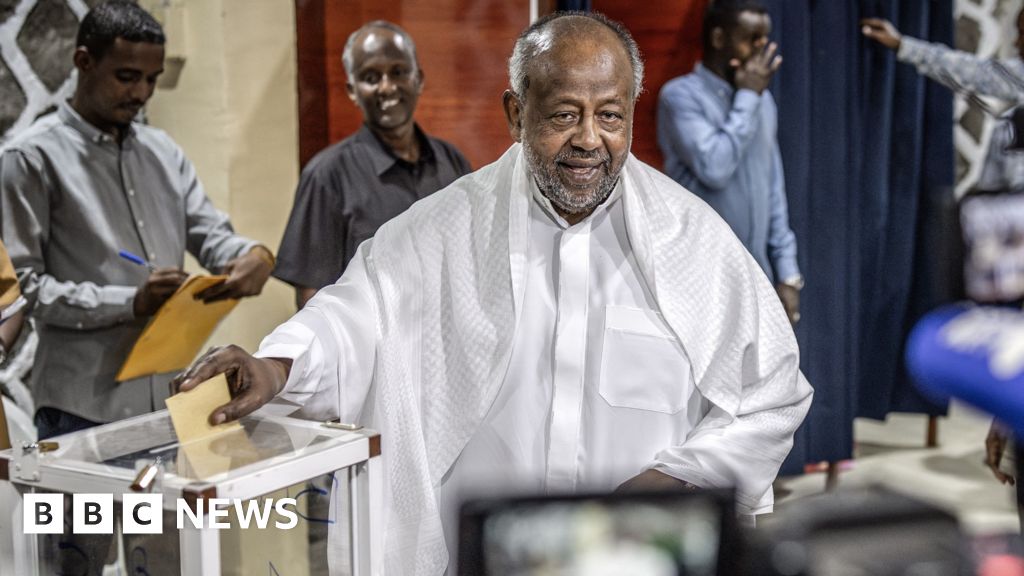
The longstanding leadership of Djibouti took another significant turn as Ismail Omar Guelleh, aged 78, secured yet another term in office following a controversial electoral process. His latest victory, characterized by a nationwide vote boycotted by the main opposition parties, underscores ongoing tensions within the nation’s political landscape and invites a broader discussion on the stability and future trajectory of this strategically positioned Horn of Africa state.
The election was marked by the absence of major opposition candidates, which critics argue diminishes the legitimacy of the electoral outcome and highlights profound issues surrounding democratic openness in Djibouti. This lack of genuine electoral competition has led to international concern over the erosion of democratic institutions and the potential for increased authoritarian consolidation. As Guelleh seeks to extend his rule, analysts warn that such political maneuvers may provoke regional instability and diminish prospects for reform. According to political observers from the International Crisis Group, “the long tenure of leaders like Guelleh, especially under conditions of electoral disengagement, can either stabilize or destabilize, depending on the societal response and external pressures.”
Within the broader geopolitical context, Djibouti occupies a strategic hub at the crossroads of Africa and the Middle East, hosting critical military bases operated by multiple global powers, including the United States, China, and France. These foreign interests stand to be profoundly affected by the nation’s internal political stability. Historically, stability in Djibouti has been a key component of regional security strategies, particularly given its proximity to volatile areas like the Horn of Africa and the Middle East. The extension of Guelleh’s rule without clear democratic mandates raises questions about how long external powers will continue to rely on a government perceived as increasingly autocratic, even as they maintain their strategic foothold with military and intelligence cooperation.
Experts and international organizations continue to monitor the unfolding political scenario with concern. The United Nations, while cautious, has expressed apprehension about the effects of electoral boycott and leadership consolidation on democratic governance in Djibouti. Meanwhile, regional allies such as Kenya and Ethiopia watch intently, aware that internal instability or diplomatic shifts could ripple across the Horn of Africa, impacting crucial trade routes and regional alliances. The critical question remains: how will the trajectory of Djibouti, under the weight of extended rule and limited political participation, influence the broader geopolitical dynamic—a narrative still very much in flux?
In essence, the unfolding story of Djibouti serves as a microcosm of today’s geopolitical tension—where leadership stability often masks underlying societal discontent and international interests collide with national sovereignty. As Guelleh‘s government consolidates power amid ambiguous democratic processes, history beckons observers to consider whether this merely marks another chapter of stability at the expense of true democratic reform or signals potential unrest lurking beneath the surface. With the decisive hands of global players, the sands of this strategic corner of the world continue to shift—reminding us that, though quiet for now, the course of history remains unpredictable, and the next move could redefine the region’s future forever.


