

International Wake-Up Call: UK Police Crack Down Amidst Growing Palestinian Solidarity Movements
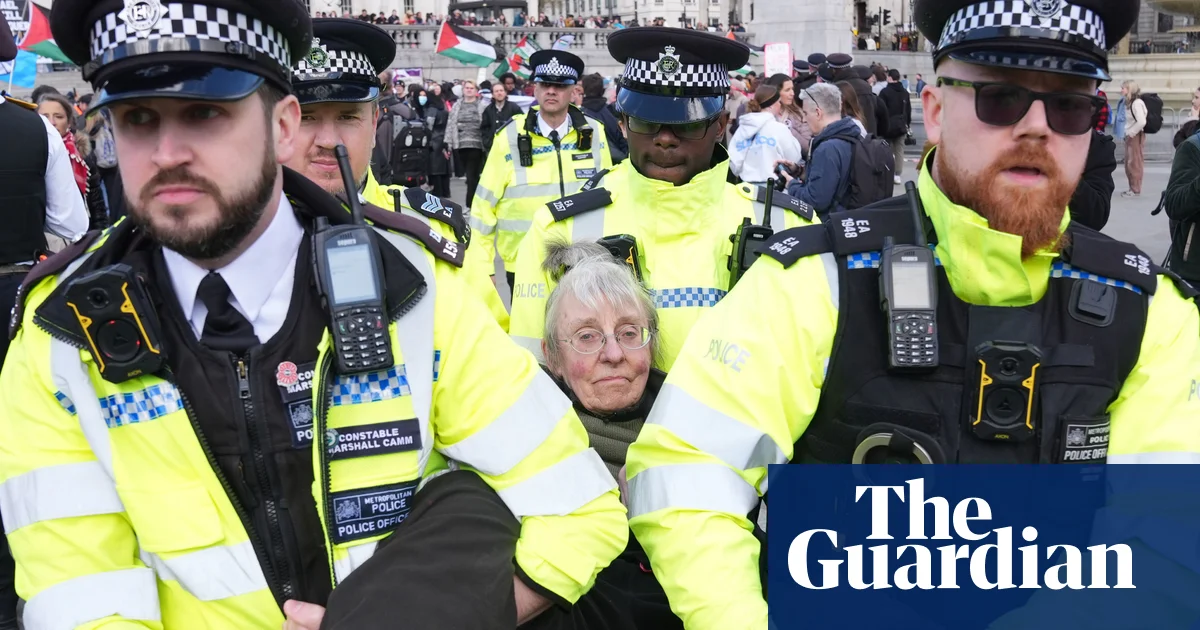
The recent events in London have sent shockwaves across the global geopolitical landscape. More than 90 individuals, ranging from the young to the elderly, were arrested during a mass demonstration in Trafalgar Square, protesting the unlawful proscription of Palestine Action by the British government. This police crackdown, despite the High Court’s ruling that the group’s ban was inherently disproportionate and unlawful, exemplifies how international conflicts have entered the streets of the West with a ferocious intensity. Such actions not only highlight domestic resistance but also serve as a wider reflection of the international community’s discomfort with London’s stance on the Israeli-Palestinian conflict.
Analysts have pointed out that the decision by UK authorities to enforce the proscription—despite legal setbacks and warnings from leading lawyers—reveals a troubling shift towards suppressing dissent through heavy-handed tactics. The High Court previously declared the group’s activities not reaching the threshold of terrorism, but the police’s enforcement signals a broader effort to stifle international solidarity movements under the guise of maintaining public order. This move leaves a clear geopolitical impact: it underscores the mounting tension between Western governments and global organizations like the UN, which have condemned the proscription as “chilling” and an attack on free speech. The crackdown is institutionalized suppression that threatens to embolden other governments to follow suit, potentially curbing peaceful protests across borders.
Crucially, the voices of seasoned advocates — including hunger strikers and former prisoners — illuminate the internal gravity of the situation. Qesser Zuhrah and Kamran Ahmed, who endured months-long hunger strikes, emphasized that their activism is rooted in a moral imperative: to confront what they see as *state-sponsored war crimes* and international law abuses. They argue that the real terrorists are those who generate the weapons that devastate Palestinian lives — a stark contrast to the narrative promoted by London’s current administration. These assertions not only challenge the legitimacy of the proscription but also raise serious questions about the role of Western diplomacy in perpetuating regional conflicts.
Beyond the streets, the global reaction remains divided but increasingly critical of London’s stance. UN officials, along with historians and international watchdog organizations, warn of a dangerous trajectory where free speech and peaceful protest are sacrificed on the altar of political expediency. As the appeals process of the High Court’s decision plays out, the weight of history hangs in the balance: will the UK’s pursuit of silence over solidarity mark a turning point towards authoritarianism, or will international pressure force a reconsideration of the measures taken? The looming courtroom battles, set for late April, will undoubtedly serve as a critical juncture. The world watches as the battle for truth, justice, and the right to protest unfolds—reminding us all that, amid the tumult, history continues to be written with every arrest and every rally, every courtroom, and every silent plea for justice.
















