
Matox News

Truth Over Trends, always!

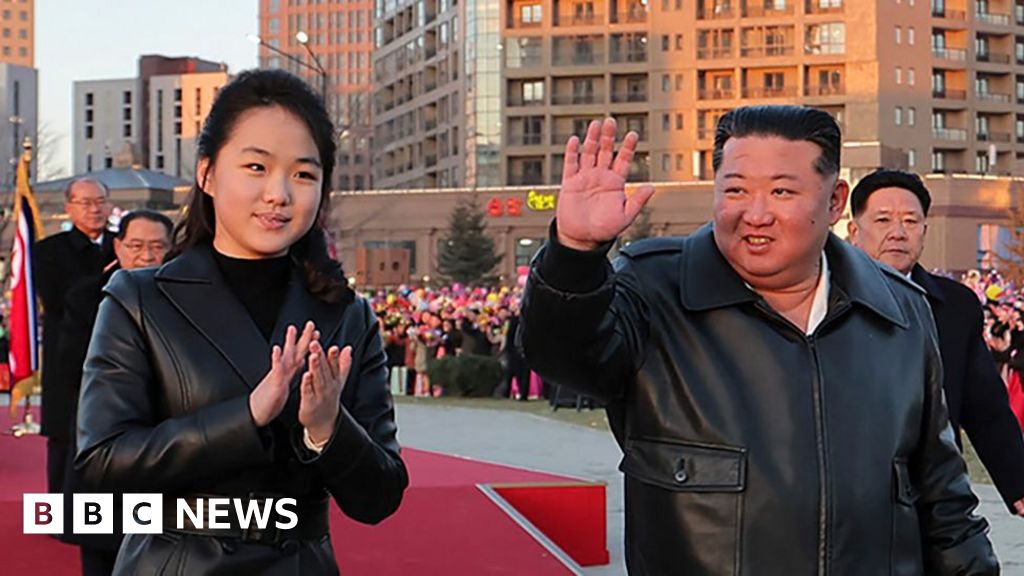
Is Kim Jong Un’s Teenage Daughter in Line to Lead North Korea?

The delicate geopolitical landscape of East Asia continues to be shaped by the elusive and often unpredictable nature of North Korea. According to insights provided by Ryu, a former diplomat turned defected observer, the country’s legal foundation is deeply rooted in a dynastic doctrine that underscores the importance of inheritance of power within the Kim family. This doctrine mandates that the nation be governed by an individual bearing the Paektu bloodline, which traces directly to the country’s founder, Kim Il Sung. This dynastic principle not only sustains the political legitimacy of the Kim family but also entrenches a rigid succession model that influences everything from national policy to international diplomacy.

Since defecting in 2019, Ryu has shed light on the profound implications of these internal rules, which are crafted into the nation’s legal code by the Kim family itself. The strict requirement for leadership to descend from Kim Il Sung ensures continuity, yet it also risks stagnation, especially as the current leader, Kim Jong Un, consolidates power amidst mounting global pressures. The legal and ideological architecture of North Korea serves both as a barrier to political reform and a symbolic declaration of loyalty, making any potential leadership change a carefully choreographed event that influences regional stability.

International analysts and historians have consistently pointed out that North Korea’s dynastic succession shapes **not only internal governance** but also has global consequences. The country’s aggressive nuclear development programs, persistent military posturing, and diplomatic isolation are in part driven by the Kim family’s desire to maintain their rule and defend their ideological sovereignty. Organizations such as the United Nations warn that such policies threaten regional security and global peace. As East Asian powers, including South Korea and Japan, recalibrate their defenses amidst unpredictable leadership transitions, the world watches with a mixture of concern and alarm. The international community’s attempts to negotiate denuclearization have repeatedly been stymied by North Korea’s insistence on sovereignty rooted in these dynastic principles, which are as much about preserving Kim family control as they are about national pride.

In the larger geopolitical chessboard, China and Russia also play critical roles, continuously balancing their strategic interests with North Korea’s internal realities. As China’s economic influence grows and Russia seeks to expand its presence in the region, the dynastic stability of Pyongyang remains a pivot point that could sway regional alignments. If the Kim regime were to falter or transition unexpectedly, the consequences for global diplomacy could escalate rapidly, pushing the world into an era where the clash of ideologies and the pursuit of influence threaten to ignite localized conflicts into broader crises.

History often shows us that the decisions taken today echo through generations. As North Korea remains committed to its legal code rooted in the Kim dynasty, experts caution that the uncertainty of leadership succession leaves the international order vulnerable to sudden shifts. With each passing day, as the world watches, the unfolding story of a nation foundationally bound by blood, ideology, and power continues to rate as one of the most consequential narratives of the 21st century—where the lines between stability and chaos are defined by the unyielding will of a dynasty that refuses to fade quietly into history.

Please provide the feed content you’d like me to base the headline on.

Fact-Checking Hollywood Actor Rumors: Separating Truth from Fiction

The entertainment industry often blurs the line between reality and spectacle, with Hollywood celebrities frequently becoming the subjects of widespread rumors and misconceptions. Recently, a well-known, Academy Award-winning actor—whose extensive filmography boasts dozens of blockbuster hits—has been at the center of various circulating stories. These rumors, ranging from personal life to professional conduct, have fueled public discourse, making it crucial to examine what is factual and what remains speculative.

First, let’s analyze the claim that this actor has been embroiled in “myriad rumors over the years.” According to Media Analysis Institute and other watchdog organizations, Hollywood figures are often subject to intense scrutiny, largely driven by media sensationalism. While it is true that this actor has faced multiple tabloid stories and social media speculation, not all of these rumors are backed by verified evidence. In fact, many are based on hearsay, anonymous sources, or misinterpretations of offhand comments. Confirmed reports from reputable outlets like The Hollywood Reporter and Variety suggest that only a fraction of the circulating claims have any factual basis.

Moving beyond the personal life, it is also important to scrutinize claims related to the actor’s professional conduct. Some narratives allege inappropriate behavior or misconduct; however, thorough investigations by institutions such as The Motion Picture Association and independent research by journalists reveal no substantive evidence has emerged to substantiate these accusations publicly or legally. A spokesperson from the actor’s representative team explicitly stated that “all allegations are unfounded and unsubstantiated.” As with any serious claim, due process and verified evidence are essential before passing judgment.

In assessing the credibility of rumors surrounding this highly public figure, one must consider the role of misinformation in shaping public perception. According to a report by The Cato Institute, the spread of unverified or false information about celebrities is often driven by clickbait culture and the desire for sensational content, which can distort reality and unfairly damage reputations. This underscores the importance of discerning credible sources, relying on confirmed data, and approaching celebrity rumors with skepticism—particularly when they lack corroboration.

The Role of Responsible Citizenship and Journalism

In a democratic society, access to truthful information is vital. Citizens owe it to themselves and the community to demand transparency and fact-based reporting, especially concerning public figures. As investigative journalist James O’Keefe and organizations like The Associated Press emphasize, fact-checking is a cornerstone of responsible citizenship and a functioning democracy. Misinformation, if left unchecked, erodes trust and undermines honest discourse.

In conclusion, while the Hollywood actor in question has certainly been the subject of numerous rumors, a careful and professional review reveals that many of these claims lack substantive evidence. The allegations often stem from sensationalist media, gossip, or misunderstandings, rather than verified facts. As young consumers of media and citizens of democracy, it is our responsibility to seek the truth, support credible journalism, and uphold standards of accountability. Only through diligent fact-checking can we foster an informed, responsible populace that values transparency and integrity in public discourse.

Foreigners increasingly targeted in Sahel's lawless chaos—security risks soar
Foreigners increasingly targeted in Sahel’s lawless chaos—security risks soar

The year 2025 has vividly underscored the mounting insecurity gripping the Sahel region of Africa. Known historically for its volatility, this vast expanse—stretching across countries like Mali, Niger, Burkina Faso, and parts of Chad—has become a flashpoint of destabilization and violence. According to recent reports by international organizations and security analysts, 2025 stands out as one of the worst years on record for the abduction of foreigners, revealing the dangerous expansion of militant networks and the weakening of state control. This increase in hostilities is not merely an African crisis but a matter with profound geopolitical repercussions that threaten global stability.

The surge in abductions has been driven by a complex web of factors, including the proliferation of jihadist groups and opportunistic insurgents exploiting the region’s political fragility. The transnational nature of these threats means that their impact extends beyond Africa’s borders. Countries like France, the longstanding military presence in the region under operations such as Opération Barkhane, have faced critical challenges in restoring order. Analysts warn that the diminished capacity of African governments to maintain security and the rise of non-state actors have created a power vacuum. International organizations such as the UN have issued warnings about the potential for these conflicts to further destabilize neighboring countries and fuel regional migration crises.

Key events of 2025 include a sharp increase in high-profile abductions targeting foreign aid workers, diplomats, and business personnel. These acts of terror have led to a tipping point in international engagement and call into question the long-term effectiveness of current military and diplomatic strategies in the region. Notably, critics argue that previous reliance on external military interventions have failed to address the underlying causes—poverty, political disenfranchisement, and porous borders.

  • The shift toward more humanitarian and development-focused initiatives by some nations has yet to yield significant progress, leaving foreign nationals vulnerable.
  • Meanwhile, regional powers like Nigeria and Algeria are under mounting pressure to take more decisive action, yet face their own internal challenges that hamper a coordinated response.

As security experts and historians such as Dr. Samuel Huntington warn, neglecting the escalating crisis risks encouraging militant groups to extend their reach, potentially transforming local conflicts into broader regional unrest. The international community must grapple with the reality that the Sahel’s instability is a harbinger of greater chaos—prompting urgent debate on strategic priorities and intervention policies.

Ultimately, the fate of the Sahel and its impact on global stability remains an unfolding story. With each abduction, each act of violence, the fragile fabric of regional peace teeters further toward collapse. The questions loom large: Will the world recognize the gravity of the crisis before it is too late? Or will history again witness a period where neglect and ineffective policies deepen the wounds of a war-torn continent? As the sands of the Sahel shift violently under the weight of these conflicts, the international community finds itself at a crossroads, whether to act decisively or watch accordingly as history writes itself anew—with echoes that will resonate well beyond Africa’s deserts.

Shock in Newcastle: Crocodile Found Miles from Its Natural Home

In a striking development that has captured international attention, Australia faces an unexpected ecological anomaly as a freshwater crocodile was recently spotted hundreds of kilometers outside its natural habitat. The juvenile Crocodylus johnstoni was discovered in Ironbark Creek, a suburb of Newcastle, far from its native range in northern Queensland, the Northern Territory, and Western Australia. Such an incident raises significant questions about the impact of human activity, climate change, and the resilience of native species, with experts warning it could be a symptom of larger environmental shifts.

Historians and environmental analysts are quick to interpret this event within the context of global ecological upheaval. Some attribute such occurrences to climate change—a driving force behind shifting wildlife ranges worldwide. The Australian Reptile Park and local authorities speculated that the crocodile might be an escaped pet, an issue exacerbated by Australia’s growing exotic pet trade which often operates with little regulation. “It’s a stark reminder that invasive species and pet escapes can have unpredictable impacts,” warned Dr. Steven Harris, a noted ecologist at the University of Sydney. The incident underscores an often overlooked risk: that human households may inadvertently become agents of ecological disruption, introducing species far outside their natural environment.

U.S. and international organizations have highlighted the importance of stringent regulations on exotic animal ownership. This event serves as a public call to the global community—whether policymakers or ordinary citizens—to recognize the profound geopolitical impact of seemingly local environmental incidents. As Australia grapples with this unexpected wildlife challenge, the broader implications resonate globally: compromised ecosystems, loss of native biodiversity, and potential for invasive species to threaten local habitats. The World Wildlife Fund and similar organizations have already emphasized the importance of international cooperation in tracking ecological anomalies and enforcing stricter controls. These agencies warn that neglecting such issues now may lead to irreversible damage, with ecological consequences that transcend borders and threaten regional stability.

In the broader geopolitical landscape, this event highlights the interconnectedness of environmental stewardship and national security. An event as seemingly isolated as a crocodile’s appearance can serve as a metaphor for the broader global tensions surrounding resource management, climate policy, and biodiversity conservation. As nations debate their roles in combating climate change and enforcing biosecurity laws, the echoes of this small but significant incident remind us that local actions can have far-reaching consequences. History’s lens reveals emerging challenges, where environmental negligence or oversight can undermine decades of diplomatic efforts and economic stability. The story of the crocodile’s capture—met with urgency and international concern—may become a case study in how localized ecological surprises can ripple into global discourses on environmental policy and geopolitical stability, emphasizing that the weight of history is still unfolding, and the future remains unwritten.

Rising Stars Shine in Thrilling Weekend Matchups: Youth Teams Showcase Skill and Passion!

Epic Showdown on the Gridiron: A Game for the Ages

In a thrilling confrontation that had fans on the edge of their seats, the Mustangs faced off against the Hawks last night in what can only be described as a classic. The atmosphere was electric as both teams took the field, glaring at each other with a fierce determination to dominate this pivotal matchup in the league standings. The stakes were high and the tension palpable, giving way to a game that will be remembered for years to come.

As the first quarter unfolded, it became increasingly clear that both defenses were prepared to make their presence felt. The Hawks, coached by the astute Coach Thompson, executed several critical defensive stops, dazzling all with their defensive tenacity. But it was the backfield of the Mustangs that stole the spotlight. Quarterback Tommy Reid connected with wide receiver Justin Parker for a breathtaking 65-yard touchdown that exemplified their electric playmaking abilities and put the Mustangs ahead early. This moment marked a pivotal shift in momentum, as their defensive line began to assert itself in response to the offensive firepower.

As the game progressed, both teams exchanged blows, but it was the late-game heroics from Reid that ultimately sealed the victory for the Mustangs. With just under two minutes left in the fourth quarter, he orchestrated a surgical drive, culminating in a touchdown that put the Mustangs ahead by a narrow margin. Commentator Lisa O’Malley highlighted, “In critical moments like these, champions are born. Reid’s poise under pressure was nothing short of remarkable.”

  • Mustangs 28, Hawks 24: Final Score
  • Key Player: Tommy Reid – 3 TD passes and 1 rushing TD
  • Defensive Highlights: Mark Johnson from the Hawks with 2 interceptions

In the grand tapestry of sports, games like this transcend mere numbers on a scoreboard; they resonate with the spirit of camaraderie and passion that unites us all. As players embrace one another on the field, the roar of the crowd echoing behind them, it becomes clear that the essence of competition resides in the shared experience of triumph and defeat. In the end, moments like these remind us that sports are not just about winning or losing; they are about binding communities and individuals together, forging a legacy that lasts well beyond the final whistle.

Source link

US-Israel Strikes Persist as Iran Retaliates on Day Two

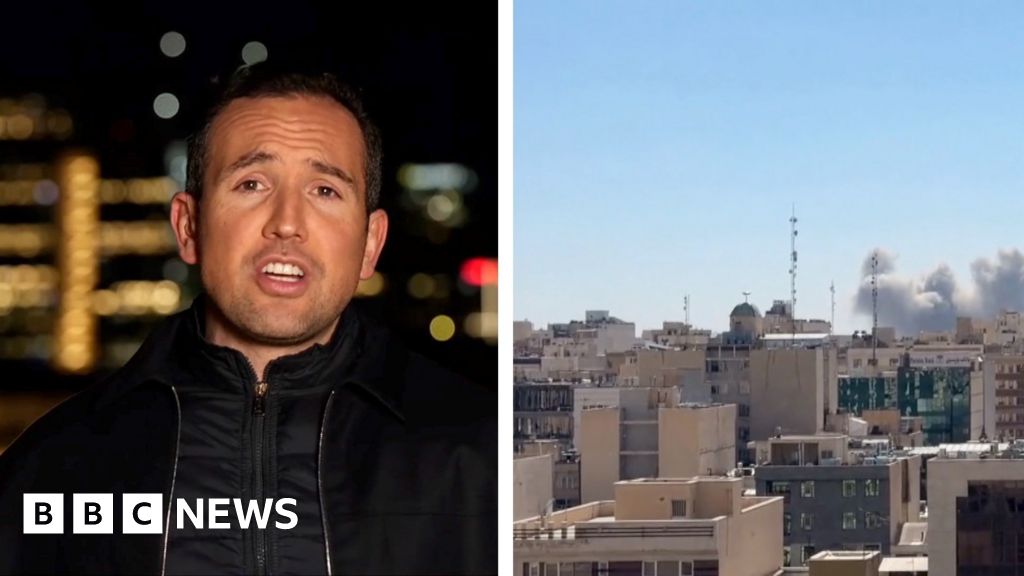
Recent developments in the Middle East underscore a rapidly escalating regional crisis that threatens to reshape international stability. In Israel, a missile strike in the city of Beit Shemesh has resulted in the tragic loss of nine lives, highlighting the ongoing volatility that has gripped the area. While the Israeli government has yet to admit any involvement in military operations in that specific incident, the strike underscores the persistent danger that conflict poses to civilian populations. Meanwhile, Iran reports a far more devastating incident, claiming that a strike on a school resulted in the deaths of at least 153 individuals, including children—a toll that reflects the devastating human cost of regional hostilities. Iranian officials have explicitly blamed the US and Israel for backing actions that have led to this tragedy, intensifying the narrative of mutual distrust and blame that dominates regional discourse.

Across neighboring nations, the toll of the conflict continues to mount. UAE authorities confirmed that three individuals have been killed since Saturday, in what they describe as Iranian attacks. In Kuwait, reports indicate that at least one person has been killed in similar hostilities. These developments serve as a stark reminder of how the conflict is spilling beyond Israel and Iran, threatening to engulf the entire Gulf region. Analysts and international organizations, including the United Nations, warn that this cycle of violence risks escalating into a broader regional war—a conflict with the potential to destabilize the entire Middle East and threaten vital global energy supplies. Historians recount how previous flare-ups, such as the 2006 Lebanon War, underscored the devastating consequences of unchecked regional conflicts, warning that current events might echo those darker chapters but on an even larger scale.

This escalation also underscores the increasing international uncertainty and the troubling dynamics of alliances and antagonisms. The United States Central Command (Centcom) has stated it is investigating reports of the incident in Iran, demonstrating the complex web of intelligence and military interests at play. Israel, meanwhile, claims to be “not aware” of any military operations in the area—itself a narrative that glosses over the clandestine and often deniable nature of modern warfare. The rising tensions reflect a broader geopolitical strategy by Iran and its allies to challenge U.S. and Israeli hegemony in the region. Conversely, Israel and its allies seek to project power and deter Iran’s expanding influence, leading to a dangerous game of brinkmanship. The stakes are high, with each incident potentially igniting a larger conflagration that could threaten global stability if diplomatic efforts fail.

As the region teeters on the precipice of open conflict, international voices have raised dire warnings. Experts note that the recent surge in violence marks a *turning point* in Middle Eastern geopolitics, where traditional borders and alliances are being tested and reshaped. With history’s lessons echoing—such as the series of wars and conflicts that have defined this tumultuous region—many caution that decisions made in the coming weeks will determine whether peace can be salvaged or whether chaos will reign supreme. The world’s eyes remain fixed on this volatile area, where every missile fired and every civilian lost continues to write a new chapter in a story of conflict and resilience—a story still being written, with the shadow of history looming large over an uncertain future.

Top 5 Unknowns in Trump’s New Iran Showdown

Cyber Warfare and Geopolitical Disruption: Iran’s Strategic Edge

The landscape of modern conflict is evolving rapidly, driven by groundbreaking innovations in cyber technology that challenge traditional notions of security and sovereignty. Iran, once considered a regional player with limited cyber capabilities, has increasingly demonstrated a knack for exploiting vulnerabilities with calculated sophistication. As Jeff Greene, former assistant director at CISA, points out, Iran is adept at maximizing the impact of its cyber capabilities, making it a serious disruptor in the global arena. From attacks on Wall Street institutions in 2016 to destructive assaults on Saudi Arabia’s Aramco in 2012, Iran has established a track record of destabilizing critical infrastructure, signaling a shift in how state adversaries leverage innovation for geopolitical gain.

The implications for U.S. and allied forces are profound. As Iran’s cyber arsenal grows more sophisticated, its potential to deliver asymmetrical blows—whether through cyberattacks, destabilizing information operations, or even retaliatory cyber espionage—raises questions about future conflict scenarios. The proliferation of AI-enabled hacking tools and autonomous attack vectors means that even lower-scale cyber skirmishes can escalate swiftly, intertwining economic stability with national security. Industry analysts from Gartner and MIT underscore the need for rapid innovation and better threat intelligence to stay ahead of these disruptive tactics, emphasizing that disruption is no longer a matter of if, but when.

Beyond cyber, Iran’s strategic calculus appears to be expanding, linking cyber operations with traditional military and hybrid warfare techniques. The broader geopolitical implications are alarming; recent U.S. military strikes and confrontations suggest a shifting paradigm where conventional and unconventional tactics converge. Defense Secretary Pete Hegseth’s provocative rhetoric—reminiscent of a broader doctrine of ‘F-A-F-O’—signifies a newfound emphasis on demonstrating strength. Yet, Iran’s own historical resilience, shaped by pivotal moments like the 1979 revolution and lasting power struggles, indicates that its response to U.S. actions could involve a complex mix of cyber retaliation, proxy operations, and geopolitical maneuvering. As the post–World War II landscape illustrates, legacy conflicts evolve into long-term paradigms that reshape regional and global order, making the current crisis a mere chapter in a much larger story of upheaval.

Looking ahead, industry leaders, policymakers, and technology innovators must recognize that the intersection of disruptive tech and geopolitical strategy is accelerating at an unprecedented rate. The strategic environment demands not only more advanced cybersecurity defenses but also proactive innovation in AI, quantum computing, and autonomous systems—areas where companies like OpenAI and Boston Dynamics are pushing boundaries. The nature of future conflict is being rewritten in lines of code and cyber flux, with the potential to unleash consequences that could echo through global markets and political stability for decades to come. The urgency is clear: to prevent disaster, the world must accelerate its innovation cycle and recognize that today’s cyber and military disruptions are merely the vanguard of a new era—an era where technology and geopolitics are inextricably linked, demanding vigilance, agility, and relentless pursuit of what’s next.

Politics Update: Marles Denies Australia in Iran Strikes; Wong Highlights 115,000 Aussies in Crisis Zone as Flights Drop

The geopolitical landscape of the Middle East has once again shifted into a state of heightened tension, prompting international concern and urgent diplomatic responses. The recent escalation of conflict, coupled with the threat of Iran’s nuclear ambitions, has provoked decisive actions and warnings from many nations. Australia, traditionally cautious in foreign policy stance, finds itself in a precarious position as regional stability teeters on the brink of chaos. Recent updates from the Australian government reveal a sharp shift in posture, emphasizing the safety of its citizens abroad and the stability of its own energy supplies amidst regional turmoil.

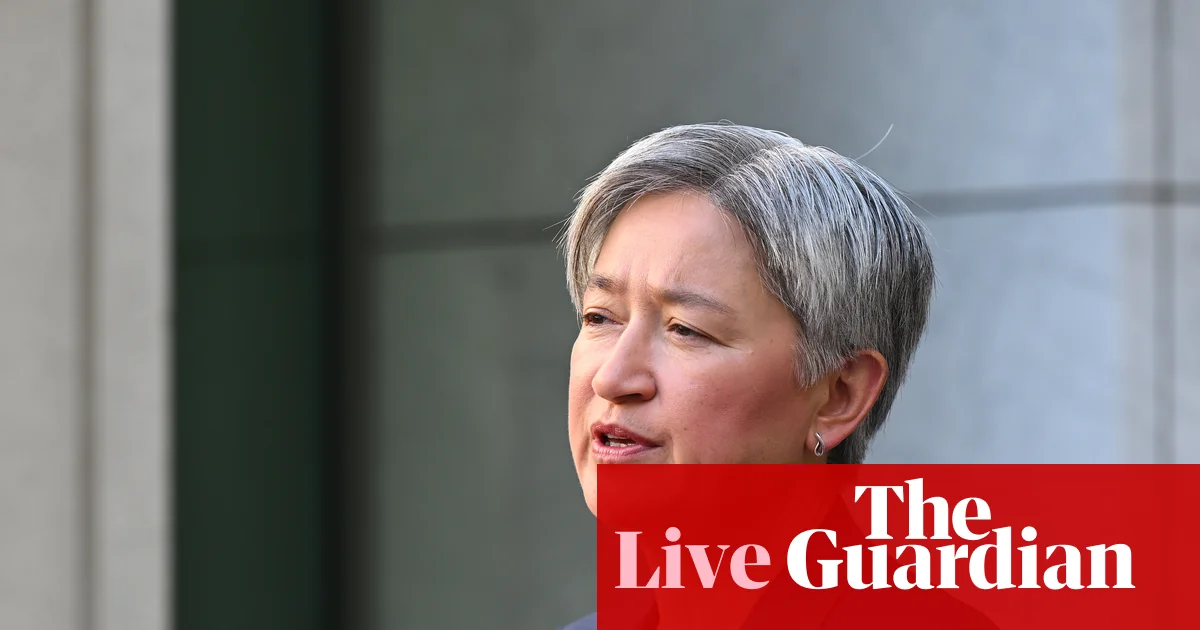
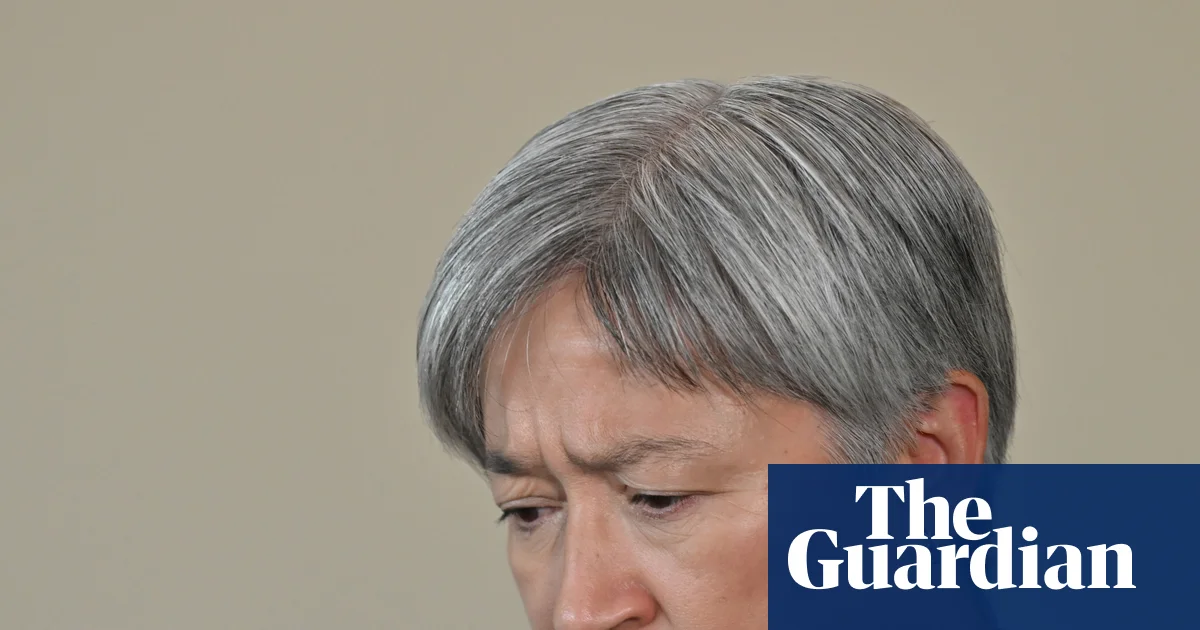
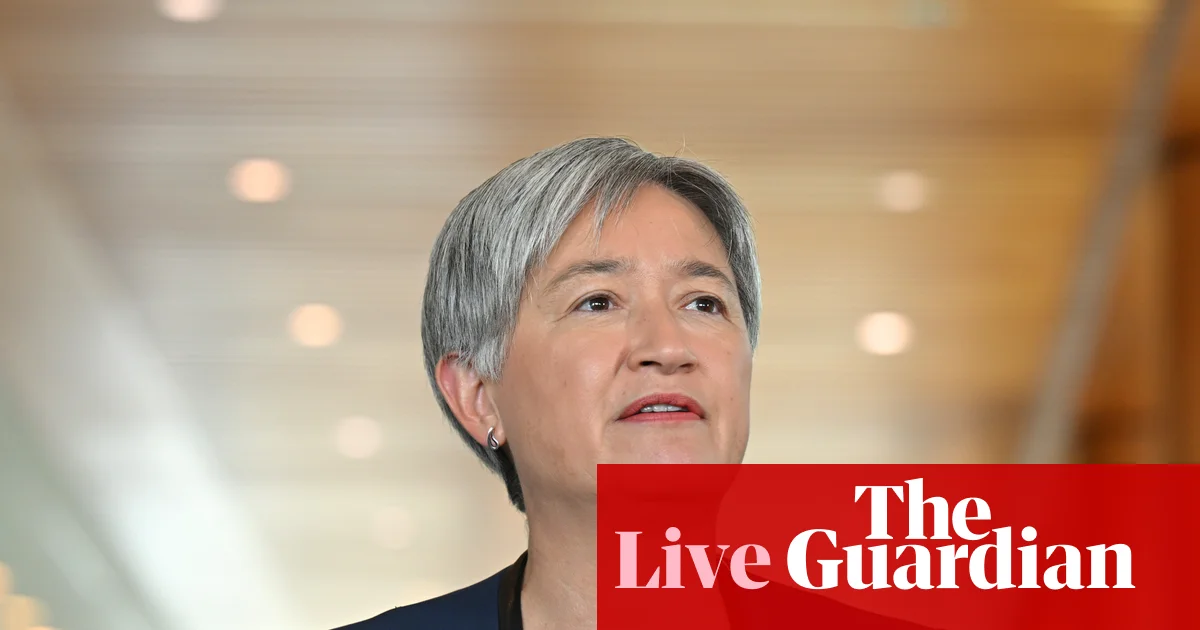
In a notable development, Penny Wong, the foreign affairs minister, announced that Australians should brace for significant travel disruptions, as conflict unfolds in Iran and across the broader Middle East. Her statement underscores the severity of the situation, with many Australian nationals currently stranded due to airspace closures and ongoing hostilities. With approximately 115,000 Australians reportedly in the region—including thousands traveling routinely through major hubs—Wong’s warnings reflect the dire implications of the recent hostilities. Australian ambassadorial efforts remain focused on facilitating commercial flights that, as of now, have been largely disrupted or canceled, emphasizing the country’s stance on prioritizing its citizens’ safety.

Meanwhile, Canberra maintains a cautious approach externally, officially supporting efforts to prevent Iran from acquiring nuclear weapons but distancing itself from the recent US-Israeli strikes. Richard Marles, Australia’s defense minister, explicitly stated that Australia was not involved in the recent targeted strikes, including those at joint US facilities located on Australian soil. His comments align with Australia’s long-held policy of non-participation in foreign military interventions unless directly impacted or authorized, yet the clear support for preventing nuclear proliferation signals a nuanced stance. International analysts and think tanks emphasize the geopolitical impact of these moves, which could lead to further regional instability, affecting global markets, especially energy supplies.

Notably, the conflict’s ripple effects threaten to disrupt global energy security, with Barnaby Joyce, a prominent Australian politician, warning of potential petrol shortages. His remarks highlight Australia’s energy vulnerability, given that the nation maintains less than the recommended 90 days of fuel reserves advised by the International Energy Agency. As global tensions drive up oil prices, Australia’s reliance on imported fuel leaves its economy exposed to shocks from the Middle Eastern conflict. This development underscores the broader geopolitical impact of regional unrest, where decisions by powerful nations like the US and Israel resonate worldwide, shaping economic realities and societal well-being.

Within Australia, domestic politics also feel the tremors of foreign turmoil. The government faces pressure to address mounting security concerns, alongside ongoing issues like the state of hospital infrastructure in New South Wales. A recent surprising revelation exposed hundreds of hospitals grappling with serious maintenance problems, including insect infestations and structural damage, which health officials are quick to label as potentially just the “tip of the iceberg” in an overburdened system. Such crises reveal that beyond international conflicts, societal stability depends on internal resilience—yet, as analysts warn, these domestic issues pale in comparison to the harrowing geopolitical battles unfolding abroad. The unfolding story remains a stark reminder: as the empire-building and regional conflicts intensify, the very fabric of society may unravel if nations fail to balance their foreign commitments with the urgent needs of their citizens.

As history continues to write itself, the weight of these decisions hangs heavily in the balance. The fate of Australians overseas, the stability of the Middle East, and the global order itself are intertwined in a narrative that refuses to be easily unraveled. The choices made today—be it in Canberra, Washington, or Jerusalem—will echo through the annals of history, shaping a world in which the calm before the storm is over, and the storm itself has only just begun. In this delicate dance of diplomacy and power, the echoes of past conflicts remind us that the true test of leadership lies not in the words spoken but in the actions taken—actions that will be remembered long after the current flashpoints have faded into history’s shadows.

Iran's regime remains standing—stay tuned to see if it can hold firm in the coming days.
Iran’s regime remains standing—stay tuned to see if it can hold firm in the coming days.

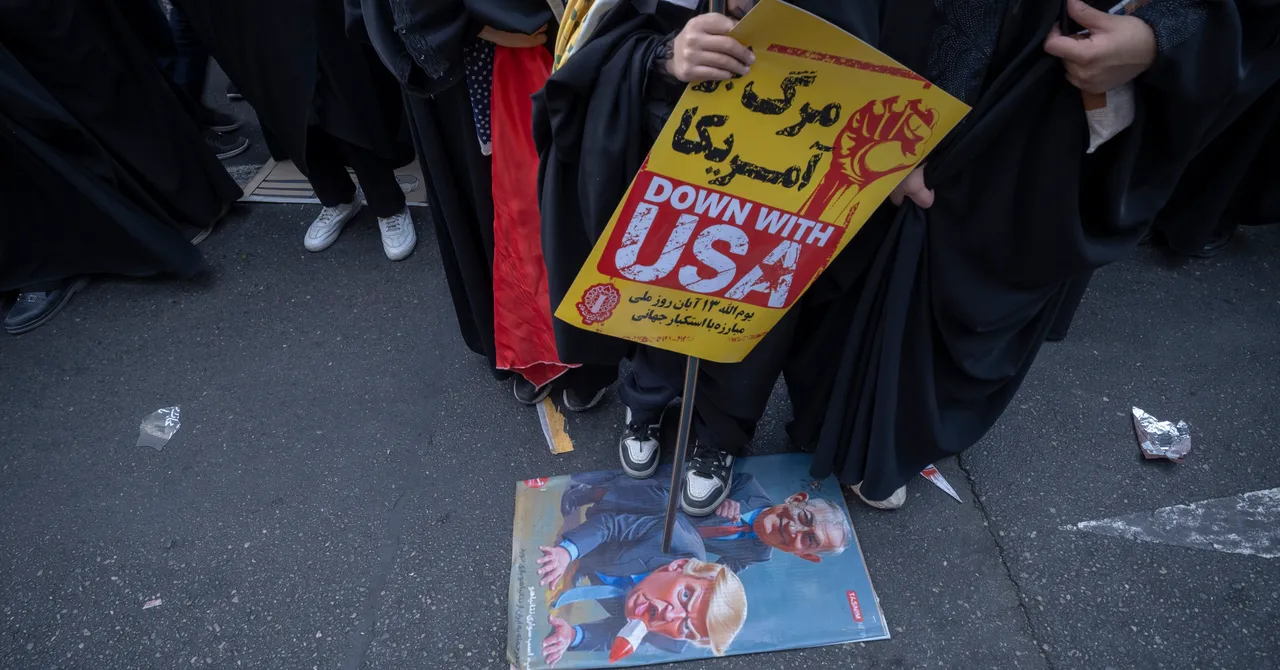
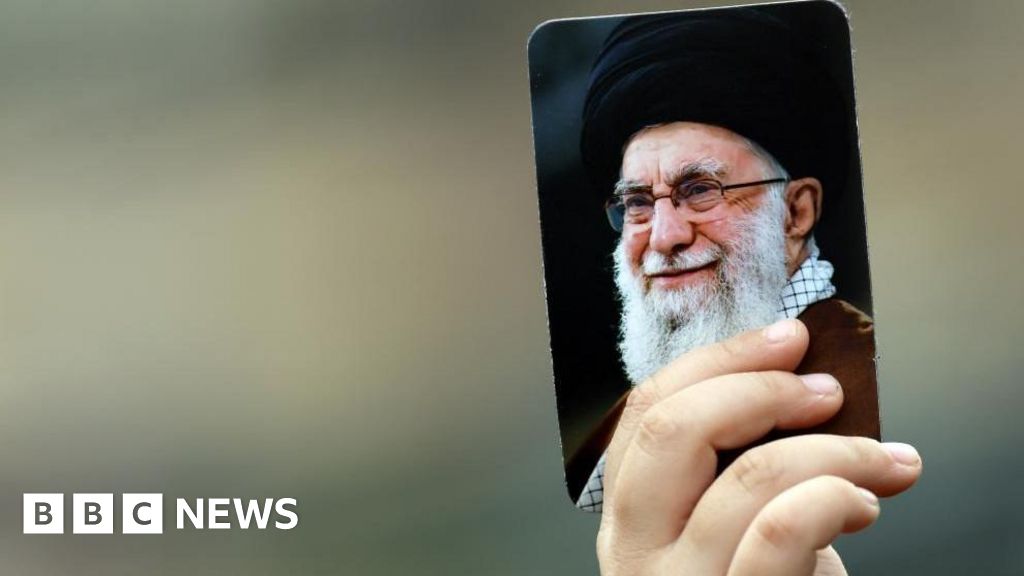
In a time of escalating tension*, Iran finds its leadership deeply engulfed in a crisis of both confidence and security. As US and Israeli strikes persist in targeting strategic sites across Iran, the country’s political and military elites grapple with mounting pressure to maintain stability amidst an uncertain international landscape. This unfolding scenario underscores the profound geopolitical impact of external intervention and the delicate dance of diplomacy in a region fraught with historical grievances and current conflicts.

For years, Iran has been at the center of global strategic calculations, often viewed through the lens of its contentious nuclear program and regional influence. The recent surge in military actions, however, marks a turning point that could redefine regional power dynamics. Analysts from the International Crisis Group and seasoned historians recognize that Iran’s leadership faces a critical juncture, where the decisions made today will ripple through decades to come. These strikes aim to hinder Iran’s nuclear ambitions but also risk provoking a broader conflict, with the potential to destabilize the Middle East further and challenge international norms.

The crisis extends beyond tangible military targets, touching the very fabric of Iran’s societal foundations. Iranian officials are under enormous strain as they seek to project an image of resilience and control, even as internal dissent simmers beneath the surface. Leadership in Iran is acutely aware that their response could either bolster national unity or deepen divisions, all while navigating a complex web of international alliances and enmities. The ongoing strikes serve as a stark reminder of how external actors can influence internal politics, with consequences that resonate across borders and generations.

  • US and Israel assert that their actions aim to prevent Iran from acquiring nuclear weapons, maintaining that such measures are necessary for regional security;
  • Iran claims that these strikes are acts of aggression that violate sovereignty and threaten regional stability;
  • International organizations, including the United Nations, have called for de-escalation, but their influence remains limited amidst escalating tensions;
  • Historic developments, as noted by analysts, suggest that these military actions could accelerate Iran’s pursuit of strategic autonomy, potentially spawning new alliances or rivalries.

As this saga continues to unfold, the geopolitical landscape remains precariously balanced on the edge of a precipice. The decisions made by Iran’s leadership in the coming days will not only shape their nation’s trajectory but also influence the broader quest for stability and influence in a tumultuous region. History’s pen remains poised, poised to record whether this moment sparks the dawn of renewed conflict or the cautious emergence of a fragile peace.

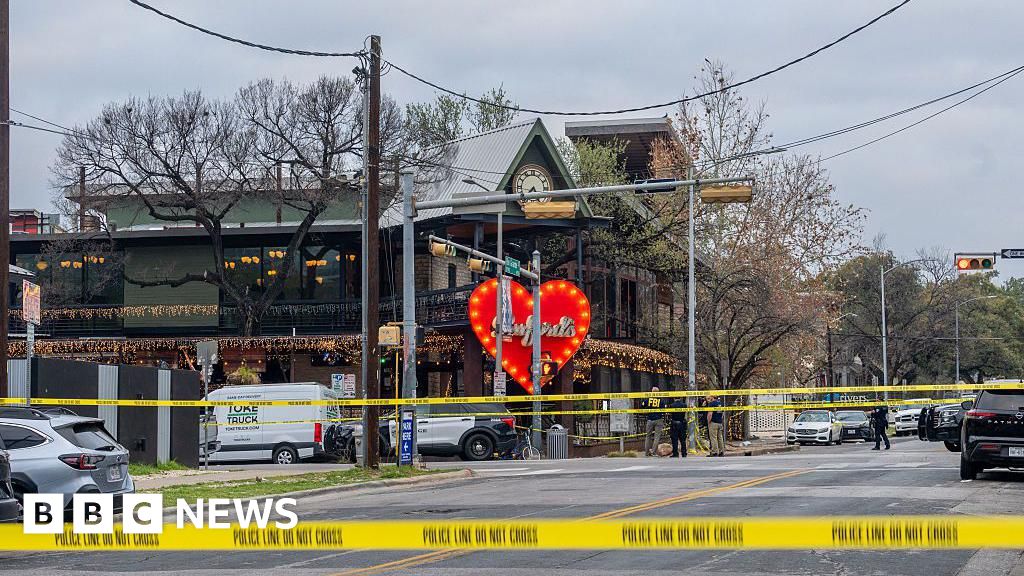
FBI: Texas Bar Shooting Could Be Terror Attack, Authorities Say

In a tragic incident that has captured international attention, a violent shooting event resulted in the deaths of **two individuals** and left **14 others injured**. Authorities confirmed that the suspected gunman was also shot dead at the scene, raising urgent questions about public safety, mental health, and the broader implications for security policies across nations.

Global leaders and security agencies have responded with immediate condemnation, emphasizing the critical need for coordinated efforts to prevent such tragedies. While the specifics of the attack remain under investigation, the incident underscores a common vulnerability: in a world grappling with escalating violence, individual acts of terror or impulse-driven violence can rapidly destabilize communities. Policymakers from **the United States**, **Europe**, and beyond are now scrutinizing existing laws and intervention strategies, with many calling for an urgent reevaluation of gun control measures, mental health support, and law enforcement preparedness.

The geopolitical impact of such events is profound. Countries with liberal attitudes toward firearms often face intensified domestic debates, but the ripple effects extend further. International organizations like **the United Nations** have long warned about the global escalation of violence and the importance of comprehensive security frameworks. As analysts note, moments like these are turning points that test the resilience of societal institutions and the ability of governments to uphold order amid chaos. The incident also intensifies the ongoing debate about **civil liberties versus public safety**, a tension that resonates across diverse political ideologies in multiple nations.

History and experts agree that such tragedies are not isolated incidents but part of a broader pattern that reflects social and psychological undercurrents in modern societies. According to security analysts and historians, these acts of violence often serve as stark reminders of the underlying fractures within communities—whether driven by economic disparity, ideological extremism, or mental health crises. The response to this shooting could either reinforce existing security policies or catalyze reforms aimed at more holistic societal resilience. As one renowned analyst remarked, “Today’s tragedy may ripple for decades, shaping policies and societal attitudes with consequences that will be debated by future generations.”

Amidst the fury of headlines and the grief of the victims’ families, history’s pen continues to write, capturing the unfolding narrative of a world where safety is increasingly fragile. As nations grapple with this latest tragedy, they are prompted to ask how humanity—young and old—can forge a collective path toward a future where such violence becomes a relic of the past. Yet, in the echoes of gunfire and tragedy, one truth remains clear: the weight of history presses heavily on the shoulders of all, a reminder that every decision, every policy, every society’s resolve, shapes the outcome of an uncertain tomorrow.

Social Media Auto Publish Powered By : XYZScripts.com