
TRENDING NEWS





Truth Over Trends, always!
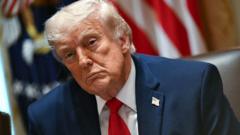
President Donald Trump has convened a critical meeting with his advisors to make a “final determination” on a potential framework deal with Iran. The high-stakes discussions, held in the White House’s Situation Room, follow confirmations from US officials that a preliminary agreement has been reached between the two nations.
The proposed understanding, described as a memorandum, aims to extend a current ceasefire for 60 days and initiate broader talks concerning Iran’s controversial nuclear program. However, the path forward remains contingent on President Trump’s approval and the consent of Iran’s leadership, with significant conditions laid out by the American side.
President Trump articulated clear, non-negotiable terms that Iran must accept for any deal to proceed. Foremost among these is an unequivocal commitment to abandon any pursuit of nuclear weaponry. “Iran must agree to never have a nuclear weapon or bomb,” the President stated, underscoring a fundamental pillar of US national security policy.
Beyond nuclear proliferation, the President also addressed the critical issue of maritime security and global commerce. He demanded that the Strait of Hormuz be immediately reopened for “unrestricted shipping traffic, in both directions,” and that any existing mines within the vital waterway be “destroyed.” This firm stance highlights the administration’s commitment to protecting international trade routes and upholding maritime law, crucial for the global free market.
Reports from US officials, as cited by News Desk, indicate that a framework for a deal has indeed been established. This understanding, while not a final accord, represents a significant step in ongoing efforts to de-escalate tensions and address long-standing concerns regarding Iran’s regional activities. The proposed 60-day ceasefire extension would provide a window for more comprehensive negotiations on the future trajectory of Iran’s nuclear capabilities.
Despite these developments, Iran has publicly maintained that it is not currently negotiating its nuclear program, a point of divergence that underscores the complexities and challenges inherent in these diplomatic efforts. The international community watches closely as both sides weigh the strategic implications of a potential agreement.
Iran must agree to never have a nuclear weapon or bomb, and the Strait of Hormuz must be reopened for unrestricted shipping.
The decision facing President Trump holds immense weight for regional stability and global security. A resolution to the contentious nuclear issue, coupled with guarantees for free passage through critical chokepoints like the Strait of Hormuz, could redefine geopolitical dynamics in the Middle East. Conversely, a failure to secure these concessions could lead to renewed tensions and uncertainty.
As the White House prepares to announce its final determination, the focus remains on ensuring a verifiable and lasting agreement that safeguards international interests and promotes a more ordered and secure world. The outcome will undoubtedly shape future diplomatic engagements and the broader foreign policy landscape.
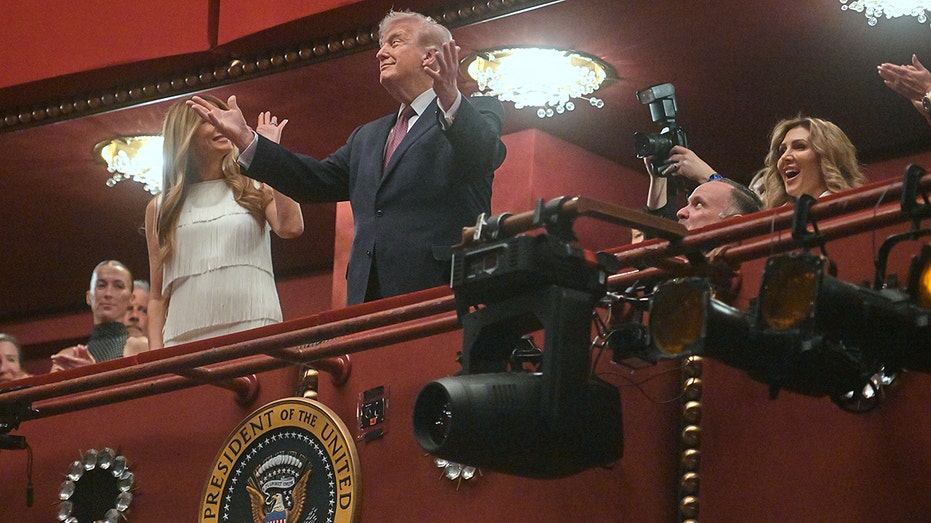
A federal judge on Friday delivered a significant ruling concerning the renaming of the John F. Kennedy Center for the Performing Arts, ordering the immediate removal of former President Donald Trump’s name from the prestigious institution. U.S. District Judge Christopher Cooper, an Obama appointee, declared that the Kennedy Center Board of Trustees exceeded its statutory authority by unilaterally approving the name change, a move that requires congressional approval.
This judicial directive mandates that all physical signage bearing Trump’s name and any official references to a ‘Trump-Kennedy Center’ be eliminated from the venue’s materials. The ruling stems from a lawsuit initiated by U.S. Rep. Joyce Beatty, D-Ohio, challenging the board’s decision.
Judge Cooper’s decision firmly establishes that the power to rename national landmarks like the Kennedy Center rests solely with the legislative branch. His written order emphasized the clarity of the Center’s founding statute, stating, “Congress gave the Kennedy Center its name, and only Congress can change it.” This reinforces a fundamental principle of governance: proper procedure and established institutional frameworks must be respected, especially when dealing with symbols of national heritage.
The ruling highlights the importance of adherence to legal processes and the separation of powers. It serves as a reminder that even well-intentioned administrative decisions must operate within defined legal boundaries to maintain order and institutional integrity.
“Congress gave the Kennedy Center its name, and only Congress can change it.”
The Kennedy Center Board of Trustees had previously voted unanimously to rename the venue, citing the need for significant renovations and substantial funding secured during the Trump administration. Roma Daravi, the Trump Kennedy Center vice president of public relations, conveyed the board’s intent to appeal the judge’s decision. Daravi noted that the Center requires “urgent and significant restoration,” a fact acknowledged even by the plaintiff.
Key points from the board’s perspective include:
Despite the judge’s order, the board appears resolute in its efforts to proceed with the restoration, viewing the naming as intrinsically linked to the funding and the future of the institution. As reported by Fox News, the White House did not immediately provide a comment on the ruling.
This judicial intervention underscores a broader debate regarding the governance of national cultural institutions and the appropriate channels for significant policy changes. While the funding for renovations is a critical concern, the judge’s ruling prioritizes the established legal framework over the board’s administrative discretion.
The case sets a precedent for how boards of trustees for federally chartered institutions must operate within their prescribed mandates. It reinforces the idea that institutional longevity and public trust are best served when decisions, particularly those impacting core identity, are made through transparent, legally sanctioned processes. The dispute is far from over, with the planned appeal indicating a continued legal battle over the name and the authority to bestow it.

U.S.-brokered discussions mark a critical shift toward direct security coordination, focusing on de-escalation and the role of the Lebanese Armed Forces in containing Hezbollah.
In an unprecedented diplomatic move, the Pentagon has hosted the first-ever direct military talks between Israeli and Lebanese delegations. These U.S.-brokered discussions, which commenced Friday morning in Washington, aim to forge a new security coordination track designed to prevent further escalation along the volatile Israel-Lebanon border and solidify a fragile ceasefire established just weeks prior.
This groundbreaking engagement signifies a notable shift from traditional diplomatic negotiations to direct military coordination. For years, direct bilateral discussions between the two nations have been rare, often indirect, and fraught with historical complexities. A State Department official underscored the American stance, stating that “the only path to lasting peace is through direct negotiations between the two sovereign governments,” highlighting the importance of this direct channel.
The talks arrive at a critical juncture, weeks after a U.S.-brokered ceasefire was first agreed upon during a broader regional conflict. While large-scale hostilities have subsided, the situation remains tense. Israeli forces continue to operate in parts of southern Lebanon, and Hezbollah maintains its drone and rocket capabilities, keeping the border on edge. The ceasefire, extended on May 15 for another 45 days, places significant pressure on both parties to demonstrate tangible progress before its expiration. Key discussion points are expected to include:
A central, complex issue overshadowing these discussions is Lebanon’s capacity to effectively curb the military power of Hezbollah without risking internal political and social instability. This Iranian-backed group wields significant influence within Lebanon, posing a formidable challenge to any efforts aimed at complete disarmament or containment. According to Ahmed Sharawi, a research analyst at the Foundation for Defense of Democracies think tank, as reported by Fox News Digital, this meeting represents the “first meeting between representatives of the militaries since the start of the negotiation process between Lebanon and Israel,” underscoring its unique nature and potential impact.
“The only path to lasting peace is through direct negotiations between the two sovereign governments.”
While the path to a comprehensive and lasting resolution remains challenging, these direct military talks represent a crucial step towards de-escalation and establishing a more stable framework for the Israel-Lebanon border. The international community, led by the United States, hopes this direct engagement will lay the groundwork for sustained peace and bolster institutional authority in a region long plagued by conflict and instability. The ability of both sides to demonstrate goodwill and concrete commitments will be paramount in the weeks ahead.
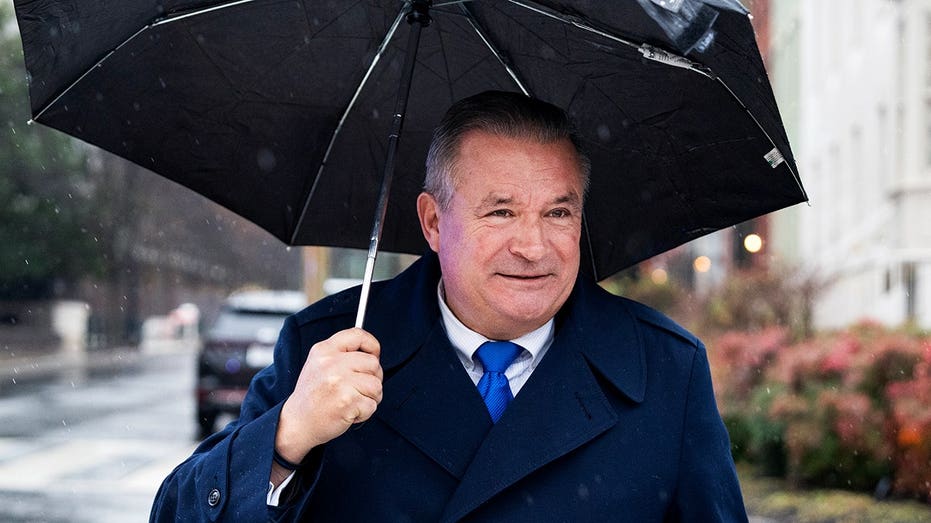
Washington, D.C. – Representative Don Bacon, a Nebraska Republican, has intensified his demand for the United Nations General Assembly to take decisive action and remove Russia from its powerful Security Council. Bacon, a consistent critic of Moscow’s aggression, has repeatedly characterized Russia as a “pariah state,” asserting that its conduct on the global stage necessitates its expulsion from the influential international body.
Congressman Bacon’s calls for Russia’s removal are not new. His Friday post on X, where he stated, “The United Nations General Assembly should vote on removing the Russians from the Security Council. Russia is a pariah state and should be treated that way,” echoes sentiments he has expressed for years. As early as February 2022, Bacon highlighted the “obscene reality” of Russia chairing the Security Council, advocating for its exclusion from as many international forums as possible.
Russia holds one of the five permanent seats on the U.N. Security Council, alongside the United States, the United Kingdom, China, and France. This status grants Moscow significant veto power, often complicating international responses to its own actions. Bacon’s position underscores a growing frustration among many lawmakers regarding the perceived dysfunction caused by Russia’s presence within the body.
The Nebraskan lawmaker’s strong rhetoric stems directly from Russia’s unprovoked invasion of Ukraine and its subsequent military actions. In December 2023, Bacon explicitly declared that “The United Nations is an embarrassment with Russia sitting on the Security Council,” citing the invasion of a sovereign neighbor and the alleged commission of crimes against humanity. His statements reflect a broader international consensus condemning Russia’s disregard for international law and human rights.
The ongoing conflict has seen Russian forces target Ukrainian cities and civilians, leading to widespread destruction and humanitarian crises. This pattern of behavior, according to Bacon and many other global leaders, disqualifies Russia from holding a position of such critical responsibility within an organization dedicated to maintaining international peace and security.
“The United Nations General Assembly should vote on removing the Russians from the Security Council. Russia is a pariah state and should be treated that way.”
Beyond advocating for Russia’s removal from the UN Security Council, Representative Bacon has been a vocal proponent of increased U.S. military assistance to Ukraine. He argues that sustained support is crucial given Russia’s struggles on the battlefield and its faltering economy.
Bacon emphasized the urgency of legislative action, noting that the House is expected to vote on a package of Russian sanctions and military aid to Ukraine in the coming weeks. His call for robust support aligns with a center-right conservative stance that prioritizes deterring aggression and upholding international order through strength and strategic alliances, as reported by News Desk.
As Representative Bacon prepares to conclude his tenure in Congress, his unwavering focus on holding Russia accountable for its actions and reinforcing international institutions remains a defining aspect of his foreign policy advocacy. His persistent demands for Russia’s removal from the UN Security Council underscore a fundamental belief in the necessity of institutional integrity and global accountability.
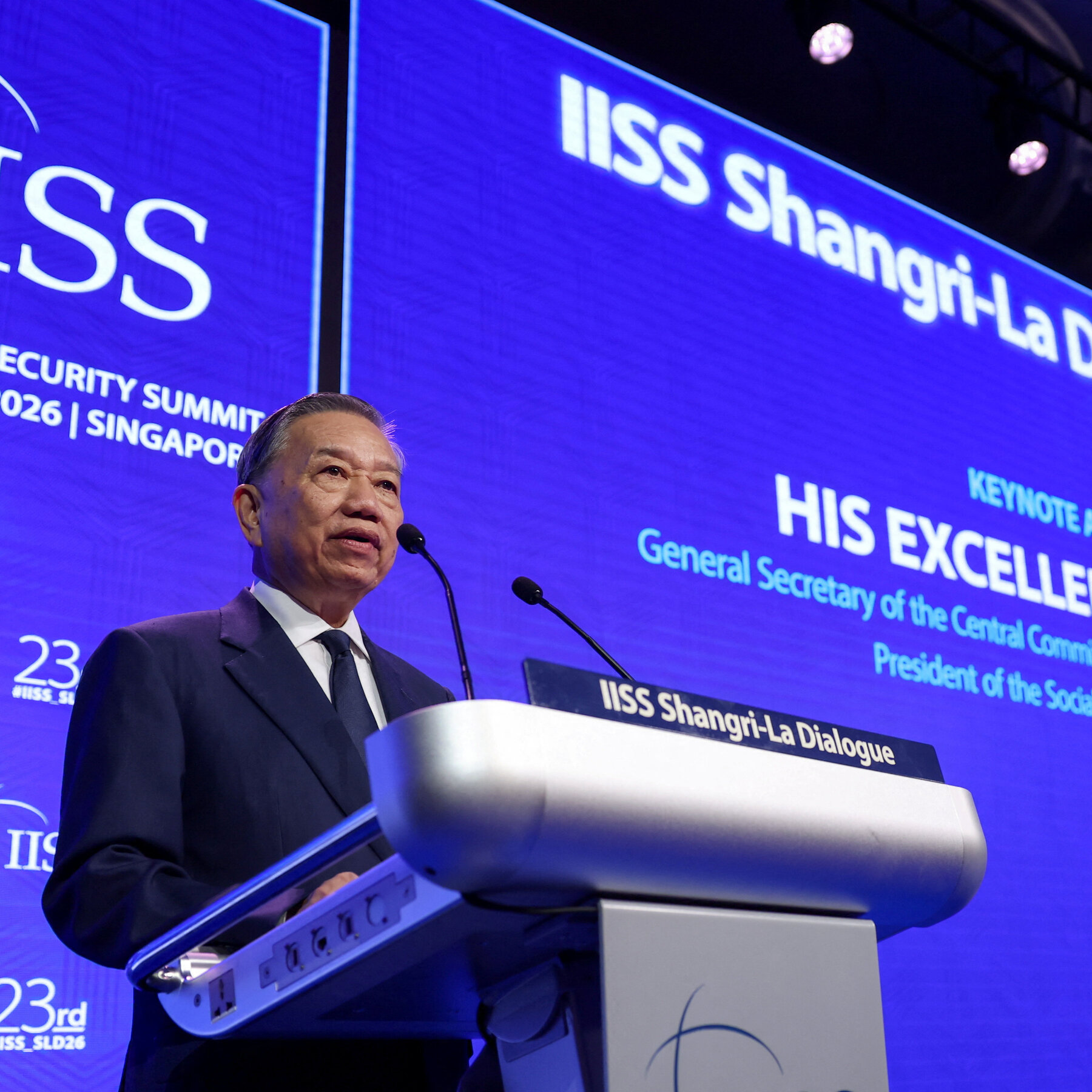
Singapore – Vietnamese President To Lam has delivered a pointed warning to Asian military leaders, cautioning against the escalating dangers of superpower conflict in Asia. Speaking at a prominent regional security forum, President Lam underscored a troubling erosion of trust and a disregard for established international rules, circumstances he believes are fostering an environment ripe for instability.
Addressing delegates at the Shangri-La Dialogue, a critical annual gathering for defense ministers and military officials, President Lam articulated a stark vision of regional affairs. He cautioned that a pervasive sense of distrust, coupled with a diminishing respect for agreed-upon international norms, has unfortunately cultivated a culture where “the big fish swallowing the small fish” becomes the accepted reality. This metaphor powerfully conveys the vulnerability of smaller nations in an arena increasingly dominated by larger powers.
His remarks, as reported by The New York Times, highlight a growing concern among Southeast Asian nations regarding the implications of intensified strategic competition between global powers. The Vietnamese leader emphasized the urgent need for a return to principles of mutual respect and adherence to the rule of law to avert potential crises.
Vietnam, a nation with a complex history of foreign intervention and a critical stake in maritime security, speaks from a position of experience regarding regional power dynamics. Its geographical location places it at the crossroads of major trade routes and contested territories, particularly in the South China Sea. President Lam’s warning is thus not merely theoretical but grounded in the practical realities facing nations like Vietnam.
The nation has consistently advocated for a peaceful resolution to territorial disputes and the maintenance of freedom of navigation, aligning with the broader international community’s interest in a stable and predictable Indo-Pacific. His call for adherence to rules is a direct appeal to safeguard the sovereignty and economic interests of all nations, especially those less equipped to withstand direct coercion from larger entities.
“Distrust and a lack of respect for established rules have created a culture of ‘the big fish swallowing the small fish,’ threatening regional peace.”
The Shangri-La Dialogue serves as a vital platform for frank discussions on regional security challenges. President Lam’s intervention reinforces the necessity of such forums in fostering understanding and preventing miscalculation. He implicitly called upon all parties, particularly the major global actors, to exercise restraint and prioritize diplomatic engagement over confrontational tactics.
The potential ramifications of unchecked superpower rivalry in Asia are profound, ranging from economic disruption to heightened military tensions. A stable, rules-based order is paramount for continued economic growth and the collective security of the region. Without it, the delicate balance of power risks unraveling, leading to unpredictable and potentially devastating outcomes.
Key concerns underpinning President Lam’s address include:
As Asia navigates an increasingly complex geopolitical landscape, the admonition from Vietnam’s leader serves as a sober reminder of the stakes involved. Upholding international law and fostering genuine dialogue are not merely diplomatic niceties but fundamental pillars for ensuring sustained peace and prosperity across the continent. Regional stability depends on a collective commitment to these principles, urging a deliberate shift away from the perilous path of unchecked rivalry.
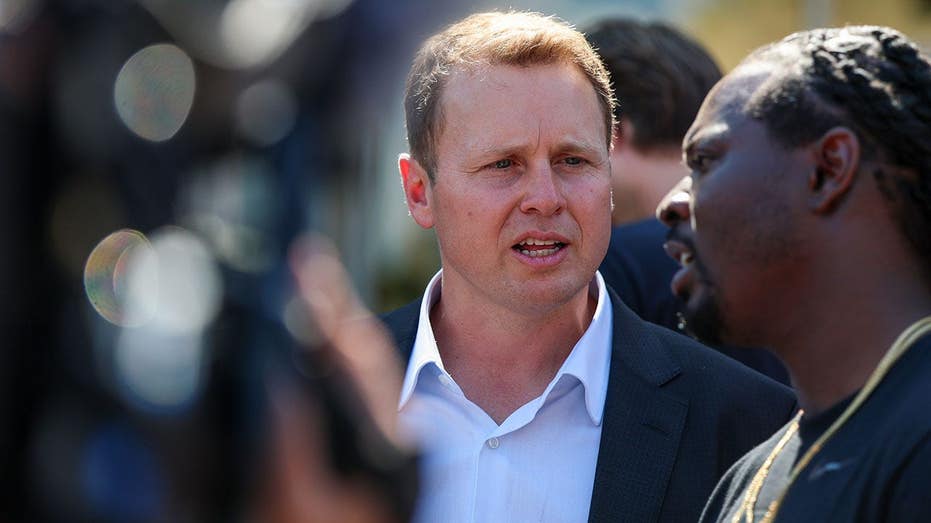
The mayoral race in Los Angeles is witnessing an unexpected surge of support for insurgent candidate Spencer Pratt, who is reportedly resonating with a significant segment of the city’s Democratic electorate. This development, as noted by a senior California lawmaker to Fox News Digital, suggests a growing dissatisfaction with the current administration’s handling of key urban challenges. Pratt, once known primarily for his reality television appearances, is now positioning himself as a voice for change in the deep-blue city, aiming to become the next LA Mayor.
Incumbent Mayor Karen Bass faces increasing scrutiny over her administration’s effectiveness, particularly in addressing critical issues that plague Los Angeles. Congressman Darrell Issa, a Republican, observed that Bass’s approach often appears to offer “more of the same” to residents who have witnessed a decline in public order and effective management. Among the most pressing concerns are the alleged mismanagement of devastating wildfires, which destroyed thousands of structures including Pratt’s own home, and a perceived lack of significant progress on the city’s pervasive street homelessness, drug addiction, and crime rates. These issues are fueling a broader sense of disillusionment among voters.
Spencer Pratt’s campaign strategy centers on offering direct, “common-sense” solutions to the city’s complex problems. His rise in prominence stems from forcefully calling attention to the stalled recovery efforts post-wildfire and the persistent struggles with homelessness and public safety. While his background in reality television might seem unconventional for a political contender, his direct criticisms of the status quo appear to be striking a chord with a diverse voter base, including those historically aligned with the Democratic party. His advocacy for a more accountable and effective city government aligns with a desire for tangible improvements in daily life for Los Angeles residents.
“He’s catching fire among ardent historic Democrat voters because Karen Bass has been so ineffective.”
The June 2 nonpartisan primary election features Pratt challenging Mayor Bass and socialist City Council member Nithya Raman. Recent polling indicates a tight contest, with all three candidates reportedly in a dead heat. Despite Mayor Bass enjoying endorsements from prominent Democratic figures such as former Vice President Kamala Harris and Governor Gavin Newsom, the race remains highly unpredictable. Given the likelihood that no candidate will secure more than 50% of the vote, the top two contenders are expected to advance to a runoff election in November, setting the stage for an extended and intense political battle. The issues at stake for Los Angeles voters are clear:
The unexpected momentum behind Spencer Pratt’s mayoral bid underscores a palpable desire for fresh leadership and decisive action in Los Angeles. As voters head to the polls, the outcome will not only determine the city’s next leader but also serve as a barometer for how deeply frustration with urban governance has taken root across the political spectrum. The focus remains on which candidate can most convincingly articulate a path toward a more orderly and prosperous future for the sprawling metropolis.

Activision’s highly anticipated new title, Modern Warfare 4, is already sparking significant discussion ahead of its release. Developed by Infinity Ward, the game places players in the midst of a full-scale North Korean invasion of South Korea, a scenario that experts suggest could be highly controversial given the enduring geopolitical sensitivities of the region.
The developer has affirmed that the game will be “grounded in the military authenticity” that has become a hallmark of the Modern Warfare series. Scheduled to launch on October 23, the game’s narrative partly follows South Korean soldiers defending their homeland against the aggressive incursion. This premise, however, has ignited a debate about the line between entertainment and the sensitive realities of unresolved international conflicts.
The decision to feature a North Korean invasion has drawn particular attention from academic circles. Dr. Sarah Son, a Senior Lecturer in Korean Studies at the University of Sheffield, commented on the potential for controversy, highlighting how the game “turns still-unresolved war into entertainment.” This perspective underscores a critical ethical consideration: when does fictionalizing conflict become problematic, especially when the real-world tensions remain acute and impactful for millions?
For many, the Korean War is not a distant historical event but a conflict with ongoing ramifications, including a divided peninsula and frequent saber-rattling. Depicting such a scenario in a global entertainment product inevitably invites scrutiny regarding cultural sensitivity and geopolitical responsibility. The game’s narrative choice compels a discussion on how media portrays complex international relations and the potential for misinterpretation or trivialization.
Reactions to the game’s premise within Korea itself have been varied. While some voices, like Dr. Son’s, express concern over the commodification of conflict, other Koreans have viewed the inclusion of their nation in a major global franchise more positively. One individual, for instance, described Korea’s presence in one of gaming’s biggest series as a “symbolic moment,” suggesting a recognition on the global stage, albeit through a fictional war scenario.
This divergence in opinion highlights the multifaceted impact of such media. For some, it might represent a form of cultural acknowledgment or a platform for narratives that, while fictional, resonate with national identity. For others, it risks exploiting deeply held anxieties and historical trauma. This complex reception underscores the delicate balance developers must strike when incorporating real-world geopolitical themes into their creative works.
“Turning still-unresolved war into entertainment could be controversial.” – Dr. Sarah Son, University of Sheffield
Beyond its contentious storyline, Modern Warfare 4 is also notable for its technical advancements. The game is set to launch on current-generation consoles, PC, and the Nintendo Switch 2, marking a significant step as the first mainline Call of Duty title to bypass older platforms like the PlayStation 4 and Xbox One. This technological leap promises enhanced graphics and gameplay experiences, further immersing players in its high-stakes narrative.
As noted by News Desk, the developer’s commitment to “military authenticity” will be put to the test in how it handles the intricate details of a modern conflict, particularly one with such sensitive origins. The gaming industry continually pushes boundaries, both technologically and thematically. However, the decision to engage with a scenario as volatile as a North Korean invasion serves as a reminder of the broader responsibilities that come with crafting globally consumed narratives.
The impending release of Modern Warfare 4 thus stands as a significant moment, not only for the gaming world but also for ongoing discussions about the portrayal of international relations in popular culture. Its reception will undoubtedly provide further insights into public sentiment regarding the intersection of entertainment and geopolitical realities.

The financial world is abuzz with anticipation as high-profile companies, including Elon Musk’s SpaceX, OpenAI, and Anthropic, reportedly prepare for initial public offerings (IPOs) at staggering valuations. While the allure of investing in groundbreaking technology is undeniable, a closer look at historical trends suggests that these sky-high IPO valuations may not bode well for the average Main Street investor.
When companies hit the public market with valuations already in the trillions, as SpaceX is rumored to do, the room for significant upside growth for new shareholders often shrinks considerably. This dynamic raises important questions about fairness and accessibility within our free-market system, particularly for those looking to secure their family’s financial future.
Companies like SpaceX, with its ambitious space exploration and satellite internet ventures, and AI leaders OpenAI and Anthropic, represent the cutting edge of innovation. The excitement surrounding their potential public debuts is palpable, drawing attention from seasoned institutional investors and individual savers alike. Many hope to capture a piece of the future, driven by the narratives of rapid technological advancement and visionary leadership.
However, the reality of investing in such highly anticipated IPOs can often diverge sharply from expectations. According to a recent analysis by News Desk, when newly public companies have been valued as richly as SpaceX, OpenAI, and Anthropic seem likely to be, the outlook for ordinary investors has historically been poor. This suggests that much of the initial growth and profit potential may already be priced into the stock before it even becomes available to the general public.
For individual investors, participating in a high-valuation IPO can present a unique set of challenges. Often, by the time shares are publicly traded, institutional investors and early backers have already reaped substantial gains. This leaves later entrants with less potential for significant returns relative to the initial risk taken. It’s a critical consideration for prudent financial planning, emphasizing the need for robust research over speculative fervor.
“Prudent investors understand that true long-term value is built on solid fundamentals, not just speculative valuations. Protecting household savings requires a discerning eye.”
In an environment where market hype can often overshadow fundamental value, a conservative approach to investment remains paramount. Families and individuals building their wealth are best served by focusing on companies with clear business models, sustainable growth prospects, and reasonable valuations. While innovation is vital for economic progress, sound financial decisions are rooted in realism and a commitment to long-term stability.
The lessons from past market cycles repeatedly underscore the importance of due diligence and avoiding the siren song of speculative bubbles. For the free market to truly benefit all participants, transparency and accessible opportunities for genuine value creation must be upheld. Encouraging responsible investment practices ensures that capital is allocated efficiently, fostering genuine economic growth that supports institutions and strengthens our communities.
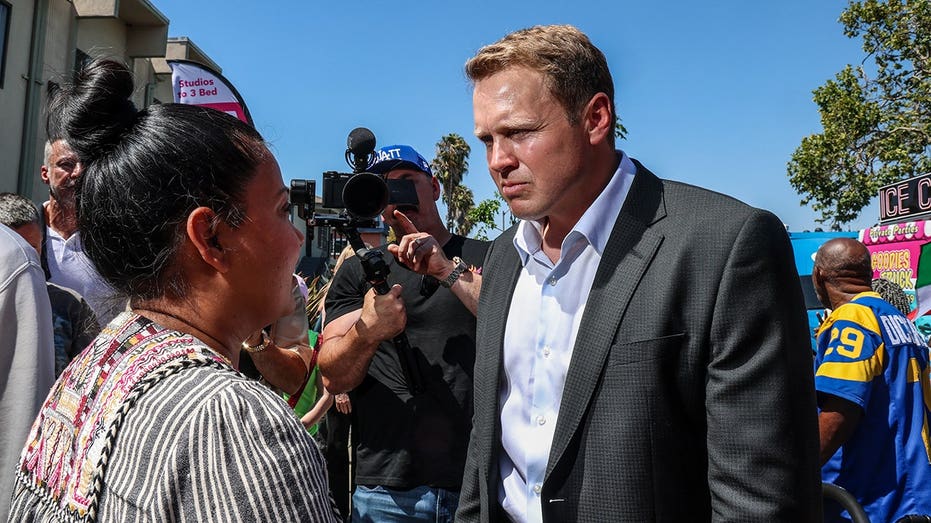
California is witnessing a significant shift in its political landscape, as Republican gubernatorial candidate Steve Hilton and independent Los Angeles mayoral hopeful Spencer Pratt gain notable traction. Both campaigns, characterized by their outsider status, are signaling a growing voter appetite for fresh perspectives and a challenge to the state’s entrenched political establishment. Hilton, a prominent conservative voice, contends that this momentum reflects widespread fatigue with California’s nearly two decades of one-party rule.
Steve Hilton, a conservative commentator and former Fox News Channel host, is a frontrunner in the race to succeed term-limited Democratic Governor Gavin Newsom. Backed by President Donald Trump, Hilton articulated a profound sense of discontent among Californians during an interview on Fox News @Night. He suggested that those outside the state might not fully grasp the depth of frustration with the current political climate. “Something’s happening in California,” Hilton stated, pointing to the long-standing Democratic control of the state government, which has persisted for sixteen years. This sustained dominance, he argues, has led to a stagnant political environment ripe for disruption, impacting various aspects of daily life for residents.
The perceived consequences of this entrenched power structure often include concerns over:
Hilton’s message resonates with voters who feel their concerns have been overlooked by a system lacking robust political competition.
Beyond his own gubernatorial bid, Hilton also drew attention to Spencer Pratt’s campaign for Los Angeles mayor. Pratt, a well-known reality television personality and online influencer, is running as an independent in the heavily Democratic city, presenting a populist appeal that is resonating with a diverse voter base. His insurgent campaign directly challenges incumbent Democratic Mayor Karen Bass, further underscoring the push against established power.
Despite their different backgrounds and campaign styles, Hilton emphasized a crucial commonality between himself and Pratt: their status as political outsiders. “We’re both outsiders… We’re very different, had different experiences, we were running different campaigns. But the one thing we have in common, we are outsiders. We’ve never run for office before,” Hilton noted. This shared narrative of being unburdened by traditional political allegiances is a powerful draw for voters disillusioned with career politicians.
The appeal of these outsider campaigns, Hilton suggests, lies in their promise to fundamentally alter a system many perceive as failing. Both candidates aim to shake up a system that, in Hilton’s view, “is obviously not working.” This desire for systemic change, rather than incremental adjustments, is a key driver of their momentum. Pratt, a Republican running as an independent, has focused his campaign on issues that resonate broadly, attracting support from various segments of the electorate.
The energy behind these unconventional candidacies highlights a broader sentiment of voter fatigue with the status quo. As California approaches its June 2 primary elections, the performance of Hilton and Pratt will serve as a significant indicator of the electorate’s willingness to embrace non-traditional leadership. Their campaigns represent a notable challenge to the prevailing political order, suggesting a potential realignment of voter priorities in the Golden State.
“We’re both outsiders… We’re very different, had different experiences, we were running different campaigns. But the one thing we have in common, we are outsiders. We’ve never run for office before.”
The combined energy behind Hilton’s statewide campaign and Pratt’s mayoral bid underscores a significant moment in California politics. It reflects a growing desire among the electorate for genuine alternatives to long-standing governance, signaling that even in a state with historically entrenched political leanings, the call for new leadership and accountability is gaining substantial ground. As the primaries unfold, the trajectory of these outsider movements will offer crucial insights into the evolving political landscape and the potential for a meaningful shift away from established norms.

Kansas City Chiefs’ star quarterback seen throwing touchdown passes during seven-on-seven drills, five months post-surgery, signaling strong progress for the upcoming season.
Kansas City, MO – Superstar quarterback Patrick Mahomes has taken a significant step forward in his recovery from a season-ending ACL injury, participating in Organized Team Activities (OTAs) with the Kansas City Chiefs. Despite wearing a heavy brace on his reconstructed knee, Mahomes displayed his characteristic arm strength, signaling his determination to be ready for the critical Week 1 opener.
The two-time NFL MVP returned to the practice field for seven-on-seven drills, an encouraging sight for Chiefs fans and the organization alike. During one session, Mahomes connected with wide receiver Xavier Worthy for a touchdown pass, a moment that reportedly brought a spirited “Come on, baby!” from the quarterback as he hopped towards the sideline. This early participation, approximately five months after his procedure, underscores his intense commitment to rehabilitation.
While his involvement was limited to seven-on-seven work, excluding the more strenuous 11-on-11 drills, Mahomes expressed genuine satisfaction at being back with his teammates. “It was good to be back on the field with the guys, more than anything,” Mahomes remarked after Thursday’s session. “Some of those days you’re rehabbing, you’re here by yourself or with a couple of the other guys. You kind of get that juice when everyone gets back in the building. It was good to be out there.”
Mahomes sustained a torn ACL and LCL during a Week 15 game last season against the Los Angeles Chargers, an injury that abruptly ended the Chiefs’ decade-long playoff run. His immediate focus turned to rehabilitation, with an ambitious target set for the regular-season opener in September. Recent reports, including those from News Desk, confirm that the three-time Super Bowl champion is maintaining that goal, refusing to let the extensive recovery process deter him.
The journey back for any athlete from such a severe injury is arduous, demanding discipline and perseverance. Mahomes’ early return to drills, even in a limited capacity, reflects his strong work ethic and desire to lead his team. His presence alone provides a significant morale boost, reminding the squad of the competitive spirit that defines their leader.
“It was good to be back on the field with the guys, more than anything. You kind of get that juice when everyone gets back in the building. It was good to be out there.”
— Patrick Mahomes
The Kansas City Chiefs’ playoff hopes were dashed last season following Mahomes’ injury. His absence left a void that proved impossible to fill, highlighting his indispensable value to the franchise. With Mahomes now visibly progressing, the team’s prospects for reclaiming their dominant position in the AFC are significantly bolstered. The focus on a disciplined and structured return ensures that while optimism is high, prudence guides his rehabilitation.
The organization, known for its pro-institution approach, is undoubtedly prioritizing Mahomes’ long-term health while supporting his competitive drive. His return to full form is crucial not only for the Chiefs’ immediate success but also for maintaining the integrity and high standard of play expected from a franchise quarterback.
As the NFL season approaches, all eyes will remain on Patrick Mahomes and his continued recovery. His dedication to overcoming this significant physical challenge serves as an inspiration, embodying the resilience and drive that define elite athletes. The Chiefs, along with their devoted fanbase, eagerly anticipate his full return, confident in his ability to once again lead them deep into the postseason.


