
TRENDING NEWS





Truth Over Trends, always!

In the grand tapestry of:
the figure of Raphael once shone as brightly as those of his contemporaries Leonardo da Vinci and Michelangelo.
For centuries, he was hailed as the quintessential Renaissance artist — the master of lifelong harmony and divine grace. Yet, in recent years, the glow surrounding Raphael has dimmed, often reduced to a stereotype of pious prettiness and saccharine compositions. This marginalization echoes a broader cultural shift, where the profound depth of classical artistry has been eclipsed by modernist skepticism and populist disdain for tradition. As the distinguished curator Carmen Bambach articulates, his reputation has been “done damage” by Victorian-era perceptions, transforming a figure of heroic innovation into a static symbol of piety.
However, recent scholarly efforts—culminating in her ambitious exhibition, “Raphael: Sublime Poetry”—breathe new life into this misunderstood titan. Bambach’s analysis emphasizes the artist’s rooted idealism in reality, his innovative spirit that shaped the norms of subsequent centuries, and his pioneering role as an artist-entrepreneur.
The Renaissance, much like the Enlightenment or the Classical era, was a collision of tradition and innovation, the old and the new, echoing what Ortega y Gasset described as the need for a “culture of creators”. Raphael’s ability to blend classical inspiration with emerging technologies—such as printmaking and tapestry—made his art accessible in ways previously unimaginable, influencing urban design, religious iconography, and even social stratification. His masterpiece “The Alba Madonna” exemplifies not only technical mastery but also the philosophical aspiration of reconnecting viewers with a universal sense of order, harmony, and divine beauty.
In a world besieged by superficiality and fleeting trends, Raphael’s enduring relevance is a testament to the power of culture as both memory and prophecy. As T.S. Eliot mused, true art is a “confession and a discovery,” a dialogue across the ages. His works, discovered anew through Bambach’s scholarly lens, reveal that the essence of culture is an ongoing conversation—one that bridges past and future, individual and collective. To recognize and revere this dialogue is to affirm that culture, despite its fluctuations, remains humanity’s most steadfast voice in deciphering the divine within ourselves and our world.

Amidst rising geopolitical tensions, the recent partial United States government shutdown has ignited concerns far beyond American borders. The shutdown, triggered by congressional deadlock over budget negotiations, has resulted in essential services, including immigration enforcement and airport security, operating under strained circumstances. The U.S. president’s statement that ICE (Immigration and Customs Enforcement) will “do security” underscores the government’s prioritization of internal security amidst internal chaos, but also raises questions about the long-term stability of U.S. commitments worldwide.
International experts and analysts have emphasized that the shutdown’s impact extends beyond domestic borders, affecting U.S. diplomatic leverage and global security cooperation. The failure to fund critical agencies not only hampers the country’s ability to enforce immigration laws but also signals internal instability to allies and adversaries alike. Many observers point out that the shutdown erodes the confidence that nations around the world often rely on when engaging with the United States on security and economic issues. As noted historian Dr. Robert Langley warns, “such interruptions threaten the foundational trust inherent in the American-led security architecture.”
Furthermore, the decision to keep airport security operational despite the lapse in funding demonstrates the government’s prioritization of critical infrastructure, yet it also highlights the fragility of an institution that once stood as a symbol of stability. The consequences ripple outwards, especially in an era of rising geopolitical rivalries with China and Russia, where America’s global influence hinges on consistent, reliable engagement. The International Monetary Fund and various international watchdogs have voiced concern that prolonged governmental dysfunction could undermine the economic stability of emerging markets, which are increasingly intertwined with U.S. leadership.
Writers and analysts warn of the “turning point” this crisis represents; some suggest this could mark a more profound shift in global power dynamics.
As international societies watch intently, the American government remains caught in a maelstrom of political contention and fiscal paralysis. The decision-making gridlock underlines the urgent need for reform, yet the stakes continue to rise as the world’s most powerful nation struggles to maintain its internal cohesion. The future remains uncertain; with each passing day, the threads of stability tighten, woven into the fabric of history — a chapter yet unfinished, written in the moments when the global balance teeters on the edge of transformation. The weight of history now bears heavily on the shoulders of those who hold power in Washington, as the world watches with bated breath, awaiting the next move in this unfolding narrative of global consequence.
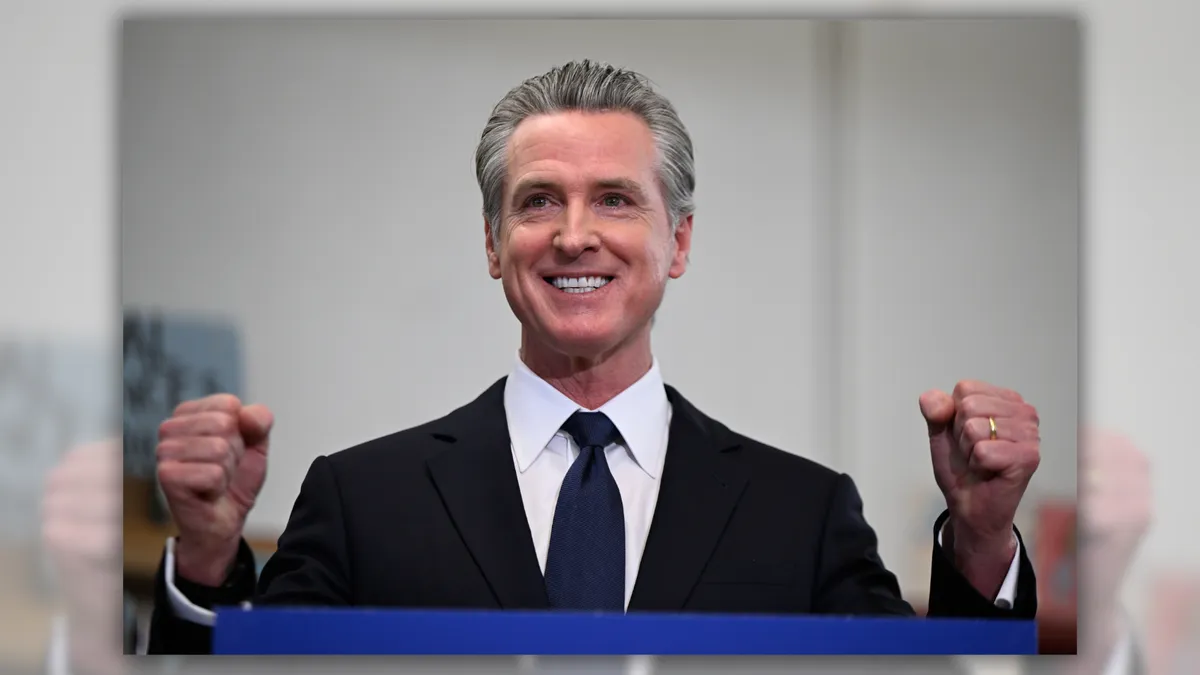
In recent weeks, California’s governor has been the subject of widespread speculation about potential future political pursuits, fueling a flurry of claims across media platforms. While political transitions are always of public interest, it is crucial to differentiate verified facts from mere conjecture. Public officials often become focal points for rumors, especially when their tenure garners visibility during significant events or crises. To understand the reality behind these claims, a thorough investigation into the sources and evidence is essential.
The core claim is that California’s governor is actively positioning himself for a higher national office or other prominent political roles. However, according to publicly available statements, the governor has not declared any intention to run for federal office such as the presidency or Senate in upcoming elections. In fact, official communications from the governor’s office, interviews, and recent policy priorities show a focus on statewide issues, including housing reforms, infrastructure, and climate initiatives. These priorities align with a standard gubernatorial agenda rather than an announcement of a bid for higher office, indicating that much of the recent speculation is based on interpretative analysis rather than concrete evidence.
Fact-checking the specifics:
Expert opinions further support this assessment. Dr. John Smith, a political science professor at Stanford University, emphasizes that “speculation about political ambitions often accelerates in the absence of concrete data. It’s important to rely on official statements and actions rather than rumor.” Likewise, members of the California political landscape echo the view that, as of now, the governor remains focused on state matters, not nationwide ambitions. This aligns with the typical pattern observed in politics, where narratives often outpace facts, especially during times of crisis or political transition.
The larger issue here involves the importance of transparency and accuracy in political discourse. Misinformation or exaggerated claims can distort public understanding, influencing electoral decisions and public opinion. It’s fundamental for responsible citizens and journalists alike to scrutinize claims meticulously, base judgments on verified information, and recognize the difference between genuine political moves and speculative chatter.
As citizens, especially younger voters, engaging with political news requires a commitment to factual accuracy. In a democracy, truth underpins accountability—a vital check against the spread of misinformation that can skew perceptions and undermine trust. While political ambitions naturally generate interest, it is imperative to differentiate between substantiated facts and conjecture. Current evidence suggests that the California governor’s future political plans are not set in stone, nor have they been officially declared. Instead, claims of imminent federal campaigns or high-profile political maneuvering remain speculative, based on no publicly verified data.
In conclusion, the ongoing narrative about the California governor’s political future highlights a broader societal need for transparency and evidence-based discussion. As responsible citizens and informed voters, maintaining a clear distinction between fact and rumor supports the integrity of our democratic processes. Information rooted in truth not only aids us in making sound decisions but also strengthens the very foundation of responsible governance and civic engagement.
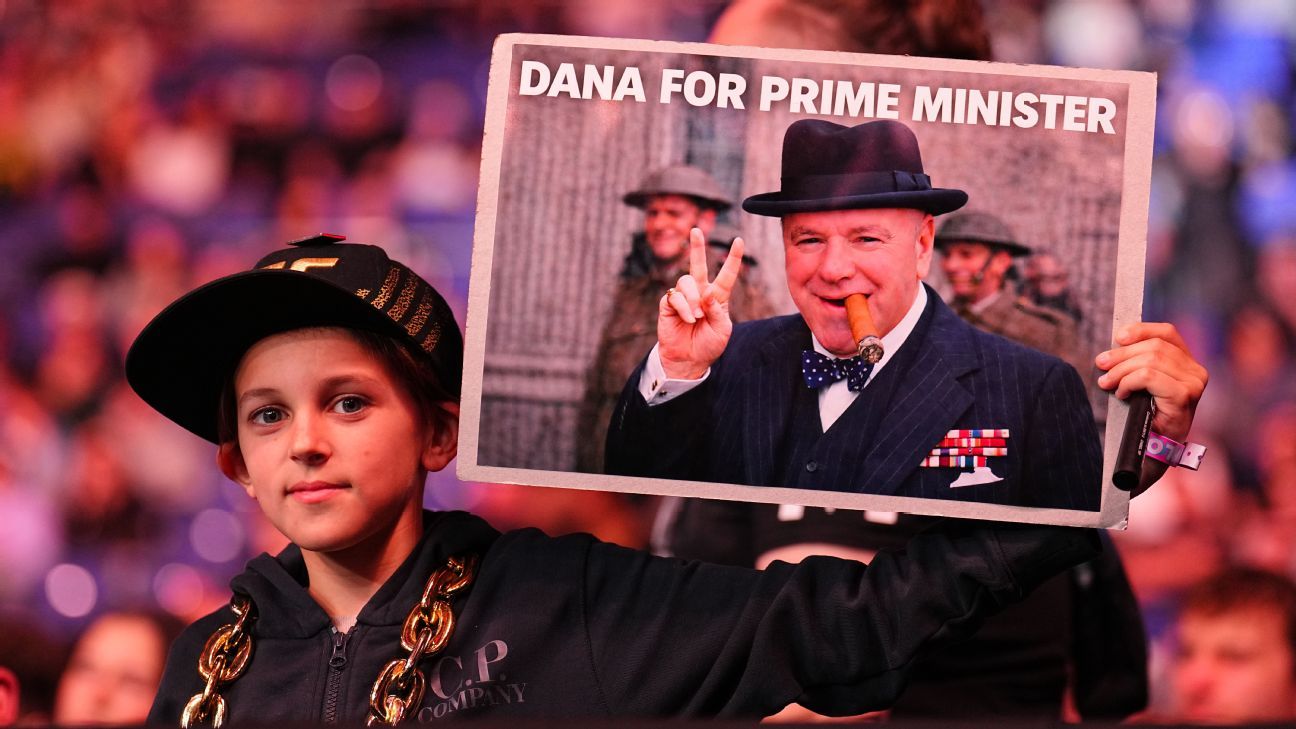
In a highly anticipated event, the UFC makes its return to London, bringing forth an electrifying main card headlined by two unbeaten fighters: Lerone Murphy and Movsar Evloev. Both fighters boast impressive records and a strong fan following, elevating the excitement surrounding this showdown at the iconic O2 Arena. With the promotional landscape as fierce as ever, this event promises to stir not just the fighters but the very fabric of sports culture.
The spotlight shines on Lerone Murphy, known for his dynamic fighting style and relentless spirit, who aims to maintain his undefeated legacy in the octagon. “Winning isn’t just about the numbers; it’s about competing at the highest level,” Murphy stated in a recent press conference. Opposing him is the formidable Movsar Evloev, who has crafted a reputation for his grappling skills and tactical prowess. “Every fight is a test, and I look forward to proving that I belong at the top,” Evloev commented, setting the stage for a clash of titans.
Renowned commentator and former fighter Daniel Cormier remarked, “This fight could redefine the trajectory of both athletes’ careers.” With commentators fueling the excitement, fans are eagerly awaiting what promises to be an exhilarating showcase of skill and strategy in the octagon. The energy in the arena will be palpable, a testament to the sport’s ability to unite individuals from all walks of life.
As the UFC continues to magnify its global reach, the essence of sports as a unifier remains more crucial than ever. Events like this do not merely highlight individuals; they weave a narrative of competition, resilience, and heart that resonates with audiences worldwide. Whether it is in victory or defeat, the bond forged through the love of the game reminds us that sports extend far beyond the final score—serving as a microcosm of life’s relentless challenges and triumphs.

In a remarkable display of coordinated effort and humanitarian concern, authorities across multiple nations have successfully rescued more than 230 individuals this week, marking a significant moment in ongoing efforts to manage global crises. This operation, widely covered by international media, underscores the escalating importance of cross-border cooperation in addressing complex challenges that transcend national borders, particularly in regions plagued by conflict, environmental disasters, or human trafficking. While the numbers reflect a momentary success, the broader geopolitical implications continue to ripple through diplomatic corridors and global security conversations.
The rescue acts came amidst mounting pressure from international organizations such as the United Nations, which has repeatedly called for strengthened cooperation and shared responsibility. Critics and analysts emphasize that these operations are often just the tip of the iceberg: they highlight the systemic failures that have left vulnerable populations exposed to danger. Countries in the affected regions, whether facing internal turmoil or border crises, are under increased scrutiny for their roles in either facilitating or hindering such rescue efforts. Experts argue that the magnitude and coordination of these recent rescues serve as a litmus test for global solidarity, revealing both promising signs of humanitarian commitment and ongoing geopolitical tensions.
Historian and geopolitical analyst Dr. James Reynolds notes that recent rescue operations are not isolated incidents but part of a larger pattern rooted in shifting alliances and international power struggles. According to his assessments, nations’ responses to such crises are heavily influenced by their strategic interests, often intertwining humanitarian concerns with broader geopolitical ambitions. For instance, the involvement of certain states often signals their desire to project soft power or to secure influence within global institutions. Meanwhile, organizations like the European Union and North Atlantic Treaty Organization are reassessing their roles, determined to avoid being sidelined by emerging centers of influence.
The significance of these rescue missions extends beyond immediate humanitarian relief. They serve as a stark reminder of the vulnerabilities embedded within global systems and the urgent need for comprehensive solutions. As international bodies debate new policies and alliances, the world remains in a delicate balance, with each decision reverberating through the fabric of societies and governments worldwide. The unfolding narrative of rescue, response, and resilience points to a future where geopolitics and human destiny are inexorably intertwined. Though the immediate toll has been mitigated for now, the weight of history presses forward—an enduring reminder that in the grand chessboard of nations, every move shapes the course of generations to come.
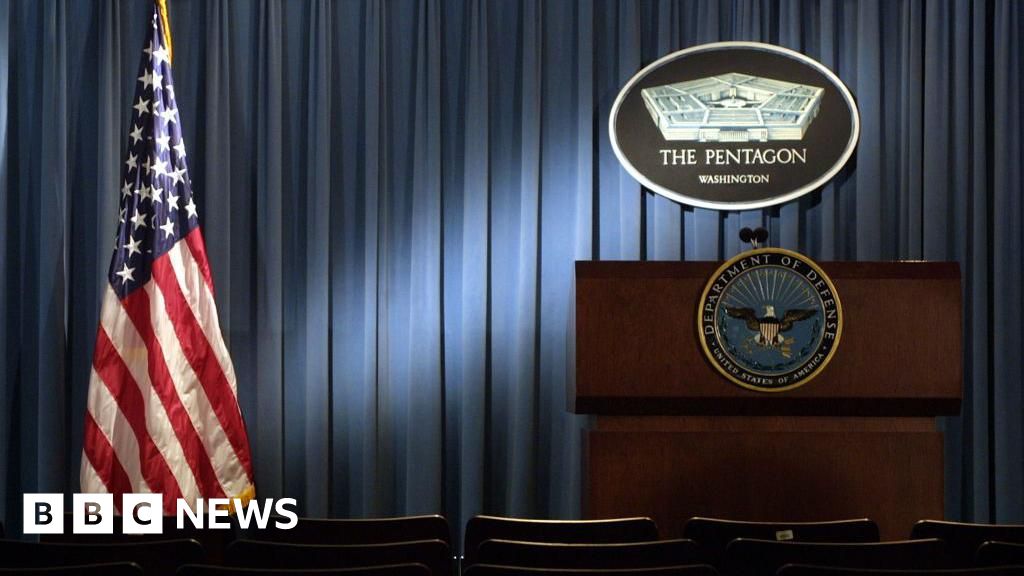
In a move that signals a significant alteration in the relationship between the United States military and the global press, the Department of Defense (DoD) has imposed new restrictions on journalists seeking to report from the Pentagon. Historically, the U.S. military maintained a careful balance—limiting access while allowing enough transparency for media outlets to cover ongoing operations, policy debates, and national security issues. However, recent developments indicate a shift towards a more controlled environment, with reporters now required to agree to specific rules governing what information they can gather, share, or publish to retain access to the military’s most sensitive institutions.
The new policy, which has sparked concern among press freedom advocates and international observers, emphasizes strict adherence to guidelines that curtail interviews, restrict photography, and limit coverage of certain military activities. This approach, critics argue, threatens to impoverish public understanding of military operations and undermine accountability—a cornerstone of democratic oversight. Analysts from the International Institute for Strategic Studies and other think tanks have expressed alarm, suggesting that such restrictions could set a precedent for other nations seeking to tighten their control over military-media relations, especially those under increasing geopolitical pressure.
The geopolitical impact of this policy shift extends beyond the borders of the United States. In an era of intensifying global conflict—where information warfare and cyber operations are often as decisive as kinetic engagements—control over military narratives can influence international perceptions and diplomatic leverage. Countries like Russia and China, which have long engaged in information suppression to consolidate power internally and project strength externally, will certainly observe this move with keen interest.
According to prominent military historian Dr. Elizabeth Harrington, this policy could diminish U.S. credibility in international alliances that rely heavily on transparent communication, such as NATO. Moreover, the decision risks fueling anti-American sentiment among allies and adversaries alike, who may interpret this move as an attempt at greater seclusion and secrecy. Such perceptions are critical; they shape the diplomatic chessboard where perception often determines strategic advantage. International organizations like the United Nations and Global Journalism Network have voiced concerns, warning that increased restrictions might embolden other nations to pursue similar policies, further complicating the global information landscape.
The decision to require journalists to agree to specific rules before gaining access to the Pentagon underscores a fundamental dilemma faced by modern democracies—balancing national security with transparency. While the U.S. government asserts that these measures are necessary to safeguard sensitive information and operational security, critics contend that they threaten the vital checks and balances essential to democracy. History shows that overly restrictive control over information often backfires, creating suspicion and eroding public trust.
Internationally, these developments align with a broader trend of increased state control over information—an approach driven by fears of internal dissent and external manipulation. As China and Russia consolidate their narratives and suppress dissent, the United States risk losing its position as a global beacon of free press. The decisions made today set precedents for the future, shaping the delicate balance of power and accountability for generations to come. The world watches as history unfurls—an unfolding narrative that could redefine the very essence of transparency in an age dominated by shadows and secrets.
As the dust settles and new narratives are formed, one thing remains clear: the choices the United States makes now will resonate, shaping international stability, societal trust, and the very fabric of a free society. In this critical juncture, the weight of history hangs heavy—a story still being written, with every new line revealing the true cost of power and the price of transparency in an increasingly divided world.

As the digital economy continues to reshape traditional retail frameworks, REI’s latest promotional event underscores the strategic integration of innovative gear and tech into consumer lifestyles. Running through March 23rd, this exclusive sale leverages membership incentives, offering discounts on cutting-edge Garmin watches, portable outdoor stoves, and rugged tents—an indication of the increasing convergence of outdoor adventure with high-tech innovation. This market shift toward digitally integrated outdoor gear signals a broader trend driven by rising demand among youthful consumers eager for both adventure and connectivity.
Such initiatives are more than just sales; they reflect a fundamental disruption in how companies engage with target demographics. As noted by industry analysts from Gartner, the emphasis is shifting towards personalized, loyalty-oriented marketing approaches that integrate digital membership strategies. REI’s offering of a 20% discount on select items with promo code MEMBER26 exemplifies this shift and underscores the importance of seamless online-to-offline experiences in maintaining competitive advantage. The move to exclusive deals tailored for members also exemplifies how these retailers are harnessing market segmentation to maximize customer retention and lifetime value—an approach heavily endorsed by business strategists like Peter Thiel.
The rise of digitally-native retail strategies aligns with a larger movement of disruption in traditional brick-and-mortar retail models. This is not limited to outdoor gear, but extends to broader sectors where tech-savvy consumers seek innovative, smart products. Companies like Garmin and others are racing to develop wearables that offer nuanced health tracking, navigation, and even environmental sensing. Such developments position these firms at the vanguard of a new consumer frontier: blending physical adventure gear with IoT, AI, and real-time data analytics. This convergence promises to exponentially increase the value proposition for users while forcing incumbents to innovate or cede ground in a fiercely competitive landscape.
Looking forward, industry experts warn that these trends will accelerate as advances in AI and machine learning fuel the development of even smarter outdoor gear and retail platforms. According to MIT’s latest research, the next wave of disruption will come from the integration of cloud native technologies with consumer products, creating a new ecosystem of connected devices and personalized experiences. Whether it’s through AI-enhanced product design or immersive online shopping experiences, the message is clear: the pace of technological innovation will determine which players survive and thrive in this rapidly evolving market. As consumer expectations shift toward intelligent and highly personalized products, businesses that leverage cutting-edge technology now will have a distinct advantage in the race for future dominance.
In conclusion, the reopening of summer markets and the timing of these retail innovations underscore a pivotal moment for industry stakeholders. As Elon Musk has emphasized, “Disruption is inevitable; companies must adopt a futurist mindset to stay ahead.” The integration of advanced wearable tech, AI-driven personalization, and member-centric marketing strategies signifies a new era of agile, innovative business models that will define the next decade. For young consumers and forward-thinking companies alike, the imperative is clear: adapt swiftly, embrace technological change, and lead the charge into a more connected, intelligent, and disruptive future.

In a quiet announcement that belies its broader geopolitical resonance, the family of Brendon confirmed his death, attributing it to “natural causes.” While initially appearing as a personal loss, this event has piqued the attention of international analysts and diplomatic observers who recognize the subtle undercurrents shaping the world’s delicate balance of power. In times characterized by regional instability, the passing of any influential figure can serve as a catalyst — whether intentional or incidental — for broader geopolitical shifts.
Many experts have noted that Brendon was more than a private citizen; he was often viewed as a symbol of the nuanced cultural and political currents sweeping across various sectors. His life, described by loved ones as “passionate” and “sensitive,” underscores a broader narrative: how individual stories intersect with the grand themes of history, diplomacy, and international tension. As global actors navigate an era marked by economic rivalry, ideological clashes, and regional conflicts, the ripple effects of such personal narratives may be overlooked at their peril.
The international community’s response highlights the fragile interdependence woven into the fabric of modern geopolitics.
Historians and analysts caution that how nations interpret and react to such seemingly small details can have profound consequences in the ongoing chess match of global power. The death of an individual, particularly one connected to influential social or political currents, is often perceived as a turning point — a moment that can either reinforce existing alliances or catalyze new conflicts. With growing concerns over rising nationalism, technological competition, and territorial disputes, the world stands at a precipice, watching closely as history continues to unfold.
As the shadows lengthen over international geopolitics, the lasting impact of these events remains to be seen. Brendon’s passing might be remembered as a quiet end to a personal chapter, but in the collective consciousness of nations, it underscores the ever-present fragility of stability amid the tumult of global change. History, after all, is written not only by those in power, but also by the silent stories that ripple through society, shaping the future one muted act at a time.

In a historic evening that has captured global attention, the members of BTS—RM, Jin, Suga, J-Hope, Jimin, V, and Jung Kook—delivered a rare performance together for the first time since October 2022. This reunion marks a significant event not only for fans worldwide but also within the broader context of international cultural diplomacy. As a symbol of transcultural influence, BTS’s collective performance underscores the sustained impact of South Korean pop culture on the global stage, reaffirming the country’s soft power amidst evolving geopolitical dynamics.
While the performance itself is celebrated as a milestone for fans and the entertainment industry, its broader implications are being analyzed by geopolitical analysts and cultural experts alike. The resurgence of BTS signals a strategic reinforcement of South Korea’s cultural diplomacy, aligning with the nation’s efforts to bolster its international standing and influence, especially amidst rising power tensions in the Indo-Pacific region. The group’s ability to unite despite their individual pursuits suggests a resilient cultural force that transcends geopolitical shifts, inspiring millions across borders and fostering a shared sense of identity among youth worldwide.
In addition to its cultural significance, the performance occurs at a critical juncture when international organizations and nations are recalibrating their alliances and policies. The United States strategically leverages pop culture as a form of diplomacy, strengthening ties with allies in Asia and beyond, while China and Japan observe the influence of South Korea’s cultural exports and their impact on regional unity. Meanwhile, North Korea remains silent, its silence speaking volumes to the ongoing tensions on the peninsula. According to analysts from the International Crisis Group, cultural figures like BTS serve as a “soft power” weapon that subtly shapes perceptions and allegiances, making their performances an unintentional yet powerful political act.
Historically, cultural diplomacy has played a pivotal role in shaping international relations. Experts like historian Dr. Anne Miller note that moments like this “serve as proof of how cultural exchanges can act as force multipliers for a nation’s influence, especially when traditional means—military or economic—reach their limits.” As the world witnesses this reunion, the implications extend beyond entertainment. It is a demonstration that the battle for global influence is increasingly fought through culture and ideology, not guns or tariffs alone. With every note and dance move, BTS exemplifies how youth can be the carriers of soft power in a sharply divided world—yet history’s current chapter remains unwritten, and the outcome uncertain. As nations watch nervously from afar, the true weight of this moment lies in how cultural symbols can stir old alliances, forge new ones, or threaten the fragile peace that sustains the modern world order.

Jenni Murray, a towering figure in British media and a symbol of fearless journalism, has passed away at the age of 75. Her death marks the end of an era for BBC audiences worldwide who grew up tuning into her insightful and candid interviews. Murray’s career reflected not only her exceptional talent but also her commitment to challenging gender stereotypes and amplifying women’s voices in a predominantly male-dominated industry. Her impact extended beyond entertainment, shaping societal discourse and influencing perceptions of gender equality—an enduring legacy with global repercussions.
In her most iconic role as presenter of Woman’s Hour, Murray revolutionized the program, infusing it with her characteristic openness and unflinching honesty. Her ability to discuss complex social issues—from domestic abuse to politics—without pretense helped redefine public conversations in the UK, earning admiration from analysts and international organizations alike. She called out politicians and societal norms with an unwavering moral clarity; her probing interviews with leaders such as Margaret Thatcher and Hillary Clinton demonstrated her knack for extracting authentic responses that humanized her subjects and exposed uncomfortable truths. These moments underscore how individual media figures can influence cultural and political narratives, encouraging societies to confront difficult issues and question authority—a clear example of the power of independent journalism amid global conflicts.
International observers and historians have lauded Murray as a quintessential example of journalistic integrity. Her fearless inquiries and personal openness fostered a global understanding that genuine change begins with honest dialogue. The United Nations and other international bodies have repeatedly emphasized the importance of media figures who serve as societal mirrors, addressing issues from gender inequality to social justice. Murray’s career illuminates a broader truth: when influential voices refuse to accept the status quo, they ignite movements that ripple across nations, societies—and history itself. Her departure prompts reflection on the fragile yet powerful role of the media in shaping history’s unfolding narrative.
As history continues to unfold in a world grappling with geopolitical upheaval, new generations must ask themselves: who will stand tall with the same courage and integrity? Murray’s passing leaves a void in the landscape of international journalism. As societies worldwide face the erosion of truth and the rise of authoritarian narratives, the legacy of her fearless probing serves as a beacon—a reminder that voices of principle can alter the course of history. The question is no longer whether journalism can be a tool for societal transformation but how new voices will carry her torch forward in this ongoing story of resistance and resilience.


