
TRENDING NEWS





Truth Over Trends, always!
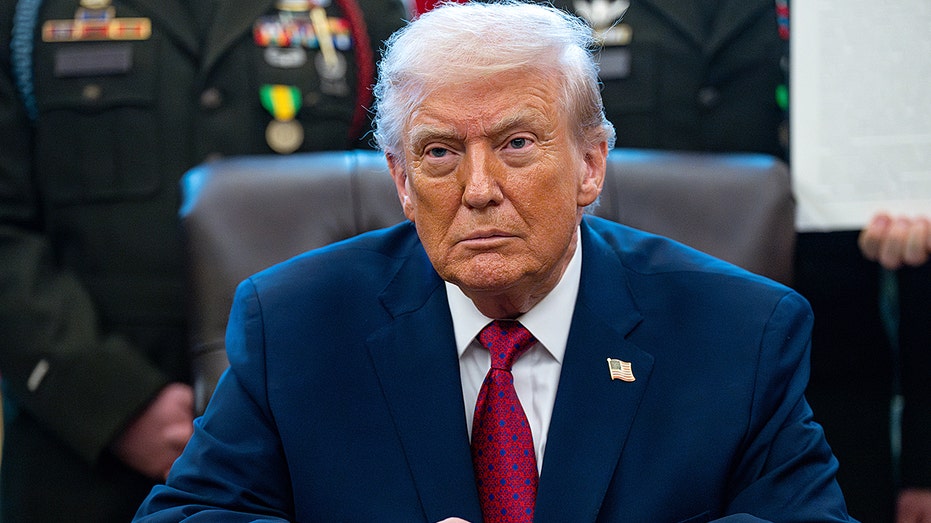
A federal court delivered a significant decision this week, declining a Democratic bid to block President Donald Trump’s executive order concerning mail-in ballots. U.S. District Judge Carl Nichols, an appointee of President Trump, ruled that the request for an injunction against the directive was premature, as no government agency had yet acted on its provisions. This judgment provides temporary legal clarity for the administration’s initiative, which aims to bolster the integrity of the nation’s voting processes.
The President’s executive order, signed earlier this year, directs the Department of Homeland Security to compile comprehensive lists of adult U.S. citizens in each state. Furthermore, it mandates the U.S. Postal Service (USPS) to deliver mail ballots exclusively to individuals verified on these lists. This measure, framed by the administration as an effort to enforce existing federal voting laws, aligns with the President’s constitutional obligation under Article II.
The directive emerged amid heightened national debate over the security and procedural consistency of mail-in voting. Proponents of the order argue it is a necessary step to prevent potential fraud and ensure that only eligible citizens receive and cast ballots, thereby preserving the sanctity of the electoral system.
Judge Nichols’ decision, as reported by News Desk, centered not on the merits of the executive order itself, but on the timing of the legal challenge. In his written opinion, the judge stated that since the executive order does not command immediate action from the plaintiffs, and no agency has yet implemented its directives in a way that could cause harm, the plaintiffs have not suffered any present injury.
This procedural ruling means the court did not evaluate the core arguments put forth by Democrats and various voting rights groups. Their claims, which assert that the order could disenfranchise millions of voters and overstep federal authority into state-regulated elections, were deemed speculative at this stage. The judge’s decision emphasizes the principle that courts typically intervene only when an actual or imminent harm can be demonstrated.
Opponents of the order maintain that the Constitution grants state legislatures and Congress, not the President, the primary responsibility for regulating federal elections. They argue that the executive order could compel the USPS to establish election rules beyond its designated authority. These groups expressed concerns that the directive could lead to significant procedural hurdles and potential voter exclusion, particularly for those reliant on mail-in ballots.
Despite this initial setback in court, the Democratic plaintiffs are expected to explore further legal avenues. The judge’s ruling leaves open the possibility for future challenges once the Department of Homeland Security or USPS takes concrete steps to implement the executive order’s provisions. The legal landscape surrounding election administration remains contentious, with both sides preparing for potential future litigation.
“Given that the Executive Order does not command Plaintiffs to do anything, and that no agency has yet acted pursuant to the Order in a way that could harm Plaintiffs, they have not suffered any harm at present.”
The temporary legal victory for President Trump’s mail-ballot order underscores the complex interplay between executive authority, judicial review, and the deeply held conviction that elections must be secure and fair. As the nation approaches future electoral cycles, the debate over election procedures and safeguards is poised to continue, with a focus on ensuring both accessibility and integrity for all legitimate voters.

New data paints a concerning picture for the United Kingdom’s younger generation, as the number of individuals aged 16-24 who are not in education, employment, or training (NEETs) has surpassed the one million mark. This significant increase represents a 12-year high, sparking widespread alarm among policymakers and economists about the long-term societal and economic implications.
The rise in UK youth unemployment, specifically among NEETs, suggests a deepening crisis that could severely impact national productivity and social cohesion. Experts are increasingly vocal about the potential for a ‘lost generation’ if decisive action is not taken to integrate these young people into the workforce and educational pathways.
A landmark report from the Institute for Public Policy Research (IPPR), highlighted in The Guardian’s business live coverage, indicates that the UK economy could face a staggering £125 billion annual hit due to youth unemployment. This substantial figure underscores not only the individual hardships faced by these young people but also the broader drag on national prosperity and growth. The IPPR describes the situation as both a national crisis and a human tragedy.
The implications extend beyond mere statistics, affecting social mobility, mental health, and the foundational stability of communities. Addressing this challenge is crucial for maintaining social order and ensuring a productive future for the nation.
Amidst the escalating figures, there’s a concerted effort to move beyond simplistic explanations for the rise in NEETs. The Work and Pensions Committee chair has firmly rejected the notion that the crisis is due to a ‘snowflake generation’, emphasizing that such lazy tropes distract from the real issues. Similarly, the Trades Union Congress (TUC) has cautioned against cynical attempts to blame workers’ rights laws for the situation.
Instead, focus is shifting towards structural factors and the critical role of employers. Former government advisor Milburn has stressed that employers are ‘absolutely critical’ in resolving the youth unemployment crisis. He also noted that the UK’s ‘chronic’ NEET problem is more severe than in many other comparable countries, serving as a stark warning signal for the nation.
“One million young people not in education, employment, or training is not just a statistic; it’s a profound warning that demands urgent, collaborative action from all sectors of society.”
Addressing the challenge of over one million young people as NEETs requires a multifaceted approach focused on creating genuine opportunities and equipping individuals with the skills demanded by a dynamic market. This includes:
The imperative is clear: to prevent a generation from being left behind, institutions must work together to dismantle barriers to employment and education. The future strength of the UK economy and the well-being of its families depend on integrating these young people into productive roles. This is not merely an economic issue but a fundamental question of societal responsibility and long-term stability.

In a decisive move to enhance fiscal accountability, the federal agency overseeing the vast landscape of government contracts and real estate, the General Services Administration (GSA), has announced its participation in a critical White House initiative. This coalition, led by Vice President JD Vance, is dedicated to rooting out fraud, waste, and abuse across federal programs, with GSA’s involvement poised to be a game-changer in the ongoing federal fraud crackdown. The strategic alliance underscores a renewed commitment to institutional integrity and responsible stewardship of public funds.
The GSA, often dubbed the “engine of government,” manages an immense portfolio of federal acquisition and contracting, including the vital services, goods, and facilities federal agencies rely upon. Its integration into the anti-fraud task force brings unparalleled access to procurement data and specialized acquisition knowledge. This partnership is designed to identify and dismantle fraudulent schemes that exploit the complex federal contracting ecosystem, ensuring that taxpayer money is utilized efficiently and ethically.
GSA Administrator Edward C. Forst highlighted the agency’s critical position in combating fraud. “GSA sits at the center of the federal acquisition and contracting ecosystem, making us a critical force in the fight against fraud,” Forst stated in a press release obtained by Fox News Digital. This collaboration will equip the task force with GSA’s advanced analytical tools and investigative support, enhancing its ability to detect high-risk fraud patterns and prevent bad actors from siphoning public resources. The agency will also facilitate cross-government coordination, ensuring a unified front against financial malfeasance.
The Vice President Vance-led task force was established by President Donald Trump through an executive order, mandating a coordinated federal effort to reduce fraud, waste, and abuse. Its focus areas include improving eligibility verification, strengthening payment controls, and facilitating data sharing among agencies. The task force has already demonstrated tangible results, notably cutting off $1.4 billion from home health and hospice providers suspected of fraud, underscoring its effectiveness in protecting public funds. GSA’s addition is expected to amplify these efforts, extending the federal fraud crackdown into the core of federal contracting.
GSA’s participation will specifically bring:
“GSA sits at the center of the federal acquisition and contracting ecosystem, making us a critical force in the fight against fraud.” — Edward C. Forst, GSA Administrator
This significant expansion of the White House’s anti-fraud initiative, with the GSA now a core participant, signals a robust commitment to safeguarding federal resources. By targeting the very mechanisms of government spending, the administration aims to fortify the integrity of public institutions and reinforce trust in how taxpayer dollars are managed. The proactive stance against waste and abuse is a vital step toward ensuring fiscal prudence and order across the federal landscape.

The baseball world is in mourning following the announcement of the passing of Bob Horner, the former Atlanta Braves third baseman and National League Rookie of the Year, at the age of 68. Horner, a formidable presence at the plate known for his raw power, left an indelible mark on the sport through a career highlighted by a historic four-home run game and an exceptional collegiate journey.
Horner’s death, confirmed by the Atlanta Braves organization, brings reflection on a player who embodied the spirit of competition and professional excellence. His contributions to the Braves and to college baseball remain a testament to his talent and dedication.
Bob Horner’s professional career began with immediate impact. Selected as the first overall pick in the 1978 MLB Draft out of Arizona State, he notably bypassed the minor leagues entirely, making his debut directly with the Atlanta Braves. This rare feat underscored the high expectations placed upon him, which he quickly began to fulfill.
In his inaugural season, Horner’s impressive performance earned him the 1978 National League Rookie of the Year award. Over nine of his ten major league seasons, all spent with the Braves, he formed a potent offensive duo with teammate Dale Murphy, striking fear into opposing pitchers. Despite playing in an era often overshadowed by pitching dominance, Horner consistently delivered, hitting 218 home runs in 1,020 games while maintaining a disciplined approach at the plate, never striking out more than 75 times in a single season.
Among his many achievements, Bob Horner is perhaps best remembered for his extraordinary performance on July 6, 1986. In a game against the Montreal Expos, Horner etched his name into baseball history by hitting four home runs. This rare display of power made him the first Atlanta player ever to achieve such a feat, joining an elite group of sluggers in MLB history. The memorable afternoon showcased his immense talent and clutch hitting ability, solidifying his status as one of the game’s premier power hitters.
“Bob Horner’s career was defined by his groundbreaking achievements and powerful presence on the field.”
Before his professional accolades, Horner was a collegiate superstar at Arizona State University. His time with the Sun Devils was nothing short of legendary, culminating in his induction into the College Baseball Hall of Fame as part of its inaugural class. His collegiate achievements included:
These early successes set the stage for a remarkable professional journey. The announcement of his passing was shared by the team, a development also reported by Fox News Digital, which highlighted his extensive contributions to the sport.
Bob Horner’s passing marks the end of an era for many baseball enthusiasts. His legacy as a powerful hitter, a trailblazing rookie, and a collegiate icon will continue to resonate within the sport. The Matox News extends its deepest sympathies to his wife, Chris, his sons Tyler and Trent, and his countless friends and fans who admired his incredible career and dedication to the game.

In an unexpected turn for music industry observers, Jennifer Lopez’s 2011 smash hit, ‘On the Floor,’ has made a stunning comeback to the Billboard charts. The song’s reappearance, more than 15 years after its original impact, has caught even the superstar herself by surprise, underscoring the dynamic and often unpredictable forces shaping contemporary music trends.
Lopez, a prominent figure in entertainment, recently shared her astonishment on Jimmy Kimmel Live while promoting her upcoming Netflix film. She revealed that her social media team alerted her to the track’s sudden popularity surge. Her candid reaction, a simple “what!?”, perfectly encapsulates the surprise felt across the industry regarding this digital phenomenon.
The catalyst for ‘On the Floor’s’ renewed prominence stems from a viral moment featured in the Prime Video series, Off Campus. A particularly memorable scene depicts characters Allie (Mika Abdalla) and Dean (Stephen Kalyn) dancing to the track at a Halloween party, with Allie dressed as Lopez and Dean as Tom Cruise’s Maverick from the Top Gun films. This scene resonated deeply with viewers, quickly transforming into a widely shared digital sensation.
Embracing the moment, Lopez herself joined the trend. She collaborated with Mika Abdalla to recreate parts of the iconic dance sequence, further amplifying the song’s reach across various social media platforms. This organic interaction between content, audience, and artist highlights the profound influence of digital culture on reviving past hits.
The viral momentum translated directly into significant chart performance. According to Billboard’s latest reports, ‘On the Floor’ has debuted at No. 117 on the Billboard Global 200 and impressively at No. 80 on the Global Excl. U.S. charts, both dated May 30. This marks a notable return for a track that originally peaked at No. 3 on the Billboard Hot 100 in 2011.
“The music business, everything has changed because people discover [music] from different sources. My kids are listening to all kinds of music that I’ve never even heard of. And some stuff that is classic, like the Beatles. Listen, great music lives forever, as we know, but it lives in a different way now because they can find it easily.”
Lopez offered insightful commentary on this shift in music consumption. She observed that modern audiences, particularly younger generations, discover music through diverse and often unconventional channels. This ease of access allows both new and classic tracks to find fresh ears, demonstrating how digital platforms are reshaping the lifespan and discovery of musical works.
‘On the Floor’ holds a significant place in Lopez’s extensive discography, representing one of her 10 top 10 singles on the Billboard Hot 100. Its renewed success underscores a broader trend: the enduring power of well-produced music and the amplifying effect of digital platforms. Artists and labels are increasingly recognizing that viral moments, even those originating from unexpected sources, can breathe new life into their catalogs.
The return of ‘On the Floor’ to the charts serves as a powerful reminder that in the digital age, a song’s journey is rarely linear. It highlights how cultural touchstones, when re-contextualized through new media, can transcend time and find a vibrant new audience, proving that great music, indeed, lives forever—just in new and exciting ways.

Many Gen Z men who supported the previous administration are now questioning their choices, yet they find themselves equally uninspired by the Democratic Party’s current outreach efforts, suggesting a critical demographic is “up for grabs” in upcoming elections.
A significant demographic of young male voters, particularly those from Generation Z, are signaling a profound disillusionment with the current political establishment. Many who previously supported former President Trump are now expressing dissatisfaction with his time in office, yet they are equally critical of the Democratic Party’s inability to offer a compelling alternative. This emerging sentiment indicates a crucial electoral shift that could redefine future political contests.
The core of this widespread discontent often stems from tangible economic concerns. For many young men, promises of financial relief and improved economic conditions have not materialized, leading to deep frustration with the rising cost of everyday necessities. This economic anxiety is a powerful driver of their political perspectives, pushing them away from established party loyalties.
Carter Tice, a 20-year-old tree landscaper in Milwaukee, exemplifies this sentiment. He voted for Donald Trump in 2024 based on pledges of economic improvement but has yet to see any tangible relief. His experience reflects a broader pattern where pragmatic concerns about personal finances and future prosperity outweigh traditional partisan affiliations.
Despite the evident disillusionment with the previous administration, the Democratic Party appears to be struggling to effectively engage these crucial young male voters. The prevailing sentiment among many in this demographic, as noted in recent reporting by the News Desk, is that neither major party adequately addresses their concerns. This includes a perceived lack of focus on economic opportunity, personal liberty, and clear pathways for future success.
There is a strong sense that the political discourse often misses the mark, failing to resonate with the practical realities and aspirations of these young men. They seek leadership that offers concrete solutions rather than ideological posturing, and a political vision that supports individual initiative and a stable society.
Key concerns for this demographic often include:
This emerging political dynamic presents a significant challenge and opportunity for both major parties. The traditional alignment of these voters is clearly in flux, creating a competitive environment where neither side can take their support for granted. Understanding the nuanced grievances of these young male voters—which often span economic anxiety, cultural shifts, and a desire for pragmatic solutions rooted in free-market principles—will be crucial for any political contender aiming for broad appeal.
Their independent-minded approach suggests a rejection of extreme rhetoric from either side, favoring instead a return to foundational principles that promote stability, individual responsibility, and national strength. Parties that can articulate a clear vision for economic growth, secure borders, and strong institutions are likely to find a more receptive audience among this critical demographic.
“Both parties kind of get it wrong.”
As the political landscape continues to evolve, the dissatisfaction among young male voters stands as a potent indicator of deeper societal currents. Parties that can genuinely listen, adapt their messaging, and offer credible, actionable solutions to the everyday challenges faced by this demographic are most likely to earn their trust and, ultimately, their vote. This demographic represents a pivotal force, and their evolving allegiances will undoubtedly shape the future of American politics.

Renewed military action by the United States against Iranian targets, despite ongoing ceasefire talks, has sent global crude oil benchmarks sharply higher, signaling heightened geopolitical risk and potential economic fallout.
Global markets reacted swiftly this week as the United States launched new attacks against Iranian positions, immediately triggering a substantial oil prices jump. This military escalation comes at a sensitive time, with Washington and Tehran reportedly engaged in peace discussions aimed at de-escalating a months-long conflict that has already disrupted critical global trade routes.
The US Central Command (Centcom) confirmed that its forces conducted new strikes while also successfully intercepting four Iranian drones. These unmanned aerial vehicles were deemed to pose a direct threat to maritime safety around the strategically vital Strait of Hormuz. The timing of these actions is particularly notable, occurring even as both nations are said to be pursuing a ceasefire and working towards a resolution to the three-month-long hostilities.
The News Desk reported that these developments unfold against a backdrop of ongoing negotiations. Such military engagements, even if presented as defensive or retaliatory, inevitably complicate diplomatic pathways and underscore the fragility of regional stability. For consumers and businesses globally, the immediate concern shifts to the potential for further disruption in energy supplies.
The financial impact was instantaneous and pronounced. The global oil benchmark, Brent crude, saw a significant surge of 3.75%, climbing to $97.83 a barrel. Similarly, US-traded crude futures increased by 4%, reaching $92.22. This upward movement in prices reflects market anxiety over potential supply chain disruptions, especially given the conflict’s impact on a crucial shipping lane.
The continued closure, or even perceived threat to, the Strait of Hormuz directly influences the cost of energy worldwide. Households and industries are likely to face increased expenses for fuel, heating, and transportation, adding pressure to already strained budgets and potentially fueling inflationary trends.
“The global energy market’s immediate reaction underscores the profound fragility of supply chains in the face of geopolitical instability. Maintaining open and secure international waterways is paramount for economic order.”
The Strait of Hormuz holds immense strategic and economic importance, serving as the narrow maritime passage between the Persian Gulf and the Gulf of Oman. It is an indispensable artery for global energy trade, through which a substantial portion of the world’s oil and liquefied natural gas (LNG) supplies typically transit.
The ongoing conflict has effectively closed this key waterway, creating a ripple effect across international markets. The implications of its closure include:
The ability to keep this vital channel open is not just a matter of regional security but a fundamental component of global economic stability and free trade.
As geopolitical tensions continue to simmer in the Middle East, the latest US military actions serve as a stark reminder of how quickly regional conflicts can reverberate through global energy markets. The immediate surge in crude oil prices highlights the imperative for stable international relations and the protection of critical trade infrastructure.
Ensuring the uninterrupted flow of energy through waterways like the Strait of Hormuz is essential for maintaining predictable global markets and safeguarding economic well-being for families and businesses everywhere. The path forward demands sustained diplomatic engagement to avert further escalation and restore the necessary order for global commerce to thrive.

Recent data from China paints a concerning picture for the nation’s economic health, with pork prices hitting a 16-year low. This sharp decline, driven primarily by anemic consumer spending and a significant oversupply of hogs, is far more than an agricultural footnote; it serves as a potent indicator of deeper structural issues within China’s economy.
Pork, a staple in the Chinese diet, holds an outsized influence on the country’s Consumer Price Index (CPI), making its price fluctuations a critical barometer for inflation and demand. The current downturn reflects a confluence of factors, presenting a complex challenge for policymakers in Beijing.
The immediate cause of the price slump lies in a dual dynamic of oversupply and under-demand. On one hand, domestic hog production has surged, leading to a market saturated with supply. This expansion was partly a response to previous price spikes, encouraging farmers to increase herds – a classic example of market dynamics at play, albeit within a heavily influenced system. Many producers, anticipating continued robust demand, significantly ramped up operations.
On the other hand, the demand side presents a more troubling narrative. Despite official growth figures, household consumption remains persistently subdued. Consumers, facing uncertainties about employment stability and future economic prospects, are exercising caution, opting to save rather than spend. This widespread hesitancy directly impacts demand for everyday goods, including pork, exacerbating the price slump and contributing to deflationary pressures.
The implications of sustained low pork prices extend far beyond the agricultural sector. They underscore a broader struggle with deflationary pressures, a formidable challenge for any major economy. When prices consistently fall, consumers often delay purchases anticipating further drops, creating a vicious cycle that stifles economic activity. For Beijing, this poses a significant policy dilemma, as traditional stimulus measures may struggle to ignite genuine consumer confidence in such an environment.
Furthermore, this situation highlights the complexities of managing a centrally guided economy attempting to balance growth with market realities. The oversupply in the hog market can be seen as a symptom of a broader issue: investment often outpaces genuine demand, leading to inefficiencies and asset misallocations. The New York Times, in its recent reporting, highlighted how this specific economic indicator is raising alarms among analysts observing China’s trajectory.
For the millions of hog farmers across China, these plunging prices translate directly into severe financial hardship and potential losses. Many small and medium-sized producers, who invested heavily during periods of higher prices, now face shrinking margins or even bankruptcy. This instability within the agricultural sector could have ripple effects, impacting rural livelihoods and potentially fueling social discontent across the countryside.
Beijing’s leadership faces a delicate balancing act. While intervention to support prices might seem appealing, it risks distorting market signals further and creating moral hazard. A more sustainable approach would involve fostering genuine consumer confidence through stable employment, robust social safety nets, and policies that encourage sustainable wage growth. Achieving these goals amidst global economic headwinds and domestic structural challenges is a formidable task.
Key factors contributing to China’s pork price slump include:
As China navigates these complex economic waters, the trajectory of its pork prices will remain a closely watched metric. The current situation serves as a powerful reminder that even in a highly controlled economy, the fundamental laws of supply and demand, coupled with consumer sentiment, ultimately dictate market realities. Addressing these underlying issues will require more than superficial adjustments; it demands a concerted effort to foster true economic stability and sustainable growth for the nation and its people.

England midfielder Declan Rice, fresh from securing the Premier League title with Arsenal, is now focused on completing a historic double. He reflects on his journey and the mindset required to perform on football’s grandest stages as the Gunners face Paris Saint-Germain in the Champions League final.
London, England – As Arsenal prepares for a monumental clash against Paris Saint-Germain in the Champions League final, midfielder Declan Rice has articulated his evolution into a formidable “big-game player.” Having already clinched the Premier League title, Rice is now instrumental in Arsenal’s pursuit of a legendary double, a feat that would etch this squad into football history. His confidence stems from a career marked by both triumphs and hard-fought lessons.
The 27-year-old England international believes he possesses the crucial temperament necessary to excel when the world’s eyes are fixed on the pitch. Speaking to uefa.com in the lead-up to the final, Rice emphasized the collective effort. “I would like to say I’m a big-game player,” Rice stated, adding that “when you play in the biggest competitions, you need your players to step up at every single point.” He highlighted that this characteristic is not exclusive to him but is a trait shared by several key members of the Arsenal squad, a quality they have demonstrated consistently in recent high-stakes encounters.
Rice is no stranger to the pressures of major finals, nor to the sting of defeat. His career includes the high of captaining West Ham to Europa Conference League glory, a testament to his leadership and ability to perform under pressure. However, he has also faced significant disappointments, notably two European Championship losses with England and a League Cup final defeat. Rather than dwelling on these setbacks, Rice views them as invaluable learning experiences. Each loss, he insists, has fueled his determination to avoid that “hurt” again, preparing him mentally for the formidable challenge posed by Luis Enrique’s PSG side in Budapest.
Rice’s assertion about being a big-game player is rooted in his observation of Arsenal’s collective strength. The team has consistently shown its ability to rise to the occasion, particularly in the Champions League. This shared resilience will be paramount against a formidable PSG side known for its star power and attacking prowess. The final represents the culmination of a season where Arsenal demonstrated tactical discipline, mental toughness, and a unified drive to succeed, qualities that Rice embodies and champions within the squad.
“I would like to say I’m a big-game player.”
— Declan Rice, Arsenal Midfielder
The upcoming Champions League final is more than just a game; it is an opportunity for Arsenal to solidify its return to elite European football and for players like Declan Rice to cement their legacies. His journey from a promising talent to a self-proclaimed “big-game player” reflects a maturity and ambition crucial for any team aiming for the highest honors. As the Gunners prepare for Budapest, the focus is clear: to leverage every experience, every lesson, and every ounce of collective spirit to achieve a truly historic double. The stage is set for a defining moment in Arsenal’s modern era.

More than a decade after its initial release, Jennifer Lopez’s global hit ‘On the Floor,’ featuring Pitbull, has made a surprising return to the Billboard charts, fueled by a viral moment from a popular streaming series.
The enduring power of popular music has once again been underscored by a captivating dance sequence from the Prime Video series Off Campus. This digital phenomenon has reignited interest in Jennifer Lopez’s 2011 smash hit, “On the Floor,” featuring Pitbull, propelling it back onto significant global music charts.
The resurgence of “On the Floor” can be directly attributed to a memorable scene in Off Campus. In this sequence, characters Allie (portrayed by Mika Abdalla), dressed as J.Lo, and Dean (Stephen Kalyn), embodying Tom Cruise’s Maverick from the Top Gun films, perform an energetic dance to the track at a Halloween party. The scene quickly gained traction across social media platforms, transforming into a viral sensation.
Adding to the momentum, Jennifer Lopez herself engaged with the trend, collaborating with Mika Abdalla to recreate parts of the dance and share it with her vast online audience. This direct interaction from the artist amplified the song’s visibility, illustrating the significant impact of celebrity endorsement in the digital age and how platform shifts can redefine audience behavior.
The renewed interest translated into tangible chart success, as reported by Billboard. For the tracking week ending May 21, “On the Floor” debuted at No. 117 on the Billboard Global 200 chart. Luminate data indicates the track garnered an impressive 15.1 million streams worldwide during this period, showcasing its broad appeal.
This marks Lopez’s second entry on the Global 200, following her collaboration “Pa’ Ti” with Maluma in 2020. For Pitbull, it signifies his third visit to this chart. Furthermore, the song also entered the Global Excl. U.S. chart at No. 80, accumulating 12.5 million streams outside the United States, cementing its international reach. Originally, “On the Floor” was a major milestone for Lopez, securing one of her ten top 10 hits on the Billboard Hot 100, where it peaked at No. 3 in 2011.
“The unexpected chart return of ‘On the Floor’ highlights how streaming platforms and viral social media moments can offer a powerful second life to cultural touchstones, proving that quality music truly transcends time.”
This phenomenon is a clear indicator of how the digital landscape continues to reshape the music industry. Older hits, once thought to have completed their chart runs, now have the potential for significant comebacks through organic viral moments on streaming platforms and social media. It underscores the importance of a strong back catalog and the unpredictable nature of audience engagement in the modern era.
The return of “On the Floor” to the global charts is more than just a nostalgic nod; it reflects a dynamic interplay between television, digital culture, and music consumption. It reminds us that good music, coupled with the right cultural spark, can always find a new audience and reclaim its place in the spotlight.


