
TRENDING NEWS





Truth Over Trends, always!
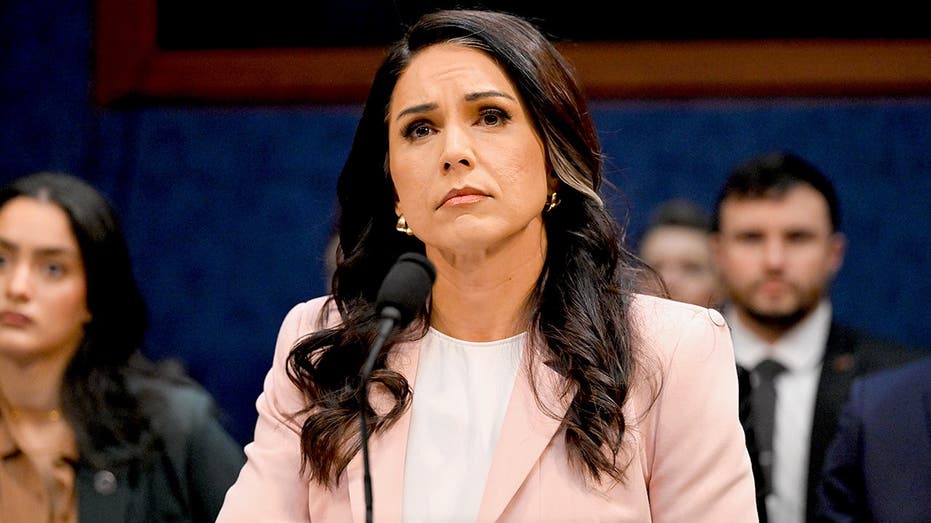
Washington D.C. – Director of National Intelligence (DNI) Tulsi Gabbard has unveiled a significant trove of declassified records, confirming U.S. funding for more than 120 biological laboratories in over 30 countries worldwide. This release directly addresses and validates concerns that were previously dismissed as misinformation, particularly those surrounding U.S.-backed research facilities in Ukraine.
The DNI’s move underscores a commitment to transparency, bringing to light the extensive scope of America’s involvement in global biological research and development. It also reignites public debate about the oversight of such programs and their potential implications for national security and international relations.
The newly declassified documents provide an unprecedented look into the breadth of U.S. engagement in biological research facilities abroad. Among the most notable revelations is the confirmation that over 40 laboratories in Ukraine alone received U.S. funding. These facilities housed collections of dangerous bacteria and viruses, some dating back to the Soviet era.
Key details from the released records include:
The records detail upgrades and construction in key Ukrainian cities such as Kherson, Odesa, and various locations in western Ukraine, illustrating a substantial and long-term investment.
“The release of these declassified records is a crucial step towards accountability and transparency, confirming what many have long suspected about the extensive nature of U.S. biological research abroad.”
DNI Gabbard herself faced considerable criticism in years past for raising questions about U.S.-funded biolabs in Ukraine following Russia’s 2022 invasion. At the time, her concerns were often characterized by critics as echoing foreign narratives or spreading misinformation. Now, the official release of these comprehensive records directly validates the legitimacy of those inquiries.
This validation highlights the importance of open inquiry and factual discourse, even on sensitive international topics. It underscores how critical information, once obscured, can fundamentally alter public understanding and policy debates. The DNI’s initiative seeks to ensure that legitimate concerns are not summarily dismissed but are instead addressed with factual evidence and transparency.
The extensive details contained within the declassified documents raise significant questions regarding the oversight of U.S. taxpayer funds allocated to these international biological programs. Ensuring robust accountability mechanisms for such sensitive projects is paramount, especially when dealing with dangerous pathogens in foreign jurisdictions.
Furthermore, the revelations carry substantial foreign policy implications. The scale of U.S. involvement, particularly in Ukraine, impacts geopolitical dynamics and demands careful consideration of international partnerships and agreements. The DNI’s role in bringing this information to light emphasizes the intelligence community’s responsibility not only for national security but also for informing public debate on critical global issues.
The release of these records by DNI Gabbard marks a pivotal moment for transparency in government. It demands a renewed focus on the ethical, security, and diplomatic considerations surrounding international biological research. The public deserves a clear understanding of where taxpayer money is spent and what risks are involved, ensuring that institutional actions align with national interests and public trust.

Golf superstar Brooks Koepka has sent ripples of concern through the professional golf community, withdrawing from the RBC Canadian Open on Sunday due to a hand injury. The sudden exit, which occurred just hours before his final round tee time, immediately raises serious questions about his readiness for the upcoming U.S. Open, scheduled for next week at the iconic Shinnecock Hill.
The five-time major champion was positioned seven shots off the lead at six under par at TPC Toronto before making the difficult decision to pull out. His absence from the course now shifts focus to the severity of his ailment and its potential ramifications for the year’s third major, where Koepka has a storied history and a reputation as a fierce competitor.
Speaking to the media on Saturday following his third-round 72, Koepka offered a candid assessment of the discomfort he was experiencing. He described a struggle to grip the club, particularly with his ring and pinkie fingers. “I don’t know what it is. I’m struggling to grip the club with my ring finger and pinkie finger, so can’t grip it,” Koepka explained, noting his fingers would “come loose” and felt “kind of numb.” This unexpected physical challenge clearly hindered his performance and ultimately forced his hand.
The 36-year-old indicated this was an unprecedented injury for him, stating he had “never dealt with this type of injury before it flared up in Canada.” This unfamiliarity adds to the uncertainty surrounding his recovery timeline, a critical factor with a major championship looming just days away. Such an unexpected ailment could derail even the most meticulously planned season.
“I don’t know what it is. I’m struggling to grip the club with my ring finger and pinkie finger, so can’t grip it.”
— Brooks Koepka
The timing of this injury could not be worse for Brooks Koepka. The U.S. Open’s return to Shinnecock Hill holds particular significance for the golfer, as it was the venue for his second U.S. Open victory in 2018. That triumph solidified his reputation as a major championship specialist, showcasing his ability to perform under immense pressure on one of golf’s most challenging courses. A return to such a familiar and successful hunting ground would undoubtedly have fueled his aspirations for another major title.
His recent form had also been impressively promising, signaling a strong lead-up to the major season. Since his highly publicized return to the PGA Tour from LIV Golf at the beginning of 2026 under the Returning Member Program, Koepka had demonstrated a clear resurgence in his game. His consistent performance had positioned him as a strong contender:
This track record underscores the competitive blow his absence would represent, both for him personally and for the tournament’s field.
Beyond the immediate concern for the U.S. Open, Koepka’s withdrawal also carries implications for his standing on the PGA Tour. As a player who does not currently hold status for the remaining Signature Events on the calendar, opportunities to earn valuable FedEx Cup points are crucial for securing his future playing privileges and optimizing his schedule. Forfeiting an entire event, especially after a solid start, means missing out on these vital points, which could affect his eligibility and scheduling for the remainder of the season, potentially limiting his access to key tournaments.
The golf world, as reported by Fox News, will now keenly await further updates on Koepka’s condition. His presence is a significant draw, especially at a major, and his health will be paramount for his competitive future and the excitement he brings to the sport.
The coming days will be critical as Koepka undergoes assessment and treatment for his hand injury. Golf fans and analysts alike will be hoping for a swift recovery, eager to see the formidable competitor back on the course, particularly at a championship where he has previously excelled. The uncertainty surrounding his U.S. Open status adds an unexpected layer of drama to what is already one of golf’s most anticipated events, underscoring the delicate balance between peak performance and physical resilience in professional sports.

The landscape of personal preference is changing dramatically. What we choose to wear, listen to, or read was once a reflection of individual discovery and community influence. Today, however, a new reality has emerged: the widespread erosion of personal taste, driven largely by the pervasive reach of digital algorithms. This evolving dynamic prompts a critical examination of how we form our identities in an increasingly curated world.
Traditionally, personal taste developed through a rich tapestry of experiences: local communities, geographical influences, diverse media exposure, and often, pure serendipity. One might stumble upon a new band, discover a unique fashion trend through a friend, or delve into an author’s work based on a bookstore recommendation. This organic process fostered a sense of genuine connection and individual discernment.
However, the advent of sophisticated algorithms has fundamentally altered this pathway. These digital gatekeepers now analyze vast datasets of our online behavior, predicting and presenting content designed to keep us engaged. While convenient, this system often bypasses the very elements that once cultivated genuine appreciation and distinct personal identity. As noted in a recent piece by The Guardian, the internet has profoundly reshaped how we form opinions and beliefs, extending its reach now to our very preferences.
The promise of personalized recommendations was a world tailored to individual desires. Yet, the reality often points towards a subtle homogenization. When algorithms optimize for engagement, they tend to surface content similar to what we (and others like us) have already consumed, creating echo chambers of taste. This can lead to a narrowing of cultural exposure and a diminishing of truly unique preferences.
The question arises: Are we truly choosing, or are we being guided down pre-determined paths? The constant stream of algorithmically suggested music, clothes, and media can blur the line between genuine personal inclination and digitally induced preference. This challenges the very notion of individuality, suggesting that our “choices” might be less about self-expression and more about conforming to an aggregated profile.
“The true challenge of the digital age is discerning whether our preferences are genuinely our own, or merely reflections of an algorithm’s sophisticated design.”
For those who value authentic self-expression and independent thought, resisting the algorithmic tide becomes a conscious endeavor. It demands a deliberate effort to seek out diverse sources, explore niche interests, and engage with culture beyond the immediate digital feed. This means actively curating one’s own exposure, rather than passively accepting what is presented.
The goal is not to abandon digital tools, but to use them with discernment, ensuring they serve as aids to discovery rather than architects of conformity.
As digital platforms continue to integrate into every facet of our lives, the debate around personal taste and algorithmic influence will only intensify. Upholding genuine individuality requires a conscious effort to look beyond the immediate recommendations and engage with the world on our own terms, fostering a culture where personal discernment is valued above all else. The challenge ahead is to cultivate a robust sense of self amidst the digital noise, ensuring that our preferences remain truly our own.

Your Wi-Fi router, often an overlooked device blinking quietly in a corner, is far more critical to your digital security than many realize. The Federal Bureau of Investigation (FBI) and the Justice Department have recently disclosed that a Russian military intelligence hacking group, known as APT28 or Fancy Bear, systematically abused vulnerabilities in older small office and home office (SOHO) routers to facilitate an extensive espionage operation. This revelation underscores the urgent need for vigilance in maintaining our digital defenses.
The hacking collective, identified as APT28, has long been linked to Russia’s GRU military intelligence agency. Their recent activities involved exploiting weaknesses in older SOHO routers to manipulate domain name system (DNS) settings. DNS acts as the internet’s address book, translating website names into IP addresses. By controlling these settings, the hackers could redirect internet requests through their own servers.
This sophisticated method allowed APT28 to monitor for valuable targets, redirect traffic, and ultimately steal sensitive login information, authentication tokens, emails, and browsing data. The insidious nature of this attack meant that victims might not notice any obvious signs of compromise, making it particularly dangerous. The focus on SOHO routers indicates a strategy to target devices commonly used by small businesses, remote workers, and households, highlighting the broad potential impact.
“The victim may not see anything obvious, making vigilance crucial for all internet users.”
In a significant counter-intelligence effort, the Justice Department and FBI successfully disrupted the U.S. portion of this network in April. This action by federal authorities demonstrates a robust commitment to protecting national security and digital infrastructure from foreign adversaries. However, the disruption of the network does not eliminate the underlying vulnerabilities in individual routers.
Law enforcement agencies cannot directly update or secure every outdated device in private homes or offices. As reported by News Desk, this critical responsibility falls squarely on the shoulders of the users themselves. Older routers, often neglected, become easy targets for advanced persistent threat groups like APT28, emphasizing the importance of regular maintenance and hardware upgrades.
Given the persistent threat, taking proactive steps to secure your Wi-Fi router is paramount. Many older TP-Link router models were specifically targeted due to known weaknesses. Ensuring your router is up-to-date and securely configured is the first line of defense against such sophisticated attacks. Here are essential actions for all users:
The FBI’s warning serves as a stark reminder that even the most unassuming devices in our homes can be gateways for sophisticated cyber espionage. By taking simple, consistent steps to secure our digital perimeters, we can collectively enhance our resilience against these persistent threats and uphold the integrity of our online lives.
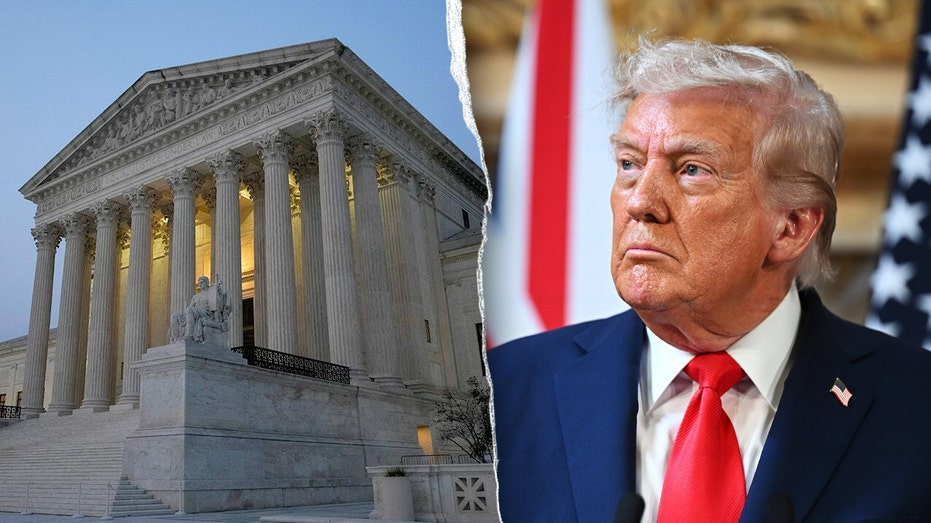
WASHINGTON D.C. – The nation’s highest court is bracing for a flurry of critical rulings as its term draws to a close, a period often dubbed ‘flood season’ due to the intense rush of decisions. With 23 cases still awaiting judgment, the Supreme Court’s imminent pronouncements are not merely legal declarations; they are poised to significantly shape President Donald Trump’s second-term agenda and fundamentally redefine the scope of presidential authority.
The final weeks of June consistently mark a demanding period for the nine justices and their law clerks, who work under tight, self-imposed deadlines to finalize opinions. This year, the stakes appear particularly elevated. The court heard arguments in nearly 60 disputes throughout the term, and the remaining decisions carry substantial weight for policy implementation and the delicate balance of power between governmental branches.
Among the unresolved matters are four appeals directly challenging executive actions taken by President Trump, two election-related disputes, and separate cases addressing gun rights and transgender issues. The sheer volume and gravity of these cases underscore a judicial term that could leave an indelible mark on American jurisprudence and governance.
A discernible common thread running through several of the pending disputes is the fundamental question of how much power a president can legitimately exercise over federal policy and the executive branch itself. These rulings are critical for understanding the constitutional boundaries of the White House’s influence over the vast federal bureaucracy and its policy directives.
Notably, challenges to President Trump’s Executive Order 14160, an initiative aimed at limiting automatic citizenship, are under intense scrutiny. The outcome of such cases could have far-reaching implications for immigration policy, border security, and national sovereignty. Furthermore, decisions related to presidential firing power and broader government oversight are expected to clarify the executive’s capacity to manage and direct federal agencies. As reported by News Desk, these decisions could significantly affect the President’s ability to advance his agenda.
“The Supreme Court’s upcoming decisions will not only determine the fate of current policy but also cast a long shadow over the future balance of power in Washington.”
Beyond the direct challenges to executive actions, the Supreme Court is also set to deliver rulings on cases impacting fundamental rights. A prominent example involves gun rights, a perpetually contentious issue that carries immense significance for Second Amendment advocates and the broader conservative movement. The court’s stance here could either reinforce or reshape existing interpretations of firearm ownership.
While election-related disputes and transgender rights cases also await resolution, the primary focus for institutional governance remains on the decisions that will define the interplay between the White House, Congress, and the judiciary. These rulings are not merely about specific policies; they are about establishing precedents that will guide future administrations and legislative efforts.
The court’s last day before its traditional summer recess remains unconfirmed, even to its own members, though the hope is to conclude by month’s end. Given the divided nature of the court and the complexity of the workload, this is far from a guarantee. The nation watches keenly as these profound questions of constitutional interpretation and governmental power are deliberated and ultimately decided, setting the stage for the remainder of President Trump’s term and beyond.
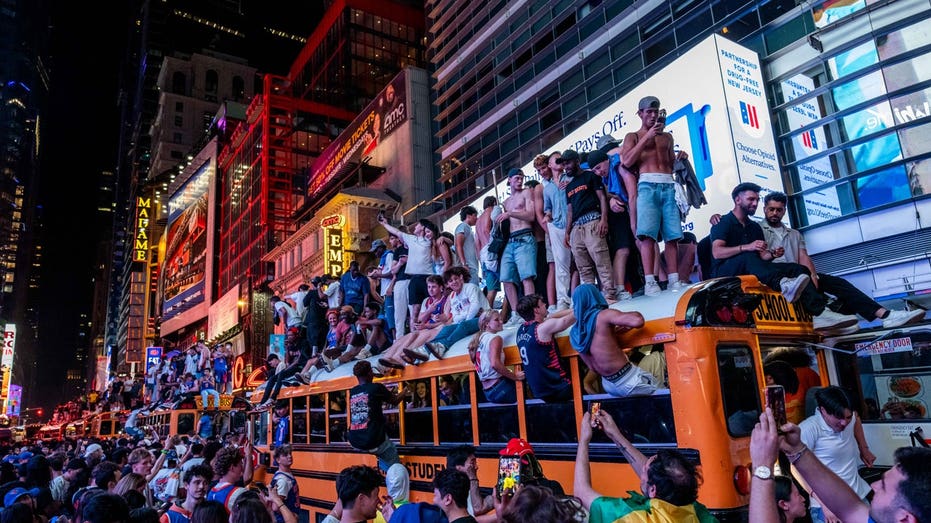
A historic NBA victory for the New York Knicks descended into disorder in Times Square, as a shooting incident and widespread vandalism cast a shadow over jubilant fan gatherings.
New York City erupted in celebration after the Knicks secured their first NBA championship in over five decades, a monumental achievement that sparked widespread jubilation. However, the euphoria was tragically marred early Sunday morning when a teenager was shot in Times Square, transforming a night of historic triumph into a scene of alarming chaos and criminal activity. This incident, alongside numerous reports of vandalism and disorderly conduct, has prompted serious questions regarding public safety during large-scale civic celebrations following the Knicks championship celebrations.
The New York Police Department confirmed that officers responded to a shooting near 42nd Street and Broadway around 2:01 a.m. A 17-year-old male sustained a gunshot wound to his left foot and was transported to Bellevue Hospital, where he remains in stable condition. Authorities swiftly took three persons of interest into custody and recovered a firearm at the scene, underscoring the rapid escalation of events following the Knicks’ 94-90 victory over the San Antonio Spurs in Game 5 of the NBA Finals. What should have been purely a moment of collective joy was unfortunately interrupted by an act of senseless violence.
Beyond the shooting, the city witnessed a disturbing wave of unruly behavior. Videos circulating on social media captured various acts of vandalism and public disorder that marred the spontaneous street celebrations. The incidents included:
These actions demonstrate a regrettable disregard for public property and the rule of law, detracting significantly from the spirit of legitimate celebration.
Even as thousands flooded Manhattan’s streets, authorities had maintained a significant police presence, particularly around Madison Square Garden, the Knicks’ home arena. Ahead of the championship game, New York City Mayor Zohran Mamdani had urged fans to celebrate responsibly. The incidents in Times Square highlight the critical importance of civic responsibility, especially when large public gatherings occur. While passion for a beloved team is understandable, it must never devolve into lawlessness or endangerment of fellow citizens. The quick response by law enforcement, as reported by Fox News Digital, was crucial in containing further potential unrest and ensuring accountability for those who chose chaos over celebration.
A night meant for historic celebration became a stark reminder of the critical importance of public order and responsible conduct, even in the throes of immense civic pride.
The New York Knicks’ long-awaited championship victory was a moment of immense pride for the city. Yet, the unfortunate events in Times Square serve as a poignant reminder that even the most joyous occasions demand adherence to order and respect for community standards. Ensuring public safety and upholding the law must remain paramount, allowing genuine celebration to thrive without the specter of violence or destruction. The focus now shifts not only to the triumph on the court but also to reinforcing the values of responsible citizenship.
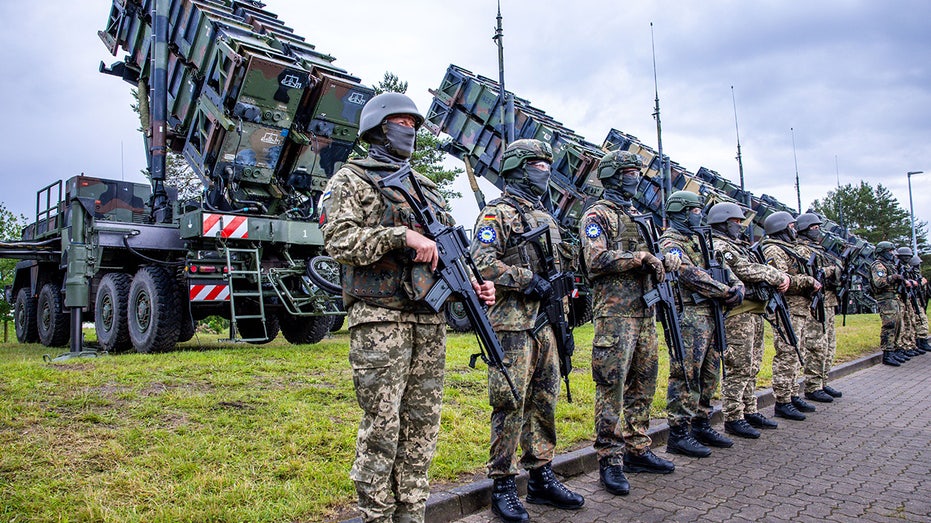
Germany is embarking on a profound transformation of its defense policy, with a clear commitment to develop the strongest conventional army in Europe, firmly anchored within the NATO alliance. This strategic pivot, articulated by German Ambassador to the United States Jens Hanefeld in an exclusive interview with Fox News Digital, underscores Berlin’s readiness to shoulder greater responsibility for European security after a long period where the United States bore a substantial portion of the alliance’s military burden.
Chancellor Friedrich Merz has championed the vision for Germany’s armed forces, the Bundeswehr, to become the continent’s most formidable conventional military power. Ambassador Hanefeld confirmed this ambition is now a cornerstone of Berlin’s updated military strategy, reflecting a decisive response to a dramatically altered geopolitical landscape.
For decades following World War II, Germany’s military identity was meticulously built around principles of restraint and integration into collective defense structures. West Germany’s rearmament in 1955 was strictly within the framework of NATO, ensuring the Bundeswehr operated as an embedded force rather than an independent power. This approach, while fostering stability, also led to Germany often falling short of NATO’s defense spending targets, drawing consistent concern from American allies.
The current commitment represents a stark departure from this historical trajectory. It signals a readiness to move beyond past constraints and embrace a more assertive, yet collaborative, role in safeguarding European stability. This evolution is not merely an increase in military capacity but a fundamental shift in national strategic thinking.
“Germany is stepping up — we heard the call!” German Ambassador to the United States Jens Hanefeld affirmed.
The impetus for Germany’s reorientation is directly linked to the dramatic changes in the global security environment. Ambassador Hanefeld emphasized that “Russia’s illegal war of aggression has shaken old certainties in Europe,” challenging the international rules and norms that have underpinned continental peace for generations. This stark reality has necessitated a comprehensive reassessment of Germany’s defense posture.
Germany has already demonstrated its commitment to supporting nations under duress, notably becoming Ukraine’s largest individual supporter in its ongoing conflict. This proactive stance is illustrative of Berlin’s broader commitment to upholding international order and stability. The drive to build a stronger army is not about projecting independent power, but about enhancing the collective defense capabilities of the NATO alliance.
The pledge to develop Europe’s strongest conventional army is explicitly framed as an “ongoing commitment” to strengthen the NATO alliance. This focus on integration and collective defense aligns perfectly with the center-right conservative editorial line of Matox News, which consistently champions strong institutions and international order. The ambition is not to create a standalone military giant but to contribute significantly to the shared security framework that protects all member states.
Key aspects of this enhanced commitment include:
This strategic shift by Germany is a pivotal development for European security. It reflects a clear understanding of the challenges ahead and a determination to contribute substantially to a more resilient and secure continent, well within the established framework of the transatlantic alliance.

In a significant development targeting transnational organized crime, the United States has confirmed the elimination of Niño Guerrero, the long-standing leader of Venezuela’s notorious Tren de Aragua gang. President Donald Trump announced the successful operation, describing it as a “swift and lethal kinetic strike” executed under his direct orders, signaling a firm stance against criminal networks impacting regional stability.
The strike, detailed by President Trump in a social media post, reportedly targeted a green building with a nearby shed, as shown in footage he shared. This decisive action underscores the administration’s commitment to dismantling groups it has previously accused of engaging in “irregular warfare” against the U.S. and designated as a foreign terrorist organization.
The operation, carried out by the United States Southern Command, represents a direct response to the escalating threat posed by the Tren de Aragua. Niño Guerrero, whose full name is Héctor Rusthenford Guerrero Flores, had long been at the helm of an organization responsible for a wide array of illicit activities across Latin America. The precision strike aims to severely disrupt the gang’s command and control capabilities.
President Trump emphasized that the military action was “coordinated closely with our friends in Venezuela, with whom we are working very well.” This statement highlights a potentially evolving dynamic in U.S.-Venezuelan relations, particularly concerning joint efforts to combat shared security threats. The administration has consistently prioritized counter-terrorism and anti-gang efforts as central to its foreign policy agenda, reflecting a pro-order and anti-extremist stance.
“At my direction, the United States Southern Command delivered a swift and lethal kinetic strike to successfully execute Niño Guerrero.”
— President Donald Trump
Tren de Aragua has grown to become one of the most feared and extensive criminal enterprises originating from Venezuela. Its influence has spread far beyond its borders, establishing a presence in several Latin American countries and engaging in activities ranging from drug trafficking and extortion to human smuggling and illegal mining. The gang’s brutal tactics and sophisticated organizational structure have made it a persistent challenge for law enforcement agencies across the continent.
The U.S. designation of Tren de Aragua as a foreign terrorist organization underscores the severity of its perceived threat to national security and regional stability. The group’s expansion and adaptability have raised alarms, particularly concerning its potential impact on migration routes and the exploitation of vulnerable populations. This strike sends a clear message about the consequences of operating outside the bounds of international law and order.
The successful operation against Niño Guerrero could have significant implications for regional security. By targeting a high-value leader, the U.S. aims to destabilize the gang’s operations and deter similar criminal organizations. The reported cooperation with Venezuelan authorities, as noted by President Trump, suggests a pragmatic approach to shared security interests, potentially opening avenues for further collaboration on combating cross-border crime.
This development, as reported by the News Desk at BBC.com, will likely be closely watched by international observers and governments grappling with the challenges of transnational crime. It reinforces the principle that nations must work together to uphold the rule of law and protect their citizens from extremist elements and organized illicit ventures. The focus remains on maintaining order and protecting institutions against those who seek to undermine them.
The elimination of Niño Guerrero marks a critical moment in the ongoing battle against organized crime in the Americas. While the long-term effects on Tren de Aragua’s operations remain to be fully seen, this action undeniably weakens its leadership and serves as a powerful deterrent to other criminal entities. The commitment to safeguarding national interests and promoting stability through decisive action continues to be a cornerstone of U.S. policy.

Despite a landscape fraught with global challenges and economic uncertainties, the United States economy has consistently demonstrated a remarkable capacity for resilience, defying many conventional predictions.
For years, economists have grappled with a compelling puzzle: why has the American economy continued to outperform many of its developed peers, even when subjected to the same global shocks? From sweeping trade tariffs to geopolitical strife impacting energy markets, the pressures have been substantial. Yet, the nation’s economic engine has largely maintained a steady growth trajectory, confounding expectations of a slowdown.
The past few years have tested global economies severely. International trade has faced significant disruption, notably from tariff policies, while conflicts abroad have sent oil prices lurching. Many analysts anticipated these factors would weigh heavily on U.S. economic performance. However, the nation’s economic engine has shown a robust ability to absorb and adapt to these external shocks.
Indeed, some experts argue that these very challenges have highlighted an underlying strength. Joe Brusuelas, chief economist at RSM, notably suggested that even significant trade disputes became a powerful demonstration of American economic resilience, hinting at the economy’s ability to withstand and adapt to such pressures.
Domestically, the picture has also been complex. While inflation has proven stubborn at various junctures, the widely feared combination of weak growth and persistently rising prices—often termed stagflation—has largely been averted. This stability underscores effective monetary policy responses and the inherent dynamism of American markets.
The labor market, too, has navigated shifts, including the effects of mass deportations, yet overall employment figures have remained robust. This adaptability is a hallmark of a flexible economic system capable of reallocating resources and talent efficiently. The ability to innovate and pivot quickly, often seen in the private sector, contributes significantly to this enduring strength. Investment in key industries and a supportive regulatory environment (where appropriate) help foster an ecosystem where businesses can thrive even under duress.
“The American economy’s enduring capacity to absorb significant global disruptions and maintain its growth trajectory serves as a powerful testament to its inherent adaptability.”
The sustained performance of the American economy offers valuable insights into the factors that underpin national prosperity in an unpredictable world. It highlights the importance of institutional stability, market flexibility, and a capacity for innovation. As global challenges persist, understanding these drivers will be crucial for maintaining economic security and growth, ensuring households and businesses continue to thrive.
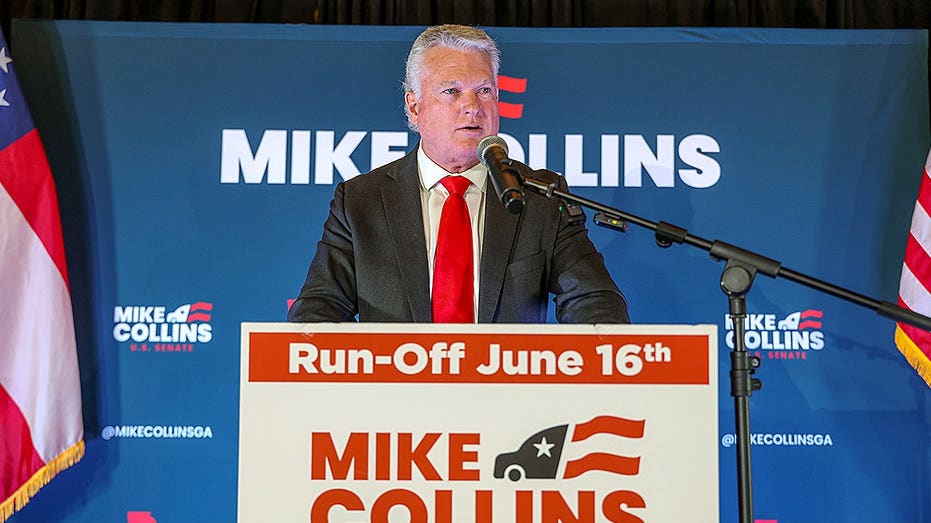
Former President Donald Trump on Saturday delivered a pivotal, eleventh-hour endorsement in Georgia’s critical Republican Senate runoff, backing Representative Mike Collins. This move, reported by the News Desk, comes just days before Tuesday’s decisive vote, which is poised to shape the Republican Party’s path to maintaining its slim majority in the U.S. Senate this November.
Collins, a vocal supporter of the MAGA movement, faces former college football coach Derek Dooley. Dooley, in contrast, enjoys the strong backing of Georgia’s popular conservative Governor Brian Kemp. The outcome of this intra-party contest will determine who challenges incumbent Democratic Senator Jon Ossoff in what Republicans view as one of the most vulnerable Senate seats up for re-election.
Georgia remains a pivotal battleground state, and this Senate race is no exception. With the national landscape for control of the Senate hanging precariously, every state contest carries immense weight. Republicans are intensely focused on unseating Senator Ossoff, believing his first-term status makes him susceptible in a state that has seen shifting political tides.
The winner of Tuesday’s runoff will step into a highly competitive general election, where fundraising and grassroots mobilization will be paramount. The national implications of this single race cannot be overstated, as it could very well be the linchpin for the Republican Party’s legislative agenda in the next Congress.
The Georgia runoff presents a fascinating dynamic within the conservative movement. Representative Mike Collins has consistently championed his alignment with former President Trump’s ‘America First’ agenda. His campaign has leaned heavily on these credentials, appealing directly to the former president’s base.
Trump had remained neutral throughout the primary and much of the runoff, making his late endorsement of Collins particularly impactful. This contrasts sharply with Dooley’s campaign, which has benefited from the robust support of Governor Brian Kemp and Georgia First Lady Marty Kemp. The governor’s active presence on the campaign trail with Dooley underscores the deep ties and long-standing friendships at play, highlighting a subtle but significant internal struggle for influence within the state’s Republican apparatus.
“This runoff is more than just a local contest; it’s a barometer for the direction of the Republican Party in a crucial swing state.”
Mike Collins, representing Georgia’s 10th Congressional District, hails from a family with a political legacy; he is the son of the late Congressman Mac Collins. Beyond his political career, Collins is an entrepreneur, having founded and co-owned a successful trucking company with his wife. His background as a businessman and his direct appeal to the populist wing of the party resonate with a significant portion of the electorate.
Derek Dooley, a lawyer by profession, brings a different kind of public profile. He is widely recognized for his tenure as a former University of Tennessee football coach and is the son of the legendary University of Georgia head football coach Vince Dooley. This connection to a beloved figure in Georgia sports provides Dooley with considerable name recognition and a distinct advantage in a state where college football holds immense cultural significance.
The two candidates emerged as the top contenders from a crowded primary field where no candidate secured over 50% of the vote, necessitating this runoff election. Voters now face a clear choice between two distinct conservative profiles, each backed by powerful figures within the Republican Party.
As Tuesday approaches, the eyes of the nation will be on Georgia. This runoff is not merely about selecting a candidate; it’s about the future direction of the Republican Party and its ability to unify disparate factions ahead of what promises to be a challenging general election. The outcome will undoubtedly offer insights into the enduring influence of former President Trump’s endorsements and the strength of established state leadership within the GOP.


