
TRENDING NEWS





Truth Over Trends, always!

The United States Men’s National Team (USMNT) has not only made a resounding statement on the pitch with a decisive 4-1 victory against Paraguay but has also etched its name into the history books of American sports broadcasting. Their opening match of the World Cup, played before a fervent crowd in Los Angeles, achieved a remarkable World Cup viewership record for an English-language telecast, underscoring a surging national interest in soccer and the growing appeal of major international tournaments on American soil.
The atmosphere at Los Angeles Stadium (SoFi Stadium) was electric, with 70,492 fans witnessing a clinic from the national team. This spectacular performance, characterized by skillful play and a commanding lead, translated directly to unprecedented numbers off the field. FOX Sports announced that the USMNT’s commanding win garnered an astounding 15.986 million viewers, making it the most-watched men’s FIFA World Cup telecast in English-language U.S. history. This figure not only highlights the immediate success of the team but also the expanding footprint of soccer within the American sports landscape.
This monumental figure represents a significant leap from previous tournaments and reflects a sustained, upward trend in American soccer engagement. To put it in perspective, the USMNT’s 2022 group-stage opener against Wales averaged approximately 11.7 million viewers. The recent match against Paraguay saw an impressive 106% increase in viewership, with peak engagement reaching 18.86 million viewers during the most exciting moments of the rout. This historic surge was undoubtedly fueled by the excitement of playing on home soil for the first time since 1994, coupled with a highly anticipated and talented American squad that many believe is the strongest ever constructed on paper.
The significance of these viewership figures extends far beyond soccer itself, highlighting the sport’s undeniable and growing prominence in the American cultural landscape. The 15.986 million viewers for the USMNT’s World Cup opener were remarkably close to the viewership for Game 1 of the NBA Finals between the New York Knicks and San Antonio Spurs, which reportedly averaged just over 16 million. This striking comparison underscores soccer’s increasing ability to compete with established major American sports events, especially during a World Cup hosted domestically. It signals a shift in viewing habits and a broader acceptance of soccer as a mainstream sport.
The impact of such a performance and its broad reach cannot be overstated for the long-term growth of soccer in the United States. A successful run by the national team can captivate a wider audience, drawing in casual fans who might not typically follow the sport and fostering a new wave of patriotism and engagement around the national team. This creates a valuable opportunity for institutions promoting the sport, from youth leagues to professional organizations, to capitalize on heightened interest.
Several key factors likely contributed to this historic viewership:
“The USMNT’s record-breaking viewership is a testament to the growing passion for soccer in America and the magnetic appeal of a home World Cup, signaling a pivotal moment for the sport’s future.”
With such a powerful and historic start, all eyes now turn to the USMNT’s next challenge against Australia on Friday. Should the team deliver another compelling performance, the current wave of enthusiasm and national pride is expected to intensify, further expanding the sport’s reach across demographics. This World Cup presents an extraordinary opportunity not just for the team to advance deep into the tournament, but for the continued development and popularization of soccer across the nation, appealing to a broad segment of the population and reinforcing a sense of national unity.
The record-setting broadcast is more than just a number; it is a clear indicator that American audiences are ready to embrace soccer at its highest level. As the tournament progresses, the USMNT has the chance to solidify its place not only as a formidable competitor on the global stage but also as a powerful catalyst for cultural connection and national unity through sport, inspiring future generations of athletes and fans alike.

A significant development in the rapidly evolving artificial intelligence landscape sees a coalition of state attorneys general launching a broad investigation into OpenAI, the company behind the popular ChatGPT. The inquiry targets a wide array of the company’s operational practices, including its handling of user data, the safety protocols for minors, and its advertising activities.
Reported by The New York Times, this probe underscores growing concerns among policymakers regarding the responsible development and deployment of powerful AI technologies. It reflects a proactive stance by state institutions to ensure that innovation does not outpace accountability, particularly in areas affecting public trust and consumer welfare.
The investigation into OpenAI is notably comprehensive, spanning several critical dimensions of its business. Authorities are examining:
This multi-faceted approach suggests a determination to address potential vulnerabilities across the company’s ecosystem, from product development to market engagement.
The initiative by state attorneys general signifies a concerted effort to establish clear boundaries and expectations for companies operating at the forefront of AI innovation. As generative AI becomes more integrated into daily life, questions surrounding its ethical implications, potential for misuse, and impact on vulnerable populations have intensified.
For a company like OpenAI, which has largely set the pace for AI adoption, this investigation serves as a critical test of its commitment to responsible technology. Upholding robust standards in data privacy and minor protection is not merely a regulatory compliance issue but a fundamental pillar for building and maintaining public trust in AI’s future. The free market thrives on trust, and transparency is key to that.
“This investigation into OpenAI’s practices is a vital step towards ensuring that the rapid advancement of artificial intelligence remains tethered to strong ethical guidelines and robust consumer protections.”
The probe by state attorneys general follows a broader trend of increased regulatory scrutiny on major technology firms. Governments worldwide are grappling with how to effectively oversee AI without stifling innovation. This particular investigation highlights the role of state-level institutions in complementing federal efforts and addressing specific concerns within their jurisdictions.
For OpenAI, navigating this inquiry will require demonstrating not only its technological prowess but also its dedication to corporate governance and societal responsibility. The outcomes could set important precedents for how AI companies are expected to operate, influencing future policies and industry standards across the tech sector.
As the investigation unfolds, the tech industry and the public will be watching closely. The findings and any subsequent actions could significantly shape the regulatory landscape for artificial intelligence, reinforcing the importance of accountability and ethical considerations in an era of unprecedented technological change.
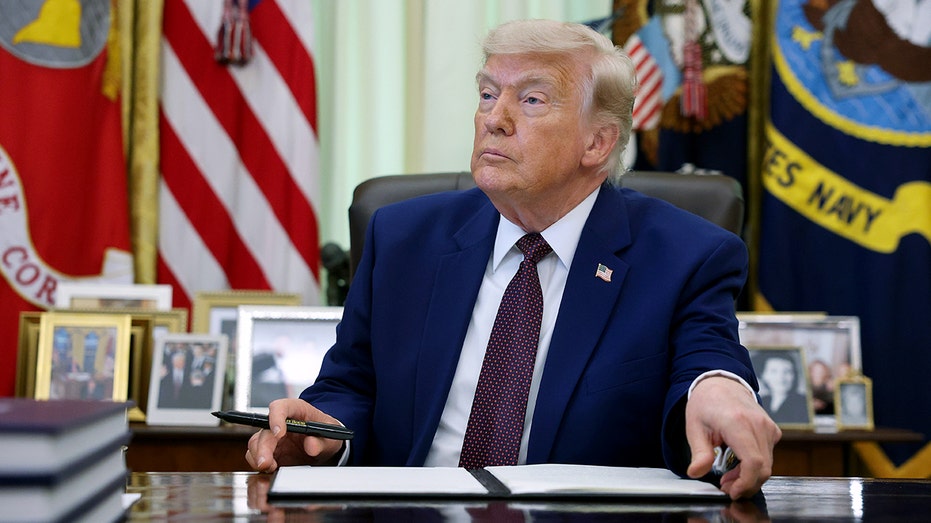
President Donald Trump has announced his intent to appoint James M. McDonald as the next U.S. Attorney for the Southern District of New York (SDNY). This pivotal nomination follows the recent designation of current SDNY U.S. Attorney Jay Clayton to serve as the nation’s new Director of National Intelligence. The announcement, initially reported by Fox News Digital, underscores the President’s focus on judicial appointments and strengthening federal institutions. McDonald’s extensive legal background and prior federal service position him as a seasoned choice for a role critical to upholding federal law and order.
The Southern District of New York stands as one of the most significant and influential federal prosecutor’s offices in the United States. Spanning Manhattan, the Bronx, and several counties north of New York City, its jurisdiction encompasses Wall Street, major international corporations, and complex financial markets. The U.S. Attorney for the SDNY wields considerable power in investigating and prosecuting a wide array of federal crimes, from white-collar fraud and public corruption to terrorism and organized crime. This appointment is not merely a political move but a crucial decision impacting the integrity of the federal justice system and the enforcement of laws that underpin a stable society.
James McDonald brings a robust resume to this demanding position. An Oklahoma native, he previously served as an Assistant U.S. Attorney within the very district he is now poised to lead. During President Trump’s first term, McDonald also held a key federal role as the director of enforcement at the U.S. Commodity Futures Trading Commission, demonstrating his experience in financial regulatory oversight. His professional journey includes a prestigious clerkship for Supreme Court Chief Justice John Roberts Jr., a testament to his legal acumen. Like his predecessor, Jay Clayton, McDonald maintains strong ties to the esteemed law firm Sullivan & Cromwell, where he is currently a senior partner. His academic credentials include degrees from Harvard College and the University of Virginia School of Law.
President Trump expressed strong confidence in McDonald’s capabilities, underscoring the administration’s commitment to robust law enforcement. In a post on Truth Social, the President stated, “I am confident that Jamie will deliver strong results for our Country as the next United States Attorney for the Southern District of New York, as he has the respect of, and will work fantastically with, our Law Enforcement Patriots, the Legal Community, and the Judicial Bench.” This endorsement highlights McDonald’s reputation among legal professionals and signals an expectation of continued diligence in pursuing justice. His selection reaffirms the administration’s focus on appointing individuals with proven track records in upholding institutional standards and maintaining public order.
“I am confident that Jamie will deliver strong results for our Country as the next United States Attorney for the Southern District of New York.”
The confirmation of James McDonald as the new SDNY U.S. Attorney will mark a significant transition in federal law enforcement leadership. His background suggests a steady hand and a deep understanding of the legal complexities inherent in this powerful role. As the federal government continues to navigate a challenging legal landscape, McDonald’s appointment reflects a strategic effort to ensure strong, experienced leadership at the helm of a critical judicial institution, reinforcing the principles of order and accountability.
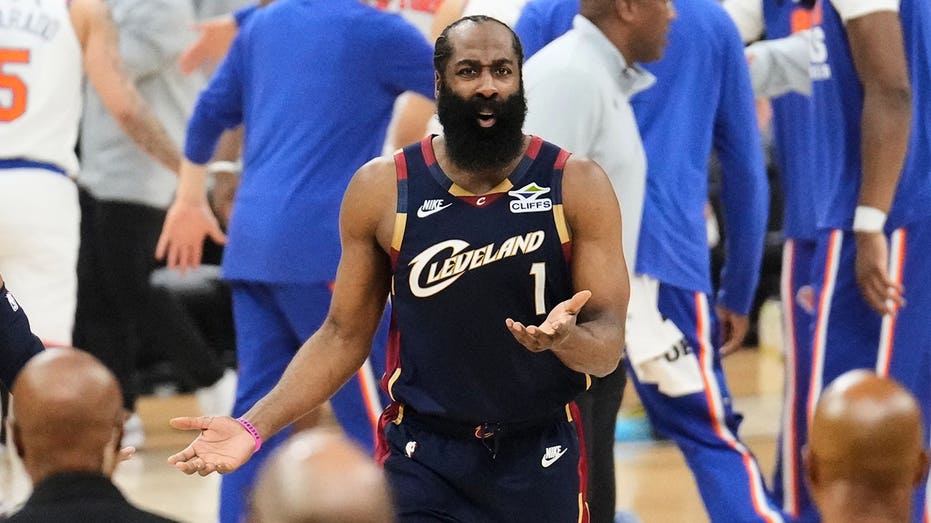
Cleveland Cavaliers guard James Harden faces a misdemeanor charge of unlawful carrying of weapons following an early Saturday morning arrest in Houston. The incident surfaces weeks after his team’s playoff exit, raising immediate questions for the NBA veteran.
NBA star James Harden was reportedly arrested in Houston on a misdemeanor charge of unlawful carrying of weapons, according to recent reports. The incident, which occurred early Saturday morning, places the 11-time All-Star under legal scrutiny, just two weeks after his Cleveland Cavaliers were eliminated from the NBA playoffs.
Details emerging from court records, cited by The California Post, indicate Harden was taken into custody on a misdemeanor count. The charge specifies that Harden allegedly “unlawfully, intentionally and knowingly” possessed a handgun within his vehicle. Further reports suggest the firearm was “in plain view” and “not carried in a holster,” which could be key factors in the legal proceedings.
The arrest took place in a city where Harden previously spent a significant portion of his illustrious career, playing for the Houston Rockets from 2012 to 2021. The specific circumstances leading to the alleged offense reportedly involved Harden being at a local hookah lounge with friends prior to the arrest.
The Cleveland Cavaliers swiftly acknowledged the situation, issuing a statement regarding their guard’s arrest. “The Cleveland Cavaliers are aware of the arrest of James Harden this morning and are in the process of gathering additional information,” the organization stated. They added, “We are in contact with James and his representation and will continue to monitor developments as they become available. At this time, we will have no further comment.”
This development comes on the heels of the Cavaliers’ recent playoff disappointment. The team, having acquired Harden in a significant trade with the Los Angeles Clippers to bolster their postseason aspirations, earned the fourth seed in the Eastern Conference. However, their playoff journey ended abruptly, swept by the New York Knicks in the Eastern Conference Finals. Harden averaged 20.5 points per game after joining the Cavaliers, playing a supportive role to Donovan Mitchell, a shift from his higher scoring averages with previous teams.
“The Cleveland Cavaliers are aware of the arrest of James Harden this morning and are in the process of gathering additional information.”
Harden is scheduled to appear in court on June 22 for his arraignment. The legal process will determine the full implications of the misdemeanor charge. For professional athletes, such legal matters can carry significant consequences, not only for their personal lives but also for their standing within their respective leagues and teams.
His tenure with the Cavaliers followed a period with the Los Angeles Clippers, where he averaged 25.4 points per game. Despite his individual scoring, the Clippers did not reach the playoffs, highlighting the complex dynamics of team performance and individual contributions. Harden’s return to Houston, where he remains a recognizable figure, now brings an unexpected legal challenge.
Key details surrounding the arrest:
As the legal process unfolds, the sports world will be watching closely for further details. The Cleveland Cavaliers face the task of navigating this off-court challenge involving one of their key players. This incident underscores the importance of adherence to legal statutes for all individuals, regardless of their public stature, and the potential ramifications for professional sports careers.
The focus now shifts to the upcoming court date and the information that will emerge from those proceedings, shaping the narrative around the NBA veteran’s immediate future.

Newark, NJ – Amidst growing calls for transparency regarding institutional operations, a small but impactful grassroots media outlet, Radio Jornalera NJ, is drawing critical attention to the immigrant detention conditions at Delaney Hall in New Jersey. This dedicated team is serving as a vital conduit, connecting family members with their loved ones inside the facility and shedding light on often-unseen realities that demand public scrutiny. Their efforts embody the spirit of community journalism, ensuring that important narratives are not overlooked.
Radio Jornalera NJ, or Worker’s Radio NJ in English, has emerged as a consistent and indispensable voice for local communities directly impacted by immigration detention. Operating on a shoestring budget with immense dedication, this outlet employs various digital and broadcast platforms to ensure that critical, up-to-the-minute information reaches those who need it most. Their efforts highlight the persistent need for independent scrutiny of detention facilities, promoting transparency and accountability. The team’s commitment extends to:
This multi-platform approach maximizes their reach and effectiveness in a sensitive area, underscoring the importance of diverse media in our information ecosystem.
The primary mission of Radio Jornalera NJ extends significantly beyond mere reporting; it is deeply rooted in vital community service and support. Families of detainees often face formidable barriers to communication and information, navigating a complex system that can feel isolating and opaque. This grassroots organization strives to fill that critical void. By providing real-time updates on facility access, conditions, and even facilitating indirect communication channels, they alleviate some of the profound anxieties experienced by those with family members held at Delaney Hall. This direct, empathetic engagement underscores the crucial human element often lost in broader policy discussions, reinforcing the importance of strong family ties and community support even in challenging circumstances.
The reporting from Radio Jornalera NJ paints a stark and often concerning picture of the challenges faced by immigrants in detention. Accounts from inside Delaney Hall, gathered through various channels, have included serious concerns, ranging from hunger strikes and organized protests to allegations of police involvement in managing internal unrest. The outlet’s consistent and factual coverage aims to ensure that these incidents, and the broader immigrant detention conditions, do not go unacknowledged by the public or oversight bodies. According to recent independent reports, including one published by The Guardian, this grassroots team has been instrumental in bringing these often-disturbing stories to public consciousness, demonstrating the critical role of independent media in fostering a transparent and accountable society. Their commitment to factual reporting underpins their credibility.
“In an environment often shrouded in silence, Radio Jornalera NJ serves as a beacon, ensuring that the human stories from within Delaney Hall are not forgotten.”
The tireless work of Radio Jornalera NJ underscores the enduring importance of vigilant, independent journalism, particularly when scrutinizing governmental and institutional operations that impact vulnerable populations. By focusing on factual reporting, community support, and transparent communication, they provide a necessary counter-narrative to official silence, fostering greater accountability and societal order. Their ongoing dedication ensures that the challenging circumstances within immigrant detention centers like Delaney Hall remain a prominent topic of public discourse, advocating for fairness and due process within the system. Such initiatives are vital for a well-informed citizenry and a healthy democracy.

Federal authorities are sounding the alarm, warning businesses across the nation about a sophisticated new tactic employed by cybercriminals. This evolving threat involves imposters posing as IT support, not just through digital means, but sometimes even appearing in person to steal sensitive data and deploy malicious software.
The Federal Bureau of Investigation (FBI) has issued an urgent cybersecurity warning concerning a group known as the Silent Ransom Group. This organization is reportedly targeting U.S. businesses, with a particular focus on law firms, by exploiting trust in IT personnel. According to a recent report from News Desk, their methods are becoming increasingly brazen, moving beyond typical online scams to include direct physical infiltration of corporate environments.
The Silent Ransom Group, also identified by aliases such as Luna Moth, Chatty Spider, and UNC3753, employs a multi-pronged approach to infiltrate corporate networks. Their initial strategy often involves social engineering, typically through deceptive phone calls or sophisticated phishing attempts. Attackers pretend to be legitimate IT support staff and try to persuade unsuspecting employees to install remote access software on their computers. This software, once installed, grants the cybercriminals direct and often undetected access to the victim’s system, allowing them to pilfer sensitive files, install additional malware, and establish a persistent foothold for future ransom demands.
This tactic preys on the natural human inclination to trust individuals claiming to be internal support, especially when an employee is facing a technical issue. Employees, often relieved that a problem is being addressed, may inadvertently compromise their organization’s security without realizing the true, malicious nature of the interaction. The psychological manipulation involved makes these attacks particularly effective against unprepared staff.
What makes the Silent Ransom Group particularly concerning and unique is their willingness to escalate their operations when initial digital attempts fail. The FBI warns that if remote access software cannot be successfully installed or if an employee becomes suspicious, the scam can transition from a purely digital interaction to a bold physical visit. Imposters may arrive unannounced at an office, claiming to be legitimate IT support needing to troubleshoot a problem, update a system, or check a specific device. This level of audacity presents a significant challenge for traditional security protocols.
Once inside, these individuals leverage their physical presence to their advantage. They can sit directly at a workstation and insert flash drives or external hard drives, enabling them to copy sensitive files directly from the computer’s hard drive. This direct physical access allows them to bypass many digital security measures, quietly escalate their privileges within the network, and exfiltrate data before departing. The victimized company may only realize the extent of the breach when a ransom demand arrives, threatening to sell or publicly leak the stolen proprietary data.
“This group’s brazen approach, moving from digital deception to physical presence, underscores the evolving and increasingly dangerous landscape of cybercrime.”
Protecting an organization from such sophisticated and adaptive attacks requires a robust and multi-layered security strategy that addresses both digital and physical vulnerabilities. Businesses must prioritize comprehensive employee education and implement strict protocols for verifying IT personnel, whether they are internal staff or external contractors. Key steps include:
The insidious threat posed by groups like the Silent Ransom Group highlights the critical need for unwavering vigilance and proactive security measures. Organizations must recognize that modern cyber threats are no longer confined to the digital realm but can manifest through increasingly bold physical intrusions. Remaining informed, prepared, and adaptable is paramount to safeguarding sensitive information, protecting intellectual property, and maintaining operational integrity in an ever-challenging cyber landscape.
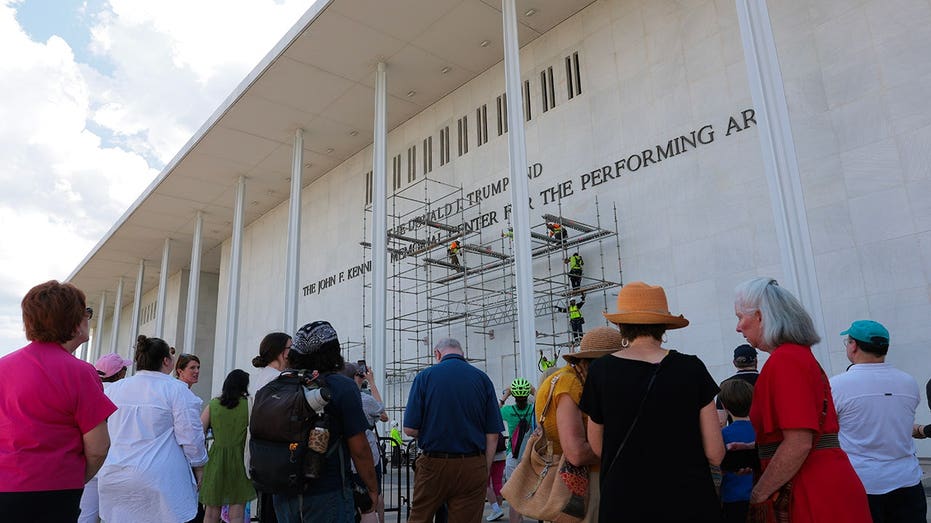
WASHINGTON, D.C. — Workers have commenced the removal of former President Donald Trump’s name from the facade of the John F. Kennedy Center for the Performing Arts. This action follows a definitive ruling by a U.S. District judge, subsequently affirmed by an appeals court, which asserted that any modification to the institution’s official name requires an act of Congress.
The highly visible change comes months after the Kennedy Center board unanimously voted to add Trump’s name to the historic building, citing his significant role in averting the institution’s financial distress. However, legal challenges quickly arose, centering on the proper procedures for such a designation.
The legal saga culminated when U.S. District Judge Christopher Cooper denied a request to block his own ruling, which stipulated that the Kennedy Center’s name could only be altered through an act of Congress. Judge Cooper’s opinion underscored a fundamental principle of institutional governance: established legal frameworks must be adhered to, particularly concerning national landmarks.
The Kennedy Center board had initially affixed signage reading “The Donald J. Trump and John F. Kennedy Memorial Center For The Performing Arts” in December. This move, as reported by Fox News, was intended to honor Trump for his perceived efforts in rescuing the institution “from financial ruin and physical destruction.”
Despite the board’s appeals, the judicial mandate remained firm. The institution’s governing body filed multiple requests for stays, arguing for a delay in the name’s removal pending appellate review. These efforts included:
Each attempt was ultimately denied, with a three-judge panel of the D.C. Circuit upholding the lower court’s decision. The appeals court’s refusal to grant a pause in enforcement effectively sealed the fate of the added designation, reinforcing the judiciary’s role in ensuring adherence to statutory authority.
“The court’s decision reaffirms that altering the official name of a national institution like the Kennedy Center is a matter reserved for the legislative branch, not administrative boards.”
The swift action to remove the name, with workers erecting scaffolding around the Washington, D.C., landmark, illustrates the direct impact of judicial rulings on public institutions. While the board’s intention to recognize a benefactor’s contribution is understandable, the prevailing legal interpretation emphasizes the importance of established protocols.
Former President Trump himself criticized Judge Cooper’s decision, expressing his displeasure in a late May Truth Social post. However, the courts have prioritized the legal framework governing the Kennedy Center’s designation. This outcome serves as a reminder that even in matters of public recognition and philanthropy, the rule of law and the delineated powers of government branches must take precedence.
The removal process marks the conclusion of a contentious period regarding the naming of one of America’s premier cultural institutions, reaffirming the principle that significant changes to such entities are the purview of Congress.

A significant majority of parents in the United Kingdom are calling for a comprehensive ban on social media use for children under the age of 16. This widespread parental support underscores growing anxieties about online safety and the pervasive influence of digital platforms on youth development. However, the voices of the teenagers and preteens who would be most impacted reveal a more nuanced landscape, highlighting both the perceived dangers and unexpected utilities of their online engagement.
The call for stricter digital regulations is loud and clear from British households. Recent findings indicate that an overwhelming nine out of ten parents in the UK endorse an under-16 social media ban. This strong consensus reflects a deep-seated concern for the welfare of children in an increasingly digital world. Parents are acutely aware of the potential for addiction, exposure to inappropriate content, and the broader psychological impacts of unchecked online access, aligning with a pro-family stance focused on protecting the young.
In contrast to the unified parental front, the young people themselves present a varied and often insightful understanding of their digital lives. A recent report by The Guardian, based on discussions with a group of 12- to 16-year-olds in west London, revealed that while these preteens and teenagers are well-versed in the debate surrounding social media’s dangers, their views on a total ban are far from uniform. Many recognize the addictive nature of platforms and support measures for greater safety, yet they also articulate reasons for their continued engagement.
Their opinions spanned a spectrum, including:
The ongoing public discourse coincides with a crucial government consultation on children’s online safety, with an outcome anticipated next week. Policymakers are exploring various options, including an under-16 age limit for platforms deemed ‘high-risk’ and the imposition of restrictions on specific features, such as livestreaming. These considerations reflect a commitment to pro-institutions and pro-order principles, aiming to establish robust frameworks that safeguard minors without stifling innovation completely. The challenge remains in crafting legislation that is both effective and adaptable to the rapidly evolving digital landscape.
‘While most parents see a clear path to safety through an age ban, young people demonstrate a complex understanding of online life, balancing risks with genuine utility.’
As the government prepares to announce its policy direction, the debate over youth online safety highlights a critical societal challenge: how to best protect children in the digital age while acknowledging their growing autonomy and the platforms’ integrated role in modern communication and commerce. A balanced approach, informed by both parental concerns and the lived experiences of young people, will be essential in forging a sustainable path forward for digital citizenship and safeguarding the next generation.

The United Nations Relief and Works Agency (UNRWA) has terminated the employment of 70 staff members in Gaza, a significant development following persistent allegations from Israeli authorities regarding the agency’s ties to the Hamas terrorist organization. While UNRWA maintains the dismissals are not an admission of culpability, the decision underscores the urgent need for transparency and accountability within international aid operations in the region.
UNRWA’s Commissioner-General ad interim, Christian Saunders, confirmed the immediate termination of 70 Gaza-based staff. The agency issued a statement asserting that this action was taken to “mitigate safety and security risks for the refugees the Agency serves under its mandate and for UNRWA personnel and premises.” Crucially, UNRWA emphasized that these dismissals are not an admission of guilt and do not validate the claims made against the individuals. The organization also stated it has repeatedly sought evidence from Israeli authorities to substantiate allegations against its staff but has yet to receive a response.
The decision to dismiss staff comes against a backdrop of long-standing accusations from Israel, which claims UNRWA collaborates with Hamas. These concerns were amplified by a recent investigation by the United States Agency for International Development (USAID), which referred over 100 UNRWA employees for suspension or dismissal. The USAID probe, whose findings were published earlier this month, indicated that a number of UNRWA employees were deeply involved in Hamas’ civil society and military operations. According to reporting from News Desk via Fox News, specific findings included:
Such findings raise serious questions about the integrity of the agency’s operations and its ability to maintain neutrality in a volatile region.
“The dismissals underscore the urgent need for transparency and accountability within international aid operations in the region, ensuring humanitarian efforts are not compromised by extremist elements.”
These developments highlight the critical need for international institutions like UNRWA to uphold the highest standards of integrity and accountability. The presence of individuals with alleged ties to terrorist organizations within an aid agency not only compromises its humanitarian mission but also endangers the very populations it seeks to serve. Ensuring that aid reaches its intended recipients without diversion or exploitation by extremist groups is paramount for regional stability and global trust in humanitarian efforts. Institutions must proactively address such serious allegations to maintain their credibility and effectiveness.
Matox News believes that robust oversight mechanisms and thorough vetting processes are indispensable to prevent the infiltration of aid organizations by those who seek to undermine peace and order. The international community expects clear answers and decisive action to safeguard the integrity of humanitarian assistance.
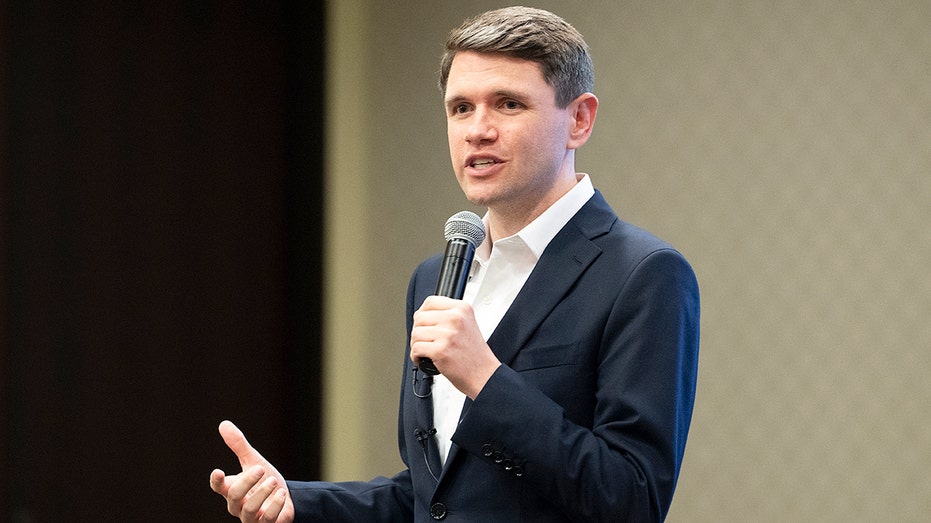
Texas Democratic Senate nominee James Talarico is facing increased scrutiny over the source of his campaign’s financial strength. Despite actively promoting his deep Texas heritage and criticizing external influences, recent campaign finance records reveal that a substantial portion of his donations originated from outside the Lone Star State, raising questions about the consistency of his message and the integrity of his “Texas roots” narrative.
During the critical final stretch of the first quarter of 2026, approximately 50% of James Talarico’s fundraising—a staggering $4 million out of $8.5 million—came from donors residing beyond Texas borders. This figure, uncovered through campaign finance records reviewed by Fox News Digital, stands in stark contrast to his Republican opponent, Texas Attorney General Ken Paxton, who secured only about 25% of his funds from out-of-state sources during the same period.
The financial disclosures highlight a significant divergence in fundraising strategies and donor bases between the two leading Senate candidates. While Talarico experienced a substantial uptick in donations, fueled by a growing national profile, his significant reliance on out-of-state funds has become a central point of contention. Donors from New York and California alone contributed over $1.3 million to Talarico’s campaign in just six weeks, underscoring a nationalized interest in the Texas Senate race.
Conversely, Attorney General Paxton demonstrated a stronger reliance on in-state support, raising approximately $640,000 of his $850,000 total from within Texas. This disparity provides Republicans with a clear opening to frame Talarico’s campaign as being powered by “coastal liberal donors” rather than the local Texas electorate, potentially undermining his appeal to voters who prioritize local representation.
Throughout his campaign, James Talarico has consistently emphasized his strong ties to Texas, often highlighting his family’s eight-generation history in the state. He has also been vocal in his critique of “outside special interests” influencing Texans, positioning himself as a defender of local autonomy. This messaging, however, now appears to be at odds with the geographical origin of a significant portion of his campaign’s financial backing, creating a potential credibility gap.
The influx of out-of-state money suggests a strategic effort to nationalize what is fundamentally a state-level election. While such funding is legal and common in high-profile races, it complicates a candidate’s ability to maintain a narrative of purely local representation, especially when actively campaigning against external influences. The contrast between his public persona and financial disclosures invites questions about the true priorities driving his campaign.
“The significant influx of out-of-state funding into James Talarico’s campaign challenges his narrative of purely Texas roots and opposition to outside interests, underscoring the nationalization of this pivotal Senate race.”
This fundraising dynamic injects a new layer of complexity into what is already shaping up to be one of the most competitive Senate races of the cycle. For Democrats, Talarico’s substantial cash advantage offers a powerful tool for campaigning and outreach, potentially enabling broader advertising and organizational efforts. However, for Republicans, it provides a potent rhetorical weapon, allowing them to portray Talarico as beholden to external agendas rather than local constituents’ needs.
The debate over campaign finance transparency and the influence of national donors will undoubtedly intensify as the election draws closer. Key implications include:
Voters will be left to weigh a candidate’s stated local allegiance against the practical realities of modern political fundraising. The unfolding financial narrative prompts important questions about authenticity and accountability in political campaigns, issues central to maintaining public trust in democratic institutions.
As the Texas Senate race progresses, how candidates reconcile their public messaging with their funding sources will undoubtedly remain a key point of discussion, influencing voter perception and potentially the final outcome.


