
TRENDING NEWS





Truth Over Trends, always!
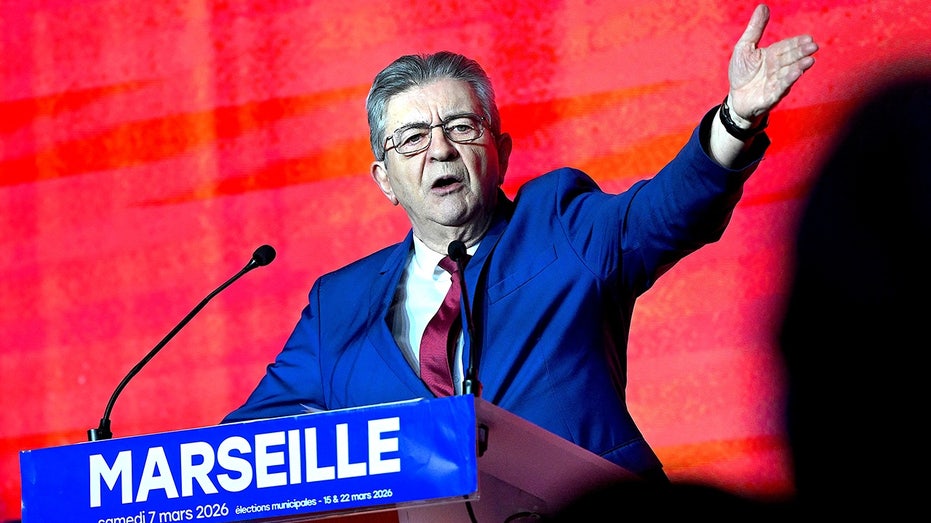
PARIS – France, home to Europe’s largest Jewish and Muslim communities, is currently experiencing a concerning escalation in antisemitic incidents, reaching levels that have prompted a senior Israeli diplomat to issue a grave warning. Joshua Zarka, Israel’s Ambassador to France, has explicitly compared the rhetoric of far-left political figure Jean-Luc Mélenchon to that of Adolf Hitler, citing the growing climate of hostility towards Jewish citizens.
This stark comparison underscores a profound anxiety within the Jewish community, which has seen a dramatic increase in targeted acts. The ambassador’s remarks, detailed in a recent report by Fox News Digital, highlight a perceived exploitation of antisemitism for political gain by certain French actors, alongside what he describes as foreign interference exacerbating the issue.
The statistics paint a grim picture of the situation on the ground. France recorded a staggering 1,320 antisemitic acts in 2025, a sharp increase from the 436 incidents reported in 2022. This tripling of attacks within three years has forced many Jewish families to make significant changes to their daily routines, with some even concealing their identities to avoid becoming targets.
Leaders within the Jewish community, while expressing deep concern, have affirmed their resolve not to be driven into retreat despite the relentless wave of hostility. The pervasive nature of these incidents suggests a broader societal challenge, one that transcends isolated acts and points to a troubling normalization of anti-Jewish sentiment in some quarters.
Ambassador Zarka has specifically singled out Jean-Luc Mélenchon, leader of the far-left party La France Insoumise (LFI), as a primary concern. According to Zarka, Mélenchon’s public addresses, particularly his framing of Israel as a singular enemy, bear an unsettling resemblance to the divisive rhetoric employed by Hitler against Jewish people. This assertion, though highly provocative, reflects the ambassador’s profound alarm regarding the potential for political figures to incite hatred.
“The way [LFI leader] Jean-Luc Mélenchon speaks in front of a crowd reminds me of Hitler. The way he uses the idea of uniting against one enemy by speaking of Israel is similar to the way Hitler used to speak about the Jews.”
The Human Rights League previously criticized Mélenchon in February for mocking the pronunciation of Jewish names, including that of MEP Raphaël Glucksmann. Such actions contribute to a climate where antisemitic sentiments can find a platform, further legitimizing prejudice.
Beyond domestic political dynamics, Ambassador Zarka also pointed to external forces that he believes are fueling the surge in Jew-hatred. He identified state actors such as Iran, Russia, Turkey, and Qatar as contributing to this foreign influence. While acknowledging the efforts of the French government to combat antisemitism, Zarka suggests that a foundational base for its growth exists, exacerbated by these external pressures.
The confluence of internal political exploitation and external incitement creates a complex and challenging environment for French authorities. Addressing this multifaceted problem requires not only robust security measures but also a concerted effort to counter hateful rhetoric and promote social cohesion.
The dramatic rise in antisemitic acts in France and the stark warnings from diplomatic figures underscore a critical moment for French society. Upholding the principles of order and protecting all communities from extremism demand unwavering vigilance and decisive action against those who seek to divide through hatred.
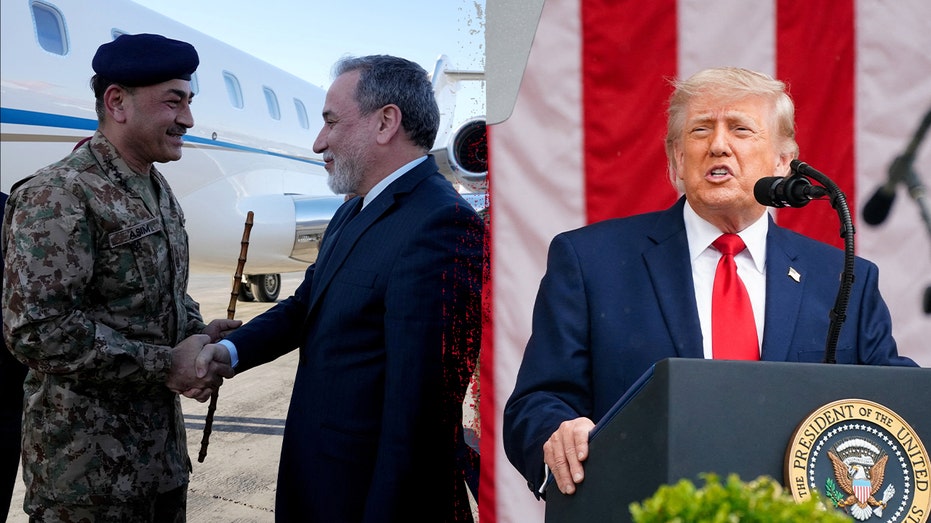
Pakistan has re-emerged as a pivotal player in delicate international diplomacy, with its army chief, Field Marshal Asim Munir, taking on a crucial intermediary role in discussions aimed at averting further conflict with Iran. This development places Islamabad squarely back at the center of U.S. foreign policy in the Middle East, despite a decades-long history of Washington grappling with accusations that elements within Pakistan’s security apparatus have at times supported militant groups. The situation underscores the enduring complexities of America’s engagement with a nation often described as its most complicated ally, a dynamic recently highlighted by former President Donald Trump’s public commendation of Pakistani leadership.
For years, American officials have navigated a challenging path with Pakistan, frequently accusing Islamabad of “playing both sides” in the war on terror. Allegations concerning the provision of safe havens for Taliban fighters, concerns over nuclear proliferation, and the presence of figures like Osama bin Laden within its borders have consistently fueled distrust. Yet, despite these profound tensions and accusations, Washington repeatedly finds itself leaning on Pakistan for strategic cooperation in critical moments. The current Iran crisis is but the latest instance where geopolitical necessity has seemingly overridden historical grievances, forcing U.S. policymakers to engage with a partner whose reliability remains a subject of intense debate. This pragmatic approach highlights a fundamental contradiction in U.S. foreign policy, where strategic interests often compel engagement even with challenging allies.
The renewed diplomatic engagement has not been without controversy, particularly following recent unconfirmed allegations, reported by the News Desk, that Iranian military aircraft might have been moved into Pakistani territory during the conflict — claims vehemently denied by Islamabad. These reports have exacerbated existing divisions within U.S. political circles, especially among Republicans. Senator Lindsey Graham, for instance, expressed profound skepticism, stating he doesn’t “trust Pakistan as far as I can throw them” if the allegations proved true. Such sentiments reflect a deep-seated caution regarding Islamabad’s true allegiances.
However, former President Donald Trump offered a starkly different perspective. On the same day as Graham’s remarks, Trump publicly praised Pakistan’s leadership, telling reporters: “They’re great… absolutely great.” He specifically lauded Prime Minister Shehbaz Sharif and Field Marshal Asim Munir for their efforts. This divergence of opinion within conservative ranks underscores the intricate and often contradictory nature of U.S.-Pakistan relations, where strategic utility often clashes with long-standing security concerns.
The persistent U.S. reliance on Pakistan, despite a history fraught with distrust, is largely driven by immutable geopolitical realities. Pakistan’s strategic location, bordering Iran, Afghanistan, and sharing proximity with China, makes it an unavoidable partner in regional stability efforts. Its role as a nuclear power further amplifies its importance, particularly in preventing wider regional destabilization. Engaging with Islamabad offers Washington a critical channel for communication and influence in a highly volatile part of the world.
Key reasons for continued engagement include:
“They’re great… absolutely great.”
— Former President Donald Trump on Pakistan’s leadership
As Field Marshal Munir continues his diplomatic efforts, the fundamental dilemma of U.S.-Pakistan relations persists. Washington’s pragmatic need for a regional partner in managing critical flashpoints, such as the escalating Iran crisis, often overrides deep-seated concerns about reliability and past actions. The ongoing dialogue, punctuated by both skepticism and praise from high-profile American figures, illustrates the complex balancing act required in maintaining ties with an ally whose strategic importance cannot be understated, even as questions of trust remain. The path forward for this “complicated ally” will undoubtedly continue to be defined by a delicate interplay of necessity, suspicion, and shared — if sometimes uneasy — objectives.

Millions of homes across Great Britain are bracing for steeper utility costs following an official announcement from energy regulator Ofgem. Effective July 1st, the energy price cap will see a substantial 13% hike, translating to an average annual increase of more than £200 for typical households. This move, reported by publications like The Guardian, marks the steepest summer rise in energy charges in four years, intensifying the financial pressures on families and businesses already grappling with persistent inflation and a challenging economic landscape.
This latest adjustment means the average gas and electricity bill will climb to approximately £1,862 a year, up from the current £1,641, for the period between July and September. Such a significant jump will undoubtedly stretch household budgets, particularly impacting those already struggling with the cost of living. Beyond individual consumers, small and medium-sized businesses, which are often less insulated from price shocks than larger corporations, could also face increased operational costs, potentially stifling growth and investment. Campaigners have swiftly warned that the most vulnerable citizens will bear the brunt of this increase, necessitating careful consideration of targeted support mechanisms to prevent further hardship.
Ofgem’s decision is a direct response to soaring global energy market prices, a trend exacerbated by geopolitical instability. The regulator explicitly cited the ‘war on Iran’ as a significant factor driving up wholesale energy costs. This external pressure underscores the interconnectedness of global events and their immediate impact on domestic consumer expenses. While the price cap aims to protect consumers from excessive charges, it also reflects the underlying volatility of international energy markets, highlighting the critical need for a robust and diversified national energy strategy that prioritizes security and affordability. A truly free market, while efficient, requires stable conditions to thrive without imposing undue burdens on ordinary citizens.
The announcement has drawn strong reactions from political figures and industry experts alike. Energy Secretary Ed Miliband described the price cap rise as ‘deeply unwelcome,’ acknowledging the severe challenge it poses to households. Furthermore, the head of Ofgem has issued a sobering warning, stating that elevated energy prices are ‘likely this winter,’ suggesting that the current increase may not be the last, and consumers should prepare for continued volatility. This outlook necessitates a proactive approach from policymakers to ensure energy security and affordability, balancing regulatory intervention with market principles. Key areas for focus include:
The government’s role in creating a stable environment for businesses to invest in energy solutions, while also safeguarding consumer interests, will be crucial.
Elevated energy prices are likely this winter, a stark warning from Ofgem’s boss underscores the persistent challenge facing households and businesses.
As the nation heads into the latter half of the year, the increased energy price cap will undoubtedly remain a central concern for millions of families and enterprises. Ensuring both market stability and consumer protection will be paramount for policymakers navigating these complex economic waters. The unfolding situation demands vigilant oversight and pragmatic, long-term solutions to mitigate the financial burden on households and businesses while fostering a resilient and competitive energy market that serves the national interest.
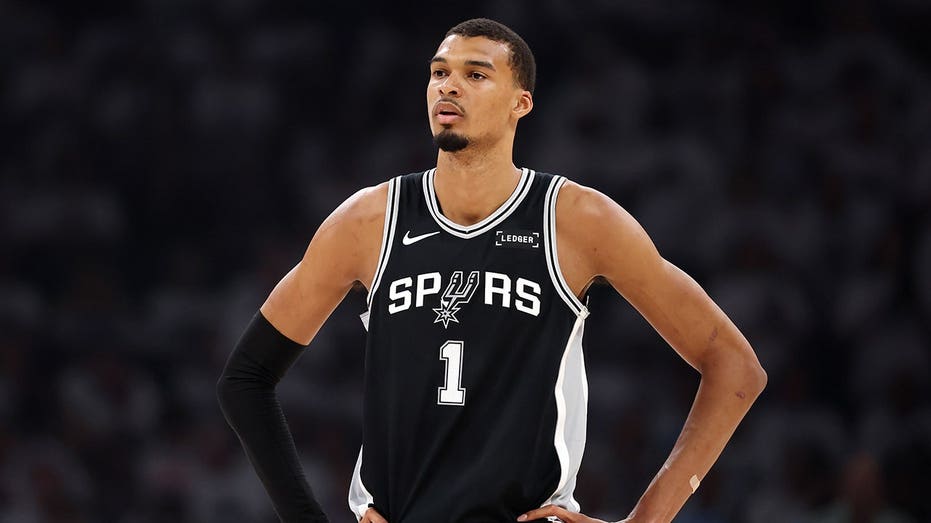
The Oklahoma City Thunder have placed themselves firmly on the threshold of a second consecutive NBA Finals berth, delivering a dominant performance in Game 5 of the Western Conference Finals. Facing the San Antonio Spurs on their home court, the defending champions pulled away decisively in the second half, securing a 127-114 victory that puts them just one win shy of advancing.
This pivotal win underscores the Thunder’s formidable presence in the league, while simultaneously casting a spotlight on the struggles of Spurs phenom Victor Wembanyama, whose output marked a series low. The outcome has significant implications for both franchises as the postseason drama intensifies.
From the outset, the Oklahoma City Thunder demonstrated why they are the reigning league champions. Their strategic execution and relentless offense proved too much for the San Antonio Spurs to handle. Led by the two-time NBA MVP, Shai Gilgeous-Alexander, who posted an impressive 32 points and nine assists, the Thunder systematically dismantled San Antonio’s defenses.
The team’s collective effort ensured that even an impassioned plea from Wembanyama during a third-quarter timeout could only briefly stem the tide. Oklahoma City’s ability to maintain composure and execute under pressure highlights their seasoned championship pedigree. Their lead, at one point extending to 20 points, was a testament to their offensive efficiency and defensive tenacity.
For the San Antonio Spurs, the narrative surrounding their success in this series has often hinged on the performance of their generational talent, Victor Wembanyama. His previous outings included remarkable 41- and 33-point displays in the Spurs’ two victories, establishing a clear pattern.
However, Game 5 saw Wembanyama struggle to find his rhythm, finishing with a series-low 20 points. His shooting woes were particularly pronounced, going just 4 for 15 from the floor and missing all five of his three-point attempts. This uncharacteristic performance significantly impacted San Antonio’s ability to challenge the Thunder’s supremacy. The young star’s efforts to rally his teammates, while admirable, ultimately proved insufficient against Oklahoma City’s consistent pressure.
With their backs against the wall, the San Antonio Spurs now face an uphill battle to keep their NBA Finals hopes alive. The team’s reliance on Wembanyama’s individual brilliance was starkly exposed in Game 5. While Stephon Castle led the Spurs with 24 points and five rebounds, the collective output was not enough to overcome the Thunder’s cohesive unit.
The challenge for San Antonio’s coach, Mitch Johnson, will be to re-strategize and find ways to generate consistent offense and defensive stops. As a recent report from News Desk highlighted, Johnson has been intensely focused on the task at hand, even amidst external chatter about other playoff matchups. The Spurs must now deliver a flawless performance in Game 6 to force a decisive Game 7, a monumental task against a team playing with such confidence.
“The pattern has been clear: when Wembanyama asserts his dominance, the Spurs find success. When he doesn’t, the path to victory becomes significantly harder.”
The Thunder, meanwhile, will seek to close out the series swiftly, avoiding any unnecessary extensions. Their focus will be on maintaining the intensity and execution that brought them this far. The stakes are high for both teams, with Oklahoma City eyeing another championship opportunity and San Antonio fighting for survival.
As the series progresses, all eyes will be on the adjustments made by both coaching staffs and the resilience of the players. The next game promises to be a compelling battle, determining whether the Thunder cement their place in the Finals or if the Spurs can mount an improbable comeback.

In a notable development for Australian media, Justin Stevens has resigned as the Director of News for the Australian Broadcasting Corporation (ABC). His departure comes after four years in the demanding role and a remarkable 19-year commitment to the national public broadcaster, with Stevens citing both personal and professional considerations for his decision.
ABC Managing Director, Hugh Marks, acknowledged Stevens’ profound dedication, highlighting his instrumental role in shaping the organization’s news output and digital strategy. The resignation marks a significant transition period for one of Australia’s most prominent media institutions.
During his extensive tenure, particularly as news director, Stevens was pivotal in guiding ABC News through a transformative era. Hugh Marks specifically commended Stevens’ leadership in ensuring ABC News achieved and maintained its position as the number one digital news provider. This achievement underscores a strategic focus on adapting to evolving audience behaviors and platform shifts, a critical success factor in today’s dynamic media landscape.
The digital realm presents both opportunities and challenges for traditional news outlets. Stevens’ leadership in this area reflects a proactive approach to engaging audiences where they consume news most – online. This commitment to digital innovation is essential for the continued relevance and reach of public broadcasting in the 21st century.
The role of Director of News at the ABC carries immense responsibility, overseeing the journalistic integrity and operational efficiency of a cornerstone public institution. The ABC, with its mandate for impartial and comprehensive reporting, plays a vital role in informing the Australian public and fostering a robust civic discourse.
Stevens’ almost two decades at the ABC, culminating in the news director position, demonstrates a deep understanding of the institution’s values and its unique place in the national fabric. His work contributed to upholding the standards of factual, anti-extremist reporting that is crucial for maintaining public trust and order in a complex world.
“Justin Stevens has shown an incredible commitment to the ABC over 19 years, ensuring ABC News was the No 1 digital news provider.”
The departure of a senior leader like Justin Stevens prompts reflection on the broader challenges and pressures facing news organizations globally. News directors today must navigate a complex environment marked by rapid technological change, intense competition, and the constant demand for accurate, timely, and engaging content. Public broadcasters, in particular, face the added scrutiny of maintaining editorial independence and serving diverse community interests.
The demands on such a role are considerable, balancing journalistic ethics with the strategic imperative to grow audience share and adapt to new platforms. The commitment to strong editorial instincts and dedication to audiences, as noted by Hugh Marks, are paramount in such a high-stakes environment.
As the ABC prepares for its next chapter, the search for a successor will undoubtedly focus on individuals who can continue to champion digital innovation while reinforcing the core values of public service journalism. The organization’s ability to maintain its leading position in digital news and uphold its institutional integrity will be key to its ongoing success. Matox News wishes Justin Stevens well in his future endeavors.

Households across Great Britain are facing the steepest rise in energy charges in four years this summer, as the government’s energy price cap is set to climb by 13%. From July until the end of September, the average gas and electricity bill will increase to the equivalent of £1,862 a year, marking a significant financial challenge for families and businesses alike.
This substantial upward revision to the cap is a direct consequence of soaring market prices, exacerbated by global geopolitical events, including the ongoing war on Iran. The move underscores the persistent vulnerability of domestic energy costs to international instability, placing renewed pressure on the nation’s economic stability.
The energy regulator for Great Britain, Ofgem, is responsible for determining the maximum amount suppliers can charge for each unit of gas and electricity. This calculation is meticulously based on the cost of supplying energy to homes, taking into account average wholesale market costs from the months preceding each new cap period. The current surge reflects a period of heightened international energy prices.
Key factors influencing Ofgem’s determination include:
As reported by The Guardian, this latest increase is a stark reminder of how global events translate directly into domestic costs, affecting every household.
“The impending 13% increase in Great Britain’s energy price cap highlights the urgent need for resilient energy policies that shield households from volatile global markets.”
The impending rise in the energy price cap will undoubtedly place additional strain on household finances already navigating a challenging economic landscape. For many families, an increase of this magnitude means difficult choices and adjustments to their budgets, potentially impacting discretionary spending and savings.
From a free-market perspective, while market forces dictate wholesale prices, the role of institutions like Ofgem in establishing a cap aims to provide a measure of order and predictability. However, the consistent upward trend in prices underscores the broader challenge of securing affordable and reliable energy, a cornerstone of national prosperity and family well-being. Businesses, particularly small and medium-sized enterprises, will also feel the pinch, potentially impacting their operational costs and competitiveness.
As Great Britain looks ahead, the focus remains on ensuring energy security and affordability. This latest adjustment to the energy price cap serves as a critical indicator of the ongoing need for robust energy strategies that foster independence and stability. Policymakers and industry leaders must continue to explore avenues for diversified energy sources and infrastructure improvements to mitigate the impact of future global market fluctuations on consumers.
The current rise is a clear signal that prudent financial planning and careful resource management will be essential for both households and the nation in the coming months. Ensuring a stable and predictable energy environment remains a priority for maintaining economic order and supporting the foundational strength of our communities.

Maranello, Italy – Ferrari, the venerable symbol of automotive excellence, experienced a considerable dip in its market valuation this week after presenting its inaugural fully electric model, the ‘Luce.’ The unveiling of the five-seater electric vehicle, a significant departure from the brand’s traditional two-door supercars, was met with a mixed public reception and an immediate slide in stock performance.
On Tuesday, the luxury automaker’s shares fell sharply, declining by more than 8% on the Milan stock exchange and over 5% in New York trading. This market reaction underscores a cautious investor sentiment regarding the brand’s ambitious pivot into the electric vehicle space, a sector increasingly defined by rapid innovation and fierce competition, particularly from emerging Chinese manufacturers.
The market’s immediate response to the ‘Luce’ launch suggests a degree of investor apprehension about Ferrari’s strategy. While the company has invested half a decade in developing the new model, as confirmed by chief executive Benedetto Vigna, the financial world appears to be weighing the potential risks and rewards of such a fundamental shift for a brand built on internal combustion engine heritage.
This cautious stance is not unique to Ferrari. Other high-end manufacturers like Lamborghini and Porsche have reportedly scaled back their electric vehicle ambitions. Industry observers note that these decisions are often driven by a combination of factors:
Beyond market figures, the ‘Luce’ itself has sparked a significant debate. Co-created with the LoveFrom agency, founded by former Apple design chief Sir Jony Ive, the model marks Ferrari’s first-ever five-seater vehicle. This design choice, aimed at broadening market appeal, has elicited strong reactions across social media platforms.
Comments ranged from dismissive, labeling the design as “straight to the junkyard trash,” to enthusiastic praise, with some calling it an “absolute masterclass in design.” Such polarizing feedback highlights the delicate balance Ferrari must strike between preserving its iconic aesthetic and embracing contemporary design trends and functionality demanded by a new generation of luxury consumers.
“The market’s swift reaction to Ferrari’s electric debut signals a crucial test for luxury brands navigating the complex shift to electric mobility while preserving their unique legacy.”
Ferrari’s venture into the electric market comes at a time when the broader luxury EV segment is still finding its footing. While environmental regulations and evolving consumer preferences push automakers towards electrification, the premium performance sector faces distinct hurdles. Maintaining the visceral thrill and bespoke craftsmanship that define these brands in an electric format is a significant engineering and marketing challenge.
The ‘Luce’ represents Ferrari’s confident step into this future. However, the initial market and public reactions indicate that the road ahead for the storied Italian marque, and indeed for the entire luxury electric vehicle segment, will require careful navigation and a keen understanding of both technological innovation and enduring brand values.
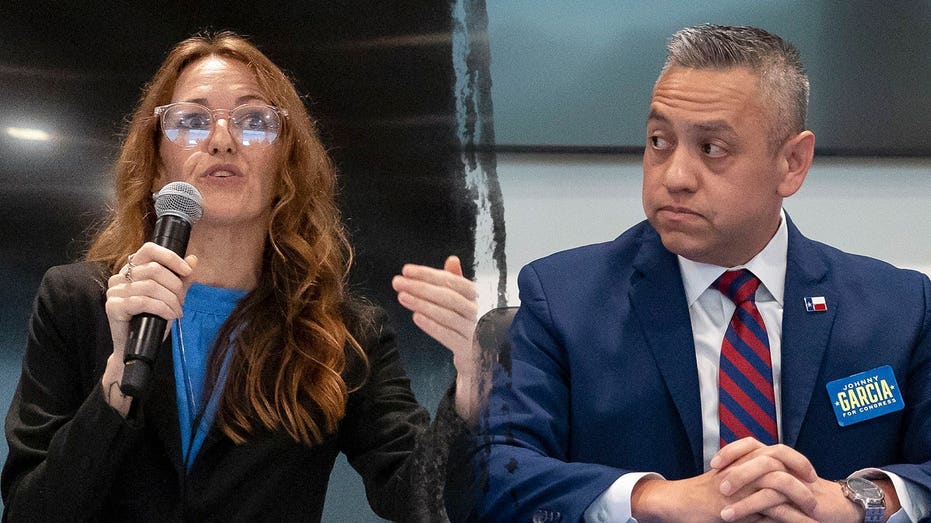
In a significant development for Texas politics, Controversial Democrat Maureen Galindo has been decisively defeated in a primary runoff election for the 35th Congressional District. Her loss to Bexar County Sheriff’s Office official Johnny Garcia marks a clear rejection of the inflammatory remarks that had drawn nationwide condemnation. This outcome underscores a preference for measured leadership over divisive rhetoric, even within the Democratic Party, as voters in the Lone Star State appear to favor candidates who prioritize unity and institutional respect.
Maureen Galindo, a South Texas sex therapist, garnered national attention for alarming comments regarding “American Zionists.” She proposed a plan to imprison them at an ICE detention center, an idea that quickly drew accusations of antisemitism and widespread condemnation from Democratic Party leaders across the nation. Critics from both sides of the political spectrum voiced strong disapproval, highlighting the dangers of such rhetoric in public discourse. Despite attempts to clarify her statements, suggesting she was not advocating for “internment camps,” the controversy overshadowed her campaign. Her unexpected strong showing in the initial March primary against Garcia had surprised many political observers, raising questions about the direction of the party’s grassroots.
Johnny Garcia’s decisive victory positions him as the Democratic nominee for a district undergoing significant political shifts. A San Antonio native, Garcia campaigned as an “old-school Democrat,” emphasizing his background in law enforcement, including roles as a police deputy and a SWAT hostage negotiator. This professional background offered a stark contrast to his opponent’s contentious remarks, allowing Garcia to present himself as a candidate committed to public service and order. His campaign actively condemned Galindo’s controversial remarks, presenting himself as the more moderate and responsible choice for voters. This win suggests that even within highly charged primary contests, voters are increasingly wary of candidates who espouse extreme views, seeking instead pragmatic leaders who can navigate complex issues without resorting to inflammatory language. This sentiment resonates with a desire for stability and decorum in political representation.
The 35th Congressional District has seen substantial changes due to recent redistricting efforts by Texas Republicans. The district, previously represented by “Squad” member Rep. Gregorio Casar, has been redrawn to be considerably more favorable to Republican candidates. Casar opted to run in an adjacent district, leaving this seat open and creating a competitive vacuum. The shift in the district’s political leanings, now considered “red-leaning,” added an extra layer of complexity to the Democratic primary, as both candidates vied for the opportunity to contest a challenging general election. As reported by Fox News, the implications of this redistricting mean that while Garcia secured the Democratic nomination, the general election will present a formidable challenge against his Republican opponent. His primary victory, however, signals a Democratic preference for mainstream candidates who prioritize unity over inflammatory rhetoric, a valuable asset as he attempts to appeal to a broader, more conservative-leaning electorate.
This outcome underscores a preference for measured leadership over divisive rhetoric, even within the Democratic Party.
The defeat of Maureen Galindo sends a clear message about the electorate’s appetite for responsible governance and respectful discourse. It reinforces the idea that candidates who engage in divisive or extreme rhetoric risk alienating a significant portion of the voting public, irrespective of party affiliation. As Texas navigates its evolving political landscape, the primary results in the 35th District serve as a reminder that even in highly partisan environments, extreme positions can be met with firm voter resistance. The upcoming general election will further test the district’s new political contours, with Garcia now facing the task of uniting Democrats and appealing to a broader electorate in a constituency that is increasingly favoring conservative values. His ability to articulate a clear, unifying message will be crucial in a district where the political ground has demonstrably shifted.
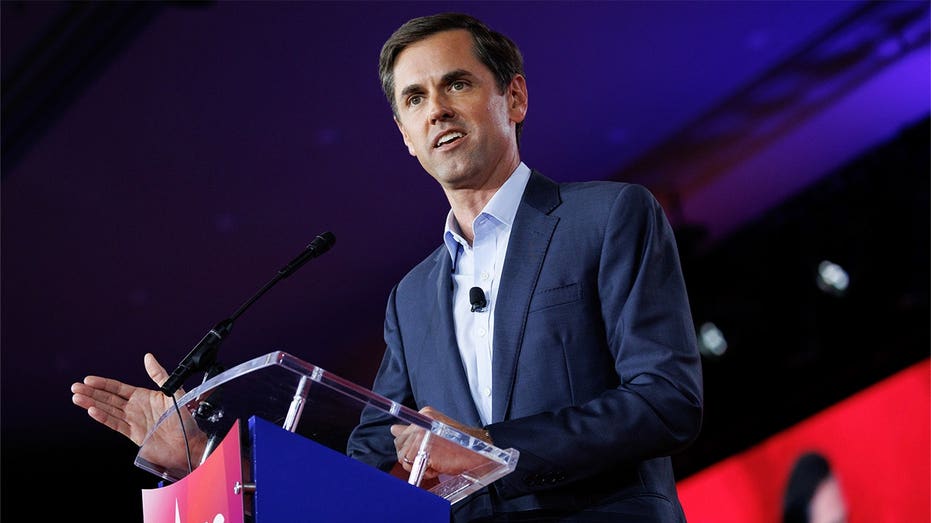
Austin, TX – State Senator Mayes Middleton has claimed victory in the fiercely contested Republican runoff for Texas Attorney General, concluding a bitter and expensive race against U.S. Representative Chip Roy. The outcome of the Texas Attorney General runoff election marks a significant moment for the state’s conservative landscape, clearing Middleton’s path to potentially become the next chief legal officer for the Lone Star State. This electoral battle, which saw both candidates vying for the mantle of the most ardent supporter of former President Donald Trump’s agenda, highlighted deep divisions and strategic spending within the Republican base.
The contest between Middleton and Roy was characterized by intense debate over conservative principles and a substantial financial investment. State Senator Middleton, a prominent figure in the state legislature and president of an independent oil and gas company, largely self-funded his campaign. He injected approximately $17 million of his personal wealth into the race, demonstrating a significant commitment.
Middleton’s strategy centered on highlighting his strong support for former President Donald Trump and the broader MAGA agenda. He had narrowly edged out Roy in the initial March primary and consistently cast himself as the true ‘America First’ champion. This approach resonated with a significant segment of the Republican electorate keen on candidates who unequivocally align with the movement’s core tenets, pushing back against any perceived deviation from conservative orthodoxy. The financial might allowed Middleton to maintain a strong media presence and direct outreach across the state, ensuring his message of unwavering loyalty reached voters.
U.S. Representative Chip Roy, known for his staunch conservative stance in Congress and his past service as a Texas assistant attorney general, mounted a robust challenge. Roy’s campaign emphasized his extensive courtroom experience, arguing that his background as a prosecutor and a former chief of staff to Senator Ted Cruz made him uniquely qualified for the Attorney General position.
He highlighted his practical legal expertise, stating that having served as the first assistant attorney general made him ‘ready on day one.’ Roy underscored his readiness for the role, emphasizing his experience in court, standing before judges, and arguing cases—a track record he asserted his opponent lacked. In an interview with Fox News Digital prior to the runoff, Roy contrasted his ‘prosecutor’s experience’ with Middleton’s, suggesting these qualifications ‘should matter’ to voters.
Despite a late surge in fundraising from key backers, including an endorsement from Senator Ted Cruz, Roy faced persistent questions regarding his conservative credentials from Middleton’s campaign. Middleton’s team aired ads alleging Roy had ‘betrayed MAGA’ by not fully embracing certain aspects of the America First platform. This back-and-forth over who was the ‘truer’ conservative defined much of the campaign’s final weeks.
The runoff was not merely a contest of qualifications but also a significant test of loyalty to the ‘Make America Great Again’ movement within the Texas Republican Party. Both candidates actively sought to demonstrate their alignment with former President Trump’s vision, turning the race into a proxy battle over the direction of the state’s conservative future.
Middleton’s campaign explicitly championed his MAGA credentials, while Roy, despite his strong conservative record, found himself defending against accusations of insufficient fealty. This dynamic underscores the powerful influence Trump’s endorsement and the broader America First ideology continue to wield over Republican primary voters, particularly in a state as politically significant as Texas. The outcome suggests that for many voters, a candidate’s perceived commitment to this national movement can be as crucial as, if not more important than, traditional political experience.
Middleton’s victory positions him as the Republican nominee to succeed Attorney General Ken Paxton, whose tenure has been marked by significant legal and political challenges. The office of Attorney General is vital, overseeing state litigation, consumer protection, and providing legal counsel to state agencies.
With Middleton now advancing to the general election, the focus shifts to how his conservative legal philosophy and policy priorities will shape the Attorney General’s office. His approach is expected to align closely with the principles of limited government, free markets, and a strong defense of constitutional liberties, consistent with his campaign’s emphasis. This election’s result underscores a clear preference among many Republican primary voters for candidates who demonstrate unwavering loyalty to the party’s current ideological direction, setting a precedent for future contests within the state.
“The Texas Attorney General runoff became a pivotal test of conservative loyalty and financial might, shaping the future leadership of the state’s top legal office.”
As the general election approaches, the political battle for Texas Attorney General is set to intensify. Middleton’s decisive win in the primary reflects a clear direction from the Republican base, favoring a candidate who forcefully articulates an America First stance and is willing to invest significantly in their campaign.
His success, fueled by substantial personal investment and a strong alignment with the MAGA movement, sets the stage for a compelling contest ahead. The next Attorney General will inherit a critical role in upholding the rule of law and defending the state’s interests, making this election a crucial one for all Texans as they look to maintain order and uphold foundational principles. The implications of this primary extend beyond the state, offering insights into the evolving dynamics of the national conservative movement.
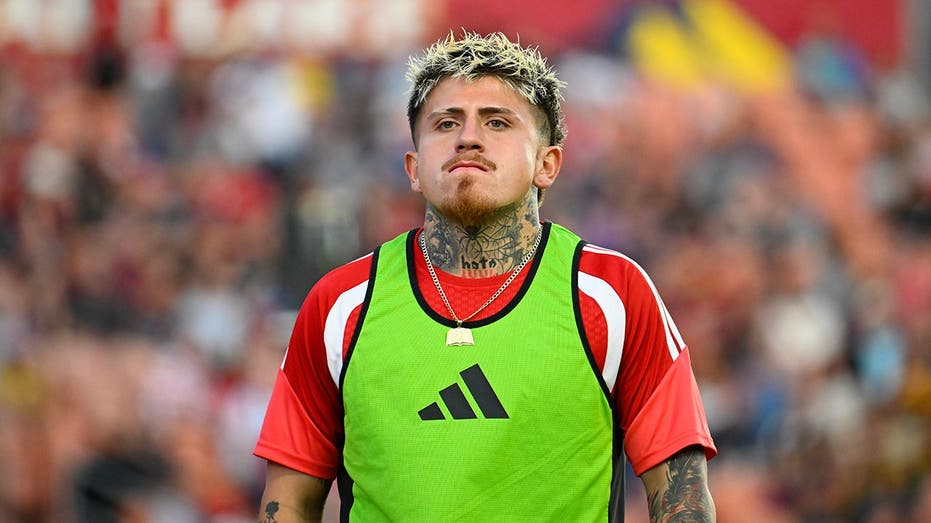
The highly-anticipated USMNT 2026 FIFA World Cup roster announcement brought a significant surprise, as fan-favorite midfielder Diego Luna was conspicuously absent, despite his central role in major promotional campaigns.
NEW YORK – The United States Men’s National Team officially unveiled its 26-man squad for the 2026 FIFA World Cup on Tuesday, a moment met with both excitement and considerable debate. Among the most glaring omissions was midfielder Diego Luna, whose absence has sent ripples through the soccer community. Luna, a familiar face in major promotional ads, including those from sportswear giant Nike, was widely expected to represent the Stars and Stripes on home soil this summer.
The official confirmation at Pier 17 in Manhattan solidified what had been rumored over Memorial Day Weekend through various media outlets. Luna’s exclusion stands out, particularly given his recent contributions and growing popularity among fans. His dynamic play during the 2025 Gold Cup run had cemented his status as a “wild card” and a player many believed was a lock for the prestigious tournament roster.
Sources close to the team, as reported by Fox News, highlighted the widespread belief that Luna was a sure pick. His dual citizenship with Mexico also presented a choice, but his commitment to the USMNT had endeared him to supporters. The midfielder’s energetic style and scoring prowess on the international stage were seen as valuable assets for the squad.
Perhaps the most perplexing aspect of Luna’s omission is his prominent involvement in the World Cup’s marketing efforts. Nike, a key sponsor, had featured Luna as a centerpiece for its new kit launches, showcasing the jerseys the USMNT will wear. His social media presence, including an Instagram post with the caption, “They never plan for the wild card. Espera lo inesperado,” further underscored his perceived importance to the campaign.
This stark contrast between his marketing visibility and his eventual exclusion raises questions about the coordination between promotional strategies and athletic selections. While marketing campaigns often feature popular or marketable athletes, a player’s absence from the final roster after such a prominent role can create a disconnect for fans and observers. It suggests a potential misalignment between commercial interests and the final decisions made by the coaching staff.
“They never plan for the wild card. Espera lo inesperado.”
— Diego Luna, via Instagram
Head Coach Mauricio Pochettino, managing his first World Cup with the USMNT, had previously indicated that players participating in friendly matches should not assume a guaranteed spot on the final roster. In March, Pochettino stated, “The players that today are on the roster, they cannot think they are going to be in the final roster.” This cautious approach underscores the competitive nature of national team selection, even for high-profile tournaments.
The decision to leave out Diego Luna, despite his fan appeal and marketing presence, signals Pochettino’s firm commitment to his tactical vision and player evaluations. While the choice may disappoint many, it highlights the rigorous process involved in assembling a World Cup-ready squad. The focus now shifts to how the selected 26 players will perform and whether Pochettino’s calculated decisions will yield success for the USMNT on home turf.
The unexpected exclusion of a widely recognized player like Luna will undoubtedly fuel discussions about roster composition and the delicate balance between public expectation and coaching autonomy as the nation anticipates the 2026 FIFA World Cup.


