
TRENDING NEWS





Truth Over Trends, always!
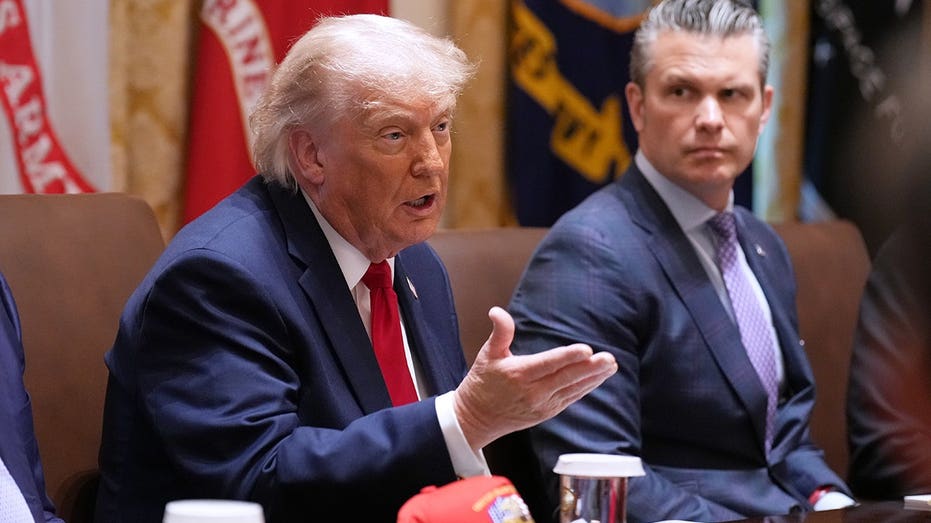
President Trump issues a stern warning to Tehran, citing a collapsed economy and depleted military, as he insists on a swift resolution to ongoing tensions.
President Donald Trump declared Wednesday that Iran is currently “negotiating on fumes,” asserting that the regime had miscalculated by attempting to outlast his administration’s resolve in reaching a comprehensive agreement. Speaking during a Cabinet meeting, the President underscored the significant pressure faced by Tehran, signaling a potential escalation if diplomatic efforts do not yield satisfactory results promptly.
The President highlighted Iran’s dire economic situation, describing it as being “in freefall” with soaring inflation and a currency that has lost substantial value. This economic downturn, coupled with recent reports of internet access being partially restored after a blackout, suggests internal instability and a government struggling to maintain control amid widespread discontent. Trump emphasized that the persistent pressure campaign has significantly weakened the Iranian state.
Furthermore, President Trump reiterated his long-standing claims regarding Iran’s military capabilities, stating, “Their navy has gone… Their air force is gone. Everything’s gone.” This assessment underscores the administration’s belief that Iran’s capacity to project power has been severely diminished, leaving it in a vulnerable position at the negotiating table. The ongoing Operation Epic Fury, launched three months prior, appears to have contributed to this perceived weakening.
A central theme of the President’s remarks was the notion that the Iranian regime believed it could simply “outwait” his presidency, particularly in anticipation of upcoming midterm elections. Trump dismissed this strategy, stating, “I don’t care about the midterms.” This firm stance signals an unwavering commitment to his administration’s foreign policy objectives concerning Iran, regardless of domestic political cycles. He suggested that recent events were a “prelude to the midterms,” indicating confidence in his political position.
The President warned that while Iran “very much” wants to reach an agreement, current proposals are “not satisfied.” He delivered a stark ultimatum: “Either that or we’ll have to just finish the job.” This statement leaves open the possibility of further decisive action if diplomatic breakthroughs remain elusive, reinforcing the administration’s determination to achieve its strategic goals. The administration’s objective remains clear: prevent Iran from acquiring nuclear weapons.
President Trump underscored the global significance of preventing Iran from developing nuclear weapons, stating, “Iran cannot have a nuclear weapon. I’m doing that for the world. I’m not doing it just for us.” He noted considerable international support for this objective, even if such support often materializes when it is least critically needed. This framing positions the administration’s policy not merely as a national interest but as a crucial contribution to global stability and non-proliferation.
The administration’s steadfast approach aims to compel Iran into a deal that permanently curbs its nuclear ambitions and destabilizing regional activities. The President’s remarks, as reported by News Desk, reflect a consistent hardline stance, seeking to leverage economic and military pressure to force a change in Tehran’s behavior and secure a lasting resolution.
“Their navy has gone… Their air force is gone. Everything’s gone and they’re negotiating on fumes. But we’ll see what happens. Maybe we have to go back and finish it.”
As the standoff continues, the international community watches closely for developments. President Trump’s latest declarations reinforce his administration’s resolute position: a deal must be struck that meets American and global security demands, or the pressure campaign will intensify. The path forward for Iran appears increasingly narrow, with the choice between capitulation to international demands or facing potentially more severe consequences.
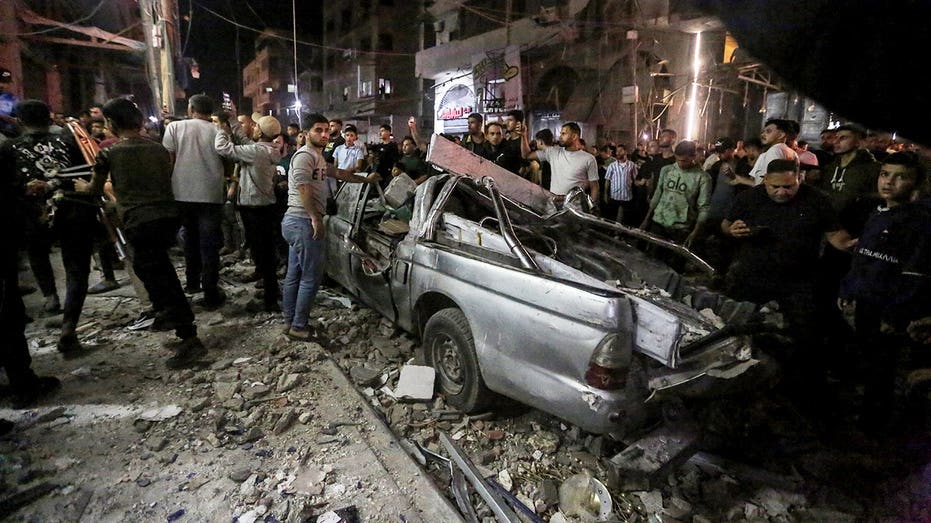
In a significant development for regional security, Israel Defense Forces (IDF) confirmed Wednesday the successful elimination of Mohammed Odeh, identified as the new head of Hamas’s military wing. The precision airstrike in northern Gaza marks a substantial blow to the command structure of the internationally recognized terrorist organization, further disrupting its operational capabilities.
Odeh, a senior figure within Hamas, was directly responsible for orchestrating critical aspects of the devastating October 7 massacre. His removal underscores Israel’s steadfast resolve to dismantle Hamas’s leadership and hold accountable those behind the brutal attacks against its citizens.
The targeted operation focused on Mohammed Odeh, who had reportedly assumed leadership of Hamas’s military apparatus following the recent elimination of Izz al-Din al-Haddad. According to information released by the IDF, Odeh played a pivotal role in “planning and coordinating Hamas terrorists’ infiltration and attack targets during the October 7 Massacre.” This crucial intelligence highlights the strategic importance of his neutralization in weakening the group’s capacity for future aggression.
Israeli authorities have consistently emphasized their commitment to pursuing all individuals involved in the October 7 atrocities. The elimination of a high-ranking Hamas military leader like Odeh reinforces this policy, demonstrating a proactive approach to national security.
Following the strike, Israeli Prime Minister Benjamin Netanyahu and Defense Minister Israel Katz issued a joint statement, reaffirming the nation’s dedication to justice. “We will continue to pursue anyone who took part in the October 7 massacre. Sooner or later, Israel will reach them all,” their statement declared, echoing a consistent message from the Israeli government.
The IDF Chief of the General Staff Lt. Gen. Eyal Zamir previously articulated a similar stance after the death of Odeh’s predecessor, stating, “The IDF will continue to pursue our enemies, strike them, and hold accountable everyone who took part in the October 7 Massacre. We will not relent until we reach them all — this is our duty to all those who returned and to all our civilians.” This unwavering resolve forms the bedrock of Israel’s ongoing security operations.
“We will continue to pursue anyone who took part in the October 7 massacre. Sooner or later, Israel will reach them all.”
— Israeli Prime Minister Benjamin Netanyahu
The elimination of Mohammed Odeh is part of a broader Israeli strategy to systematically dismantle Hamas’s leadership and operational infrastructure. This persistent effort has seen several high-profile figures removed from the terrorist group’s hierarchy in recent months. The succession of leadership within Hamas’s military wing has been repeatedly disrupted, forcing the organization to constantly reorganize and adapt under immense pressure.
Key figures recently targeted include:
These strategic actions aim to prevent Hamas from rebuilding its military capabilities, particularly in light of the ceasefire agreement violations cited by the IDF following Haddad’s assumption of control. The continued targeting of these leaders, as reported by News Desk, underscores the intensity of the conflict and Israel’s commitment to its security objectives.
The removal of Mohammed Odeh represents a significant operational success for Israel, further degrading Hamas’s ability to plan and execute terror attacks. It sends a clear message that those responsible for acts of terror against Israeli citizens will be held to account, regardless of their position within the organization. As the region continues to grapple with instability, Israel remains vigilant in its pursuit of order and security for its population.
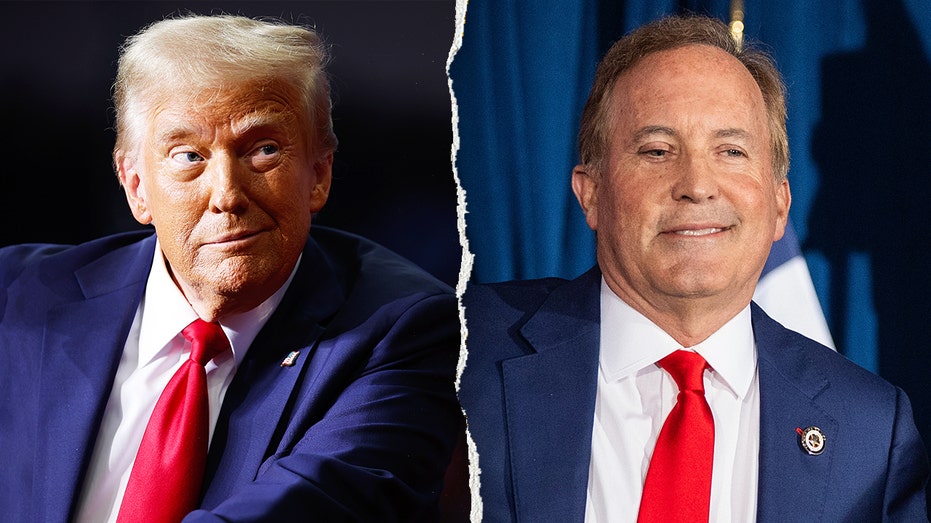
Texas Attorney General Ken Paxton has attributed his commanding victory in the Republican Senate primary to former President Donald Trump’s eleventh-hour endorsement, a development that vividly underscores Trump’s enduring influence within the GOP and sets up a closely watched general election battle with national implications.
In a significant display of political power, former President Donald Trump’s endorsement proved a potent force in the recent Texas Republican Senate runoff. Attorney General Ken Paxton secured the nomination, successfully challenging incumbent Senator John Cornyn in a hard-fought contest. Paxton’s decisive win, fueled by Trump’s backing, highlights the former president’s continued ability to shape primary outcomes and raises the stakes considerably for the upcoming midterm elections, where Republicans are striving to maintain their slim majorities in Congress.
Paxton’s victory against a long-serving senator demonstrates the profound impact of Trump’s support on the Republican base. Speaking exclusively to Fox News Digital minutes after delivering his victory speech, Paxton explicitly stated, “The president’s endorsement is the most valuable endorsement in this country.” This sentiment reflects a growing trend where Trump’s backing can often outweigh traditional political advantages, including extensive incumbency and established campaign infrastructure. The outcome in Texas reaffirms that loyalty to the former president remains a significant, often decisive, factor for many Republican primary voters, signaling a profound shift in the party’s internal dynamics and candidate selection process.
While Trump’s influence secured the primary for Paxton, the general election presents a new and formidable set of challenges. Paxton will now face state Representative James Talarico, a rising star within the Democratic Party. This contest is poised to be one of the most closely watched and expensive in the nation, potentially determining whether Republicans can retain their crucial 53-47 majority in the U.S. Senate. The Democratic Party views this race as a significant pickup opportunity, hoping that the intensity of the primary, combined with broader national political currents, could create an unexpected opening in the traditionally conservative Lone Star State. The focus now shifts dramatically from internal party contests to a broader electoral battle for the control of the upper chamber, with both parties mobilizing substantial resources.
The Texas primary is not an isolated incident but rather the latest example of former President Trump successfully asserting his influence across the Republican Party. Just three weeks prior, Trump played a pivotal role in the purging of five state senators in Indiana’s primary who had opposed his push for congressional redistricting. Similarly, only a week and a half before the Texas runoff, the president actively pushed to oust Senator Bill Cassidy of Louisiana, who had voted to convict Trump in his second impeachment trial. These consistent actions collectively illustrate a deliberate and effective strategy by Trump to consolidate control over the Republican Party, rewarding allies and systematically challenging those who have defied him. This pattern of flexing political muscle suggests a long-term reshaping of the GOP’s leadership and ideological alignment, with significant implications for future policy and party direction.
“The president’s endorsement is the most valuable endorsement in this country.”
The results from Texas underscore a pivotal moment for the Republican Party. While demonstrating the undeniable strength of former President Trump’s influence in primary contests, it also highlights the strategic complexities of the upcoming general election. The ability of the GOP to unite effectively behind its nominees and mount a robust campaign against Democratic challengers will be crucial in determining the balance of power in Washington. As the national political landscape continues to evolve rapidly, the interplay between grassroots support, institutional loyalty, and the decisive impact of key endorsements will undoubtedly remain a central theme heading into the critical November midterms.

A significant Israeli military operation in Gaza City has reportedly eliminated Mohammed Odeh, identified by Hamas as the new operational head of its military wing, in a strike that also claimed the lives of his family members. This development marks a critical escalation amid persistent conflict.
Gaza City has once again become the focal point of intense conflict following an Israeli strike that Hamas claims killed Mohammed Odeh, the recently appointed head of its military wing. The targeted operation, confirmed by Israeli defense institutions, reportedly resulted in the deaths of Odeh, his wife, and two children, underscoring the tragic human cost of the protracted struggle. This incident takes place despite a fragile ceasefire agreement reached last October, highlighting the enduring volatility in the region.
Israeli military and Shin Bet security services confirmed their involvement in the targeted strike. Their intelligence operations had reportedly tracked Odeh’s movements for several months, culminating in Wednesday’s action. The objective was a building identified as a hideout for the senior Hamas figure. This precision targeting reflects Israel’s stated policy of dismantling the leadership and operational capabilities of extremist organizations.
The strike is seen as a significant blow to Hamas’s command structure, particularly given Odeh’s alleged new role. Such operations aim to disrupt the group’s ability to plan and execute future actions, thereby contributing to regional stability.
Hamas officially confirmed the death of Mohammed Odeh, along with his wife and two young children. Reports from the News Desk indicate the strike hit a residential building located in one of Gaza City’s busiest market areas. Local medics and witnesses described dozens more individuals being injured in the attack, painting a somber picture of the immediate aftermath.
The presence of civilian casualties in a densely populated urban environment raises serious humanitarian concerns, a recurring tragic aspect of the ongoing conflict. International observers continue to call for adherence to international law and the protection of non-combatants in all military operations.
Despite a formal ceasefire agreement between Israel and Hamas brokered in October, violence in the Gaza Strip has continued on a near-daily basis. This latest targeted killing further strains the already tenuous peace, demonstrating the deep-seated animosities and operational imperatives that persist on both sides.
The ongoing skirmishes and retaliatory actions highlight a critical challenge to regional stability:
The international community watches closely, urging de-escalation while recognizing the complex security dilemmas faced by all parties.
The targeted killing of a senior Hamas leader represents a significant military action, yet it underscores the persistent and deadly cycle of violence in Gaza. The protection of civilian lives must remain paramount.
The elimination of a key figure in Hamas’s military apparatus marks a notable development in the Israel-Gaza conflict. While Israeli authorities view such operations as vital for security, the accompanying loss of civilian life, including family members, casts a long shadow over any military success. The path to a lasting peace remains fraught with challenges, as the region grapples with continued hostilities and the tragic consequences for ordinary citizens.
Former President Donald Trump has formally endorsed Texas Attorney General Ken Paxton for the U.S. Senate, celebrating Paxton’s recent primary runoff victory and promising robust campaign support. In a series of statements, the former President also delivered a sharp rebuke of Democrat James Talarico, the state representative challenging Paxton, drawing stark battle lines for the upcoming November general election.
Paxton’s win in Tuesday’s runoff secured him the Republican nomination, positioning him against Talarico in a race that is expected to draw significant national attention. Trump’s immediate and vocal backing underscores the high stakes for conservatives in retaining the Texas Senate seat.
Texas Attorney General Ken Paxton, who secured former President Trump’s endorsement just a week prior to the primary runoff, emerged victorious over longtime Republican Senator John Cornyn. Trump quickly congratulated Paxton on his “tremendous win,” while also acknowledging Cornyn’s “strong and powerful race” and “truly great career.” This swift endorsement post-runoff signals a unified Republican front going into the general election, with Trump vowing to actively campaign for Paxton across the state.
The former President’s commitment to hold “nice, big, beautiful rallies” for Paxton aims to galvanize the conservative base and ensure a strong turnout in November. This strategy highlights the importance of the Texas Senate seat in the broader national political landscape.
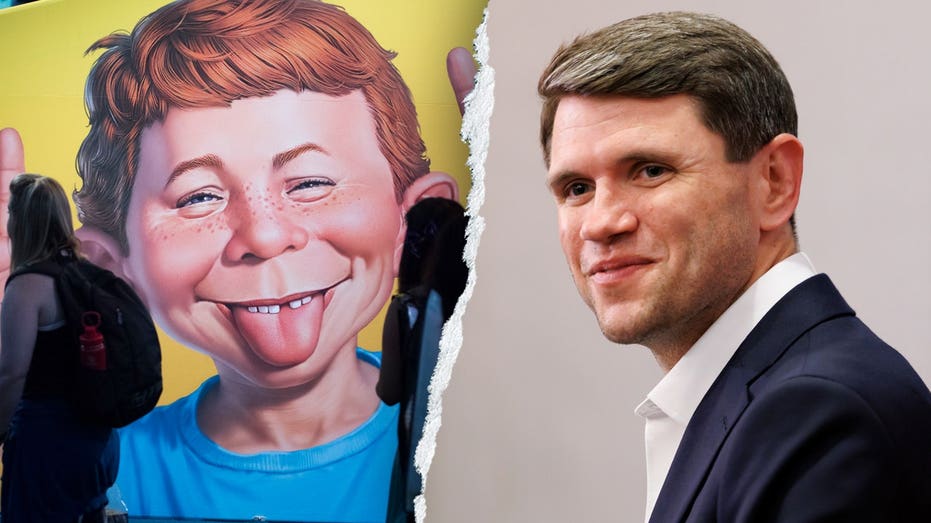
“His opponent, Alfred E. Neuman, may be the worst TEXAS candidate I have ever seen.” – Former President Donald Trump on James Talarico.
In a direct and unsparing assessment, former President Trump likened Democratic candidate James Talarico to MAD Magazine’s iconic mascot, Alfred E. Neuman. This comparison, previously used against other political figures, served as a springboard for a comprehensive critique of Talarico’s policy positions, which Trump asserted are out of step with Texas values.
Trump specifically highlighted several areas of concern for conservative voters, painting Talarico as an undesirable choice for the state:
These points, detailed in a post on Truth Social and reported by Fox News Digital, aim to draw a clear ideological contrast between the Republican and Democratic candidates, appealing directly to the conservative electorate.
The upcoming Texas Senate election is poised to be a pivotal contest, with both national parties investing significant resources. For Republicans, securing Paxton’s victory is crucial for maintaining their influence in the Senate and upholding conservative principles. Trump’s direct involvement and pointed criticisms of Talarico are intended to frame the election as a clear choice between differing visions for Texas and the nation.
The former President’s promise of large-scale rallies signals a high-energy campaign ahead, indicating that the battle for this Senate seat will be intensely fought. Voters in Texas will soon weigh these contrasting platforms, determining the state’s representation in Washington and potentially impacting the balance of power in the U.S. Senate.
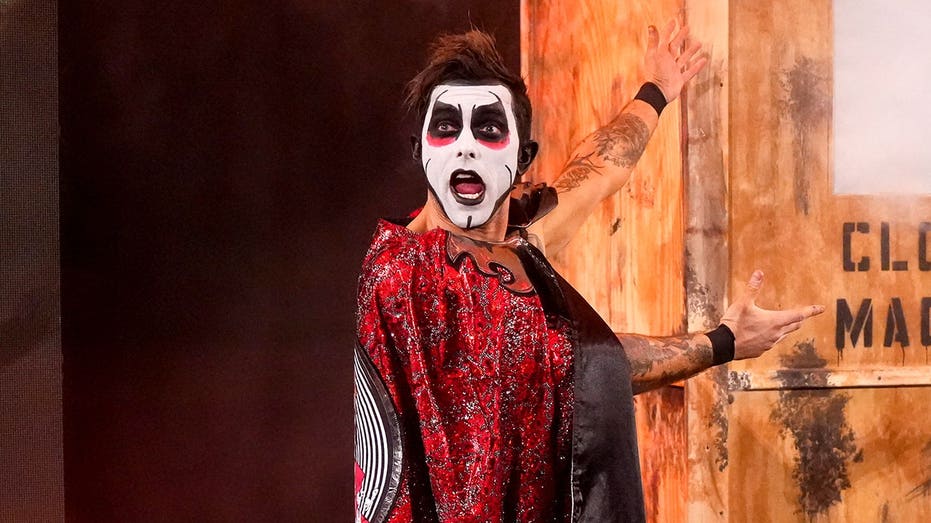
The New York Knicks have achieved what many fans believed was impossible for decades: a triumphant return to the NBA Finals. This monumental success, marked by a dominant sweep of the Cleveland Cavaliers, has ignited the city and brought renewed hope to a long-suffering fanbase. In a peculiar but celebrated twist, some are giving partial credit for this resurgence to an unexpected source: pro wrestling star Danhausen, who famously declared the team “uncursed.”
The journey back to the pinnacle of professional basketball has been arduous for the Knicks, a team steeped in history but plagued by a nearly three-decade drought of championship contention. Their recent performance, spearheaded by star guard Jalen Brunson, has not only silenced critics but also provided a compelling narrative of perseverance and strategic rebuilding.
Since their last NBA Finals appearance in 1999, which ended in a sweep by the San Antonio Spurs, the Knicks have navigated a turbulent landscape of fleeting successes and prolonged disappointments. Fans have witnessed numerous attempts to rekindle the flame, each met with varying degrees of enthusiasm and, ultimately, frustration.
These moments, though memorable, never translated into the sustained championship contention that New Yorkers craved. The team remained in a cycle of rebuilding and dashed hopes, leaving fans yearning for a genuine breakthrough.
Enter Danhausen, the “very nice and very evil” pro wrestling personality known for his peculiar antics, including a penchant for “cursing” various individuals and even sports entities. His pronouncements became a running gag, applied to fellow WWE superstars and even prominent sports pundits. However, for the Knicks, Danhausen took a different, more benevolent approach.
Recognizing the team’s prolonged struggles, Danhausen publicly declared the New York Knicks “uncursed.” This unique crossover moment between professional wrestling and mainstream sports gained traction, especially as the Knicks began their improbable ascent. According to a report from Fox News Digital, Danhausen even made an appearance at Madison Square Garden, receiving a team jersey and cementing his playful connection to the franchise. WWE further capitalized on the moment, releasing a collaborative shirt emblazoned with the phrase, “You are Uncursed.” Following the Cavaliers sweep, Danhausen took a celebratory “victory lap,” posting a video with a broom to signify the clean sweep and reiterating his “UNCURSED” message on social media.
“You. Are. Uncursed.”
While Danhausen’s ‘uncursing’ provided a lighthearted narrative, the true engine behind the Knicks’ remarkable season is their on-court performance, led by the indomitable Jalen Brunson. This iteration of the team has demonstrated grit, cohesion, and a relentless competitive spirit that has systematically dismantled opponents.
Their dominant sweep of the Cleveland Cavaliers in the Eastern Conference Finals was a testament to their collective strength and tactical execution. Brunson, a known admirer of WWE, has embodied the fighting spirit of New York, consistently delivering clutch performances and elevating his teammates. This success has not been accidental but the result of disciplined play, strategic coaching, and a profound belief within the locker room.
The Knicks’ journey to the NBA Finals marks a significant turning point, erasing years of frustration and ushering in a new era of optimism. Whether one attributes their success to stellar play, strategic management, or even a timely “uncursing” by a charismatic wrestling star, the outcome is undeniable: the team is back on the biggest stage. This unique blend of on-court excellence and cultural phenomenon has captivated not just basketball fans, but a broader audience, demonstrating the enduring appeal of sports drama and the power of a good narrative. For Knicks Nation, the long wait is over, and a new chapter of competitive basketball has truly begun.

Australia’s prominent mining billionaire, Gina Rinehart, has once again made a significant move in the nation’s media sector, bankrolling a nearly 10% acquisition of Southern Cross Media. This strategic Gina Rinehart media investment, valued at approximately $26 million, involves former Seven media executive Bruce McWilliam and signals a compelling return to media business for the influential magnate after a decade-long hiatus.
The intricate deal sees Mr. McWilliam acquire the stake, but with a unique provision: Ms. Rinehart could assume control of the shares should he breach the terms of their agreement. This arrangement, disclosed on the ASX, highlights a deliberate and structured approach to re-engage with the media industry, rather than a direct, immediate ownership stake. It reflects a sophisticated business strategy aimed at influence and potential control within a key sector.
This is not Ms. Rinehart’s first foray into media. More than ten years ago, she held significant stakes in the Ten Network and Fairfax, eventually divesting from both. Her re-entry through Southern Cross Media, which boasts a diverse portfolio including the Seven Network, the popular Triple M and Hit radio brands, and West Australian Newspapers, underscores a renewed interest in the evolving landscape of Australian communications.
The acquisition of a substantial stake in Southern Cross Media by an entity backed by Gina Rinehart is a development that merits close observation. Southern Cross Media is a cornerstone of Australia’s media infrastructure, reaching millions daily through its television, radio, and print assets. The influence of such a significant investor, known for her conservative principles and pro-free-market stance, could subtly shape editorial directions and business strategies across these platforms.
Observers of the media industry, including those noted by The Guardian, recognize the potential for this investment to impact market dynamics. The move suggests a belief in the enduring value of traditional media assets in an increasingly digital world, and perhaps a long-term vision for their role in national discourse.
Ms. Rinehart’s involvement, even if indirect, injects a notable level of capital and strategic intent into Southern Cross Media. Such an investment by one of Australia’s wealthiest individuals often brings heightened scrutiny and potential for significant shifts in corporate governance and operational priorities. It demonstrates a belief in the underlying value of established media platforms and their capacity for growth and influence.
The structured nature of the deal also points to shrewd business acumen, allowing for strategic positioning without immediate direct responsibility, while maintaining a clear path to control under specific conditions. This approach is characteristic of sophisticated investors seeking to leverage opportunities within complex market environments.
“This strategic investment by Gina Rinehart marks a significant moment for the Australian media sector, signaling a powerful return and potential for far-reaching influence.”
The unfolding implications of this substantial investment will undoubtedly be a topic of discussion among media executives, market analysts, and the broader public. As the Australian media landscape continues to evolve amidst technological advancements and changing consumption habits, the backing of a figure like Gina Rinehart could provide both stability and a renewed strategic direction for Southern Cross Media. It underscores the ongoing importance of traditional media outlets and the strategic interest powerful investors continue to place in shaping public conversation.
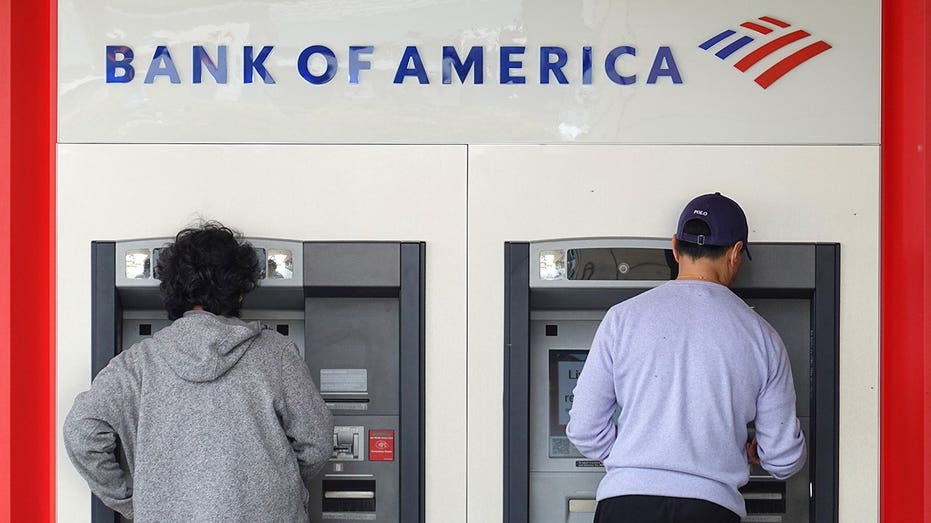
For many Americans, receiving a text message with a special code is the standard for securing online bank accounts. This “something extra” beyond a password provides a sense of safety, but is it truly enough to deter sophisticated digital criminals? The reality, as highlighted by a recent report from the News Desk, suggests that while better than nothing, bank security codes delivered via SMS are increasingly susceptible to modern scams, leaving individuals vulnerable.
The convenience of receiving a code directly to your phone has made SMS-based two-factor authentication (2FA) a widespread practice. However, this method, while a significant improvement over password-only access, is not without its critical weaknesses. Scammers have developed advanced techniques to bypass these safeguards, often targeting the phone number itself. One prevalent threat is the SIM swap scam, where criminals trick mobile carriers into transferring a victim’s phone number to a new SIM card under their control. Once they control your number, they can intercept any text message codes intended for your bank accounts, effectively granting them access. This highlights a fundamental flaw: the security of your bank account becomes tied to the security of your mobile phone number, a vector often outside the direct control of your bank.
For robust digital defense, a more secure form of multi-factor authentication (MFA) is essential. Rather than relying on easily intercepted text messages or emails, stronger MFA options utilize more secure channels or physical tokens. These methods add layers of protection that are significantly harder for cybercriminals to compromise.
Consider these superior alternatives:
“While text message codes offer a basic layer of protection, true digital security in today’s environment demands more robust multi-factor authentication methods.”
The responsibility for safeguarding personal finances in the digital age rests not only with financial institutions but also with the individual. Proactive steps are vital. It is prudent to inquire with your bank about the strongest two-factor authentication options available for your accounts. Many institutions offer these advanced security features, but users must actively enable them. Regularly reviewing your bank’s security settings and being vigilant against phishing attempts are also critical components of a comprehensive digital defense strategy. By upgrading from basic SMS codes to more sophisticated MFA solutions, individuals can significantly enhance their protection against financial fraud and uphold the integrity of their digital presence.
In a world increasingly reliant on digital transactions, the integrity of our financial systems depends on strong security protocols. Moving beyond the convenience of basic text message codes towards more resilient multi-factor authentication is not merely an upgrade; it is a necessity for maintaining personal and financial order. As technology advances, so too must our approach to securing what is most valuable.

The strategic landscape of the Red Sea is poised for a significant shift as the unrecognized but stable state of Somaliland emerges as a potential bulwark against Iranian and Houthi aggression. Reports indicate that the United States is actively exploring military access to Somaliland’s deep-water port and airbase facilities, a move that could decisively alter maritime security dynamics in the critical waterway. This development underscores Somaliland’s growing importance in international efforts to safeguard global trade routes from persistent threats.
As the U.S. reportedly explores military access to Somaliland’s deep-water port and airbase facilities, the move is seen as a significant deterrent to Tehran’s regional ambitions and its proxy’s attacks on global maritime trade routes.
Somaliland, a self-declared independent state in the Horn of Africa, boasts a strategic coastline overlooking the Bab-el-Mandeb Strait, a choke point for global shipping. Its port facilities, particularly the deep-water port of Berbera, offer an attractive proposition for Western powers seeking to establish a more robust presence in the region. Senator Ted Cruz has been a vocal advocate for recognizing Somaliland, highlighting its potential as a pro-Western partner. Such a strategic foothold would provide an invaluable operational base to monitor and respond to illicit activities and hostile actions in the Red Sea.
The primary motivation behind this potential engagement is to directly counter Iran’s aggressive strategy of using its Houthi proxy in Yemen to disrupt Red Sea shipping. For months, the Houthi terror group has launched drone and missile attacks against commercial vessels, severely impacting global supply chains and increasing shipping costs. The Red Sea, particularly the Bab-el-Mandeb, has become a crucial transit point for oil heading from the Middle East to Asia since the effective closure of the Strait of Hormuz. A Western presence in Somaliland could significantly blunt Iran’s leverage over these vital maritime lanes.
“Iran’s regime is deeply threatened by Somaliland as a pro-Western foothold, potentially blunting Tehran’s Red Sea leverage.”
Lisa Daftari, a respected Middle East and foreign policy expert and editor-in-chief of The Foreign Desk, conveyed to Fox News Digital that “Iran’s regime is deeply threatened by what Somaliland represents in an emerging pro‑Western, potentially pro‑Israel foothold overlooking the Bab el‑Mandeb, that could blunt Tehran’s leverage via the Houthis over Red Sea shipping and Israel.” This expert assessment highlights the profound strategic implications of Somaliland’s role.
The prospect of a Western military presence in Somaliland has already elicited strong reactions. Iran-backed Houthis have reportedly threatened to strike any Israeli or Western military presence in the breakaway state, further escalating tensions. They have also warned of potential actions to choke the Bab-el-Mandeb if the conflict with the U.S. and Israel intensifies.
Despite these threats, the White House maintains that Iran’s proxies, including the Houthis, have been weakened. Anna Kelly, special assistant to the President and White House principal deputy press secretary, indicated that the U.S. Military had achieved its goals in Operation Epic Fury, weakening Iran’s proxies and placing President Trump in a stronger negotiating position. The potential move into Somaliland aligns with a broader strategy to contain Iran’s influence and restore order to vital international waters.
The unfolding situation in the Red Sea underscores the delicate balance of power in a region critical to global commerce. Somaliland’s potential emergence as a key strategic partner for the West offers a promising avenue to reinforce maritime security and push back against destabilizing forces. As diplomatic and military discussions continue, the world watches to see how this development will reshape the geopolitical landscape of the Horn of Africa and the broader Middle East. Ensuring the free flow of trade and deterring extremist aggression remains a paramount concern for international stability.
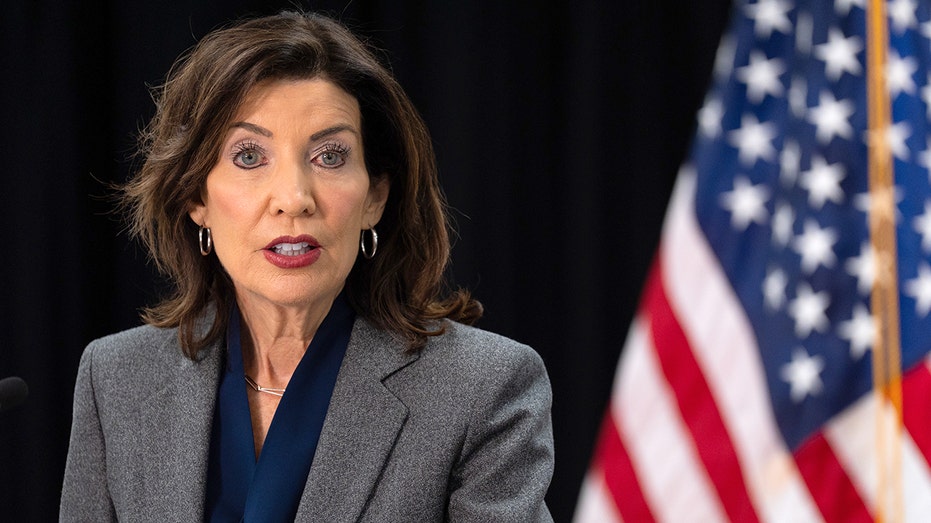
A brewing conflict between New York’s state executive branch and local law enforcement is escalating as Governor Kathy Hochul moves to ban crucial 287(g) immigration cooperation agreements. Sheriffs and county executives across the state are threatening legal action, asserting that the proposed policies will compromise public safety and impede their ability to enforce federal law.
The controversy centers on Governor Hochul’s intention to include several sanctuary policies within New York’s upcoming 2027 fiscal budget. These measures would prohibit 287(g) agreements, restrict federal Immigration and Customs Enforcement (ICE) access to sensitive locations like schools and hospitals, and limit informal cooperation between local agencies and ICE.
At the heart of the contention are 287(g) agreements, which empower local and state law enforcement officers to perform specific immigration enforcement duties under federal supervision. Proponents argue these partnerships are vital tools for identifying and safely removing criminal illegal immigrants from communities, thereby enhancing public safety.
Currently, New York has 14 active 287(g) agreements across nine counties. These partnerships allow local officers to act as an extension of ICE, particularly in correctional facilities, to identify individuals who have committed crimes and are also in the country illegally. Madison County Sheriff Todd Hood, whose county signed a 287(g) agreement last July, is among the vocal opponents of the governor’s proposed ban.
The backlash against Governor Hochul’s proposals is widespread among the state’s law enforcement community. Nassau County Executive Bruce Blakeman, a Republican, confirmed he has been in discussions with numerous sheriffs statewide about initiating a lawsuit to block the ban.
“Kathy Hochul can make my day, because as far as I’m concerned, we’re enforcing federal law in Nassau County, and a lot of the sheriffs throughout the state feel the same way. They’re mad as hell.”
Sheriff Hood echoed these sentiments in an interview with Fox News Digital, noting that nearly all his counterparts across New York disagree with the governor’s stance. The unified opposition underscores a significant institutional power struggle over the future of immigration enforcement within the state.
Critics of Governor Hochul’s plan argue that dismantling 287(g) agreements would effectively create a less secure environment by hindering the removal of individuals who pose a threat to communities. They contend that restricting cooperation with federal immigration authorities undermines the rule of law and places an undue burden on local resources.
The proposed sanctuary policies are seen by many conservative commentators and law enforcement officials as an overreach of state executive power, infringing upon local agencies’ discretion to partner with federal counterparts for public safety. The impending legal challenge will likely frame the debate around federal supremacy in immigration matters versus state-level autonomy in policy-making.
As the 2027 fiscal budget negotiations approach, the confrontation between Governor Hochul and New York’s law enforcement community is set to intensify. The threat of legal action signals a firm commitment from sheriffs and county executives to defend what they view as essential tools for maintaining order and public safety. The outcome of this institutional clash will have significant implications for immigration enforcement, local governance, and the balance of power within the state.


