
TRENDING NEWS





Truth Over Trends, always!
The recent release of three new albums by Drake has not only flooded the charts but also ignited conversations about the future of music industry milestones and the artists capable of reaching such heights.
Music sensation Drake has once again rewritten the record books, demonstrating an unprecedented level of chart dominance that has left industry observers pondering the limits of artistic achievement. With the simultaneous release of three new albums, the acclaimed artist has not only captivated his massive fanbase but also set new benchmarks for success in the highly competitive music landscape, fueling an important discussion on the future of Drake’s chart records.
On May 15, Drake unleashed a trio of new albums—ICEMAN, HABIBTI, and MAID OF HONOUR—a strategic move that immediately sent shockwaves through the industry. This bold release strategy resulted in an extraordinary outcome: all three albums debuted in the top three slots on the prestigious Billboard 200 albums chart. Such a feat is virtually unheard of, underscoring Drake’s unparalleled influence and the sheer scale of his audience’s engagement.
Beyond the album charts, Drake’s impact on the Billboard Hot 100 was equally staggering. He landed an astonishing 42 new songs on the tally, pushing his total career entries past the 400 mark. This makes him the first artist ever to achieve such a monumental milestone, firmly cementing his status as a titan of contemporary music. This level of output and concurrent chart success is a testament to both his prolific creativity and his strategic understanding of the modern music ecosystem.
Drake’s latest achievements have naturally sparked widespread discussion among music professionals and fans alike. On the new Billboard Pop Shop Podcast, industry experts are considering just how unprecedented Drake’s chart statistics truly are, and whether any other musicians possess the unique combination of artistic prowess, commercial appeal, and strategic insight to replicate or even surpass these numbers.
The question of who could possibly challenge Drake’s new records is a compelling one. Several prominent artists come to mind, each with their own unique strengths:
These discussions highlight a pivotal moment in the music industry, where artist strategy, platform reach, and audience behavior converge to redefine what is possible on the charts. Drake’s masterclass in album release and promotion serves as a powerful case study for artists and labels navigating the complexities of the digital age.
Drake’s recent chart performance isn’t merely impressive; it sets a new, almost insurmountable benchmark for artistic productivity and audience engagement in the digital age.
The implications of Drake’s record-setting run extend beyond mere numbers. They reflect a significant shift in how music is consumed and how artists can leverage their influence to create cultural moments. His sustained success underscores the importance of consistent output, strategic release timing, and a deep connection with a global audience. As the industry continues to evolve, Drake’s monumental achievement will undoubtedly serve as a touchstone, inspiring new strategies and challenging the very definition of musical stardom.

The digital age brings both unparalleled convenience and legitimate concerns about personal privacy. A common apprehension revolves around whether our beloved Apple devices, particularly iPhones, are silently “spying” on us. While the idea of a device secretly recording every conversation is largely unfounded, it is a fair question to ask how these powerful tools interact with our personal information. Understanding the mechanisms of Apple device privacy is key to navigating our increasingly connected world with confidence and control.
A frequent source of unease stems from Siri, Apple’s virtual assistant. Many users report instances where ads appear after an unprompted verbal mention of a product or topic, fueling suspicion. It’s important to clarify that your Apple device is not secretly recording full conversations. Instead, it is continuously listening locally for the specific “wake phrase” – “Hey Siri.” Once this trigger is detected, the device begins processing your request.
While much of Siri’s processing now occurs directly on your device, some requests may still be sent to Apple’s servers for completion. Accidental activations can happen, leading to short audio snippets being processed unintentionally. This operational model, as detailed in reports like those from News Desk, emphasizes targeted listening rather than comprehensive surveillance, a distinction vital for informed users.
Apple has positioned itself as a champion of user privacy, often contrasting its policies with those of other tech giants. Generally, this commitment holds true. However, depending on your chosen settings, Apple does gather certain types of data. The company states that much of this information is anonymized, meaning it is not directly linked to your personal identity. Nevertheless, this data exists and contributes to the broader digital footprint we all leave.
Examples of data that might be collected, depending on settings, include diagnostics, usage patterns, and interaction data to improve services. While Apple strives to de-identify this information, users should remain aware that some level of data transmission is inherent in the use of these sophisticated devices.
Most privacy exposure does not come from Apple itself. It comes from the apps you install.
While scrutinizing Apple’s practices is valid, the most significant privacy risks often originate elsewhere: the third-party applications we download. These apps frequently request extensive access to various functions and data on your iPhone, including your location, contacts, photos, microphone, and camera. Granting these permissions without careful consideration can expose sensitive personal information to entities with less stringent privacy standards than Apple.
This is where proactive vigilance becomes paramount. Every permission request from an app should be evaluated critically. Users have the power to review and revoke these permissions at any time through their device settings, offering a crucial layer of self-protection against unwarranted data harvesting.
Taking control of your iPhone privacy settings is a straightforward yet powerful step toward enhancing your digital security. Here are key areas to review:
By actively managing these settings, users can significantly reduce their digital footprint and assert greater control over their personal data. It is a testament to individual responsibility in maintaining digital order and safeguarding personal information in an increasingly complex technological landscape.

Iconic rock band U2 has announced a significant addition to its management team, welcoming Sulinna Ong as a new partner. Ong, known for her influential tenure as the global head of editorial at Spotify, will now work closely with Full Stop’s Irving and Jeffrey Azoff to steer the band’s strategic direction.
This appointment underscores U2’s commitment to staying at the forefront of the music industry, leveraging Ong’s extensive experience in digital music and artist development. Her role, newly created, will focus specifically on creative and innovation initiatives, reporting directly to the band members: Bono, The Edge, Adam Clayton, and Larry Mullen Jr.
The decision to bring Ong aboard reflects U2’s proactive approach to navigating the complexities of modern music consumption and fan engagement. The band expressed strong confidence in her capabilities, stating, “What’s struck us about Sulinna is the flair, finesse and clarity she brings to both the art and the audience.” This sentiment highlights a desire to merge artistic integrity with sophisticated audience understanding.
U2 further emphasized Ong’s grasp of their legacy and future aspirations, noting, “She understands what we’ve built and where we want to take it.” This suggests that Ong’s role will be pivotal in shaping the band’s evolution, ensuring their enduring relevance in a rapidly changing cultural environment. The move aligns with a broader industry trend where established artists seek robust digital expertise to enhance their global presence and connect with diverse audiences.
Sulinna Ong’s career trajectory positions her uniquely for this role. Before her significant impact at Spotify, she accumulated diverse experience across various facets of the music industry, including record labels, artist management, live events, and technology. This comprehensive background is expected to bring a holistic perspective to U2’s management strategy.
Irving Azoff, a titan in artist management, lauded the band’s choice, remarking, “The band made the right call. Sulinna is one of the best executives in music, with a career built on judgement, taste and an instinct for where culture is now and where it’s going.” His endorsement further solidifies the strategic importance of Ong’s appointment. Her ability to anticipate cultural shifts and translate them into actionable strategies will be crucial for U2’s continued success and innovation.
“What’s struck us about Sulinna is the flair, finesse and clarity she brings to both the art and the audience. She understands what we’ve built and where we want to take it.” – U2 on Sulinna Ong’s appointment.
Ong’s professional achievements have not gone unnoticed within the industry. According to a report in Billboard, she has been consistently recognized on the publication’s prestigious Women in Music list for four consecutive years, from 2023 through 2026. This consistent recognition underscores her influence and leadership in the music sector.
Reflecting on her transition, Ong expressed immense respect for her time at Spotify but acknowledged the unparalleled opportunity with U2. She stated, “U2 are one of the most important bands in the world, artistically and culturally, and have used their platform with purpose across every chapter of their career.” This perspective aligns perfectly with Matox News’s editorial line, which values pro-institutions and cultural impact.
Her enthusiasm for the new role is palpable, highlighting the chance to collaborate with U2 and seasoned managers like Irving and Jeffrey Azoff, who she credits with shaping modern artist management. Ong concluded by hinting at “ambitious plans,” suggesting a dynamic future for the band under this revitalized management structure.
This high-profile hire signals a forward-thinking approach from U2, ensuring their legacy continues to evolve and resonate with new generations through innovative strategies and a deep understanding of the digital landscape. It represents a significant step in how established acts integrate cutting-edge industry expertise for sustained cultural impact.

The unsettling feeling of a hyper-specific advertisement appearing after an unrecorded conversation is a common modern experience. It raises a significant question for many: are your Apple devices spying on you? While the short answer is no, they aren’t secretly recording your every word, understanding how they listen and what data they collect is essential for informed digital citizenship. This article, drawing insights from a recent News Desk report, aims to demystify these interactions and empower users to take control of their privacy settings.
Apple’s virtual assistant, Siri, is at the heart of many privacy discussions. Your iPhone and other Apple devices are designed to continuously listen locally for the ‘wake phrase’ — ‘Hey Siri.’ This local processing means that the device isn’t recording full conversations. Instead, it’s primed to detect this specific trigger. Once activated, Siri begins processing your request. While much of this processing now occurs directly on your device, sometimes requests are sent to Apple’s servers. Accidental activations, however, can occur, leading to brief audio snippets being processed unintentionally. This mechanism, while generally secure, underscores the importance of being aware of how your device is configured.
Despite Apple’s strong marketing emphasis on user privacy, certain types of data are still gathered, contingent upon your specific settings. Apple asserts that much of this collected information is anonymized, meaning it isn’t directly linked to your personal identity. However, this data still exists and contributes to various analytical purposes. Understanding the categories of data Apple may collect is vital for users seeking to maximize their digital security:
While Apple maintains a generally stronger privacy posture compared to some competitors like Google and Meta Platforms, the most significant privacy exposures often stem not from Apple itself, but from the myriad of third-party applications users install. Many apps routinely request extensive access to personal data, including contacts, photos, location, and even your microphone or camera. Granting these permissions without careful consideration can open doors for unwanted data collection and potential misuse. It is imperative that users regularly review app permissions and limit access only to what is absolutely necessary for an app’s core functionality.
The short answer is no, your Apple devices are not secretly recording everything you say. But they are listening in specific ways and collecting some data.
Taking proactive steps to manage your privacy settings on your iPhone and other Apple devices is paramount. Regularly reviewing app permissions, understanding Siri’s listening protocols, and being mindful of the data you share can significantly enhance your digital security. Apple provides various tools within iOS 18.1 for users to customize their privacy preferences. By leveraging these settings, individuals can navigate the digital landscape with greater confidence and control, ensuring their personal information remains protected.
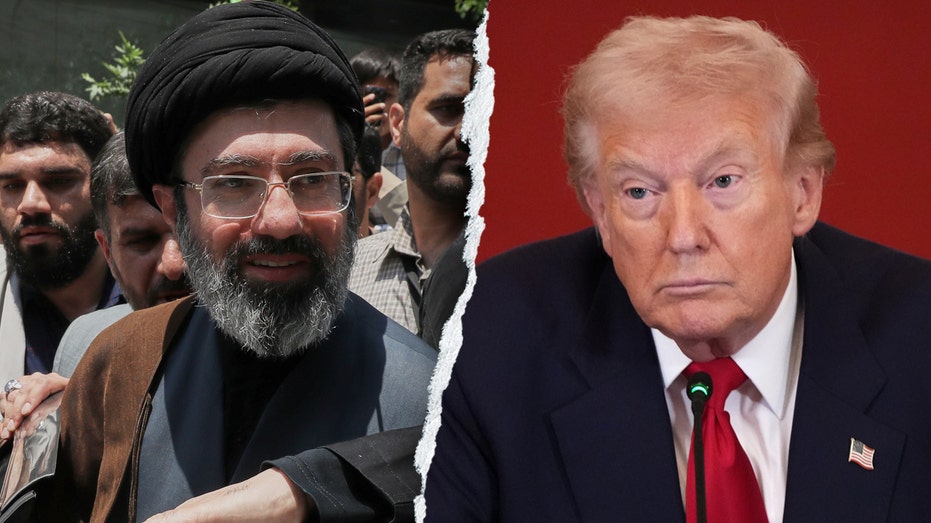
The United States finds itself in an unprecedented and complex diplomatic situation, reportedly negotiating a crucial accord with Iran’s Supreme Leader, Mojtaba Khamenei, who remains a designated target and operates entirely through a clandestine courier system. This highly unusual arrangement raises profound concerns for counterterrorism experts regarding the transparency and enforceability of any potential deal.
Reports indicate that any final agreement would require approval from Khamenei, delivered via his secretive network. This setup, described by experts as an ‘invisible counterparty,’ suggests Washington is navigating a high-stakes accord with a leader who cannot publicly show his face, fundamentally altering traditional diplomatic engagement.
Counterterrorism experts highlight the extraordinary nature of these negotiations. Dr. Omar Mohammed, a director at George Washington University’s Program on Extremism, emphasized to Fox News Digital that Khamenei’s reliance on couriers is not a temporary measure but the fundamental ‘operating system of his rule.’ This means the U.S. is not dealing with a transitional phase but a deeply entrenched system of secrecy.
The implications are far-reaching. Conventional arms control or diplomatic agreements typically rely on public accountability and direct engagement with recognized state actors. When the primary decision-maker remains hidden, the mechanisms for verification and enforcement become inherently more complex and vulnerable to opacity.
For experts like Dr. Mohammed, the fact that Khamenei is a ‘designated target’ means that every confirmed sighting of him constitutes a military coordinate. This status necessitates his continued anonymity and reliance on a robust, secretive infrastructure. The challenge for any U.S. administration is crafting a deal that can be effectively managed and enforced with a leader whose very survival depends on remaining out of public view.
This situation transforms the nature of international agreements, moving them away from standard state-to-state relations into a realm of covert diplomacy with a leader who holds immense power but operates outside conventional visibility. The stability and integrity of such an agreement are therefore inextricably linked to the continued, unseen survival of its principal signatory.
“Any deal the United States signs will have to be designed for a permanently invisible counterparty whose enforcement depends on his continued survival.”
Recent comments by Secretary of State Marco Rubio have inadvertently shed light on the operational challenges. Rubio, explaining delays in the deal, noted that it ‘takes the Iranians — takes them a little while longer to get back’ with responses. Dr. Mohammed interpreted Rubio’s statement as an on-the-record confirmation of the ‘courier latency’ inherent in negotiating with an unreachable supreme leader.
This latency is not merely a bureaucratic hurdle but a structural feature of engaging with a regime whose ultimate authority resides with an individual cloaked in secrecy. It underscores the profound difficulties in establishing trust, verifying intentions, and ensuring compliance when the counterparty is fundamentally inaccessible and operates through layers of covert communication.
The current diplomatic efforts represent a unique challenge to established international norms. Negotiating with an ‘invisible’ leader who is a designated target introduces unprecedented layers of complexity and risk, demanding careful consideration of long-term stability and enforceability for any resulting agreement.
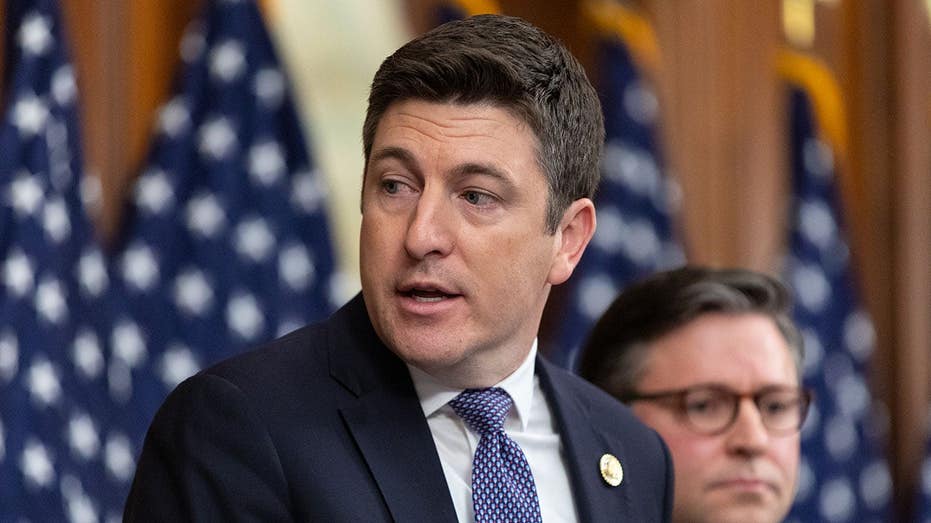
A widespread error in Maryland’s mail-in ballot distribution has triggered a formal inquiry from House Republicans, raising significant concerns about election safeguards and public confidence ahead of the state’s June 23 primary.
The integrity of Maryland’s upcoming primary election has been called into question following a substantial mail-in ballot error, leading House Republicans to launch a formal investigation. This Maryland ballot blunder, which saw hundreds of thousands of voters receive incorrect ballots, has prompted lawmakers to demand answers from the state’s election officials, underscoring the critical need for transparent and secure electoral processes. The incident has reignited debates over the reliability of large-scale mail-in voting systems and the importance of robust oversight.
House Administration Committee Chairman Bryan Steil (R-Wis.) and Vice Chair Laurel Lee (R-Fla.) have spearheaded the congressional effort, sending a detailed letter to the Maryland State Board of Elections (SBOE) on Tuesday. Their inquiry focuses on the state’s vendor error and the adequacy of existing safeguards to ensure the accuracy of mail-in ballots. The lawmakers emphasized that such errors, particularly on this scale, risk eroding trust in the democratic system, a cornerstone of our republic. Their letter scrutinizes whether Maryland possesses sufficient mechanisms to verify the accuracy of the mail-in ballots before they reach voters’ homes.
The SBOE disclosed last week that a printing vendor error resulted in an unspecified, but significant, number of Maryland residents receiving primary ballots for the wrong political party. This fundamental flaw necessitated a swift, though complex, corrective action. Officials announced they would resend replacement ballots to more than 500,000 potentially affected voters. While the state claims proactive measures are in place to ensure only one vote is ultimately counted per individual – by voiding the initial batch of incorrect ballots – the logistical challenge and potential for widespread confusion among voters are considerable. This massive undertaking adds layers of complexity to an already critical election cycle.
The Republican lawmakers articulated profound concerns regarding the incident’s broader implications for voter trust. In their letter, signed also by Representatives Morgan Griffith (R-Va.), Greg Murphy (R-N.C.), Stephanie Bice (R-Okla.), Mike Carey (R-Ohio), and Mary Miller (R-Ill.), they stated:
“Distributing over half a million additional replacement ballots risks creating immense logistical strain and potentially undermines public confidence in the nation’s elections.”
This sentiment reflects a widespread concern that electoral errors, even if unintentional, can sow doubt among the populace regarding the fairness and accuracy of voting. Maintaining public confidence in electoral outcomes is paramount for a stable democracy. The state’s administrator of elections, Jared DeMarinis, has defended Maryland’s response and its mail-in voting practices, asserting they are “an integral facet of the election” and that the state is taking necessary precautions. However, the GOP probe seeks greater transparency and accountability to ensure that such assurances are thoroughly substantiated.
The House Administration Committee Republicans have pressed the Maryland SBOE for detailed answers by June 9. Their comprehensive questions aim to ascertain:
These demands underscore a commitment to election integrity and the principle that all electoral processes must be beyond reproach to maintain the public’s faith.
As the June 23 primary approaches, the focus remains squarely on ensuring that every eligible vote is accurately cast and counted. This incident highlights the inherent vulnerabilities within election systems, particularly those relying heavily on mail-in ballots, and the imperative for robust oversight. This congressional inquiry, as first reported by Fox News Digital, serves as a crucial mechanism for accountability, seeking to uphold the foundational principles of electoral integrity and restore any shaken public confidence in Maryland’s voting procedures. Maintaining faith in our institutions requires vigilant attention to detail and an unwavering commitment to accuracy in every aspect of our democratic process.

Four years into Russia’s ongoing war against Ukraine, the western city of Lviv has become a poignant symbol of national endurance. Far from the eastern front lines, this city of roughly one million people grapples with the impossible task of living normally amidst the constant threat of death and destruction. Lviv’s resilience is evident in its daily routines, which are frequently interrupted by the solemn passage of military funeral convoys and the piercing wail of air raid sirens.
Life in Lviv moves in a delicate balance between moments of beauty and profound grief. The city center, beneath the towering clock of city hall, often falls silent at 11:30 a.m. as residents pause to honor fallen soldiers. These funeral processions, sometimes occurring multiple times a day, serve as stark reminders that the war, though geographically distant, is ever-present. Russian drones and missiles continue to strike the region, forcing citizens to seek shelter and disrupting everyday activities from coffee dates to children’s soccer games.
The collective spirit, however, remains resolute. Despite these interruptions, Lviv residents continue to pursue their livelihoods, attend cultural events, and foster a sense of community. This determination to maintain the fabric of society, even under duress, underscores a powerful message to aggressors.
Leading Lviv for nearly two decades, Mayor Andriy Sadovyi stands as a central figure in the city’s unwavering resolve. In an interview with Fox News Digital, Mayor Sadovyi revealed the profound cost of the conflict, stating, “We lost approximately 2,000 citizens of Lviv.” He emphasized that this is “a very huge price which we pay to our independence, to our democracy.”
Under his leadership, Lviv has not only endured but has also actively sought to support those affected by the war. The city has established critical rehabilitation centers, providing essential care for injured soldiers and civilians. This proactive approach reflects a commitment to both immediate needs and long-term recovery, reinforcing the city’s institutional strength and dedication to its people.
“We lost approximately 2,000 citizens of Lviv. It is a very huge price which we pay to our independence, to our democracy.” – Mayor Andriy Sadovyi
Lviv’s efforts to master the art of living normally during wartime are not merely about survival; they are a profound act of defiance. The city has become a hub for displaced Ukrainians, offering refuge and a semblance of stability away from the front lines. This commitment to communal support and continuity of life exemplifies the broader Ukrainian spirit.
The city’s resilience is manifested in various ways:
This steadfastness ensures that while the war casts a long shadow, it does not extinguish the vibrant life and hope within Lviv.
Lviv’s journey through war underscores a vital lesson: even in the face of immense adversity, a community united by shared values and strong leadership can refuse to be broken. The city’s determination to carry on, to build, and to heal, serves as a powerful testament to the enduring human spirit and Ukraine’s unwavering commitment to its sovereignty and democratic future.
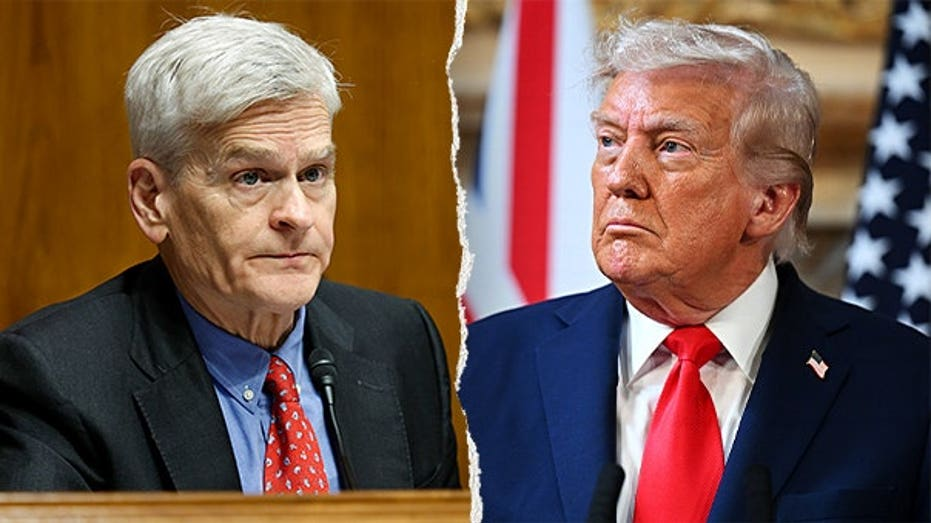
In a significant political development, Senator Bill Cassidy, a Republican from Louisiana, has openly criticized the leadership style of former President Donald Trump. This comes as Senator Cassidy faces the conclusion of his tenure in the upper chamber, having been defeated in his primary race following a Trump endorsement for his opponent. The senator’s recent remarks and policy stances suggest a growing divergence within conservative circles on the future direction of the party and national leadership.
Senator Cassidy articulated his vision for American leadership in a detailed post on social media platform X. While refraining from explicitly naming former President Trump, his commentary offered a pointed critique of contemporary political conduct. Cassidy emphasized that public office should be viewed as a responsibility, not a performance, and that the American people expect seriousness from their elected officials. His call for leaders who are steady, not erratic, and thoughtful, not impulsive, resonates with a desire for stability and predictability in governance.
The senator further stressed the importance of leaders whose words serve to lower the temperature of political discourse rather than inflame division. He underscored that actions should consistently place the long-term interests of the country above any short-term political or personal gain. This perspective aligns with traditional conservative principles of institutional integrity, order, and a measured approach to public service.
Cassidy’s recent statements are not merely rhetorical. He has demonstrated a clear break from certain policy positions associated with the former president. Notably, Senator Cassidy publicly disagreed with Trump on the issue of Iran war powers, a critical aspect of foreign policy and congressional oversight. Furthermore, he opposed the surprise nearly $2 billion “anti-weaponization” fund announced by the Department of Justice, raising concerns about fiscal responsibility and the proper allocation of government resources.
These specific policy disagreements, reported by outlets such as Fox News Digital, highlight a broader concern for institutional checks and balances. Senator Cassidy’s stance suggests a commitment to ensuring that government decisions are made through established processes and reflect careful consideration rather than impulsive directives. This is particularly relevant in ongoing debates about the role and funding of federal agencies.
“At its best, America has renewed itself through leaders who understood that public office is a responsibility, not a performance… Leaders who are steady, not erratic. Thoughtful, not impulsive.”
Senator Cassidy’s actions, even as his time in office draws to a close, carry significant implications for the Republican Party. His willingness to openly challenge the leadership style and policy preferences of a dominant figure like former President Trump indicates a potential fracturing of influence within the GOP. It suggests that a segment of the party remains committed to a more traditional, institution-focused conservative approach, even in the face of strong populist currents.
The primary race that led to Cassidy’s defeat is now headed to a runoff between Representative Julia Letlow, who received Trump’s endorsement, and Louisiana state Treasurer John Fleming. This ongoing electoral contest further underscores the complex dynamics at play within the party, where endorsements from high-profile figures can significantly impact local and state-level outcomes. Cassidy’s principled stand could embolden other moderate or traditional conservatives to voice similar concerns, fostering a more diverse internal dialogue within the Republican Party.
As Senator Cassidy concludes his service, his recent defiance offers a clear signal about the ongoing debate within conservative ranks. It emphasizes the importance of leadership that prioritizes national unity and long-term stability over short-term political expediency. The coming months will reveal whether this principled stance gains wider traction or remains an isolated act of a departing senator.

The world’s humanitarian system is facing unprecedented strain, deemed ‘no longer fit for purpose’ by leading U.S.-based researchers. A recent report published in the prestigious Lancet medical journal paints a stark picture of a global aid architecture struggling to cope with escalating crises, from the brutal civil war in Sudan to ongoing conflicts in Gaza.
Dr. Paul Spiegel, a co-author of the report and a professor at Johns Hopkins University, articulated the grim reality: “The humanitarian system is no longer fit for purpose, given the types of emergencies that we have and their magnitude.” With decades of experience in refugee camps and war zones, Dr. Spiegel underscores a period of profound global instability, stating, “We’re in a very dark time.”
From the devastating civil war in Sudan, which has forcibly displaced 12 million people and pushed millions more to the brink of famine, to the complex emergencies unfolding in Gaza, the scale of human suffering is immense. Hospitals are under attack, essential services are collapsing, and the sheer volume of need is overwhelming the existing mechanisms designed to provide relief. Experts behind the report, titled ‘Health in a World of Crises and Impunity,’ contend that while the knowledge to save lives exists, the current system consistently fails to deliver effectively.
The report highlights that bureaucratic inertia and operational slowness plague various aid agencies, contributing to the system’s inability to respond with the necessary agility and speed. This has led to critical delays and inefficiencies, costing lives and exacerbating suffering in regions already devastated by conflict and disaster.
“The humanitarian system is no longer fit for purpose, given the types of emergencies that we have and their magnitude.” — Dr. Paul Spiegel, Report Co-Author
The researchers are unequivocal in their call for a comprehensive revamping of the entire international aid system. Key institutions, including the United Nations, are specifically identified as being in need of substantial reform to enhance their responsiveness and efficacy. The report suggests that without fundamental changes, the cycle of inadequacy will continue.
Domestically, the report also references past restructuring efforts, such as the Trump Administration’s decision to consolidate aspects of the United States Agency for International Development (USAID) into the State Department amid concerns of fraud and abuse. While the report labels USAID’s closure as a “shock,” Matox News observes that such scrutiny of aid organizations underscores a broader demand for fiscal responsibility and accountability within international assistance programs. The report ultimately condemns a series of decisions, both in the U.S. and globally, as a “political and moral failure,” emphasizing the critical need for robust oversight and strategic planning in humanitarian efforts.
The findings published in the Lancet serve as a critical alarm, urging global leaders and aid organizations to confront the systemic weaknesses that undermine their ability to protect vulnerable populations. Moving forward, the focus must shift towards fostering greater efficiency, transparency, and adaptability within humanitarian operations. This includes streamlining bureaucratic processes, investing in rapid deployment capabilities, and ensuring that aid reaches those in dire need without undue delay or diversion.
Ultimately, the report’s implications are clear: a failure to undertake meaningful reforms risks perpetuating cycles of inefficiency and suffering. Rebuilding trust and effectiveness in the global humanitarian response requires a collective commitment to principled action and a willingness to adapt to the evolving complexities of a world in crisis.

Recent official pronouncements have painted a picture of a steadily improving UK economy, with positive growth figures and a deceleration in inflation. These statistics offer a degree of optimism for policymakers. However, a closer examination reveals persistent challenges that suggest the proclaimed economic recovery may not yet be genuinely felt in the pockets of ordinary families and the balance sheets of businesses across Britain.
The sentiment that economic improvements are failing to reach the populace is not new. Historically, governments have faced scrutiny for celebrating statistical upturns prematurely, often before the public experiences any real benefit. This disconnect can undermine confidence in institutions and economic management.
The phrase ‘green shoots of recovery’ has become synonymous with political optimism that often outpaces reality. In October 1991, then-Chancellor Norman Lamont famously used the term amidst a deep recession, drawing considerable ridicule as the public continued to grapple with hardship. Similar claims were made by George Osborne in 2013 following austerity measures, and by Rishi Sunak just months before the 2024 general election, suggesting a turnaround that voters ultimately did not perceive.
Today, as the current government highlights growth and easing inflation, the critical question remains: are these improvements translating into a meaningful difference for households? A recent editorial in The Guardian, for instance, underscored the importance of recovery being ‘felt in people’s pockets’ rather than merely existing in economic reports. The risk, as history shows, is that a ruling class can appear to congratulate itself prematurely, fostering public cynicism.
Beneath the surface of headline growth figures, several indicators suggest a more complex and challenging economic environment. These factors directly impact the financial well-being of families and the operational stability of businesses:
“Genuine economic recovery is measured not just in national statistics, but in the tangible improvements felt by every family and every business across the nation.”
For Britain’s economic recovery to be truly robust and politically sustainable, it must deliver real-world benefits. This requires a focus on policies that foster genuine, free-market growth, reduce unnecessary regulatory burdens on businesses, and encourage investment in productivity-enhancing technologies and skills. Supporting enterprises, both large and small, is crucial for creating well-paying jobs and ensuring a vibrant economy.
The path forward demands a commitment to fiscal prudence, a stable regulatory environment, and initiatives that directly address the challenges of living standards and labor market dynamics. Only when the ‘green shoots’ of recovery blossom into sustained prosperity for all will the nation truly turn a corner.


