
TRENDING NEWS





Truth Over Trends, always!
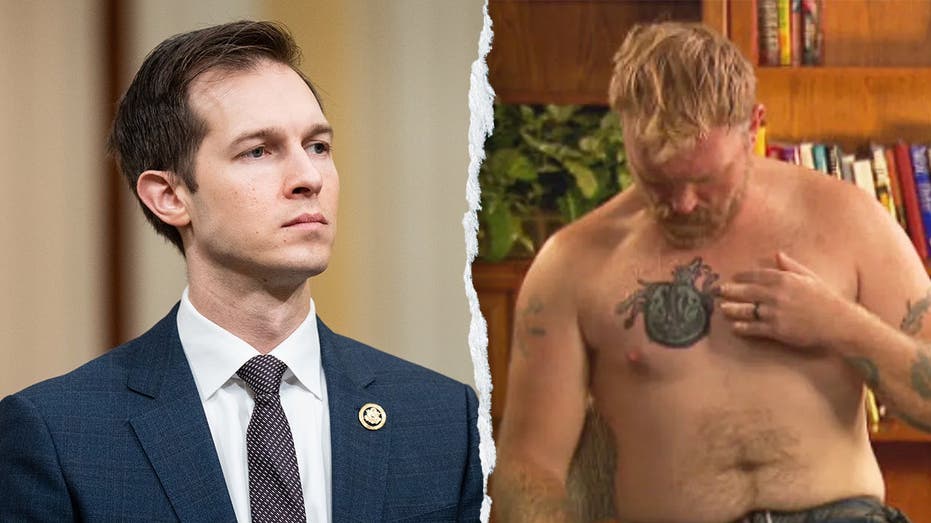
Massachusetts Representative Jake Auchincloss has delivered a significant rebuke to fellow Democrat Graham Platner, asserting that the Maine Senate candidate’s controversial Nazi-linked tattoo and associated comments render him “personally disqualifying” for public office. This outspoken criticism marks a notable break from the prevailing silence within the Democratic Party regarding its presumptive nominee for a critical battleground Senate seat, raising questions about candidate vetting and ethical standards.
Auchincloss, a Jewish lawmaker representing a Boston-area district, conveyed his strong disapproval to CNN on Monday. He stated, “I find that tattoo and his commentary about it to be personally disqualifying. I hope Maine voters agree with me.” His forthright comments underscore a growing concern among some Democrats about the electoral viability and ethical standing of candidates with such potentially divisive past associations, especially in a politically sensitive race.
Graham Platner, a former Army and Marine Corps veteran, has faced intense scrutiny for months over a chest tattoo he bore for much of his adult life. Acquired in 2007 during his stationing in Croatia, the design closely resembles a Nazi “totenkopf,” a skull-and-crossbones symbol infamously associated with the SS — the Schutzstaffel — a major paramilitary organization under Adolf Hitler and the Nazi Party. The symbol is widely recognized as a representation of Nazi ideology and its atrocities.
While Platner has repeatedly claimed ignorance of the symbol’s profound and disturbing meaning, various reports, including those highlighted by Fox News, suggest otherwise. These investigations indicate that Platner may have had prior awareness of the tattoo’s explicit historical links to Nazism, directly contradicting his public denials.
Earlier this year, Platner had the tattoo covered amidst a wave of fierce public and political backlash. This action followed not only the controversy surrounding the tattoo but also revelations about a decade’s worth of offensive statements made by Platner in old Reddit posts. The cumulative effect of these disclosures has cast a long, problematic shadow over his eligibility and suitability for federal office, challenging the notion of a fresh start for the candidate.
Representative Auchincloss stands out as one of the relatively few Democrats who have publicly challenged Platner. His commitment to this stance is not new; he was notably the first Democratic lawmaker to publicly call for Platner’s withdrawal from the race in October 2025, when the tattoo and past remarks first came to widespread attention. This consistent position highlights a willingness to prioritize principle and institutional integrity over strict party unity on issues of profound moral concern and historical sensitivity.
Auchincloss further elaborated on his concerns, suggesting it would be a strategic error for the Democratic Party to assume that Platner’s “brand” of politics, tainted by such controversy, would secure lasting majorities across the nation. This sentiment reflects a broader internal debate within the party about candidate vetting, the standards of conduct expected from those seeking high office, and the potential electoral repercussions of overlooking past extremist associations.
“I find that tattoo and his commentary about it to be personally disqualifying. I hope Maine voters agree with me.”
— Rep. Jake Auchincloss (D-Mass.)
The controversy surrounding Platner’s past presents a significant challenge for Democrats aiming to secure Maine’s battleground Senate seat. While the majority of Democratic lawmakers have refrained from publicly criticizing Platner, the outspoken dissent from prominent figures like Auchincloss could empower political opponents, complicate fundraising efforts, and make it difficult to unify the party’s base around a candidate facing such serious allegations.
For Maine voters, the task will be to carefully weigh Platner’s explanations and subsequent actions against the gravity of the symbols and statements he has been associated with. The core principles of public trust, the integrity of governmental institutions, and the character of those who seek to represent the populace remain paramount considerations in any election, particularly when symbols linked to extremism are involved.
As the campaign progresses, the question of a candidate’s suitability, particularly concerning past extremist associations and their potential impact on public service, will undoubtedly continue to shape public discourse. A discerning electorate is essential for upholding the foundational values of the democratic process and ensuring that those who govern truly reflect the nation’s highest ideals.
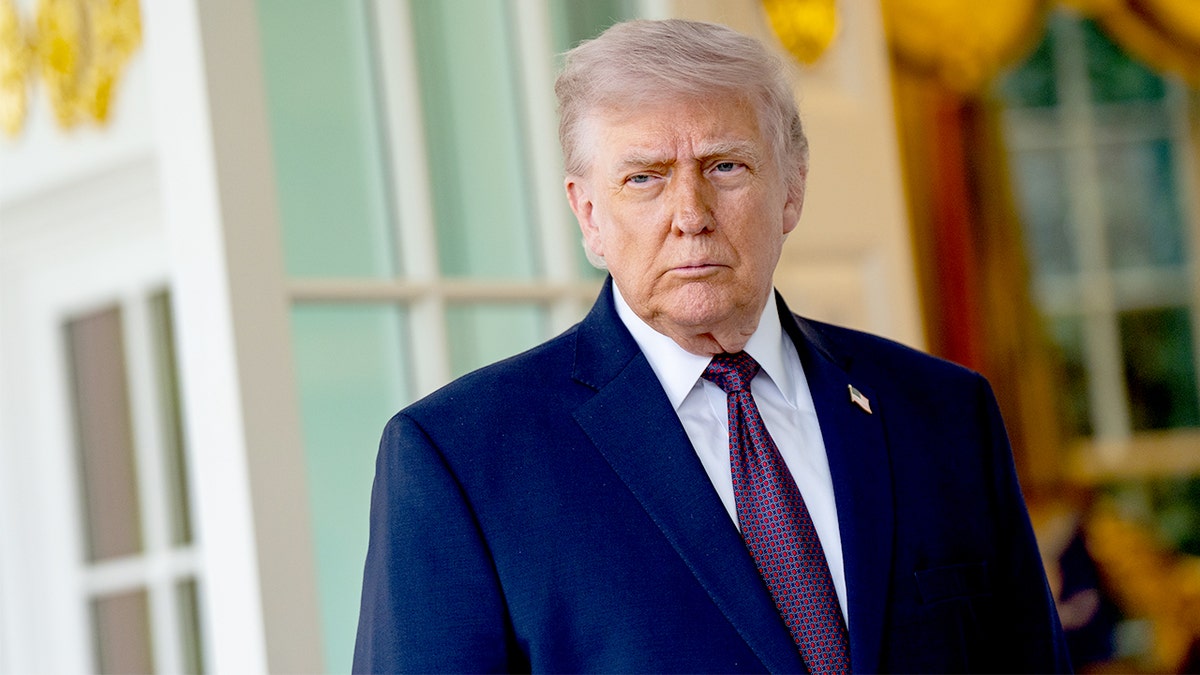
A federal appeals court delivered a significant ruling on Tuesday, blocking Alabama’s proposed congressional redistricting map. The three-judge panel found the plan to be marred by “intentional race-based discrimination,” a decision that directly impacts the state’s electoral landscape and represents a temporary setback for Republican efforts to reshape congressional districts.
The ruling mandates that Alabama must continue to operate under a previously established map, which includes two majority-Black districts where Democratic candidates typically hold significant advantages. This judicial intervention underscores the ongoing national debate surrounding electoral fairness and the critical role of the courts in upholding constitutional principles.
The federal judges were unequivocal in their assessment of the proposed map. Their written opinion stated, “Ultimately, we cannot see our way clear to requiring Alabamians to cast their votes in the 2026 elections under a districting plan tainted by intentional race-based discrimination.” This strong language highlights the court’s conviction that the state’s proposed boundaries actively sought to diminish minority voting power.
The blocked 2023 map aimed to eliminate one of Alabama’s Black-majority seats, which is currently held by a Democrat in the southeastern part of the state. Such a change would have potentially shifted an electoral seat towards Republicans, raising serious questions about the fairness and equity of the redistricting process.
Republicans in Alabama had sought to implement the 2023 congressional map following a recent U.S. Supreme Court ruling. That high court decision had aimed to curb the use of race as a predominant factor in the drawing of electoral districts, particularly in ways that historically helped minority communities increase their representation in Congress. However, the appeals court found Alabama’s application of this guidance to be discriminatory in practice.
The years-long legal battle has seen multiple twists and turns. Earlier in May, the Supreme Court had allowed the state to proceed temporarily with the 2023 map, but notably sent the case back to the U.S. District Court in Birmingham for further reconsideration. This latest appeals court ruling emerges from that reconsideration process, reinforcing the judiciary’s commitment to ensuring equitable representation.
The immediate consequence of this ruling is that the current electoral map will remain in place for the foreseeable future, directly impacting the 2026 elections. For Democrats, this decision is a welcome development. Representative Shomari Figures, D-Ala., whose seat was potentially jeopardized by the proposed changes, expressed satisfaction with the panel’s finding that the state attempted to weaken Black voting power.
As reported by News Desk, Figures noted his pleasure with the decision but acknowledged that the legal challenge is far from over. “Although we expected the Court to reach this decision given the overwhelming evidence, we fully expect the State to immediately appeal the decision to the Supreme Court,” he stated. This indicates that the battle over Alabama’s congressional map is likely to continue at the nation’s highest judicial body, extending the legal uncertainty surrounding the state’s electoral boundaries.
This federal court’s firm stance on the Alabama redistricting plan underscores the judiciary’s role in safeguarding the integrity of the electoral process and ensuring that maps are drawn without discriminatory intent. The anticipated appeal to the Supreme Court will undoubtedly bring renewed national attention to the delicate balance between state legislative authority and federal oversight in protecting voting rights.

The recent intensification of Israeli military operations in Lebanon marks a significant escalation in the ongoing regional conflict, raising serious concerns about stability in the Middle East. Following Prime Minister Benjamin Netanyahu’s firm pledge to “crush” Hezbollah, Israeli forces have launched some of their most extensive strikes in Lebanon in months, targeting numerous sites associated with the Iran-backed militant group. This surge in activity has regrettably led to civilian casualties, including children, underscoring the severe human cost of prolonged instability.
In a substantial military operation, the Israeli Defense Forces (IDF) have confirmed striking over 100 Hezbollah infrastructure sites and fighters across Lebanon. These actions, described by the Israeli military as targeting areas where “terrorist activity” was identified, represent one of the heaviest nights of bombardment since a US-brokered ceasefire was initiated in mid-April. The focus of these operations is clearly aimed at dismantling Hezbollah’s operational capabilities and deterring further aggression.
Tragically, the strikes have not been without civilian impact. According to Lebanon’s health ministry, eleven individuals, including two children, were killed in the Bekaa Valley village of Mashghara. Such losses highlight the devastating consequences of military conflict on innocent lives and underscore the urgent need for de-escalation and the protection of non-combatants, a principle central to international order.
Reporting on the latest developments, the News Desk indicated that these intensified strikes followed direct instructions from Israeli leadership to increase pressure on Hezbollah. This reflects a strategic decision to respond robustly to perceived threats emanating from Lebanese territory, a stance consistent with Israel’s long-standing security doctrines.
The recent military actions come directly on the heels of Prime Minister Benjamin Netanyahu’s unequivocal statement, where he declared his instruction to “press the pedal even harder” against Hezbollah. This robust rhetoric signals Israel’s unwavering commitment to its security objectives and its resolve to counter what it views as persistent threats from the militant group. Netanyahu’s declaration underscores a policy of assertive defense, aiming to restore deterrence and protect Israeli borders from cross-border attacks.
Such strong leadership, while intended to safeguard national interests, inevitably contributes to heightened regional tensions. The Israeli government maintains that its operations are defensive and necessary to neutralize threats posed by Hezbollah, which it designates as a terrorist organization. This perspective frames the strikes as a proportionate response to ongoing provocations and a vital measure for national security.
“Israel’s intensified operations reflect a critical moment in regional security, demanding a firm but measured response to protect its borders and citizens.”
The current escalation casts a long shadow over the fragile US-brokered ceasefire that commenced in mid-April. Intended to provide a framework for de-escalation, this agreement has been repeatedly violated by both sides, undermining efforts to establish lasting peace. The latest surge in violence threatens to completely derail the complex diplomatic negotiations involving the United States, Israel, and Iran, which aim to find a broader resolution to the protracted conflict.
The constant breaches of the ceasefire agreement illustrate the deep-seated mistrust and the intricate web of geopolitical interests at play. Key challenges to maintaining order include:
The international community remains watchful, urging all parties to exercise restraint and adhere to established agreements. The path to a stable and secure region requires not only military de-escalation but also robust diplomatic engagement and a commitment to upholding international norms. Ensuring the safety of civilians and preventing further destabilization must be the paramount concern for all actors involved.
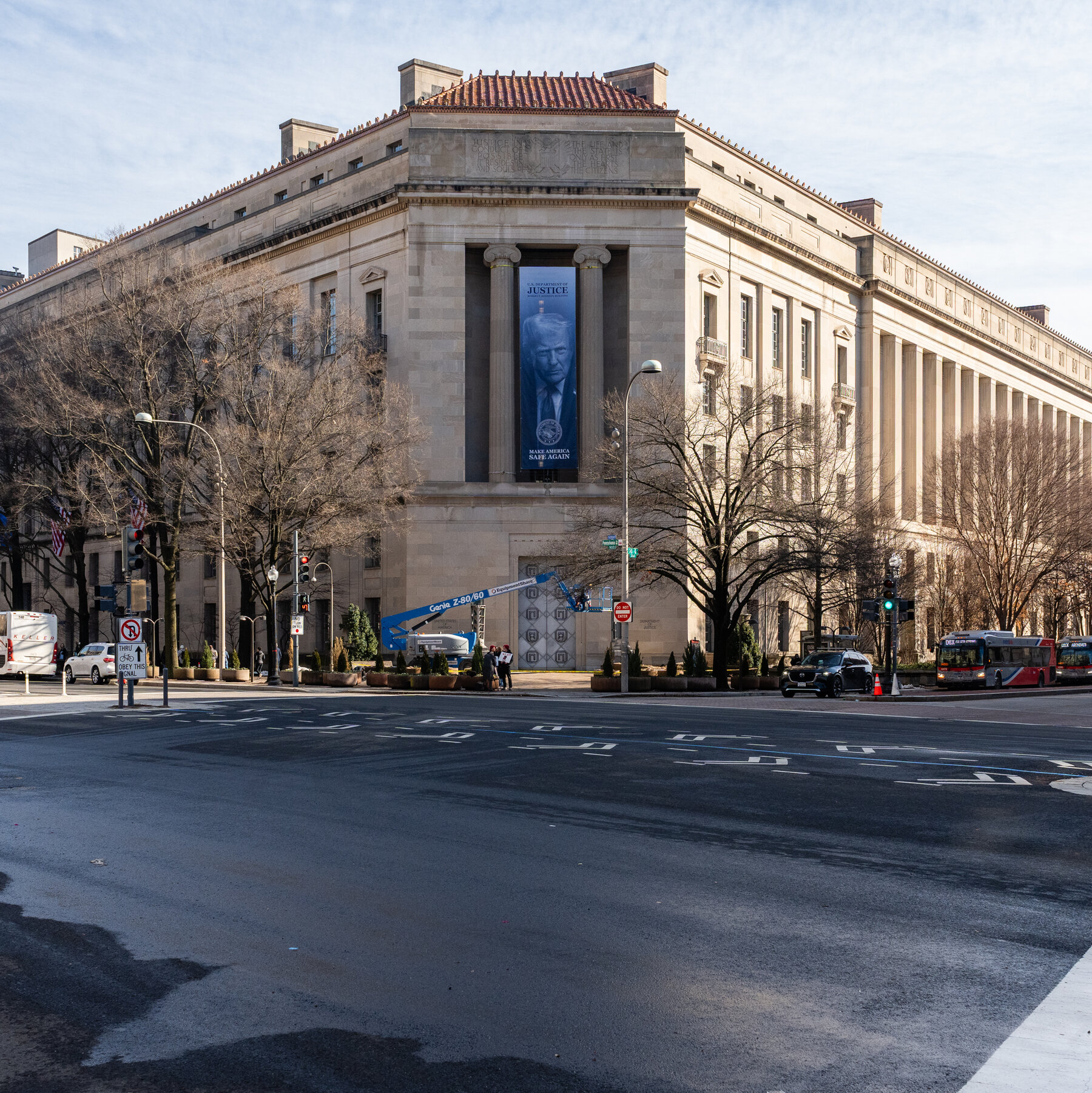
Federal prosecutors face increasing hurdles in securing grand jury indictments amidst widespread concerns that the nation’s top law enforcement agency is being used for political ends, undermining public and judicial faith.
The integrity of the American justice system is facing unprecedented strains as reports indicate a significant erosion of trust in the Justice Department. Federal prosecutors are increasingly encountering difficulties in securing indictments from grand juries, a critical component of the criminal justice process. This struggle is largely attributed to a growing perception that the Department of Justice (DOJ) has become politicized, with its enforcement actions seen by some as influenced by political considerations rather than impartial justice, thereby threatening the foundational principles of the rule of law.
A recent report from the New York Times highlights a deeply concerning trend: judges and grand juries are losing confidence in the Justice Department. This widespread loss of faith stems from observations that the president has allegedly used the department to both favor political allies and target opponents. Such actions, regardless of their ultimate verification, inflict severe damage on the public’s perception of impartiality, which is absolutely vital for any institution tasked with upholding the rule of law and maintaining social order.
The bedrock principle of American justice rests on the premise that all individuals are treated equally under the law, free from political interference or partisan agendas. When this principle appears compromised, the entire system suffers, leading to a breakdown in trust that can have far-reaching consequences. The implications extend beyond individual cases, potentially fostering a climate of cynicism that makes the work of law enforcement more challenging and justice harder to achieve.
Grand juries, often described as the “heart of the criminal justice system,” operate in secrecy, granting federal prosecutors significant power to present evidence and seek indictments. However, this immense power relies fundamentally on the grand jurors’ unwavering trust in the integrity and objectivity of the presenting prosecutors and, by extension, the Justice Department itself. When that trust is undermined by perceptions of political manipulation, the entire prosecutorial process falters, creating an environment ripe for skepticism.
The report underscores that instances of grand jury malfeasance or, more commonly, a failure to return indictments are becoming increasingly frequent. This troubling development indicates a profound challenge for prosecutors who, despite their professional diligence, may find grand jurors less willing to accept their presentations at face value. The consequences are far-reaching, potentially hindering the prosecution of legitimate criminal cases and allowing wrongdoing to go unaddressed.
“Judges and grand juries have increasingly lost faith in the Justice Department as the president uses it to reward his friends and go after his opponents.”
The proper and impartial functioning of grand juries is paramount to a healthy republic. They serve as a crucial check on prosecutorial power, ensuring that cases proceed only when sufficient probable cause exists and preventing frivolous or politically motivated prosecutions. For these institutions to operate effectively and maintain public confidence, they must be perceived as fiercely independent and unswayed by political pressures from any administration. The current environment, marked by concerns over DOJ politicization, poses a direct and serious threat to this vital balance and the very concept of ordered liberty.
Restoring public and judicial confidence in the Justice Department requires a renewed and visible commitment to its founding principles: independence, impartiality, and a steadfast dedication to the rule of law above all else. This means ensuring that enforcement decisions are made based solely on objective facts and legal merit, free from even the appearance of political influence. Upholding these rigorous standards is not merely a procedural matter; it is an absolute imperative for maintaining societal order, preserving the foundational institutions of American governance, and ensuring that justice is truly blind.
The challenges currently facing federal prosecutors and grand juries signal a critical juncture for the nation’s legal system. A truly impartial Justice Department, one that stands firm against political manipulation, is indispensable for a functioning republic. It ensures that justice is served fairly and consistently for all citizens, regardless of their political affiliations or connections, thereby reinforcing the stability and legitimacy of our governing institutions.
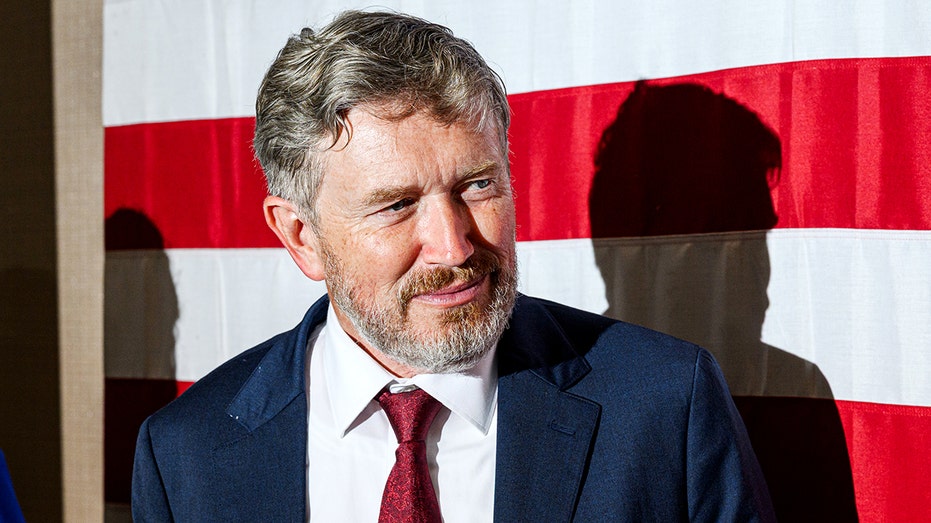
Kentucky Congressman Thomas Massie, a prominent conservative voice, is signaling a potential return to the political arena despite his recent defeat in the Republican primary for Kentucky’s 4th Congressional District. Massie, who lost to President Donald Trump-backed challenger Ed Gallrein, has taken initial steps that suggest he is keeping his options open for a future run for office.
The move comes after a hard-fought primary battle and challenges the notion that his political career might be ending. Massie’s actions underscore a determination to remain an influential figure in national conservative discourse.
Rep. Thomas Massie recently confirmed his proactive engagement with the Federal Election Commission (FEC), filing for a 2028 House race. This strategic step allows him to continue fundraising and maintain his political operations, supporting both his current position and potential future candidacies for federal office. While he has not yet committed to a specific role, the filing clearly indicates an intent to stay politically active.
This development contrasts with a statement Massie made earlier this year at a University of Louisville College Republicans event, where he suggested he would be done with government if he lost the primary. His current stance, however, reflects a renewed resolve. In a statement provided to Fox News Digital, Massie declared, “I won’t be going away silently,” asserting his commitment to remaining a vocal presence.
The primary contest saw Massie, an incumbent serving since late 2012, decisively defeated by Ed Gallrein, a former Navy SEAL. The outcome marked a significant shift in Kentucky’s political landscape, with a Trump-endorsed candidate overcoming an established conservative figure.
Following his defeat, Thomas Massie was quick to address the integrity of the election results. He explicitly stated that he does not believe his loss was due to fraudulent votes, mail-in ballots, hacking, or mistabulated results. While respecting calls for verification, he confirmed he would not be requesting a recount.
Massie also alluded to ongoing efforts to discredit his platform, mentioning an “undisclosed paid social media campaign to rewrite history and diminish the platform the Epstein class gave me when they spent tens of millions of dollars to buy the seat.” This suggests a continued battle for narrative control even after the primary.
Massie’s decision to maintain his political operations and explore future opportunities demonstrates a strong commitment to his conservative principles and public service. While the specific office he might seek remains unconfirmed, his continued presence ensures that his distinct brand of fiscal conservatism and libertarian-leaning views will remain part of the national debate.
His public statements suggest a strategic approach to navigating the post-primary period, focusing on maintaining influence and preparing for potential future campaigns. The political landscape often sees seasoned figures regrouping after electoral setbacks, and Massie appears to be following this tradition with a clear intent to return.
“I’m keeping every option open, and there’s still an undisclosed paid social media campaign to rewrite history and diminish the platform the Epstein class gave me when they spent tens of millions of dollars to buy the seat. I won’t be going away silently.”
The coming years will reveal the precise direction of Thomas Massie’s political future. His proactive steps to keep his options open and his unwavering commitment to his platform indicate that he intends to remain a significant voice within the Republican Party, advocating for the principles he holds dear. Matox News will continue to monitor developments in Kentucky politics as the next election cycles approach.
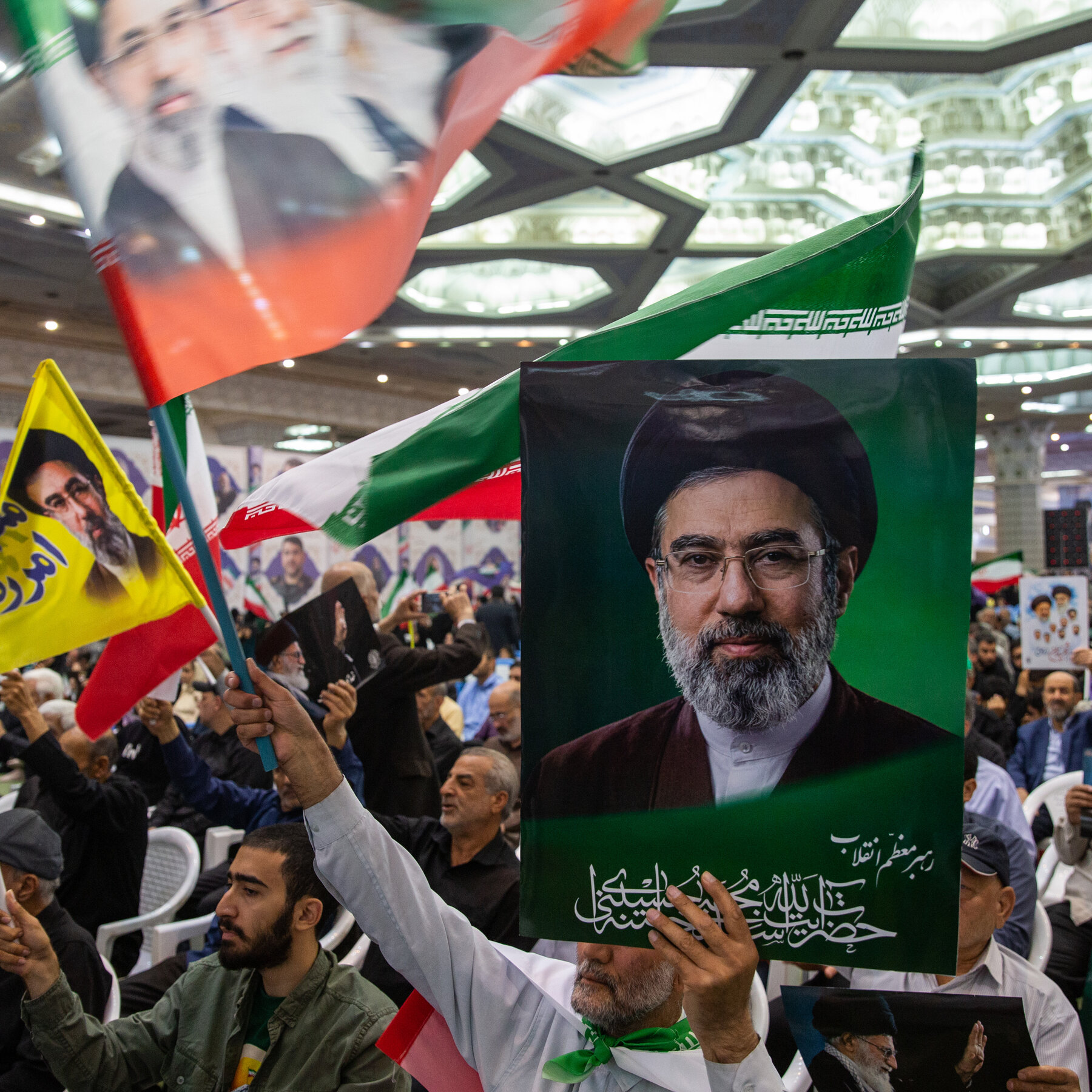
Tensions in the Middle East have reached a critical point as Iran Tensions Escalate following a direct threat of retaliation against renewed U.S. military strikes. Tehran’s warning comes just hours after American forces conducted new operations in southern Iran, an action that observers fear could severely undermine delicate diplomatic initiatives aimed at de-escalating the ongoing conflict.
The recent American military actions mark a significant shift, renewing direct engagement in southern Iran. These strikes, reported by various news agencies including dispatches noted by The New York Times, have immediately drawn a sharp response from Tehran. The timing is particularly precarious, occurring amidst what have been described as fragile diplomatic efforts to bring an end to the protracted conflict.
For months, international mediators have worked tirelessly to foster dialogue and secure a more stable regional environment. The latest U.S. operations, however, threaten to unravel these painstaking endeavors, pushing the region further to the brink of wider confrontation. Such actions risk not only the cessation of hostilities but also the broader framework of international order and stability.
Iran’s response was swift and unambiguous. Sources close to the Iranian government have indicated that Tehran views the renewed U.S. strikes as a significant provocation, warranting a robust counter-response. While specific details of the threatened retaliation remain undisclosed, the rhetoric emanating from Iran suggests a readiness to escalate if further military actions by the United States occur.
This development places global powers in a difficult position, as any retaliatory action from Iran could trigger a dangerous cycle of escalation. The international community is now closely watching, urging all parties to exercise restraint and prioritize diplomatic solutions over military confrontation. The imperative for de-escalation has never been more pressing.
“The pursuit of peace demands a commitment to de-escalation, not actions that ignite further instability.”
The Middle East is no stranger to volatility, but the current situation presents a uniquely challenging scenario for regional stability. Renewed military engagements and the prospect of direct retaliation could have far-reaching consequences, affecting:
These factors underscore the urgent need for a measured approach from all stakeholders. Maintaining the rule of law and upholding international agreements are paramount to navigating this perilous period.
As the situation unfolds, Matox News will continue to provide factual and professional coverage. The delicate balance of power in the Middle East requires careful stewardship, and the current trajectory demands immediate attention to prevent further deterioration. The path forward must prioritize dialogue and respect for sovereign borders to avert a broader regional catastrophe.
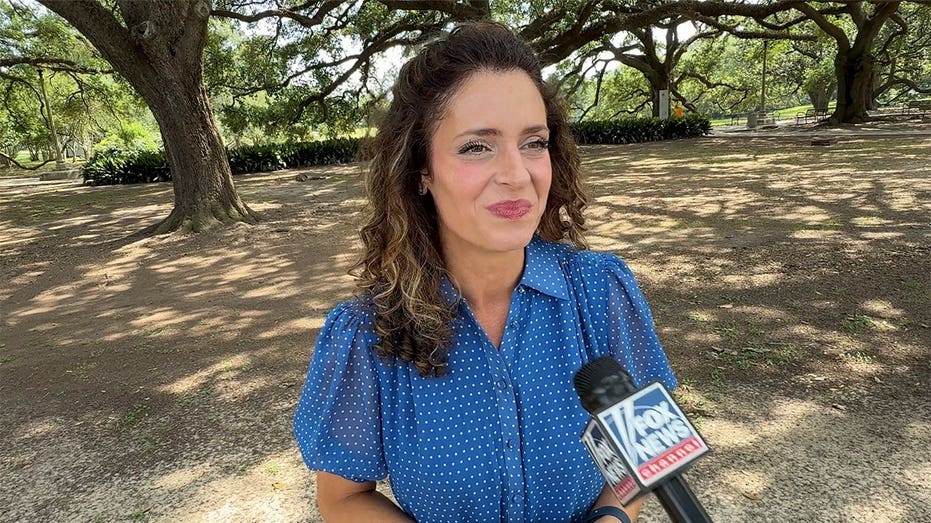
A new force is dramatically reshaping the landscape of upcoming primary elections, as a formidable AI Super PAC commits millions to bolster candidates, many of whom have received endorsements from former President Donald Trump. This significant financial injection underscores the growing influence of the technology sector in American politics, particularly within conservative circles, as the industry seeks to shape future policy.
Leading the Future, a powerful political action committee supported by prominent tech industry figures, is deploying substantial funds across critical Senate and House races, aiming to elect candidates who champion AI innovation and oppose fragmented state-level regulations. This strategic move highlights the growing intersection of technology and electoral politics.
Leading the Future, boasting a war chest exceeding $125 million raised in 2025, has announced significant spending in pivotal primary contests. The group is pledging to inject $2 million into Senate races in Louisiana, Montana, and Oklahoma, with an immediate deployment of $1.5 million. Additionally, $750,000 is earmarked for upcoming House primaries in California and Washington state.
This latest round of investment follows a series of claimed victories in previous primaries across North Carolina, Texas, Illinois, and Georgia. In those contests, the Super PAC successfully channeled funds to support candidates from both major parties who align with its vision for AI policy. The developments were first reported by Fox News Digital, highlighting the scale of this emerging political force.
The primary motivation behind Leading the Future’s substantial spending is to elect candidates who oppose what the industry terms a “patchwork of state AI regulations.” Such regulations are often viewed by tech leaders as hindering innovation and creating unnecessary compliance burdens, ultimately stifling growth in a burgeoning sector. The Super PAC seeks to foster an environment supportive of the AI industry, advocating for federal frameworks over disparate state rules.
Key donors powering this initiative include prominent figures like Greg Brockman, president of OpenAI, and his wife Anna, alongside influential venture capitalists Marc Andreessen and Ben Horowitz. Their involvement underscores a concerted effort by the tech elite to directly influence legislative outcomes that impact their industry’s future and operational freedom within a free-market economy.
The Super PAC’s support is proving particularly impactful in races involving candidates backed by former President Trump. In Louisiana, for instance, Leading the Future is actively supporting Republican Rep. Julia Letlow in her runoff election for the GOP Senate nomination. Letlow, who has secured Trump’s endorsement, is considered a frontrunner in the race to succeed Senator Bill Cassidy. This backing comes after Cassidy’s unexpected third-place finish in the primary, a result that saw him ousted despite holding the incumbent seat.
The confluence of Trump’s powerful endorsements and robust financial support from a major Super PAC creates a formidable electoral advantage, shaping the direction of the Republican Party and potentially influencing the balance of power in Washington. This strategic alignment reflects a broader effort to consolidate support behind candidates who champion both conservative values and technological advancement.
The substantial financial backing from Leading the Future signals a new era of tech industry engagement, directly influencing the direction of critical primary contests.
As the 2026 midterms heat up, the strategic deployment of funds by AI Super PACs marks a significant evolution in campaign finance and political influence. The outcomes of these heavily contested primaries will not only determine who represents states in Congress but also set the stage for crucial debates on technology policy, economic innovation, and the future regulatory landscape. This dynamic interplay between emerging technology and established political institutions promises to be a defining characteristic of the current election cycle.

London financial markets are experiencing a significant rally, with UK government borrowing costs falling to their lowest levels in over a month. This optimistic turn is primarily driven by cautious hopes that ongoing diplomatic efforts between the United States and Iran might lead to a de-escalation of tensions and a more stable global energy outlook.
Bond prices have surged in early trading, consequently pushing down the yield – or interest rate – on government debt. This development offers a welcome respite for the Exchequer and taxpayers, following a period where rising oil prices had fueled widespread inflation expectations, exerting upward pressure on global yields.
The recent market movements underscore the profound impact of geopolitical developments on economic stability. Investors are closely monitoring reports of talks between US and Iranian negotiators in Qatar, despite concurrent reports of US strikes on Iranian missile sites. The prospect of these discussions leading to a reopening or greater security in the Strait of Hormuz, a critical choke point for global oil shipments, is a key factor influencing sentiment.
Global markets have been highly sensitive to Middle East tensions, which have consistently threatened energy supplies and pushed crude oil prices higher. Any sign of diplomatic progress, even amidst ongoing challenges, is seen as a potential pathway to alleviating this pressure, benefiting energy-importing nations like the UK.
For months, the specter of elevated oil prices has contributed significantly to global inflationary trends, impacting household budgets and business operating costs. A more stable energy market, facilitated by de-escalation, could help temper these price increases. However, the path ahead remains uncertain.
According to recent reports, including analysis from The Guardian’s business live coverage, UK consumers are still likely to face higher prices for many months to come, irrespective of short-term market rallies. This highlights the deep-seated nature of current inflationary challenges, which extend beyond immediate energy costs to broader supply chain and demand dynamics.
“The easing of borrowing costs, while welcome, underscores the delicate balance between international diplomacy and domestic economic stability. A sustained reduction in global tensions is crucial for long-term fiscal health.”
Amidst these global currents, domestic economic discussions continue. Shadow Chancellor Rachel Reeves recently urged ministers to prioritize ‘buying British’ in four key industries, signaling a push for greater national economic resilience and support for local businesses. Such policy suggestions aim to reinforce the UK’s economic foundations against external shocks.
While the FTSE 100 has seen a jump, reflecting broader market optimism, the overall economic landscape remains complex. Investors and policymakers will continue to weigh the potential for a diplomatic breakthrough against persistent inflationary pressures and the need for prudent fiscal management.
The current reduction in government borrowing costs provides a moment of encouragement, suggesting that markets are responsive to efforts aimed at global stability. However, the enduring challenges of inflation and geopolitical uncertainty mean that vigilance and adaptive policy will remain paramount for maintaining economic order and prosperity.
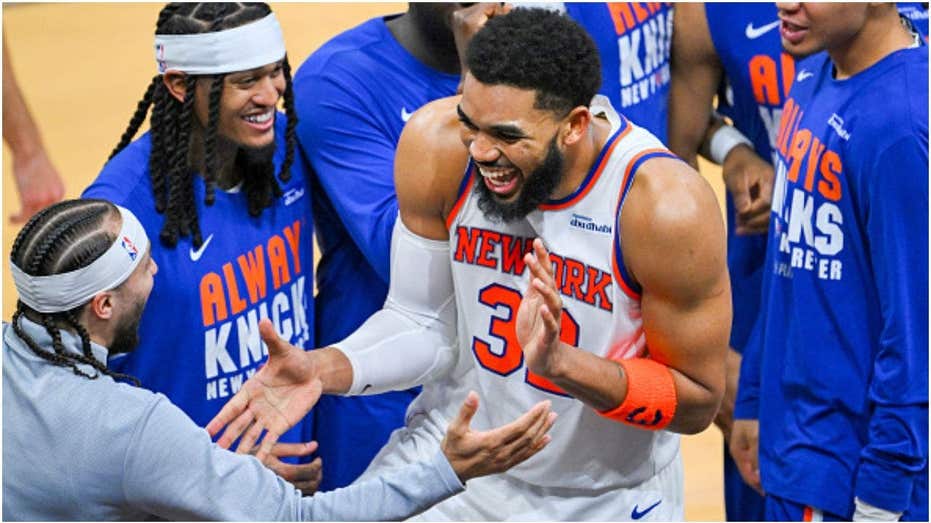
The New York Knicks have emphatically punched their ticket to the NBA Finals, completing a stunning four-game sweep of the Cleveland Cavaliers. With a decisive 130-93 victory in Game 4, the Knicks will now compete for the championship for the first time since 1999, igniting a fervent celebration among their dedicated fanbase.
This historic achievement marks the culmination of a dominant playoff run for the New York franchise, which showcased unwavering resolve and superior execution throughout the series against a formidable Cavaliers squad. The victory in Cleveland was a testament to their relentless effort and strategic prowess.
Game 4 was a display of sheer force from the opening whistle. The Knicks quickly established a double-digit lead and never relinquished control, systematically dismantling the Cavaliers’ challenge. New York’s offensive efficiency was remarkable, sinking 19 of 43 three-point attempts, while their relentless effort on the boards ensured a significant advantage in the rebounding battle.
The Cavaliers, who entered the series with high expectations and were widely considered one of the East’s most complete teams, struggled to find an answer to the Knicks’ intensity. Their performance prompted sharp criticism, with some observers, including OutKick founder Clay Travis, noting a perceived lack of competitive spirit following a pivotal fourth-quarter collapse in Game 1. By the fourth quarter of Game 4, with over eight minutes remaining, Cavaliers coach Kenny Atkinson made the decision to pull his starters, effectively conceding the series and allowing the Knicks to turn the final minutes into an early celebration.
Across the entire series, the Knicks demonstrated a physical style of play that the Cavaliers simply could not match. New York’s defense was particularly stifling, consistently smothering Cleveland’s perimeter attack and limiting their star players’ impact. While Donovan Mitchell managed to score 31 points in Game 4, it proved insufficient against the Knicks’ collective strength and defensive schemes.
Key to the Knicks’ success was the steady orchestration of their offense, often guided by players like Jalen Brunson, who managed the flow without committing a single turnover in the series closer. The team’s ability to execute under pressure and maintain composure was evident in every game. Interestingly, reports from Fox News indicated that Coach Atkinson had expressed a belief that the Cavaliers had “analytically” won two of the first three games, a perspective sharply contrasted by the overwhelming physical dominance exhibited by New York on the court.
“The New York Knicks have not just won a series; they have asserted their dominance, proving that grit, disciplined play, and a unified team can overcome any challenge on the path to the NBA Finals.”
This triumphant sweep marks a monumental moment for the New York Knicks franchise and its passionate fanbase, ending a 27-year drought since their last appearance in the NBA Finals. The team’s journey has been characterized by resilience and an unwavering commitment to excellence, culminating in this deeply satisfying accomplishment.
Their impressive run included a remarkable sixth consecutive road playoff victory, a testament to their mental toughness and ability to perform under pressure in hostile environments. The city of New York is now poised to rally behind its team as they prepare for the ultimate challenge in the NBA Finals, hoping to cap this incredible season with a championship title.
The stage is now set for the Knicks to contend for basketball’s most coveted prize. Their disciplined approach and formidable team chemistry have propelled them to this point, promising an exciting and hard-fought championship series ahead.

The United States military has executed a series of defensive strikes against Iranian targets, including missile sites and boats, according to a statement from US Central Command (CENTCOM). These operations unfold at a sensitive juncture, as senior Iranian negotiators have arrived in Qatar to engage in crucial talks aimed at ending the ongoing regional conflict.
The strikes, confirmed by CENTCOM, were explicitly described as actions taken in self-defense. This development introduces a new layer of complexity to the already delicate diplomatic landscape, raising questions about the immediate future of peace negotiations.
US Central Command unequivocally stated that the recent strikes were designed “to protect our troops from threats posed by Iranian forces.” This assertion underscores the Pentagon’s commitment to safeguarding its personnel and assets in the volatile Middle East region. Captain Tim Hawkins, a spokesperson for Central Command, reiterated that the US military “continues to defend our forces while using restraint during the ongoing ceasefire” between the two nations.
The targets reportedly included various Iranian military installations and maritime assets. The precision of these operations aims to degrade capabilities deemed threatening to American interests and regional stability. This proactive defense posture aligns with the United States’ long-standing policy of deterring aggression and maintaining order in critical international waterways.
Concurrently with the military actions, senior Iranian negotiators have commenced discussions in Qatar. These talks represent a significant diplomatic push to achieve a resolution to the protracted conflict. Prior to the latest US strikes, Iranian foreign ministry spokesman Esmail Baqai had indicated that while some progress had been made, a comprehensive deal was “not imminent.”
The convergence of military engagement and high-level diplomacy highlights the intricate and often contradictory nature of international relations in the region. The international community is closely observing how these dual tracks of engagement — military deterrence and diplomatic outreach — will ultimately impact the prospects for a lasting peace.
“The US military continues to defend our forces while using restraint during the ongoing ceasefire between the two countries.” – Capt Tim Hawkins, CENTCOM Spokesperson.
The immediate impact of the US strikes on the ongoing negotiations in Qatar remains a subject of intense speculation. Iran has yet to issue an official response to the US attack, and the silence adds to the uncertainty.
Analysts suggest several potential outcomes:
Matox News understands that the US administration is navigating a complex strategy, aiming to protect its interests while leaving open avenues for de-escalation through dialogue. The coming days will be critical in determining whether the military actions serve to stabilize or further destabilize the already tense regional environment.
The United States’ actions underscore a firm commitment to protecting its forces and allies, even as diplomatic channels are pursued. The delicate interplay between military self-defense and the pursuit of peace in the Middle East continues to define the region’s complex geopolitical landscape.


