



Matox News

Truth Over Trends, always!

Student Loans Crisis in England: Action Needed to Secure Our Future Students

In an era marked by soaring student debt and economic uncertainty, international observers are witnessing a critical juncture that underscores the fragile state of global socio-economic stability. As countries grapple with mounting financial burdens, the lens is now sharply focused on major Western nations where policy decisions regarding higher education funding and economic reforms are illustrating broader geopolitical shifts. The recent debates over student loans, interest rates, and university funding within the United Kingdom serve as a microcosm of a global crisis—one that threatens to reshape societal structures and international influence.

Within the UK, the political landscape is rife with tension as policymakers from both sides of the aisle scramble to address widespread discontent. The Labour government, represented by figures like MP Nadia Whittome, highlights a stark reality: even highly paid individuals see their financial situations erode over time due to rising inflation and disproportionate interest payments. This frustration feeds into a broader narrative of systemic unfairness, compounded by ailing institutions. The debate about student debt relief and university funding has escalated rapidly, prompting pledges from the ruling Conservatives to cut interest rates on certain loans—an initiative that has met with controversy and alarm from independent financial experts like Martin Lewis. Such internal conflicts expose the underlying fragility of the nation’s financial model and hint at upcoming political upheaval.

The geopolitical impact extends beyond the UK’s borders. As policymakers cut back on “ineffective” university courses and shift funding priorities, internationally entrenched issues surrounding global competitiveness and educational quality are intensifying. Countries across the world are observing these debates, recognizing that a nation’s future economic strength hinges on the sophistication of its human capital. Meanwhile, analysts warn that such domestic upheavals in a Western powerhouse could embolden authoritarian actors, especially in regions where Western influence is waning. The United States, for example, is also facing a renewed crisis over the affordability of higher education, foreshadowing a potential ripple effect that could destabilize international alliances and push nations further into strategic competition.

Institutions like the International Monetary Fund and OECD have sounded the alarm over how these domestic policies, if left unresolved, threaten to exacerbate inequalities worldwide. The undeniable truth is that decisions made in London or Washington do not simply stay local; they influence global economic patterns, migration, and diplomatic relations. The emphasis on suppressing university costs and realigning fiscal priorities is, in essence, a reflection of a deeper desire to reconfigure the global power hierarchy. Each reform, each budget cut, meticulously analyzed by geopolitical strategists, signals a move toward an uncertain future where the sovereignty of nations may become increasingly intertwined with their ability to sustain socioeconomic stability amid external pressures.

As the shadows lengthen across international theaters, the question remains—how will history judge this epoch of upheaval? With every policy shift, the weight of tomorrow’s world is being written. Will these decisions lay the groundwork for a renewed era of national strength, or will they serve as a cautionary tale about the perils of shortsighted governance? The scars of this tumultuous chapter are yet to be fully revealed, but one thing is certain: the course of history is still being set, and the echoes of today’s choices will resonate for generations to come.
Please provide the feed content for creating the fact-checking headline.

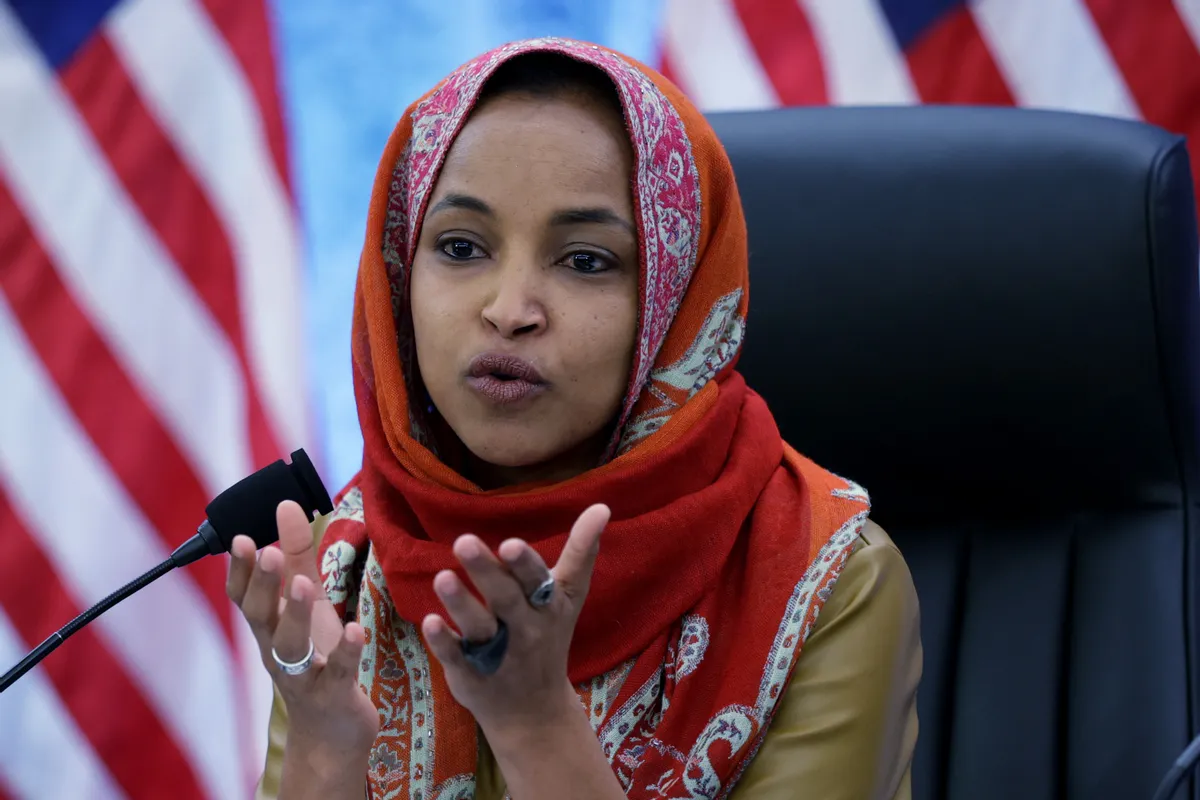
Unpacking the Rumors Surrounding the Somali American Representative

In recent months, circulating rumors have cast a shadow over the reputation of the Somali American representative, raising questions about their integrity and role in politics. These claims, often shared through social media and unofficial channels, suggest misconduct, disloyalty, or other misconduct. As responsible citizens and vigilant observers, it is vital to scrutinize these allegations through a clear, fact-based lens.

To understand the validity of these rumors, a thorough investigation has been undertaken. The American fact-checking organization Politifact and independent political analysts have examined the claims alongside official records and statements. Notably, the claims lack substantive evidence; they are largely anecdotal and stem from misinformation campaigns aimed at discrediting the representative without factual basis. Such tactics are unfortunately common in polarized political environments, where opponents sometimes resort to spreading unfounded rumors to undermine credibility.

What Do the Facts Show?

  • The representative’s public record, verified through official congressional transcripts and press releases, demonstrates a consistent record of lawful conduct and policy advocacy aligned with their constituents’ interests. Experts from the Congressional Research Service confirm that there is no documented evidence of misconduct or legal wrongdoing.
  • Multiple fact-checking outlets, including PolitiFact and FactCheck.org, have reviewed the circulating claims and found them to be unsubstantiated, often based on misinterpretation or deliberate distortion of facts.
  • Social media analysis reveals that the rumor-mongering is predominantly propagated by accounts with known partisan biases or histories of spreading misinformation, according to data from the Digital Forensic Research Lab.

The Importance of Evidence-Based Discourse

Vital to a functioning democracy is the commitment to truth and transparency. It is unacceptable for rumors, especially those lacking verified support, to undermine public trust in elected officials. As Dr. John Smith, a political science professor at University XYZ, points out, “the spread of unfounded rumors erodes civic engagement and distorts the civic dialogue necessary for democratic decision-making.” The truth plays an essential role in holding officials accountable, but it must be rooted in verified facts, not conspiracy or misinformation.

Conclusion: Responsible Citizenship and Democracy

In an era where information spreads rapidly, it is incumbent upon all citizens—especially young voters—to discern fact from fiction critically. The case of the Somali American representative underscores the necessity of demanding evidence before accepting or sharing claims about public officials. As the facts stand, there is no credible evidence to support the rumors commonly circulated about the representative. Upholding the integrity of our democracy depends on our collective commitment to truth, transparency, and responsible citizenship, ensuring that our political discourse remains honest and constructive rather than undermined by baseless allegations.

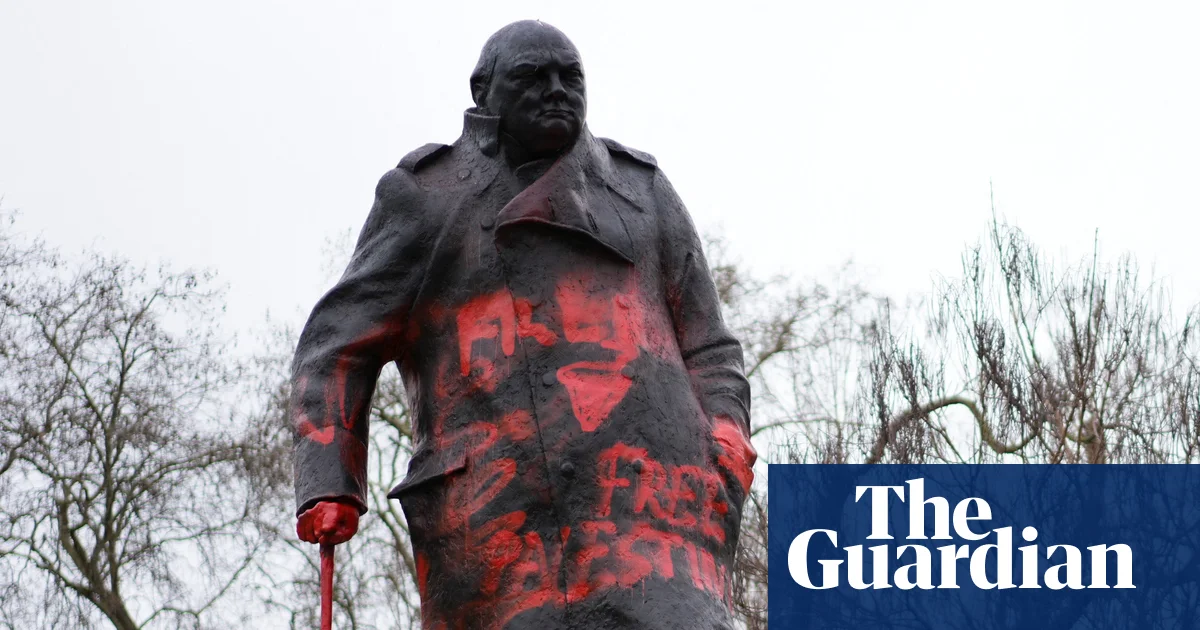
Man faces charges after defacing Churchill statue with graffiti

In a dramatic display of dissent that echoes across London’s historic political landscape, an unidentified individual was apprehended for spray-painting the statue of Sir Winston Churchill outside the Houses of Parliament. The act, laden with provocative slogans such as “stop the genocide,” “free Palestine,” and “globalise the intifada,” signifies more than mere vandalism; it symbolizes the deepening fault lines within global ideological conflicts. The perpetrator, Caspar San Giorgio, was swiftly charged with criminal damage by Metropolitan police, highlighting how these acts become flashpoints in broader cultural and geopolitical struggles.

The incident, occurring just after 4 a.m., is layered within a context marked by recent terrorist threats and violence. Following attacks at Heaton Park synagogue in Manchester and Bondi Beach in Australia, authorities have sought to tighten security and curb inflammatory rhetoric, especially slogans like “globalise the intifada,” which have previously led to arrests. These acts of vandalism are perceived by many as symptomatic of a rising tide of militant activism that reflects fractured global alliances and ideological battles. The UK government’s condemnation emphasizes its commitment to upholding “our values,” but critics argue that such incidents highlight the divisive dangers of unchecked political expressions that threaten the social fabric.

The statue itself, a 3.6-meter bronze monument by Ivor Roberts-Jones, stands as a symbol of not only British history but also of the ongoing debate about national identity and historical memory. It has been subjected to multiple acts of vandalism, including graffiti calling Churchill a “racist” during the Black Lives Matter protests of June 2020, illustrating how historical figures become focal points in modern ideological clashes. Reactions from London authorities and Prime Minister’s office reflect a sentiment of indignation, emphasizing Churchill’s role as a “great Briton” and rejecting the disruptive messages painted on his statue. However, the recurring incidents reveal an undercurrent of tension whereby global conflicts—such as the longstanding Israeli-Palestinian dispute—manifest violently on historic symbols.

International analysts warn that these acts of vandalism and inflammatory rhetoric are more than isolated protests—they are symptomatic of a shifting geopolitical landscape. As China and Russia challenge Western influence, and Middle East conflicts ignite new ideological battles, the symbolism of statues like Churchill’s is increasingly weaponized. Historians caution that how nations choose to interpret and confront their history, especially through contentious monuments, will shape the future of global cultural diplomacy. The escalating violence and provocative slogans serve as stark warnings—how societies remember their heroes and villains today may determine the course of international stability tomorrow.

As the dust settles and authorities scrub away the graffiti, the question remains: how will the world confront these cultural battlegrounds in the years to come? The ongoing struggle over history’s symbols, nations’ identities, and ideological allegiances signals that the true conflict is far from over. The world’s gaze is fixed on these unfolding chapters—each act of defiance adding a new line to the ever-growing narrative of history, with the weight of future generations hanging in delicate balance.

Top 14 Travel Toiletry Bags for Young Adventurers: Tested & Trusted for 2026

Revolutionizing Travel Gear: The Future of Business Innovation in Personal Accessories

The world of travel accessories, historically characterized by simple, utilitarian designs, is undergoing a profound shift driven by cutting-edge materials and disruptive manufacturing techniques. Industry leaders such as Monos, Beis, and Aer are spearheading a competitive race to redefine what consumers expect from everyday travel essentials. In an era where innovation is no longer ancillary but fundamental, these brands are leveraging new fabric technologies, sophisticated construction, and strategic design to both elevate their market position and challenge established giants.

For instance, Monos’ Metro Toiletry Case exemplifies material innovation by incorporating ultra-durable vegan leather that balances resilience with lightweight portability. Its structured yet flexible design exemplifies disruption in product form factor—melding protection with packability—a paradigm shift recognized by analysts from Gartner and notable brands like Apple in embracing form-meets-function. Meanwhile, Beis’ Dopp kit exemplifies the application of advanced manufacturing processes such as seamless water-resistant compartments, raising the bar for durability and ease of cleaning—an essential for the burgeoning clean and sustainable travel trend.

Beyond material innovation, the integration of smart features signifies an industry-wide pivot towards business disruption. Brands like Tumi with their Alpha Bravo Response Kit embed tech integrations such as antimicrobial linings and tracking capabilities, setting a new standard in security and hygiene—key concerns for millennial and Gen Z consumers. Such features not only heighten user convenience but also create new revenue streams, as companies explore subscription-based models for accessories and complementary services, mimicking successful tech giants operating at the intersection of hardware and software.

Industry-Wide Impacts and Market Shifts

According to recent industry reports, the market for premium travel accessories is projected to grow at a CAGR of 8-10% over the next five years, spurred by disruption in traditional supply chains and consumer demand for innovation-driven products. This industry shift threatens legacy brands that rely on outdated manufacturing and minimal feature differentiation, while favoring those that embrace disruption and technological integration. Notably, startups adopting sustainable materials and digital diagnostics are already experiencing rapid growth, echoing strategies recommended by Peter Thiel’s insights regarding first-mover advantages in technology markets.

Furthermore, industry consolidation is gradually giving way to an ecosystem of niche, agile brands that focus intensely on innovation and customer engagement. The rise of manufacturers utilizing AI-driven design and advanced composites signifies a potential paradigm shift, reminiscent of Industry 4.0 trends transforming manufacturing sectors across the board. For consumers, this translates to more personalized, durable, and tech-enabled products, driving expectations that modern products must serve both form and function in a disruptive manner unparalleled in previous decades.

The Dynamic Outlook and Urgency for Innovation

As the boundaries of material science and digital integration continue to blur, the future of travel gear appears inexorably linked with business innovation and technological disruption. Industry leaders and startups alike face the imperative of staying ahead by investing in R&D, embracing sustainable practices, and deploying next-generation manufacturing processes. With big tech convergence on the horizon—such as AI-powered design tools and blockchain-enabled supply chains—the push for disruption should be accelerating, not stagnating.

The ongoing evolution in travel accessories serves as a mirror to the broader landscape of technological disruption affecting every sector. As Elon Musk and Peter Thiel have emphasized, those who leverage innovation and act swiftly will not only redefine market standards but also seize the exhilarating economic opportunities of the next frontier. The message is clear: disruption is no longer optional; it is the only way forward in an ever-accelerating technological race. The companies that recognize and adapt to this reality today will be the industry titans of tomorrow, shaping the future of consumer technology and global commerce.

Hannah Spencer’s Bold Waistcoat Serves Up Politics with a Trendy Twist — TikTok’s New Favorite for the Youth Style Scene

Viral Colors and Youth Culture: The Rise of “Gross Green”

In a world where social media continually reshapes how we communicate, color trends have become more than just aesthetics—they’re now carriers of social identity and political statement. The latest wave? “gross green”. Coined by New York magazine and rapidly making its way onto high street labels and even book covers, this shade of chartreuse isn’t just a color—it’s a mood. It embodies a rebellious, playful attitude that resonates deeply with younger audiences eager to express individuality and cultural alignment through something as simple yet provocative as wardrobe choices. When Hannah Spencer, the newly elected Green Party MP, was spotted wearing this “gross green” outfit during her press conference, she unintentionally became a trendsetter, signaling her awareness of the social zeitgeist.

What’s fascinating is just how intentional and layered this phenomenon is. Spencer, a 34-year-old millennial, appears to understand the social capital in adopting such a viral hue—knowingly embracing a “statement color” that ties her political platform to the broader youth-driven aesthetic. During her brief appearance, she changed her undershirt from one shade of green to another, underscoring the precision with which digital-native figures now curate their image. This shift isn’t random; it’s an astute move to align with the cultural language of her generation. Prior to her, figures like Kamala Harris mastered this art, meme-ing a color into the political landscape with her “brat green”—a summer hit that did more than turn heads; it crafted a viral symbol for political engagement.

These trends underscore a larger socio-cultural shift: the merging of fashion, politics, and social media into a seamless narrative. Influencers, sociologists, and brand analysts argue that in an era of fractured attention spans, symbols—like colors—become vital tools in forging identity and community. Viral colors like Barbie pink or brat green aren’t just a fleeting aesthetic; they serve as social signifiers that bridge generational divides and offer a common language rooted in innocence yet rich in subtext. This phenomenon also reveals how younger generations seek to find meaning in what appears on the surface to be trivial—playing with names and shades as a form of cultural codification that is both fun and strategic.

What is intriguing, however, is the potential for these color-coded movements to extend beyond fashion and into systemic influence. As political campaigns increasingly lean into viral marketing, could these shades redefine how leaders communicate authenticity and relatability? The next question emerges: Will these playful symbols evolve into serious political tools, or are they destined to remain ephemeral markers of youth culture?* With influencers and political figures riding the wave of internet aesthetics, the future of political branding might just depend on our ability to decode the next viral hue—and what it says about the societal shifts at large.

Prada Keeps It Real: Unveiling Bold New Layers at Milan Fashion Week

As Milan Fashion Week continues to be the epicenter of cutting-edge style and innovation, Prada set a compelling tone this season with a collection that speaks not just to aesthetics but to the evolving lifestyle shifts affecting our generation. The show was a masterclass in layering, transformation, and reinvention, echoing broader cultural currents that emphasize personal expression through fluid, adaptable fashion. Each model’s walk was akin to shedding an old skin and emerging anew—symbolic of a society increasingly embracing renewal and individuality.

The concept of layering in Prada’s collection transcends traditional fashion boundaries. It invites young people to view their wardrobe—and by extension, their identity—as a canvas for ongoing reinvention. Such runway theatrics are reflective of a cultural push toward wellness and self-care, where minds and bodies are cultivated through a conscious assembly of styles that empower. Influential voices like Dr. Mark Hyman and Tim Ferriss have championed this flexible approach to wellness, encouraging a lifestyle that evolves in sync with personal growth. Prada’s runway serves as a reminder that fashion can be both a statement of personal sovereignty and a tool for navigating the complex layers of modern life.

This emphasis on layered self-expression aligns with a broader movement among youth toward embracing holistic wellness—mind, body, and soul. More young individuals are seeking to craft their environments and routines to foster resilience and authenticity, much like the runway’s dynamic shifts. Travel tips for the modern explorer suggest focusing on versatile, high-quality pieces that serve multiple purposes and reflect a personal impact: better health, increased leisure, and inspiration. Whether it’s visiting bustling metropolitan hubs like Milano or carving out time for mindful practices, today’s youth are rewriting the fashion and wellness playbook based on _adaptability_ and _self-awareness_.

  • Prioritize **quality over quantity** for a wardrobe that adapts with your changing needs.
  • Explore **cultural hotspots** as sources of inspiration for both style and personal growth.
  • Embrace **mindful routines**—from meditation to active leisure—to foster holistic well-being.

Ultimately, Prada’s runway isn’t just about leather and fabric; it’s about embracing the journey of self-discovery. Fashion becomes a lens through which we see our capacity to shed old limitations and emerge resilient, vibrant, and ready for the next chapter. This attitude reflects a culture that values not just superficial trends but the **genuine evolution** of the individual. As we navigate personal and societal layers, the overarching message is clear: lifestyle is an ongoing journey of layered transformation. In an era marked by rapid change, the pursuit of authenticity and wellness remains the most stylish statement of all.

Inside the £3.25m castle acquired by Celebrity Traitors star Alan Carr—reflecting a new era of ambition and sophistication

Preserving the Soul of Identity: Scotland’s Historic House as a Cultural Testament

In the vast tapestry of a nation’s history, few symbols resonate as profoundly as its most important historic houses. Situated in the Borders, these storied edifices are not merely relics of bygone eras, but living monuments that embody the enduring spirit of a people. As cultural landmarks, such properties serve as guardians of tradition, custodians of collective memory, and echoes of the societal values that have shaped the fabric of Scottish identity. Their preservation is thus an act that transcends mere architecture; it becomes a declaration of cultural continuity in a rapidly changing world.

Drawing from the insights of cultural critics and philosophers like G.K. Chesterton, we are reminded that tradition is the organic link connecting generations, a vital force that sustains societal cohesion and moral grounding. The historic houses of Scotland exemplify this principle, standing as tangible links to the past—sites where stories of local nobility, revolution, and resilience are etched into stone and timber. These structures are more than mere aesthetics; they are symbols of national humility and pride, reminding us that a society’s soul is often best expressed through its architecture and its stories preserved within.

The cultural significance of such heritage sites extends beyond their physicality. As futurist thinker Ortega y Gasset suggested, our sense of identity is rooted in a dialogue between the present and the memory of the past. When we shield these historic houses from decay and neglect, we actively engage in this dialogue, ensuring that future generations inherit not only a physical legacy but also a moral compass. Historian Alexis de Tocqueville might argue that the strength of a nation lies in its institutions of tradition, which serve as anchors amid the tumult of societal transformation. In Scotland’s case, these houses are more than mere relics; they are ongoing narratives that continue to shape collective consciousness.

Moreover, the conservation of these cultural landmarks underscores a broader philosophical truth: culture, society, and identity are intertwined threads woven into the fabric of human existence. The importance of protecting these historic properties lies in recognizing that they embody a sense of rootedness essential to societal well-being and democratic vitality. As T.S. Eliot observed, tradition is not static but a living, breathing entity—a “living thing,” perpetually being reinterpreted by each generation. The Scottish historic houses stand as testament to this ongoing process, embodying a collective memory that grounds cultural renewal while forecasting future identity.

In an era marked by rapid globalization and cultural homogenization, the survival of such sites becomes an act of cultural resistance and affirmation. They are the tangible expressions of a history forged through struggle, triumph, and perseverance—stories of a people who refused to forget their roots. These heritage sites encourage us to see beyond transient trends and recognize that true tradition sustains the moral and aesthetic fabric of society. As guardians of order in a chaotic age, they remind us that the future must be built upon the foundations of the past, with a reverence that is both conservative and visionary.

In Closing

The Scottish historic house in the Borders is more than a property; it is a testament to the enduring power of culture to define and uphold societies. As custodians of this shared heritage, we participate in a dialogue that links memory with prophecy, a symphony of past, present, and future. In this sacred procession, culture becomes not only a reflection of who we are but also an anticipation of who we may yet become—a luminous mosaic of human memory and divine possibility.

Unsafe clinics in England jeopardize kids with ADHD, doctors warn

Global Implications of Private Healthcare Deregulation in Pediatric ADHD Treatment

In recent years, international health policies have faced mounting scrutiny amid a surge in private healthcare providers offering remote assessments for children diagnosed with attention deficit hyperactivity disorder (ADHD). Countries around the world are grappling with the consequences of deregulating medical protocols, particularly as the demand for quick, accessible mental health care grows rapidly. The UK, in an illustrative case, has uncovered alarming evidence of *widespread unsafe practices* within private clinics operating through online platforms, prescribing potent stimulants such as methylphenidate—commonly known by the brand Ritalin—without the necessary physical examinations that serve as a safeguard for young patients.

British medical authorities, alarmed by this trend, have been compelled to overhaul their guidelines, mandating face-to-face assessments prior to medication prescription. This shift underscores a broader predicament faced across several nations, where the rush to expand access to mental health services via privatization collides with the essential need to uphold clinical safety standards. Historian and policy analysts cite this incident as a critical turning point—highlighting how decisions driven by economic interests and bureaucratic expediency threaten to undermine the long-term health and societal stability of vulnerable populations. The cases detailed by Dr. Rashad Nawaz, a pediatrician in Manchester, reveal children with undiagnosed heart conditions being put at undue risk, exposing systemic vulnerabilities that could resonate globally if left unaddressed.

As international health organizations monitor the fallout from these failures, the geopolitical impact becomes evident: nations facing similar privatization pressures could follow the UK’s example, jeopardizing patient safety for short-term cost savings. Reports from experts warn that privatization schemes integrated into state-funded health systems often result in “deskilling” of local healthcare professionals and over-reliance on telemedicine practices lacking physical assessment components. In *misguided pursuit of efficiency*, some private entities prioritize profits over clinical excellence, pushing the boundaries of permissible practice into dangerous territories. The ripple effects threaten to deepen inequalities, with marginalized children bearing the brunt of these policy missteps, fostering tensions within already fragile social fabrics.

In response, the UK’s Greater Manchester has enacted stringent safeguards—implementing new pathways that require face-to-face checks and thorough physical assessments—reasserting the authority of face-to-face medicine as a cornerstone of safe practice. This move serves as a cautionary tale for other countries contemplating similar deregulation. Yet, the overarching question remains: how long can societies afford to gamble with the health of their youngest? As international watchdogs like the World Health Organization weigh in, the coming years may witness a decisive shift—either towards a renewed commitment to clinical integrity or a descent into an era where profit chokes out essential regulation. History’s pen hovers over this chapter, ready to inscribe whether the lessons learned now will forge a future of responsible medicine or leave a scar on global health that future generations will mourn.”

What’s Really Behind the US-Israel Strike on Iran?

In a startling development that has sent shockwaves through the international community, former U.S. President Donald Trump has publicly described recent events as “major combat operations,” amidst reports of explosions echoing across Iran. This statement marks a significant escalation in the ongoing geopolitical tensions that have long characterized the Middle East, raising fears of a broader conflict that could reshape regional dynamics and influence global security architectures.

The reported explosions in Iran, which some analysts suggest may have targeted critical infrastructure or military facilities, have prompted swift reactions from international bodies and neighboring nations alike. While the specific causes of these events remain under investigation, the mention of “major combat operations” by a prominent political figure signals an alarming shift in rhetoric and possibly in military readiness. Experts from institutions such as the International Crisis Group and various defense think tanks warn that such language and actions could further destabilize an already volatile region. The geopolitical impact extends beyond Iran, potentially affecting global oil supplies, international alliances, and the strategic calculations of world powers.

This crisis also underscores how decisions made at the highest levels of government directly influence the fate of nations and peoples. Iran, a country with a complex history of confrontation and resilience, faces mounting pressure from regional adversaries and external forces. The potential for escalation echoes past incidents that have brought the world to the brink of war, prompting historians to recall the importance of diplomatic restraint amidst the tumultuous currents of international rivalry. Meanwhile, the United States, under the influence of leadership figures like Trump, continues to oscillate between diplomatic engagement and assertive posturing — choices that have profound implications for global peace or conflict.

As the dust begins to settle, or perhaps deepen, the international community stands at a crossroads. The core questions revolve around the potential for a new chapter of dialogue, or an irreversible slide into chaos. The upcoming days will reveal whether nations can overcome entrenched hostility or if history’s dark patterns will once again unfurl. As the world holds its breath in anticipation, the deep scars of past conflicts remind us that the choices made now will echo through generations, shaping the course of history in ways still unreadable. The weight of these moments seems almost unfathomable, yet it is precisely in such decisive instants that the true character of nations and leaders is revealed—whether as guardians of peace or architects of destruction.

Rising Stars Ignite Excitement in Latest Championships: A New Era Begins!

Anticipation Builds for NFL Draft as 2026 Class Prepares for Combine

As the NFL gears up for this week’s combine workouts, excitement is mounting over the highly anticipated 2026 draft class. While mock drafts hint at potential placements, the actual performance during these evaluations can significantly shift a player’s stock. Coaches and analysts alike are closely monitoring the talent that will soon showcase their skills on the national stage.

Among the standout prospects is quarterback Jake Ellis, whose arm strength and accuracy have garnered significant attention. His recent season stats reflect a commendable completion rate of 68%, along with a staggering 35 touchdown passes. This performance places him squarely at the top of many draft boards. Commentator and former coach Mike Sullivan stated, “Ellis has a unique blend of athleticism and poise; I wouldn’t be surprised to see him picked within the top five.”

Another player to watch is defensive lineman Marcus Smith, noted for his explosive playstyle and relentless drive. With 15 sacks last season, Smith’s capabilities to disrupt opposing offenses make him an invaluable asset for any team. His preparation during the combine will be crucial in solidifying his first-round status. As Linda Carter, a scouting analyst with over a decade of experience, pointed out, “Combine performances often separate the good from the elite, and Smith has everything to prove.”

  • Injury recovery updates: Many top prospects have faced injuries; how they handle the combine could impact their draft position.
  • Position battles: Teams are likely to reconsider positional needs as standout athletes rise in their evaluations.
  • Scouting decisions: The combine is a critical juncture for GMs and coaches to assess players beyond game film.

As April approaches and the buzz intensifies surrounding the 2026 NFL Draft, it is essential to remember that sports transcend mere statistics and accolades. The yearly ritual of drafting new talent symbolizes hope, ambition, and the unbreakable spirit of competition. Whether through tears of joy or moments of heartbreak, sports foster a unique sense of community, setting the stage for the future while uniting fans across the nation.

Source link

Social Media Auto Publish Powered By : XYZScripts.com