
TRENDING NEWS





Truth Over Trends, always!
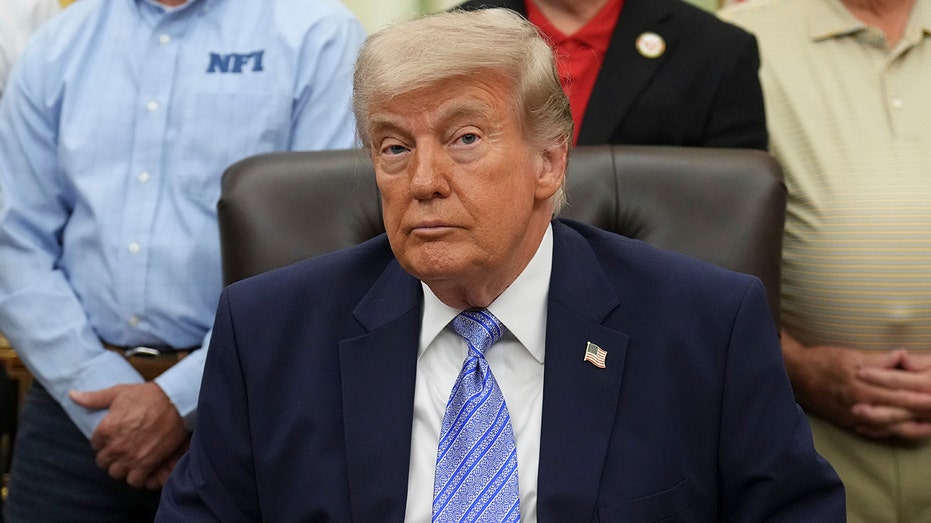
The former President asserts the fund, created from a settlement over his tax returns, will deliver justice for victims of alleged “Biden-era lawfare,” as GOP lawmakers express concern over its timing and impact on legislative priorities.
Former President Donald Trump has strongly defended his administration’s controversial $1.8 billion “anti-weaponization” fund, a move that has ignited a significant rebellion among congressional Republicans. The fund, established by the Department of Justice, is intended to address claims of government overreach and “lawfare” against citizens. Trump asserts this initiative prioritizes justice for those he claims were targeted by the previous administration, even as critics warn it could derail vital legislative efforts, particularly regarding border security.
The genesis of the “anti-weaponization” fund lies in a substantial settlement reached between former President Trump, his family, and the Internal Revenue Service. This agreement resolved a $10 billion lawsuit filed by Trump against the government concerning the unauthorized leak of his tax returns. Rather than a personal payout, the nearly $1.8 billion sum was directed towards establishing a systematic process for hearing and redressing claims of individuals who believe they have suffered from what the DOJ describes as “weaponization and lawfare.”
On Truth Social, Mr. Trump himself explained his decision, stating he “gave up a lot of money” by allowing the fund to proceed. He elaborated that he “could have settled my case, including the illegal release of my Tax Returns and the equally illegal BREAK IN of Mar-a-Lago, for an absolute fortune.” Instead, he claimed, he chose to help others “who were so badly abused by an evil, corrupt, and weaponized Biden Administration, receive, at long last, JUSTICE!” This perspective frames the fund as a direct response to perceived injustices.
Despite the former President’s strong defense, the creation of the Trump anti-weaponization fund has sparked considerable alarm within Republican ranks in Congress. Lawmakers have voiced deep concerns that the timing and allocation of these funds could severely undermine critical legislative priorities, most notably the funding for Immigration and Customs Enforcement (ICE) and Border Patrol operations. Many Republicans had anticipated these funds would be directed towards securing the nation’s southern border, a cornerstone of conservative policy.
The immediate impact has been a disruption to the legislative agenda, with some Republicans openly questioning the lack of consultation regarding the fund’s establishment. One Republican lawmaker, speaking to Fox News, remarked, “Well, it would have been nice if they had consulted, and I think they probably would have gotten plenty of advice from lots of folks about it, but it’s water under the bridge now.” This sentiment underscores a growing frustration over what is perceived as a unilateral decision impacting broader party goals.
The central tension revolves around competing priorities: the former President’s desire to deliver “justice” through the anti-weaponization fund versus the Republican Party’s legislative agenda focused on fiscal discipline and border security. While Mr. Trump frames the fund as a moral imperative, many in his party see it as a misstep that diverts crucial resources and political capital.
The debate highlights the complexities of governing and the delicate balance between executive action and congressional oversight. For many conservatives, robust border enforcement remains a top-tier issue, and any measure perceived as undermining it is met with skepticism. The DOJ fund, irrespective of its stated purpose, is now at the heart of an internal party struggle over resource allocation and strategic direction.
“I gave up a lot of money in allowing the just announced Anti-Weaponization Fund to go forward… Instead, I am helping others who were so badly abused by an evil, corrupt, and weaponized Biden Administration, receive, at long last, JUSTICE!”
— Former President Donald Trump
As the political fallout continues, the administration faces the challenge of reconciling its commitment to addressing alleged “lawfare” with the pressing demands of its legislative allies. The controversy surrounding the Trump anti-weaponization fund serves as a stark reminder of the intricate interplay between executive authority, congressional priorities, and the broader conservative agenda. Moving forward, observers will keenly watch how this internal dynamic influences future policy decisions and the unity of the Republican Party.

The WNBA has issued a formal warning to the Indiana Fever, citing a failure to adhere to crucial injury reporting protocols concerning star player Caitlin Clark. This action underscores the league’s firm commitment to transparency and regulatory compliance across all teams.
The Women’s National Basketball Association has delivered a stern warning to the Indiana Fever following a lapse in Caitlin Clark’s injury reporting. The league’s move emphasizes the critical importance of adhering to established protocols, particularly when it involves high-profile athletes whose status significantly impacts games and fan engagement. This incident highlights the WNBA’s dedication to maintaining order and fairness within its competitive structure.
The WNBA’s directive to the Fever stems from the team’s failure to list Clark on its official injury report by the mandated 5 p.m. deadline the day before Wednesday’s game against the Portland Fire. Although Clark did not practice on Tuesday, her injury status was only disclosed two hours prior to tip-off on game day, when she was designated a late scratch.
The league’s rules are explicit:
This regulatory framework ensures that all stakeholders—teams, media, and fans—are properly informed, fostering an environment of competitive integrity. The Associated Press reported the league’s decision to issue the warning after reviewing the timeline of events.
The incident brings renewed attention to Caitlin Clark’s physical well-being. Her 2025 season was notably affected by multiple injuries, including one before the All-Star break and another during her rehabilitation. This season, she has openly discussed a persistent back issue, noting after the team’s opening loss that her back “gets out of line pretty quickly.”
Despite these challenges, Clark has demonstrated remarkable resilience and performance since returning to the court. She is currently averaging an impressive 24.3 points, 9 assists, and 5 rebounds through her first four games. In a recent victory against the Seattle Storm, she contributed 21 points, 10 assists, and seven rebounds, showcasing her indispensable value to the Fever. Her continued presence and performance underscore the necessity for accurate and timely health disclosures.
For professional sports leagues, transparent injury reporting is not merely a bureaucratic formality; it is a cornerstone of competitive fairness and public trust. Accurate information allows opposing teams to prepare effectively, ensures media can report responsibly, and provides fans with the necessary context for following their favorite teams and players.
Moreover, in an era where sports analytics and betting are prevalent, timely injury updates are crucial for maintaining the integrity of the sports economy. The WNBA’s swift action against the Fever reinforces its commitment to orderly conduct and accountability, ensuring that all teams operate under the same clear guidelines.
As the Indiana Fever prepares for its upcoming home game against the Golden State Valkyries, with Clark listed as probable, the focus remains on compliance. This warning serves as a clear reminder from the WNBA that established rules are in place to uphold the professional standards of the league. It is a necessary measure to ensure competitive balance and maintain public confidence in the sport.

Country music power couple Clint Black and Lisa Hartman Black are bringing their celebrated love story to television screens this weekend with the premiere of the new Lifetime movie, When I Said I Do. Inspired by their legendary duet of the same name, the film offers a narrative rooted in enduring commitment, a theme deeply resonant with the couple’s own long-standing marriage.
This cinematic venture is more than just a tribute to a hit song; it’s a cultural moment that highlights traditional values of partnership and perseverance in relationships. The Blacks’ involvement adds an authentic layer to the romantic drama, positioning it as a must-watch for fans of heartfelt storytelling and classic country music.
The inspiration for Lifetime’s When I Said I Do comes directly from Clint Black and Lisa Hartman Black’s iconic 1999 duet. This song was not merely a hit; it became a cultural touchstone, spending multiple weeks at the #1 spot on Billboard‘s Hot Country chart and even reaching #31 on the Billboard Hot 100. Its lyrics, steeped in vows of lifelong dedication, have resonated with countless listeners for decades.
While the movie is not a direct autobiography, it masterfully captures the essence of the song’s message. The narrative centers on a widowed search-and-rescue K-9 handler who finds love again with another rescue specialist, exploring the challenges and triumphs of new beginnings and unwavering devotion. This approach allows the film to explore universal themes of love and commitment while drawing from the powerful emotional core of the original music.
Adding a unique touch of authenticity, Clint Black and Lisa Hartman Black themselves appear in the film. Rather than playing fictionalized versions of themselves, they take on the roles of hosts for a relationship podcast within the movie’s universe. This ingenious casting choice allows them to comment on the film’s themes of love and partnership, lending their real-life experiences and perspectives to the unfolding drama.
Their presence underscores the film’s commitment to portraying genuine, lasting relationships. It’s a subtle yet powerful way for the couple to reinforce the very values their music and marriage have come to represent, making their involvement much more than a cameo; it’s an integral part of the storytelling.
“The enduring power of a promise, especially one made ‘I do,’ resonates deeply. This film beautifully explores that journey.”
For those eager to experience this heartwarming tale, When I Said I Do premieres Saturday, May 23, at 8 p.m. ET/PT on Lifetime. Viewers with a traditional cable package that includes the Lifetime network can tune in directly.
For those who prefer streaming, there are several convenient options to watch the movie live online:
Checking local listings or the Lifetime network’s official website for specific broadcast times and additional streaming options is always advisable to ensure you don’t miss the premiere of this inspiring film.
In an era often characterized by fleeting trends, the story behind When I Said I Do offers a refreshing return to themes of steadfast love and commitment. Clint Black and Lisa Hartman Black’s enduring partnership, both personally and professionally, serves as a powerful testament to these values. The film, inspired by their iconic song, not only entertains but also gently reminds us of the strength found in fidelity and the joy of a shared journey. It’s a narrative that aligns perfectly with the enduring appeal of family-centric entertainment and the timeless pursuit of genuine connection.
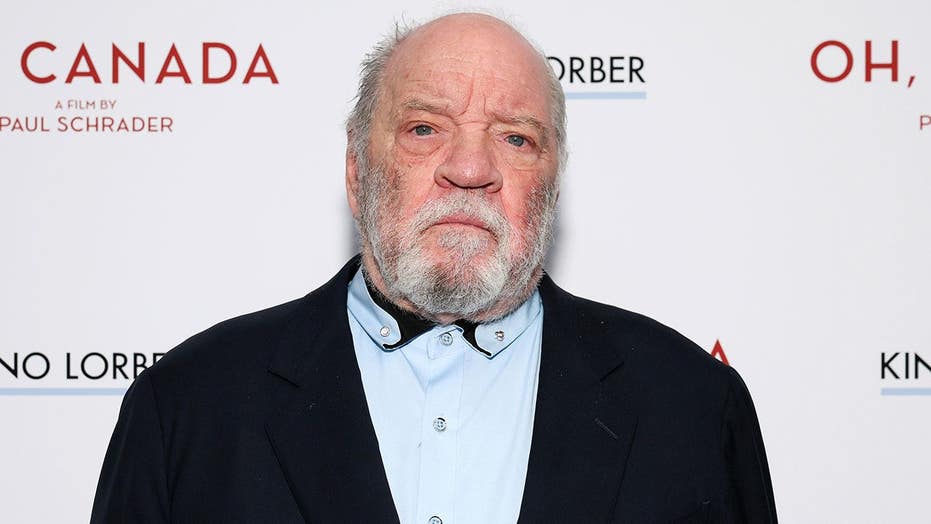
The advent of artificial intelligence continues to reshape industries, economies, and even personal lives, presenting both unprecedented opportunities and significant challenges. From widespread discussions surrounding workforce shifts to critical geopolitical strategies involving advanced chip technology, the economic impact of AI is undeniable. Recent reports compiled in a Fox News AI Newsletter underscore this multifaceted reality, revealing how AI’s integration is far from a straightforward path to progress and often leads to complex, unforeseen consequences.
One of the most pressing concerns in the current technological landscape revolves around AI’s profound effect on employment. Many companies are rapidly adopting AI technologies with the stated goal of enhancing automation, streamlining processes, and ultimately reducing operational costs. This aggressive push has fueled widespread fears of significant job displacement across various sectors.
However, a recent Gartner study suggests a more nuanced and perhaps cautionary picture regarding AI-driven workforce reductions. The research, which surveyed 350 global business executives from companies with at least $1 billion in annual revenue, revealed that while approximately 80% of organizations piloting or deploying autonomous business capabilities reported staff reductions, these cuts did not clearly translate into stronger returns on investment. This challenges the simplistic assumption that shedding headcount automatically leads to greater efficiency or profitability.
This data indicates that a strategic investment in human capital, alongside technological adoption, may be more crucial for long-term success and genuine ROI than simply cutting jobs. The initial belief that AI would automatically cut costs by replacing human workers appears to be an oversimplification, prompting many executives to rethink their approach to AI integration and workforce planning.
Beyond domestic economic shifts, AI’s fundamental reliance on advanced computing hardware has propelled chip technology to the forefront of global geopolitical strategy. U.S. export bans, specifically intended to curb China’s technological advancement and maintain American leadership, may be creating unintended consequences, as warned by Nvidia CEO Jensen Huang.
Huang, a prominent figure in the semiconductor industry, expressed concerns that these restrictions are inadvertently empowering Chinese competitors. He specifically noted that Huawei, a major Chinese technology firm, is actively “flourishing in our absence,” suggesting that U.S. sanctions might be accelerating China’s drive towards self-sufficiency in chip design and manufacturing rather than effectively hindering it. This development carries significant implications for global supply chains, the balance of technological leadership, and national security. It highlights the delicate and complex balance policymakers must strike in navigating the tech sector’s geopolitical landscape, where short-term controls can foster long-term strategic shifts.
“Workforce reductions may create budget room, but they do not create return.”
While economic and geopolitical discussions rightly dominate headlines, AI is also subtly influencing societal norms and public perception, often in unexpected ways. The digital era continues to blur lines between the real and the virtual, sometimes with peculiar outcomes. Oscar-nominated filmmaker Paul Schrader recently shared a rather unique personal experience, revealing in a Facebook post that his “AI girlfriend” had unexpectedly ended their relationship. This anecdote, while seemingly lighthearted, reflects the increasing integration of AI into personal spheres and the evolving nature of human-computer interaction.
However, not all public interactions with AI have been positive. Former Google CEO Eric Schmidt faced a notable chorus of boos during a University of Arizona commencement speech when discussing AI’s potential to reshape—or replace—parts of the workforce. This incident underscores a palpable public anxiety surrounding AI’s impact on job security and economic stability. Furthermore, a painful error occurred during a Glendale Community College graduation ceremony where an AI robot tasked with announcing graduates’ names experienced a glitch, skipping over hundreds of students. Such incidents, from personal digital relationships to public ceremonies, underscore the current limitations and occasional fallibility of even advanced AI systems, reminding us that the human element remains irreplaceable.
The ongoing narrative of artificial intelligence is one of constant evolution, adaptation, and unforeseen challenges. As businesses, governments, and individuals alike grapple with its expanding influence, a balanced, informed, and ethically grounded approach remains paramount. Understanding both AI’s profound economic implications and its nuanced societal impact will be key to harnessing its immense potential responsibly and ensuring it serves to strengthen, rather than destabilize, our institutions and way of life.
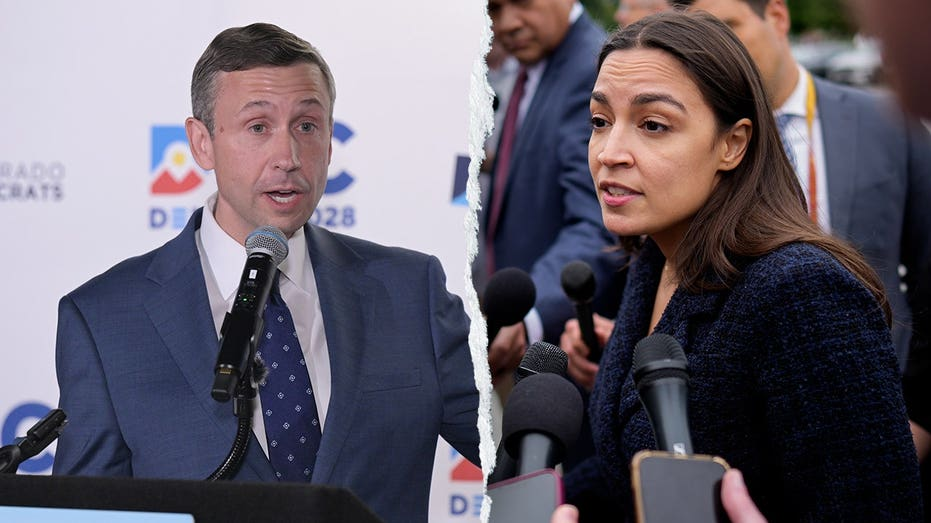
Democratic National Committee Chairman Ken Martin is facing intensified calls for his resignation after a controversial reversal on the release of the party’s 2024 election autopsy report. After months of resistance, the document, intended to dissect former Vice President Kamala Harris’s defeat, was finally made public on Thursday, only to be met with widespread condemnation from within the party for its perceived deficiencies.
Martin initially argued that releasing the report would be a distraction. However, he then claimed that not releasing it had become an even greater impediment. This flip-flop on such a critical internal party document has fueled accusations of indecision and a lack of transparency at the DNC’s helm, further eroding confidence in his leadership.
The core of the criticism leveled against the DNC’s autopsy report centers on its striking omissions. Despite being a significant factor in the 2024 election cycle, the document notably fails to mention the conflict in Gaza or the advanced age of President Biden. These were issues widely discussed and debated across the political spectrum, influencing voter sentiment, particularly among younger demographics and progressives.
Progressive voices within the Democratic Party have been particularly vocal. Representative Alexandria Ocasio-Cortez, D-N.Y., expressed her disbelief, stating, “I think it’s pretty unbelievable that Gaza would not be mentioned once in the autopsy report.” She emphasized that the issue was a “major dynamic” that candidates could not ignore, suggesting its absence was a “major oversight” that did a “real disservice” to understanding the election environment.
Similarly, Representative Ro Khanna, D-Calif., highlighted the perceived failure to address the Middle East conflict, linking it directly to the party’s electoral struggles. Such internal dissent underscores a significant disconnect between the party’s leadership and its more progressive wing regarding the acknowledgment of critical political realities.
“I think it’s pretty unbelievable that Gaza would not be mentioned once in the autopsy report… I think it was very clearly a major dynamic.”
The sequence of events surrounding the autopsy report has cast a shadow over Chairman Martin’s leadership. His initial refusal to release the findings, followed by a sudden change of heart and the subsequent publication of a report deemed incomplete by many, suggests a struggle to manage internal party expectations and maintain a clear strategic direction. This latest controversy adds to ongoing concerns about the DNC’s effectiveness in navigating a complex political landscape.
As noted by News Desk analysis, the pressure on the DNC chair is intensifying, reflecting a broader dissatisfaction within the party regarding its post-election accountability and future direction. Critics argue that a comprehensive and honest assessment is crucial for the party to learn from its mistakes and rebuild for future campaigns. The current report, however, appears to have deepened divisions rather than fostered unity or clarity.
The controversy surrounding the 2024 election autopsy report highlights the significant challenges facing the Democratic National Committee. For a party to effectively regroup and strategize, a robust and honest internal review is paramount. The current situation, marked by leadership indecision and a perceived whitewashing of critical issues, does not bode well for future electoral success. Rebuilding trust and demonstrating genuine accountability will be crucial for the DNC to move past this internal turmoil and present a united front to the electorate.
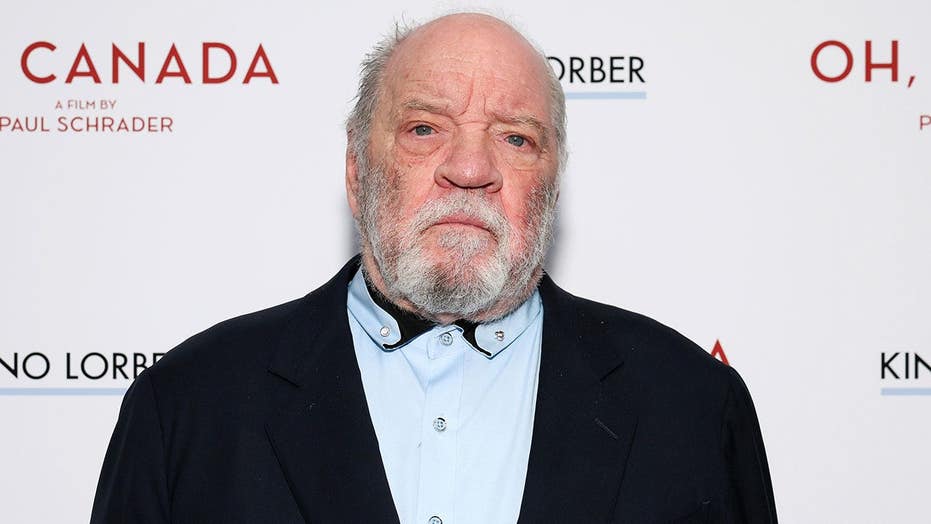
The evolving role of artificial intelligence sparks crucial debates, from geopolitical chip competition to the economic implications of automation and shifting employment landscapes.
The rapid advancement of artificial intelligence continues to reshape industries, economies, and even personal relationships, presenting a complex tapestry of opportunities and challenges. At the forefront of these discussions is Nvidia CEO Jensen Huang, who recently issued a significant warning regarding China’s burgeoning independence in semiconductor technology. His remarks highlight growing concerns that U.S. export restrictions may be inadvertently bolstering rival nations, challenging the efficacy of current policy approaches.
This geopolitical dynamic unfolds alongside a critical reassessment of AI’s impact on employment. While many companies have pursued workforce reductions in tandem with AI adoption, new research suggests these cuts may not consistently yield the anticipated financial returns. Meanwhile, the technology’s reach extends into unexpected corners of daily life, prompting both fascination and skepticism among the public.
Nvidia’s Jensen Huang, a pivotal figure in the global tech industry, has voiced strong concerns about the effectiveness of U.S. technology export bans targeting China. In a stark warning to policymakers, Huang indicated that these restrictions might be having unintended consequences, potentially accelerating China’s drive for self-sufficiency in critical chip manufacturing. He specifically noted that China-backed rival Huawei is actively “flourishing in our absence,” according to insights compiled in a recent Fox News AI Newsletter.
This assessment suggests a strategic miscalculation by Washington, where policies intended to curb China’s technological ascent may instead be catalyzing its domestic innovation and production capabilities. For a nation committed to maintaining technological leadership and ensuring national security, understanding these complex feedback loops is paramount. The long-term implications for global supply chains, market competition, and geopolitical stability remain a significant concern, emphasizing the need for carefully considered, adaptive foreign policy.
The promise of artificial intelligence often includes enhanced efficiency and reduced operational costs. Many organizations have responded to this by implementing workforce reductions concurrent with AI deployment. However, a new Gartner study casts doubt on the direct correlation between these layoffs and improved financial returns.
The research, which surveyed 350 global business executives, revealed that approximately 80% of companies piloting or deploying autonomous business capabilities reported workforce reductions. Yet, these cuts did not consistently translate into stronger returns on investment. Helen Poitevin, a distinguished VP analyst at Gartner, clarified that “Workforce reductions may create budget room, but they do not create return.” This suggests that simply cutting headcount in the name of AI may be an overly simplistic approach. Instead, companies achieving better returns are reportedly investing in new skills, roles, and operational models that leverage human talent alongside AI tools, rather than replacing it outright. A balanced approach that prioritizes upskilling and strategic integration of AI appears to be more effective for sustainable growth.
“Workforce reductions may create budget room, but they do not create return.” – Helen Poitevin, Gartner VP Analyst
Beyond the high-stakes world of geopolitics and corporate strategy, artificial intelligence continues to infiltrate cultural and personal spheres in often surprising ways. Oscar-nominated filmmaker Paul Schrader, known for his gritty screenplays, recently shared a peculiar experience: his self-developed AI girlfriend reportedly “dumped” him. This anecdote, while perhaps humorous, underscores the increasingly blurred lines between human interaction and digital companionship, raising questions about the future of relationships in an AI-driven world.
Public sentiment towards AI also remains complex and often divided. Former Google CEO Eric Schmidt, for instance, encountered boos during a University of Arizona commencement speech when discussing the technology’s potential to reshape the workforce. Similarly, a recent graduation ceremony at Glendale Community College saw a robot tasked with announcing graduates’ names experience a glitch, skipping hundreds of students. These incidents, though varied, illustrate the public’s mixed reactions—a blend of excitement, apprehension, and occasional frustration—as AI integrates further into daily life.
The diverse developments surrounding artificial intelligence, from critical geopolitical warnings to shifts in the labor market and intriguing personal anecdotes, underscore its profound and multifaceted impact. As societies navigate this transformative era, a balanced approach—one that upholds foundational principles of order, free markets, and institutional integrity while adapting to technological change—will be essential for harnessing AI’s potential responsibly and effectively. The ongoing dialogue requires careful consideration of both the promises and the unforeseen challenges that this powerful technology presents.

Ankara, Turkey – Turkey’s political landscape has been rocked by a controversial appeal court decision that has declared null and void the 2023 leadership election of the main opposition Republican People’s Party (CHP). This significant ruling, which saw Özgür Özel’s victory deemed invalid, is widely perceived as a move to further solidify President Recep Tayyip Erdogan’s grip on power, prompting immediate and strong condemnation from the opposition.
The judicial intervention has triggered thousands of demonstrators to gather outside CHP headquarters in Ankara, voicing their outrage and concern for the future of Turkish democracy. Opposition leaders assert that the ruling is an unprecedented attempt to manipulate internal party affairs and undermine the country’s institutional integrity.
The appeal court’s declaration specifically targeted the 2023 leadership election within the Republican People’s Party. This decision effectively unseats Özgür Özel, who had successfully challenged the previous leadership. The move has been met with fierce resistance from Özel himself, who vowed to challenge the ruling through every available legal avenue, including appealing to Turkey’s supreme election council (YSK).
“We are experiencing a dark day for Turkish democracy,” stated Özel, highlighting the perceived attack on the foundational principles of a free and fair political system. This sentiment resonates deeply with many citizens who fear a creeping authoritarianism and a systematic erosion of checks and balances within the state apparatus. As reported by BBC News, the court’s decision has only intensified these long-standing concerns.
The timing and nature of the court’s decision have raised serious questions about the independence of Turkey’s judiciary. Critics point to the statement from Justice Minister Akin Gürlek, who insisted the ruling “reinforces our citizens’ trust in democracy.” Such a statement from a government official is viewed by many as highly problematic, especially given Gürlek’s background.
Prior to his appointment as Justice Minister by President Erdogan earlier this year, Akin Gürlek served as Istanbul’s chief prosecutor. In that role, he spearheaded numerous investigations targeting opposition figures, including the highly popular Istanbul Mayor Ekrem Imamoğlu. This history fuels suspicions that the judiciary is being utilized as a tool for political maneuvering rather than upholding impartial justice, directly challenging the principle of judicial independence vital for a functioning democracy.
This judicial intervention marks a dark day for Turkish democracy, according to opposition leaders, who see it as a direct challenge to the rule of law.
For the CHP, the ruling presents a significant challenge to its internal stability and its broader role as the primary opposition force. While Özel has committed to exhausting all legal avenues, the process is expected to be protracted and fraught with political tension. The party must now navigate this judicial hurdle while simultaneously maintaining public support and preparing for future electoral contests. The outcome of this legal battle will likely have profound implications not only for the CHP but for the entire spectrum of Turkish politics, influencing the dynamics between the ruling AK Party and its challengers.
The unfolding events underscore the fragility of democratic norms in Turkey and the ongoing struggle for pluralism and institutional integrity. The commitment of the opposition to uphold pro-institution principles and fight for the rule of law will be severely tested in the coming months, as the nation watches closely how this critical challenge to its political order is resolved.

For decades, the United Kingdom’s cut flower market has been overwhelmingly dominated by imports, with over 80% of blooms purchased by consumers arriving from overseas. However, a significant shift is now underway, as British flower farms are experiencing a remarkable period of growth and expansion. This resurgence is largely fueled by discerning consumers increasingly seeking seasonal, environmentally friendly, and hyperlocal options, driving a renaissance for domestic growers.
This burgeoning sector is not merely a trend but a robust economic movement. Figures from Flowers from the Farm, the trade body representing over a thousand British growers, reveal a substantial increase in production, up 55% in 2025. This growth translated into a 12% rise in revenues for its members, underscoring the viability and increasing profitability of local cultivation. The government’s official recognition of the sector further solidifies its position as a vital part of the nation’s agricultural landscape.
The driving force behind this domestic flowering is unequivocally consumer preference. Shoppers are increasingly valuing transparency, seasonality, and a reduced environmental footprint in their purchases. Chloë Dunnett, founder of Sitopia Farm, a London-based organic operation, highlights this trend, noting that her flower sales surged by 65% in the past year. She observes that both the public and professional florists are actively seeking flowers that align with these values, demonstrating how consumer power can effectively reshape markets.
This shift reflects a broader societal desire for authenticity and sustainability, aligning perfectly with free-market principles where demand dictates supply. British growers, often small-scale and deeply rooted in their communities, are uniquely positioned to meet this demand, offering fresh, high-quality products with a clear provenance that larger, import-dependent operations struggle to match.
The expansion of British flower farms contributes significantly to local economies. By reducing reliance on international supply chains, the sector enhances national economic resilience, creating jobs and fostering entrepreneurial spirit in rural areas. Each sale of a locally grown bouquet supports British businesses, farmers, and their families, circulating capital within the domestic economy.
Furthermore, the emphasis on seasonal and eco-friendly practices by these farms aligns with responsible land stewardship. Many growers employ sustainable methods, reducing the need for long-distance transport, refrigeration, and the associated carbon emissions. This practical approach to environmental responsibility offers tangible benefits without resorting to extreme measures, a sensible path for both commerce and conservation.
“The shift towards supporting British flower farms is a testament to the power of informed consumer choice and entrepreneurial spirit, fostering a more resilient and sustainable domestic market.”
The trajectory for British flower farms appears bright. As awareness grows and official support continues, the domestic market share is poised for further expansion. This trend, as recently detailed in The Guardian, is more than just about flowers; it’s a testament to the value of local enterprise, consumer-driven innovation, and the strengthening of Britain’s agricultural foundations. The dedication of these growers, coupled with a public eager for quality and local provenance, ensures a vibrant future for the nation’s blossoming industry.
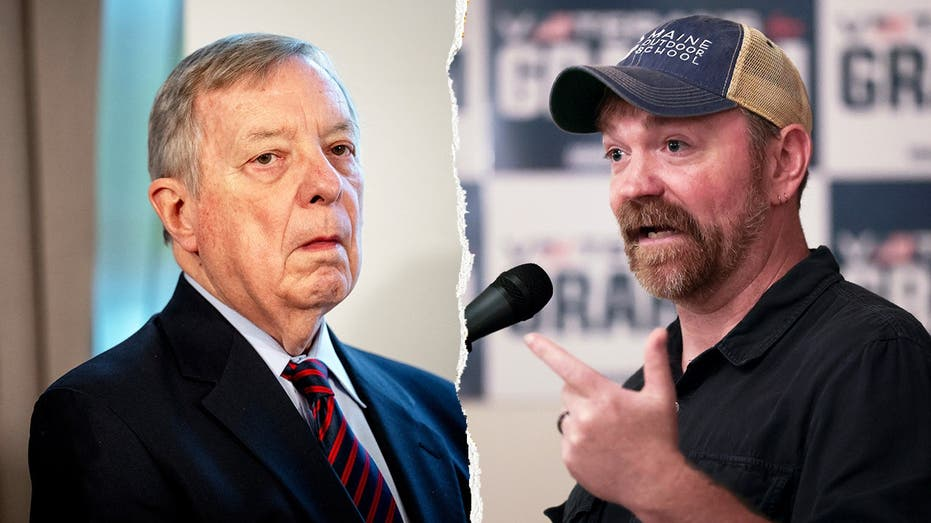
The contest for Maine’s Senate seat is heating up, but not just due to the political sparring between incumbent Republican Senator Susan Collins and her challengers. Democratic candidate Graham Platner’s past controversial statements have become a significant focal point, drawing criticism and, notably, a cautious silence from many within his own party regarding the Graham Platner controversy.
While Democrats view the Maine seat as a prime opportunity to unseat a moderate Republican in a state with a Democratic lean, the shadow of Platner’s previous remarks threatens to complicate this strategy. The ongoing deflection from party leaders raises questions about the commitment to institutional integrity and the vetting process for candidates vying for public office.
Graham Platner’s history includes a series of comments on sensitive and deeply troubling issues that have resurfaced in recent months. These remarks touch upon themes of sexual abuse, race, and terror, painting a concerning picture of the candidate’s worldview.
One particularly egregious instance, highlighted in a 2013 Reddit post, saw Platner assigning blame to victims of sexual assault. He suggested individuals should “take some responsibility for themselves” to avoid “compromising situations.” Such statements are not merely off-color; they undermine the fundamental principles of empathy, personal safety, and respect that are essential for any public servant, especially one seeking to represent the people of Maine.
Other unearthed comments, as reported by Fox News Digital, further categorize Platner’s problematic past:
This pattern of remarks suggests a concerning lack of judgment and a worldview that could be seen as deeply antithetical to pro-family values and social order.
Faced with questions about Platner’s controversial record, high-profile Democrats in Washington have largely chosen to avoid direct engagement. Senators like Dick Durbin of Illinois and Cory Booker of New Jersey have offered variations of “I’m not following that race closely” when approached by reporters.
The integrity of public service demands candidates whose past conduct and statements align with fundamental respect for all citizens, especially the vulnerable.
This strategic sidestepping by prominent party figures indicates a reluctance to either condemn Platner’s remarks or to defend them. This approach, while politically expedient in the short term, risks sending a message that such controversial viewpoints are permissible, or at least not disqualifying, within the party’s ranks. It also raises concerns about the party’s commitment to holding its candidates to a high standard of conduct and speech, particularly when those comments contradict fundamental societal values and the principles of anti-extremism.
The Maine Senate race is considered a key target for Democrats aiming to unseat Senator Collins, who first took office in 1997. Collins secured re-election in 2021 with a 51.0% to 42.4% victory over her Democratic challenger, demonstrating her enduring appeal in the state.
However, the Graham Platner controversy presents a significant hurdle for Democratic aspirations. Voters in Maine, known for their independent streak, may view Platner’s extremism and past remarks as disqualifying. A candidate whose history includes victim-blaming and inflammatory statements could struggle to garner the broad support necessary to win a statewide election, potentially benefiting the incumbent Senator Collins and inadvertently handing her a sixth term.
As the election draws nearer, the Democratic Party faces a delicate balancing act. Their continued silence on the matter risks alienating moderate voters and undermining their broader message of progress and inclusivity. The path forward for Platner’s campaign, and indeed for the party’s aspirations in Maine, remains clouded by the shadow of these unaddressed remarks, challenging the core principles of institutional order and responsible governance.

In a move underscoring President Vladimir Putin’s evolving strategy for governance, Russia is witnessing the rise of a new elite drawn directly from the ranks of its military veterans. This decisive shift, exemplified by the recent appointment of a military commander to lead a vital region bordering Ukraine, highlights the Kremlin’s intention to reward loyalty forged in conflict and reshape the nation’s administrative backbone.
This strategic pivot is not merely about filling vacancies. It represents a profound reorientation of Russia’s political and administrative structures, prioritizing military experience and unquestioning loyalty over traditional civilian governance. The implications for Russia’s domestic stability and its future trajectory are substantial.
The recent replacement of the popular governor of a region bordering Ukraine with a military commander marks a significant indicator of this trend. This particular appointment, first reported by outlets like the News Desk, follows a pattern observed across Russia where individuals with extensive military backgrounds are increasingly being placed in crucial civilian leadership roles. Previously, such positions were typically held by career politicians or technocrats.
This is not an isolated incident but part of a broader, deliberate strategy by President Putin to cultivate a new generation of leaders. These appointments are particularly notable in regions deemed strategically vital, especially those adjacent to ongoing conflict zones. The move suggests a desire to instill a more disciplined, command-and-control approach to regional administration, directly aligning local governance with the Kremlin’s broader national security objectives.
President Putin’s motivations behind forging this new elite appear multifaceted. Firstly, it serves as a clear mechanism to reward those who have demonstrated unwavering loyalty and commitment during the nation’s ongoing military engagements. By elevating war veterans, the Kremlin sends a powerful message that service and sacrifice are directly linked to political advancement and influence.
Secondly, these appointments allow Putin to gradually sideline older elites who may lack the same direct connection to the current conflict or whose loyalty might be perceived as less absolute. Military figures, often possessing a strong public image of resolve and patriotism, can also help to galvanize public support and maintain order in challenging times. This strategy effectively consolidates power within a trusted circle, ensuring tighter control over regional administrations and aligning them more closely with central directives.
“President Putin is not merely filling vacancies; he is fundamentally reshaping Russia’s political architecture, prioritizing wartime loyalty over traditional civilian experience.”
The emergence of this military-backed new elite carries significant implications for Russia’s long-term governance and societal structure. This shift could lead to a more militarized civilian administration, where decision-making prioritizes security concerns and hierarchical command structures over diverse socio-economic considerations. The focus on order and control, while potentially offering short-term stability, may also stifle innovation and limit civic participation.
Key potential impacts include:
This strategic reorientation by the Kremlin reflects a profound commitment to leveraging military service as a cornerstone of political legitimacy and administrative capability. As these war veterans assume greater authority, Russia’s political landscape will undoubtedly continue to evolve, with potentially lasting effects on its internal dynamics and international posture.


