
TRENDING NEWS





Truth Over Trends, always!

Morrisons, one of the UK’s major supermarket chains, has announced plans to close 100 convenience stores in the coming months. This significant wave of Morrisons store closures is primarily targeting outlets acquired through its 2022 acquisition of McColls, which have reportedly been operating at a loss. The company points to a challenging economic climate, specifically citing “significant cost increases resulting from government policy choices,” as a key factor exacerbating these difficulties.
The decision reflects a strategic effort to streamline operations and improve profitability amidst a highly competitive market. The affected convenience stores, integrated into the Morrisons portfolio following the McColls takeover, have struggled to achieve financial viability. This move follows previous announcements last year concerning the closure of 52 cafes and 17 other convenience stores, underscoring a broader pattern of restructuring within the supermarket giant. The retail sector continues to navigate a landscape marked by evolving consumer habits and intense competition, demanding constant adaptation from major players.
Morrisons’ explicit reference to “significant cost increases resulting from government policy choices” highlights a critical concern for businesses operating in the current economic environment. While specific policies were not detailed, such statements often allude to a range of pressures. These can include:
For a company like Morrisons, operating with notoriously tight margins in the competitive grocery sector, even incremental increases in overheads can severely impact the bottom line, especially for smaller, less profitable convenience outlets. This situation underscores the delicate balance between government policy aims and their practical impact on business viability, employment, and overall market stability. A healthy private sector, able to absorb costs and innovate, is crucial for national prosperity and consumer welfare.
The closure of 100 stores will inevitably have ramifications for the communities they serve. Many of these convenience stores act as vital local hubs, and their disappearance could potentially create “food deserts” in areas where access to groceries is already limited, particularly for vulnerable populations. Furthermore, these closures will place hundreds of jobs at risk, adding to the approximately 200 positions already threatened at Morrisons’ Bradford headquarters, as reported by news outlets like the BBC. Such widespread closures represent a tangible impact on the labor market and consumer choice, particularly for those reliant on local convenience stores for daily essentials. Maintaining a robust and accessible retail infrastructure is vital for community well-being and economic dynamism, requiring careful consideration of the broader societal costs of business failures.
The planned Morrisons store closures underscore the acute financial pressures facing businesses, notably the ‘significant cost increases resulting from government policy choices’ impacting profitability and local economies.
This latest round of closures by Morrisons serves as a stark reminder of the persistent economic headwinds challenging the UK’s retail sector. Businesses, large and small, are grappling with a complex interplay of inflation, supply chain disruptions, and the cumulative effects of regulatory and fiscal decisions. For the sake of economic stability and the livelihoods of countless individuals, a clear-eyed assessment of these pressures, and policies designed to foster a more resilient business environment, remains paramount.
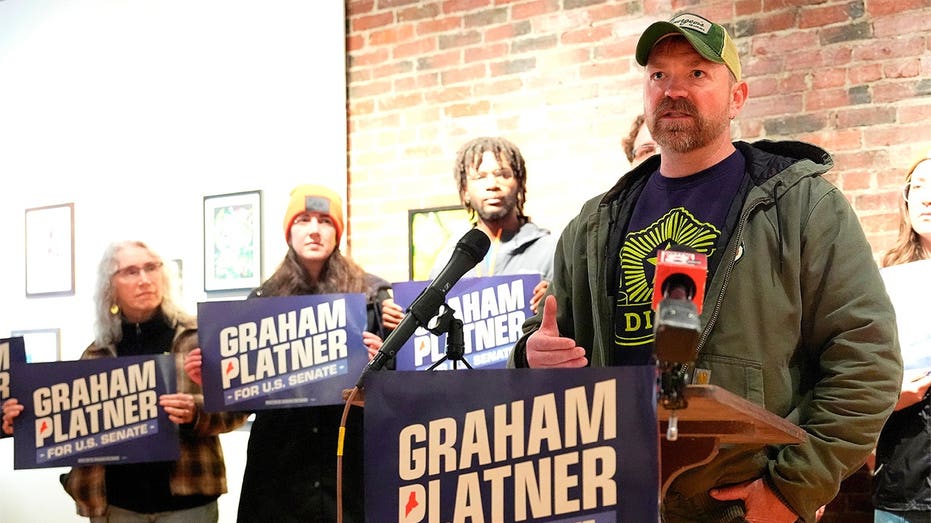
Maine’s upcoming Senate election is drawing national attention, not least because of the mounting scrutiny around Democratic frontrunner Graham Platner. As he prepares to potentially challenge long-serving Republican Senator Susan Collins, Platner’s past remarks, particularly those made on Reddit years ago, have resurfaced, igniting a fierce debate among the electorate about character and fitness for public office.
These controversial statements, which include off-color remarks concerning sexual abuse, terror, and race, are now a central point of discussion among voters. The unfolding situation presents a significant challenge for Platner’s campaign and could reshape the dynamics of one of the nation’s most closely watched Senate races.
The core of the controversy stems from comments made by Graham Platner prior to his political aspirations. These unearthed Reddit posts contain remarks that many find deeply troubling. Specifically, one post reportedly blamed victims of sexual assault for failing to protect themselves, a statement that has drawn widespread condemnation and raised serious questions about Platner’s judgment and empathy.
Such comments, while predating his Senate bid, are now under the microscope as voters consider the kind of representation they desire in Washington. For a state known for its pragmatic and independent political leanings, the nature of these remarks poses a direct challenge to Platner’s public image and his suitability for a legislative role.
The response from Maine voters has been notably split, reflecting a complex interplay of personal values, political loyalties, and understanding of context. Some constituents, like Joe from Shapleigh, Maine, expressed a degree of leniency, suggesting that Platner’s history as a Marine and the potential strain of military service might offer some explanation for the comments. Joe noted, “I think they’re unfortunate, but coming back from a stressful situation like that, I don’t know what the hell I’d say. So, I’m not going to hold it against him,” as reported by Fox News Digital.
Conversely, others view the remarks as an undeniable reflection of character, making Platner unsuitable for Congress. Tina, a voter from Sanford, Maine, articulated a firm stance, stating, “I think it’s kind of ridiculous. I mean, is that all right to say things like that and be, ‘okay, we’re gonna vote for him?’ I don’t think so.” This division highlights the precarious position Platner finds himself in, needing to unify a diverse electorate while addressing profound concerns about his past.
“I think it’s kind of ridiculous. I mean, is that all right to say things like that and be, ‘okay, we’re gonna vote for him?’ I don’t think so.”
Democrats have long viewed the Maine Senate seat, currently held by Senator Susan Collins, as a prime opportunity for a pickup. Collins, who first won in 1997 and secured reelection in 2020 by a margin of 51.0% to 42.4% against Sara Gideon, is considered a moderate Republican in a state that often leans Democratic. Platner is widely expected to secure the Democratic nomination next month, setting the stage for a high-stakes general election.
However, the ongoing controversy surrounding Platner’s comments introduces an element of unpredictability. The Democratic Party now faces the challenge of ensuring that these past remarks do not alienate enough voters to inadvertently hand Senator Collins a sixth term. The battle for this seat will undoubtedly test the resilience of Platner’s campaign and the strategic acumen of the Democratic Party in navigating such a sensitive issue.
As the primary season progresses, all eyes will remain on Maine to see how voters ultimately weigh a candidate’s past against their present political aspirations and the broader institutional stakes of the election.
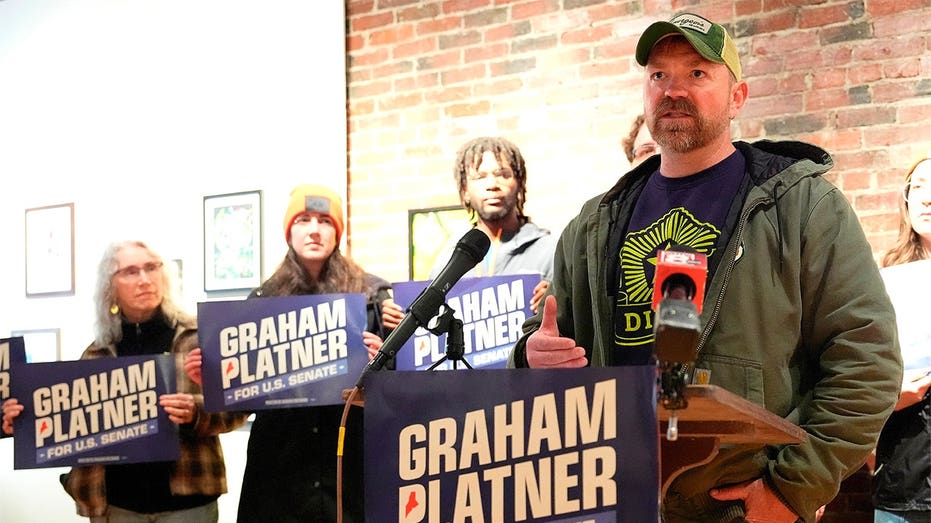
Democratic Senate hopeful Graham Platner is under intense scrutiny from Maine voters as past controversial comments resurface, casting a shadow over his campaign to unseat incumbent Senator Susan Collins. The remarks, made years before his political aspirations, are generating significant debate across the state, with constituents divided on their impact on his fitness for public office.
Platner, widely anticipated to secure the Democratic nomination, faces a critical juncture. The controversy threatens to undermine Democratic efforts to capture a seat they view as a prime opportunity to challenge a long-serving moderate Republican in a state with a Democratic lean.
Voters across Maine are expressing varied reactions to Platner’s past statements concerning sensitive subjects such as sexual abuse, terror, and race. For some, these remarks are regrettable but understandable in the context of military service and its psychological toll. A voter from Shapleigh, identified as Joe by Fox News Digital, commented, “I think they’re unfortunate, but coming back from a stressful situation like that, I don’t know what the hell I’d say. So, I’m not going to hold it against him.” This perspective highlights a willingness to extend understanding given Platner’s background as a Marine.
However, many others view the comments as deeply troubling and indicative of a character unsuitable for Congress. Tina, a voter from Sanford, voiced a strong objection: “I think it’s kind of ridiculous. I mean, is that all right to say things like that and be, ‘okay, we’re gonna vote for him?’ I don’t think so.” This sentiment reflects a concern that such remarks reveal a fundamental lack of judgment or empathy.
The core of the controversy stems from a series of off-color remarks and social media posts made by Graham Platner. Among the most criticized is a resurfaced Reddit post where he appeared to blame victims of sexual assault for failing to protect themselves. Such statements have ignited widespread condemnation and are particularly damaging for a candidate seeking broad public trust.
The details of these past comments continue to circulate, keeping the issue at the forefront of the campaign discourse. As Platner moves closer to potentially securing the Democratic nomination next month, the question of how voters will weigh these historical remarks against his current political platform becomes paramount.
“I think it’s kind of ridiculous. I mean, is that all right to say things like that and be, ‘okay, we’re gonna vote for him?’ I don’t think so.”
The Maine Senate seat, currently held by Republican Senator Susan Collins since 1997, is a long-standing target for Democrats. Senator Collins last secured reelection in 2020 with a 51.0% to 42.4% victory over Democratic challenger Sara Gideon. Democrats believe this cycle presents a renewed opportunity to flip the seat, especially given the state’s political leanings.
Should Platner emerge as the nominee, the party will need to strategize carefully to mitigate the impact of these controversies. The hope for Democrats is that the past comments will not alienate enough voters to inadvertently hand Senator Collins a sixth term. The challenge for Platner’s campaign will be to reassure the electorate of his present character and suitability for the significant responsibilities of a U.S. Senator, despite the undeniable weight of his prior statements.
As the nomination approaches, the ongoing debate around Graham Platner’s controversial comments underscores the critical role of character and past conduct in modern political campaigns, particularly in closely watched races like Maine’s Senate contest.

Fresh figures reveal a substantial increase in public sector borrowing, coinciding with a notable contraction in retail activity, underscoring the delicate state of the British economy.
The British economy is grappling with a dual challenge as government borrowing reached a higher-than-expected £24.3 billion in April, while retail sales simultaneously experienced a notable downturn. This unexpected surge in the national deficit, coupled with a discernible shift in consumer behaviour, signals a complex economic landscape that demands prudent navigation from policymakers. The confluence of geopolitical uncertainties, particularly concerns over the Middle East conflict, and persistent cost of living pressures, appears to be compelling British households to significantly rein in their spending.
The latest statistics on UK borrowing underscore a pressing concern for the nation’s financial health. An April deficit of £24.3 billion far surpasses expectations, placing additional strain on the public finances and raising questions about the sustainability of current spending trajectories. For a nation committed to fiscal discipline and long-term prosperity, such figures necessitate careful scrutiny. The cumulative effect of increased government expenditure and slower economic growth could burden future generations with escalating debt, challenging the foundational principles of economic order and stability.
Maintaining a balanced approach to public spending is paramount to securing the nation’s economic future. Matox News has consistently highlighted the importance of fiscal prudence, advocating for policies that promote sustainable growth without accumulating excessive liabilities. This recent borrowing surge serves as a stark reminder of the continuous need for vigilance and strategic financial management within government institutions.
Concurrently, the British retail sector is experiencing a period of significant contraction, with official figures indicating a noticeable drop in sales last month. Consumers are visibly exercising greater caution, particularly in discretionary areas. The recent statistics from the British Retail Consortium, reported by *business live*, paint a clear picture of consumers exercising greater caution, with a specific cutback in fuel purchases indicating a broader trend of belt-tightening among households.
Harvir Dhillon, an economist at the industry body, observed, “Discretionary spend is likely to drop further as the cost of living squeeze worsens.” This assessment points to several underlying factors:
These elements collectively contribute to a challenging environment for families and businesses alike, hindering the free market’s natural dynamism and creating an atmosphere of economic uncertainty.
“Discretionary spend is likely to drop further as the cost of living squeeze worsens.”
— Harvir Dhillon, Economist, British Retail Consortium
In light of these developments, calls are emerging for the government to proactively address the underlying economic stressors. The British Retail Consortium suggests that policymakers should “avoid further inflationary pressures through domestic policy costs.” A key recommendation is to consider cutting non-commodity energy charges, which could offer immediate relief to both consumers and businesses struggling with elevated operational costs. Such measures align with a pro-free-market philosophy, reducing unnecessary burdens and fostering an environment where enterprise can thrive.
For the British economy to regain its footing and ensure sustained growth, a concerted effort is required to restore consumer confidence and re-establish fiscal discipline. Prioritizing policies that alleviate cost of living pressures, support family budgets, and encourage investment will be crucial. The path forward demands measured, factual, and institutionally sound decisions to safeguard the nation’s economic order and prosperity.
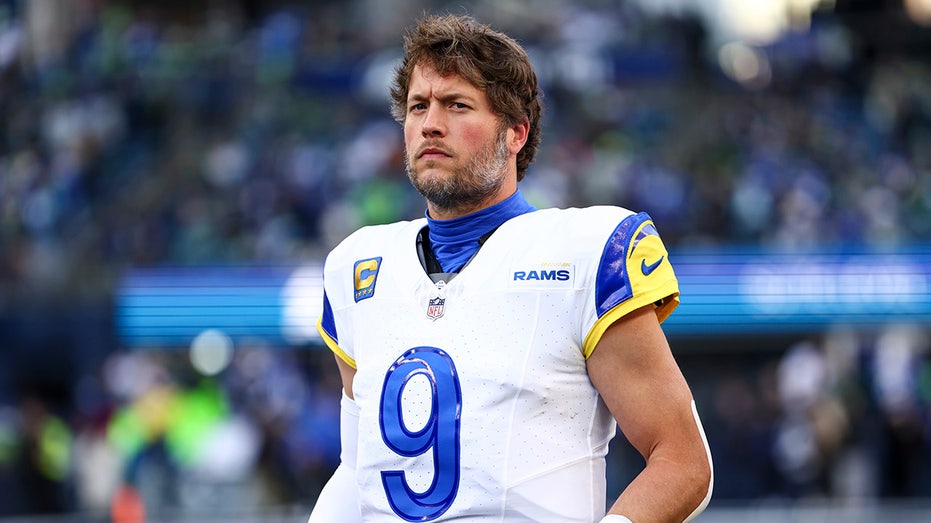
Reigning NFL MVP Matthew Stafford has committed his future to the Los Angeles Rams, signing a significant contract extension that signals the team’s unwavering confidence in his ability to deliver further championships. The deal secures his tenure through the 2027 season, reinforcing the Rams’ pursuit of excellence.
Los Angeles, CA – The Los Angeles Rams have officially solidified their quarterback position for the foreseeable future, announcing a substantial one-year extension for their star signal-caller, Matthew Stafford. This pivotal agreement, which could reach up to $60 million with incentives, follows Stafford’s dominant 2025 MVP season, where he showcased an elite level of play that defied his years.
The extension, valued at a base of $55 million, with potential incentives pushing it to $60 million, adds another year to Stafford’s existing contract, ensuring he remains a Ram through the 2027 campaign. This move by the Rams organization underscores their belief in the 38-year-old quarterback’s ongoing capabilities and leadership. Stafford, who will turn 39 just a week before Super Bowl LXI, continues to demonstrate that he has ample left in his tank.
His 2025 MVP season was nothing short of spectacular, highlighted by an impressive 4,707 passing yards and a staggering 46 touchdowns. Such a performance left no doubt about his desire and ability to continue competing at the highest level, a sentiment he openly expressed during his MVP acceptance speech. This new deal reflects a mutual commitment between player and franchise to build upon past successes and chase future glory.
Stafford’s impact on the Rams since his arrival in 2021 has been transformative. He famously led the team to a Super Bowl LVI victory in his inaugural season in Los Angeles, a triumph that cemented his place in the franchise’s history. That championship was secured at SoFi Stadium, the very venue set to host Super Bowl LXI, adding a compelling narrative to Stafford’s extended stay.
Before joining the Rams in a blockbuster trade with the Detroit Lions, where he spent 12 seasons after being drafted No. 1 overall in 2009, Stafford had established himself as a durable and talented passer. His move to Los Angeles provided him with a new opportunity, which he seized emphatically. The Rams’ decision to extend his contract now, rather than waiting for his previous two-year, $84 million deal to expire, speaks volumes about their long-term vision with him at the helm.
“Stafford’s extension isn’t just about money; it’s a clear statement that the Rams believe he still has more championships to deliver and are fully backing their veteran leader.”
While securing Stafford’s immediate future, the Rams have also shown foresight regarding their quarterback pipeline. The recent addition of Alabama’s Ty Simpson in the draft indicates a strategic approach to succession planning, ensuring the team’s long-term stability at the crucial position. However, for the present, the focus remains squarely on Stafford.
Reports, including those compiled by Fox News, indicated that the extension was a formality, given Stafford’s expressed desire to continue playing and his outstanding 2025 season. This proactive step allows the Rams to concentrate on immediate competitive goals without the distraction of a looming contract situation for their most vital offensive asset. The team, under coach Sean McVay, clearly values Stafford’s experience and proven ability to perform under pressure.
The agreement between Matthew Stafford and the Los Angeles Rams is more than just a contract; it’s a declaration of intent. It reaffirms the organization’s commitment to contending for titles and Stafford’s personal drive to extend his already illustrious career. As the 2026 season approaches, Rams fans can look forward to seeing their MVP quarterback continue to lead the charge, aiming for another memorable run at the Lombardi Trophy.

International pop sensation Ricky Martin experienced an unexpected disruption at his recent concert in Montenegro when an individual discharged tear gas towards the stage. The incident, which occurred on Thursday night (May 21) as Martin kicked off the European leg of his “Ricky Martin Live” tour, led to a temporary halt of the performance. Swift action by security and local authorities quickly contained the situation, ensuring the safety of all attendees before the acclaimed artist returned to complete his commitment to his fans.
The evening began with palpable anticipation as fans gathered in Montenegro for the inaugural show of Ricky Martin’s European tour. The atmosphere, charged with excitement for the global icon’s performance, quickly shifted when, according to his publicist Róndine Alcalá, an individual deployed tear gas in the vicinity of the stage. This sudden and disruptive act caused an immediate interruption to the performance, prompting audience members to quickly move away from the affected area and seek assistance. Martin himself, demonstrating professionalism, exited the stage as the situation unfolded. Such unforeseen incidents, while rare, underscore the unpredictable challenges faced by event organizers and security personnel in large public gatherings, highlighting the constant need for vigilance and robust safety protocols.
Following the deployment of tear gas, a coordinated and efficient response was immediately initiated by concert security and local law enforcement. Their rapid intervention was crucial in managing the crowd and containing the disturbance, preventing further escalation. The primary objective, to ensure the safety and well-being of everyone present, was successfully executed according to official statements. Publicist Alcalá later confirmed via an Instagram post that “Ricky Martin and his team are safe and grateful for the support and concern received.” The efficiency of these security measures allowed for a swift resolution without prolonged chaos, reflecting positively on the preparedness of the event staff and Montenegrin authorities in maintaining public order under duress. This rapid containment is a testament to effective emergency planning for major events.
Despite the unsettling nature of the incident, Ricky Martin demonstrated a remarkable and unwavering dedication to his fans. While some members of his team reportedly advised against continuing the concert due to safety concerns, Martin firmly insisted on resuming the performance. This decision highlighted his profound professional integrity and deep desire to fulfill his commitment, ensuring that those who came to enjoy his music were not left disappointed by an act of disruption. His triumphant return to the stage was met with appreciation and relief, allowing the evening to conclude on a note of musical celebration rather than lingering unease. The “Ricky Martin Live” tour is now set to continue, with Martin’s next performance scheduled for June 12 in Moldova, promising more electrifying shows for his European fanbase.
“Ricky Martin and his team are safe and grateful for the support and concern received following tonight’s events in Montenegro.”
Key details of the incident include:
The incident in Montenegro serves as a stark reminder of the challenges inherent in large-scale public events, yet also showcases the resilience of artists and the effectiveness of professional security teams. Ricky Martin’s swift return to the stage not only reaffirmed his commitment to his audience but also underscored the importance of maintaining order and ensuring public safety in the face of unexpected disruptions. As the European leg of his tour continues, fans can anticipate more memorable performances from the global icon, confident in the robust measures taken to protect their experience. The full statement regarding the incident was widely disseminated, including by the respected music industry publication Billboard, ensuring transparency and timely information for the public. This event ultimately reinforced the bond between artist and audience, proving that dedication and professionalism can overcome adversity.

President Donald Trump has announced that the United States will send 5,000 additional troops to Poland. This significant declaration, made on Truth Social, comes at a pivotal moment for transatlantic security and follows a period of re-evaluation of America’s military commitments in Europe.
The announcement from the President, as reported by News Desk, underscores a complex and dynamic foreign policy landscape. It directly contrasts with recent signals from the White House indicating an intent to reduce overall US troop levels across the continent as part of the administration’s ‘America First’ agenda. The decision to reinforce Poland’s defense capabilities appears to be rooted in strong bilateral ties and strategic alignment.
For weeks, the White House has publicly articulated its strategy to recalibrate US military presence abroad, prioritizing national interests and burden-sharing among allies. This policy has already led to concrete actions, including the recent withdrawal of 5,000 troops from Germany. That particular withdrawal followed a discernible strain in relations between President Trump and German Chancellor Friedrich Merz, reportedly over disagreements concerning the ongoing conflict with Iran.
The current administration’s approach has often emphasized the importance of allies contributing more substantially to collective defense. This has led to a series of adjustments in US troop deployments:
These movements highlight a measured, yet firm, re-assessment of where and how American military assets are best utilized to safeguard both US interests and global order.
President Trump explicitly stated that the decision to send additional troops to Poland was based on the robust relationship between the United States and Polish President Karol Nawrocki. President Trump had publicly backed Nawrocki during last year’s presidential elections, signaling a strong personal and political bond between the two leaders.
“This deployment underscores a strategic recalibration, prioritizing strong bilateral relationships while navigating broader commitments to European security.”
This emphasis on the personal rapport between heads of state aligns with the administration’s preference for direct, transactional diplomacy. Poland has consistently been a staunch ally in Central Europe, often advocating for a stronger NATO presence on its eastern flank, particularly in response to regional security concerns. The deployment of additional US troops could be seen as a direct response to these long-standing Polish concerns and a reinforcement of a key alliance.
While the announcement solidifies a commitment to Poland, President Trump did not provide immediate details on whether these additional troops are part of a re-activated previous plan or an entirely new operation. This ambiguity leaves some questions regarding the precise nature and duration of the deployment, as well as its specific objectives.
Nevertheless, the move sends a clear message of support to an important NATO ally. Strengthening the US military presence in Poland could bolster the alliance’s eastern defenses and contribute to regional stability. It signals that despite broader strategic adjustments, the United States remains committed to its allies who demonstrate a shared vision for security and order.
The dynamic nature of global geopolitics continues to shape US foreign policy. This latest decision regarding US troops in Poland reflects an ongoing re-evaluation of military posture, balancing traditional alliances with a pragmatic approach to international commitments. The world will be watching closely as these strategic shifts unfold, with implications for both European security and the future of transatlantic relations.
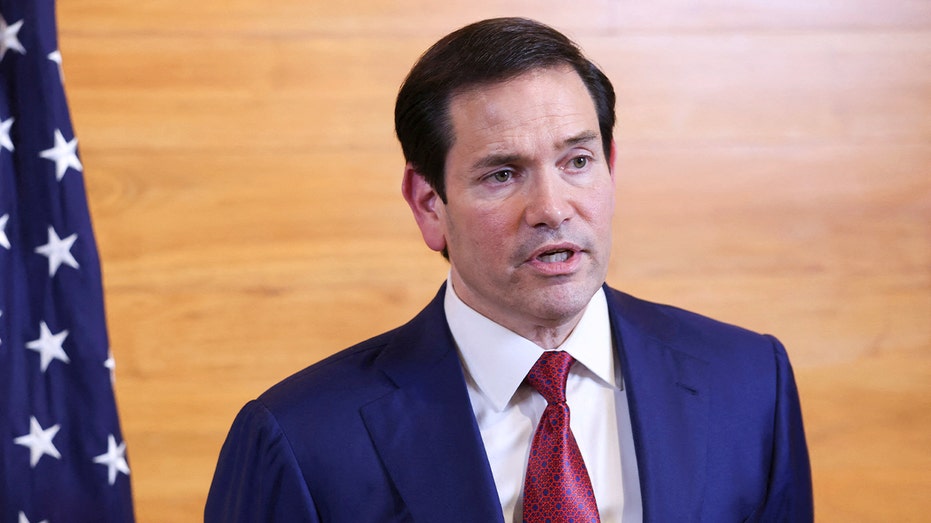
The United States has taken decisive action against individuals allegedly supporting the Cuban communist regime, with the recent arrest of Adys Lastres Morera. She is the sister of a prominent executive within GAESA, Cuba’s expansive military-run conglomerate, and faces accusations of aiding Havana’s government while residing in Florida.
This development signals Washington’s persistent efforts to curb the financial lifelines of the Cuban regime and hold accountable those believed to be complicit in its operations. The arrest follows the revocation of Morera’s lawful permanent resident status by the State Department, a move personally directed by Secretary of State Marco Rubio.
Adys Lastres Morera was taken into custody by Immigration and Customs Enforcement (ICE) after her lawful permanent resident (LPR) status was terminated. Reports indicate she had been managing real estate assets in Florida since entering the United States as an LPR in 2023. Officials allege that during this time, Morera actively assisted the Havana government, prompting the State Department’s intervention.
Secretary Rubio emphasized the significance of this action in a statement, noting, “Today, Adys Lastres Morera, a Cuban national with ties to the communist regime in Havana, was arrested following the Department of State’s termination of her lawful permanent resident (LPR) status, at my direction.” This underscores a clear message from the U.S. government regarding individuals who may leverage U.S. residency to support hostile foreign entities.
The arrest takes on added weight due to Morera’s familial connection to Ania Guillermina Lastres Morera, her older sister, who serves as the executive president of GAESA. Ania Guillermina Lastres Morera was previously sanctioned this month for her leadership role in the conglomerate. GAESA has long been identified by U.S. officials as a primary tool for the Cuban regime’s financial control and alleged illicit activities.
According to Secretary Rubio, GAESA is accused of diverting millions in aid intended for the Cuban people. He described the entity as an “exploitative communist entity that siphons resources from the Cuban population.” These allegations paint a picture of a system designed to enrich a select few at the expense of ordinary citizens.
Key concerns raised by U.S. officials regarding GAESA include:
The contrast between the suffering of the Cuban people under a failing communist economy and the alleged hoarding of wealth by GAESA elites forms a central point of the U.S. administration’s critique.
“While the Cuban people suffer from the collapse of Cuba’s non-functioning communist economy, GAESA functions to allow a small circle of regime elites to plunder all the remaining resources of the island.”
— Secretary of State Marco Rubio
This arrest, reported by outlets like News Desk, is consistent with a broader U.S. strategy to exert pressure on the Cuban government and its affiliates. Washington has repeatedly called for fundamental changes in Cuba, with Secretary Rubio previously stating that Cuba needs “new people in charge” amidst widespread blackouts and unrest gripping the island. The focus remains on addressing the systemic issues that contribute to the population’s hardship and the regime’s alleged corruption.
The termination of LPR status for individuals with alleged ties to the communist regime is a powerful tool in the U.S. diplomatic arsenal, signaling that residency in the United States comes with responsibilities and expectations of adherence to U.S. national interests and values. This incident serves as a stark reminder of the U.S. commitment to confronting state-sponsored illicit activities and supporting democratic principles.
The ongoing efforts by the U.S. to dismantle the financial networks supporting the Cuban regime reflect a firm stance against authoritarianism and a commitment to advocating for the Cuban people. Further actions in this vein are anticipated as Washington continues to monitor and respond to developments on the island.
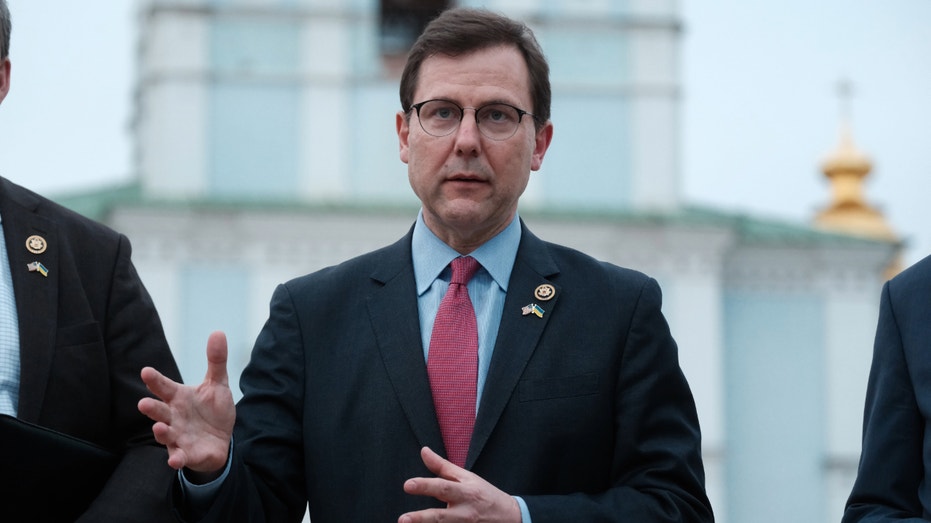
Congressman Tom Kean Jr. (R-N.J.) has publicly announced his expectation to return to Congress and the campaign trail in the coming weeks, addressing an extended absence that prompted concerns regarding the House Republican majority and representation for his competitive district.
Rep. Kean Jr.’s statement marks his first public comments since stepping away from Capitol Hill in March due to what his office previously described only as a “personal health matter.” His prolonged absence has been closely watched, particularly given the Republican Party’s razor-thin majority in the House of Representatives and the competitive nature of his New Jersey district ahead of the 2026 midterm elections.
Speaking to the New Jersey Globe, Rep. Kean Jr. conveyed confidence in his recovery process. “My doctors are confident that I’m on the road to a full recovery,” Kean, 57, affirmed. He acknowledged the public’s right to transparency and expressed gratitude for constituent support during this period. The congressman’s last vote was recorded on March 5, and he has since missed 100 consecutive House roll call votes, according to legislative tracking data.
His anticipated return signals a significant development for both his constituents and the broader House Republican conference. Kean Jr. indicated his readiness to resume legislative duties and re-engage with his re-election campaign.
“My doctors are confident that I’m on the road to a full recovery. I anticipate that in the next couple of weeks, I’ll return to voting and to the campaign trail.”
The Republican Party currently holds a precarious majority in the House, making every vote critical. Rep. Kean Jr.’s absence has underscored the fragility of this balance, with important legislative initiatives often requiring near-unanimous party support. His return will alleviate some of the pressure on House leadership, providing an additional vote to navigate complex legislative challenges.
The continuity of representation is vital, especially when dealing with critical policy decisions. His re-engagement will allow him to directly advocate for his district’s interests and contribute to the legislative process, strengthening the institutional capacity of the House.
New Jersey’s 7th Congressional District is recognized as one of the nation’s most competitive, rendering the upcoming 2026 midterm elections particularly significant. Rep. Kean Jr.’s absence inevitably drew scrutiny from political observers and potential challengers. His public statement aims to reassure voters of his health and commitment to service.
The district’s electoral landscape demands active engagement from its representative. Voters expect a visible presence and a strong voice on issues ranging from fiscal policy to local concerns. Kean’s re-entry into public life and the campaign circuit will be crucial for maintaining his standing and preparing for future electoral contests.
Prior to Rep. Kean Jr.’s own statement, his father, former New Jersey Gov. Tom Kean Sr., had offered insights into his son’s condition, describing it as a “serious illness.” The former governor indicated that doctors projected a return within a few weeks, emphasizing a gradual ramp-up back to full capacity. This familial update provided an initial glimpse into the congressman’s recovery trajectory.
With his imminent return, Rep. Kean Jr. is poised to resume his duties, bringing stability back to his office and adding a crucial vote to the House Republican conference. His focus will now shift to re-engaging with legislative priorities and reconnecting with the constituents of his competitive district, ensuring robust representation moving forward.
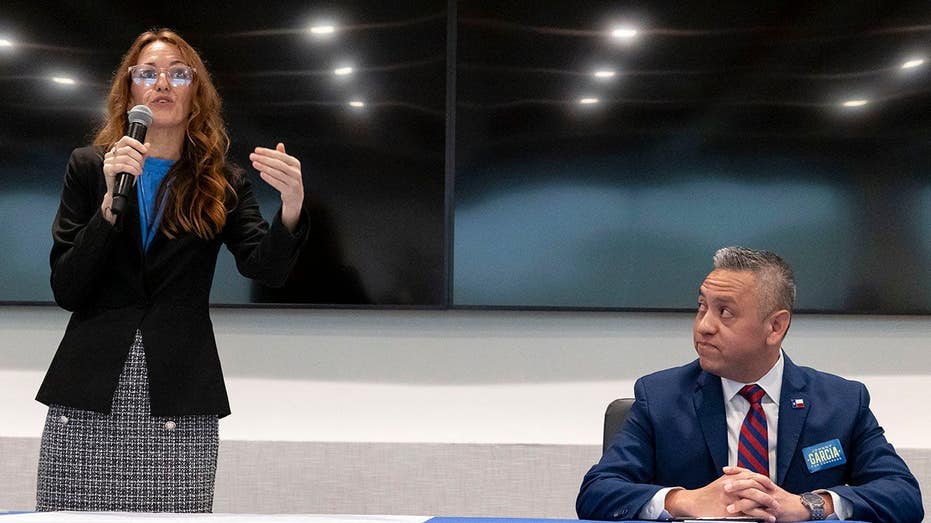
A Texas congressional candidate has found herself embroiled in significant controversy, prompting a swift and strong condemnation from within her own party. Maureen Galindo, a Democratic hopeful for a House seat in the newly redrawn 35th Congressional District, recently attempted to clarify inflammatory remarks concerning “American Zionists” after facing widespread backlash. Her original statements, which included a pledge to repurpose an immigration detention center, ignited a firestorm of criticism over their perceived extremism.
Galindo’s troubles began with an Instagram post earlier this month, where she declared her intention to transform the Karnes ICE Detention Center. Her plan was to convert it “into a prison for American Zionists and former ICE officers for human trafficking.” This statement quickly drew national attention and sparked outrage, particularly given the historical sensitivities surrounding such terminology.
The candidate’s remarks were made in the context of criticizing wealthy supporters of Israel, linking them to “genocidal prison systems” and “trafficking.” Such direct and divisive language immediately raised alarms among political observers and her own party’s leadership, who viewed the comments as highly inflammatory and potentially harmful.
Following the initial uproar and what she described as hundreds of “death threats” and other “vile” messages, Galindo released a video on Facebook to explain her position. She vehemently denied ever advocating for “internment camps” for Jewish people, stressing a crucial distinction.
“I never said I want Jews in internment camps,” Galindo stated, as reported by News Desk. She elaborated, “I said I want to close all ICE detention centers and put billionaire American Zionists who are funding the genocidal prison systems involved in trafficking into prison.” She posed a rhetorical question: “If they committed a crime, do they not belong in prison?”
Her clarification aimed to distinguish between a general call for internment and the specific imprisonment of individuals she believes have committed crimes related to funding certain systems. She further emphasized her opposition to all internment camps, advocating for their immediate closure. Key points from her clarification include:
“I never said I want Jews in internment camps… I said I want to close all ICE detention centers and put billionaire American Zionists who are funding the genocidal prison systems involved in trafficking into prison.”
The response from within the Democratic Party has been unequivocal. The Democratic Congressional Campaign Committee (DCCC), the party’s primary arm for House races, has reportedly coordinated statements against Galindo, signaling a clear rejection of her rhetoric. This aggressive move is widely seen as an effort to bolster her primary runoff opponent, Johnny Garcia, a former hostage negotiator and public information officer for the Bexar County Sheriff’s Office.
Such direct intervention by a national party committee against one of its own primary candidates is uncommon and underscores the severity with which Galindo’s statements are being perceived. Party leaders have condemned Galindo’s statements as “vile” and unacceptable, emphasizing the party’s official stance against such divisive language that can be misconstrued as antisemitic or extremist. The controversy highlights the internal challenges parties face when candidates deviate significantly from established platforms and norms, especially on issues touching upon national security and international relations.
The unfolding situation casts a shadow over Galindo’s campaign, raising questions about the viability of her candidacy and the broader implications for political discourse. As the primary runoff approaches, the clarity and consistency of candidates’ messages remain paramount, particularly when addressing sensitive and complex issues. This incident serves as a stark reminder of the scrutiny public figures face and the importance of precise communication in the political arena.


