
TRENDING NEWS





Truth Over Trends, always!
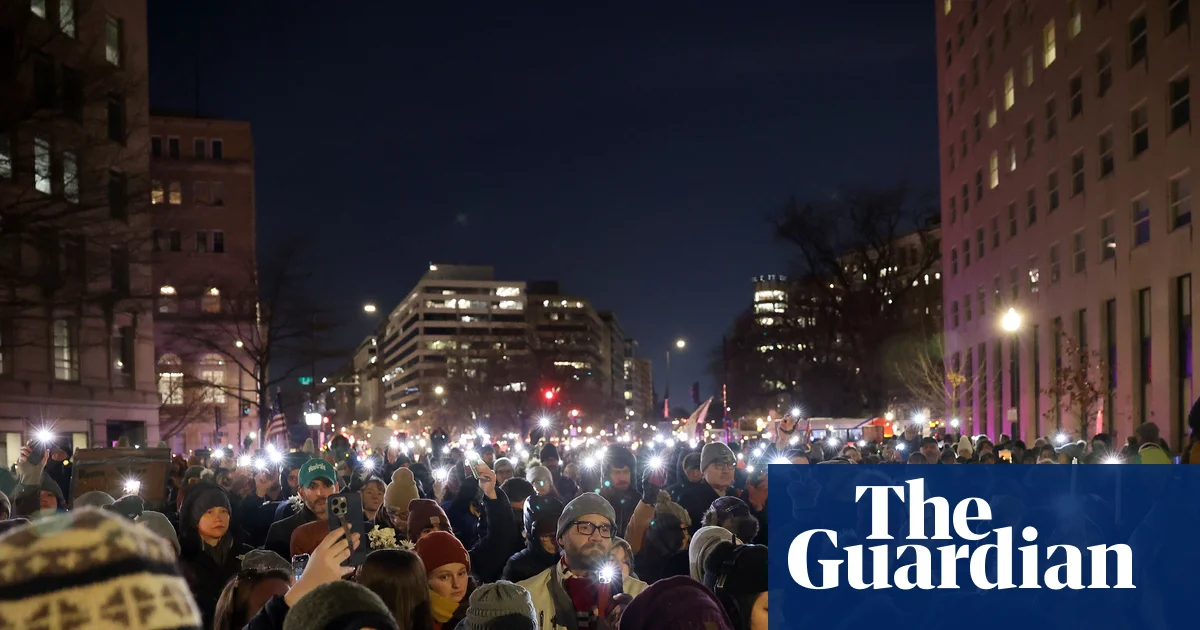
United States judicial intervention has temporarily halted the controversial policy of re-vetting and detaining lawfully resettled refugees in Minnesota. This abrupt series of arrests, initiated under the Trump administration’s recent initiative, Operation Parris, has ignited a fierce debate around human rights, sovereignty, and immigration policy. The decision by Federal Judge John R. Tunheim signals a significant judicial pushback against what critics describe as a draconian crackdown on individuals who had undergone extensive vetting processes and had established legal residence in the country.
This decision comes in the wake of widespread alarm among civil rights groups and international observers. Critics, including human rights advocates and analysts such as Noam Chomsky and Amnesty International, argue that the U.S. government’s actions undermine core commitments to international refugee agreements like the 1951 Refugee Convention and the 1980 Refugee Act. The policy, aimed at intensifying background checks and verification, has paradoxically resulted in the very trauma and chaos these laws seek to prevent, exposing the persistent tensions between national security and human dignity. The federal court’s ruling emphasized the human toll—stories of terror, confusion, and sharp trauma recounted by affected refugees—that are simply impossible to ignore in the face of alleged national security concerns.
Underlying this crackdown is a broader geopolitical impact. Critics argue that the administration’s aggressive stance not only alienates vulnerable populations but also risks tarnishing the image of the United States on the global stage as a champion of human rights. European nations, Canada, and international organizations have watched closely as the U.S. grapples with its humanitarian obligations. As Foreign Policy analysts warn, such policies may inspire similar hardline measures elsewhere, fueling regional instability and jeopardizing the fragile consensus on refugee protections. Historian Stephen Walt notes that “when a superpower reneges on its international commitments, it sends a dangerous message about the durability of these treaties and the moral authority of the West.”
The judiciary steps in amid a landscape of high-stakes geopolitical shifts. The United States finds itself at a crossroads, with internal debates over security versus humanity and external perceptions of strength and moral standing. The policy’s enforcement, which results in abrupt detentions, threatened to undo decades of progress on refugee rights, with families torn apart and communities destabilized—an unsettling reminder that decisions made today will echo through the corridors of history. As the court’s ruling takes hold, the weight of this unfolding chapter remains—and the world watches as the balance between sovereignty and human rights continues to be tested amid seismic shifts in geopolitics, migration, and the enduring quest for justice.
In a devastating announcement, Colombia-based airline Satena disclosed that one of its aircraft, operating with a modest flight crew and carrying a total of 15 passengers, tragically suffered a fatal accident. The incident, which unfolded amidst ongoing regional tensions and geopolitical shifts, has sent shockwaves across the Latin American continent and beyond. While authorities have yet to release complete details, early reports point toward a catastrophic event that underscores the persistent perils of regional air travel in conflict-affected zones.
The geopolitical impact of this tragedy reaches deeper than the immediate human loss. It raises pressing questions about the safety protocols, security challenges, and infrastructural vulnerabilities faced by airlines operating in volatile regions. Analysts from the International Civil Aviation Organization (ICAO) warn that the incident could mark a turning point in how international aviation safety standards are enforced in conflict zones. For many nations, especially those like Colombia, where internal unrest and political instability persist, such accidents threaten to destabilize regional cooperation and expose cracks in the fragile fabric of peace and stability.
The incident comes at a time when the global community is closely watching Latin America’s evolving geopolitical landscape. The region, historically a battleground for influence between major powers, now finds itself grappling with a mix of internal conflict, economic instability, and external pressures from North America and China. According to geopolitical analysts, this tragedy could serve as a somber reminder that the consequences of regional unrest extend far beyond political discourse, affecting innocent lives and tangible infrastructure. International organizations emphasize the need for enhanced security cooperation among neighboring nations to mitigate risks and stabilize the region’s fragile borders.
Historically, airlines operating in conflict-prone areas have often faced disproportionate challenges, but this incident underscores that safety cannot be compromised, especially when human lives are at stake. Experts like Dr. Elena Martinez, a senior analyst at the Latin American Institute for Peace and Security, caution that such tragedies could usher in a chapter of increased scrutiny and tighter international oversight, potentially impacting regional diplomacy and economic development. As nations grapple with whether to prioritize security measures over economic activity, an evolving battlefield of geopolitical interests takes shape. How governments and international agencies respond in the coming days will shape regional stability for years to come.
In this chapter of ongoing crises, history’s pen remains poised. The weight of countless lives lost in moments of sudden disaster reminds the global community that the unfolding war of geopolitics is not only written in treaties and speeches but also etched into the very skies where countless flights, innocent and unknowing, still voyage through the chaos of our changing world. As nations mourn, prepare, and respond, the haunting question persists: how many more stories of tragedy must be written before the lessons of safety, stability, and international responsibility are truly heeded?

The recent natural disaster that swept through several regions has demonstrated the profound geopolitical impact of environmental events, highlighting vulnerabilities and exposing the delicate balance of modern society’s resilience. The storm, characterized by its unprecedented strength, resulted in widespread destruction, including the toppling of trees and damage to countless homes. Over 800,000 people were left without power—an immediate reminder of how natural forces can threaten the stability of urban and rural communities alike.
Officials from local governments and international organizations have responded swiftly, dispatching emergency crews and aid. Yet, such responses reveal larger questions about how nations are prepared for environmental catastrophes in an era of climate change. Analysts warn that this event underscores a critical turning point in the ongoing debate about infrastructure resilience and the need for global cooperation in disaster preparedness. Many experts, such as climatologists and emergency management officials, emphasize that climatic shifts are intensifying storms, and without coordinated efforts, future events could dwarf this latest crisis. Historically, as noted by scholars like Dr. Alexander Bennett, similar disasters have often served as catalysts for policy reforms—though often the reforms are reactive, not proactive.
On the geopolitical front, the storm’s aftermath is shaping international discourse. Countries such as the United States, China, and European nations are evaluating their own emergency protocols, seeing this event as a bellwether for future environmental crises. The response also strains international institutions, such as the United Nations, which are called to coordinate relief efforts and promote resilience strategies that cross borders. Critics argue that climate diplomacy has thus far been insufficient, and the storm serves as a stark reminder that the global community must accelerate its efforts toward climate adaptation and mitigation. The divide between nations that are prepared and those vulnerable to such disasters risks deepening, potentially leading to geopolitical tensions over resource allocation and aid responsibilities.
Moreover, the social consequences of the disaster are profound. Displaced populations are increasingly vulnerable, becoming refugees within their own borders. The destruction of infrastructure exacerbates economic inequalities, as those with fewer resources face greater difficulty in recovery. Historians and analysts cite past events, such as the Hurricane Katrina or the Philippine typhoons, as cautionary tales illustrating how environmental disasters can accelerate social discord and political instability. The ongoing crisis underscores the importance of foresight and the potential for such natural events to reconfigure societal structures long after the storm has passed.
As the dust begins to settle, the true scale of this calamity remains yet to be fully understood. What cannot be ignored is the layered narrative of nature’s fury intersecting with geopolitical ambition, economic resilience, and societal endurance. The storm’s ferocity has left a mark not just on physical landscapes but on the very foundations of international cooperation. The world now faces a pivotal question: will this event catalyze meaningful change or fade as just another chapter in a long history of neglect and reactive policymaking? The answer lies hidden beneath the storm’s aftermath, waiting for history to decide—while the legacy of this natural disaster continues to unfold, shaping the destiny of nations for generations to come.

In contemporary society, the interplay between political institutions and social activism continues to shape the fabric of communities, especially as debates around private moral issues intensify. One such poignant debate surrounds the potential use of the Parliament Act to bypass the House of Lords in passing legislation on assisted dying. This scenario exemplifies a societal conflict: balancing democratic processes with the imperative for social reform, especially when communities feel marginalized by traditional institutions.
Throughout history, the Parliament Act of 1911 was a revolutionary tool that curtailed the veto power of the Lords, marking a critical shift toward parliamentary sovereignty. Originally introduced amid tensions over social justice and political accountability, its usage has remained rare, often reserved for contentious issues touching on individual rights. The recent push by supporters of assisted dying to invoke this Act demonstrates an evolving societal landscape where moral debates increasingly challenge entrenched legal and institutional barriers. Such efforts reveal how families and communities are deeply affected when the legislative machinery is utilized not just to implement policy but to reshape societal morals.
This political maneuvering exposes a critical tension: How do institutions adapt to shifting social values? Sociologists like Anthony Giddens warn that cultural shifts—such as increasing acceptance of assisted dying—must be matched with institutional flexibility. Yet, the demographic changes and moral reevaluations often collide with traditional hierarchies, fostering conflicts within society’s families and local communities. When debates around medical autonomy and personal dignity come to the forefront, they challenge society to reconceptualize what ethical leadership really entails, risking societal division if progress is blocked by outdated legislative entrenchments.
Moreover, the social issues at stake extend beyond policy discussions—they have profound consequences for education and community cohesion. As these debates unfold, youth and families are often caught in the crossfire, with disagreements over moral values impacting child-rearing, educational content, and community engagement. Historians like Eric Hobsbawm highlight that societal transformations—whether through legal reforms or cultural shifts—are processes that require inclusive dialogue and respect for diverse moral outlooks. Yet, the current political climate reveals a tendency toward cherry-picking reforms, sometimes bypassing meaningful consultation or democratic consensus, raising questions about public trust and legitimacy.
At this pivotal moment, society faces a stark choice: continue navigating the turbulent waters of moral progress through contested legislative battles or seek unified pathways of social reconciliation. As communities grapple with the moral terrain of assisted dying, one hopes that the greatest legacy we leave future generations is not the victory of one political faction but the societal willingness to embrace ethical pluralism and compassionate dialogue. Only then can society evolve beyond its divisions, transforming its collective moral landscape into a realm where justice is truly grounded in respect for human dignity—an enduring testament to our capacity for moral growth amidst social upheaval.

The NFL landscape is about to shift dramatically as free agency commences on March 11. Fans and analysts alike are eagerly anticipating the fate of multiple high-profile players who are set to test the waters of the open market. With 32 franchises looking to improve their rosters, this year’s free agency could see some unexpected moves that might redefine team dynamics in the upcoming season.
This offseason, a host of talented soon-to-be free agents are poised to make headlines. Many eyes are on players such as Aaron Rodgers, whose leadership and experience could be a game-changer for any team willing to take a chance. Additionally, the market will buzz with speculation surrounding defensive powerhouse , whose ability to disrupt offenses makes him a prime target for franchises looking to bolster their defensive line.
The significance of this period extends beyond mere statistics. As NFL Network analyst Daniel Jeremiah notes, “This is the chance for teams to reshape their futures.” Coaches, including Bill Belichick and Mike Tomlin, will be carefully eyeing the free agent pool to strengthen their respective squads. With every signing and trade, the fabric of the league will begin to weave a new narrative of competition and rivalry.
For fans, this season’s free agency signifies more than transactions; it’s a symbol of hope and renewal. As new players don the jerseys of different teams, they bring not only skills but stories of resilience and ambition. In a world increasingly divided, sports serve as a reminder of unity. The thrill of the game lies not just in the victories, but in shared experiences, moments of joy, and the collective heartbeat of communities rallying behind their teams. As fans wait in anticipation for March 11, it is clear that while fortunes may change, the spirit of competition will always prevail.
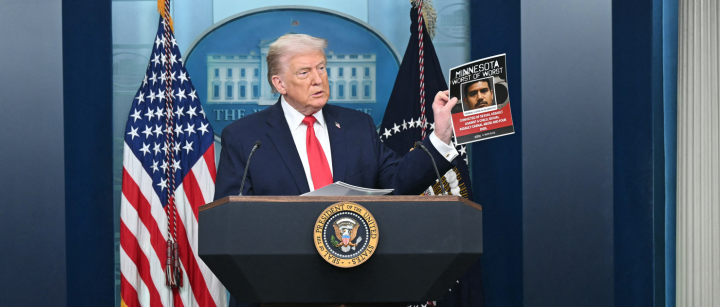
In recent political discourse, claims about the composition and targeting of immigration enforcement efforts under the Trump administration have proliferated, often emphasizing the supposed focus on the “worst of the worst.” However, a closer, evidence-based analysis reveals that the narrative is considerably more nuanced and, in parts, misleading. While officials—including DHS Secretary Kristi Noem—contend that enforcement actions are targeted at violent criminals with prior convictions or pending charges, data from reputable sources raises serious questions about the accuracy of these assertions.
The administration claims that a significant majority of ICE detainees are violent criminals or have criminal convictions and that enforcement is effectively targeted at the most serious offenders. According to DHS official statements and the recently launched “Worst of the Worst” website, the agency emphasizes arrests of individuals with convictions for violent felonies. However, independent analyses, such as the one conducted by the Cato Institute and the New York Times, demonstrate that the proportion of ICE detainees with actual violent or serious criminal convictions is quite small. For instance, Cato’s detailed review of leaked ICE data indicated that, among those with criminal convictions, only about 8% had convictions for violent or property crimes—roughly 5% for violent crimes like assault, not murder or rape. Conversely, roughly 37% of detainees had no criminal convictions or pending charges at all, and this percentage has increased over time, climbing from about 22% early in Trump’s presidency to over 40% by late 2025.
Verdict: Misleading. Official rhetoric asserts that enforcement targets the “worst of the worst,” but data suggests that a growing proportion of detained aliens are individuals with no criminal record or pending charges in the U.S. Additionally, the percentage of detainees with actual violent crimes is disproportionately small. Experts such as *David Bier of the Cato Institute* and *University of California Law Professor David Hausman* highlight that screening for violent history among detainees shows a limited number with serious violent convictions, undermining claims of targeting only violent offenders.
Furthermore, the administration’s argument that most non-criminals have convictions or pending charges in their home countries remains unsubstantiated by public data. DHS officials have claimed that many arrested individuals without U.S. criminal records possess convictions abroad or are involved in grave activities like terrorism or human rights violations. Yet, DHS has not provided transparent or verifiable data supporting these assertions, and experts point out that obtaining reliable criminal history information from other countries is highly variable and often inaccessible. As *Colleen Putzel-Kavanaugh from the Migration Policy Institute* notes, “We’re not aware of data that DHS actually holds or has shared concerning any foreign criminal connections.”
The shift in ICE detention demographics over the past year further complicate the narrative. Recent DHS data indicates that only about 29% of those detained by ICE have criminal convictions, compared to over 54% last year. Meanwhile, the share with no convictions or charges has increased sharply, reaching nearly 43% in January 2026. This trend aligns with reports of increased pressure on ICE to arrest more individuals, regardless of their criminal history, as part of broader enforcement policies. White House officials and conservatives claim this approach is necessary for public safety; however, data analysis from sources such as the Deportation Data Project demonstrates that many of these arrests are of individuals with little if any criminal background.”
As this investigation makes clear, the core claims about targeted enforcement of violent or serious offenders under Trump are often exaggerated or, at worst, inaccurate. The evidence rather points to a significant number of arrests involving individuals without serious criminal records—an aspect that policymakers and the public must consider deeply. Transparency, accurate data, and honest reporting are essential in a democracy where informed citizenship is the foundation of responsible governance. Only by sticking to the truth can we ensure that immigration policies serve justice and uphold the values we cherish as Americans.
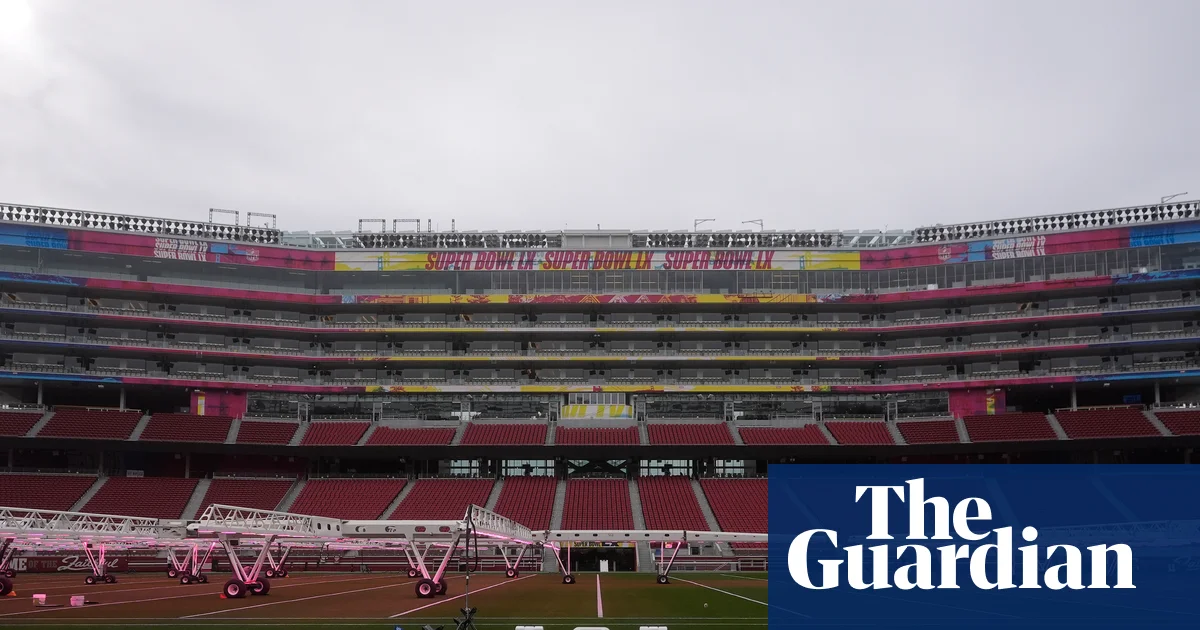
The forthcoming Super Bowl at Levi’s Stadium in California has unexpectedly become a focal point of international concern as reports surface of imminent immigration enforcement operations involving US Customs and Immigration Enforcement (ICE). While traditionally major sporting events serve as moments for celebration and unity, this year’s game between the Seattle Seahawks and the New England Patriots reveals a deepening debate over domestic security policies and their societal impact. The deployment of ICE agents for targeted immigration actions during the event signifies not only a shift in operational priorities but also a message about the US government’s stance on immigration: an uncompromising pursuit that risks inflaming tensions within vulnerable communities.
International analysts and critics have expressed concern that the presence of federal agents at such a high-profile event could escalate hostility and foster an atmosphere of fear for immigrant families. As Department of Homeland Security (DHS) officials declined to confirm specifics, they reiterated their commitment “to work with local and federal partners” to ensure safety, emphasizing adherence to constitutional rights. Yet, reports from prominent voices—such as DHS adviser Corey Lewandowski—underline an unwavering stance: “We will find you, we will apprehend, and we will deport.” Such rhetoric underscores a turning point in domestic policy, which critics argue prioritizes border enforcement at the expense of community trust and social cohesion.
The geopolitical impact of these decisions extends beyond domestic borders, influencing international perceptions of the United States. Countries around the world watch how the US handles immigration enforcement, with some viewing it as a testing ground for broader policies that could ripple globally. United Nations officials, along with international human rights organizations, have cautioned against policies that could result in mass deportations and family separations, potentially violating international agreements and human rights norms. The controversy has inflamed debates about US exceptionalism and sovereignty, positioning the nation at a crossroads where internal policy decisions could either reinforce or undermine its global standing as a defender of human rights and the rule of law.
Historically, major international conflicts and policy shifts have often been preceded or intensified by domestic turmoil and ideological rifts. Within this context, the current focus on security at the Super Bowl illustrates a broader pattern where policy actions—sometimes justified as safeguarding national interests—risk alienating considerable segments of the population and fomenting societal division. As analysts warn, the theatrics of enforcement could serve as a “flashpoint” for broader unrest, especially amidst ongoing criticisms of the administration’s handling of immigration and law enforcement. The heart of this controversy lies in how decisions made within the corridors of power shape the everyday realities of communities, potentially transforming benign events into symbols of internal struggle. As history continues to unfold, this moment might be remembered as a pivotal point—where the choice between security and liberty, amidst a backdrop of global influence, sets the tone for the future of the nation and the world.

In the fast-paced world of smartphone innovation, Samsung continues to push the boundaries, this time with a fresh focus on privacy and security. The Korean tech giant recently announced that it is developing a revolutionary privacy feature for its upcoming Galaxy lineup, promising to operate “at a pixel level”. While details remain shrouded in mystery, industry insiders speculate that this new function will be unveiled at the upcoming Galaxy Unpacked event scheduled for late February. The tech world is abuzz with anticipation, knowing that Samsung’s latest move may significantly redefine the relationship between consumers and their devices.
The privacy enhancements slated for the Galaxy S26 series could represent a landmark moment in how smartphone companies address security concerns. Experts suggest that the new features will allow users to control their data with unprecedented precision—down to the pixel level. In an era where digital privacy is becoming an ongoing social debate, Samsung’s approach might set a new standard for transparency and user empowerment. Influencers and security analysts have noted that this shift underscores a pivotal trend: technology companies are no longer just competing on hardware specs or aesthetic appeal but are increasingly judged by their commitment to protecting user rights in an age of pervasive data collection.
Furthermore, this developments highlight a broader societal shift toward a more privacy-conscious culture. Millennials and Generation Z are becoming savvier about their digital footprints, demanding more control over how their data is used. As social influencers and thought leaders like Cameron Winklevoss and Shoshana Zuboff emphasize, the next wave of technological innovation must adopt a trust-first approach—a response to growing public skepticism and recent high-profile breaches. Samsung’s move appears to resonate with a societal desire for more transparent security measures, positioning the company not merely as a device manufacturer but as a protector of digital sovereignty.
As we await the official reveal at Galaxy Unpacked, one question looms large: Will Samsung’s privacy leap catalyze a new standard across the industry? Or will other tech giants, lured by the promise of convenience, continue to sideline robust security for the sake of user experience? The next chapter in this digital privacy saga might define how society balances technological progress with civil liberties. It’s not just about the next phone model but whether our devices will truly become allies in the fight for personal privacy. The answer to this question could shape our digital lives for years to come—and the future of privacy remains an open frontier.

In an era increasingly captivated by transient trends and digital frivolity, the enduring significance of culture as the bedrock of identity and societal cohesion remains an imperative. The legacy of icons like Ross Wild, renowned for his association with the influential 80s band Spandau Ballet, underscores how moments of artistic expression serve as milestones in the collective memory. These cultural landmarks are not mere relics but vital threads woven into the fabric of our shared experience, anchoring us amidst a flux of societal change. As Ortega y Gasset articulated, civilization is the collective projection of individuals’ inner worlds, and through music, art, and tradition, humanity continuously manifests its essence.
Yoking the past to the present, we recognize that figures like Wild, operating within the pulsating *new wave* and *synth-pop* movements, embody the synthesis of historical cultural shifts. Their work exemplifies how popular music functions as a vessel—transmitting collective values, hopes, and challenges across generations. Such art forms, often dismissed as mere entertainment, serve as a rallying cry for national and cultural pride, fostering a sense of continuity amid chaos. Chesterton once observed that “tradition is the democracy of the dead,” emphasizing that our cultural inheritance is a dialogue—one in which each generation must listen, uphold, and reinterpret its heritage.
Furthermore, understanding culture as a symbolic armor protecting societal stability is crucial, especially as democracy itself can be fragile without roots rooted in shared values. Tocqueville warned of the burgeoning individualism overly detached from communal bonds, and today’s cultural landscape reflects this tension. As we navigate the digital age, the importance of preserving cultural memory—be it through music, historic sites, or traditional narratives—becomes paramount. These elements serve as the archetypes and myths that shape our consciousness and empower us to face future challenges with resilience.
Ultimately, the cultural tapestry woven through generations is both a memory and a prophecy. It offers us a refuge from the ephemeral and a compass for what is yet to come. As T.S. Eliot famously suggested, “The historical sense involves a perception, not only of the pastness of the past, but of its presence.” In exploring the echoes of icons like Ross Wild, we recognize that culture remains a living dialogue—a promise that through remembering and creating, humanity’s soul endures, ever longing for the harmony of tradition and the horizon of tomorrow’s hope.
In a surprising turn of events, the technology conglomerate confirmed it is implementing significant redundancies, just hours after an internal email mistakenly revealed the forthcoming layoffs. The incident underscores the tumultuous landscape of global technology firms navigating post-pandemic economic pressures, geopolitical uncertainties, and shifting consumer demands. As the news broke, analysts worldwide scrutinized the implications for the industry’s stability and the broader employment landscape, especially given the company’s influential role in shaping the digital frontier.
The company’s internal email, which was prematurely distributed and then corrected, revealed plans for thousands of job cuts across multiple divisions. The move came amidst a backdrop of declining profits, increased competition from emerging regional tech giants, and mounting pressure from international regulatory bodies. The decision aligns with a broader trend of cost-cutting measures that many global corporations have adopted in response to recent economic headwinds, but it also signals a potentially destabilizing shift for the industry. Economists and labor analysts warn that such redundancies could ripple through the global tech supply chain and have a detrimental impact on innovation and regional employment rates.
As the world’s leading economies continue to implement strategic policies in the face of geopolitical tensions — notably, the ongoing U.S.-China rivalry and the uncertain fallout from post-Brexit reforms in the UK — decisions like these are far from isolated economic events. Historians and international observers point to parallels with past industry downturns, noting how corporate retrenchment often reflects broader shifts in geopolitical alignments and technological supremacy. The repercussions reach beyond balance sheets: societal impacts include heightened unemployment, community destabilization, and the erosion of technological innovation hubs dependent on the tech sector’s vitality.
In commentary from institutions like the International Monetary Fund and renowned geopolitical think tanks, there is a growing acknowledgment that these layoffs are emblematic of an unstable global economic environment. As the world watches, the decisions made by this tech giant serve as a gauge of broader economic resilience and the potential for future multilateral cooperation or fragmentation. With each digital development and corporate move, history continues to unfold, leaving nations, societies, and individuals to contemplate the fragile future shaped by today’s strategic choices. The question remains: how will this chapter in technological and economic upheaval be remembered in the broader tapestry of history?


