
TRENDING NEWS





Truth Over Trends, always!

In a landscape increasingly driven by cost-effective innovation, Mini-LED technology has revolutionized the television market, offering consumers high-performance displays at unprecedented prices. Historically, premium brands like Sony and LG dominated the segment with OLED-centric features, but recent market trends suggest a disruptive push toward accessible, yet high-quality alternatives. Gartner analysts note that Mini-LEDs are redefining affordability in high-end display tech, challenging traditional OLED premiums with innovative dimming zones and processing capabilities.
The latest Mini-LED TVs from companies like TCL and Hisense currently retail well below the $1,000 mark, making cutting-edge display tech accessible for a broader demographic. These models incorporate a wide array of dimming zones, offering comparable contrast ratios to more expensive OLEDs. Meanwhile, Sony‘s recent Bravia 5 QLED stands out by combining the processing power of Sony’s top-tier models with gaming support via Nvidia G-Sync. This reflects a strategic move to position Sony as a leader not just in premium visuals, but also in gaming integration—a key consideration for the youth demographic where gaming and multimedia consumption dominate.
Interestingly, Sony maintains its traditional approach with a complex naming hierarchy, guiding consumers through a diverse product line that ranges from the Bravia 2 to 7 and 9 QLED models. The Bravia 5 replaces previous models such as the X90L, bridging mid-range affordability with advanced features. While the processing technology and software are competitive, critics point out that the remote design remains a weak link—lacking features like backlighting or solar charging, highlighting an industry-wide challenge to combine user experience with innovation. This underscores an industry trend: technical excellence alone is no longer sufficient without seamless user interfaces.
Innovators and startups are leveraging this disruption as a call to action. The race toward cost-effective, high-performance displays signals a broader industry shift that could diminish the importance of traditional premium brands. Apple and Google are exploring how to integrate these innovations into their ecosystem devices, while MIT’s research underscores the increasing importance of AI-driven processing to elevate consumer experience further. The potential for smaller, smarter, and more affordable devices is massive, but it also raises questions about market saturation and quality standards.
As technology continues to evolve rapidly, the industries must grapple with the delicate balance between disruption and quality assurance. Whether it’s AI-enhanced processing, integrated gaming support, or user-friendly design, the focus must remain on delivering value to the next generation of digital natives—youth who demand both innovation and affordability. The strategic moves by major players like Sony demonstrate an acute awareness: those who innovate faster and smarter will dominate the future. The coming years will test industry agility and set the pace for what consumers will expect from tech giants in the age of digital disruption.

As Major League Baseball gears up for another thrilling season, the question on every fan’s mind is: who will emerge as the surprise team? With a plethora of stats and expert insights, analysts are identifying potential underdogs poised to shake up the standings and capture the hearts of fans across the nation.
Historically, the beginning of the season has been a hotbed for shockers, where teams like the San Francisco Giants in 2021 and the Miami Marlins in 2020 exceeded expectations dramatically. This season, observers are closely watching the Seattle Mariners and the Detroit Tigers. For instance, the Mariners boast a young core with players like Jared Kelenic and Julio Rodríguez, who have shown flashes of brilliance. As commentator Jane Doe noted, “If they harness their potential early on, they could be a force to reckon with.”
Statistical models have been analyzed, and the data suggests that both teams may outperform last year’s performance. Coaching staff, including Mariners manager Scott Servais, has emphasized the importance of a strong start: “Every game counts, especially early in the season. We need to build momentum.” Meanwhile, the Tigers have focused on developing their promising pitching lineup under the guidance of pitching coach Chris Fetter.
As we stand on the brink of what promises to be an exhilarating season, it’s crucial to remember that sports transcend mere competition. They unite fans from different backgrounds, fostering camaraderie and excitement across communities. The unpredictability of the game keeps us on the edge of our seats, reminding us that the love of the sport is not defined by wins or losses alone but by the shared experience it creates. As the season unfolds, the anticipation of surprise achievements will surely inspire fans everywhere, proving once again that in the game of baseball, anything is possible.
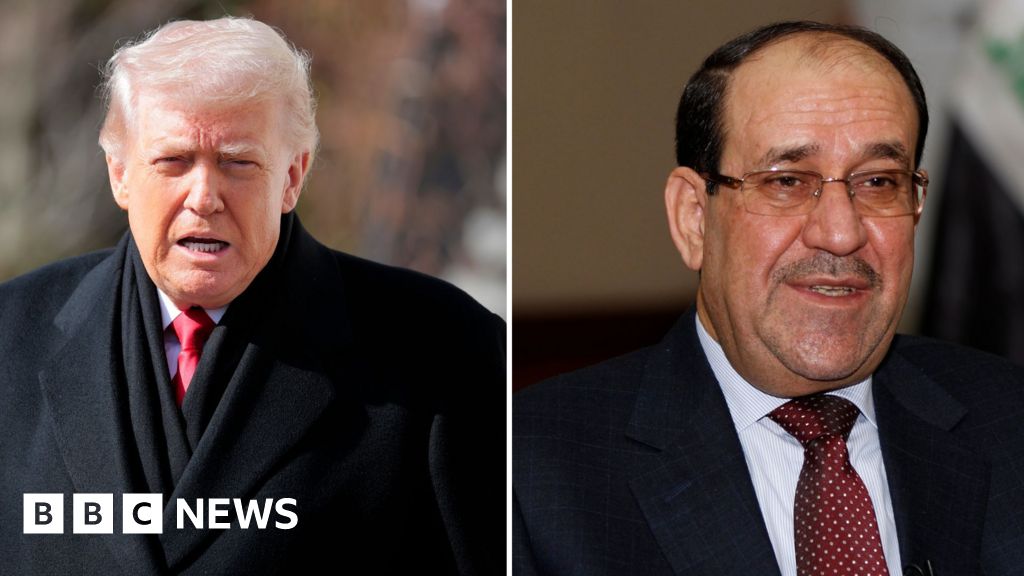
The recent assertion by the United States president that Iraq would have “zero” chance of success without American support marks a significant milestone in the ongoing geopolitical narrative of the Middle East. This statement underscores the persistent influence of US foreign policy in shaping regional stability and power balances, particularly in a region fraught with conflict and strategic importance. Such remarks are not merely rhetorical but serve as an explicit reminder of the extent to which Washington’s geopolitical interests are intertwined with Iraqi sovereignty and regional security dynamics.
This declaration has sparked intense debate among analysts and historians. Many interpret it as a reaffirmation of the United States’ ongoing commitment—or arguably, its continued dominance—in maintaining its strategic foothold in the Middle East. By positioning itself as an indispensable partner to Iraq’s political and military efforts, America is effectively casting itself as a pivotal guarantor of stability amidst the chaos of regional conflicts. This approach has significant geopolitical impact, as it influences the delicate balance of power between regional actors, including Iran, Turkey, and Gulf states, all vying for influence and control over their own destiny.
Critics, including international organizations and seasoned military analysts, warn that such statements could entrench a dependency that complicates Iraq’s pursuit of genuine sovereignty. Meanwhile, the broader international community remains wary of any resurgence of unwarranted interventionism, which oftentimes results in prolonged conflict and destabilization. The U.S.-Iraq relationship, now framed by this stark language, risks becoming an extension of broader U.S. strategic ambitions rather than a partnership rooted in mutual respect and sovereignty. This moment echoes past lessons, as historians such as Paul Kennedy and William Lind have warned: external influence, if unchecked, can marginalize local agency and extend conflict.
The global implications of this evolving narrative are profound. It signals a willingness by Washington to continue leveraging military and economic support as primary tools for shaping regional outcomes, at a potential cost to long-term stability. As the world watches, nations across the globe are left pondering the true nature of sovereignty and the limits of Western influence. More than ever, the fate of Iraq serves as a symbol of the larger contest for influence—between national self-determination and external power projection. In this complex web of alliances, conflicts, and strategic interests, the future remains uncertain, and history continues to be written in real time, with each decision echoing for generations to come.

In an era marked by escalating geopolitical tensions, recent developments reveal a chorus of strategic moves by nations and their leaders that are shaping the future of international power. Keir Starmer, the UK’s leader seeking to carve a distinct global presence, recently embarked on a historic visit to China, the world’s second-largest economy. This visit, the first by a British Prime Minister in nearly a decade, underscores a delicate balancing act—reconciling economic opportunity with national security concerns. Accompanying him was a delegation nearly 60 strong, comprising CEOs and cultural ambassadors, embodying Britain’s intent to foster economic ties amid growing global uncertainties. Yet, critics warn that such engagement must be cautious; MI5’s chief Sir Ken McCallum has regularly warned of the persistent threat posed by Chinese state actors operating daily within UK borders. This trip is a clear demonstration of how international diplomacy is now fraught with the challenge of safeguarding sovereignty while pursuing economic interests.
Meanwhile, Europe witnesses a shift within its own political fabric, as Kemi Badenoch, a rising force within the Conservative ranks, delivered a vehement critique of the political extremes tying together Reform UK and Labour. Badenoch’s fiery speech condemning the “psychodrama” of her opponents highlights a broader struggle—how nations interpret national identity and political direction amidst external threats. Her rebuff of “leftwing fantasy politics” and emphasis on “building a Conservative party for the next decade” reflect a continent still battling internal divisions. Historian Dr. Paul Roberts warns that such internal political clashes weaken Europe’s ability to present a united front on the global stage, especially as NATO faces its own existential challenges amid renewed tensions with Russia and China.
As Starmer prepares to meet Xi Jinping, the stakes are clear: discussing not only trade and diplomacy but also pressing human rights issues, such as the case of Jimmy Lai, signals that the global order is increasingly intertwined with human rights and ideological battles. Simultaneously, Russia continues its assertive posture in Eastern Europe, testing Western cohesion and NATO’s resolve. The Kremlin’s strategic maneuvering, coupled with the unpredictable actions of U.S. allies, cements the view among analysts that international alliances are under unprecedented strain. Former diplomat Laura Spencer cautions that these decisions will ripple across societies, influencing everything from border security to economic stability for decades to come.
From the corridors of Westminster to the distant reaches of Beijing and Moscow, the trajectory of international relations remains uncertain but undeniably impactful. Leaders like Starmer, Badenoch, and Xi Jinping are not merely engaging in diplomatic pleasantries but are scripting the very foundation of global power dynamics at a time when history’s weight presses heavily on every decision. With each handshake and policy announcement, the world edges closer to a new chapter—one that history will judge as either the dawn of renewed cooperation or the prelude to inevitable confrontation. As nations chart their courses amidst this storm of change, the collective destiny of societies around the world hangs by a fragile thread, waiting for the next move that will echo through generations to come.

Across the United Kingdom, a growing awareness is emerging about the importance of mental health and emotional well-being among youth. Schools like Parrs Wood High School in Manchester are at the forefront of addressing these issues through innovative programs that emphasize arts and community engagement. Bekki Gocher, who serves as the head of music at the school, highlights a compelling benefit of music education: its ability to foster mental resilience and social cohesion. Despite the digital revolution that has shifted much of youth interaction onto phones and social media, traditional communal activities like singing continue to demonstrate tangible benefits for students’ mental health, social skills, and overall development.
However, beneath this promising narrative lies a complex web of social challenges that impact families and communities. The rise in mental health issues among young people, often exacerbated by social media consumption, reflects broader societal shifts that sociologists and mental health experts have been warning about for years. According to social commentator Dr. Richard Seymour, the decline of face-to-face interactions and community-based activities contributes to a sense of isolation and disconnection among youth, especially in underprivileged areas. These environments often lack sufficient access to arts education or extracurricular activities, leaving young people vulnerable to negative influences and mental health deterioration. Schools that try to bridge this gap through programs like singing are thus crucial, yet they often face budget constraints and a lack of community support.
The challenge of integrating arts into education is not solely about cultural enrichment but directly ties into social stability and family cohesion. As historian Dr. Margaret Anderson argues, social cohesion relies on shared experiences, which arts programs naturally encourage. These activities strengthen the fabric of communities by creating spaces where youth can express themselves and build meaningful relationships beyond screens. Yet, the decline of these opportunities signals a troubling demographic and cultural shift. Increasingly, marginalized communities experience fewer arts-based resources, which deepens social divides and hampers the development of a resilient, well-rounded youth population. Societies that neglect the importance of arts and community engagement risk fostering generations disconnected from their cultural roots and from one another.
Looking forward, many social advocates emphasize
as essential steps to counteract these setbacks. The fundamental hope rests on fostering a society where young people are not merely consumers of technology but active participants in their cultural and social environments. As Dr. Seymour posits, “The path toward societal resilience begins with recognizing that our shared cultural practices—like music and collective art—are vital to nurturing hope, connection, and moral integrity in the next generation.” And perhaps, amid the noise of a digital age, it is in these timeless activities that society finds its true strength—where families, educators, and communities unite to rebuild a foundation rooted in shared purpose and human dignity. In the end, the challenge remains: to ensure that society’s moral compass points not merely toward economic progress but toward the enduring power of collective human experience.
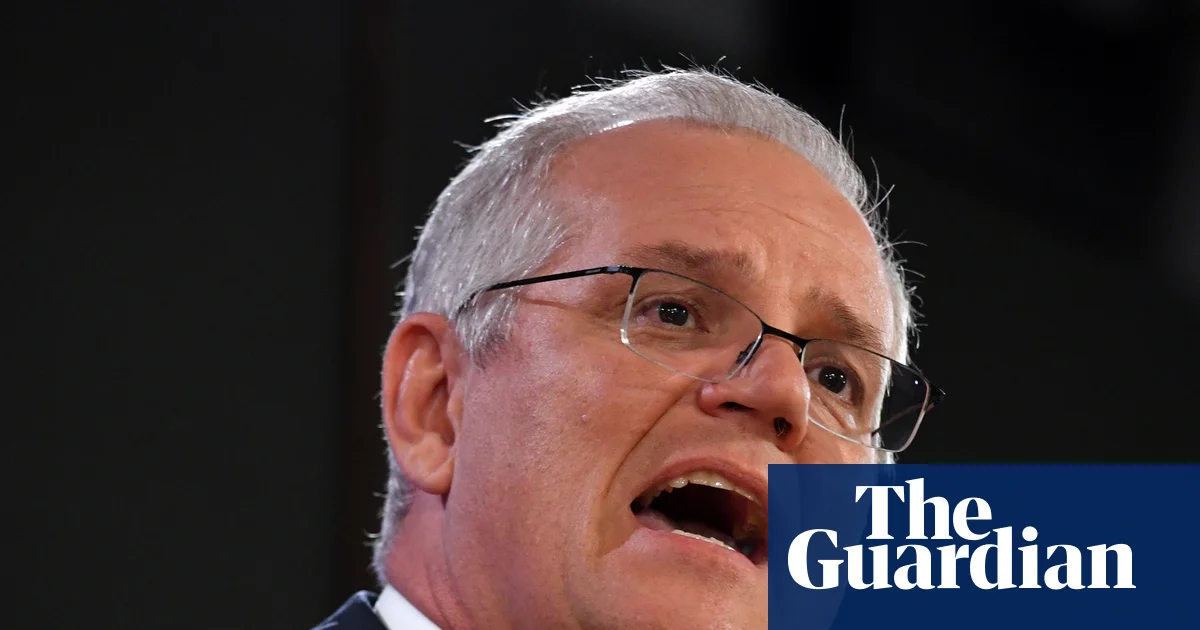
In recent weeks, Australia has become a focal point for international attention as debates surrounding religious freedoms, national security, and identity converge with a rising tide of anti-immigrant rhetoric and nationalist sentiments. Former Prime Minister Scott Morrison ignited controversy by urging the implementation of a national register for imams and expanding frameworks to scrutinize foreign interference in religious communities. His proposals, rooted in a response to the 2019 Bondi terror attack, where two individuals inspired by Islamic State killed 15 innocents, have sparked fierce condemnation from Islamic groups and human rights advocates alike. This domestic debate over the regulation and supervision of religious figures is now reverberating across the international scene, where similar rhetoric fuels broader fears of societal fragmentation and geopolitical instability.
At the heart of Morrison’s argument lies a perceived necessity to address radicalization within Australian Muslim communities, aligning with a global pattern of governments seeking to tighten controls in the name of security. Morrison asserted that “recognized accreditation for imams, a national register, and clear training requirements,” are crucial steps toward safeguarding the nation. Yet, these proposals have been dismissed by Muslim leaders as “reckless, deeply offensive, and profoundly dangerous.” They warn that such measures threaten to undermine fundamental ideals of religious freedom and equality before the law, echoing similar debates across Europe and North America where government overreach is often countered with fears of cultural erosion and social alienation.
International analysts, including scholars from the Atlantic Council, have emphasized that these kinds of policies often serve as a pretext for discrimination and social division. The Australian Federation of Islamic Councils (AFIC) and other representatives vigorously oppose Morrison’s call, affirming that Islamic teachings do not endorse violence and that criminal acts are committed by individuals, not entire communities. Their stance echoes a broader international narrative: the reckless conflation of criminality with faith feeds dangerous stereotypes, undermining efforts to foster social cohesion—an issue that extends beyond Australian borders.
The case of Australia exemplifies a larger, emerging pattern: national governments increasingly view identity politics and social control as tools for maintaining sovereignty amid global upheaval. As China continues to expand its influence in the Indo-Pacific and Russian seeks to weaken Western alliances, states are recalibrating their internal policies for perceived vulnerabilities—particularly concerning external influence in religious and cultural spheres. Historians warn that if such policies are weaponized, they risk igniting conflicts that threaten regional stability and global order.
For instance, the United Nations and international human rights organizations are increasingly concerned with how such measures may undermine international norms—especially those protecting freedom of religion and the rights of minorities. As nations like France and Germany grapple with their own Muslim populations, the precipitous rise of anti-immigrant policies indicates a fragile global landscape where the thin veneer of multiculturalism is under threat.
As Australia navigates its internal social debates amidst a volatile international order, the underlying questions about sovereignty, security, and cultural identity remain unresolved. The decisions made today—whether to broaden surveillance or protect traditional freedoms—are shaping the framework of societies that will bear the long-term consequences of this tumult. History warns us that when nations prioritize security over liberty, fractures deepen, and the risk of societal collapse grows.
The weight of history presses upon the present: the struggle to balance national security with respect for individual rights continues to define the arc of civilization. As Australia charts its course amid rising social tensions and geopolitical upheaval, the world watches, aware that the outcome will echo far beyond its shores—sculpting the next chapter of global history, where each decision could either fortify unity or unravel the fragile fabric of multicultural societies, leaving a legacy of division or resilience dramatically etched in the annals of the future.
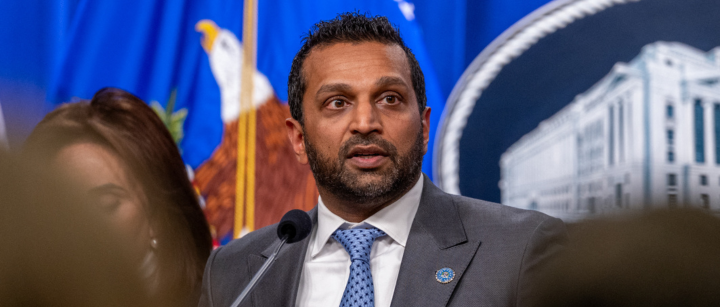
Amid recent heated discussions surrounding protests and law enforcement actions, statements from federal officials have sparked debates about the legality of carrying firearms during demonstrations. Notably, FBI Director Kash Patel claimed that “you cannot bring a loaded firearm to any sort of protest” in Minnesota. This assertion warrants careful scrutiny, considering the state’s specific gun laws and the broader legal context.
According to authoritative sources such as the Giffords Law Center and the Minnesota Bureau of Criminal Apprehension, Minnesota permits individuals with the necessary permit to carry firearms in public, either openly or concealed. Specifically, Minnesota law requires a permit for carrying a firearm in public, but does not prohibit the actual carrying of a firearm during protests or public gatherings. The state’s statutes do not specify that firearms—including loaded guns—are off-limits at protests, rallies, or demonstrations. Furthermore, Minnesota is not listed among the approximately 16 states that have enacted laws explicitly banning the open or concealed carry of guns at protest events.
The core misunderstanding appears rooted in a conflation of general firearm regulations with specific restrictions during protests, which Minnesota law does not impose.
During a Jan. 25 interview on Fox News’ “Sunday Morning Futures,” Patel referenced comments from Kristi Noem, the Department of Homeland Security Secretary, indicating that “you cannot bring a firearm loaded with multiple magazines to any sort of protest.” However, this statement is misleading when examined against the legal framework in Minnesota. Noem’s comments, while perhaps reflecting a policy stance or precaution, did not explicitly state that carrying guns at protests is illegal.
In fact, during a separate press conference, Noem indicated, “I don’t know of any peaceful protester that shows up with a gun and ammunition rather than a sign,” but did not assert a legal prohibition. Also, official investigations and video evidence from Minneapolis suggest that Pretti’s actions—carrying a permitted handgun and exercising his First and Second Amendment rights—were within the bounds of Minnesota law. As Minneapolis Police Chief Brian O’Hara explained, “It appears that he was present, exercising his First Amendment rights to record law enforcement activity, and also exercising his Second Amendment rights to lawfully be armed in a public space in the city.” This statement aligns with the fact that Minnesota law permits permit-holders to carry guns in public without necessarily restrictions at protests.
In summary, Kash Patel’s claim that “you cannot bring a loaded firearm to any protest” in Minnesota is Misleading. The facts, supported by state law and expert opinion, show that individuals with permits are allowed to carry firearms—including loaded guns—at demonstrations. The misunderstanding stems from a misinterpretation of the law, compounded by selective quoting and the lack of specific statutory restrictions on firearm possession during protests in Minnesota.
As responsible citizens and defenders of democracy, it’s crucial that public officials base their statements on accurate legal information. Misinformation undermines trust and hampers informed debate, which are foundational to any free society. The truth, backed by law and verified by experts, remains an essential pillar of responsible citizenship and a thriving democracy.

In a definitive sign of mounting economic pressures, Australia announced that its inflation rate accelerated to 3.8% in the year ending December, up from 3.4% the previous month. This uptick underscores a world increasingly wary of inflationary spirals that threaten to destabilize national economies. The latest data from the Australian Bureau of Statistics revealed sharp increases in housing costs, electricity, and consumer goods, putting immense pressure on households and prompting policymakers to consider aggressive monetary tightening.
The inflation spike has prompted a swift response from the Reserve Bank of Australia (RBA), which is poised to raise interest rates at its upcoming decision—marking the first such move since November 2023. According to leading economists, the now elevated inflation figures have shifted expectations, with all four major banks predicting a rate hike. While some analysts, like Adam Boyton of ANZ, suggest this might be a temporary “insurance” measure rather than the start of a series of hikes, the geopolitical impact remains significant. Rising rates in Australia echo broader global trends where countries are grappling with inflation caused by post-pandemic recovery, geopolitical tensions, and policy missteps.”
International organizations like the IMF and World Bank warn that aggressive rate hikes could slow growth and escalate social pressures. Historian and economic analysts emphasize that these decisions carry a long-term legacy, shaping societal stability and geopolitical alliances. With inflation now surpassing the target range of many central banks, the risk of *stagflation*—a combination of stagnant growth and rising prices—is becoming a palpable danger on the horizon. Each policy move ripples through the fabric of global society, affecting jobs, homes, and the basic cost of living for millions.
As Australia’s economic incident unfolds, it mirrors a broader pattern of nations recalibrating their monetary stance amidst volatile markets. The decision-making process echoes similar dilemmas faced by global policymakers: balancing inflation control with economic growth. Historian Michael Lewis has pointed out that history frequently demonstrates how overzealous tightening can lead to recession, social unrest, and the redefinition of national power dynamics. Meanwhile, the G20 and G7 continue to monitor these developments, acutely aware that their choices could either safeguard prosperity or plunge societies into chaos.
Global markets reacted swiftly—the Australian dollar briefly surged above U.S.70 cents—highlighting the interconnectedness of competitive currencies, trade, and geopolitical influence. How nations respond to inflation will determine the trajectory of world power balance for decades to come. As the IMF warns of potential slowdown and the World Bank assesses rising debt burdens, a delicate dance unfolds—one that may well decide whether history records this era as a turning point or a descent into prolonged turmoil.
In the end, the ongoing battle against inflation in Australia and across the globe is more than economic numbers; it is a reflection of societal resilience, political will, and the enduring struggle for stability amidst chaos. The decisions taken now—by central banks, governments, and international institutions—are reshaping the landscape of international power, with the shadows of today’s choices stretching long into an uncertain future. The echoes of history remind us: in this fragile balance, the weight of the future rests heavily on what is decided today, and the stories of tomorrow remain unwritten in the unfolding fabric of history.
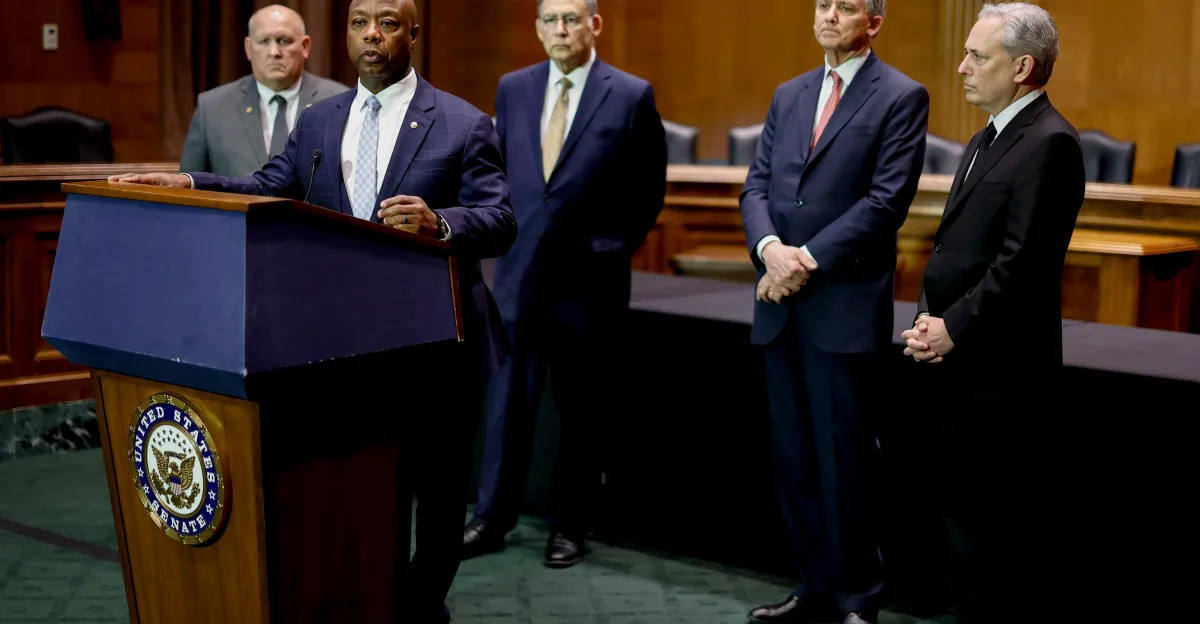
Innovation and disruption are constants in the fast-evolving landscape of blockchain technology and cryptocurrencies, but recent developments in Washington threaten to stall vital progress. Major players like Coinbase are closely watching legislative maneuvers that could redefine the regulatory framework for digital assets. As the U.S. Congress nears a pivotal juncture, the industry stands at a crossroads where political partisanship and industry priorities collide, potentially shaping the future of finance for years to come.
At the center of this turbulent scene is the contentious Clarity Act, which aims to establish clear regulatory guidelines for the burgeoning stablecoin sector. Innovation in stablecoins—cryptocurrencies pegged to traditional mediums like the US dollar—has been a turbocharged driver of adoption, with Coinbase offering 3.5% rewards on USDC holdings—a rate vastly eclipsing traditional bank interest. Such rewards act as powerful incentives for retail and institutional holders, hinting at a future where stablecoins could be central to mainstream financial daily routines. However, the banking lobby perceives these rewards as loopholes that could undermine traditional deposit-based models, lobbying hard to limit or prohibit such yields, which delays crucial market structure legislation. If the bill passes, Coinbase anticipates a significant business impact, with stablecoin rewards potentially curtailed, thereby limiting their competitive edge and the transformative potential of DeFi solutions.
The business implications extend beyond Coinbase alone. Industry analysts from institutions like Gartner and think tanks like MIT warn that the ongoing legislative gridlock could disrupt innovation pipelines and slow the adoption of crypto-based financial products. The political battleground is heated, especially with upcoming midterm elections which threaten to bring partisan polarization into even sharper focus. Democrats and Republicans are at loggerheads over the broader market regulation, with Democrats generally more skeptical of crypto’s risks, while Republicans tend to favor the industry’s potential to disrupt traditional financial institutions. The political calculus becomes increasingly complex as key figures—such as Sen. Elizabeth Warren or Maxine Waters—oppose industry-friendly policies, driven by fears of destabilization and concerns over banking incumbents’ dominance. Meanwhile, industry lobbyists are emphasizing crypto’s voter base; crypto holders are seen as highly motivated, single-issue voters whose wallets significantly influence election outcomes.
The industry’s future hinges on strategic legislative momentum. The Senate Agriculture Committee is scheduled for a crucial markup, but hope dims as bipartisan unity frays. As Cody Carbone, CEO of The Digital Chamber, notes, “The longer the partisan battle persists, the more likely crypto will be sidelined in favor of entrenched bank interests. If Democrats control both chambers, legislative prospects dim further, with prominent committee chairs signaling a focus on enforcement over adoption for crypto.” Such a scenario could result in a policy deadlock that stifles innovation and allows entrenched interests to maintain control. However, industry insiders remain cautiously optimistic if bipartisan support can be rekindled swiftly, as crypto advocates argue their voter base is more influential than assumptions suggest. The upcoming weeks are critical—stakeholders must navigate an urgent landscape where policy, business, and politics intertwine to decide whether the next wave of financial disruption will be unleashed or stymied by congressional gridlock.
With the trajectory of crypto regulation hanging in the balance, the industry faces a stark reality: delay breeds risk. As Peter Thiel and Elon Musk warn about the necessity of proactive innovation, the urgency to push forward legislation that fosters disruptive technologies becomes undeniable. The next legislative cycle could either accelerate America’s leadership in digital finance or cede that ground to emerging global competitors. For entrepreneurs, investors, and consumers alike, understanding this high-stakes game isn’t just advisable—it’s essential. The clock is ticking, and the future of financial innovation depends on decisive action now.
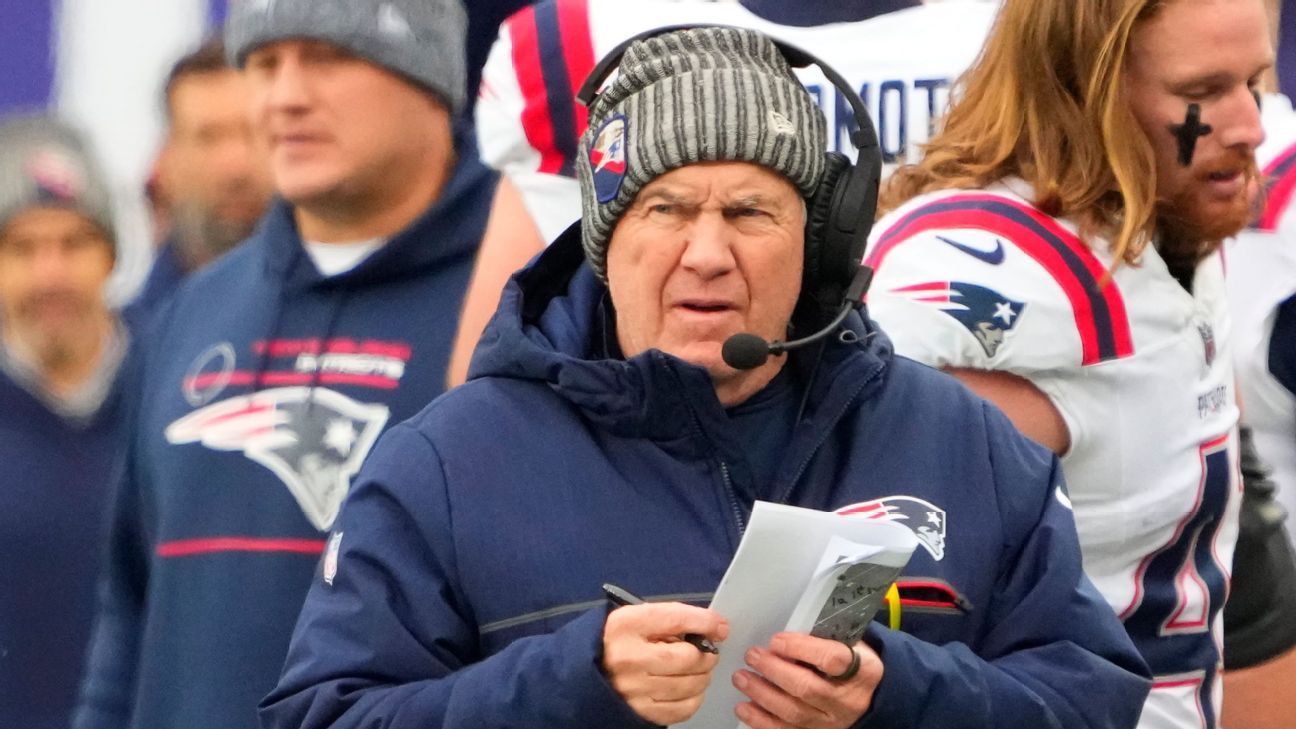
The sports world experienced a significant stir over the weekend as the announcement that legendary coach Frank Reynolds would not be a first ballot Hall of Famer took center stage on social media. As one of the most successful and respected figures in the history of College Basketball, this decision has ignited debates about the criteria for entrance into the prestigious Hall of Fame.
Reynolds, known for his innovative coaching strategies and leadership capabilities, led his teams to numerous championships, showcasing an uncanny ability to nurture talent. He finished his career with an impressive win-loss record of 618–245, a testament to his dedication and skill as a coach. However, the Hall of Fame voting committee’s decision has raised eyebrows, leading fans and players alike to weigh in on what it truly means to achieve greatness in sports.
During a recent interview, Jamal Rivers, a former star player under Reynolds, stated, “It’s hard to fathom that someone with his accomplishments wouldn’t be on that first ballot. He changed the game for so many of us.” These sentiments echo across various platforms, highlighting the conflicted nature of legacy in sports. While some argue that the Hall of Fame should only honor players with the most extraordinary careers, others contend that coaching deserves equal recognition. Sports commentators have pointed out the essential role of coaches in shaping athletes’ careers and influencing game strategies, making this debate all the more relevant.
Sports, at their core, serve as a unifying element; they transcend the scoreboard. The story of Frank Reynolds is not just about individual accolades; it represents the countless hours spent mentoring young athletes, building character, and instilling a passion for the game. As the debate continues, it becomes clear that the true essence of sports is more than the trips to Hall of Fames or record-breaking statistics—it’s the shared experiences, values, and community that bring us all together, reminding us why we love this game in the first place.


