
TRENDING NEWS





Truth Over Trends, always!
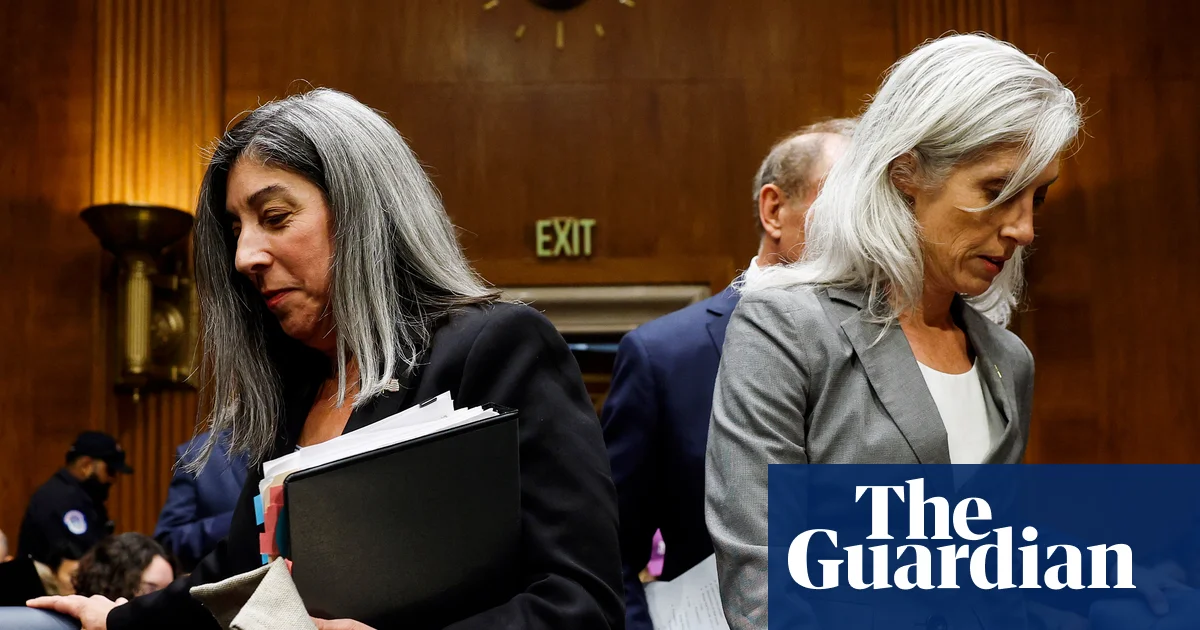
In a decisive move emblematic of an evolving cultural shift towards scientific innovation, California’s governor Gavin Newsom has appointed two prominent former Centers for Disease Control and Prevention (CDC) officials to lead a new state initiative aimed at modernizing public health infrastructure. This initiative, known as the Public Health Network Innovation Exchange (PHNIX), seeks to bridge the divide between scientific integrity and societal trust—a challenge that resonates deeply within communities grappling with misinformation, vaccine skepticism, and the erosion of shared moral consensus. Sociologists like Richard Sennett warn that societal cohesion hinges on **trust in human institutions**, yet current social tensions threaten to fracture the fabric that holds families, education systems, and communities together.
The appointment of Dr. Susan Monarez and Dr. Debra Houry highlights California’s stance amid national debates on public health policy, particularly in the wake of conflicts with the Trump administration. Monarez, who was dismissed from her CDC leadership role less than a month into her tenure after refusing to step down, clashed with the prior administration over vaccine policy, demonstrating a broader societal tension over individual rights versus government mandates. Both Monarez and Houry voiced concerns before Congress about vaccine agendas under secretary Robert F Kennedy Jr., emphasizing the importance of *trustworthy, science-based health policies* in preserving public safety. This effort underscores a societal acknowledgment that families and communities rely on transparent leadership to navigate the moral dilemmas of modern health crises.
According to Newsom, PHNIX aims to _“bring together the best science, tools, and minds to _advance public health,”_ reinforcing the significance of **technological innovation** and **information infrastructure** in restoring societal confidence. Yet, beneath this progressive veneer lies a deeper question about how social issues like vaccine skepticism impact family health, educational stability, and community cohesion. As sociologist Charles Murray argues, societal strength depends on shared moral values that foster **trust in scientific expertise**—a principle now under scrutiny in an era marked by misinformation and cultural polarization. These social tensions threaten to destabilize the very fabric that sustains societal order, from school classrooms to neighborhood streets.
At its core, California’s bold strategic shift signals a societal effort to reclaim integrity in a fractured social landscape. As Newsom positions California as a bastion of scientific resistance against what he perceives as federal overreach, communities are placed at a crossroads—either embracing a future rooted in evidence-based policies or succumbing to the path of division and distrust. The challenge for families and youth alike is profound: how to cultivate a society where science serves as a moral anchor in a world of shifting cultural norms. As history warns us, societies that ignore this delicate balance risk unraveling their social cohesion. Yet, dreams of societal renewal also persist, nurtured by the hope that through unwavering commitment to truth and stability, communities can emerge stronger—ready to forge a future where trust is restored, and society’s moral compass is reoriented toward unity.

In a move poised to redefine the wireless audio industry, Apple is reportedly preparing to launch its latest iteration of earbuds, building on its tradition of disruption and ecosystem-centric innovation. According to recent reviews and industry leaks, these new earbuds are expected to incorporate a suite of advanced features that emphasize disruption in both hardware and ecosystem integration, with potential implications for competitors like Bose, Sony, and emerging tech giants—pushing the boundaries of what consumers now expect from wireless audio devices.
Key features under development suggest a focus on elevating sound quality, comfort, and ecosystem synergy, challenging established norms. Industry analysts from Gartner and institutions like MIT underscore the significance of innovation-driven product differentiation. The new earbuds are anticipated to boast
The disruption extends beyond hardware to influence the broader market shift towards integrated, multi-functional wearable devices. As Elon Musk and Peter Thiel have emphasized, business innovation in tech hinges on ecosystem lock-in and user experience. Apple’s targeted enhancements threaten to widen its lead in the premium wireless earbuds segment, while incentivizing competitors to innovate or cede ground. The strategic introduction of tailored features—such as active health monitoring and immersive spatial audio—signal a future where earbuds serve as multifunctional health and entertainment hubs, disrupting traditional product categories.
Furthermore, the adoption of *new materials and form factors*—like foam-infused tips—highlight Apple’s push for premium comfort and better fit, addressing longstanding consumer pain points—especially for users who find tight ear tips uncomfortable. This focus on personalization and user-centered design is expected to escalate competition, compelling brands to invest in dual-purpose innovations that blendaudio excellence with health and lifestyle functionalities.
The upcoming launch signals a critical juncture in tech innovation, urging stakeholders across the industry to remain vigilant. As Apple continues to leverage its extensive ecosystem, the company’s new earbuds are set to redefine the standards for disruption, innovation, and ecosystem control. Industry observers warn that those slow to adapt risk obsolescence in an increasingly fast-paced market environment, where the integration of health, AI, and high-fidelity audio becomes the new battleground. For developers, manufacturers, and competitors alike, this is a stark reminder: The future belongs to rapid innovation rooted in a seamless ecosystem experience.
In an era characterized by relentless technological evolution, the race for supremacy in premium earbuds is more urgent than ever. With Apple’s strategic moves, the industry is likely to witness a cascade of disruptive innovations that will shape consumer habits and corporate strategies alike for years to come.
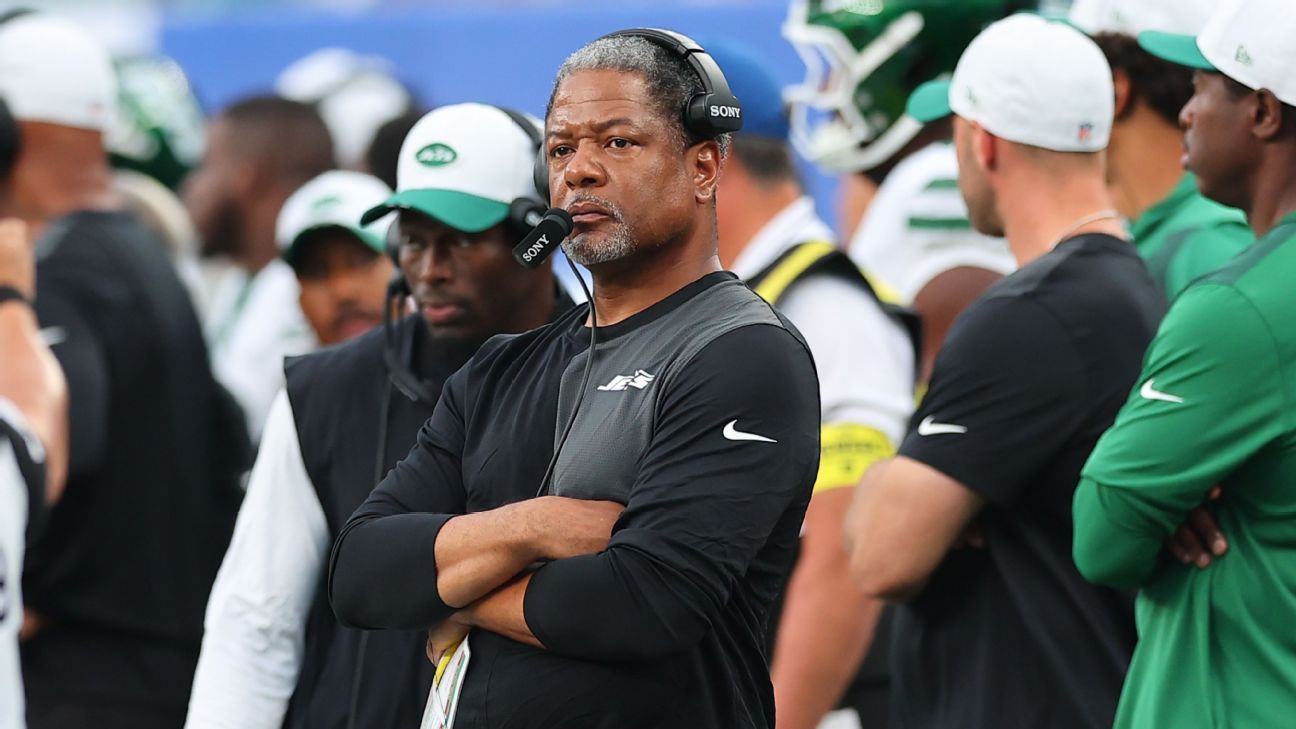
The New York Jets have made a significant shift in their coaching staff, opting to part ways with defensive coordinator Steve Wilks. This move comes amid an underwhelming season where defensive performances have not met the franchise’s lofty expectations. In an effort to revitalize their defense, the Jets have named Chris Harris as the interim defensive coordinator. Harris has previously served as the defensive backs coach and passing game coordinator, bringing a fresh perspective to the Jets’ struggling unit.
Under Wilks’ leadership, the Jets have faced criticism for lacking execution and cohesion. His departure signals an urgent need for change, as the team looks to salvage its season. Commentators have noted that the decision comes after a series of disappointing performances, where the Jets allowed an alarming number of points against key rivals. As former player and analyst Tony Romo pointed out, “Defensive schemes nowadays require a blend of adaptability and aggression. The Jets need both if they want to compete.”
The transition to Harris comes with its own set of challenges but also opportunities. As he steps into the interim role, Harris will focus on several critical areas:
Harris expressed his determination, stating, “It’s about going back to fundamentals and instilling a sense of belief in this group. We will fight every week and make adjustments that will show on the field.” As the Jets prepare for their next matchup, fans are eager to see if the new strategy will yield better results. With the playoffs in sight, the team knows that these adjustments could be pivotal.
In the realm of sports, moments like these transcend mere statistics; they are reminders of the resilience and unity that sports foster among fans and players alike. As the New York Jets embark on this new chapter under Harris, the hope is that they not only improve their performance but also ignite a passion within the fan base, reaffirming that sports can bring communities together, surpassing the scoreboard.
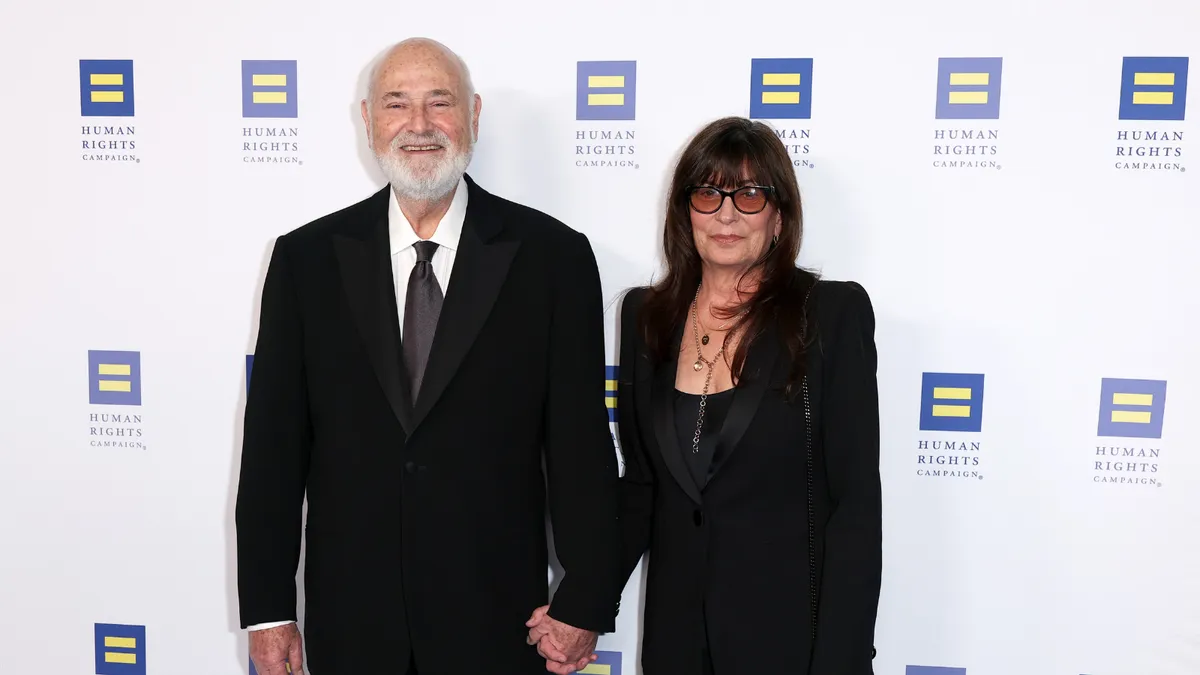
Recent reports have circulated claiming Nick Reiner was arrested on a murder charge for the deaths of his parents, sparking widespread concern and speculation. As responsible citizens, it’s vital to scrutinize such claims carefully, relying on verified information from law enforcement sources and credible investigations. Let’s examine the facts surrounding this case and clarify what is known versus what remains uncertain.
The Los Angeles Police Department (LAPD) announced that Nick Reiner was taken into custody in connection with the death of his parents, but specific details about the nature of the arrests or the case remain limited. Official statements have referred to him as a suspect, but no formal charges have been publicly filed as of now. The LAPD spokesperson emphasized the importance of awaiting further investigation results before drawing definitive conclusions. This distinction is critical—being a suspect is not synonymous with being legally convicted of a crime.
In the American justice system, every individual is presumed innocent until proven guilty through a fair trial. Suspect status does not equate to a conviction. Law enforcement agencies conduct thorough investigations, collecting evidence and building cases before formal charges are filed in court. According to the Los Angeles County District Attorney’s Office, the process involves multiple stages, including evidence review, witness testimonies, and legal proceedings. Until a court finds guilt beyond a reasonable doubt, the accused remains legally presumed innocent.
This case underscores the importance of approaching media reports and public claims with caution, especially when sensitive issues like deaths and criminal allegations are involved. Rushing to judgment can undermine the integrity of the legal process and threaten the presumption of innocence. Experts from organizations like the American Bar Association emphasize that accurate reporting and respect for due process are essential to a functioning democracy where justice is rooted in facts, not speculation.
In conclusion, while the arrest of Nick Reiner on suspicion related to his parents’ deaths has been reported, it is imperative to distinguish between suspicion and conviction. No formal charges have been confirmed publicly, and the justice system must follow its course to determine guilt. As responsible citizens in a democracy, awareness and adherence to facts uphold our shared values of fairness, accountability, and justice. Only through transparent investigation and due process can we ensure that truth prevails, safeguarding the integrity of our legal institutions and the principles they uphold.

As we reflect on the cultural landscape of 2025, one thing becomes crystal clear: this was the quintessential year of slop. Merriam-Webster’s choice of “slop” as their word of the year symbolizes more than just a linguistic trend; it marks a societal shift toward embracing, or perhaps resigning ourselves to, the flood of low-quality, AI-generated content that infiltrated every corner of our digital lives. From social media feeds to streaming services, the term “slop” has become an undeniable cultural marker, embodying the mass production and disposable nature of modern digital content.
This surge of AI slop kicked into high gear in 2025, reshaping internet vernacular and even influencing social behaviors. Everywhere you turned—TikTok, Instagram, YouTube, or even the White House’s X feed—slop was omnipresent. Influencers, sociologists, and tech analysts have pointed out that this trend reflects a crucial shift in society’s view of authenticity and quality. Now, whether it’s a deepfake political meme, a poorly executed AI art piece, or a low-stakes, cooperative multiplayer game like “friendslop,” the content’s worth is measured less by originality and more by quantity and quick consumption. The emergence of terms like “friendslop” exemplifies how our cultural narrative has evolved to normalize and even celebrate mediocrity—sometimes as a form of rebellion, sometimes just out of sheer convenience.
Influencers and sociologists argue that the social impact of this trend is profound. Viral creators such as MrBeast and Emma Chamberlain have commented on the normalization of “slop,” warning that the relentless production of low-quality content risks diluting the value of genuine creativity and critical thought. Meanwhile, the industry’s shift toward AI-generated “content for content’s sake” has had ripple effects on everything from political discourse to mental health. People, now more than ever, are grappling with the dilemma of authenticity versus quantity. And as deepfake technology advances into personal realms—think: putting anti-deepfake clauses in wills—society faces a future where distinguishing real from artificial might become an ongoing battle.
What’s truly fascinating, yet unsettling, is how this wave of digital slop challenges our very understanding of value in our hyper-connected world. The acceleration of AI-generated “content” raises questions about the future of creativity, authenticity, and even societal trust. Will the relentless tide of low-quality digital material overhaul how future generations perceive entertainment, information, and social engagement? Or is this just a passing phase—one that will eventually give way to a return to quality? As digital culture continues to evolve at breakneck speed, the next big question looms: are we entering an era where the quantity of content is finally outweighing its quality, and if so, what does that mean for society’s long-term ability to differentiate meaningful innovation from digital noise?

As technology advances at a breakneck pace, many young lifestyle enthusiasts are witnessing a seismic shift in how they approach their passions—most notably, their love for food and genuine culinary experiences. Recently, the rollout of Google’s AI Mode has introduced a new frontier in the realm of online recipes, but with it comes a wave of questions surrounding authenticity, creativity, and the personal impact on creators. Unlike traditional recipes shared with love and expertise, AI-generated dishes are often rough frankensteins of multiple sources, sometimes lacking nuance and personal touch. This shift challenges not only the integrity of culinary arts but also how young consumers connect with trusted food bloggers and lifestyle influencers who have built communities rooted in genuine expertise.
Many intentional lifestyle seekers today are drawn to authenticity—a shift underlined by wellness experts emphasizing the importance of personal experience and human touch in crafting wellness and leisure routines. Elder culinary authorities and food writers such as Julia Child and modern icons like Samin Nosrat remind us that the magic of good food lies in its storytelling, cultural heritage, and the personal care imbued in each step. When AI disrupts this narrative by producing generic, soulless recipes, it threatens to dilute the very essence of lifestyle pursuits that emphasize connection, tradition, and personal mastery.
Authentic food bloggers, such as Jim Delmage and Tara Delmage of Sip and Feast, have long relied on their experience, craftsmanship, and personal stories to build audiences. However, AI’s infiltration into search engines has led to widespread concern. As Jim Delmage recounts, “many food creators are now worried about their livelihoods, fearing that AI recipes, often assembled without care, will overshadow the work they’ve poured years into.” Such sentiments reflect a broader cultural concern: the potential replacement of human artistry with machines, which could result in a decline in trust for online culinary resources and, by extension, a loss of personal impact for these creators.
Yet, amidst these challenges, some chefs and bloggers are doubling down on what makes their content compelling—authenticity. Karen Tedesco, a seasoned chef and culinary personality, emphasizes a reliance on experience and technique—elements that AI cannot replicate. Her detailed Italian meatball recipes, complete with process photos and personal anecdotes, demonstrate how expertise and storytelling foster trust and elevate lifestyle content beyond simple instructions. This approach highlights the importance of maintaining human storytelling in an age increasingly dominated by digital manipulation and automation.
Interestingly, surveys indicate that consumer trust in AI-generated content remains fragile. Research of over 3,000 US adults shows that “the more interaction people have with AI, the less they want to engage with it,” affirming that trustworthiness still hinges on human authenticity. As Matt Rodbard from Taste points out, the cluttered, ad-heavy interfaces of many recipe sites have already alienated some audiences. Now, the addition of AI content risks compounding this disconnect, making personal, honest storytelling more vital than ever for those who want to distinguish genuine lifestyle voices from soulless automation.
Despite the hurdles, the ethical stance among many creators remains clear: they strive to protect their craft, advocating strategies such as blocking AI training crawlers or emphasizing their unique experiences. Even so, the pressure mounts, pushing many toward offering exclusive subscription content, which, for some, is a necessary step to preserve their livelihood in a rapidly shifting environment. This pivot echoes a broader cultural theme—the pursuit of meaningful, well-crafted lifestyles that resist the transient allure of cheap, disposable content.
Ultimately, this unfolding story reflects a timeless truth: the journey of embracing authentic living, whether through culinary mastery or lifestyle pursuits, is one of resilience. For young individuals seeking vitality, leisure, and a sense of purpose, the message resonates strongly—trust in human experience, nurture your passions, and stay true to what inspires you. As the digital landscape evolves, the true treasures remain those crafted with intention, care, and a story worth sharing. In the face of automation, the journey to authentic living becomes even more meaningful—challenging us to cherish what makes life flavorful, personal, and real.
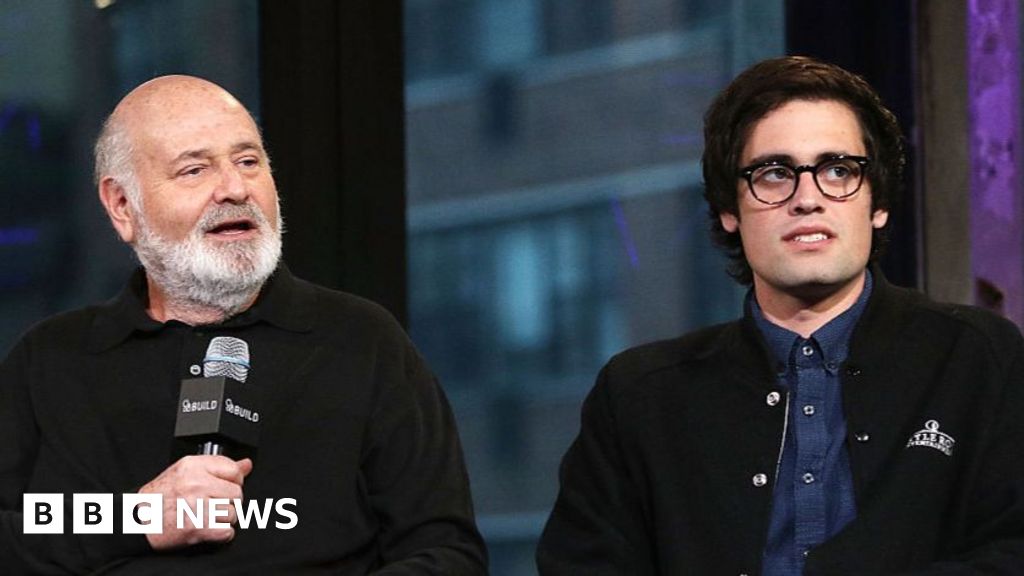
In a world increasingly detached from its roots, culture remains the vital mirror and prophetic voice of a society’s soul. It is through enduring works, shared traditions, and collective memory that communities find their identity—an anchor in chaos and a blueprint for the future. Today’s cultural landscape, whether through the lens of cinema, literature, or art, continues to serve as both a repository of historical truth and a vessel of moral guidance. As Ortega y Gasset observed, society’s vitality depends on its capacity to preserve its racion, its reasoned continuity, against the erosive forces of nihilism and superficiality.
Yet, recent tragedies starkly remind us of culture’s delicate role in shaping character and society’s moral fabric. The shocking murder of Rob Reiner’s family in Los Angeles underscores how even the most iconic and celebrated—those etched into the collective consciousness as creators of cultural milestones—are not immune to the darkness lurking in the human condition. Rob Reiner, a notable figure in American cinema whose works like When Harry Met Sally and This Is Spinal Tap have become cultural landmarks, was reminded that behind the shield of fame and success lies the ongoing challenge of moral stability. The loss of his wife Michelle, and the tragic suspicion surrounding his son Nick, have reignited pressing questions about the inner struggles that threaten to unravel even the most celebrated families.
Once, as Chesterton noted, society was anchored in the “drama of the ordinary”—families, faiths, traditions—all serving as moral anchors. Today, the chaos within individual hearts often spills over into the social fabric, revealing that culture is more than entertainment; it is the moral architecture of civilization. In our cultural discourse, we witness the tension between the creators of meaning and the forces of dissolution. The tragic circumstances surrounding Reiner’s family echo a broader truth expressed by thinkers like Tocqueville: that society’s strength depends on its capacity to uphold moral virtues amid the allure of consumerism and moral relativism. Our art, our stories, and our shared history serve not only as memories but as prophecies of what humanity can become—either uplifted or destroyed by its own moral choices.
As T.S. Eliot mused, “Between the idea and the reality falls the shadow”—a reminder that culture’s true power lies in its ability to illuminate the shadowy depths of human nature, revealing truths that instruct and inspire. Our contemporary challenges—moral, spiritual, or societal—are rooted in the same fundamental question: can culture be the foundation upon which we build a society worthy of human dignity? Or will it succumb to the transient idols of superficiality? The tragic loss of Rob Reiner’s loved ones serves as a stark reminder that beneath the veneer of fame, the moral backbone of society must be constantly reaffirmed. Because in the end, culture is both our collective memory and the prophecy of our highest aspirations, whispering that human greatness is neither accidental nor inevitable, but cultivated through shared stories, traditions, and moral resolve.
Yet, even amid tragedy, there remains a whisper—a voice that echoes through history, urging us to see culture not merely as entertainment but as the living memory and prophetic voice of humankind. As we navigate the shadows of our times, let us remember that the true art of society lies in its capacity to preserve its soul—writing its stories into the eternal fabric of time. It is this memory and prophecy intertwined that forge the enduring spirit of civilization, a testament that from the depths of darkness can still arise the radiant promise of human dignity.
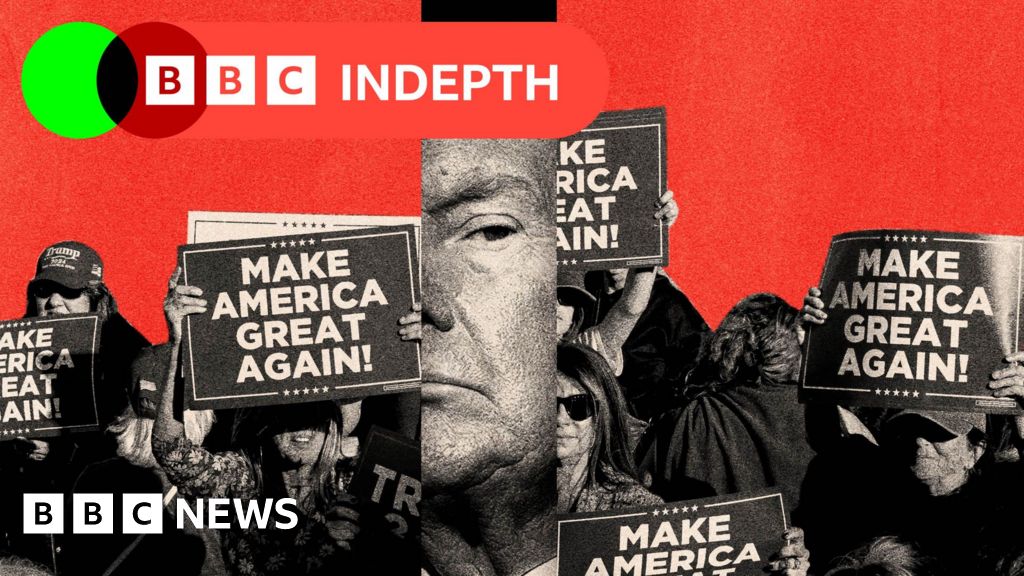
Nearly a year before the next presidential election, Donald Trump continues to dominate the Republican landscape, but cracks within his movement suggest that the party’s future is far from certain. At a pivotal moment, Trump’s recent statements and internal party dynamics reveal a shifting political terrain that will profoundly influence how nations and societies view America’s trajectory. As Trump hints that he may not run again—in fact, explicitly stating “it’s not going to be me”—the Republican Party faces an impending reckoning over its identity, core base, and the ideological direction it will take post-Trump. Influential voices like political analysts and history scholars warn that these internal divisions could reshape American politics for decades.
In recent months, the Republican Party has experienced a noticeable decline in support among minority and working-class voters, those who propelled Trump’s 2020 campaign into the White House. The latest data indicates a narrowing of the party’s electoral coalition, driven partly by internal disputes and a rising chorus of dissenters—from congressional figures like Marjorie Taylor Greene to business leaders like Elon Musk. This factionalism exposes the fissures in the MAGA movement—fired up in rallies, yet increasingly fractured in policy debates and party loyalty. This factionalism comes at a time when many international observers and domestic analysts argue that the Republican coalition has diverged sharply from its Reagan-era ideals, shifting toward economic nationalism, border security, and an America-first foreign-policy, as outlined by historian Laura K. Field. Such ideological changes not only redraw the American political map but also advance new challenges for allies, competitors, and international institutions grappling with Washington’s waning influence.
The intra-party jockeying is intensifying, with figures like JD Vance, Marco Rubio, and Robert F. Kennedy Jr. positioning themselves as potential heirs to the MAGA mantle. Despite moments of camaraderie, the upcoming contest appears more like a collage of competing visions—ranging from traditional conservatives advocating for a return to Reagan-esque values to populist, nationalist insurgents pushing for a more radical departure. Interestingly, many of Trump’s would-be successors, while echoing his rhetoric, are also suspecting that the political loyalty of the ‘new entrants’—those who joined MAGA more recently—is not guaranteed. Piloting through this turbulent landscape, Senator Rubio has shifted hard from his earlier support for liberal immigration policies, aligning increasingly with Trump’s hardline stance, but cracks in the coalition widen as some support for political violence and conspiracy theories emerge among the more radical factions.
The core question remains: Can the Republican establishment maintain its hold over a fracturing base that is more ideological than ever? The recent Manhattan Institute survey indicates that nearly one-third of current Republican supporters are “new entrants,” less supportive of Trump’s possible heirs. This group’s support drops further when considering issues like political violence, with over half seeing it as sometimes justified—an alarming indicator of how far the party’s social fabric has shifted. As the party struggles to contain these ideological currents, the next few years will see whether the GOP can forge a unified front or splinter into ideological and strategic factions, with the fate of the MAGA movement hanging in the balance.
Despite the setbacks, Trump’s influence appears enduring. Even if he retreats from the political spotlight, the core of his movement has redefined what it means to be a Republican. As pointed out by political analyst Rodney Davis, the post-Trump GOP will be shaped by leaders who must decide whether to maintain the populist, nationalist policies that propelled Trump into power or to attempt a more traditional conservative stance. The party’s recent electoral defeats in states such as Virginia and New Jersey underscore how the coalition’s long-term viability remains uncertain, especially as Democrats make gains in special elections and local races. The underlying question that looms is whether Trump’s revolutionary approach has cemented a new ideological order—one rooted in cultural conflict, economic protectionism, and a disdain for international alliances—or if the GOP can adapt and evolve beyond the MAGA era.
As the timeline races toward the 2026 mid-term elections, the debate over who will succeed Trump has already begun, and the outcome will define the shape of American politics. The forces unleashed by his rise have shaken the old Republican order to its core, turning what was once a party of Reagan conservatism into a broad coalition of populist rebels, ideological purists, and pragmatic elites. Whether this new political architecture will stand the test of time remains an open question, but history is watching. In a nation where power has often shifted on a knife’s edge, the weight of the future presses down heavily on America’s shoulders—its choices, its alliances, its very identity—are still being written, and the next chapter is nowhere near being finished.

In an unprecedented act of violence that has sent shockwaves through the international community, Australia witnessed a brazen attack at one of its most iconic landmarks, Bondi Beach. What was intended to be a festive commemoration by the Jewish community for Hanukkah rapidly devolved into chaos when two gunmen launched a deadly assault, capturing the world’s attention in just eleven minutes of terror. This incident not only underscores the persistent threats faced by Western societies but also highlights the evolving nature of terrorism in a deeply interconnected world. The chilling footage analyzed by BBC Verify reveals the calculated movements of the attackers, the brave response of a bystander, and the tragic loss of innocent lives — a stark reminder of how violence canstrike even the most idyllic settings.
Global analysts and security experts are drawing parallels between this attack and broader trends that threaten international stability. Historically, terrorist organizations have exploited moments of cultural celebration to maximize impact and spread fear. As the incident unfolded during the Hanukkah festivities, it demonstrated how **extremist ideologies** continue to target diverse communities worldwide, aiming to sow division and undermine social cohesion. Some analysts warn this attack signals a disturbing shift in tactics** — from large-scale strikes in vulnerable regions to high-profile, publicity-driven assaults on Western targets. International organizations, including the United Nations, are sounding alarms about the increasing sophistication and reach of such threats, which threaten to destabilize regional peace and security.
The incident also amplifies geopolitical implications that extend beyond Australia’s shores. Governments across the world are forced to reevaluate their security protocols, especially concerning **public gatherings**. The attack_on Bondi Beach is a potent reminder that **radicalization** does not recognize borders and that international cooperation in intelligence-sharing, counterterrorism strategies, and border security must be bolstered. Historically, nations have often been caught unprepared for these evolving tactics, but the current global climate demands a proactive stance. If not addressed decisively, such acts of violence could embolden extremist factions, fueling a cycle of violence that spills into regional conflicts and threatens global stability.
Australia’s response to this tragedy will be closely scrutinized for its effectiveness and resilience. Many analysts believe this incident marks a pivotal point in the nation’s approach to **public safety** and **counter-terrorism**—a challenge that has become increasingly prominent in the context of *international terrorism*. The leadership’s handling of the aftermath, the capacity to prevent future attacks, and the unity demonstrated in the face of adversity will influence the nation’s trajectory for years to come. Yet, beyond the immediate response, the incident also poses questions about **societal resilience**—how communities recover from trauma and whether nations can preserve their open, multicultural values amid such threats.
As the world watches, the attack at Bondi Beach serves as a stark chapter in the ongoing narrative of global security—a reminder that history, much like the tide that laps against Bondi’s sands, is constantly shifting. Nations are called to confront their vulnerabilities and forge new pathways toward safeguarding freedom and unity. In this moment of darkness, history continues to be written—an unfolding story of resilience in the face of chaos, echoing lessons from past conflicts and the enduring hope for a future where terrorism no longer holds sway over society’s destiny.

In a striking illustration of the precarious global landscape, Australia has recently endured a harrowing act of terrorism at Bondi Beach, claiming the lives of 15 innocents during a Hanukkah celebration. This tragedy underscores the persistent threats that nations face even amidst democratic resilience—issues that transcend borders and demand unwavering international vigilance. The attack, perpetrated by a father-and-son pair motivated by an “extreme perversion of Islam,” has provoked widespread mourning, but also reignited debates over security, societal cohesion, and the capacity of political institutions to respond decisively.
The immediate aftermath has seen a surge of national unity. The Prime Minister Anthony Albanese dismissed initial claims linking the suspect to an ISIS terror cell, emphasizing that “there is no evidence” for such allegations. This stance underscores the importance of precise intelligence and calibrated responses in an era where misinformation can be as destabilizing as the violence itself. Nevertheless, the government announced a commitment to tighten Australia’s already strict gun laws, with lawmakers pledging to restrict firearm licenses more stringently, acknowledging that radicalization and security vulnerabilities are increasingly complex issues requiring comprehensive solutions. Such legislative measures demonstrate an understanding that decisions on gun control significantly affect national security and civil liberties, shaping the societal fabric in the process.
Amidst the tragedy, stories of heroism and solidarity have emerged. Ahmed al Ahmed, a Muslim father-of-two, became a symbol of resistance when he disarmed one of the gunmen, risking his own life in the process. Donations exceeding A$1.3 million highlight the collective recognition of ordinary citizens acting in extraordinary circumstances. Leaders from Sydney’s diverse communities, including Rabbi Gabi Kaltmann and others, organized vigils and public Hanukkah events to honor the victims, reinforcing the vital importance of multicultural unity. Sources like international analysts and local historians point out that these acts of communal solidarity serve as a bulwark against the divisive forces of hate, demonstrating that societal resilience can outshine darkness—if only united against such evil.
Nevertheless, critics argue that authorities had warning signs and failed to prevent the tragic events, a concern reflecting broader international discourse on how governments manage the rise in hate crimes and extremist ideologies. Critics reference Australia’s earlier enactment of an antisemitism strategy, which some now deem insufficient, while others, including PM Albanese, vow to intensify efforts to stamp out anti-Semitism. This echoes global concerns that national responses must evolve, incorporating intelligence, community engagement, and legislation—elements that together shape the geopolitical response needed to combat the far-reaching tentacles of radicalism. As history continues to write itself, the weight of this moment presses heavily: how nations respond now will influence societal stability and international perceptions for generations to come.


