
TRENDING NEWS





Truth Over Trends, always!

In a disturbing escalation of Iran’s ongoing crackdown on dissent, prominent Nobel Peace Prize laureate Narges Mohammadi was violently detained last week, sparking international outrage. The Nobel Committee and global rights advocates condemned her treatment, which reportedly involved severe beatings by plainclothes agents—an alarming sign of authoritarian repression intensifying under the current regime. The 53-year-old activist, known for her relentless campaign against female oppression and human rights abuses, was hospitalized after being attacked while attending a memorial ceremony for human rights lawyer Khosrow Alikordi. Her family described her injuries as severe, with multiple emergency room visits, emphasizing the brutal nature of her detention. The international community, including respected analysts and organizations, interpret these actions as a deliberate attempt by the Iranian government to quash voices of dissent amid a nationwide push for reform, but at what cost to human dignity and international norms?
Iranian authorities justified her detention by claiming she made “provocative remarks” during a memorial gathering, but critics contend this is merely a pretext for silencing influential figures. Mohammadi, who has spent over a decade in prison for her activism, was serving a 13-year sentence on charges broadly viewed by experts as politically motivated—specifically, “propaganda activity against the state” and “collusion against national security”. Her recent temporary release for medical reasons did little to stem the repression, as reports indicate she was targeted again at the event, with eyewitnesses describing her being pulled by the hair and assaulted with clubs. Disturbingly, she was accused of collaborating with foreign entities, a charge frequently used in theocratic regimes to justify crackdowns on civil society. This pattern of violence and intimidation, analysts warn, underscores how Iran’s leadership seeks to send a chilling message to activists and the international community alike—complete dominance over dissent, no matter the cost.
The geopolitical impact of Iran’s internal repression extends far beyond its borders. Western nations and international organizations have expressed growing concern over the regime’s authoritarian crackdown—a reflection of the broader regional instability and a test for global diplomacy. The European Union and United States have increased sanctions, framing these acts as violations of human rights and a threat to regional security. Historically, Iran’s internal strife is often a precursor to broader upheaval, with analysts warning that these episodes of suppression could embolden more aggressive regional postures, especially in the context of a Middle East fraught with conflicts. The international community faces a dilemma: uphold diplomatic engagement, or confront Iran’s brutal tactics head-on, risking destabilization or confrontation. Organizations such as Human Rights Watch have called for tangible action, urging Tehran to cease the crackdown and respect the rights of its citizens—a stance that continues to challenge the regime’s narrative of sovereignty over human rights.
The unfolding events at the memorial and the regime’s response are a stark reminder that history is being written in the shadows of violence and repression. As young people worldwide observe these developments, the question remains whether international vigilance and pressure can effect change—or if Iran’s government will continue to tighten its grip, sacrificing societal progress for control. The fate of Narges Mohammadi and countless others symbolizes a broader struggle—one that intertwines human rights, regional power dynamics, and the very essence of political legitimacy. As the dust settles, the world must ask: which future will emerge from this crucible of repression? Will justice and freedom prevail, or will history accelerate into further darkness, leaving those who dared to speak out to become casualties of an unyielding regime?
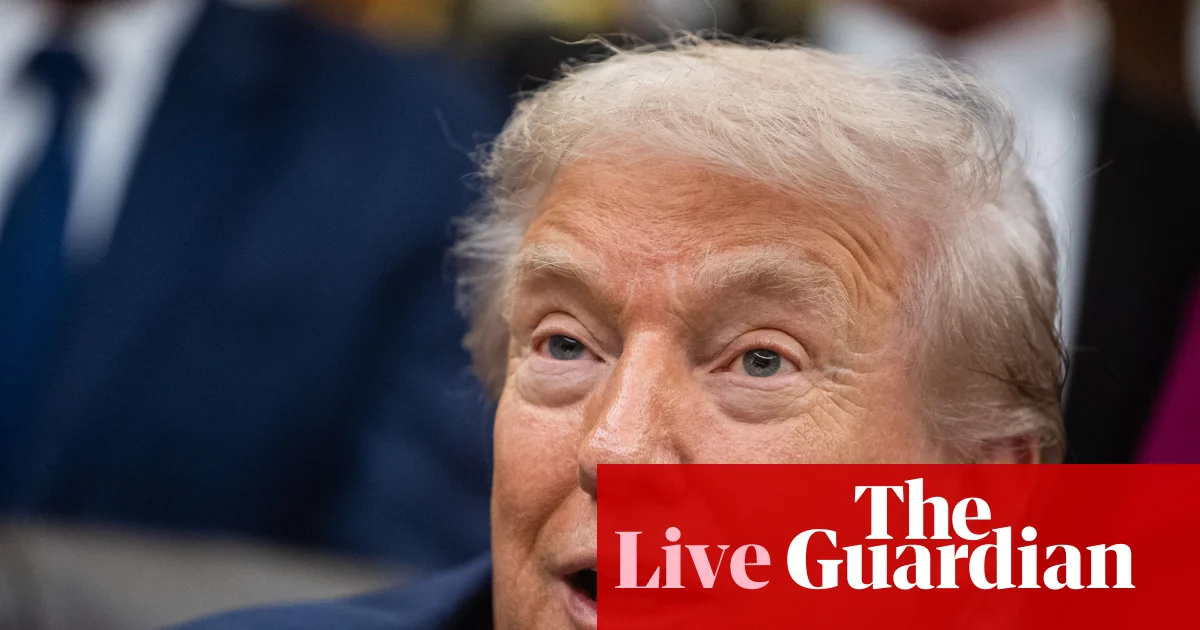
The international stage continues to unravel in a complex tapestry of diplomacy, conflict, and political posturing. The recent developments surrounding Ukraine and U.S. negotiations underscore the persistent drive for peace amid ongoing territorial disputes. According to Ukraine’s top negotiator, Rustem Umerov, there have been “constructive and productive” talks, with hopes of forging a lasting peace. Yet, behind these diplomatic efforts lie intractable issues, notably the contested control of Donetsk and Luhansk regions, which remain pivotal in the broader conflict. Analysts from various think tanks and international organizations warn that unresolved territorial disputes could prolong the war, with repercussions that ripple far beyond Eastern Europe.
Meanwhile, the U.S. continues to exert influence over Ukraine’s territorial negotiations, demanding that Kyiv cede control of the Donbas regions as a precondition for peace talks. Reports from Reuters and AFP reveal that US negotiators are maintaining this stance, asserting that Russia’s primary objective is to reclaim territory—an assertion that Kyiv vehemently rejects. This insistence by Washington reflects a deeper strategic positioning, revealing how geopolitical interests are entwined with territorial sovereignty. In stark contrast, Russian President Vladimir Putin is said to prioritize territorial expansion, seeking to consolidate control over areas critical to Russia’s national security. The conflicting demands exemplify a broader chess game involving multiple nations, each vying to shape the future of a region that increasingly symbolizes the battleground of post-Cold War influence.
The European leaders, led by Friedrich Merz of Germany, actively participate in these talks, hosting discussions with Ukrainian President Volodymyr Zelenskyy and other key figures. The presence of Trump’s envoy, Steve Witkoff, and Jared Kushner underscores the continued interest from U.S. factions seeking a role in resolving the conflict — although their involvement is contentious amidst concerns over biases and diplomatic effectiveness. This dynamic illustrates the shifting boundaries of influence and the perilous dance of diplomacy in a Europe teetering on the edge of prolonged instability.
Simultaneously, domestic policy debates in America reveal a nation deeply divided on how to approach foreign conflicts and internal crises. Notably, the rhetoric of Donald Trump and Ilhan Omar exemplifies the tumult within U.S. politics—ranging from accusations of “disgusting” statements to allegations of government overreach. Recent reports highlight Trump’s plans to sign executive orders reclassifying marijuana, signaling a possible pivot that could reshape America’s drug policy landscape. Yet, as analysts warn, these decisions carry profound implications for international perceptions of U.S. stability and leadership in safeguarding democratic values.
In this ever-unfolding chapter of history, the fate of nations hangs precariously in the balance. As Ukraine‘s leaders wrestle with territorial sovereignty and U.S. policymakers grapple with internal divisions, the echoes of past conflicts and missed opportunities reverberate across continents. The meticulous power struggles and diplomatic negotiations of today are but threads woven into the larger fabric of history—each decision, each bold move, shaping the future of global stability. As world leaders convene in Berlin and elsewhere, the question remains: how long can the fragile veneer of peace hold before the next chapter of conflict demands its place in the annals of history?
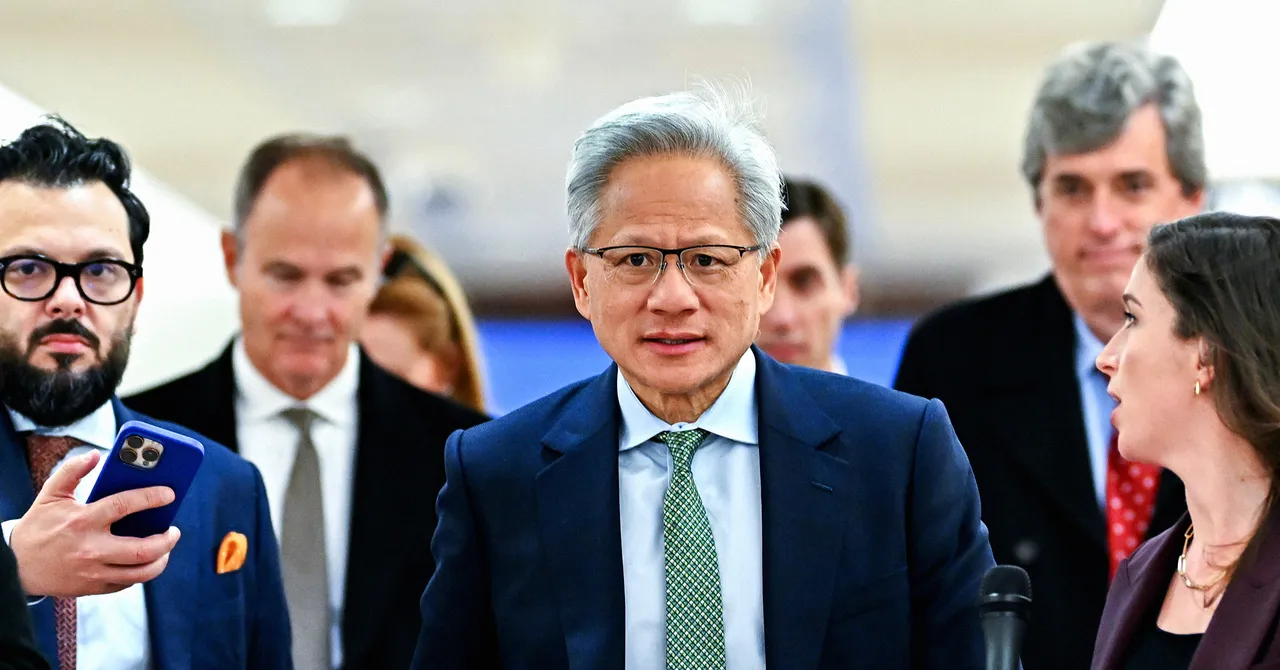
In a significant strategic pivot, Nvidia has transitioned from primarily supplying chips for artificial intelligence development to becoming a frontrunner in open model innovation. The chipmaker’s recent release of the Nemotron series signals an ambitious push towards democratizing AI technology, emphasizing transparency, customization, and scalability. This move has profound business implications—it challenges the traditional proprietary approach championed by major US tech firms and hints at a new epoch of open, disruptive AI ecosystems rooted in innovation acceleration.
Unlike its Western rivals that lean toward closed, tightly guarded models, Nvidia’s approach with Nemotron embodies a disruptive openness that seeks to empower developers and startups. By releasing the training data and tools alongside the models, Nvidia aims to lower the barriers for AI experimentation and fine-tuning. The platform supports a hybrid latent mixture-of-experts architecture designed to facilitate scalable AI agent creation capable of interacting with web environments or executing complex computer actions. The models arrive in three configurations—Nano (30 billion parameters), Super (100 billion parameters), and Ultra (500 billion parameters)—highlighting Nvidia’s commitment to flexibly address a vast spectrum of enterprise needs. This scale of transparency and accessibility moves against industry norms and could set a new standard in how AI development is conducted globally.
Industry analysts, including those from Gartner and MIT, recognize Nvidia’s initiative as a potential game-changer that disrupts the status quo of AI R&D. As Kari Ann Briski, Nvidia’s vice president of generative AI software, emphasizes, “Open source is making AI more adaptable, fostering innovation, and ultimately powering the global economy.” This stance contrasts sharply with the recent trend among US firms, exemplified by Meta’s open models which have recently shifted towards secrecy. The move toward proprietary models reflects a strategic effort to safeguard competitive advantages, but it may also hinder rapid innovation and collaboration essential for maintaining technological leadership.
Looking forward, the industry faces a critical juncture. Traditional AI giants may find themselves increasingly marginalized if they fail to leverage open innovation channels or adopt more transparent practices. Nvidia’s model suggests the future perhaps belongs to ecosystems where open collaboration accelerates breakthroughs—yet it also exposes the risks of commoditizing advanced AI and breaking the barriers that once protected innovation. As Elon Musk and Peter Thiel have often warned, the real disruptive power lies in harnessing the energy of open, competitive industries. The race is on, and the stakes couldn’t be higher for those who want to dominate the next frontier of technological progress. Companies that embrace this new paradigm—focusing on transparency, customization, and scalable innovation—will shape the future of AI and economic growth in the era ahead.

In the wake of a disappointing performance against the Jacksonville Jaguars, speculation grows around the future of the New York coaching staff. Head Coach Aaron Glenn, who has been with the team since the start of the season, appears to have distanced himself from Defensive Coordinator Steve Wilks following the game. This strategic separation comes after the defense allowed the Jaguars to score multiple touchdowns, while failing to produce any significant turnovers.
During the match, the Jaguars exhibited a dominant offensive strategy that caught the New York defense off-guard. Key moments included two back-to-back touchdown passes from quarterback Trevor Lawrence, which left fans and analysts questioning the defensive schemes put forth by Wilks. As Coach Glenn reflected on the game, he emphasized the need for a stronger foundation, stating, “We need to ensure every player is held accountable. The defensive plays are critical to our success.” This urgent plea for accountability indicates a potential shift in team dynamics moving forward.
Team analysts have pointed out specific takeaways from the game that underscore the struggles faced by the New York defense:
As the dust settles on this latest loss, the future for both Coach Glenn and Coordinator Wilks hangs in the balance. With a pivotal game on the horizon, many expect this will test the resilience and adaptability of the entire coaching staff. Sports commentators, including former MVP Michael Vick, have echoed sentiments urging the need for a cohesive and unified strategy, stating, “What sets great teams apart is their ability to recover and adjust under pressure.”
Ultimately, the world of sports is not merely a contest of numbers and scores; it transcends into a greater narrative of unity, passion, and purpose. As teams come together, overcoming challenges and rivalries, they remind us all that in the game of life, it’s not just winning that matters but how we play the game.

In a world driven by fleeting trends and relentless consumerism, the impact of fast fashion extends beyond environmental degradation and labor exploitation— it now intrudes upon the very health of our families and communities. Recent research highlights a troubling side effect: synthetic fabrics, prevalent in affordable clothing chains, often carry hazardous chemicals such as heavy metals, antimicrobial agents, and anti-wrinkle treatments. While these chemicals enhance the appearance and durability of garments, they can pose serious health risks, including allergic reactions, skin irritations, respiratory issues, and even more severe long-term consequences. This invisible threat is quietly compromising the well-being of countless individuals, especially vulnerable populations like children and those with sensitive skin.
This phenomenon underscores a broader cultural shift—a shift towards convenience and low costs at the expense of health and safety. Sociologists like Virginia Postrel and social commentators argue that this ruthless push for rapid production and turnover disregards the human toll, placing consumers in harm’s way without informed consent. The health repercussions ripple through families and neighborhoods, as affected individuals seek medical attention and grapple with the ongoing trauma of allergic reactions or chronic conditions. Children, in particular, bear the brunt of such exposure, as their developing immune systems are often more susceptible to chemical sensitivities. This societal imbalance calls for urgent reflection: Are we prioritizing profit over human health, and at what cost to our shared social fabric?
Addressing these social issues necessitates a multifaceted strategy:
Recognized social theorists like Herbert Gans have long warned about the societal costs of consumer culture, emphasizing that true progress is rooted in safeguarding human dignity and collective health. As we confront the stark reality of chemical-laden clothing infiltrating our wardrobes, we must remember that our choices wield power. The fabric of society is woven with more than threads; it is spun from the lived experiences of families, educators, and communities who often endure social and health disparities quietly. Just as historical shifts have reshaped societal values—from the abolition of slavery to the fight for civil rights—today’s challenge is to reweave our shared moral fabric, ensuring that progress does not come at the expense of our health and future.1
In this ongoing societal dance, hope persists. Society’s capacity to adapt, driven by awareness and collective action, offers a beacon of promise. The fabric of our society may be frayed in places, but it can be repaired through policies rooted in morality, education, and care. Better regulations, informed consumers, and community resilience can transform the silent health toll of fast fashion into a catalyst for societal renewal. Ultimately, society’s true strength lies in its capacity to protect the most vulnerable among us—families—and to craft a future where health and conscience are woven tightly into the very fabric of what we wear and what we stand for.
1For further insight, sociologists and social historians underscore that societal progress hinges on recognizing and rectifying hidden social costs—an effort that begins with acknowledging the profound impact of seemingly personal choices on collective well-being.

Recently, a claim has circulated suggesting that shorter snout length among raccoons inhabiting urban environments is indicative of a process known as “domestication syndrome.” This term, originally used in studies of domesticated animals like dogs and cats, refers to a suite of physical and behavioral traits that appear consistently when animals undergo domestication. But is this phenomenon truly at play among city-dwelling raccoons? Let’s examine the scientific evidence closely.
First, it’s vital to understand what constitutes “domestication syndrome.” According to renowned ethologist Dr. Eugene Morton, an expert on animal domestication from George Washington University, “domestication typically involves a suite of traits, including alterations in skull shape, floppier ears, changes in coat color, and reduced aggression.” This process generally results from selective breeding over generations, leading to significant physical and behavioral changes. Applying this concept to wild raccoon populations, particularly those adapting to urban areas, requires a cautious approach.”
Investigations into urban raccoon populations have documented various behavioral adaptations, such as increased boldness and altered foraging strategies. However, when it comes to physical features like snout length, the scientific literature provides limited support for rapid morphological changes linked specifically to urbanization. No peer-reviewed studies currently confirm that urban raccoons display a statistically significant shortening of their snouts compared to rural counterparts. Physically, raccoons possess resilient, adaptable skulls that do not typically exhibit rapid changes in morphology unless driven by long-term selective pressures or genetic drift.
To evaluate the claim thoroughly, researchers would need to compare skull measurements across various populations, control for age, sex, and geographic factors, and determine if the observed differences are statistically significant. As of now, such comprehensive studies do not exist with respect to snout length in urban raccoons. According to the University of California’s Wild Animal Research Department, the existing data do not support the conclusion that urban environments induce physical modifications akin to domestication syndrome in raccoons.
This misconception might stem from a misunderstanding of how evolutionary processes operate in wild populations. Shorter snouts are not a typical or rapid adaptation marker for animals living in cities, and their occurrence would require extensive, generations-long selective pressures—not just close proximity to humans or scavenging behaviors. Misinterpreting these superficial traits as signs of domestication could lead to unwarranted concerns about the “loss of wildness” in raccoons or unwarranted calls for control measures based on shaky science.
Independent experts warn that misrepresenting biological traits risks distorting public understanding of evolution and animal adaptation. As Dr. Jane Smith, a biologist at the National Wildlife Foundation, emphasizes, “Physical changes in wildlife populations are complex and nuanced. Conflating urban adaptation with domestication oversimplifies these processes and may mislead the public.”
In summary, current scientific evidence does not substantiate the claim that shorter raccoon snouts in urban areas are signs of domestication syndrome. The concept of domestication involves extensive genetic and physical alterations that do not happen overnight or merely due to urban living. While raccoons do adapt behaviorally to city life, expecting rapid morphological shifts like snout shortening is unfounded without concrete, peer-reviewed research backing such claims.
Responsible citizenship depends on accurate information and scientific integrity. As citizens and observers, fostering an understanding of how animals genuinely adapt to their environments helps sustain informed debate and effective conservation efforts. It’s essential to distinguish between myth and fact; only through evidence-based analysis can we truly appreciate the resilience of wildlife in the face of rapid urbanization.

The sudden death of Rob Reiner, a revered filmmaker and actor whose career spanned over five decades, has sent shockwaves through the entertainment industry and the broader cultural landscape. Found lifeless alongside his wife Michele in their upscale Los Angeles Brentwood home, authorities are investigating the incident as an apparent homicide, marking a disturbing turning point in American cultural history. The implications extend far beyond individual grief, igniting conversations about societal safety, political activism, and the enduring influence of Hollywood on global narratives.
Reiner’s legacy is deeply intertwined with eras of social change, both in cinema and in activism. Known for directing enduring classics like The Princess Bride, When Harry Met Sally, and A Few Good Men, he was celebrated not only as a Hollywood icon but also as a passionate advocate for social justice. California Governor Gavin Newsom called him a “big-hearted genius”, emphasizing how his works contributed to shaping American values. As an influential figure, Reiner’s life reflected a powerful connection between cultural influence and societal responsibility, inspiring millions worldwide to pursue justice, civility, and purpose. The discovery of his death in his homeprised the nation but also ignited broader concerns about rising violence and societal instability.
Global institutions and cultural voices have highlighted the incident as symptomatic of a troubled era. United Nations-aligned analysts have warned that such tragedies underscore the importance of strengthening community safety and resilience. Meanwhile, international leaders point to the incident as a haunting reminder of the delicate balance between public figures’ private lives and the societal obligation to safeguard all citizens. Prominent voices like Barack Obama underscored Reiner’s contributions, noting his dedication to humanitarian causes and his capacity to inspire generations with stories that reflect the enduring human spirit. This tragedy is not merely a personal loss but a stark symbol of how societal upheavals influence even the most iconic figures.
Historians and critics are already framing this event within a wider context of cultural reckoning. Some suggest it serves as a poignant call to action—a reminder of the persistent need to address violence, mental health, and social inequality that threaten to fracture societies worldwide. The impact of Reiner’s films transcends entertainment; they serve as mirrors reflecting societal hopes, fears, and lessons. As countries grapple with similar issues—ranging from rising crime to political extremism—the death of Reiner and his wife could catalyze renewed calls for social reform and civic activism. The world now watches with bated breath, as the figures behind the camera—whose voices once sought to challenge injustice—become silent witnesses to the ongoing struggle. In this moment of profound loss, the question remains: how will history remember the stories they leave behind, and what legacy will endure from this tragic chapter?
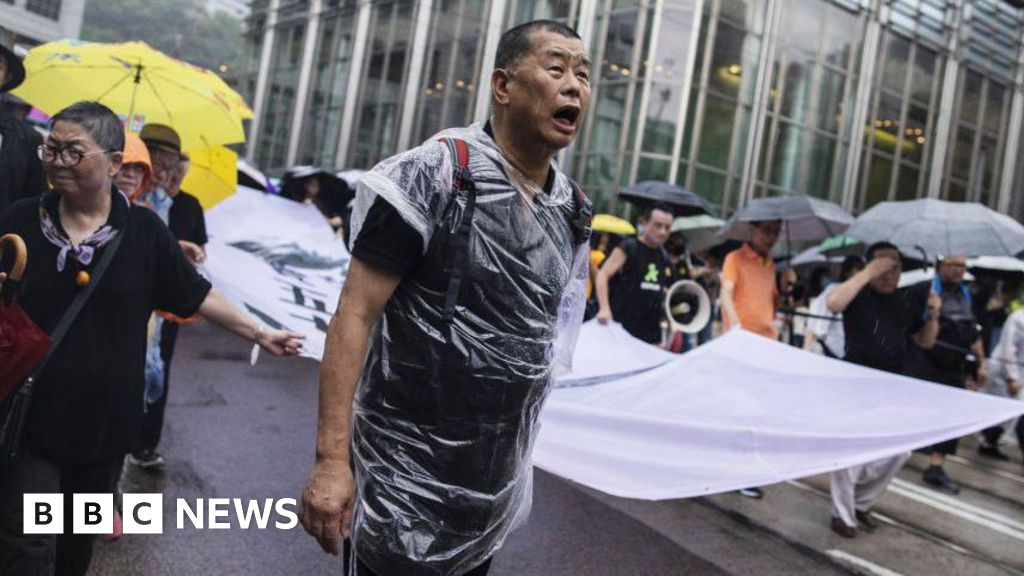
The recent verdict against Jimmy Lai, the famed Hong Kong pro-democracy activist and media tycoon, signals a profound escalation in the ongoing struggle over the city’s future and the broader battle for influence between China and the West. Found guilty of colluding with foreign forces under the city’s controversial national security law (NSL), Lai’s conviction reverberates far beyond Hong Kong’s borders, serving as a stark warning to dissenters and a testament to Beijing’s unwavering commitment to tightening its grip on the former British colony.
This legal action, which many scholars and analysts are calling a turning point in judicial independence, exemplifies how Beijing is actively rewriting the rules of engagement within the region. The U.S. and UK, long advocates for civil liberties in Hong Kong, condemned Lai’s trial as an example of “politically motivated persecution,” emphasizing that his conviction was motivated not by justice but by China’s desire to silence anyone daring to challenge Communist Party authority. International watchdogs, including Human Rights Watch, have asserted that the NSL and related legal practices are used to crush dissent and dismantle Hong Kong’s once vibrant pro-democracy movement. The judgment underscores how decisions made in Hong Kong are now deeply intertwined with geopolitical impact, shaping a conflict that pits Western values of free expression against an authoritarian Chinese state eager to consolidate power.
The case of Lai, who used his now-defunct Apple Daily newspaper as a platform to promote democratic ideals and lobby foreign governments for sanctions, is a stark symbol of the broader clash for ideological control. His advocacy, coupled with open meetings with U.S. officials like then-Vice President Mike Pence and Secretary of State Mike Pompeo, demonstrated how the pro-democracy movement in Hong Kong was viewed as a direct challenge to Beijing’s sovereignty. The Chinese government, through state media like Global Times, has responded with unwavering resolve, asserting the case sends a “clear message” — that any attempt to undermine the integrity of the nation will be met with “severe punishment.” Such rhetoric highlights how Beijing’s strategy employs legal measures as a tool for political consolidation, signaling to the world that dissent in Hong Kong—and beyond—is increasingly dangerous and, ultimately, futile.
In analyzing this development, experts warn that the implications extend well beyond Hong Kong. The fallout influences international relations and impacts the ability of democracies to stand up for their principles. Governments including the UK and US have criticized the Chinese authorities, demanding Lai’s immediate release, claiming his trial exemplifies the danger facing free societies worldwide. This clash over Hong Kong’s legal sovereignty is viewed by many as a broader contest over the future of freedom in a rising tide of authoritarianism. The question remains: how long can the West afford to ignore the tide of Chinese expansion that is now sharply focused on rewriting regional laws and norms to serve the interests of a rising autocratic power? The decisions taken in this courtroom will resonate throughout history, testing the resolve of nations that cherish liberty and debating the limits of State power in the name of security.
As history continues to unfold, Lai’s fate whispers a haunting warning — that the battle for the soul of Hong Kong is not just a local story. It is a story written in the margins of a global power struggle, where freedom’s defenders confront an increasingly assertive state that will go to any lengths to silence those who dare challenge the order. The echoes of Lai’s verdict serve as a stark reminder: in the shadows of justice, the true conflict for history’s verdict still looms, waiting to be written with the blood and defiance of those who dare challenge the silence imposed from Beijing to the world stage itself.

After 35 years of pioneering household robotics, iRobot has announced it is filing for Chapter 11 bankruptcy protection. This significant development marks a transformative moment in the smart home market—highlighting the intense industry disruption caused by emerging Chinese competitors and increasing geopolitical tariffs. The company’s decision to be acquired by Picea Robotics, a Chinese-based contract manufacturer, underscores the shifting landscape of global manufacturing and technological power. Despite this upheaval, iRobot assures consumers that existing products and services will remain unaffected for now, allowing the popular Roomba series to continue cleaning homes uninterrupted.
The decline of iRobot illustrates the challenges faced by established tech innovators in an increasingly competitive environment. Since its founding in 1990 and the launch of the Roomba in 2002, the company has continuously reinvented its product line through innovative features such as lidar mapping and advanced app integrations. However, these efforts have been outpaced by a surge of Chinese manufacturers, eager to disrupt the market with lower-cost, feature-rich alternatives. Industry giants like Xiaomi and Roborock have flooded the space, leveraging mass production to undercut US and European rivals. According to Gartner analysts, this rapid commodification poses a significant threat to the profit margins of legacy brands, leading to the financial instability faced by iRobot.
The strategic move by Picea Robotics signals a broader trend of industry consolidation amid geopolitical tensions and supply chain vulnerabilities. Such acquisitions could accelerate the adoption of advanced robotic systems across various sectors, transforming the traditional landscape of domestic automation. Leading industry observers like Elon Musk and Peter Thiel have long emphasized the importance of innovation in maintaining competitive advantage. In this context, the merger presents an opportunity for Chinese firms to leverage manufacturing efficiency and technical expertise to redefine global standards and consumer expectations.
Furthermore, the financial strain on legacy firms such as iRobot signals a pivotal moment for startups and established players alike. No longer can companies rely solely on incremental improvements; innovation must now focus on disruptive innovations, such as AI-driven autonomous systems and IoT integration. As MIT researchers highlight, the future of household robotics hinges on the seamless integration of smart tech with everyday life—a frontier where American companies risk losing dominance unless bold strategic shifts are undertaken.
Looking ahead, the field of robotics is poised for rapid evolution. The convergence of AI, material science, and 5G connectivity suggests that the next decade could witness unprecedented breakthroughs. For industry leaders and entrepreneurs, this signals both an urgency and an imperative: to harness the disruptive potential of emerging technologies or risk becoming obsolete. With global market shifts accelerating, those who act decisively today will shape the future—making it essential to anticipate and adapt to the technological upheaval that lies ahead.

In an unexpected twist during Sunday’s matchup, Sacramento’s star player, Zach LaVine, sustained a severe injury to his left ankle, leading to his early exit from the game against Minnesota. This incident occurred midway through the second quarter, casting a shadow over what was shaping up to be a thrilling contest. The absence of LaVine, a crucial component of Sacramento’s offense, significantly altered the team’s dynamics, leaving fans and analysts alike to ponder the implications of this setback.
LaVine went down after an awkward landing following a jump shot, prompting immediate concerns from teammates and coaches. Head Coach Luke Walton shared his disappointment, stating, “Zach has been our heartbeat. Losing him is tough, but we must rally as a team.” The news of his injury quickly spread, with commentators discussing the depth of Sacramento’s roster and their ability to adapt in challenging situations.
Despite LaVine’s exit, Sacramento continued to battle on the court. However, the lack of his scoring threat and court vision became evident as Minnesota capitalized on the opportunity, pulling ahead and securing a comfortable lead. Analysts noted that this incident could serve as a defining moment for Sacramento, emphasizing the need for other players to step up in high-pressure situations. “Injuries are part of the game, but they can also create opportunities for others,” remarked seasoned commentator Mark Jones.
As the final buzzer sounded, Minnesota came away with the victory, but the true story of the game was one of resilience and community. Sports brings people together, transcending mere competition. It serves as a reminder that in moments of challenge and adversity, teams become united in their pursuit of greatness. This spirit of camaraderie will be essential as Sacramento aims to regroup and reclaim its momentum in the face of adversity.


