
TRENDING NEWS





Truth Over Trends, always!

Nashville-based music artist Jelly Roll has officially teamed up with the National Hockey League (NHL) and Amazon Music to release “Rise Up,” the much-anticipated theme song for the 2026 Stanley Cup Playoffs. This powerful new anthem, an Amazon Music Original, is poised to become the sonic backdrop for one of professional sports’ most grueling and celebrated competitions, aiming to resonate deeply with both the athletes and the dedicated fanbase.
The collaboration signifies a strategic move to blend the raw energy of Jelly Roll’s distinctive sound with the intense passion of hockey, creating a unique cultural moment. It highlights the growing trend of major sports leagues partnering with prominent musical talents to enhance the fan experience and expand their cultural footprint.
Jelly Roll, known for his compelling blend of country, rock, and hip-hop influences, has crafted “Rise Up” to embody the grit and determination inherent in the pursuit of the Stanley Cup. The artist himself emphasized the song’s purpose, stating it was penned specifically for the players. This isn’t merely a theme song; it’s designed to be a rallying cry for those who dedicate themselves to the sport.
The track is described as having a “dirty, swampy, nasty, distorted rock and roll” feel, a sound that perfectly complements the physical and emotional intensity of playoff hockey. This measured approach ensures the music enhances, rather than overshadows, the athletic drama, providing a robust auditory foundation for the high-stakes games.
The release of “Rise Up” as an Amazon Music Original underscores a significant partnership across the entertainment and sports industries. This collaboration extends beyond just a song, integrating the music deeply into the fabric of the playoffs. According to reports from publications like Billboard, the anthem will be prominently featured across multiple platforms and touchpoints:
Further enhancing this partnership, an accompanying music video features Jelly Roll alongside the iconic Stanley Cup and various NHL highlights. A documentary short detailing the song’s creation and featuring NHL stars such as Jack Eichel of the Vegas Golden Knights and Seth Jarvis of the Carolina Hurricanes is also slated for release in June. This multi-faceted approach ensures maximum engagement and cultural penetration.
This song was written for the guys grinding every night for the Cup.
NHL President of Content and Events, Steve Mayer, praised Jelly Roll’s ability to “set a tone” that is precisely right for the Stanley Cup Playoffs. This sentiment reflects a broader understanding that music can amplify the values of sport: discipline, perseverance, and teamwork. By selecting an artist who champions authenticity and hard work, the NHL reinforces its commitment to the integrity of the game and its athletes.
The integration of “Rise Up” into the 2026 Stanley Cup Playoffs serves as a powerful example of how creative collaborations can enrich established institutions. It’s a testament to the enduring appeal of competitive sport and the universal language of music, both working in concert to celebrate order, dedication, and the pursuit of excellence. This initiative promises to make the 2026 playoffs an even more memorable spectacle for fans worldwide, resonating with the spirit of those who strive for greatness.

Meta is rolling out a significant new feature for its artificial intelligence platform: Incognito Chat. This innovative mode, slated for release on WhatsApp and the dedicated Meta AI app, aims to address growing user concerns about data privacy during AI interactions. Designed to create temporary, secure conversations, Incognito Chat promises that even Meta itself will be unable to access or store these sensitive exchanges, marking a pivotal step towards building trust in AI technology.
The rise of AI tools has opened new avenues for information and assistance, yet it has also brought forth legitimate privacy anxieties. Users often hesitate to input highly personal or sensitive information into AI chat interfaces, fearing their data might be stored, analyzed, or even exposed. Questions ranging from health concerns and financial advice to career dilemmas or relationship issues are precisely the kind of topics where confidentiality is paramount. Meta acknowledges this apprehension, positioning Incognito Chat as a solution for individuals seeking AI assistance without compromising their personal space. This new feature directly responds to the need for a digital environment where users can freely explore sensitive subjects with an AI assistant, free from the worry of a lasting digital footprint.
Central to the Incognito Chat experience is what Meta describes as “Private Processing.” This system leverages privacy technologies similar to those foundational to WhatsApp, ensuring a robust and secure framework. When a user initiates an Incognito Chat, the conversation enters a protected server environment. Within this secure enclave, the AI processes the user’s request and generates a response. Crucially, these messages are not saved by default, and Meta states that neither the company nor any external parties can read these temporary conversations. This architecture ensures that once an Incognito Chat session concludes, the data effectively disappears, preventing any permanent record of the interaction. This approach aims to provide a tangible guarantee of privacy, making AI feel less intrusive for those seeking advice on delicate matters.
“The big promise is simple: you can ask sensitive questions without leaving behind a saved AI chat history.”
The introduction of Incognito Chat represents more than just a new feature; it signifies a broader effort by Meta to enhance user trust in its AI offerings. In an era where data breaches and privacy concerns frequently dominate headlines, providing a verifiable private space for AI interactions could be a significant differentiator. For a company like Meta, which has faced scrutiny over its data practices, this move could help rebuild confidence among its vast user base. According to a report from Fox News, this initiative is a direct response to the growing apprehension people have about the permanence of their digital interactions with AI. By prioritizing user privacy and implementing robust technical safeguards, Meta aims to make its AI tools more accessible and less intimidating, encouraging broader adoption while upholding fundamental principles of personal data protection.
Ultimately, the success of Incognito Chat will hinge on its ability to deliver on its privacy promises and resonate with users who value confidentiality above all. As AI continues to integrate deeper into daily life, features like this become increasingly vital for fostering an environment of trust and secure interaction. Providing users with the agency to engage with powerful AI tools on their own terms, knowing their sensitive inquiries are protected, is a positive development for the future of digital communication and personal assistance.

Mount Everest, the world’s tallest peak, has witnessed an unprecedented surge in successful ascents, with a record-breaking 274 climbers reaching its summit in a single day this week. This historic achievement, reported by Reuters, has simultaneously reignited long-standing concerns regarding overcrowding and safety in the mountain’s perilous ‘death zone’.
The recent surge shattered the previous Nepali record of 223 climbers established in 2019. Rishi Bhandari, secretary general of the Expedition Operators Association of Nepal, confirmed the new benchmark, indicating that the final count for the season could still climb higher as more successful ascents are officially reported.
The sheer volume of individuals attempting to summit Mount Everest this season has drawn sharp criticism from mountaineering experts. Nepal has reportedly issued 494 climbing permits, each costing a substantial $15,000. This year, all expeditions are exclusively from the Nepali side, as China has not issued permits for ascents from the Tibetan route, likely contributing to the concentrated traffic.
Critics argue that such high numbers create dangerous bottlenecks, particularly in the upper reaches of the mountain where oxygen levels are critically low. These delays can expose climbers to prolonged periods in extreme conditions, significantly increasing the risk of frostbite, exhaustion, and even death.
The commercial aspect of Mount Everest expeditions is undeniable. For many, the dream of reaching the summit comes with a hefty price tag, yet the demand remains incredibly high. While the revenue generated from permits is vital for Nepal’s economy, the balancing act between economic benefit and climber safety is increasingly tenuous.
Some expedition organizers, however, maintain that overcrowding is manageable with proper planning. Lukas Furtenbach of Austria-based Furtenbach Adventures suggested that if teams are adequately equipped with oxygen, the number of climbers is not inherently problematic. He drew a comparison to popular European peaks that see thousands of daily visitors, arguing that Everest’s numbers are relatively small in comparison.
“This is the highest number of climbers in a single day so far.” — Rishi Bhandari, Expedition Operators Association of Nepal
The ‘death zone’ above 8,000 meters (26,000 feet) is notoriously unforgiving. Here, the human body begins to rapidly deteriorate, and every minute spent exposed to the elements and thin air increases the danger. Bottlenecks caused by large groups of climbers can turn a challenging ascent into a life-threatening ordeal, as individuals wait their turn on narrow ridges or fixed ropes.
Nepal has made efforts in recent years to address these safety concerns, implementing stricter regulations and increasing permit fees. However, the effectiveness of these measures is continually debated, especially in the face of record-breaking summit attempts. The delicate ecosystem of the mountain, along with the safety of those who venture upon it, remains a paramount concern for both authorities and the global mountaineering community.
As the climbing season continues, the focus will remain on how Nepal manages the influx of adventurers and whether current regulations are sufficient to prevent future tragedies. The allure of Mount Everest is undeniable, but ensuring the safety and integrity of its ascents requires constant vigilance and adaptation.

American consumers are demonstrating a nuanced approach to spending, with major retailers reporting robust sales figures even as shoppers exhibit clear signs of economic pressure. While companies like Walmart, Target, and TJX (parent of TJ Maxx) have posted encouraging quarterly results, executives note a significant shift towards deal-seeking and essential purchases, suggesting that many households are feeling the pinch of persistent inflation.
Recent reports highlight a paradoxical trend in the retail sector. Walmart, the nation’s largest retailer, announced solid growth in both sales and profit. Similarly, Target celebrated its best quarterly sales performance in nearly five years, and TJX saw sales comfortably surpass forecasts. These positive indicators follow strong showings from other prominent chains, including McDonald’s and Lowe’s, signaling continued consumer activity across various sectors.
However, the underlying data reveals a more complex picture. Retail executives are observing that while spending continues, it is increasingly directed towards lower-priced items and value offerings. Shoppers are actively cutting back in discretionary categories, a clear indication that household budgets are under scrutiny. This behavior suggests that the headline sales increases may be driven by higher prices for goods, rather than an increase in the volume of purchases or discretionary spending.
“While sales figures climb, the discerning eye spots a consumer increasingly driven by necessity and value, a subtle but significant shift in the economic landscape.”
The shift in consumer habits is a direct consequence of the ongoing inflationary environment. As the cost of everyday goods and services continues to rise—exacerbated by global events—families are forced to make more judicious spending decisions. This focus on deals and essentials reflects a broader struggle for many Americans to maintain their purchasing power amidst escalating prices.
This trend is not merely anecdotal. Recent analyses, including reporting from The New York Times, have underscored the challenges consumers face. The pressure on household budgets means less disposable income for non-essential items, potentially impacting future economic growth. For a healthy free market, strong and confident consumer spending across all segments is vital, not just a redirection of funds towards discounted necessities.
The current retail landscape presents a critical juncture for policymakers and businesses alike. While the resilience of the American consumer is evident in the continued sales growth, the underlying strain cannot be ignored. A truly robust economy is built on more than just spending; it requires stable prices, strong employment, and confidence in future prosperity. The current indicators suggest a need for prudent economic stewardship to alleviate inflationary pressures and restore a sense of financial security for families.
Moving forward, monitoring these subtle shifts in consumer behavior will be paramount. The long-term health of our economy depends on addressing the root causes of inflation and ensuring that hard-working Americans can afford more than just the bare necessities. Maintaining a focus on fiscal discipline and market stability will be crucial to fostering an environment where both businesses and families can thrive.
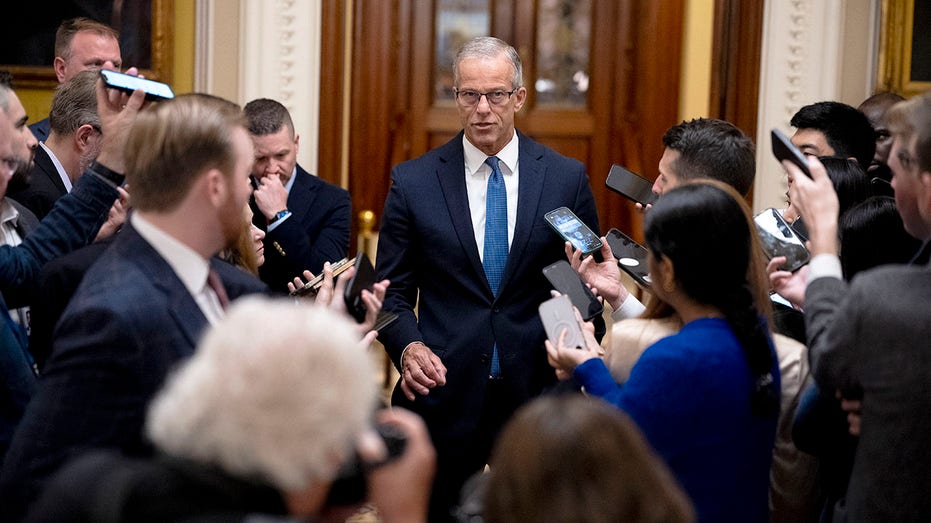
A new Department of Justice fund, intended to counter alleged “weaponization” against political opponents, faces mounting criticism from within Republican ranks for its lack of transparency and potential diversion of resources from critical agencies like ICE and Border Patrol.
Senate Republicans are openly challenging President Donald Trump’s recently announced Department of Justice fund, a nearly $1.8 billion initiative touted as an ‘anti-weaponization’ effort. Lawmakers on Capitol Hill are raising serious questions regarding the fund’s origins, its intended beneficiaries, and its potential to undermine essential government functions, including those related to border security.
The controversy erupted after the Department of Justice unveiled the substantial fund, reportedly established through an agreement between the Trump administration and the Internal Revenue Service. This arrangement involved the President dropping a $10 billion lawsuit against the IRS. Following the announcement, Acting Attorney General Todd Blanche faced intense questioning from senators across the aisle.
During a Senate hearing, Democratic Senator Chris Van Hollen described the fund as an ‘outrageous, unprecedented slush fund.’ He pressed for clarity on whether individuals convicted of assaulting Capitol Hill police officers would be eligible for support. Attorney General Blanche responded that ‘Anybody in this country will be eligible to apply,’ a statement that has deepened concerns among Republicans.
Several prominent Senate Republicans have voiced strong objections, highlighting the ethical and fiscal implications of the fund. Senator Thom Tillis of North Carolina expressed incredulity at the prospect of taxpayer dollars potentially compensating individuals who engaged in violence against law enforcement or even attempted to harm the President. Such scenarios, he suggested, sound ‘absurd’ and challenge fundamental principles of justice and order.
The Matox News editorial board believes that careful stewardship of taxpayer money is paramount. A fund of this magnitude, lacking clear and restrictive guidelines, risks becoming a vehicle for political patronage rather than a tool for legitimate legal defense or redress. The broad eligibility criteria raise legitimate questions about accountability and the potential for misuse.
“An ‘anti-weaponization’ fund must not become a ‘slush fund’ that rewards those who undermine law and order. Transparency and strict eligibility are non-negotiable.”
The debate over the DOJ fund unfolds amidst an ongoing push by Senate Republicans to secure multi-billion dollar funding for immigration operations, crucial for the remainder of President Trump’s term. There are concerns that resources could be diverted from these vital efforts. Another significant funding request, totaling $1 billion for security enhancements at the President’s colossal ballroom, was recently stripped out by the Senate rules referee, underscoring the broader struggle over fiscal priorities.
The potential for the ‘anti-weaponization’ fund to draw resources or attention away from the pressing needs of agencies like U.S. Immigration and Customs Enforcement (ICE) and Border Patrol is a key point of contention. Protecting our borders and ensuring national security remain top priorities for conservative lawmakers, and any initiative perceived as jeopardizing these efforts will face intense scrutiny.
As the controversy surrounding the new DOJ slush fund continues, the spotlight remains firmly on the Department of Justice and its leadership to provide greater transparency and stricter controls. The strong pushback from within the President’s own party signals a demand for fiscal responsibility and adherence to institutional integrity, particularly when dealing with substantial taxpayer allocations and the crucial work of law enforcement agencies. This ongoing debate highlights the delicate balance between political objectives and the foundational principles of governance.

Political flux in Westminster sends ripples through UK’s financial bedrock, raising questions about fiscal prudence and investor confidence.
Britain finds itself once again at a critical juncture, as renewed political instability sends tremors through the British Bond Market. Investors, already on high alert over persistent inflation, are reacting to the latest round of government leadership uncertainty. This market sensitivity underscores deep-seated concerns about the UK’s economic trajectory and the credibility of its fiscal management.
The bond market, specifically for UK government bonds known as “gilts,” is the bedrock of the nation’s financial system. It is where the government borrows money to fund public services and manage its debt. When confidence in the government’s ability to repay its debts or manage the economy falters, investors demand higher interest rates, or “yields,” on these gilts. This directly translates into increased borrowing costs for the Treasury, which ultimately impacts taxpayers and the wider economy.
A stable gilt market is crucial for pension funds, insurers, and other financial institutions that rely on these bonds for long-term investments. Volatility here can erode savings, increase mortgage rates, and dampen business investment, creating a ripple effect that touches every household and enterprise across the United Kingdom.
A primary driver of current bond market anxiety is the ongoing battle against inflation. While many nations grapple with rising prices, the UK has faced particularly stubborn inflationary pressures. Investors scrutinize government policy for signs of fiscal prudence that will support the Bank of England’s efforts to bring inflation under control. Any perception of excessive spending or unfunded commitments can spook the market, leading to a sell-off in gilts and a sharp rise in yields.
The market’s reaction is a stark reminder that fiscal discipline is paramount. When the cost of government borrowing surges, it can quickly become unsustainable, diverting funds from essential services and increasing the national debt burden for future generations. This dynamic highlights the delicate balance between public spending and economic stability.
The recent political upheavals in Westminster have undoubtedly contributed to the bond market’s nervousness. Frequent changes in leadership and policy direction create an environment of uncertainty that investors inherently dislike. A stable government with a clear, consistent economic strategy is vital for maintaining investor confidence and ensuring predictable fiscal policy.
The New York Times has recently highlighted the intense focus on the bond market within British political circles, emphasizing how closely financial stability is now intertwined with governmental effectiveness. This scrutiny from global financial observers underscores the need for robust and dependable governance.
The stability of the British Bond Market is not merely a financial indicator; it is a direct reflection of national confidence in economic management and political leadership.
To restore calm and foster long-term economic health, the UK government must prioritize stability and fiscal prudence. This involves:
The challenges facing the UK economy are significant, but they are not insurmountable. A return to sound economic principles, coupled with strong and stable leadership, will be essential to navigating these turbulent waters and securing a prosperous future for Britain.
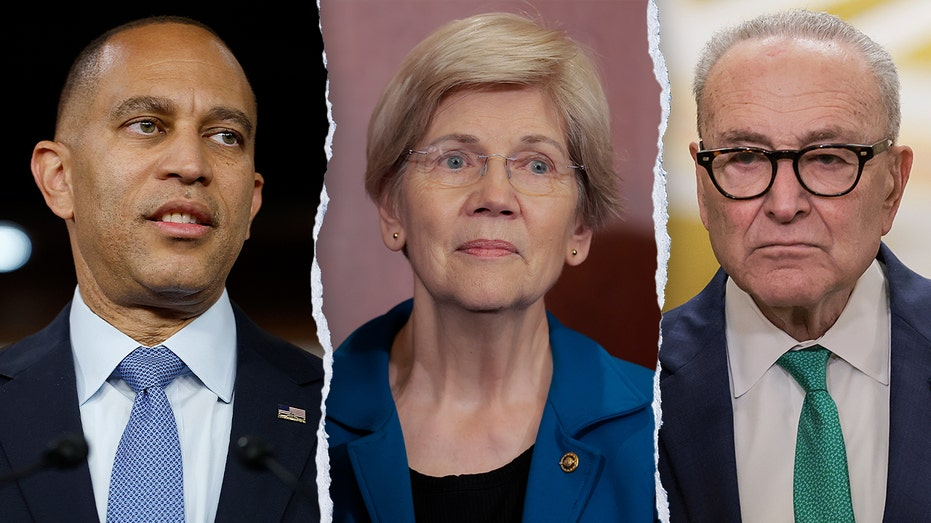
Maine Senate hopeful Graham Platner’s history of offensive online remarks casts a shadow over Democratic endorsements, with party leaders reportedly sidestepping inquiries into the burgeoning controversy.
WASHINGTON – Top Democratic lawmakers are reportedly refusing to comment on whether newly unearthed, graphic online posts from Maine Senate candidate Graham Platner have become a significant liability for the party ahead of the critical midterm elections. The escalating Graham Platner scandal involves a trove of highly disturbing remarks attributed to the candidate, prompting calls for accountability that senior party members appear reluctant to address directly.
House Minority Leader Hakeem Jeffries, D-N.Y., reportedly dismissed inquiries about Platner’s liability to the Democratic Party by stating, “I haven’t seen no posts.” This response, according to reports by Fox News Digital, comes as the party faces increasing pressure to address the candidate’s past conduct. Similarly, Progressive Sen. Elizabeth Warren, D-Mass., declined to comment on whether she would withdraw her public endorsement of Platner.
Warren’s endorsement of Platner for the Maine Democratic primary, where he was slated to challenge Gov. Janet Mills before her withdrawal, had already drawn scrutiny. Her backing came despite earlier controversies surrounding Platner’s online activity, signaling a concerning pattern of overlooking problematic behavior within the party’s ranks.
The newly surfaced Reddit posts tied to Graham Platner, reportedly comprising an archive of approximately 2,000 entries, reveal a deeply troubling pattern of commentary. These remarks range from the vulgar to the outright offensive, challenging the norms of public discourse and respect.
Beyond these comments, Platner’s past has also included a chest tattoo reportedly resembling a Nazi symbol and his self-identification as a communist within the “r/SocialistRA” subreddit. Such associations and statements raise serious questions about his suitability for public office and stand in stark contrast to the values of order and anti-extremism.
“The integrity of our electoral process demands that candidates for public office are held to a standard of conduct that reflects respect for all Americans, especially those who have served our nation.”
The continued silence from high-profile Democratic leaders regarding Platner’s conduct puts the integrity of their endorsements under a harsh spotlight. Voters expect their elected officials and party structures to vet candidates thoroughly, ensuring that those seeking public trust uphold fundamental principles of respect, decency, and democratic values. The failure to decisively distance the party from a candidate with such a public record of extremism and vulgarity risks alienating a broad base of constituents and undermining faith in the political process.
As the midterm elections approach, the unwillingness of top Democrats to confront the Graham Platner scandal head-on sends a troubling message. It suggests a prioritization of political expediency over fundamental ethical considerations. For many, this perceived inaction represents a significant lapse in judgment and a failure to uphold institutional responsibility.
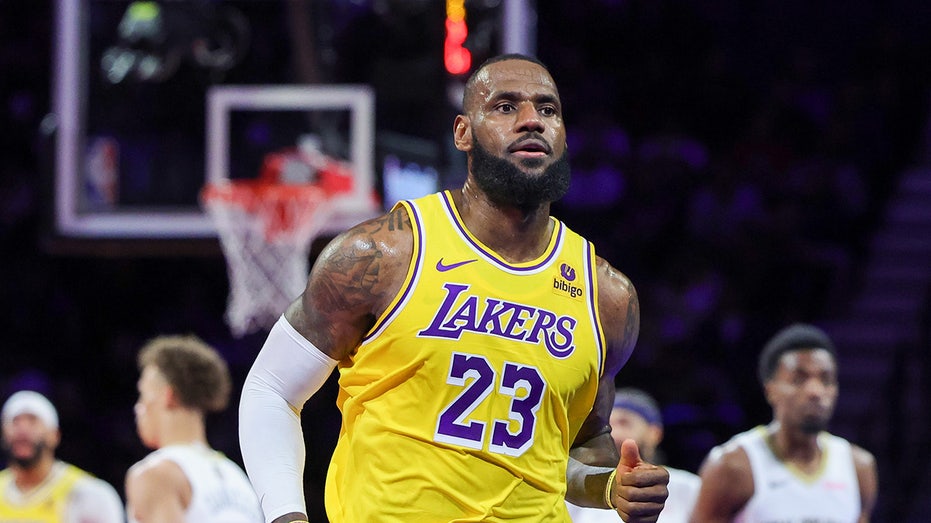
The basketball world is abuzz with speculation surrounding LeBron James’s future, particularly after the Los Angeles Lakers’ season concluded with a four-game sweep in the Western Conference semifinals. As the 41-year-old superstar contemplates his 24th NBA season, a recent social media action has intensely fueled rumors of a potential return to the Cleveland Cavaliers, the team where his storied career began and where he delivered a historic championship.
James reportedly ‘liked’ an Instagram post that urged his return to Cleveland for the upcoming 2026-27 NBA season. This seemingly minor digital interaction has sent ripples through the league, prompting discussions about what could be his third stint with the Ohio-based franchise, despite significant hurdles.
The Lakers’ playoff exit at the hands of the defending champion Oklahoma City Thunder has placed James’s future firmly under the microscope. Following the series defeat, the four-time MVP remained noncommittal about his next steps. He indicated a desire to prioritize family time before making any definitive announcements.
In comments reported on May 11, James stated, “I don’t know what the future holds for me… I’ll go back and recalibrate with my family and talk with them.” This statement echoes sentiments from the previous year, highlighting his methodical approach to career decisions. Beyond Cleveland, his name has also been linked to remaining with the Lakers or even considering a move to the Golden State Warriors, underscoring the widespread interest in his next chapter.
For many, the idea of LeBron James’s Cavaliers return holds immense sentimental and competitive appeal. James famously rejoined the Cavaliers in 2014 after a successful four-year tenure with the Miami Heat, ultimately leading the team to its first-ever NBA title in 2016. This historic achievement solidified his legacy in his home state and created an indelible bond with the city.
A return would not only rekindle that emotional connection but also potentially offer a veteran presence to a Cavaliers team that recently dropped Game 1 of the Eastern Conference Finals to the New York Knicks. The narrative of James concluding his career where it began remains a powerful draw, captivating fans who remember the glory days of his previous stints.
“I’ll go back and recalibrate with my family and talk with them and spend some time with them, and then obviously when the time comes, you guys will know what I decide to do.”
While the prospect of James rejoining Cleveland is exciting, the practicalities present considerable challenges. According to reports from Fox News, the Cavaliers would face substantial financial obstacles in orchestrating such a move. Key considerations include:
These financial and logistical complexities mean that while social media can spark dreams, the reality of a third reunion would demand intricate negotiations and strategic planning.
As LeBron James takes time to deliberate his future, the basketball world will keenly watch for any further indicators. Whether he stays in Los Angeles, explores other options, or indeed makes a dramatic return to Cleveland, his decision will undoubtedly be one of the most significant storylines of the upcoming NBA offseason. The enduring connection between James and the Cavaliers ensures that this speculation will continue to dominate headlines until a final announcement is made.

Post Malone, the acclaimed American singer and rapper, is preparing for his most ambitious tour of Australia and New Zealand to date, with the “Big Ass” World Tour scheduled to hit major stadiums across both nations this October. This significant undertaking marks a new chapter for the artist, known for his genre-blending style and engaging stage presence, as he connects with his dedicated fanbase down under on an unprecedented scale.
Produced by Live Nation, the tour promises a series of high-energy performances that highlight Malone’s continued evolution as a global music icon. Fans in the region, who have consistently supported his musical endeavors, are eagerly anticipating these monumental shows.
The four-date stadium tour kicks off on October 9th at Melbourne’s Marvel Stadium, promising an unforgettable experience for attendees. Following this, the tour will move to Brisbane’s Suncorp Stadium on October 12th, then Sydney’s ENGIE Stadium on October 15th, before concluding at Auckland’s Go Media Stadium on October 21st. Each stop is poised to be a major cultural event, reflecting the broad appeal of Post Malone’s music.
Joining Post Malone as a special guest for these highly anticipated dates will be fellow artist Don Toliver, adding another layer of excitement to the tour. Beyond the headline shows, Malone is also slated to appear at the Strummingbird Festival in Ballarat on October 10th, Newcastle on October 17th, and Queensland’s Sunshine Coast on October 18th, further solidifying his presence across the region.
Post Malone is no stranger to large venues in Australia and New Zealand. He previously opened for the Red Hot Chili Peppers on their six-date Australasian stadium tour in early 2023 and later that year headlined the Spilt Milk festival, which visited Canberra, Ballarat, and Perth. During his festival appearances, he famously performed a “shoey” – drinking beer from a fan’s boot – an act that further endeared him to local audiences and showcased his willingness to engage directly with his supporters.
His recent musical trajectory, as noted by industry observers like those at Billboard.com, indicates a pivot towards country and roots-influenced sounds. This shift, evident in his recent releases, has successfully broadened his audience, demonstrating an artist unafraid to explore new creative avenues while maintaining his signature appeal.
Malone’s connection with the Australian charts is well-established. All seven of his albums have reached the ARIA top 10, with Beerbongs & Bentleys (2018) and Hollywood’s Bleeding (2019) both achieving No. 1 status. His most recent collection, the 2024 country album F-1 Trillion, soared to No. 2, underscoring his consistent commercial success and the public’s appetite for his evolving sound.
“Post Malone’s ability to seamlessly blend genres while maintaining a genuine connection with his audience is a testament to his enduring appeal and makes this tour a must-see event.”
This two-year, two-leg “Big Ass” world tour represents a significant commitment from Malone to his global fanbase, particularly in Australasia, where his music resonates deeply. It underscores the robust nature of the live music industry and the demand for artists who can consistently deliver memorable performances.
As Post Malone continues to redefine his artistic boundaries and strengthen his bond with fans, the upcoming stadium tour is poised to be a landmark event, reflecting not just his personal growth but also broader trends in music consumption and audience engagement.

Nvidia, the dominant force in artificial intelligence (AI) chip design, has delivered another quarter of exceptional financial results, significantly exceeding analyst expectations. This remarkable performance solidifies the company’s pivotal role in the burgeoning AI chip boom, driving market optimism and reinforcing the transformative impact of advanced computing on the global economy.
The latest earnings report highlights Nvidia’s unparalleled success in capitalizing on the escalating demand for its specialized processors, which are fundamental to AI development and deployment across various industries. The company’s consistent ability to outperform forecasts provides a clear indicator of the robust health and rapid expansion within the AI sector.
For the three months ending in April, Nvidia announced a staggering 85% year-on-year rise in revenue, reaching an impressive $81.6 billion. This marks the 15th consecutive quarter where the semiconductor behemoth has surpassed Wall Street estimates, a testament to its sustained innovation and market leadership.
The company further projected sales of $91 billion for the current quarter, a figure well above the average investor expectation of $86 billion. While shares experienced a slight dip of 1% in after-hours trading, reflecting some investor caution regarding the sustainability of such extraordinary growth, the overall sentiment remains overwhelmingly positive. Nvidia’s consistent delivery against ambitious targets underscores its strategic positioning at the forefront of technological advancement.
Nvidia’s graphics processing units (GPUs) are not merely components; they are the bedrock upon which modern artificial intelligence capabilities are built. From large language models to complex data analytics and autonomous systems, their chips provide the computational power necessary for AI algorithms to function and evolve.
The relentless pursuit of AI innovation by tech giants, research institutions, and startups alike directly translates into heightened demand for Nvidia’s cutting-edge hardware. This symbiotic relationship ensures Nvidia remains an indispensable partner in the AI revolution, with its technology enabling breakthroughs that reshape industries and daily life. The ripple effect of this demand is also felt globally, with positive impacts observed across Asian tech stocks, as reported by the News Desk’s rolling coverage.
The financial markets continue to keenly watch Nvidia’s trajectory, understanding that its performance often serves as a barometer for the broader technology sector. The company’s ability to consistently innovate and scale production to meet unprecedented demand is a significant factor in maintaining its market dominance.
While some analysts ponder how long this incredible growth can be sustained, Nvidia’s extensive patent portfolio, continuous research and development, and strategic partnerships suggest a formidable barrier to entry for competitors. The long-term outlook for AI adoption across enterprise and consumer applications remains strong, promising continued opportunities for companies like Nvidia that provide foundational technologies.
The ongoing expansion of the artificial intelligence landscape presents both opportunities and challenges. Nvidia’s latest results reinforce the critical importance of private sector innovation in driving economic progress and technological advancement. As AI continues to integrate deeper into our economy and society, companies like Nvidia will undoubtedly remain central to shaping this future, demonstrating the vibrant potential of a free and dynamic market.


