
TRENDING NEWS





Truth Over Trends, always!

DENVER – The Colorado Democratic Party has taken the extraordinary step of formally censuring Governor Jared Polis, a fellow Democrat, following his decision to commute the prison sentence of former Mesa County Clerk Tina Peters. This move signals a significant internal party rift, centered on the principles of election integrity and the appropriate exercise of executive clemency.
The censure, voted on by the Colorado Democratic Party State Central Committee, comes after Governor Polis included Peters among 44 individuals granted clemency last Friday. Peters was convicted in connection with a 2021 voting equipment breach case, a matter that has drawn national attention from those questioning election processes.
Tina Peters, a prominent figure in the election denial movement, had been convicted for her role in compromising voting equipment in Mesa County. Her case has been a flashpoint for discussions surrounding the security and integrity of electoral systems. Governor Polis’s decision to commute her sentence, rather than pardon her, has been met with strong condemnation from within his own party.
The state Democratic Party articulated its dismay, stating that reducing Peters’ sentence sends a troubling message. They asserted that the decision was influenced by external political pressure, specifically mentioning former President Donald Trump. A statement from the party suggested that such an action implies that “election tampering has consequences, unless you’re friends with the president,” a dangerous precedent they believe undermines the rule of law.
The formal censure of a sitting governor by his own party is a rare and potent form of rebuke. The Colorado Democrats did not mince words, accusing Governor Polis of having “materially harmed” the state party’s credibility. The ramifications of this censure are tangible and immediate for the Governor.
The party’s leadership emphasized their commitment to upholding the integrity of the electoral process and ensuring that actions perceived to undermine it are met with firm institutional opposition.
In response to the censure, a spokesperson for Governor Polis defended the decision, telling Fox News Digital that the Governor acted “based on the facts of the case and what he believed was the right thing to do.” The spokesperson added, “Sometimes the right thing isn’t the popular thing with everybody.” This position highlights a potential tension between a governor’s executive discretion and the political expectations of their party.
The spokesperson further suggested that “Democracy is strongest when disagreement is met with debate and dialogue, not censorship.” This statement frames the internal party conflict as a matter of open discourse versus punitive action. The incident raises crucial questions about the balance of power between a state executive, judicial outcomes, and party discipline, particularly in an era where election integrity remains a highly charged issue. The implications for the Governor’s political standing and the unity of the Colorado Democratic Party in future elections are yet to be fully seen.
This internal battle within Colorado’s leading party highlights the persistent challenges facing institutions tasked with upholding both justice and democratic norms. The outcome of such disputes often shapes the public’s confidence in governance and the political process itself.

The charges against a former managing assistant U.S. Attorney raise serious questions about the handling of sensitive government information and the integrity of high-profile investigations.
A former prosecutor with the Department of Justice has been charged with multiple felonies, including obstruction of justice, for allegedly stealing confidential documents related to former Special Counsel Jack Smith’s investigation into former President Donald Trump. Carmen Mercedes Lineberger, 62, of Port St. Lucie, Florida, faces accusations that she transmitted sensitive government records to her personal email accounts, reportedly disguising them as “dessert recipes” to evade detection.
The indictment, filed in the Southern District of Florida, outlines four criminal charges against Lineberger. These include a felony count of obstruction of justice, another felony count of concealing government records, and two misdemeanor counts of theft of government property valued at less than $1,000. At the time of the alleged offenses, Lineberger served as the Managing Assistant U.S. Attorney for the Fort Pierce branch of the U.S. Attorney’s Office for the Southern District of Florida.
The core of the allegations centers on her purported actions involving Smith’s final report. Prosecutors contend that Lineberger altered electronic file names to mask the unauthorized transmission of these sensitive documents. The alleged method of concealment—disguising official documents as innocuous “dessert recipes”—underscores the deliberate nature of the suspected breach.
“This case underscores the critical importance of safeguarding sensitive government information and holding all individuals, especially those in positions of trust, accountable for their actions.”
FBI Director Kash Patel publicly announced the charges, highlighting the gravity of the situation. In a social media post, Patel stated that Lineberger, who had supported Jack Smith’s investigation, was charged with “stealing the confidential investigation documents.” He further elaborated on the alleged method, noting she “allegedly emailed the confidential material to her own personal email, disguising them as dessert recipes to conceal them from record searches.”
This incident brings into sharp focus the imperative for strict adherence to protocols governing classified and confidential information, particularly within federal law enforcement agencies. The Justice Department relies on the integrity of its personnel to maintain public trust and the security of sensitive investigations. Any breach of these standards is a matter of profound concern for institutional order and accountability.
The confidential records in question are reportedly tied to Smith’s investigation concerning former President Trump, specifically relating to the classified documents found at his Mar-a-Lago estate. This aspect adds another layer of public interest and scrutiny to the charges against Lineberger.
The investigation has seen several developments, including a previous ruling by U.S. District Judge Aileen Cannon in January 2025, which blocked the public release of a volume of Smith’s report related to the classified documents inquiry. Additionally, the Justice Department has moved to drop the prosecution of Mar-a-Lago staff in the same case, as reported by News Desk. These interconnected legal proceedings underscore the complex and sensitive nature of the issues surrounding the handling of government records and presidential archives.
The attorney for Carmen Lineberger declined to comment on the charges when approached by News Desk, indicating the case remains an active and developing legal matter.
The charges against a former federal prosecutor for alleged document theft represent a significant legal development. They serve as a stark reminder of the rigorous standards expected of those entrusted with the nation’s most sensitive information. As the legal process unfolds, Matox News will continue to monitor this case, emphasizing the principles of transparency, accountability, and the rule of law.

Chancellor Rachel Reeves has unveiled a new £100 million fare-free bus scheme for children across England, set to launch this August. The initiative is designed to provide tangible relief to households grappling with ongoing cost-of-living pressures, offering free bus trips for young people throughout the summer month.
This announcement forms part of a broader government strategy to address economic challenges facing British families and consumers. The package also includes measures to ease import costs on a range of everyday products, reflecting a concerted effort to support household budgets.
The core of the new scheme focuses squarely on families, particularly those with school-aged children. By making public transport free for children during August, the government aims to reduce daily expenses for parents, allowing for greater flexibility in summer activities and commuting. This direct intervention highlights the administration’s commitment to supporting families and ensuring accessibility during a period often associated with increased financial strain.
The £100 million investment underscores the scale of the government’s ambition to mitigate economic headwinds. Proponents argue that such targeted measures can have a significant impact on disposable incomes, even if for a limited period, providing a much-needed boost to household finances.
Beyond the bus scheme, the Labour government is also moving to suspend tariffs on over 100 types of products. These include:
This move is intended to reduce import costs for retailers, theoretically allowing them to pass savings on to consumers. Simultaneously, ministers are actively pressing major supermarkets to cut prices for shoppers. However, this push is not without its critics.
While the government has clarified it will not force supermarkets to cap prices on essential goods like eggs, bread, and milk, the idea of even a voluntary scheme has met with considerable resistance from industry leaders. Reports, including those from the BBC News Desk, highlighted the strong reaction from major retailers.
Even a voluntary scheme to cut costs was described by Marks & Spencer’s chief executive, Stuart Machin, as “completely preposterous.”
Machin’s comments underscore a significant divergence in opinion between government policy and market realities, raising questions about the practicality and effectiveness of such voluntary agreements.
The government’s multifaceted approach reflects a challenging balancing act: providing relief to consumers while navigating the complexities of a free market economy. The free bus scheme is a direct public spending initiative, offering a clear benefit. However, the push for supermarket price cuts delves into the realm of market intervention, albeit through voluntary means.
For a conservative newspaper like Matox News, the emphasis on pro-free-market principles means scrutinizing the long-term implications of such interventions. While the stated goal of easing consumer pressure is commendable, the efficacy and potential unintended consequences of pressuring private businesses to alter pricing strategies warrant careful consideration. The market’s reaction, particularly from prominent business leaders, suggests that achieving these goals without distorting market mechanisms remains a significant challenge.
As the summer approaches, all eyes will be on the rollout of the bus scheme and the broader impact of these economic measures. The debate over the most effective and sustainable ways to support households through economic turbulence continues, highlighting the tension between government action and the dynamics of a competitive marketplace.

Former NBA star Ben Simmons has officially added a championship title to his resume, though not in the sport many would expect. Months after acquiring an ownership stake, Simmons celebrated victory as an angler and co-owner of the South Florida Sails, who triumphed in the Sport Fishing Championship (SFC) Blue Marlin Open in the Bahamas. This remarkable pivot highlights a dedicated pursuit of passion beyond the professional basketball court, culminating in a significant achievement for the globally recognized athlete.
His journey from the hardcourt to the open sea underscores a compelling narrative of personal investment and competitive spirit. Simmons’ foray into professional sport fishing, particularly as an owner, signals a growing trend of athletes diversifying their interests and applying their drive to new ventures.
The transition for Ben Simmons into the world of competitive sport fishing has been a deliberate one, driven by a longstanding personal passion. He last appeared in an NBA game during his sole season with the Los Angeles Clippers, but his focus has clearly shifted since becoming an NBA free agent after the 2024-25 season. Simmons’ investment in the South Florida Sails, announced last December, positioned him as the franchise’s controlling owner, a testament to his commitment to the sport.
Speaking on his venture, Simmons articulated a clear vision: “I have always believed that investing in what you love means you have a responsibility to help move it forward.” This sentiment, reported by Fox News Digital, reflects a conservative ethos of stewardship and active participation. He further emphasized, “Sport fishing has given me incredible experiences, and SFC is creating a platform that treats offshore fishing like the elite sport it is.” This proactive approach to elevating a sport aligns perfectly with a pro-institutions and pro-order perspective, seeking to enhance and legitimize competitive arenas.
The South Florida Sails demonstrated formidable prowess throughout the SFC Blue Marlin Open. The team’s strong start was largely attributed to exceptional performances by its anglers. Key moments included:
This collective effort and strategic fishing ultimately led to the team’s decisive victory. The competitive nature of the Sport Fishing Championship mirrors the intense rivalries found in major leagues, demanding precision, skill, and teamwork to achieve success.
“Investing in what you love means you have a responsibility to help move it forward. Sport fishing has given me incredible experiences, and SFC is creating a platform that treats offshore fishing like the elite sport it is.”
Simmons, the No. 1 overall pick in the 2016 NBA Draft, experienced a professional basketball career marked by both flashes of brilliance and significant challenges. After being traded to Brooklyn in February 2022, he contended with a contract dispute and a herniated disk, eventually undergoing back surgery. While his NBA tenure saw him as a three-time All-Star, this new chapter in sport fishing represents a profound career evolution.
His success as a team owner and angler in a competitive niche sport highlights the diverse pathways athletes can explore. It also underscores the importance of individual initiative and the pursuit of passions outside conventional career trajectories. This shift provides a valuable example of adapting to new challenges and finding fulfillment in varied fields.
The victory in the Blue Marlin Open is not just a personal triumph for Ben Simmons; it also shines a light on the Sport Fishing Championship as a legitimate and growing professional league. His involvement brings a new level of visibility and endorsement to a sport that is gaining traction, demonstrating the positive impact of high-profile engagement in diverse professional endeavors.

Pop music sensation Bruno Mars has achieved a remarkable entry into the Latin music landscape with his new Spanish-language track, “Lo Arriesgo Todo.” This strategic release, a Spanish rendition of his popular single “Risk It All,” has swiftly garnered significant attention, debuting impressively across several key Billboard Latin charts and affirming Mars’s broad appeal to diverse audiences.
Released on May 8 via Atlantic Records, “Lo Arriesgo Todo” marks Mars’s inaugural Spanish-language studio recording, a move that has clearly resonated with listeners. The track immediately made its presence felt on the charts dated May 23. It debuted at No. 20 on the Hot Latin Songs chart, a comprehensive ranking that factors in streaming, airplay, and sales data. More impressively, the song soared directly to the No. 1 position on both the Hot Latin Pop Songs and Latin Digital Songs Sales charts, demonstrating robust consumer engagement and digital purchasing power.
Further solidifying its impact, “Lo Arriesgo Todo” also secured a No. 6 debut on the Latin Pop Airplay chart, indicating strong support from radio stations. This multi-chart performance underscores the track’s immediate commercial viability and the widespread enthusiasm for Mars’s venture into the Latin genre, as reported by Billboard.com.
The success of “Lo Arriesgo Todo” is not merely anecdotal; it is firmly rooted in substantial metrics. According to Luminate data for the week ending May 14 in the United States, the Spanish rendition amassed an impressive 1.6 million official streams. Additionally, it generated 1.9 million airplay audience impressions and sold 1,000 downloads, highlighting a balanced performance across all consumption channels. This data vividly illustrates the organic traction the song has gained since its release.
This Latin success also coincides with the continued strong performance of its English counterpart, “Risk It All.” The original version was featured on Mars’ critically acclaimed album, The Romantic, which debuted on February 27. The combined impact of both versions has seen “Risk It All” re-enter the top 10 on the overall Billboard Hot 100 chart, climbing from No. 15 to No. 8. It also saw significant gains on other all-format rankings:
“Bruno Mars’s foray into the Latin market with ‘Lo Arriesgo Todo’ is a masterclass in global appeal, proving that authentic artistry transcends linguistic barriers.”
The Romantic has proven to be a cornerstone album for Bruno Mars, solidifying his status as a global hitmaker. “Risk It All” is the second single from the album, following the Hot 100 No. 1 hit “I Just Might.” The album itself secured Mars his second chart-topper on the all-genre Billboard 200 albums chart in March, underscoring its widespread commercial and critical success.
The strategic release of “Lo Arriesgo Todo” not only capitalizes on the momentum of The Romantic but also broadens its cultural footprint. By engaging directly with the Spanish-speaking market, Mars demonstrates an astute understanding of global music trends and audience demographics. This move allows his music to reach new segments of fans, further cementing his legacy as an artist capable of seamlessly blending genres and languages.
Bruno Mars’s venture into the Latin music sphere with “Lo Arriesgo Todo” is more than just a successful chart debut; it represents a significant cultural moment. It highlights the increasing interconnectedness of global music markets and Mars’s ability to innovate and connect with listeners worldwide, regardless of language. His continued presence at the forefront of popular music, now with an undeniable Latin flavor, reaffirms his enduring artistic versatility and commercial power.

The global technology landscape is witnessing a seismic shift, largely powered by advancements in artificial intelligence. At the forefront of this transformation is Nvidia, the leading chip manufacturer, which has announced a monumental financial performance. Its profit in the most recent quarter soared by an astounding 211 percent compared to the previous year, as reported by leading financial publications, including the New York Times. This dramatic surge underscores the intense demand from major technology companies for Nvidia’s specialized processors, which are fundamental to developing and deploying advanced AI systems. The company’s record earnings reflect not just its own success, but the broader, accelerating momentum of the entire AI sector.
Nvidia has cemented its position as the undisputed leader in providing the foundational hardware for artificial intelligence. Its Graphics Processing Units (GPUs) were initially designed for high-end gaming but have proven uniquely suited for the parallel processing required by AI and machine learning algorithms. This strategic advantage has placed Nvidia at the heart of the ongoing AI revolution, making its chips indispensable for everything from complex data analytics to generative AI models. The escalating demand from tech giants for these powerful components is a clear indicator of the massive investments being poured into AI research and infrastructure across the industry.
Nvidia’s exceptional financial results serve as a powerful economic indicator, reflecting robust growth within the technology sector and signaling strong investor confidence in the future of AI. Such significant profit margins are a testament to the efficacy of the free market in fostering innovation and rewarding companies that meet critical technological needs. This success story not only benefits Nvidia and its shareholders but also creates a ripple effect throughout the economy, stimulating job creation in engineering, research, and related fields. It reinforces the idea that strategic investments in advanced technology can yield substantial returns and propel national economic growth, aligning with principles of a dynamic, market-driven economy.
“Nvidia’s profit leap is more than just a company milestone; it’s a clear signal of the AI era’s profound economic impact.”
While Nvidia currently enjoys a dominant market position, the landscape of high-tech industries is perpetually evolving. Competition is intensifying, with other semiconductor firms and even major tech companies developing their own custom AI chips. However, Nvidia continues to invest heavily in research and development, pushing the boundaries of chip design and software ecosystems to maintain its edge. Its strategic focus on integrated hardware and software solutions, coupled with a deep understanding of AI workloads, positions the company well to navigate future challenges and capitalize on new opportunities. The commitment to continuous innovation is crucial for sustaining leadership in such a rapidly advancing field.
Nvidia’s latest earnings report is a compelling narrative of innovation meeting opportunity. The company’s remarkable financial performance not only highlights its critical role in powering the artificial intelligence boom but also underscores the vast economic potential that remains to be unlocked by this transformative technology. As AI continues to integrate deeper into everyday life and industry, the demand for sophisticated processing power will only escalate, ensuring that companies like Nvidia remain pivotal players in shaping our digital future.
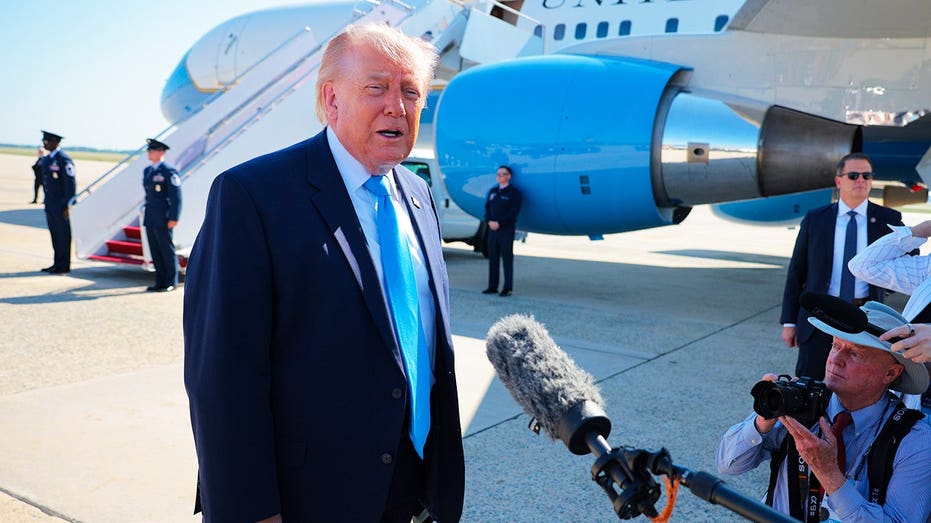
Former President Donald Trump declared a resounding victory in Tuesday’s GOP primaries, asserting that every candidate he endorsed emerged triumphant. This claim, widely supported by primary results across the nation, highlights Trump’s enduring and formidable endorsement power within the Republican Party. While these victories solidify his influence, they also ignite a critical debate among strategists regarding the party’s broader prospects in the crucial autumn midterm elections.
On Wednesday morning, President Trump utilized social media to trumpet his candidates’ 37-0 record in Tuesday’s primary contests. This perfect streak, he told reporters, demonstrated that “We won all races last night. Every one of them.” The sheer force of his political backing was particularly evident in several high-profile races, notably in Kentucky’s 4th Congressional District. There, Trump-backed Ed Gallrein successfully unseated incumbent Rep. Thomas Massie, a contest that drew significant national attention.
This outcome, reported by outlets like the News Desk, showcased Trump’s capacity to reshape local and national political landscapes through his direct involvement. His endorsements are not merely symbolic; they are a potent force capable of swaying Republican voters and determining the fate of candidates.
Despite the celebratory mood among Trump loyalists, a growing number of Republican strategists express apprehension about the long-term implications of this primary dominance. While a strong base is vital, the former president’s heavy hand in selecting primary candidates could present challenges when the party seeks to unite and appeal to a broader electorate in the general elections. Republicans are set to defend slender majorities in both the House and Senate, making every race critical. The focus on loyalty to Trump in primaries, rather than broader electability, could potentially jeopardize these majorities.
Tuesday’s results further underscored Trump’s consistent effort to consolidate his control over the Republican Party by targeting those who have defied him. This pattern was evident two weeks prior, when five state senators in Indiana were purged for opposing his push for congressional redistricting. Similarly, Senator Bill Cassidy of Louisiana, who voted to convict Trump in his second impeachment trial five and a half years ago, lost his bid for renomination just days before Tuesday’s primaries.
The defeat of Rep. Thomas Massie, a libertarian-minded lawmaker and vocal Trump critic for 14 years, particularly over foreign policy disagreements, serves as a stark warning. It illustrates the former president’s unwavering determination to ensure party alignment and punish perceived disloyalty, reinforcing his grip on the party’s direction and its institutional power.
“We won all races last night. Every one of them.” – Donald Trump
As the midterm elections draw nearer, the Republican Party faces a complex balancing act. The undeniable influence of Donald Trump in securing primary victories for his chosen candidates has undeniably strengthened his hold on the party’s base. However, the ultimate test will be whether this fervent loyalty translates into broader electoral success in November, particularly in swing districts and states where a more moderate appeal might be necessary. The party’s ability to navigate these dynamics will define its future trajectory and the fate of its legislative agenda.

Shamrock Capital, a prominent investment firm with deep roots in the entertainment sector, has successfully closed its fourth content strategy fund, raising an impressive $810 million in capital commitments, according to a report from Billboard Pro. This substantial achievement not only exceeded the initial target of $700 million but also underscores the escalating importance of intellectual property within the global media landscape. The oversubscribed fund reflects a strong market appetite for strategic investments in entertainment assets.
The successful capital raise by Shamrock Capital demonstrates profound investor confidence in the entertainment intellectual property market. Commitments for the new fund, Shamrock Capital Content Fund IV, came from a diverse array of institutional investors, including pension funds, endowments, foundations, family offices, and insurance companies spanning the United States, Europe, and Asia. This broad international participation highlights the global appeal and perceived stability of content rights as an asset class. The firm’s ability to exceed its fundraising goal by over $100 million speaks volumes about the current investment climate for media assets.
Shamrock Capital’s content strategy, initiated in 2015, has steadily grown into a formidable presence in the entertainment finance world. With this latest fund, the firm now manages approximately $3.3 billion in assets under its content-focused equity and debt products. Over the years, Shamrock has made significant investments across a wide spectrum of rights, encompassing film, television, music, video games, and sports. Notable past acquisitions include stakes in the catalogs of acclaimed artists such as Metro Boomin and Dr. Dre, showcasing the firm’s expertise in identifying and valuing creative assets. Shamrock Capital itself has a storied history, originally established as the family office for Roy E. Disney nearly five decades ago, and now boasts total assets under management of approximately $7.4 billion.
The firm’s leadership emphasizes the increasing complexity and global nature of content financing. Patrick Russo, a partner and executive committee member at Shamrock, noted that the need for “sophisticated, long-term capital partners has never been greater” as content becomes more valuable and intricate to manage. This perspective aligns with a broader understanding that intellectual property rights are not merely ephemeral creative works but tangible assets requiring diligent stewardship and strategic investment. In an era of rapid digital dissemination, securing and enhancing the value of these rights is crucial for both creators and investors, fostering a stable environment for artistic and commercial endeavors.
“As content becomes more global, more valuable, and more complex to finance, we believe the need for sophisticated, long-term capital partners has never been greater.”
Shamrock Capital’s latest fundraise serves as a powerful indicator of the robust health and future potential of the entertainment IP market. It underscores a fundamental belief in the long-term value of creative works and the importance of professional management in maximizing their economic impact. This substantial capital infusion will undoubtedly fuel further innovation and ensure that valuable intellectual assets continue to thrive in an ever-evolving digital landscape, benefiting creators, rights-holders, and the wider economy.

The artificial intelligence revolution is not merely a technological trend, but a powerful economic force, a reality underscored by Nvidia’s latest financial triumph. The chip maker announced a staggering $58.3 billion profit in its most recent fiscal quarter, a monumental 211 percent jump from the previous year. This extraordinary growth is directly attributed to the extreme and escalating demand for its advanced AI processors from some of the world’s largest technology companies.
According to recent reports compiled by the News Desk, Nvidia’s performance is a clear indicator of the massive capital flowing into AI infrastructure. As companies race to develop and deploy sophisticated AI models, the need for high-performance computing hardware — a market segment Nvidia dominates — has reached unprecedented levels.
Nvidia’s remarkable profit surge is a testament to its pivotal role in enabling the current wave of artificial intelligence innovation. The company’s specialized Graphics Processing Units (GPUs) have become indispensable tools for training complex AI models, from large language models to advanced machine learning algorithms. This insatiable appetite for processing power has translated directly into record-breaking revenues and profits for the semiconductor giant.
The 211 percent year-over-year increase is an exceptional figure, demonstrating not just growth, but an acceleration in market demand that few industries ever experience. It signifies a profound shift in technological investment priorities across the global economy, with AI now at the forefront.
At the heart of Nvidia’s success lies its technological leadership in designing and manufacturing chips optimized for parallel processing. This architecture is uniquely suited for the computationally intensive tasks required by AI. Data centers around the globe are rapidly upgrading their infrastructure, with Nvidia’s GPUs forming the very backbone of these next-generation computing environments.
The company’s strategic foresight in investing heavily in AI research and development years ago is now yielding immense dividends. Its ecosystem of hardware, software, and developer tools has created a powerful moat, making it the preferred provider for tech titans engaged in the AI arms race.
“Nvidia’s latest financial results offer undeniable proof that artificial intelligence is not merely a technological trend, but a fundamental driver of economic expansion and innovation.”
Nvidia’s phenomenal earnings report sends a clear signal across the tech industry and broader economy: the investment in AI is accelerating, not slowing down. This has wide-ranging implications:
The demand for AI-specific hardware is expected to remain robust as artificial intelligence integrates deeper into every facet of business and daily life. Nvidia’s performance serves as a powerful barometer for the health and future trajectory of this transformative technology.
Nvidia’s latest financial achievements are more than just impressive numbers; they are a critical indicator of the enduring strength and rapid expansion of the AI sector. The company’s ability to meet the escalating needs of a burgeoning industry positions it as a central pillar in the ongoing technological revolution, shaping the future of computing and commerce for years to come.

Nvidia’s latest financial report has delivered a powerful message to the global markets: the artificial intelligence revolution is not merely hype, but a rapidly expanding economic force. The chipmaker’s revenue figures have once again defied analyst predictions, providing a substantial boost to investor confidence and signaling a robust future for AI-driven industries. This performance is widely interpreted as a clear referendum on the ongoing AI buildout, affirming the sector’s critical role in economic advancement.
Nvidia’s consistent overperformance against Wall Street expectations reassures investors that the AI boom, particularly the global expansion of datacenters, is continuing at a rapid pace. CEO Jensen Huang highlighted this acceleration, stating that the “buildout of AI factories – the largest infrastructure expansion in human history – is accelerating at extraordinary speed.” This profound investment in digital infrastructure is a testament to the free market’s capacity to drive innovation and create new economic frontiers, underpinning future productivity and order.
The demand for advanced computing power, fueled by AI, is transforming industries. From research and development to everyday applications, the foundational technology provided by companies like Nvidia is becoming indispensable. This surge reflects a fundamental shift in economic priorities, with significant capital directed towards enabling the next generation of technological progress.
As the world’s most valuable company with a market capitalization exceeding $5.4 trillion, Nvidia’s position in the semiconductor chip market is unparalleled. Its ability to provide key components, software, and infrastructure has allowed it to capitalize significantly on the AI aspirations of major tech firms. This dominance is not just a corporate success story but a key indicator of where substantial investment is flowing within the global economy.
US tech giants are collectively projecting to spend an estimated $750 billion this year on AI infrastructure alone. A significant portion of this immense capital expenditure is earmarked for the specialized chips essential for powering datacenters. This aggressive investment illustrates:
CEO Huang anticipates that Nvidia’s growth trajectory will even outpace the capital expenditure of hyper-scaled datacenters, signaling continued expansion.
“The buildout of AI factories – the largest infrastructure expansion in human history – is accelerating at extraordinary speed.”
Beyond raw infrastructure, the focus is increasingly on the practical applications and value generated by AI. Jensen Huang emphasized that “Agentic AI has arrived, doing productive work, generating real value, and scaling rapidly across companies and industries.” This signifies AI moving past theoretical stages into tangible, operational roles that enhance efficiency and productivity across various sectors. For businesses, this translates into improved processes, new product development, and enhanced decision-making, contributing directly to economic strength and innovation.
The widespread adoption of AI agents promises to reshape labor markets, foster new skills, and potentially elevate overall economic output. This transition underscores the importance of technological advancement in maintaining a competitive edge and ensuring sustained prosperity for families and businesses alike.
Nvidia’s exceptional financial results serve as a powerful affirmation of the AI sector’s robust health and its pivotal role in shaping the future global economy. As reported by The Guardian, this performance is more than just a company milestone; it’s a barometer for the technological advancements driving productivity and investment worldwide. The continued acceleration of AI infrastructure development promises to unlock new opportunities, reinforcing the principles of innovation and free-market growth that underpin a stable and prosperous society.


