
TRENDING NEWS





Truth Over Trends, always!

The recent attack at Bondi Beach has shaken the international community to its core, leaving a trail of tragic loss and raising profound questions about the state of global security and societal resilience. At least 15 civilians, many attending a celebration of the Jewish festival of Hanukkah, fell victim to a barbaric act of terrorism. Among the victims were notable figures such as Rabbi Eli Schlanger, known as the “Bondi Rabbi”, and Matilda, a 10-year-old girl whose bright spirit was extinguished in an instant. The attack was reportedly carried out by a gunman with radical motives that continue to be unraveled, but its ramifications extend far beyond the event itself, dramatically impacting international relations and societal stability across nations.
Authorities have identified the victims who embodied the fabric of their communities—rabbis, Holocaust survivors, young children, and doctors—each with personal stories that underscore the human toll of this violence. This tragedy exposes a chilling truth: that even in perceived safe havens, extremism lurks and threatens to destabilize the very foundations of multicultural societies. The death of Rabbi Eli Schlanger, a respected leader of the local Jewish community and head of the Chabad mission, has sent shockwaves through Australia and the international Jewish diaspora. His familial and community ties illustrate the profound loss as images of mourning flood social media, a stark reminder that deep-rooted cultural and religious identities remain targets in a global landscape marred by terrorism and intolerance.
Global leaders and organizations quickly responded to the attack with condemnations and calls for unity. President of France, Jean-Noël Barrot, expressed profound sorrow over the death of Dan Elkayam, a French national who had recently moved to Australia. Elkayam’s death highlights the increasingly interconnected nature of international migrant communities, and how violence in one part of the world reverberates throughout the global fabric. Analysts like Dr. Margaret Chen of the International Security Council warn that such acts of terror are not isolated incidents but signals of escalating geopolitical tensions fueled by radical ideologies that cross national borders.
In the broader context, this attack underscores the fragile state of international commitments to combat anti-Semitism and terrorism. Nations such as Australia, France, and the United Nations are under mounting pressure to intensify cooperation and prevent future tragedies. However, critics argue that political inaction and increasing polarization threaten to undermine collaborative efforts. Key international agreements meant to promote security, like the Global Counter-Terrorism Convention, appear to be faltering as radicals exploit political divisions to advance their cause. Historians warn that history has shown societies often face “turning points” when complacency gives way to tragic casualties, and the question remains: are nations prepared to confront the rising tide of radical extremism?
The decisions made in the wake of Bondi’s tragedy will define societal resilience for years to come. Governments are urged to reassess policies on immigration, surveillance, and community integration—tools essential to stem the spread of extremist narratives. The attack also highlights how societal attitudes towards multiculturalism can either foster unity or be manipulated to deepen divisions, potentially fueling further violence. International organizations such as the United Nations and regional bodies will face pressure to deliver tangible actions that prevent similar incidents globally. The stories of victims like Larisa Kleytman, who recounted how her husband’s heroism saved her from the gunfire, are a stark reminder of human bravery amid chaos—yet they also point to urgent questions about security and the resilience of societal values.
As the dust begins to settle over Bondi, the haunting realization remains: this is but a chapter in an ongoing story of history—in which freely elected leaders, institutions, and societies must grapple with the enduring threat of radicalism. The legacy of those lost is not only in their stories but in the actions nations undertake to forge a safer future. History watches us now, reminding us that the choices we make today will echo through generations, shaping the course of humanity’s struggle against hatred and violence—a struggle that remains painfully unfinished.
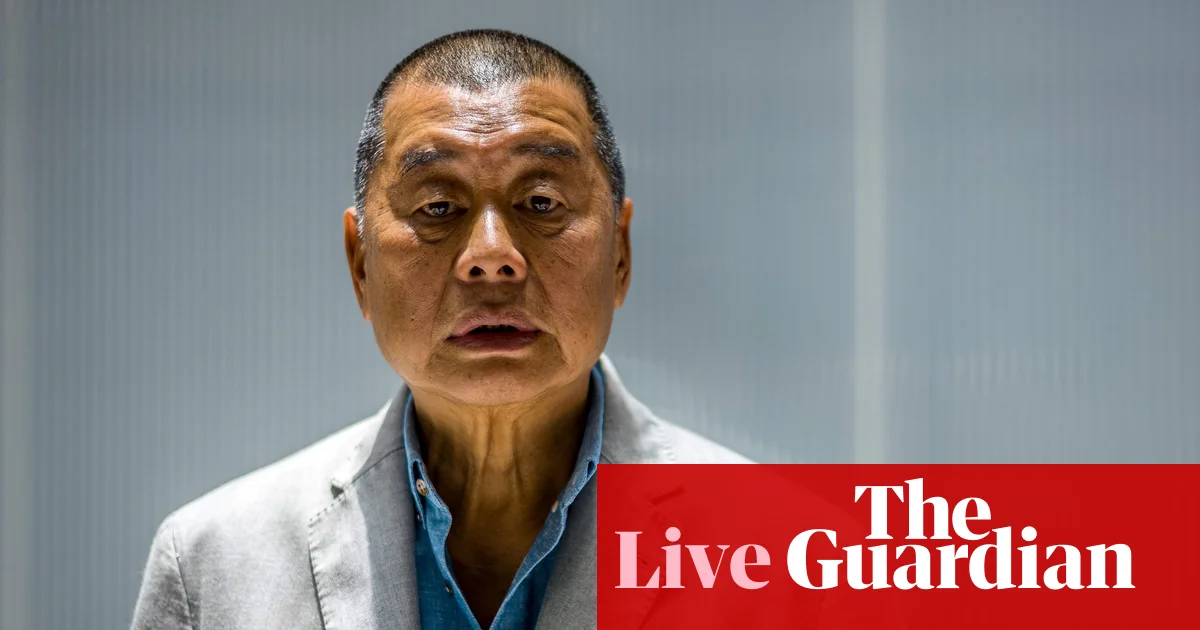
The recent verdicts against Jimmy Lai, the prominent Hong Kong media mogul and ardent supporter of democracy, mark a watershed moment in the ongoing struggle over press freedom and human rights in one of the world’s most geopolitically sensitive regions. Lai’s conviction on charges relating to national security – specifically conspiracy to collude with foreign powers and conspiracy to publish seditious content – follows a trial that has lasted over two years, culminating in what many see as a symbolic suppression of independent journalism in Hong Kong.
The response from international organizations and regional governments underscores the geopolitical significance of this event. Amnesty International, the Committee to Protect Journalists, and Human Rights Watch have all condemned Lai’s sentencing as emblematic of a broader campaign by Beijing and the Hong Kong authorities to dismantle the city’s once-vibrant democratic institutions. They describe Lai as a prisoner of conscience and warn that his incarceration not only threatens individual liberty but signals a systematic erasure of free expression in Hong Kong—a place once seen as a beacon of autonomy outside Chinese control.
This crackdown’s profound geopolitical impact extends beyond the city itself. Taiwan’s Mainland Affairs Council openly called Lai’s trial a “death knell” for Hong Kong’s democracy, emphasizing how the erosion of rights in Hong Kong sets a dangerous precedent for international law and the global fight for liberty. By weaponizing the judicial process against Lai, Beijing sends a clear message that any challenge to its authority—whether through media, protests, or civil society—will be met with severe punishment, regardless of international outcry. This shift in Hong Kong’s political landscape aligns with China’s broader strategy to expand authoritarian control, challenging the norms established under numerous international agreements and treaties.
Historians and geopolitical analysts highlight that the Lai case symbolizes the waning influence of Western-style democracies in the face of China’s rising power. As Lai’s health deteriorates in solitary confinement, global democratic powers face a stark choice: respond with concrete action or witness the gradual extension of authoritarianism into territories long considered bastions of freedom. Lai’s fate underscores how decisions made in Beijing and Hong Kong’s courts directly influence societal freedoms, press independence, and international relations—altering the geopolitical terrain in Asia and beyond. The outcome of his appeal and the potential sentencing will determine whether this moment signifies a retreat into darkness or a rallying cry for democracy worldwide.
In the shadow of Lai’s conviction, the question remains: will the international community finally recognize the threat posed to the principles of free speech and sovereignty, or will it continue to allow authoritarian regimes to rewrite the rules of justice and human dignity? As history unfolds in the courts of Hong Kong, the world is left to ponder how this chapter will be remembered: as a testament to the resilience of free societies or as a tragic turning point in the global fight for liberty. For now, the echoes of Lai’s trial serve as a reminder that the price of free press in the modern age is paid in endurance and courage, amid the relentless tide of rising authoritarianism.

In recent months, a wave of deportations from the United States to Somalia has exposed the fragility of international migration policies amid rising anti-immigrant rhetoric and changing administrations. These deportations, involving Somali nationals who sought refuge in the US, are not merely individual cases but signals of profound geopolitical repercussions that resonate far beyond the borders of the United States. As President Donald Trump publicly disparages Somali migrants, calling for tougher restrictions and even suggesting they should “go back to where they came from,” the international community, analysts, and historians warn that these policies threaten to undermine years of fragile stability in the Horn of Africa while fueling anti-foreigner sentiments domestically.
Most noteworthy is the case of Mahad Mohamud, a Somali man deported from Minneapolis after spending over a decade in various countries, including South Africa, Brazil, and the US. Mahad, known on social media as Garyaqaan, built a significant following defending his clan’s interests in Somalia—an act viewed with suspicion by US authorities amid the broader discourse of national security. His case highlights how independent voices, particularly those amplified through social media, are increasingly perceived as threats to political narratives. Mahad’s detention and eventual deportation—despite his claims of innocence and FBI clearance—mirror broader policies that cast aside nuanced assessments of individual safety in favor of harsh border enforcement. The geopolitical impact is vast, as deported individuals often face an unstable Somalia ravaged by years of anarchy, Islamist insurgencies, and economic collapse. Historians warn that these policies, driven by election-year rhetoric, risk reigniting conflicts and depriving Somali society of diaspora-led development efforts.
Moreover, the deportation crisis is casting a long shadow over the Somali-American community—America’s largest Somali diaspora, numbering approximately 80,000 in Minneapolis alone. Following statements from President Trump vowing the end of temporary protected status, the Somali community faces renewed hostility, with social media videos depicting immigration agents conducting door-to-door searches in neighborhoods like Little Mogadishu. Many residents, fearing deportation, have responded by evacuating their homes discreetly, leaving lives in limbo. This tension unravels the broader how decisions made in Washington directly affect the fabric of local societies, fueling fears, protests, and a sense of abandonment. These developments echo the warnings of international observers who argue that a shift towards aggressive immigration crackdowns without comprehensive security frameworks risks destabilizing immigrant communities in the US while emboldening Islamist militant groups like al-Shabab. The repercussions for stability and security, both in the US and the Horn of Africa, are profound and ongoing.
As history’s ongoing narrative unfolds, the deportation phenomenon underscores a brutal reality: policies driven by populist rhetoric often overlook the intricate human stories behind migration. Mahad Mohamud’s heartfelt reunion with his children and his fears of assassination are emblematic of the human toll inflicted by political agendas that treat these individuals as mere pawns. Analysts and seasoned diplomats warn that the current trajectory risks not only exacerbating Somalia’s humanitarian crisis but also deepening the divide between immigrant communities and their host nations, creating fertile ground for radicalization and conflict. With the shadows of past conflicts and current instability lengthening, the international community is left to ponder whether these policies will serve as a turning point or a catalyst for unforeseen chaos. The weight of history presses heavily upon these unfolding events, reminding the world that in the arena of geopolitics, choices today carve the legacy of tomorrow—a legacy still being written, and nowhere more critically than in the lives of those caught between nations.

In a significant display of resilience and vigilant security measures, Germany thwarted an Islamist plot aimed at unleashing violence during one of its most cherished traditions — the Christmas market. Five men, comprising three Moroccans, an Egyptian, and a Syrian, were detained last Friday in the southern Bavarian state, suspected of conspiring or actively participating in a plan to ram a vehicle into festive crowds. Authorities underlined the Islamist motive behind this plot, reaffirming ongoing concerns about the resurgence of extremist threats amid a complex geopolitical landscape.
Prosecutors disclosed that the Egyptian suspect, a 56-year-old imam linked to a local mosque, allegedly called for a vehicle attack with the explicit goal of causing maximum casualties. Meanwhile, the Moroccan suspects, aged 22, 28, and 30, purportedly agreed to execute the attack, with the 37-year-old Syrian being accused of encouraging the others in their sinister intent. The detail that the Egyptian imam might have played a role in radicalization underscores a broader debate within Europe about religious extremism and the integration failures that facilitate such plots. While authorities did not specify the exact timing or the precise location of the planned assault, intelligence linked it to an area northeast of Munich—Dingolfing-Landau—heightening fears of a coordinated attack during an already sensitive season.
Germany’s robust security response highlights the heightened alertness following a history of Islamist violence against Christmas markets, including the deadly attack in Berlin in 2016, which claimed twelve lives. The swift cooperation between security agencies, as noted by Bavaria’s Interior Minister Joachim Herrmann, showcases a proactive stance against these threats. Yet, this incident also starkly reveals how international jihadi networks continue to pose a destabilizing influence across Europe, requiring persistent vigilance and intelligence-sharing. Analysts warn that temporary security gains must be reinforced with more effective counter-radicalization efforts, especially within integrated communities where extremist rhetoric sometimes still finds fertile ground.
The geopolitical impact of this thwarted attack extends beyond Germany’s borders, serving as a stark reminder of how international and regional conflicts—such as the destabilization in parts of the Middle East—fuel global terrorism. The incident underscores the persistent threat that radicalized fighters and ideologues from North Africa and Near East pose to Western societies and their values. International organizations, including the United Nations, have consistently called for coordinated efforts to combat extremism, but critics argue that such measures often fall short of addressing the root causes.
As nations grapple with their internal security challenges, the unfolding story of this attempted attack serves as a vivid reminder that the frontlines of radical Islam are as much ideological as they are geographical. History’s historians and security experts caution that today’s efforts to prevent such plots may only buy a temporary reprieve. The weight of this warning hangs heavy as Europe stands at a crossroads: will it succumb to fear and overreach, or will it forge a new path towards understanding and resilience? As the world watches and the shadows of history lengthen, one truth remains undeniable—the battle for society’s soul, and the integrity of its physical boundaries, is far from over.
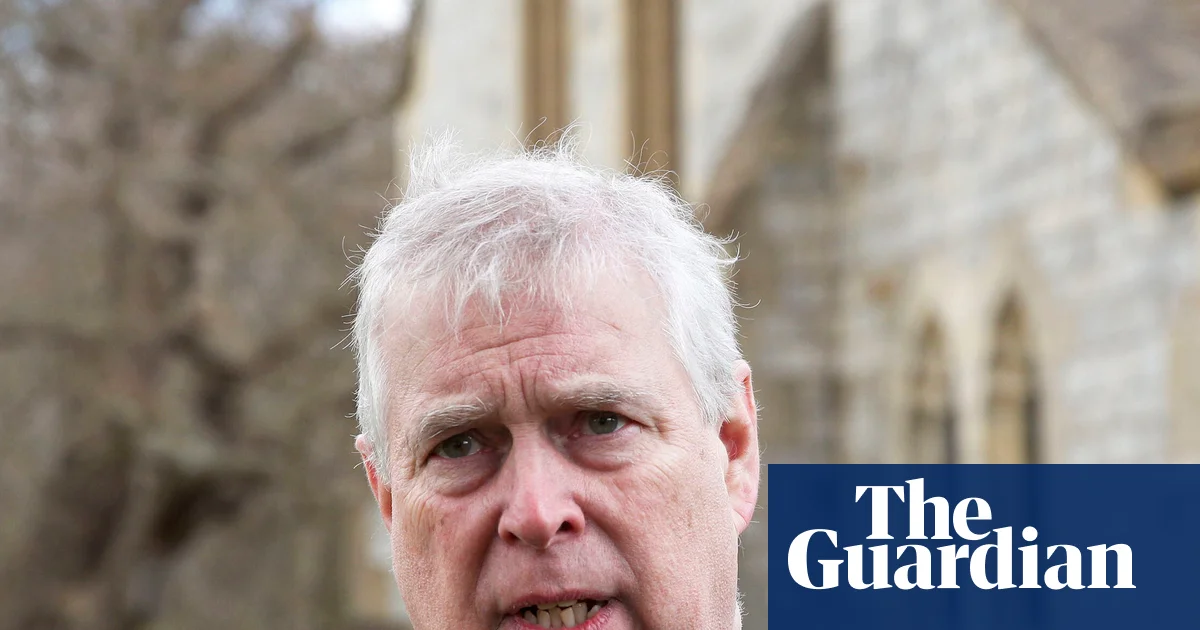
As the world approaches the end of 2023, the geopolitical landscape remains a tapestry of dramatic shifts, contentious conflicts, and cultural upheavals. This year has underscored the profound ways in which internal political shifts and international decisions ripple across nations, societies, and global institutions. Each headline, each political joke or scandal, encapsulates a broader narrative of a world grappling with the consequences of leadership struggles, cultural transformations, and the relentless march of history. Equally, the public’s humorous reflection on these serious matters—be it via satire or satire-like jokes—serves as a testament to the tension between authority and societal sentiment.
The decline of Prince Andrew symbolized more than just a royal scandal; it became a reflection of shifting societal values and the diminished trust in traditional symbols of authority. This year’s humorous jabs, crowned by a popular British joke questioning why Andrew isn’t writing Christmas books because “he hasn’t got any titles,” exemplify how cultural narratives adapt to the changing perception of monarchy and privilege. The joke’s resonance signals a broader cultural shift where aristocratic power complexes no longer hold the same sway, especially among the digital-savvy youth who demand accountability and transparency. According to internationalists and historians, this erosion of old-standing figures underscores a foundational transformation in how nations and their governing institutions are viewed—less as symbols of unchangeable heritage and more as entities subject to societal scrutiny.
Furthermore, the year saw a rise in sharp humor surrounding political figures like Angela Rayner and Nigel Farage, highlighting ongoing ideological conflicts within the United Kingdom. Such satire reflects the deep divisions that continue to shape the political climate, impacting everything from domestic reforms to international diplomacy. Meanwhile, international organizations have issued warnings about the potential for political polarization to escalate into instability, emphasizing how internal decisions in one country reverberate globally. The ‘cultural pandemic’ of satire encapsulates a collective anxieties about future governance, societal cohesion, and the preservation of traditional values amidst rapid change. Analysts argue that these jokes are not mere entertainment—they are a form of societal barometer, revealing the pulse of a transformed public consciousness seeking to redefine its future pathways.
On the global stage, external shifts—such as the ongoing impacts of international conflicts and negotiations—continue to realign alliances, affect trade routes, and challenge the sovereignty of nations. The delicate balance of power that once guaranteed stability is being renegotiated, with regional conflicts and coups threatening to plunge some areas into chaos while others forge new partnerships. For instance, the recent friction in Eastern Europe and next-level engagement by superpowers illustrate a climate of strategic uncertainty. International bodies like the UN and NATO are increasingly seen as ineffective or outdated, sparking calls among many nations for new alliances and a reevaluation of global governance. This tumultuous environment amplifies the stakes for democratic nations striving to protect their sovereignty and social orders, as the “great game” of geopolitics fuels economic uncertainty and societal strain worldwide.
As history continues to unfold on a grand scale, the tension between tradition and transformation persists. The scenes of politicking, cultural shifts, and international power plays echo through the corridors of power and within the streets of countless cities, leaving the world at a crossroads. The undeniably impact of these decisions resonates far beyond the headlines: they will shape not only the geopolitical map but the societal fabric of future generations. The weight of history presses down, as leaders and citizens alike navigate this treacherous, uncharted terrain—knowing full well that the story’s next chapter remains unwritten, its destiny still hanging in the balance of global choices and collective resolve.

In a landscape where digital technology continually transforms the entertainment industry, Sudan Archives exemplifies how groundbreaking innovation can redefine musical boundaries. Her latest album, The BPM, not only showcases her cutting-edge artistry but also underscores a pivotal trend in the broader shift toward immersive, genre-blurring soundscapes. As industry analysts from Gartner and leading tech think tanks observe, the future belongs to artists who integrate sophisticated electronic elements and unconventional structures—traits that Sudan Archives exemplifies with striking authenticity.
Building on her experimental roots, Archives has continuously expanded her sonic palette, deploying a blend of organic violin passages and modern electronic elements. Her earlier works, such as Athena and Natural Brown Prom Queen, leaned into sound collage, sampling, and experimental pop. But with The BPM, she ventures into fully technological terrains, weaving autotune, drum ’n’ bass breaks, house stabs, and techno synths into her distinctive violin-forward aesthetic. This innovation resonates with the disruptive spirit full of industry shifts towards AI-driven production and algorithmic curation, reflecting a broader move where artists harness tech for unprecedented creative control and sonic depth.
The album The BPM epitomizes the volatile, eclectic essence of contemporary dance music, bouncing unpredictably across genres—four-on-the-floor funk, trap influences, Irish jigs, and more—daringly defying conventional pop song structures. Industry experts note that this approach fosters a hyper-competitive environment, demanding artists innovate relentlessly to engage audiences. If we consider insights from institutions like MIT Media Lab, this kind of sonic experimentation signifies a fundamental disruptor to traditional music paradigms, shifting power from major labels to independent creators empowered by digital distribution platforms such as Bandcamp and streaming giants like Spotify and Apple Music.
This evolution signifies more than just artistic experimentation; it signals a fundamental industry shift towards democratization and technological disruption. Emerging talents like Sudan Archives are leveraging these tools to carve distinct identities outside traditional commercial frameworks, aligning with futurists like Elon Musk and Peter Thiel, who champion disruptive innovations spanning beyond automotive and finance into cultural sectors.
Looking ahead, the trajectory suggests that artists who embrace technological adaptability and cross-genre experimentation will become the new vanguard of the industry. In a world where AI, virtual reality, and blockchain technology are redefining value creation and distribution, the pace of innovation accelerates. The urgency for existing industry players to adapt or face obsolescence is palpable. Sudan Archives’ pioneering approach exemplifies a broader trend that promises to reshape not just music, but the entire entertainment and creative economy—an exciting, if tumultuous, frontier dominated by those willing to disrupt entrenched norms and push sonic boundaries.

In a move that has left fans divided, the New York Mets recently bid farewell to two key players who have been pivotal to the team’s identity in recent years. While some view this as a gut punch for the franchise, others recognize it as part of a larger, calculated strategy for future success. The question remains: is this a disaster for the Mets, or a stepping stone toward rebuilding a championship-caliber team?
By allowing these two franchise faces to depart, the Mets aim to clear up substantial salary cap space. Coach Buck Showalter expressed optimism, stating, “This decision empowers us to pursue new talent that aligns better with our long-term vision.” With free agency underway, the Mets are positioned to make bold moves, targeting emerging stars and filling critical gaps in their lineup.
During last season, the Mets faced numerous challenges, including injuries and inconsistent performances. The departure of these key players has sparked a wave of discussions among commentators and analysts alike, with many weighing in on the potential repercussions. Analyst Tim McCarver noted, “Change can be daunting, but it often leads to opportunities. The Mets must ensure they leverage this moment.” Key statistics reveal that the team’s offensive struggles last season decreased their playoff chances by a staggering 18%. Moreover, these departures can usher in a new era of focus and innovation for a team craving success.
As the Mets embark on this new chapter, sports remain a poignant reminder of resilience and camaraderie among fans and players alike. The scoreboard may record wins and losses, but the heart of the game transcends numbers. In forging a new identity, the Mets invite their devoted followers to rally behind a future filled with potential. This is more than just baseball; it’s a journey that unites a community, reminding us all that the thrill of the game isn’t solely defined by yesterday’s stars, but rather by the dreams of what is yet to come.

As the winter chill sets in across England, alarming headlines reveal a healthcare crisis that threatens the very fabric of our communities. Hospitals are grappling with unprecedented overcrowding, driven in part by an increase in acute illnesses like the seasonal flu. Analysis from the Health Foundation shows that the number of patients delayed in discharges has risen sharply, with nearly 19,000 more bed days lost this year compared to the same period last year. This situation magnifies societal and familial strains, as families face longer waits with loved ones in incapacitated health, and communities bear the brunt of the faltering social safety net.
At the core of the crisis lies a complex web of social issues—primarily the chronic shortage of social care and community support—exacerbated by fiscal austerity measures and demographic shifts. The ageing population and extended life expectancy, while victories of modern medicine, have paradoxically created new challenges. Senior doctors, including Dr. Vicky Price, warn that these persistent bed shortages will inevitably lead to preventable deaths, casting a shadow over the moral fabric of the NHS. Rates of delayed discharges, where patients deemed medically fit-to-leave remain hospitalized due to lack of social care, have created bottlenecks that ripple through emergency services, leading to ambulance queues, overcrowded emergency rooms, and longer wait times. By focusing on these issues, sociologists like Dr. Robert Putnam argue that societal cohesion and moral responsibility toward vulnerable populations are under threat as these healthcare failures deepen.
Moreover, the ramifications extend beyond hospitals into families and local communities. Children with sick or elderly relatives are often caught in the turmoil, witnessing loved ones stuck in limbo amid unending waits and fractured social support. The financial toll on families unable to access adequate care at home compounds their difficulties, further straining social cohesion. The moral question arises: how can society claim to prioritize the wellbeing of its most vulnerable when systemic failures compromise the dignity and safety of all? The social fabric frays as hospitals reduce capacity in response to financial cutbacks—partly a calculated response to austerity policies—and as neglect of social care infrastructure leaves families with no options but to endure prolonged crisis. According to the Royal College of Emergency Medicine, nearly 17,000 avoidable deaths last winter were attributed to these delays, underscoring the tragic human cost of inadequate social foresight.
Despite government claims of proactive measures, the reality remains bleak. Efforts to ramp up vaccination and streamline hospital operations are commendable but insufficient to address the underlying social failures. As Rory Deighton of the NHS Confederation highlights, “delayed discharges have been a longstanding challenge,” and without significant investment in social care, the cycle of overcrowding and preventable death will persist. Sociologists and social commentators emphasize that true progress hinges on restoring the social contract—rebuilding the capacity of communities to care for their own—before hospitals become more crowded with preventable tragedies. As society stands at this crossroads, the hope resides in recognizing that social wellbeing is the foundation of national resilience. Only by addressing these interconnected issues—social, economic, and moral—can we strive toward a future where healthcare is a promise fulfilled, not a broken vow left for families to bear.”
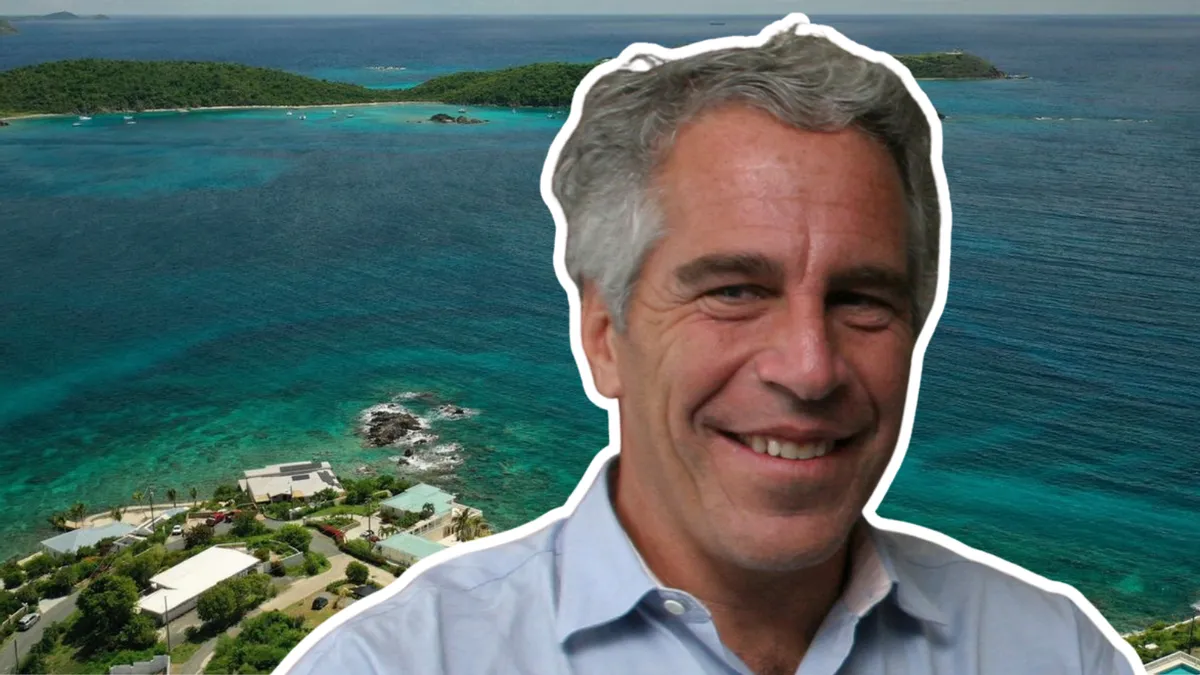
In recent weeks, a surge of rumors has spread regarding what transpired on Little St. James, the private island once associated with Jeffrey Epstein, a convicted sex offender. These claims, often sensationalized across social media and certain news outlets, paint a picture of widespread abuse and unchecked activities during Epstein’s residency. As responsible citizens, it is essential to analyze the factual basis of these claims and distinguish between verified information and conjecture.
Fact: Little St. James was Epstein’s private island in the U.S. Virgin Islands, where he reportedly maintained a lavish compound. According to official records and investigative reports, Epstein used the island as a personal retreat and location for social gatherings. The New York Times and government investigations have documented his pattern of exploiting underage girls. However, concrete evidence linking Epstein directly to systematic abuse on the island remains limited to testimonies and allegations, many of which are under legal review.
Many circulating claims allege that on Little St. James, Epstein operated an extensive abuse network involving prominent figures, with some suggesting illegal activities that extend beyond what has been officially documented. These are largely based on eyewitness testimonies, alleged documents, and speculative sources, some of which have not withstood rigorous legal scrutiny. While investigations have identified Epstein’s pattern of criminal activity, the extent of specific acts on the island has yet to be fully established in court.
Law enforcement agencies, including the FBI and U.S. Virgin Islands authorities, have conducted multiple searches and interviews, revealing evidence of the exploitation of minors and Epstein’s schemes, but the precise details and all supposed illicit activities remain under investigation or unverified.
It’s critical to recognize that many rumors lack concrete, publicly verified evidence. In the age of misinformation, sensational claims often outpace verified facts. The Department of Justice has emphasized that any criminal charges or indictments depend on meticulous evidence gathering and due process. Legal experts warn against conflating allegations with proven facts, especially when powerful individuals or sensational topics are involved.
The ongoing investigations aim to clarify the scope of Epstein’s crimes, the extent of his network, and whether others were involved. While some credible allegations are documented, the full picture must await the results of judicial proceedings, which are the gold standard for establishing the truth.
In conclusion, while the public deserves transparency and justice in these high-profile cases, it remains imperative to differentiate between verified facts and rumors. Responsible journalism and diligent investigations are crucial in maintaining a healthy democracy where truth prevails over sensationalism. Citizens should rely on credible reports from law enforcement agencies and court proceedings rather than unsubstantiated claims circulating informally online. Upholding the integrity of the legal process ensures that justice is served and maintains public trust in our institutions.
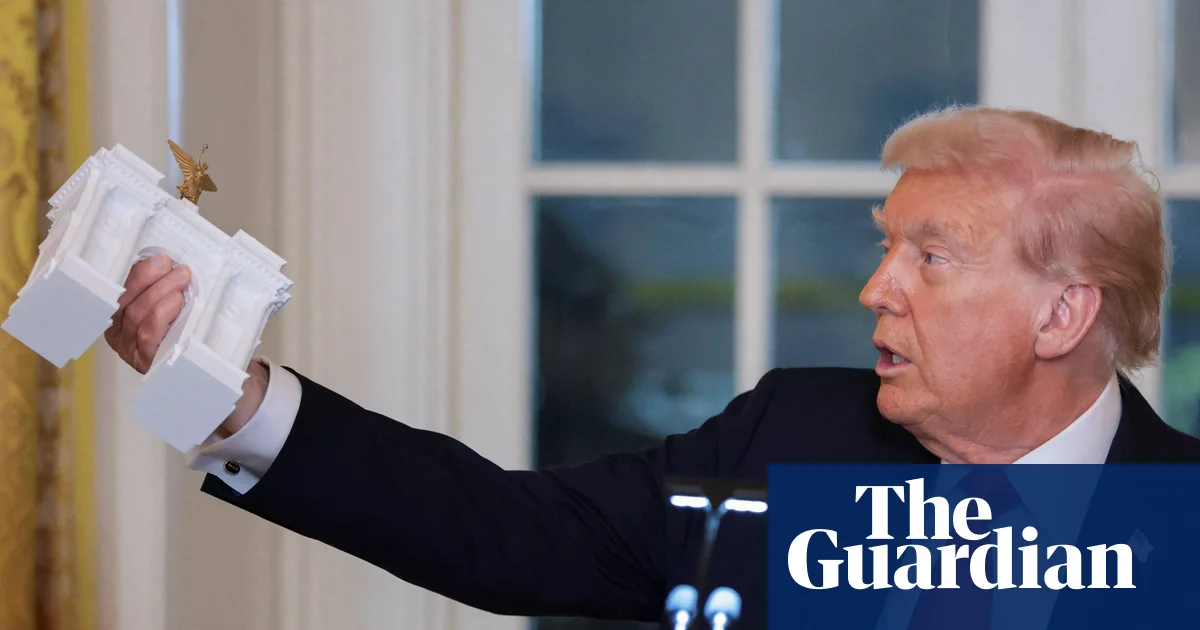
The recent revelations from President Donald Trump regarding the construction of a triumphal arch in Washington, D.C., mark a significant shift in the narrative of American governance. Trump’s praise for his domestic policy chief, Vince Haley, and the unveiling of a project reminiscent of historic monuments have sparked widespread controversy. While the nation faces an alarming affordability crisis—with health insurance premiums expected to surge for over 20 million Americans—and rising tariffs that inflate everyday costs, the administration exhibits a focus on symbolism over substantive policy solutions.
Analysts and international observers have voiced concern about the geopolitical implications of such misplaced priorities. The decision to channel federal funds into a decorative monument, rather than address deeply rooted economic hardships, underscores a disconnect between political spectacle and urgent societal needs. According to historians specializing in American greatness and public policy, this emphasis on monument-building amid hardship echoes a recurring pattern in history where national leaders prioritize legacy projects over sustainable economic reform.
During a White House holiday event, Trump bandied about grandiose visions of a triumphal arch, situated near the Lincoln Memorial and Arlington Cemetery—sites of profound national significance. He boasted that the project would eclipse Napoleon’s famous arch, representing a bold, even patriotic, statement—yet critics argue that this lends itself more to ego than effective governance. The project’s costs and its symbolic resonance are raising alarms among policymakers and social critics, who see it as emblematic of a decadent distraction from economic realities faced by millions.
International organizations such as the United Nations and think tanks like the Cato Institute have warned that such public displays at a time of economic turmoil may further erode confidence in leadership. Economists warn that with insurance premiums set to double or even triple, and tariffs contributing to inflation, the American public’s trust in government’s ability to solve real problems could further decline. As the United States grapples with these domestic issues, the federal government’s focus on monuments risks redefining its priorities in a manner reminiscent of late-stage empires of history—more obsessed with legacy than legacy of prosperity.
Global perceptions are also shifting. China and Russia continue to watch closely, aware that internal distractions and apparent neglect of domestic welfare could weaken America’s standing on the world stage. Analysts warn that such internal divisions and the perception of elected leaders engaging in emblematic excess could embolden adversaries and weaken alliances. Moreover, the country’s youth, increasingly burdened by economic hardship, are beginning to question the legitimacy of a political elite more invested in spectacle than substance.
For many, the decision to build an imposing arch rather than tackle tangible economic issues signals a dangerous slide into prioritizing superficial symbols over sustainable policy reforms. As history’s course continues to unfold, the coming months pose a critical crossroads—whether the nation can rally around meaningful change or succumb to the divisions created by misplaced priorities and hollow promises. The weight of history presses down, reminding us that the true monument of a nation’s greatness lies not in its monuments, but in the resilience and grit of its people amid the stormy times ahead.


