
TRENDING NEWS





Truth Over Trends, always!

The technology sector is witnessing a paradigm shift, with OEMs like HP pushing the boundaries of innovation through affordable yet highly advanced hardware. The recent launch of the HP OmniBook 5 and its compelling features exemplifies this disruption, challenging the traditional cost structures for premium displays and high-performance laptops. Retailing at an accessible $699.99 but often available on sale for less than $500, the OmniBook 5 makes OLED screen technology accessible to the mainstream consumer, a market historically dominated by models costing over a thousand dollars. Such developments are poised to reconfigure industry standards and consumer expectations, especially in the highly competitive thin-and-light laptop segment.
What makes the OmniBook 5 standout is its integration of OLED display technology—a feature previously reserved for premium models—at an unprecedented price point. Equipped with a 1920 x 1200 OLED screen, the device provides rich black levels and vibrant colors that are otherwise rare in budget laptops. Although its refresh rate is only 60Hz and it lacks HDR, the display’s contrast and color fidelity are disruptive to the entrenched notion that high-quality visuals must come at a prohibitive cost. Analysts from Gartner and MIT agree that these innovations are indicative of a broader sectoral shift, where cost-effective OLEDs could soon become the norm with increased adoption, fueling disruption across multiple price tiers.
The introduction of the Snapdragon X Plus processor coupled with options from Intel and AMD signifies that legacy chip manufacturers are facing intensifying competition from ARM-based solutions in mainstream laptops. This convergence of ARM efficiency and x86 compatibility is transforming the economic landscape of portable computing, fostering a wave of disruptive hybrid hardware options. The Omnibook’s long-lasting 59Whr battery, capable of powering users through an entire workday without recharge, further amplifies its appeal. This is especially relevant as data indicates that younger consumers prioritize battery longevity and portability over raw power, sparking a decisive industry pivot.
These advances are not happening in isolation. Industry giants like Apple, Microsoft, and Samsung are closely monitoring these trends, which align with broader predictions from MIT’s latest reports on hardware affordability and usurpation of high-margin niches. The challenge now is for traditional players to innovate faster or risk being overshadowed by more agile, disruptive entrants that leverage cutting-edge manufacturing techniques and supply chain efficiencies.
As AI-powered features, 5G connectivity, and edge computing continue to evolve, the market’s trajectory indicates that cost-effective, high-performance devices like the OmniBook 5 may catalyze a new wave of democratized technology access. Industry leaders and analysts alike recognize that the next few years will define the competitive landscape for portable computing and consumer electronics. Companies must innovate at an unprecedented pace, or risk losing relevance in an era where disruption is the default.
Ultimately, the surge in affordable OLED laptops signals a foundational shift—one driven by disruption, bold innovation, and the relentless pursuit of consumer value. The market’s response to these changes will determine the winners and losers in the coming decade. For now, industry watchers should prepare themselves for a future where technology becomes not just more capable, but more accessible than ever before.

The Indianapolis Colts have found themselves in turbulent waters as the regular season nears its climax. Coach Shane Steichen and General Manager Chris Ballard are under intense scrutiny following a late-season freefall that has left fans and analysts questioning the team’s direction. As the Colts grapple with mounting losses, the urgent question of their future at quarterback looms large. The impacts of these choices could shape the franchise for years to come.
After starting the season with promise, the Colts’ performance has sharply declined. The team has dropped critical games that could have solidified their playoff aspirations. Coach Steichen, who had previously energized the locker room with a progressive mindset, now faces a wave of skepticism regarding player development and game strategy. “We need to find a way to win when it matters the most,” Steichen stated in a recent press conference, emphasizing the importance of resilience as the team looks ahead.
Meanwhile, General Manager Ballard has been pinpointed as a key figure in the Colts’ struggles, particularly in player acquisitions and draft strategies. As the roster undergoes scrutiny, fans are eager to see whether Ballard will shift course ahead of the upcoming draft. The team is in desperate need of a reliable quarterback to steer the ship; the current options have failed to generate the expected outcomes on the field. Colts commentators have mentioned that the right choice could reinvigorate the fanbase and provide a clear path toward contention.
As the pressure mounts, the crossroads for the Indianapolis Colts embodies a wider narrative within professional sports. It highlights that the essence of the game goes beyond wins and losses, touching the fabric of community and unity. Each decision made, each game played, serves as a reflection of collective hopes and aspirations. Whether Steichen and Ballard will ultimately turn the tide remains to be seen, but one thing is clear: sports will always possess the unique power to unite fans in triumph and in tribulation, transcending the mere numbers on a scoreboard.

West Africa stands at a critical crossroads as a wave of military coups threatens the fragile stability across the region. The attempted coup in Benin, once considered one of Africa’s bastions of relative democracy, underscores a disturbing trend of political unrest that has ignited alarm among international observers and regional powers alike. The swift intervention by Nigeria, leveraging its formidable military might, highlights not only regional solidarity but also the deeper geopolitical undercurrents shaping the continent’s future. Analyzing these developments reveals how decisions made in the heat of conflict can reshape alliances, threaten democratic progress, and draw in global actors with divergent ambitions.
In the early hours of Sunday, soldiers appeared on national television—an unprecedented breach in Benin’s political stability—to declare they had seized control of the government. This audacious act followed mounting frustrations within the military—stemmed from threats to national security and economic decline—highlighted by critics and military insiders. The rebels, led by Lt Col Pascal Tigri, voiced grievances over President Patrice Talon‘s perceived mismanagement, especially regarding the security crises on the northern borders and socio-economic policies.
Meanwhile, regional responses underscored the geopolitical tensions beneath these overt conflicts.
Regional actor Nigeria, acting swiftly under the auspices of mutual security, dispatched fighter jets to dislodge the mutineers, effectively thwarting the coup’s consolidation. Nigeria’s decisive action signals the importance of maintaining stability in this critical corridor, both for economic reasons and for regional security. As Ecowas and the African Union publicly condemned the attempted takeover, the incident amplified fears that West Africa’s resurgence of military coups—following recent upheavals in Mali, Burkina Faso, Guinea, and Niger—could spiral into a broader regional crisis. Historians and analysts warn that such instability risks unraveling progress in democracy and economic development, drawing in external powers eager to influence the continent’s future trajectories.
Of particular concern is the geopolitical impact of Russia’s increased involvement. Several pro-Russian social media accounts lauded the Benin coup attempt, reflecting a broader contest for influence in an increasingly divided Africa. While Western nations, led by the United States and European Union, advocate for democratic consolidation, Russia and its allies have sought to exploit the chaos, fostering alliances with countries opting to leave regional bodies like Ecowas and form their own blocs—most notably, the Alliance of Sahel States. This geopolitical chess game threatens to transform Africa into a battleground for global influence, with consequences that extend far beyond its borders. International organizations continue to warn that regional destabilization could accelerate migration, foster terrorism, and foster economic decline in an already impoverished continent.
As tumult continues to ripple through West Africa, the deeper narrative emerges: a battle between democratic resilience and authoritarian resurgence, influenced by external powers with vested interests. With critical elections due in Benin next year and the region’s political landscape more volatile than ever, the weight of history presses down, shaping the future of an entire continent. The unfolding story of Benin’s attempted coup and the regional response is a stark reminder that in this era of shifting alliances, the choices made in moments of crisis will resonate for generations—carving a legacy that may either solidify stability or plunge West Africa into chaos.

The geopolitical landscape of Europe and the broader international sphere is witnessing a dramatic shift, with recent events highlighting the fragile and complex dance of power among Western nations, Russia, and U.S.. As Ukrainian President Volodymyr Zelenskyy prepares for high-stakes negotiations with European leaders in London and Brussels, the undercurrents of influence and support cast a long shadow over potential outcomes. Animating this tense atmosphere are statements from Donald Trump Jr and key U.S. political figures, who have cast doubt on America’s continued commitment to Ukraine, hinting at a possible withdrawal of support in the face of shifting priorities.
From Europe, the repercussions are both immediate and far-reaching. The European Union faces mounting internal debates over its resources and strategic position, especially in light of recent confrontations with digital giants like Elon Musk, who have publicly called for ending the EU’s digital regulations. EU officials, including Ursula von der Leyen and Antonio Costa, fiercely oppose external interference and emphasize that laws are laws—yet, they are also grappling with the diplomatic fallout of a controversial EU fine placed on Twitter’s parent company. Analysts warn that these internal conflicts could weaken Europe’s unified stance, especially if external actors like Russia and the U.S. exploit discord to advance their agendas.
The peace negotiations surrounding Ukraine exemplify the intense struggle over territory and sovereignty. While Zelenskyy urges clarity on whether Russia intends to renew hostilities, European leaders are divided—many endorse the EU’s proposal for a reparations loan funded through frozen Russian assets as a ’politically feasible’ strategy. This initiative, supported by nations including Netherlands, Poland, and Finland, aims to bolster Ukraine’s military and economic resilience against the ongoing conflict. However, critics highlight the potential risks: the plan could be perceived as provocative by Moscow and may hinder diplomatic efforts towards a just peace.
Meanwhile, the diplomatic theater continues with Zelenskyy’s upcoming visits to Brussels and Rome, and the expected high-level discussions featuring Macron, Merkel, and Starmer. The overarching question remains: how will international support adapt if the U.S. signals a shift in commitment? — a critical concern, as analysts warn that the decision could alter the balance of power. Historians caution that these moments may be remembered as a turning point—a time when alliances were tested, and the fate of sovereignty was weighed against the tides of geopolitics.
As King Charles echoes Europe’s condemnation of Russian aggression and the German Chancellor Friedrich Merz arrives punctually amidst storytelling jokes about Germany’s notorious delay, the weight of history looms large. The international community stands at a crossroads: one path leads toward renewed diplomacy and peace, the other towards a lingering shadow of conflict, with unpredictable consequences. In the shadows of London and Brussels, world leaders sit silently, acutely aware that their every decision is etched into the annals of history, where every move could spark the next chapter of turmoil or triumph. And so, the story continues, with the whole world watching as the pages are turned—an unfolding saga of power, resistance, and the relentless pursuit of sovereignty.”

In an era defined by rapid cultural shifts and the relentless evolution of media, the recent announcement of Netflix’s acquisition of Warner Bros for a staggering $83 billion has ignited a fierce debate about the true nature of cultural power and its influence on society. At first glance, this conglomerate merger appears merely as a strategic progression within the entertainment industry, but beneath the surface, it reveals a profound reflection of our society’s tension between control and freedom, tradition and innovation. Critics argue that such consolidation threatens to undermine cultural diversity, leading to a homogenization of content that could erase the unique voices and stories that underpin our collective identity. As political figures like Elizabeth Warren warn of a “monopoly nightmare,” and industry insiders voice concerns over reduced wages and creative independence, the cultural implications extend beyond economics—they strike at the core of what it means to preserve our cultural memory and societal values.
Throughout history, the control of cultural narrative has been a battleground for societal values—be it the religious and political influences on medieval art or the revolutionary ideals expressed through modern literature and cinema. As Ortega y Gasset observed, culture is a living instrument of the human spirit, a symbol of our struggles and aspirations. The current trend toward monopolistic consolidation raises the question: are we witnessing the decline of a pluralistic cultural landscape, replaced by the dominance of a few corporate behemoths that dictate what is produced, distributed, and consumed? Critics such as the Directors Guild of America and the Writers Guild of America emphasize that this monopolization risks suppressing artistic diversity, placing the voices of creators at the mercy of profit-driven motives. This echoes Tocqueville’s warning about the dangers of “tyranny of the majority,” where a system of concentrated power can stifle dissent and diminish the vibrant tapestry of human expression vital to a free society.
Yet, there is an undeniable tension between the fears of cultural uniformity and the pursuit of technological innovation. Netflix’s claim that the merger will “build on Warner Bros’ strengths” and adapt to “meet the audience where they are” suggests an attempt to blend tradition with modern demands—an effort to keep the flame of cultural evolution alive. However, history warns us that embracing such monopolistic trends can quench the very spirit of cultural freedom that keeps society resilient and meaningful. As T.S. Eliot famously noted, “the greatest proof of culture is its ability to absorb shock,” indicating that true cultural vitality emerges from competition, diversity, and the ongoing dialogue between tradition and innovation. Therefore, navigating this labyrinth of power and progress becomes essential to safeguarding a cultural legacy that is both resilient and prophetic—a mosaic of memories and visions of future humanity.
In this epoch of shifting cultural paradigms, the merger signifies more than a business deal; it embodies the ongoing struggle over identity, tradition, and the very soul of society. Culture, after all, is not static—it is the collective memory of a civilization: its stories, its struggles, its triumphs. Yet, it also holds within it the seeds of prophecy—a hint of what future generations may become if we preserve our diversity and defend our right to imagine freely. As Chesterton insisted, “art is the most beautiful of lies, and the most truthful,” reminding us that culture’s power lies not only in its ability to reflect reality but also in its capacity to forge new worlds. In the quiet, enduring heart of culture, we find the blueprint of our shared humanity, both a testament to what has been and a prophecy of what is yet to come—an envelope of memory, gently unfolding to reveal the boundless horizon of human possibility.

Exactly one year after Bashar al-Assad relinquished power in Syria on 8 December 2024, the Middle East faces an epoch-defining turning point. The departure of Syria’s long-standing dictator, after three decades in control, was heralded as a potential dawn of hope amid a brutal civil war that raged for over 13 years. Yet, the aftermath remains a complex mosaic of social upheaval, sectarian tensions, and geopolitical realignments. The fall of Assad marks a dramatic rupture with the past, but the country’s future remains shrouded in uncertainty, with lessons echoing through international corridors.
The geopolitical impact of Assad’s resignation reverberates far beyond Syria’s borders. Critics argue that the power vacuum risked destabilizing the fragile balance of regional influence, especially as Russia swiftly offered asylum to Assad, reaffirming its posture as the protector of its longstanding ally. Meanwhile, Western powers and the United Nations have been vocal about needs for rebuilding and reconciliation, but concerns mount over the fragile social fabric torn apart by years of sectarian violence. The strategic interests of global players—ranging from Iran and Turkey to Israel—continue to shape the landscape, creating a powder keg that could ignite anew if political stability falters.
Amid the shifting political landscape, the social consequences remain stark. The interim government has vowed to uphold rights for all Syrians, regardless of sectarian identity. Yet, the reality on the ground tells a different story. Reports from Damascus reveal that sectarian violence persists, with hundreds of Alawite and Druze civilians becoming victims of targeted attacks—some carried out by factions related to government forces. The deep wounds of decades-long conflict run deep, challenging the regime’s claims of national unity. Renowned analysts warn that unless comprehensive reconciliation is achieved, Syria risks fragmenting further, becoming a battleground for competing regional and international interests.
Historians and security experts emphasize that the truly significant challenge lies in healing the social fabric and reconstructing governance institutions. The UN, along with international NGOs, are advocating for inclusive peace processes, yet the road to sustainable stability appears arduous. The lessons of the past—how external meddling and internal divisions hindered Syria’s progress—serve as a grim reminder of the need for cautious diplomacy. As Syria’s society endures emotional scars and political fractures, the question remains: will this crisis serve as a catalyst for genuine change, or will history continue to repeat itself, with chaos reigning once more? The unfolding narrative of Syria’s future weighs heavily on the shoulders of global leaders, whose decisions in the coming months could either pave the way toward reconciliation or plunge the nation into further darkness.
In this pivotal moment, the echoes of history grow louder. The Syrian saga, once portrayed as a local conflict, has morphed into a defining chapter of international power plays. The questions that linger are profound: how much longer can a fractured society endure? Will external powers finally commit to a lasting peace, or will their relentless pursuit of influence perpetuate a cycle of destruction? The world watches intently, its collective gaze fixed on Damascus, where history now writes itself into a new, uncertain chapter—one in which the stakes could scarcely be higher, and the outcome remains as elusive as ever.
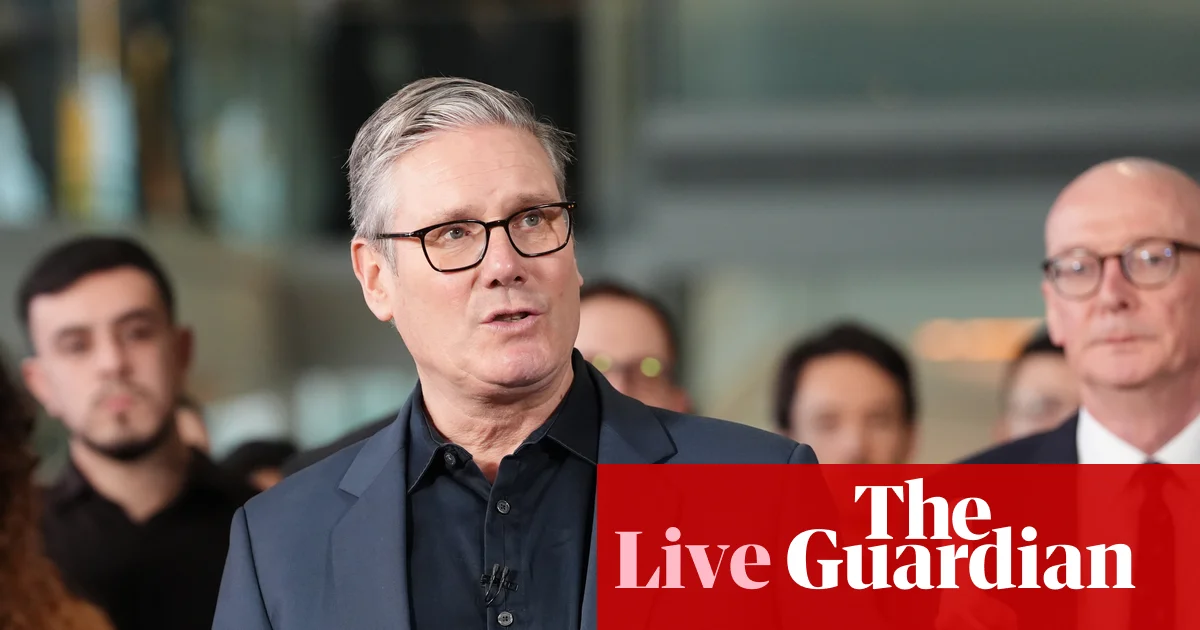
As Britain charts its turbulent course amidst mounting European diplomatic tensions and internal political upheaval, the global framework under which nations operate faces undeniable flux. In a significant diplomatic gesture, Prime Minister Keir Starmer is hosting a high-stakes summit in Downing Street, bringing together European leaders and the controversial Ukrainian President, Volodymyr Zelenskyy, signaling yet another chapter in the ongoing saga of East-West tensions. This assembly is not just about regional security but reverberates far beyond, highlighting the delicate balance of power within NATO and EU corridors amid the ominous shadow of an unsettled European strategic landscape. According to international analysts, such gatherings are pivotal, potentially reshaping alliances and NATO’s strategic posture in the face of renewed hostilities and diplomatic unpredictability, especially considering the specter of Russia’s ambitions.
Meanwhile, London’s political arena pulses with new energy, as Keir Starmer unveils a bold £725m initiative aimed at integrating 50,000 young Britons into the workforce through expanded apprenticeships. This move is widely viewed as a calculated economic and social maneuver, designed not only to address youth unemployment in the long-term but to bolster Britain’s economic resilience against the backdrop of global instability. Such policy decisions underscore how internal domestic strategies are increasingly intertwined with the broader geopolitical narrative. With the government also fostering localised control over funding and expanding regional cooperation, the move signals an intent to fortify the nation’s labor market, aiming to emerge from economic uncertainties stronger and more autonomous. Notably, these reforms seem to also serve as a political counterbalance amid concerns over internal leadership stability and upcoming party leadership contests within Labour, hinted at by recent insider polls and strategic surveys among party members.
Within the UK’s splintered political spectrum, the potential for a leadership reshuffle remains palpable. Reports indicate that Labour Party insiders are secretly canvassing elite opinion, contemplating whether to pursue an internal leadership challenge potentially within the next year. Such maneuvering is not merely about personality debates but about signaling a shift in policy directions—a move perceived by many as a safeguard against the perceivedLeft-leaning drift represented historically by figures like Jeremy Corbyn. Crucially, behind closed doors, figures such as Angela Rayner and Lucy Powell are seen as front-runners for a renewed leadership bid, aimed at presenting the party as a formidable challenger capable of seizing electoral victory in a volatile political climate. Meanwhile, policy questions about principles versus pragmatism are dividing party ranks, echoing broader concerns about ideological purity versus electoral pragmatism in the context of Britain’s upcoming general election. The unresolved dynamics of this leadership shuffle cast a long shadow over Britain’s internal stability—a mirror to the wider geopolitical uncertainties that threaten global order.
Throughout this turbulent day, history’s relentless march continues, with the world hanging on the precipice of transformation—fragile yet unyielding. As Britain navigates its internal strife, with power plays hinting at a potential upheaval, its global posture remains intertwined with the stormy geopolitical currents rippling across Europe and beyond. In the shadows of these shifting alliances and domestic power struggles, one truth is emerging: the decisions made today will echo through the corridors of history, shaping nations and societies well into the twilight of the 21st century. How long this fragile equilibrium will last is uncertain, yet as history writes its own unwritten chapters, the weight of tomorrow rests with those courageous enough to steer the course. This unfolding story is far from over—a testament to an age where the tides of power and principle collide in the crucible of a new epoch.

In recent months, the landscape of education in England has become a battleground of social issues that profoundly affect families, communities, and the future of society itself. The longstanding Ofsted inspection system, introduced over three decades ago, was once viewed as a cornerstone of accountability, essential for maintaining a baseline of educational quality. However, the tragic death of Ruth Perry, a primary school head teacher whose mental health was reportedly overwhelmed by the pressures of a downgrading inspection, has cast a shadow over the entire approach. Her story symbolizes a broader concern: are the current methods of school evaluation neglecting the well-being of educators and students alike, ultimately threatening the moral fabric of our communities?
This incident has ignited a wave of debate among educators, parents, and social commentators over whether reforms are truly addressing the root issues or merely conducting superficial “tinkering” with the system. The new ‘traffic light’ grading method aims to provide more nuanced insights into school performance, recognizing strengths and contextual challenges like poverty or student welfare. Yet, skeptics warn that increasing the complexity of ratings and expanding inspection areas may inadvertently exacerbate the stress faced by staff and pupils, rather than alleviating it. The National Association of Head Teachers has already announced plans to ballot on strike action, highlighting the deep divide over whether such reforms are genuine advances or superficial fixes.
At the heart of this turmoil lie families whose children’s futures are impacted by these social tensions, and communities grappling with division over how best to measure success. According to sociologists like Michael Apple, the education system should serve as a vital instrument for fostering social cohesion and opportunity; instead, it often reflects wider societal disparities. For disadvantaged and vulnerable populations, the controversy around school ratings isn’t just about school quality—it touches on equity, access, and the social mobility that determines fair chances for all children. As educators and parents look to the future, the questions persist: How can we rebuild trust? How do we ensure that the wellbeing of staff and the moral integrity of our institutions are safeguarded amidst this upheaval?
Historical sociologists have long observed that social tensions surrounding education mirror the broader struggles of society—whether it’s class divisions, economic disparity, or cultural change. Today’s debate reminds us that our societal resilience depends on listening to those on the front lines: teachers, students, and parents. The hope remains that, through honest dialogue, meaningful reforms can transcend superficial measures to build a society where education nurtures not just academic achievement, but the moral and emotional wellbeing of future generations. Society, like a classroom, is a work in progress—a collective endeavor. As we stand at this crossroads, perhaps the true measure of our society’s strength will be in our ability to adapt with compassion and resolve, turning tragedy into hope and division into unity. The challenge is great, but the potential for renewal, resilient and rooted in our shared values, remains within our grasp.

The technology sector is witnessing unprecedented levels of *innovation* and *disruption* driven primarily by advancements in artificial intelligence (AI) and machine learning (ML). Ambitious companies and visionary entrepreneurs, such as OpenAI and Google, are pushing boundaries to redefine what machines can accomplish. According to Gartner’s latest forecast, AI-driven automation will transform nearly 50% of all business processes within the next five years, signaling a fundamental shift in how organizations operate. This surge in AI capabilities isn’t just incremental—it’s revolutionary, fostering an environment where rapid scalability and real-time decision-making become the norm.
One of the most significant industry shifts lies in generative AI models, which are enabling capabilities once considered science fiction—such as human-level content creation, autonomous decision-making, and personalized interactions at scale. OpenAI’s GPT-4 exemplifies this evolution, with analysts highlighting its potential to displace traditional content and service industries, from journalism to customer support. Such innovations are expected to diminish barriers for startups, fostering a new wave of *disruption* that could challenge established giants like Microsoft and Amazon to adapt or face obsolescence.
However, with disruptive technology comes both opportunity and risk. Industry leaders such as Elon Musk and Peter Thiel warn of the *emerging ethical and regulatory challenges* that could hamper AI’s transformative power. Their insights underscore the need for proactive governance structures, lest unchecked AI development amplify biases or create unintended consequences. Nonetheless, the *business implications* are clear: organizations that leverage AI effectively will gain a decisive competitive edge, while those slow to adapt risk being rendered irrelevant.
Looking ahead, *the landscape of innovation is poised for even greater upheaval*. MIT researchers forecast that integration of AI with emerging technologies like blockchain and quantum computing will multiply the disruptive potential tenfold. Industry insiders predict that within the next decade, markets will see *entire sectors—finance, healthcare, transportation—completely reimagined.* As disruption accelerates, entrepreneurs awakening to these shifts must act swiftly, or risk being left behind in a rapidly evolving technological ecosystem. The future is not just approaching—it is here. The question remains: how quickly will organizations harness these emerging technological frontiers to secure their place in tomorrow’s economy?
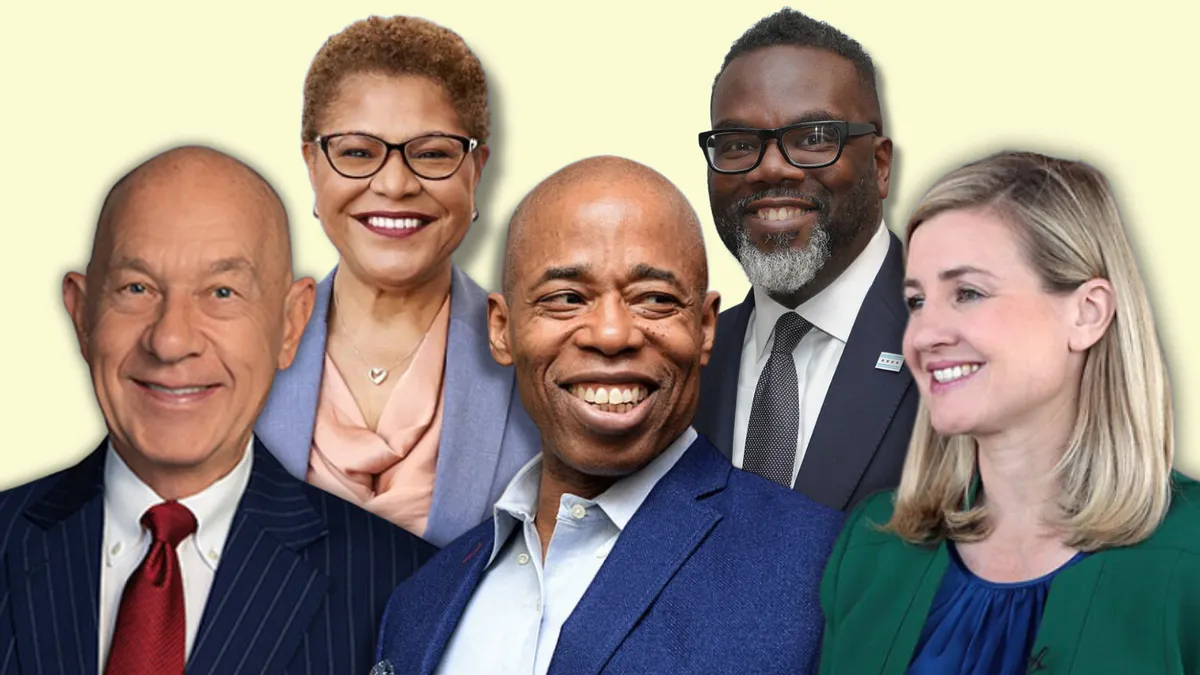
In recent discussions surrounding urban crime, podcaster Tim Pool has circulated a chart claiming a stark difference in crime rates between Democrat-led and Republican-led cities across the United States. While these claims have garnered attention from many on social media and political debates, it is essential to scrutinize the accuracy of such data thoroughly. As responsible citizens, understanding the actual state of crime and its purported political correlations requires looking beyond sensational headlines to the trusted sources and thorough data analysis.
The chart in question reportedly suggests a significant gap, implying that cities governed by Democratic officials experience markedly higher or lower crime rates compared to those led by Republicans. However, experts warn that this oversimplification misrepresents complex social issues. According to The FBI’s Uniform Crime Reporting (UCR) Program, which is among the most comprehensive crime data sources in the U.S., city-level crime statistics do not straightforwardly align with political leadership. Moreover, the UCR’s data collection methods have known limitations, such as inconsistent reporting standards across jurisdictions, which can distort comparisons. This means that relying solely on city leadership as a metric for crime levels risks ignoring the nuances and various socio-economic factors influencing crime trends.
Further examining the data, the Brennan Center for Justice emphasizes that crime rates are influenced by multiple factors including poverty, urban density, educational access, and law enforcement practices, rather than merely political party control. A review of multiple studies indicates that while some urban centers with Democratic administrations, such as Chicago and Los Angeles, have experienced spikes in certain crime categories, others like New York City have shown significant declines. Conversely, some Republican-led areas report rising or stable crime figures, suggesting that leadership ideology alone cannot predict or explain crime variations.
In terms of statistical analysis, criminologists and data scientists caution against cherry-picking data to support political narratives. An analysis by the National Institute of Justice demonstrates that applying rigorous, multivariate statistical models reveals no consistent, causal link between city leadership and overall crime rates. Instead, fluctuations occur within a complex web of social, economic, and legal variables. As such, the claim that political affiliation of city leadership aligns directly with criminal activity levels oversimplifies a multifaceted issue. The empirical evidence indicates that the alleged “overstatement” by Pool’s chart grossly misleads the public by attributing crime disparities primarily to politics, when in fact the reality is far more complex.
Ultimately, establishing the true cause of changing crime rates necessitates a careful, transparent assessment of comprehensive, high-quality data. A responsible approach emphasizes that crime prevention and public safety hinge on effective, evidence-based policies rather than partisan labels. As voters and future leaders, it is vital to ground discussions of public safety in verified facts and avoid manipulative narratives that distort reality for political gain. Upholding the truth is essential not only for honest journalism but also for maintaining public trust and ensuring a functioning democracy.


