
TRENDING NEWS





Truth Over Trends, always!
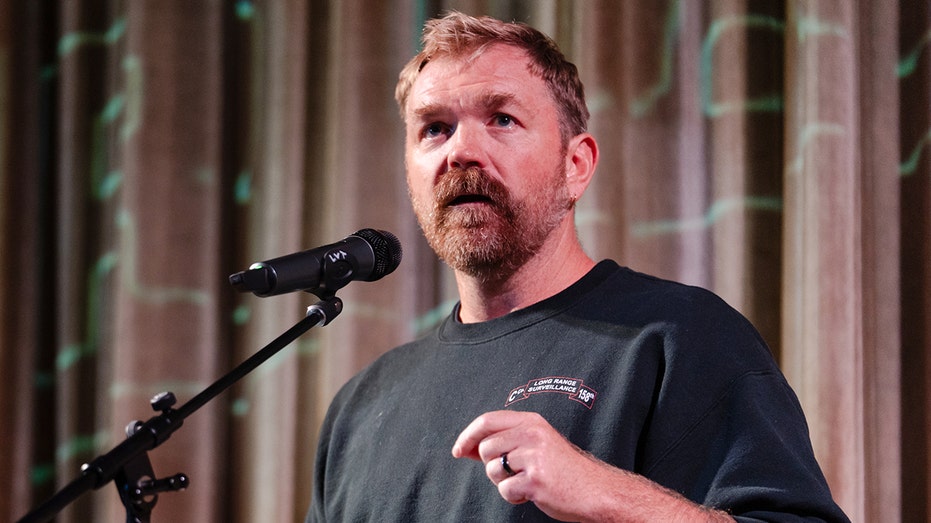
Graham Platner, the presumptive Democratic nominee for a key Senate seat in Maine, is facing significant backlash as past online comments endorsing political violence and expressing solidarity with radical leftist groups have resurfaced. These revelations, coming to light during a critical election cycle, cast a shadow over his bid to represent the state in Washington.
Platner’s unearthed remarks, dating back to 2013 on a now-deleted Reddit account, show a willingness to entertain extreme measures against political adversaries, directly contradicting norms of civil discourse and democratic process. The controversy presents a significant challenge to his campaign as it seeks to flip a Senate seat blue in the upcoming November midterms.
In September 2013, on his Reddit account, Platner explicitly stated, “There are times in this world when, for the good of tolerance and humanity, you need to kill a motherf—er.” This alarming statement was made in response to a discussion about left-wing antifascist (Antifa) protesters engaging in violent acts against a far-right nationalist party’s offices in Greece. He further reflected on the pragmatic shortfall of those who find such activity repulsive, despite its moral goodness.
Such rhetoric from a prospective national lawmaker raises serious concerns about judgment and adherence to democratic principles. The comments suggest a comfort with, if not an endorsement of, violent means to achieve political ends, a stance fundamentally at odds with the stability and order of institutions.
The disclosures extend beyond mere words. Platner also identified himself as a member of his local chapter of the Socialist Rifle Association (SRA) as recently as April 2020. The SRA, a Kansas-based nonprofit, aims to provide firearms training and education to leftists, positioning itself as a “rebuff against reactionary right wing firearms culture.”
In describing his ideological shift after leaving the military, Platner asserted, “still got the guns though, I don’t trust the fascists to act politely.” He frequently applied the label of “fascist” to Republicans, including former President Donald Trump, and openly classified himself as a “socialist” and “communist” in various online comments. These affiliations and self-identifications highlight a consistent alignment with ideologies that often advocate for radical societal transformation.
“There are times in this world when, for the good of tolerance and humanity, you need to kill a motherf—er.”
— Graham Platner, on a now-deleted Reddit account
As of Wednesday, Platner’s campaign had not responded to requests for comment regarding these unearthed remarks, according to a report by Fox News Digital. This silence only amplifies the questions surrounding the candidate’s past statements and their potential impact on his political future. Running effectively unopposed in Maine’s Democratic primary in June, Platner’s path to the general election has been clear, but these revelations could significantly alter public perception and voter confidence.
The controversy forces voters to consider the character and judgment of a candidate who has publicly entertained extreme views. For a state like Maine, known for its pragmatic politics, a candidate with such a history could face an uphill battle convincing constituents that he is fit for national office. The incident underscores the increasing scrutiny political hopefuls face over their digital footprints, however old.
As the campaign progresses, Platner will likely need to address these comments head-on to reassure voters that his past rhetoric does not reflect his current political philosophy or his commitment to peaceful, democratic governance. The integrity of institutions and the order of political discourse demand clear accountability from those seeking to lead.
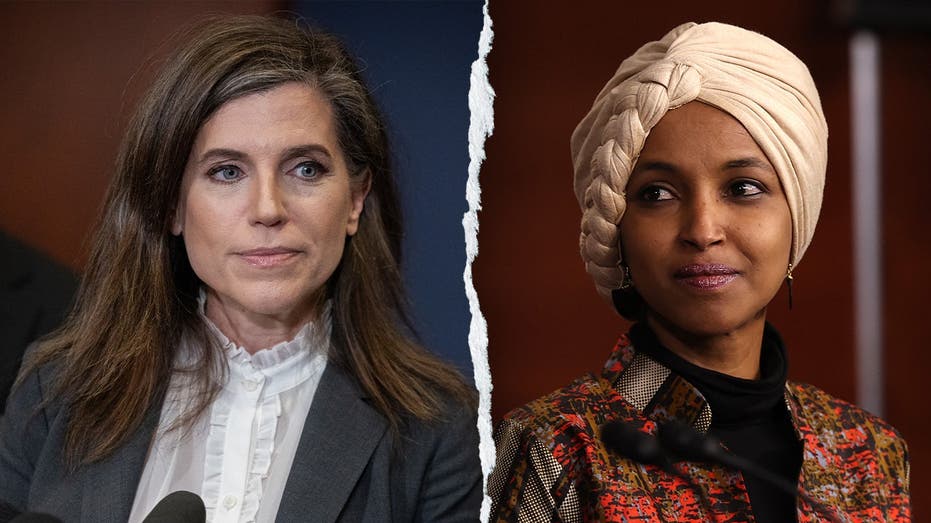
WASHINGTON, D.C. — Representative Nancy Mace (R-S.C.) is poised to introduce a joint resolution proposing a constitutional amendment that would significantly expand the natural-born citizen requirement for federal office. This initiative aims to extend the eligibility standard, currently applied only to the President and Vice President, to include members of Congress, federal judges, and other Senate-confirmed appointees. The move comes amidst ongoing debates about national loyalty and the foundational principles of American governance.
Mace’s resolution, first reported by Fox News Digital, seeks to amend the U.S. Constitution to ensure that all individuals holding critical government positions possess an inherent and unquestionable connection to the nation. The current constitutional framework specifies that only a natural-born citizen can serve as President or Vice President. The proposed amendment would broaden this mandate to encompass:
This expansion could have implications for more than a dozen naturalized citizens currently serving in Congress, sparking a fresh debate on the definition of American leadership and the scope of eligibility for public service.
Rep. Mace articulated a clear rationale for her proposal, underscoring the importance of undivided allegiance among those entrusted with national power. “If you hold power in the American government, you should be a natural-born American citizen,” Mace stated, emphasizing that loyalty must be unequivocally to the United States. The South Carolina lawmaker explicitly referenced progressive Rep. Ilhan Omar (D-Minn.), a naturalized citizen born in Somalia, as an example of a “foreign-born member of this government who have made clear, time and again, their loyalty is not here.” Mace asserts that “The American people deserve leaders who put America first,” viewing the amendment as closing a critical constitutional gap. This stance aligns with a center-right conservative perspective that prioritizes national sovereignty and questions the loyalties of those perceived to have divided allegiances, especially in sensitive government roles.
The debate surrounding a natural-born citizen requirement for broader federal service is not new, but Mace’s direct legislative action brings it to the forefront. Proponents argue that such a requirement reinforces national identity and ensures that those making critical decisions for the country have a lifelong, inherent bond to its welfare. This initiative underscores the principle that those entrusted with governing America must place American interests unequivocally first. Critics, however, may contend that such a measure could disenfranchise qualified naturalized citizens who have demonstrated profound commitment to the United States. The proposal touches on fundamental questions about citizenship, patriotism, and the qualifications for public office in a diverse nation.
“If you hold power in the American government, you should be a natural-born American citizen.”
— Rep. Nancy Mace
As Rep. Mace prepares to formally introduce her joint resolution, the legislative community and the public can anticipate a robust discussion on its merits and implications. This bold proposal seeks to re-evaluate the foundational requirements for federal service, reflecting a conservative commitment to strengthening national institutions and ensuring the unwavering loyalty of America’s leaders. The path ahead for this constitutional amendment will undoubtedly test prevailing views on citizenship and political eligibility, shaping future discussions on national identity and governance.

Warsaw’s strategic investment in fifth-generation aircraft marks a new era for regional defense and transatlantic cooperation.
Poland is poised to significantly enhance its air defense capabilities with the imminent arrival of its first F-35 fighter jets. This pivotal acquisition not only modernizes the Polish Air Force but also substantially strengthens NATO’s eastern flank, a region of heightened strategic importance amidst persistent geopolitical tensions. The move underscores a deepening military partnership between Warsaw and Washington, reflecting a shared commitment to regional stability and collective security.
The highly anticipated delivery of Poland’s first F-35 fighter jets is expected “very, very soon,” as confirmed by Polish Deputy Defense Minister Paweł Zalewski to Fox News Digital. This advanced aircraft forms the centerpiece of Poland’s substantial $4.6 billion purchase of 32 F-35s from Lockheed Martin. Preparations are well underway at Poland’s 32nd Tactical Air Base in Lask, where hangars are being readied for the state-of-the-art fifth-generation aircraft.
The integration of these cutting-edge jets into Poland’s arsenal represents a critical upgrade. It equips a key NATO member with one of the world’s most capable combat platforms, designed to project air superiority and provide advanced reconnaissance. This investment is a clear signal of Poland’s resolve to maintain a strong deterrent posture in a complex security environment.
Even before the physical arrival of the F-35s, the collaborative spirit between Polish and American forces is evident. Personnel from both nations are actively training, operating, and, in some instances, stationed together at the Lask air base. This close military relationship between Warsaw and Washington is notable, especially as discussions around NATO burden-sharing continue to be a focal point in international discourse.
Lt. Col. Pete Nanoslawski, commander of the 52nd Operations Group Detachment 1 of the U.S. Air Force, highlighted the robust support received from Poland. “We are experiencing incredible support from Polish-provided logistics support and Polish-provided infrastructure,” Nanoslawski observed while at the base. He further emphasized that Poland’s substantial investment in American military systems and joint operational exercises directly reflects Warsaw’s serious assessment of threats emanating from Russia. “Their foreign military sales portfolio is an appetite that’s insatiable, and rightfully so,” he stated, illustrating Poland’s strategic foresight.
“Their foreign military sales portfolio is an appetite that’s insatiable, and rightfully so.”
Poland’s commitment to military modernization, epitomized by the acquisition of the F-35 fighter jets, is a cornerstone of its national defense strategy. This move not only enhances Poland’s independent defensive capabilities but also significantly contributes to the collective security framework of NATO. The presence of such advanced platforms on the alliance’s eastern flank serves as a powerful deterrent, signaling readiness and strength to potential adversaries.
The ongoing joint training and interoperability between Polish and U.S. forces ensure that these new assets will be seamlessly integrated into NATO operations. This partnership fosters a high level of readiness and tactical cohesion, essential for responding to any regional contingencies. The strategic decision to invest heavily in advanced American military technology underscores Poland’s unwavering commitment to its allies and its proactive approach to safeguarding European stability.
The imminent arrival of the Polish F-35 fighter jets marks a transformative moment for both Poland’s defense posture and the broader security architecture of Eastern Europe. It solidifies a vital alliance and reinforces the principle of collective defense, ensuring that the region remains resilient against evolving threats. This strategic upgrade will undoubtedly shape the future of air power and security cooperation on NATO’s vital eastern border.

The United Kingdom’s economic landscape received positive news today as UK inflation unexpectedly eased to 2.8%, a welcome development for millions facing persistent cost-of-living challenges. This moderation, primarily fueled by a notable decrease in electricity and gas bills, suggests a potential shift towards greater economic stability and could influence future monetary policy decisions by the Bank of England.
The primary catalyst for the unexpected dip in the Consumer Price Index was a significant reduction in household energy expenses. Lower electricity and gas bills provided substantial relief, directly impacting the overall inflation figure and easing pressure on family budgets. This reduction offers a much-needed breathing room for households that have grappled with elevated utility costs for an extended period.
Concurrently, food inflation also saw a marked slowdown, reaching 3%, with particular decreases observed in the prices of meat and chocolate. This deceleration in essential goods, alongside sharp drops in the cost of computer game downloads, contributes to a broader trend of moderating consumer prices. Such movements are crucial for restoring consumer confidence and supporting discretionary spending, both vital components of a healthy economy.
Following the release of these benign inflation figures, financial markets reacted positively, signaling optimism among investors. UK government borrowing costs experienced a decline, with short-dated yields falling by 11 basis points. This reduction in borrowing costs can translate into lower financing expenses for the government and potentially for businesses looking to invest.
Economists are now widely speculating that this data significantly reduces the likelihood of the Bank of England implementing another interest rate hike in June. Analysts at ING, for instance, have highlighted how the current inflation trend points away from further monetary tightening. A pause in rate increases would provide clearer economic foresight for businesses to plan and invest, potentially stimulating growth and job creation.
While the headline inflation figures bring optimism, the broader economic picture remains nuanced, with certain sectors still experiencing significant pressures. As reported by The Guardian’s business live coverage, house prices have remained flat across much of the UK, contrasting sharply with a continued rise in rental costs. This disparity underscores ongoing challenges within the housing market, particularly for renters and first-time buyers.
Furthermore, motor fuel prices are reportedly increasing at their fastest pace since the Ukraine conflict, a stark reminder that some inflationary pressures persist despite the overall easing. These increases directly impact transport costs for both consumers and businesses, potentially offsetting some of the gains from lower energy bills elsewhere.
Key areas contributing to the overall inflation picture include:
“This significant easing in UK inflation offers a crucial reprieve for families and businesses, potentially paving the way for a more stable economic outlook and reducing the immediate pressure for further interest rate hikes.”
The latest inflation data provides a cautious but optimistic signal for the British economy. As policymakers weigh their next steps, the deceleration in consumer prices, particularly in essential utilities and foodstuffs, underscores the resilience of the market and the ongoing adjustments in supply chains. Sustaining this positive trajectory will be paramount for fostering long-term economic growth, encouraging investment, and enhancing the prosperity of all citizens.
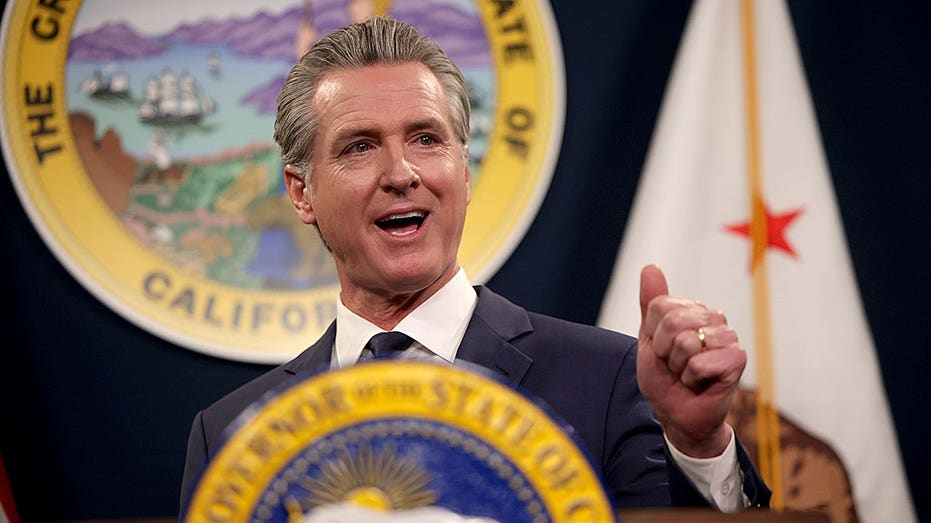
California Governor Gavin Newsom has stirred the political pot, suggesting a break the glass scenario
to ensure Democrats are not excluded from the general election in the state’s upcoming jungle primary. This statement, made just two weeks before the primary, has drawn immediate and strong condemnation from Republican gubernatorial frontrunner Steve Hilton, who accuses the governor of political gamesmanship.
Under California’s distinctive top-two primary system, the two candidates who receive the most votes, regardless of party affiliation, advance to the general election. This structure often creates strategic complexities, and both major parties frequently express concern over potential vote splits that could lead to their exclusion from the final ballot.
Governor Newsom voiced his apprehension last Thursday during a news conference, indicating that he had a contingency plan if Democrats faced the prospect of being shut out. There’s many people that have a deep understanding of what it would look like if Democrats were locked out, and we’re going to do everything to make sure that doesn’t happen,
Newsom stated, adding cryptically, I’ll leave it there.
These remarks, while vague, immediately signaled a potential intervention in the primary dynamics, raising questions about their underlying motives.
For many observers, the Governor’s words implied a strategic maneuver to influence voter behavior, particularly among Republicans. The potential for a divided GOP vote in a crowded primary field is a well-known vulnerability in California’s electoral landscape, and Newsom’s comments have been interpreted by some as an attempt to exacerbate this split.
Steve Hilton, the leading Republican candidate, wasted no time in responding, blasting Governor Newsom for what he termed fear mongering.
In a statement to Fox News Digital, Hilton asserted that the governor’s true aim was not to prevent a Republican from advancing, but rather to divide the conservative vote between himself and fellow Republican candidate Chad Bianco. Hilton emphasized that Bianco is significantly behind in both polling and fundraising, making a top-two finish for him highly improbable.
According to Hilton, the governor’s ideal scenario
would be to see two Democrats face off in the general election, thereby eliminating Republican representation entirely. This perspective highlights the intense strategic calculations that define California’s unique primary system and the lengths to which political actors may go to secure an advantage.
“He’s not trying to stop a ‘top two Republican’ outcome because that is not possible and never was… It is Newsom’s ideal scenario to have two Democrats facing off.” – Steve Hilton
The latest polling data underscores the competitive nature of the California gubernatorial race and provides context for the current political sparring. RealClearPolitics’ polling averages show Steve Hilton currently leading the field, with Democratic candidate Xavier Becerra closely behind. Chad Bianco, another Republican contender, trails significantly in fourth place.
This distribution of support suggests that while Hilton is a strong contender, the Republican vote could indeed be fractured if voters are swayed by perceived tactical warnings. The upcoming primary will be a critical test of voter discernment and party strategy.
As the primary election approaches, the rhetoric from both sides is expected to intensify. The electorate will ultimately decide whether Governor Newsom’s warning was a genuine concern for democratic representation or a shrewd political tactic designed to influence the outcome.

Vilnius, Lithuania – Authorities in Lithuania swiftly implemented an emergency protocol today following a suspected drone detection close to the nation’s border with Belarus. The incident triggered an immediate air alert, compelling key national figures, including President Gitanas Nauseda and Prime Minister Inga Ruginiene, to seek refuge in secure facilities. This serious breach of airspace underscored the persistent and evolving security challenges facing the Baltic states, demanding unwavering vigilance from pro-institutions committed to national defense.
The unexpected aerial incursion led to widespread disruption across the capital and surrounding areas. Flights were promptly suspended at major airports, and the public received urgent instructions to take shelter as a precautionary measure, illustrating the government’s immediate priority for citizen safety. Road and rail networks also experienced brief but significant halts, reflecting the gravity with which authorities addressed the potential threat. While the alert has since been lifted, allowing normal activities to resume, the incident served as a stark reminder of the nation’s vulnerability and the critical need for robust national security measures and rapid response capabilities.
“The integrity of our airspace and the safety of our leaders are non-negotiable. This incident underscores the constant need for vigilance and robust defense.”
This event comes amidst a backdrop of heightened regional tensions, particularly concerning unauthorized aerial incursions over NATO member territories. Just yesterday, neighboring Estonia reported that alliance forces had intercepted and shot down a drone over its airspace, believed to be a Ukrainian projectile potentially diverted by Russian electronic interference. Such incidents highlight the complex and volatile security landscape in Eastern Europe, where geopolitical sensitivities are acutely felt. Lithuania’s experience is not isolated; it is the latest in a troubling series of similar drone detections reported by NATO members Estonia, Latvia, and Lithuania, signaling a clear pattern of concerning activity near their borders. These events underscore the vital importance of NATO’s collective defense principle and the continuous need for its members to fortify their shared airspace.
As investigations commence, the identity of those responsible for the latest incursion into Lithuanian airspace remains unclear. This ambiguity, however, does not diminish the incident’s significance; rather, it reinforces the imperative for continuous vigilance and investment in advanced air defense capabilities. For Matox News, this event underscores the unwavering commitment required from pro-institutions and pro-order governments to safeguard national sovereignty and the safety of their citizens. Ensuring the integrity of our borders against all forms of intrusion is paramount for regional stability and the preservation of a rules-based international order. It calls for firm resolve and strategic foresight.
The swift, decisive response by Lithuanian authorities in protecting national leaders and the public demonstrates the strength of the nation’s emergency protocols and its dedication to maintaining civic order. While calm has been restored, the incident serves as a potent reminder that vigilance, preparedness, and strong institutional frameworks are non-negotiable in an increasingly unpredictable geopolitical environment. Maintaining robust defense strategies and fostering strong alliances are crucial for deterring future provocations and ensuring enduring peace and stability in the Baltic region.
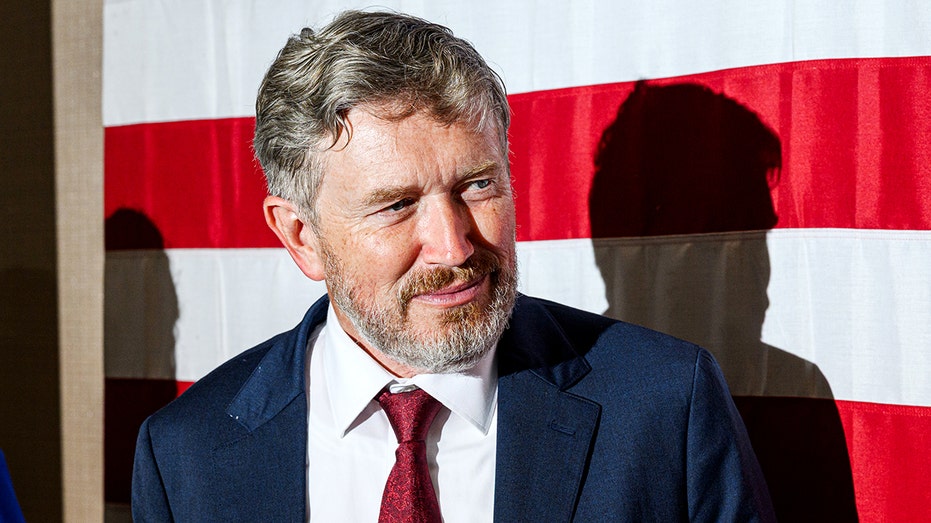
Representative Thomas Massie, a prominent figure in the Republican Party, has been defeated in Kentucky’s 4th Congressional District primary by Ed Gallrein, a challenger backed by former President Donald Trump. The outcome, confirmed Tuesday night, immediately triggered a wave of strong reactions from within the GOP, with some declaring a fundamental shift in the party’s future.
The primary contest saw Massie, known for his libertarian-leaning conservative stance, lose to Gallrein, a Navy SEAL veteran whose campaign received a significant boost from former President Trump’s endorsement. This victory underscores the continued influence of presidential endorsements in shaping Republican primaries, even in races against established incumbents.
Massie, accepting his defeat, reportedly took time to locate his opponent before conceding. In a pointed remark during his concession speech, he stated, “I would’ve come out sooner but I had to call my opponent and concede and it took awhile to find Ed Gallrein in Tel Aviv.” This comment, reported by various outlets including Fox News, quickly circulated, adding another layer of controversy to the evening’s events.
Among the most vocal reactions was that of former House lawmaker Marjorie Taylor Greene, who declared the future of the Republican Party to be “destroyed” following Massie’s loss. Greene, a staunch ally of the ‘America First’ movement, took to social media to express her disappointment and predict a rising tide of younger generations against what she termed the “old guard.”
Greene praised Massie as a “giant among weak pathetic men” and controversially linked the primary outcome to the release of the Epstein files, stating, “Releasing the Epstein files was our demise. But it was worth every single bit because now everyone knows the truth. You are ruled by the Epstein class that cares nothing about you and your elected leaders are bought and controlled by a foreign lobby.” Her strong rhetoric highlights the ideological schisms currently challenging the party’s unity.
“Tonight the future of the Republican Party was destroyed. The Real America First Movement will rise led by the younger generations, who hate the old guard with an unquenchable passion.” – Marjorie Taylor Greene
The primary results were met with a range of responses from other Republican figures, further illustrating the internal divisions. Indiana Congresswoman Erin Houchin celebrated Gallrein’s victory, posting on X, “Happy to deliver the news to President @realDonaldTrump the results from the KY Primary and his defeat of Thomas Massie. Well done, @TeamTrump! Congratulations @EdGallrein!” Massie swiftly replied to Houchin’s post with a terse, “How do his boots taste?”
Meanwhile, Florida Republican Representative Randy Fine shared a graphic depicting Massie with large tears and labeling him a “LOSER.” These exchanges underscore the intense personal and ideological battles being waged within the GOP, particularly concerning loyalty to the former President and the direction of the conservative movement.
The defeat of Thomas Massie by a Trump-backed challenger, and the subsequent vitriolic reactions from various conservative voices, signal a period of significant introspection for the Republican Party. As the ‘America First’ movement continues to assert its influence, the party faces the ongoing challenge of balancing traditional conservative principles with the populist energy that defined the Trump era. The path forward will require careful navigation to foster unity and maintain institutional strength amidst these internal power struggles.

The latest figures show a reduction in the rate of price increases, primarily due to lower energy costs, yet economic experts foresee a challenging period ahead as global pressures mount.
London – The United Kingdom has experienced a temporary reprieve in its ongoing battle against rising costs, with the annual rate of inflation falling to 2.8% in April, down from 3.3% in March. This unexpected dip, as reported by the News Desk, offers a moment of calm amidst persistent economic concerns. However, analysts are quick to caution that this relief may be short-lived, with projections suggesting a significant rebound in inflation, potentially reaching 4% by the close of the year.
The primary driver behind April’s welcome reduction in the cost of living index was a notable decrease in energy prices. The Office for National Statistics (ONS) confirmed that the government’s energy bill support package played a crucial role in mitigating household expenses. Furthermore, lower wholesale energy prices observed prior to the escalating conflict in Iran also contributed significantly to this downward trend. This confluence of factors offered some breathing room for consumers and businesses alike, temporarily easing the squeeze on budgets.
While the immediate impact is positive, it is important to understand that a lower rate of inflation does not signify a universal fall in prices. Instead, it indicates that prices are rising at a slower pace than they were previously. This distinction is crucial for understanding the nuances of the current economic landscape.
Despite the recent deceleration, the economic outlook remains fraught with challenges, particularly concerning the trajectory of inflation. The ongoing conflict in the Middle East, specifically the situation in Iran, is widely expected to exert renewed upward pressure on global prices. This geopolitical instability inherently impacts supply chains and energy markets, making future price stability difficult to guarantee.
Economists are closely monitoring these developments, recognizing that external shocks can quickly unravel domestic efforts to control inflation. The interconnectedness of the global economy means that conflicts far from home can have direct and tangible effects on the price of everyday goods and services within the UK.
The consensus among economic forecasters is that the current 2.8% inflation rate represents a temporary lull rather than a sustained trend. Many anticipate a steady ascent towards 4% by year-end, underscoring the persistent volatility in the global economic environment.
Key factors expected to influence this upward shift include:
Households and businesses are therefore advised to prepare for a period where price pressures are likely to intensify once more, necessitating careful financial planning and strategic adjustments.
“The current dip in inflation offers a moment of respite, but the underlying pressures, particularly from global instability, suggest a challenging path ahead for consumer prices.”
The recent inflation figures from the ONS, while offering a moment of relief, serve as a stark reminder of the delicate balance within the national and international economy. Vigilance and proactive policy responses will be essential to navigate the anticipated inflationary pressures and safeguard economic stability for families and enterprises across the nation. Matox News will continue to provide factual, timely updates on these critical economic developments.
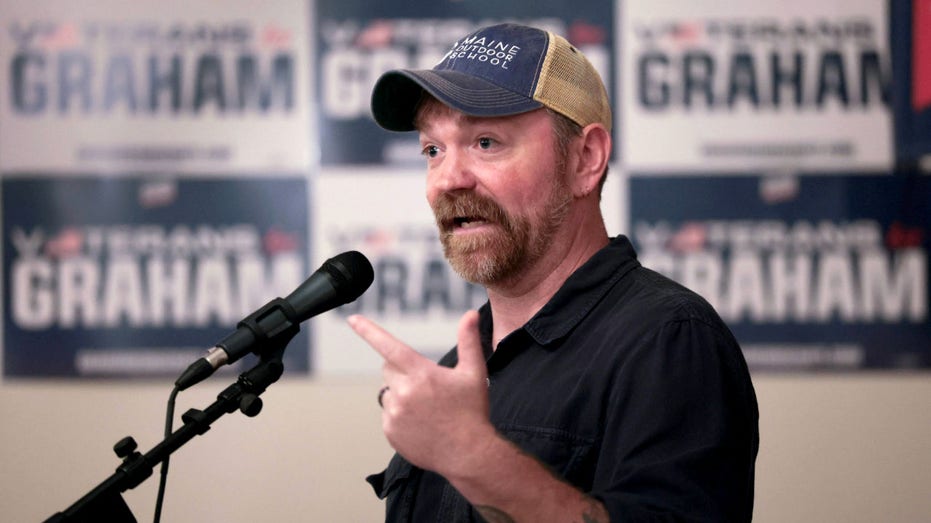
Democratic Maine Senate candidate Graham Platner is once again embroiled in controversy as a deleted Reddit post, reportedly from an account he previously acknowledged owning, resurfaces. The post, dating back to June 2019, appears to mock a U.S. soldier who sustained severe injuries while engaging Taliban fighters, igniting a firestorm of criticism against the hopeful.
The contentious comments were made under the Reddit handle "P-Hustle," an account that Platner has confirmed belonged to him. The post referred to a viral helmet camera video featuring Pfc. Ted Daniels during a 2012 clash in Afghanistan. Daniels, a recipient of the Purple Heart for injuries sustained, was shot four times in the encounter.
According to reports, the now-deleted post described the wounded soldier as a "mouthbreather" and suggested he "didn’t deserve to live." It further attributed the soldier’s survival to "poor marksmanship" on the part of the Taliban, rather than any tactical skill, claiming Daniels made "every possible shit decision." Such disparaging comments about a combat-wounded veteran have drawn immediate and sharp rebukes.
Pfc. Ted Daniels has previously spoken about the incident, explaining his actions on the battlefield. Daniels stated that he deliberately moved into the open during the firefight to draw enemy fire away from his fellow unit members. While acknowledging that "tactically" it might "not be a sound thing to do," he emphasized his intent: "I put my a– on the line for other guys." His bravery and selfless act led to him being awarded the Purple Heart, an honor for those wounded or killed in service.
The stark contrast between Platner’s alleged comments and Daniels’s account of sacrifice underscores the gravity of the controversy. Critics argue that mocking a soldier who knowingly put himself in harm’s way for his comrades demonstrates a profound lack of respect for military service and the sacrifices made by servicemen and women.
“We don’t make jokes about our brothers and sisters dying, that’s not something we do.”
The resurfacing of these remarks has triggered a wave of condemnation from various quarters. The National Republican Senate Committee has quickly seized on the comments, highlighting them as evidence of Platner’s unsuitability for public office. Beyond political rivals, the outrage extends to veterans’ communities and the wider public.
Notably, Platner himself is a U.S. Marine Corps veteran, having served four combat tours in Iraq and Afghanistan. This background makes the alleged comments particularly perplexing and offensive to many. A former Marine, speaking to News Desk, articulated a common sentiment: "We don’t make jokes about our brothers and sisters dying, that’s not something we do." The existence of Platner’s deleted Reddit history, meticulously documented by the Maine Monitor, ensures these past statements remain accessible and continue to plague his campaign.
As the Maine Senate race progresses, this incident serves as a significant test for Graham Platner’s campaign and his public image. The core issue transcends mere political gaffes, touching upon fundamental questions of respect for those who serve and the character required of a leader. For a candidate aspiring to represent a state with a proud military tradition, such remarks about a wounded veteran carry substantial weight and could profoundly impact voter perception.

Key Republican Primary Heads to Runoff as Voters Weigh Candidates’ Stances on Election Oversight and Past Controversies.
The critical Georgia Republican Secretary of State runoff is officially set, with Vernon Jones and Tim Fleming advancing to a decisive second round after neither secured a majority in Tuesday’s primary. This closely watched contest continues to be significantly shaped by the enduring debates and claims stemming from the 2020 presidential election, underscoring the deep impact of election integrity discussions on the state’s political landscape. The winner of this runoff will proceed to the November general election, vying for an office central to Georgia’s electoral administration.
The initial Republican field for Georgia’s top election officer was crowded, featuring several prominent figures alongside Jones and Fleming. Candidates Gabriel Sterling, Kelvin King, and Ted Metz also sought the nomination, highlighting a diverse range of conservative perspectives within the party. With neither Jones nor Fleming reaching the necessary 50% threshold, the upcoming June 16 runoff becomes a pivotal moment for Republican voters to consolidate their support. This outcome reflects a primary electorate still grappling with various approaches to election oversight and the future direction of the party.
The shadow of the 2020 presidential election looms large over this Georgia Secretary of State runoff. Claims regarding the integrity of that election, particularly those voiced by former President Donald Trump, have become a defining characteristic of the race. Vernon Jones, a former Democratic state lawmaker who aligned with President Trump, has campaigned as a staunch critic of Georgia’s current election system. Conversely, Gabriel Sterling, who served as Georgia’s former chief operating officer in the Secretary of State’s office, gained statewide recognition for publicly defending the state’s handling of the 2020 election, though he did not advance to the runoff. This dynamic illustrates the ongoing internal party debate regarding past election administration and future reforms. The winner will inherit an office under intense scrutiny, tasked with upholding the integrity and transparency of Georgia’s voting processes.
Beyond the immediate political drama, the office of the Secretary of State holds immense institutional importance for Georgia. This position is responsible for a broad array of critical functions that underpin the state’s democratic process. These include:
The role demands a steady hand and a commitment to fair and transparent elections, ensuring public confidence in the outcomes. The upcoming general election, following the Republican runoff, will determine who leads these vital efforts in one of the nation’s most competitive battleground states.
The runoff underscores how past election disputes continue to influence current debates over voting laws and election security, shaping the future of election oversight in Georgia.
As the June 16 runoff approaches, both Vernon Jones and Tim Fleming will intensify their campaigns, each aiming to convince Republican voters they are the best choice to lead Georgia’s election administration. The stakes are high, not only for the future direction of the Republican Party in Georgia but also for the continued strength and public trust in the state’s electoral institutions. The outcome of this contest, and the subsequent general election, will undoubtedly be watched closely by citizens and political analysts nationwide, eager to see how Georgia navigates these complex issues. Reporting from the Fox News Desk indicates the race will remain a tightly contested battle.


