
TRENDING NEWS





Truth Over Trends, always!
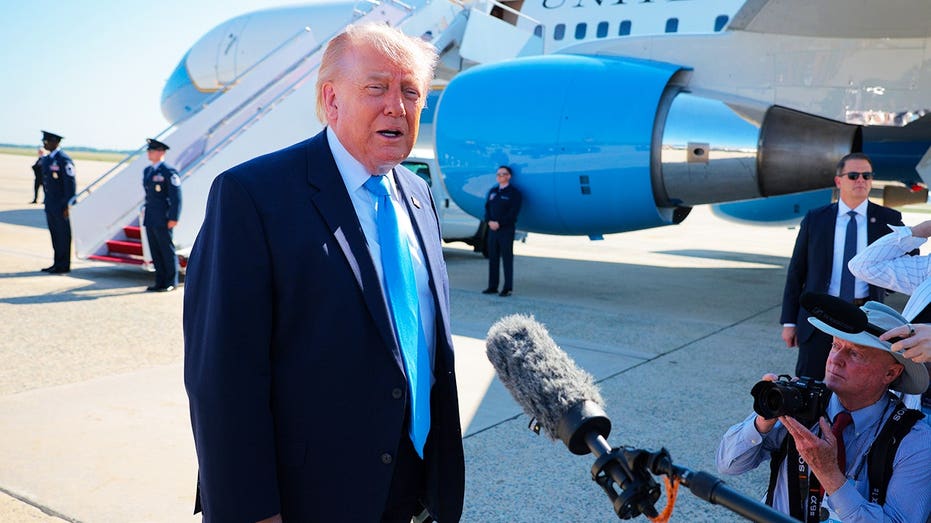
Former President Donald Trump has once again demonstrated his commanding influence over the Republican Party, celebrating a flawless 37-0 record for his endorsed candidates in Tuesday’s GOP primaries. This remarkable streak underscores the former president’s enduring appeal and his decisive role in shaping the party’s future, particularly as the nation heads toward crucial midterm elections. His active involvement signals a continued transformation of the Republican landscape.
The scale of Mr. Trump’s success in recent primary contests has left little doubt about his formidable sway among Republican voters. From coast to coast, candidates bearing his endorsement swept their respective races, achieving what the former president proudly declared as a “37-0” record. This impressive streak included several high-profile matchups that garnered significant national attention. A particularly notable victory came in Kentucky’s 4th Congressional District, where Trump-backed Ed Gallrein successfully unseated incumbent Rep. Thomas Massie. Massie, a long-time libertarian-minded critic of the former president, had represented the district for 14 years and frequently challenged Mr. Trump on foreign policy, including the Iran war. His defeat is a clear indicator of the potent force an endorsement from the former president now carries within the Republican Party, effectively reshaping congressional representation, as detailed in reports from Fox News.
While these primary triumphs solidify Mr. Trump’s position within the GOP, they also prompt significant strategic considerations for the upcoming midterm elections. Republicans face the pressing challenge of defending their razor-thin majorities in both the House and Senate, and the intense focus on primary loyalty could present complications for general election viability. Political strategists are keenly observing whether candidates who primarily owe their primary wins to a strong Trump endorsement can successfully broaden their appeal to moderate, independent, and even disaffected Republican voters in general elections. This dynamic could potentially jeopardize the party’s ability to maintain its legislative control, transforming a primary strength into a general election vulnerability in key swing districts and states. The path to victory in November often requires a wider electoral coalition than a primary contest, a balance that the party must now carefully strike.
“The undeniable power of a Trump endorsement can secure primary victories, yet the path to general election success often demands a broader coalition.”
Beyond mere endorsements, the former president has consistently used his influence to exact political retribution against those who have defied him. This pattern was evident in Indiana, where five state senators were purged in primaries after opposing his stance on congressional redistricting. Similarly, Senator Bill Cassidy of Louisiana, who voted to convict Mr. Trump in his second impeachment trial, lost his bid for renomination. These actions, coupled with the defeat of Representative Massie—who had frequently challenged the former president on foreign policy issues—send an unambiguous message: party loyalty to the former president remains a critical, if not paramount, factor for success within today’s Republican Party.
As the midterm elections draw nearer, the Republican Party grapples with the dual realities of Mr. Trump’s undeniable primary influence and the strategic imperative of securing general election wins. The former president’s ability to drive voter turnout and shape candidate selection is a powerful asset, yet it simultaneously creates a narrow path for candidates in more competitive races. The coming months will be a crucial test of the party’s unity and its capacity to appeal beyond its most ardent base. How the GOP navigates these forces will ultimately determine its electoral fortunes and legislative power in the coming years, marking a pivotal moment in the ongoing evolution of American conservative politics.
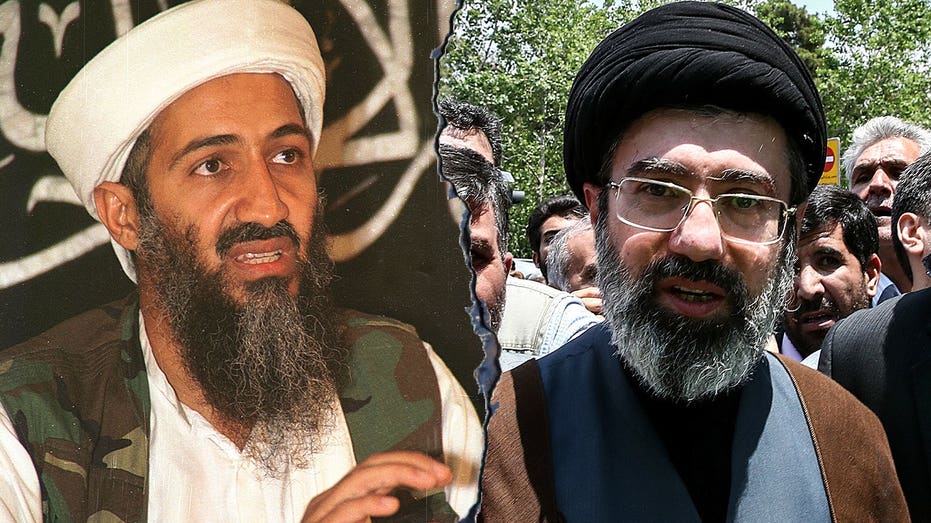
Iran’s Supreme Leader, Mojtaba Khamenei, has spent nearly three months out of the public eye amidst rising tensions with the United States. This unprecedented disappearance is drawing comparisons to the final years of al-Qaeda founder Osama bin Laden, prompting analysts to suggest a deliberate strategy of operational invisibility by the Iranian leadership.
This strategic shift comes at a crucial moment for U.S.-Iran relations, following a pause in planned U.S. strikes. The implications for regional stability and international counterterrorism efforts are significant.
Counterterrorism experts are closely examining the extended absence of Mojtaba Khamenei, noting a striking parallel to how Osama bin Laden eluded capture for years. Dr. Omar Mohammed, an expert with the Antisemitism Research Initiative, highlighted this comparison in comments to Fox News Digital. He stated that for the first time, the United States has compelled Tehran’s leader into a similar state of operational invisibility that bin Laden maintained for a decade.
This tactic, characterized by a deliberate withdrawal from public view and a reduction in digital footprint, suggests a calculated effort to minimize vulnerability in the face of heightened external pressure. Both Khamenei and bin Laden, according to analysts, responded to significant American operations by ceasing to exist publicly, adopting a low-profile approach to leadership.
The backdrop to Khamenei’s disappearance is a critical standoff between Washington and Tehran. President Donald Trump recently paused a planned strike on May 19, indicating a measured approach by the U.S. administration. Despite the pause, President Trump conveyed a message of being “in no hurry,” signaling continued vigilance without immediate escalation.
While Khamenei’s official X account reportedly shared three posts on May 18, his physical absence from public events underscores a profound shift in communication and leadership style within the Islamic Republic. This period of heightened tension has forced Iran to adapt its operational security, potentially mirroring lessons learned from past counterterrorism efforts against groups like al-Qaeda and ISIS.
“The U.S. has driven its leader into the same kind of operational invisibility that bin Laden lived in for 10 years in Abbottabad.”
Osama bin Laden’s decade-long evasion following the September 11, 2001, terrorist attacks serves as a historical precedent for such a strategy. Bin Laden, who founded al-Qaeda, successfully avoided capture by severing his digital footprint and relying exclusively on a network of physical couriers. He reportedly stopped releasing dated videos around 2007, confining his communications to audio messages transported by hand from his fortified compound in Abbottabad, Pakistan.
This historical context provides insight into the potential methods Mojtaba Khamenei might be employing. The move reflects a heightened awareness of Western electronic surveillance capabilities and a strategic decision to revert to more traditional, less traceable forms of communication and operational management. For institutions prioritizing order and national security, understanding such adaptive strategies is paramount.
The prolonged absence of Iran’s Supreme Leader, coupled with expert analysis drawing parallels to notorious figures like Osama bin Laden, signals a new phase in the geopolitical chess game between Iran and the West. This adoption of an “operational invisibility” template by a state leader, rather than a non-state actor, presents a unique challenge for international diplomacy and intelligence agencies. It underscores a significant, strategic milestone in how nations respond to intense global pressure and the pursuit of national interests. The world watches to see how this unprecedented situation will unfold and what it means for the future of the Middle East.
The United Kingdom has officially concluded a landmark £3.7 billion trade deal with six nations of the Gulf Cooperation Council (GCC): Bahrain, Kuwait, Oman, Qatar, Saudi Arabia, and the United Arab Emirates. This agreement marks a significant stride in the UK’s post-Brexit trade strategy, promising substantial economic benefits for British businesses and consumers alike.
Government officials project that the deal will eventually remove an estimated £580 million worth of tariffs annually from British exports to the region once fully implemented. This critical development is expected to bolster economic ties, create new opportunities for British firms, and reinforce the UK’s position in global trade.
The primary benefit of this comprehensive trade agreement lies in its commitment to eliminating tariffs across a wide array of British goods and services. For British exporters, this translates directly into reduced costs and enhanced competitiveness within the fast-growing Gulf markets. Businesses will find it significantly easier to expand their operations and forge new partnerships, supporting job growth and prosperity at home.
This move aligns with the conservative vision of fostering a dynamic, free-market economy by reducing barriers to trade and enabling British enterprises to thrive on the international stage. The removal of such substantial tariff burdens is a clear win for industries ranging from manufacturing and technology to services and agriculture.
The deal has been widely hailed by its proponents as a testament to the UK’s ability to forge independent trade relationships post-Brexit. The Conservative government, which initiated these negotiations, has consistently framed such agreements as crucial opportunities to unlock new markets and diversify the UK’s global economic footprint.
Securing access to the affluent Gulf market of over 50 million people represents a strategic victory, demonstrating the UK’s commitment to a global trade agenda. This proactive approach to international commerce stands in stark contrast to more protectionist tendencies, reflecting a deep-seated belief in open markets and robust international engagement.
While the economic benefits are clear, the agreement has drawn attention from various rights groups. These organizations have voiced concerns regarding the level of detail provided on human rights and labor protections within the deal’s framework. It is important for all trade agreements to consider such dimensions, and robust institutions are critical for oversight.
“This landmark trade deal opens significant avenues for British enterprise, poised to remove substantial tariffs and boost our economic standing globally.”
Maintaining a professional and factual stance, Matox News underscores the government’s responsibility to ensure that all partnerships adhere to the highest standards, even as it champions the undeniable economic advantages of free trade.
This £3.7 billion trade deal with the Gulf states lays a solid foundation for future economic cooperation and growth. It underscores the UK’s commitment to building strong, mutually beneficial relationships with key global partners. As the agreement is progressively implemented, British businesses are well-positioned to capitalize on these new opportunities, contributing to a more prosperous and stable economic future for the nation.
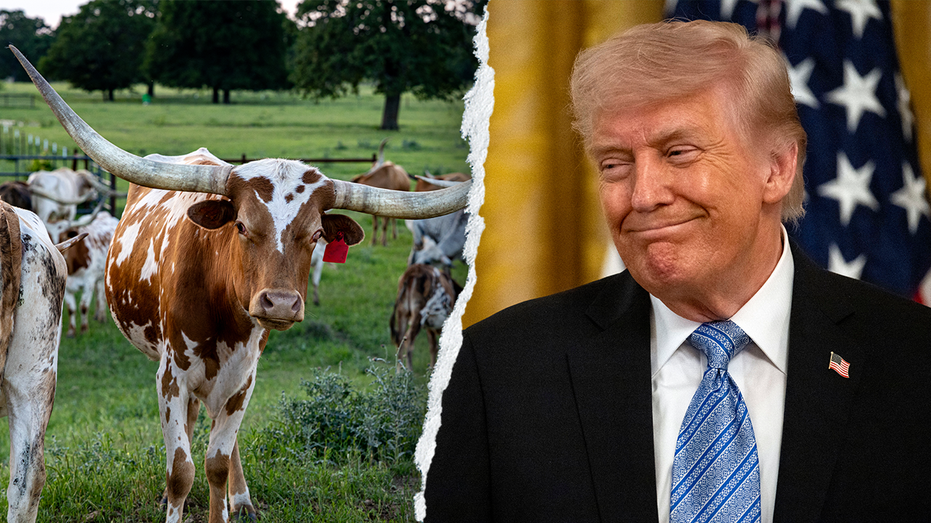
Former President Donald Trump has weighed in forcefully on the pivotal Texas Senate race, publicly branding Democratic nominee James Talarico as “unelectable.” Speaking before boarding Air Force One, Trump not only predicted a significant victory for his endorsed candidate, Attorney General Ken Paxton, but also cast doubt on Talarico’s viability, citing a range of past statements and even his dietary choices as disqualifying in the Lone Star State.
The former president’s comments come amidst a high-stakes Republican primary runoff for the U.S. Senate, where he has thrown his considerable influence behind Texas Attorney General Ken Paxton. Paxton is challenging incumbent Senator John Cornyn, R-Texas, in a contest that underscores the ongoing power struggles within the Republican Party. Trump expressed confidence that Paxton would “win very substantially” in the primary and subsequently defeat the Democratic challenger. This endorsement highlights Trump’s continued role as a kingmaker in conservative politics, particularly in states like Texas where his base remains exceptionally strong.
Democratic nominee James Talarico, a prominent state lawmaker, has recently garnered national attention following his Senate nomination. However, his past public statements have become a focal point for conservative critics, including former President Trump. These remarks, which challenge traditional societal norms, have been widely scrutinized:
Such positions are seen by many conservatives as fundamentally out of step with the values prevalent across Texas, a state known for its traditional and family-oriented electorate. The former president emphasized that these views would prove to be significant hurdles for Talarico in a general election.
Perhaps one of the most striking criticisms leveled by Trump against Talarico focused on his dietary choices. “And he’s vegan, he’s a vegan in Texas,” Trump stated emphatically, adding, “You can’t get elected as a vegan in Texas.” This comment references an unearthed 2022 clip, reported by Fox News, where Talarico discussed reducing meat consumption as “existential” for fighting climate change and respecting animal welfare. In a state deeply proud of its agricultural heritage, cattle industry, and barbecue culture, such a position is often perceived as culturally dissonant. Trump’s remarks underscore a political calculation that aligns a candidate’s lifestyle choices with their electability in a state with strong regional identity.
“You can’t get elected as a vegan in Texas,” Trump insisted, underscoring his unique political calculus.
Trump’s decisive intervention in the Texas Senate race sets a clear battleground for the upcoming elections. By endorsing Paxton and sharply criticizing Talarico on both policy and personal grounds, the former president has laid bare the ideological divides that will define this contest. For Talarico, overcoming these powerful critiques in a state leaning conservative will require a robust campaign strategy to convince voters that his vision aligns with their priorities, despite the stark contrasts highlighted by his opponents.
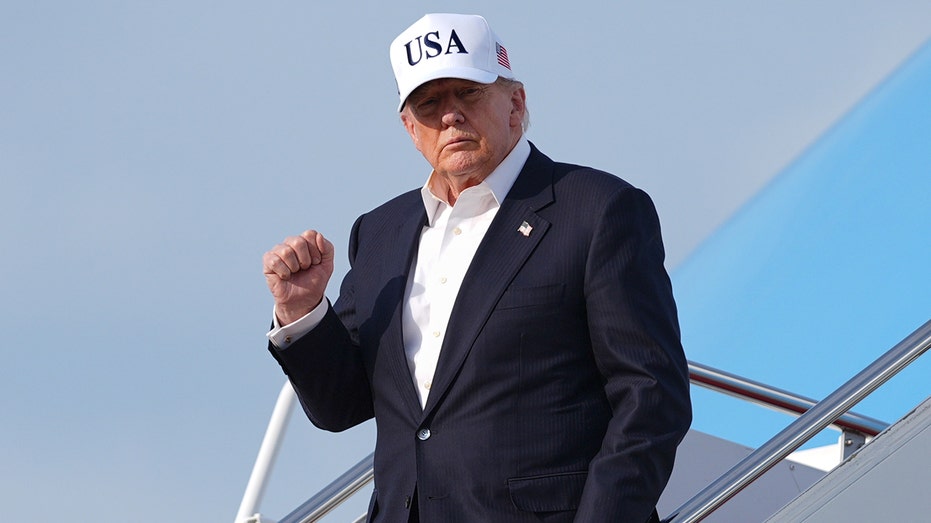
Alabama’s political landscape is abuzz as the Republican race to fill Senator Tommy Tuberville’s vacated seat heads to a runoff election. This contest not only determines the state’s next conservative voice in Washington but also serves as a crucial barometer for President Donald Trump’s endorsement power, which has been a decisive factor in numerous GOP primaries nationwide. The upcoming June 16 vote pits two distinct conservative figures against each other, setting the stage for a compelling showdown.
The initial primary for Senator Tuberville’s seat saw a crowded field of seven Republican hopefuls vying for the chance to represent Alabama. With no candidate securing an outright majority, the race naturally progressed to a runoff. From this robust competition, two strong conservatives emerged: Representative Barry Moore, a three-term congressman, and Jared Hudson, a former Navy SEAL with a compelling background. Both candidates now face the challenge of galvanizing their bases and appealing to undecided voters ahead of the decisive second round.
Central to this runoff is the influential backing of former President Donald Trump. Representative Barry Moore, who first announced his candidacy to Fox News Digital last year, has secured Trump’s endorsement—a significant advantage in a state where the former president remains immensely popular. Trump reaffirmed his support for Moore during a recent tele-rally, praising him as “a true America First Patriot who’s been with me from the very beginning.” Moore’s history reinforces this connection; he was notably the first elected official to endorse Trump during his initial presidential campaign in 2015. This long-standing loyalty and shared vision for the “America First” agenda are key pillars of Moore’s campaign, presenting the runoff as a direct test of the former president’s continued influence in shaping Republican outcomes.
Representative Moore, a member of the staunchly conservative House Freedom Caucus, has consistently championed fiscal responsibility and conservative principles throughout his tenure. He has described his primary job as protecting “the people’s liberty” and supporting the president in that process, emphasizing the need for strong conservative voices from Alabama in the Senate. His campaign messaging underscores a commitment to the “America First” platform, aligning with a significant segment of the Republican electorate.
Jared Hudson, while not having the same high-profile endorsement, brings his own set of conservative credentials and a background as a former Navy SEAL. His campaign focuses on different aspects, likely emphasizing national security, public service, and a fresh perspective, appealing to voters who might seek an alternative to career politicians.
“He’s a true America First Patriot who’s been with me from the very beginning. My number one job is to protect the people’s liberty.”
As the June 16 runoff approaches, both Barry Moore and Jared Hudson will intensify their efforts to win over Alabama voters. The outcome will not only determine who represents the state in the U.S. Senate but also offer valuable insights into the enduring power of presidential endorsements in Republican primaries. For Matox News readers, this race underscores the ongoing battle for the direction of the conservative movement and the strategic importance of every Senate seat. The decision made by Alabama voters will resonate far beyond state lines, impacting the balance of power in Washington and the future of the America First agenda.

The Cleveland Cavaliers found themselves reeling after a devastating Game 1 loss to the New York Knicks, where a commanding 22-point fourth-quarter lead evaporated into a 115-104 defeat. The stunning collapse at Madison Square Garden has sent shockwaves through the team, prompting a remarkably candid assessment from Cavaliers star Donovan Mitchell, who articulated the profound disappointment felt within the locker room.
The Cavaliers appeared to be in firm control for much of the contest, showcasing a robust defense that largely stifled the high-powered Knicks offense. They built a substantial 93-71 advantage with just under eight minutes remaining in regulation. What followed, however, was a dramatic and historic turnaround. The Knicks, fueled by Jalen Brunson’s exceptional fourth-quarter scoring — 16 of his game-high 38 points — launched an improbable 44-11 run that completely reversed the momentum. This stunning reversal led to a 115-104 defeat, marking one of the most significant fourth-quarter playoff comebacks in recent NBA history. Only the Los Angeles Clippers’ 24-point rally against the Memphis Grizzlies in 2012 stands as a larger fourth-quarter comeback in the last three decades of playoff basketball. The sheer scale of this collapse raises immediate questions about the Cavaliers’ composure and strategic execution in critical moments.
Donovan Mitchell, a pivotal figure who contributed 29 points and six steals, offered no sugarcoating for the team’s performance. His postgame remarks were remarkably direct, conveying a palpable sense of frustration and an immediate call for accountability. Echoing his sentiments from the locker room, Mitchell stated plainly to reporters, “We lost, we f—ing blew it.” This unvarnished language from a team leader underscores the gravity of the situation and the immediate need for introspection. Despite the overwhelming disappointment, Mitchell emphasized the importance of perspective, noting that the final margin of defeat was secondary to the loss itself. “We could’ve lost by 40. It still would’ve been 1-0,” he remarked, highlighting the immediate focus on the series score rather than the manner of defeat, while still acknowledging the unacceptable nature of the performance.
“We lost, we f—ing blew it.” – Donovan Mitchell
Acknowledging the severity of the Game 1 defeat, Mitchell was quick to pivot to the strategic imperative of moving forward. He stressed that while the loss was “bad,” it was still just one game in a best-of-seven series, emphasizing that the team cannot allow this single setback to define their entire postseason journey. The immediate task for the Cavaliers is to meticulously review the game film, identify specific defensive breakdowns and offensive stagnations, and implement necessary adjustments before Game 2.
Mitchell’s message to his teammates and the fanbase is clear, focusing on a disciplined approach to recovery:
As reported by FoxNews.com, Mitchell urged the team not to let the singular bad quarter “kill our momentum, kill what we’ve been doing,” advocating for a quick turnaround in focus and execution.
The Cleveland Cavaliers now face the daunting task of regrouping and demonstrating their resilience. A historic fourth-quarter collapse demands not only a thorough examination of tactical failures but also a unified, disciplined response from every player. The integrity of their championship aspirations hinges on their ability to learn from this painful experience and restore the consistent, high-level play that characterized their earlier success. The path through the Eastern Conference Finals is rarely without significant challenges, and Cleveland must now unequivocally prove its mettle and commitment to order on the court.

A significant transaction sees James Murdoch’s investment firm, Lupa Systems, secure a substantial stake in Vox Media, expanding its presence in the evolving digital content sphere and marking a notable moment for the media scion.
In a significant development reshaping the digital media landscape, James Murdoch, the younger son of publishing titan Rupert Murdoch, has reportedly reached an agreement to acquire a substantial portion of Vox Media. This deal, valued at approximately $300 million, will see Murdoch’s investment vehicle, Lupa Systems, take ownership of assets including the venerable New York Magazine. The transaction represents Murdoch’s largest independent acquisition since his family resolved contentious disputes over the future control of their vast media holdings.
This strategic move underscores James Murdoch’s continued commitment to expanding his influence within the media sector, particularly in digital content. Vox Media, known for its diverse portfolio of online publications and brands, offers a significant platform for growth and innovation. The acquisition of New York Magazine, a publication with a rich history and strong editorial voice, further solidifies Lupa Systems’ position in the competitive media market. This represents a calculated step to harness the potential of established journalistic institutions within a dynamic digital ecosystem.
Lupa Systems, founded by James Murdoch, has been steadily building a diversified portfolio across various industries. Beyond this latest acquisition, the firm has already made notable investments in the art world with Art Basel, the media and entertainment sector through Tribeca Enterprises (co-founded by Robert De Niro), and the Indian streaming service Bodhi Tree Systems. This pattern of investment suggests a deliberate strategy to cultivate a global network of media, entertainment, and cultural assets, moving beyond the shadow of his father’s News Corp and Fox empires. The addition of Vox Media assets significantly bolsters this independent venture.
The reported $300 million valuation and the scale of this acquisition highlight the ongoing trend of consolidation within the media industry. As traditional and digital media converge, large investment firms and established players are increasingly seeking to expand their reach and diversify their offerings. For Vox Media, this partnership could provide crucial capital and strategic direction in a challenging market environment marked by shifting advertising revenues and evolving audience consumption habits. The deal, as reported by The Guardian, is seen by many observers as a pivotal moment for both Murdoch and the future trajectory of Vox Media.
“This acquisition marks James Murdoch’s most substantial independent move since navigating the complex family dynamics of his father’s media empire, signaling a clear strategic direction for Lupa Systems.”
This latest transaction by Lupa Systems is more than just a financial investment; it is a statement of intent from James Murdoch regarding his vision for the future of media. By integrating established brands like New York Magazine into a forward-looking digital network, he appears to be charting a course that prioritizes innovation while respecting journalistic heritage. The evolving landscape of media ownership will undoubtedly continue to present both opportunities and challenges, and Murdoch’s latest play positions him as a key figure to watch in this dynamic sector.

An Arizona woman recently fell prey to an elaborate jury duty crypto scam, losing a significant sum on her 70th birthday. Gail Barr, a nurse practitioner, found herself entangled in a web of deceit that cost her nearly $10,000, underscoring the urgent need for public awareness regarding such sophisticated financial fraud.
The ordeal began with a voicemail claiming to be from Chief Deputy Derek Elmore of the Maricopa County Sheriff’s Office. This initial contact informed Barr of an urgent legal matter involving court documents from an Arizona judge. When she returned the call, the narrative quickly intensified. The scammer alleged Barr had missed jury duty and faced a substantial fine, or even arrest, if she failed to comply.
Barr, accustomed to high-pressure medical situations, found herself in unfamiliar legal territory. “Well, I didn’t know,” she recounted on the CyberGuy Report podcast. “I know medical things, but I didn’t know how that worked.” This lack of specific legal knowledge was precisely what the fraudsters exploited.
“They said that I was hand-selected by the judge to appear in a grand jury, a medical malpractice case, because of my background in nursing.”
The scammers employed highly convincing tactics, utilizing real local names and official-sounding titles. Barr verified the mention of Judge Jennifer Zipes, confirming she was indeed an Arizona judge. She also found a law enforcement connection for Derek Elmore. This meticulous detail lent an air of authenticity to the fraudulent claims, drawing Barr deeper into the deception.
She was then transferred to an individual claiming to be Police Captain John Bailey, who provided a badge number. This ‘captain’ further personalized the scam, telling Barr she had been hand-selected for a grand jury case due to her medical background. This specific detail resonated deeply with Barr’s professional experience, making the story feel remarkably plausible and heightening the emotional stakes.
Under immense pressure and fearing legal repercussions, Barr was instructed to pay a nearly $10,000 fine. The method of payment demanded was through a Bitcoin ATM, a common tactic in such scams designed to make transactions irreversible and untraceable. This shift to digital currency often serves as a red flag, but in the heat of the moment, with threats of arrest looming, victims can overlook such warnings.
Barr’s experience serves as a stark reminder of how easily even informed individuals can be manipulated by sophisticated criminal enterprises. The use of official-sounding titles, personalized details, and the urgency of the situation are classic components of these fraudulent schemes.
This incident underscores the critical importance of verifying any unexpected demands for money, particularly those involving cryptocurrency or threats of immediate legal action. Law enforcement agencies and courts will never demand payment via Bitcoin ATMs or gift cards, nor will they threaten immediate arrest over the phone for missed jury duty. Citizens are urged to independently contact official institutions using verified numbers if they receive such calls.
Staying informed about common scam scripts is paramount in protecting personal finances and maintaining order in our digital society. It is a shared responsibility to remain vigilant and report suspicious activity to prevent others from falling victim to these pervasive digital threats.
Russian President Vladimir Putin concluded a high-profile visit to Beijing, marked by extensive diplomatic ceremony and a robust public reaffirmation of the strategic partnership between Russia and China. While the summit with Chinese President Xi Jinping underscored a united front on the global stage, particularly concerning Western foreign policy, a significant economic agreement — the long-anticipated gas pipeline deal — did not materialize, raising questions about the practical limits of their cooperation.
Despite elaborate diplomatic pageantry and shared rhetorical broadsides against Western policies, the highly anticipated ‘Power of Siberia 2’ gas pipeline deal remained conspicuously absent from official announcements, suggesting underlying complexities in the burgeoning Sino-Russian alignment.
The visit was orchestrated to project an image of unwavering solidarity. President Putin was greeted with a red-carpet welcome at the Great Hall of the People, accompanied by a Chinese military band performing the classic Russian melody ‘Moscow Nights’. This symbolic gesture underscored the deep personal and political bond cultivated over more than 40 meetings between the two leaders.
Public statements from both sides emphasized ‘strategic co-operation’, ‘partnership’, ‘mutual respect’, ‘friendship’, and ‘trust’. These declarations served to reinforce the narrative of a robust alliance, standing as a counterweight to perceived Western hegemony.
Beyond the displays of camaraderie, the leaders presented a unified front in their criticism of the United States. They jointly decried what they termed the ‘irresponsible’ nuclear policy of the United States.
Furthermore, both Presidents condemned former U.S. President Donald Trump’s proposals for a ‘Golden Dome’ missile defence shield, signaling their shared apprehension regarding American strategic military advancements and a desire to challenge the current global security architecture.
Despite the extensive diplomatic overtures and shared geopolitical rhetoric, a key economic objective for Russia — securing a deal for the ‘Power of Siberia 2’ gas pipeline — remained unfulfilled. The absence of an announcement regarding this major energy infrastructure project, which would significantly reroute Russian gas exports towards China, was a notable omission.
As noted by the BBC’s Russia Editor, the visit highlighted that while Russia and China present a united front, there are discernible ‘limits’ to their partnership. This suggests that even amidst strong political alignment, economic pragmatism and national interests continue to shape the contours of their relationship, particularly when it involves substantial long-term investments and energy security.
“While Russia and China project a united front on the global stage, the absence of a key energy deal suggests discernible limits to their strategic partnership.”
The Beijing summit, while rich in symbolism and anti-Western rhetoric, ultimately demonstrated that the ‘no-limits’ partnership between Moscow and Beijing faces practical constraints. The lack of a definitive agreement on the critical gas pipeline underscores that economic considerations and national interests play a significant role in defining the scope and pace of their strategic alignment. Observers will continue to monitor whether the public displays of unity can translate into concrete, mutually beneficial economic commitments as the global geopolitical landscape continues to shift.

The UK Treasury recently floated a proposal for voluntary food price caps on essential supermarket items, a notion that has swiftly ignited a firestorm of criticism from prominent industry figures and economic observers. The suggestion, intended to ease cost-of-living pressures, has been widely dismissed as misguided and potentially counterproductive to the nation’s economic health.
Retail giant Marks & Spencer’s chief executive, Stuart Machin, publicly branded the idea as “completely preposterous.” His sentiment was echoed by City analyst Clive Black of Shore Capital, who voiced concerns that the government appeared to be entertaining “neo-Soviet policy ideas.” This strong backlash highlights a fundamental disagreement over the role of government in a free-market economy, particularly concerning price controls.
The Treasury’s proposal, though voluntary, was quickly disavowed by ministers themselves, with any mandatory scheme explicitly ruled out. This swift retreat underscores the significant opposition from both within government circles and the private sector. Critics argue that such interventions, even voluntary ones, distort market signals and can lead to unintended consequences for supply and consumer choice.
As reported by the News Desk, the UK is not currently in a state of economic emergency that would warrant such drastic measures. While food inflation stood at 3% in April and is projected to rise due to increasing energy, transport, and fertiliser costs, the underlying market mechanisms, including robust competition among supermarkets, are generally considered to be functioning effectively.
“Completely preposterous,” said Stuart Machin, chief executive of Marks & Spencer, about the Treasury’s proposal for voluntary price caps on food staples.
Historical precedent suggests that artificially depressing prices, even on a voluntary basis, can have adverse effects on the supply chain. When producers cannot achieve sustainable prices for their goods, there is a risk of reduced investment, lower production, and ultimately, shortages. This can exacerbate the very issues the intervention seeks to resolve, leading to a less efficient and less resilient market.
This is not the first time a UK administration has considered such a measure. A similar dalliance with limited, voluntary price caps occurred in 2023 under the Conservative premiership of Rishi Sunak. The consistent rejection of these ideas across different government iterations reinforces the widely held belief that free-market principles, rather than government-imposed price controls, are the most effective way to ensure long-term stability and availability of goods.
For a healthy economy, it is crucial that policy decisions support competitive markets and encourage investment, rather than imposing artificial constraints. The quick dismissal of the food price caps proposal is a welcome sign that the government is listening to market realities and respecting the foundational elements of a free enterprise system. Maintaining a predictable and stable economic environment, free from undue intervention, is paramount for businesses to thrive and for consumers to benefit from choice and genuine competition.
The focus should remain on addressing the root causes of inflation through sound fiscal and monetary policy, rather than resorting to measures that could undermine the very fabric of our economic order. Protecting the integrity of the market ensures that essential goods remain available and affordable without risking supply disruptions or deterring innovation.


