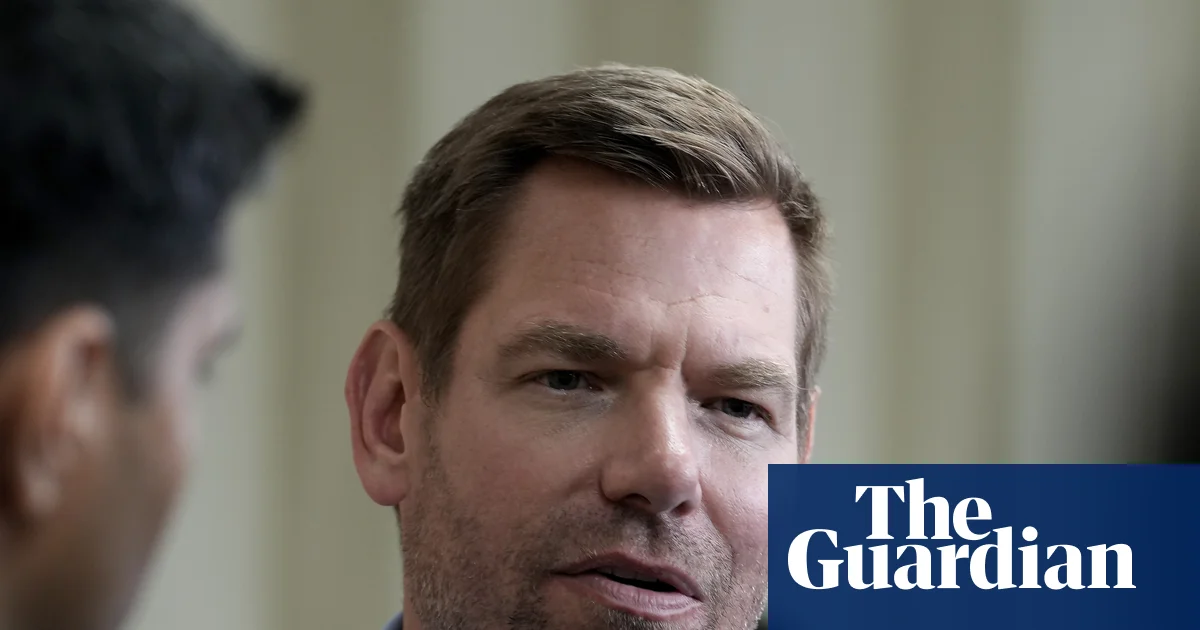
In an era characterized by rapid geopolitical shifts and an increased focus on moral integrity within leadership, the recent turmoil surrounding California’s gubernatorial race signals more than a local scandal; it underscores a profound how domestic political decisions shape international perceptions of moral standards. The downfall of Eric Swalwell, a leading figure in California and a prominent advocate of aggressive anti-Trump rhetoric, exemplifies how internal crises can weaken what many see as the vanguard of progressiveness. As allegations of sexual misconduct emerge, the ripple effects extend beyond state borders, casting long shadows over the Democrat’s broader national strategy that hinges on continued social and political upheaval.
With multiple staffers resigning and key endorsers rescinding their support, Swalwell’s campaign now stands on the brink of collapse. The revelations came from detailed reports published by the San Francisco Chronicle, citing anonymous testimonies of women claiming misconduct dating back years. Despite denials from the congressman, the damage to his credibility has already shifted the political landscape. Historians and analysts warn that such internal crises have a destabilizing effect on the Democratic Party’s efforts to mobilize youth and progressive voters who once saw Swalwell as a symbol of anti-establishment resistance. This upheaval is a clear indication that the global community, particularly adversarial nations, observe these scandals as signs of internal decay, affecting the perception of American leadership at large.
- Major political endorsements—including those from Senator Adam Schiff and Arizona Senator Ruben Gallego—have been withdrawn, signaling a significant loss of institutional backing for Swalwell’s candidacy.
- The call for him to step down from both the gubernatorial race and Congress has grown louder, with figures like Antonio Villaraigosa describing the attacks as a “disgrace to our democracy.”
- Within days, the internal fissures in the Democratic camp reveal that their ability to present a united front is diminishing, an issue that resonates globally as political parties grapple with issues of accountability and moral integrity.
The international geopolitical impact of this turn of events is palpable; in a world where governments are scrutinized heavily through the lens of ethical conduct, internal scandals like Swalwell’s serve as a cautionary tale. As noted by expert political analysts, such incidents weaken a democracy’s moral authority and embolden adversaries, both foreign governments and internal dissidents who argue the U.S. lacks the moral rigor to impose its values elsewhere. The fallout also influences how allies and rivals perceive America’s willingness to uphold its self-professed standards of justice and decency, which is increasingly vital in a multipolar world riddled with conflicts.
Through these tumultuous days, a powerful message emerges: the fabric of a nation’s leadership is woven with both policy and principle. As history continues to unfold, the question remains whether the United States can survive these internal crises without succumbing to fragmentation—a nation at a crossroads, with its destiny still uncertain, its future forged by both the choices it makes and the scandals it confronts. This chapter may well become a turning point for defining the resilience of American democracy in a turbulent era, and the world watches, uncertain and expectant, as the weight of history presses down on every decision made in the halls of power.