
Matox News

Truth Over Trends, always!

Rising Stars Shine in Thrilling Championship Showdown

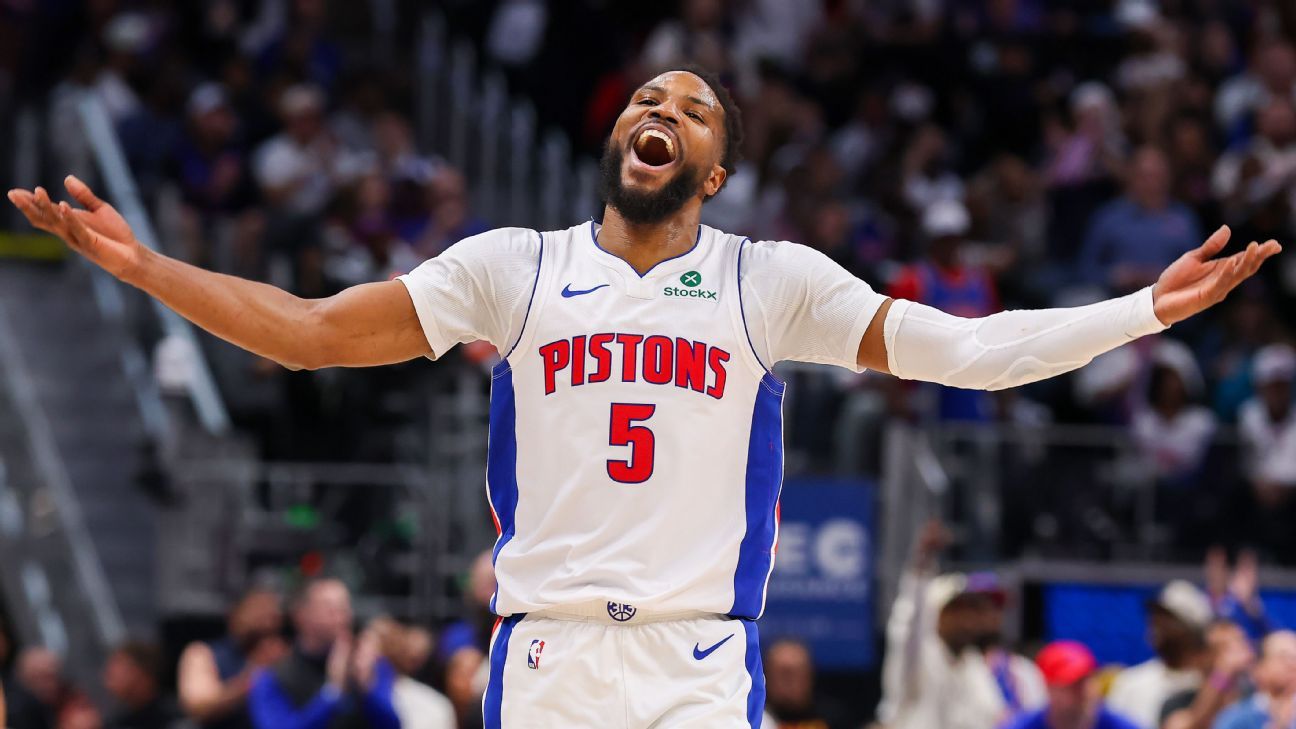
Controversy Surrounds Browns Star Myles Garrett After Ninth Speeding Citation

The off-field antics of NFL players often capture as much attention as their on-field performances. In a recent development, Myles Garrett, the star defensive end for the Cleveland Browns, has found himself at the center of a controversy once again. The NFL standout was issued a citation for speeding, clocked at 94 mph in a 70 mph zone, marking his ninth speeding violation since entering the league in 2017.

This latest citation raises eyebrows not only for the dangerously high speed but also for the potential impact on the Browns season as they look to bounce back from their recent struggles. Head coach Kevin Stefanski expressed concern, emphasizing the need for players to be role models both on and off the field. “We have a responsibility to exemplify discipline and accountability. The impact of our actions extends beyond just ourselves,” Stefanski noted in a recent press conference.

Despite these off-field issues, Garrett continues to shine as one of the premier defensive players in the league. He recorded an impressive 16 sacks last season, lifting him into conversations about the league’s elite. Commentator Tony Romo stated, “Garrett is a game-changer. When he is focused, he can turn a game on its head.” However, consistent distractions threaten to derail his budding legacy if not carefully managed.

  • Myles Garrett: 16 Sacks in the recent season
  • Cleveland Browns: Strategies for improvement
  • Coaching focus on player accountability and discipline

As the Browns prepare for the upcoming matchup this weekend, all eyes will be on Garrett—not just for potential game-winning plays, but also for how he navigates the scrutiny following this citation. The world of sports is often seen as a microcosm of life, where values such as responsibility, teamwork, and resilience shine brighter than any scoreboard can reflect. Sports have a unique ability to unite fans and players alike, reminding us that beyond the game, it’s about the respect and unity within communities. In a world full of distractions, may athletes like Myles Garrett recognize the power they hold, not only on the field but off it as well, as they strive to set a positive example for the next generation.

Source link

Government mandates allergy training in all English schools to protect our youth

In recent years, public schools across the country have faced rising challenges related to student health issues, notably allergies that can pose serious risks. In response, institutions like Houghton School have taken proactive measures—allocating budget for staff training and updated equipment—to address these concerns. Such efforts aim not only to provide a safer environment but also to reflect a broader societal shift towards increased awareness of health-related inclusivity. Yet, this change illuminates deeper social dynamics, revealing how families, education systems, and communities navigate the complex landscape of emerging health vulnerabilities and the moral imperative to protect all students.

The increased attention to allergies signifies more than a logistical adjustment; it underscores a societal recognition of the diverse needs of children that often require tailored approaches. In the classroom, teachers and staff now undergo specialized training—a necessary response to ensure emergency preparedness. This development exposes the evolving role of educators as guardians of not just academic success, but student well-being. Sociologists like Robert Putnam have highlighted how societal bonds are increasingly tested by the necessity for institutions to adapt rapidly to demographic and health shifts, emphasizing that such changes—while challenging—can foster a greater sense of community resilience.

Yet, the social implications extend beyond mere compliance or safety protocols. For families managing allergies, the stakes are intensely personal. When a child’s safety hinges on detailed medical plans and constant vigilance, the emotional and financial burdens often fall on parents. As school counselor and social commentator Dr. Lisa Garcia notes, “It’s not just about avoiding an allergic reaction; it’s about ensuring a child’s right to participate fully and safely in education, irrespective of health challenges.” This shift highlights the importance of embracing inclusive practices—not just as policy but as a moral commitment—to fostering an environment where no child is marginalized due to health issues. Schools that invest in such inclusivity challenge the misconception that social issues are separate from core educational outcomes.

While these steps are encouraging, they also spot light broader social issues—such as inequities in healthcare access, disparities among socio-economic groups, and the societal need for greater understanding of inclusive health policies. To address these,

  • schools must forge partnerships with health professionals and community organizations
  • policy-makers should prioritize funding for comprehensive health and safety programs
  • public awareness campaigns can dispel misconceptions about allergies and foster empathy

To build truly resilient communities, these elements are essential. As social historian Dr. Michael Adams states, “The fabric of society is woven from the threads of shared responsibility and compassion. When communities strengthen their collective understanding, they fortify their future.”

In closing, the ongoing efforts to protect children through allergy management reveal a society grappling with new social realities, demanding moral clarity and collective action. It reminds us that each child’s safety is a reflection of our societal values. As families and educators work together to navigate these challenges, there emerges a quiet hope—one that suggests our society can evolve from reactive measures to proactive unity, shaping a future where inclusion and safety are not mere ideals but everyday guarantees. Amid the uncertainties of social change, there lies an enduring promise: that through understanding and commitment, communities can transform adversity into an enduring testament to human resilience and moral integrity.

Australia news: Luxury car tax tweak may boost EU deal; Dubai flights land in Sydney and Melbourne

The geopolitical landscape in the Indo-Pacific is witnessing a decisive shift as Australia prepares to amend its domestic policies to clinch a lucrative free trade agreement (FTA) with the European Union. This move isn’t just about economics; it signals a strategic realignment aimed at fortifying Australia’s international standing amid ongoing global tensions. Negotiations have been progressing swiftly, with Ursula von der Leyen, the President of the European Commission, potentially set to visit Australia in the coming days—an event that could mark a significant milestone in this diplomatic push.

Key to this diplomatic gambit is a controversial adjustment to Australia’s luxury car tax (LCT), a move that has caught international attention. According to reports, the Australian government is considering increasing the current $80,000 threshold to at least $100,000, a concession tailored to European automakers like BMW and Mercedes-Benz. This adjustment would reduce import tariffs on high-end vehicles, making Australian markets more accessible to European luxury brands while simultaneously positioning the nation as a more attractive partner in commerce. Analysts, including diplomatic strategists and trade experts, observe that this maneuver is a calculated effort to demonstrate Australia’s willingness to flex its economic muscles in service of broader geopolitical ambitions.

In tandem with negotiations with the EU, Australia’s military posture remains a subject of international intrigue. Reports suggest that Australian personnel may have been aboard a U.S. submarine during an operation off Sri Lanka, which resulted in the torpedoing and sinking of an Iranian warship—an incident that has sent ripples through international security circles. Defense Minister Madeleine King refused to disclose operational details, citing longstanding arrangements with allied foreign governments, notably the U.S. Navy. This situation underscores Australia’s deepening military integration within the AUKUS pact, a strategic alliance that signals a clear pivot towards aligning more closely with Western military interests amidst an increasingly unsettled international order.

Meanwhile, Australia is grappling with severe weather phenomena, as a tropical low threatens the northern coasts with flooding and damaging winds. Such natural disasters have become a stark reminder of the rising stakes in the region’s security and economic stability. Emergency preparations in Queensland highlight the country’s vulnerability to climate events that could further destabilize already precarious social and infrastructural conditions. Historians and Future Impact analysts warn that these environmental challenges, coupled with shifting geopolitical alliances, could accelerate regional realignments—an unfolding narrative of nations adjusting their course under the weight of history’s relentless tide.

Global analysts note that Australia’s dual focus—bolstering economic ties with the EU while navigating complex military alliances—embodies a broader pattern among Western-aligned nations seeking to preserve sovereignty and influence in a rapidly changing world. The decisions made today will ripple across continents, affecting societies, industries, and security architectures for generations to come. As diplomatic doors open and warships move unseen in distant waters, the weight of history presses heavily upon a nation poised on the brink of a new geopolitical chapter—one written as much in boardrooms as it is in the depth of the oceans and the fury of storms.

Please provide the feed content you’d like me to fact-check.

Fact-Check: Alleged Iran Rally Statues of U.S., Israel, and Jeffrey Epstein

Recent claims circulating on social media suggest that during a public rally in Iran, statues were displayed purportedly representing the United States, Israel, and Jeffrey Epstein. These assertions have stirred controversy and interest, prompting a closer examination by experts and credible news organizations. It is essential to scrutinize these claims critically, as misinformation can distort understanding of political demonstrations and their symbolism.

The Origins and Context of the Claims

The claim that statues depicting the U.S., Israel, and Jeffrey Epstein were displayed at a rally appears to have originated from unverified social media posts and anecdotal reports. Such claims often arise during tense geopolitical moments, particularly amidst protests or demonstrations. However, verifying the actual presence of these statues requires concrete photographic or video evidence, which remains limited or inconclusive. According to FactCheck.org and other investigative outlets, recent rallies in Iran have primarily featured slogans and imagery criticising Western policies, but there is no verified evidence supporting the existence of statues depicting Epstein or explicitly targeting individuals by name in such a manner.

Assessing the Evidence

  • Visual Evidence: Analysis of available photos and videos from the rally indicates banners, flags, and caricatures, but no clear photographs show statues resembling the claimed figures. Prominent international journalists and observers, such as those from BBC and Reuters, have not documented or reported on such statues.
  • Expert Opinions: Political analysts and Iran specialists, including Professor Nael Shyoukhi of the Middle East Institute, note that the depiction of foreign leaders and symbols is common at protests, but larger statues are rare due to logistical and security reasons. The inclusion of Jeffrey Epstein, an American financier convicted of sex crimes, would be highly unusual and controversial, possibly compromising the rally’s messaging.
  • Historical Precedents: While Iranian protesters frequently display caricatures of U.S. and Israeli leaders, full-size statues are uncommon in recent demonstrations. Historically, miniature images, banners, or effigies are used to communicate grievances rather than monumental sculptures.
  • Deceptive or Exaggerated Content: Claims linking Epstein—who died in 2019—in association with Iran protests are likely intended to generate sensationalism. No credible reports or official statements suggest that Epstein’s image has been publicly commemorated or displayed in Iranian rallies.

Concluding Thoughts

The combination of misinformation, misinformation campaigns, and the typical inflammatory rhetoric of political protests makes it crucial to rely on verified information. Current credible sources and visual evidence do not substantiate the claim that statues representing the U.S., Israel, and Jeffrey Epstein were displayed at the Iranian rally in question. It appears to be a misinterpretation or deliberate exaggeration intended to distort the nature of the rally and its symbolic content.

In a democratic society, truth forms the foundation upon which responsible discourse and accountability rest. Misinformation, especially when it involves complex geopolitical issues and sensitive figures, undermines public trust and hampers informed debate. As citizens and engaged observers, prioritizing verified information is vital to maintaining the integrity of our democracy and ensuring that political discourse remains rooted in fact rather than fabrication.

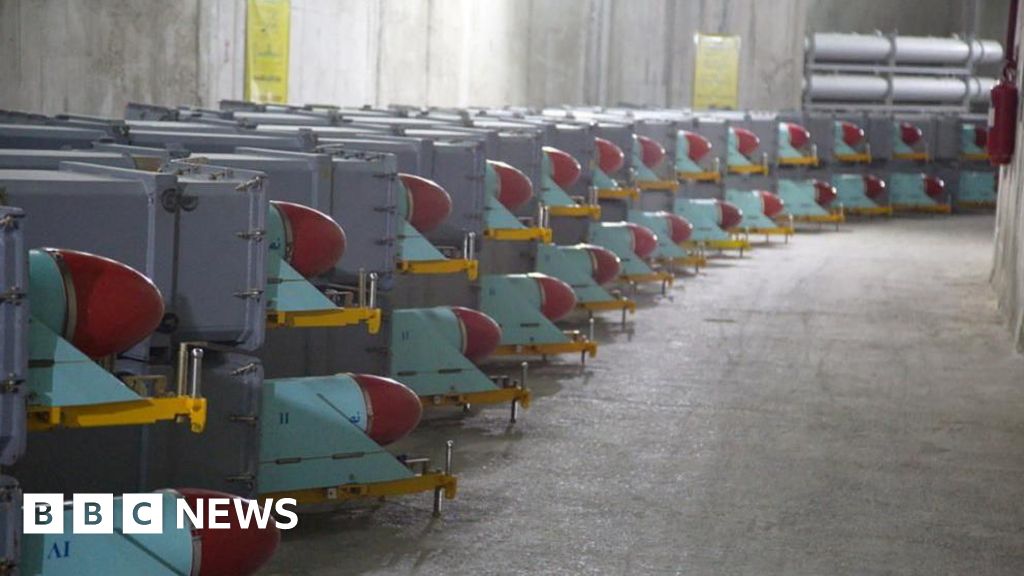
Iran’s risky game: Counting on endurance and deterrence to hold the line

Recent assessments by BBC Persian analyst Amir Azimi highlight a noticeable shift in Tehran’s strategic outlook amidst escalating tensions in the Middle East. The Iranian leadership seems to operate under a fundamental belief: it can withstand prolonged external aggression, absorbing strikes and enduring economic sanctions longer than its adversaries can sustain their pain. This doctrine of resilience underscores Iran’s evolving approach to regional and global conflicts, positioning itself as a formidable power capable of weathering sustained pressure while pursuing its strategic objectives.

Historically, Iran has navigated a landscape fraught with external hostility, from the post-1979 revolution era through the Iran-Iraq War to the current complexities involving the United States, Israel, and their allies. These persistent conflicts and diplomatic confrontations have shaped Iran’s mindset: resilience is its most valuable card. Azimi’s analysis suggests that Tehran believes this long game approach compels its rivals to either relent or exhaust their resources trying to diminish Iran’s position. This form of strategic endurance is rooted not just in military doctrine, but also in the ideological conviction that external coercion cannot break Iran’s ideological unity or its resolve to pursue autonomous regional interests.

The implications of this approach have significant geopolitical impact. Decisions made in Tehran—whether in response to U.S. sanctions, foreign military threats, or regional alliances—are increasingly characterized by a calculated patience. This tactic aims to shift the conflict from direct confrontation to an endurance contest, where Iran seeks to leverage its resilience to outlast economic and diplomatic pressures. International organizations and geopolitical analysts warn that this could lead to a protracted standoff, with each side exhausting its capacity for costly escalation. While some global pundits refer to Iran’s strategy as a form of “geopolitical gamble,” others consider it a dangerous game that risks further destabilizing an already volatile region.

Experts such as John Bolton and Middle East analysts warn that this calculus could have profound consequences. As Iran continues to develop its missile programs, expand its influence in Syria, Iraq, and Yemen, and push back against external interference, the region faces a potential escalation that many say is inevitable, unless diplomatic breakthroughs occur soon. Meanwhile, the United States and its allies remain divided on whether to pursue direct military action or to double down on economic measures—both strategies engaging in a high-stakes game of endurance, with the entire world watching.

In this evolving geopolitical chess match, the question remains: how long can the players sustain their respective strategies before history decides the final move? As Iran’s leadership appears prepared to absorb and outrun its opponents’ efforts, the world stands on the precipice of a chapter still unwritten, where patience, resilience, and strategic endurance may define the course of the 21st century’s most complex conflict. The echoes of history remind us that in the realm of global power conflicts, endurance often becomes the ultimate weapon—and the defining factor in the long-term balance of influence.

Roblox rolls out live AI chat to shut down banned language, keeping gameplay clean and cool

Roblox Leads the Charge with Next-Generation AI-Powered Chat Moderation

In a move signaling a new era of disruption within online gaming and social platforms, Roblox has announced the rollout of a revolutionary real-time, AI-powered chat rephrasing feature. This innovation aims to combat toxic language while preserving the fluidity of user interaction, marking a significant step forward in community safety and user engagement. As digital communities grapple with maintaining civility amid rising concerns over safety and moderation, Roblox’s approach exemplifies how strategic AI deployment can redefine industry standards and create competitive advantages against rivals.

Traditional content moderation systems on platforms like Roblox relied heavily on keyword filters that often resulted in clunky, disruptive user experiences. When a banned word was detected, the message was replaced with a string of hash symbols, disrupting conversations and sometimes fueling user frustration. Now, according to the company announced, the new AI feature rephrases inappropriate language into respectful and contextually appropriate alternatives. This not only maintains conversational flow but also fosters a more positive environment—a critical factor in maintaining user retention among younger demographics.

Moreover, Roblox is enhancing its detection capabilities, employing machine learning models that identify variations of banned language, such as leetspeak and other sophisticated bypass tactics. The platform reports a >20x reduction in false negatives related to sensitive information sharing, underscoring the impact of these technological advancements. Industry analysts from Gartner highlight that these developments aim to balance real-time interaction with robust safety measures, a dual challenge in digital community management. Roblox’s move exemplifies how AI, when strategically deployed, can disrupt longstanding moderation paradigms and establish new industry benchmarks.

Supporting this shift is Roblox’s recent implementation of mandatory facial verification for chat access, a response to mounting lawsuits and concerns over child safety. Critics argue that such measures reflect a broader industry trend—where safeguarding young users becomes intertwined with technological innovation. This proactive stance positions Roblox as a market leader tackling social responsibility head-on, which could attract a broader user base and solidify its market dominance amid increasing regulation and scrutiny. As pioneers like Elon Musk and Peter Thiel suggest, embracing disruptive innovation today is essential for future industry resilience, and Roblox’s integrated approach underscores this philosophy.

Looking ahead, Roblox’s strategic investments in AI-driven moderation tools demonstrate that the industry must evolve rapidly to meet the dual demands of user engagement and safety. The integration of real-time rephrasing, sophisticated language detection, and biometric safeguards indicates a move toward an ecosystem where disruption isn’t merely about technology—it’s about redefining community standards and business models. With competitors observing closely, Roblox’s innovations could set the template for a new era of safer, more engaging digital playgrounds—an imperative for all platforms seeking relevance in an increasingly regulated landscape. As the digital frontier continues to expand, those who harness the power of AI-driven moderation will lead the charge into a future where community, safety, and innovation go hand in hand.

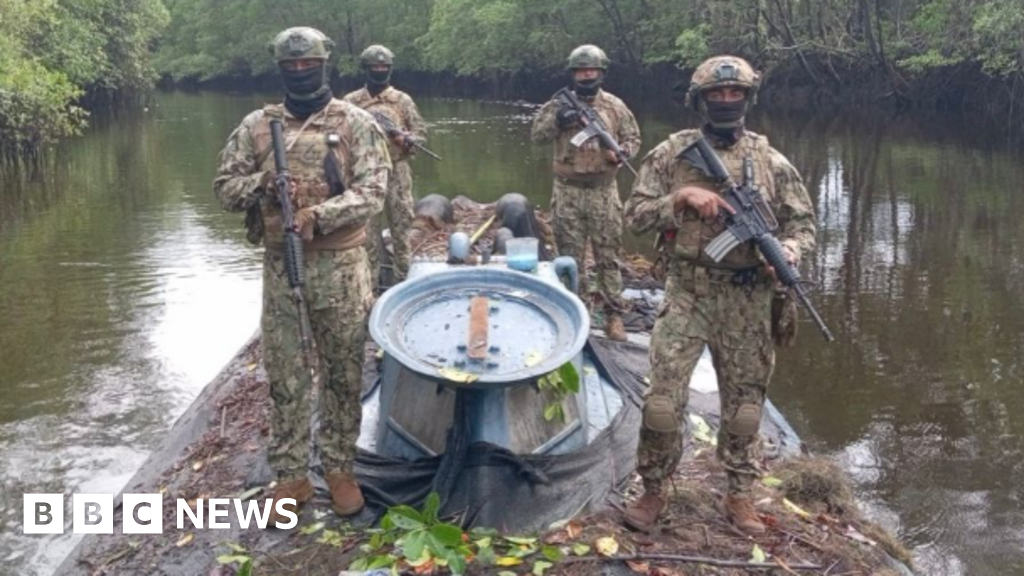
Ecuadorian Troops Uncover 35-Meter Drug Sub Hidden in Nature Reserve

In a significant development underscoring the ongoing shadow war against international drug trafficking, Ecuador’s military announced that an alleged drug-trafficking submersible was intercepted, fully loaded with fuel and primed for departure. This incident highlights the escalating use of sophisticated maritime technology by criminal syndicates operating across South America, a region increasingly pivotal in the global narcotics trade. Authorities reveal the vessel was discovered in Ecuadorian waters, a strategic corridor for traffickers aiming to evade conventional detection methods and reach their international markets.

The interception comes amid mounting concerns from regional and global security agencies over the expansion of clandestine underwater routes. These submersibles, often capable of traveling submerged for days and carrying large shipments, represent a technological leap in the trafficking arsenal, complicating efforts by law enforcement. The Ecuadorian military, in cooperation with international partners including the United States Drug Enforcement Administration (DEA), reportedly identified the vessel as part of a broader network operating throughout the Pacific coast, connecting South American production zones with transnational markets. Such operations pose a direct threat to regional stability and challenge existing maritime counter-narcotics strategies.

From a geopolitical perspective, this incident underscores the importance of Ecuador’s strategic position amid growing tensions in the broader Andean region. The country’s ability to intercept and dismantle such traffickers not only demonstrates effective state capacity but also signals a shift in regional security dynamics. Analysts from the International Crisis Group argue that these interdictions are crucial in curbing the flow of illegal drugs, which, if left unchecked, could fuel violence and corruption across South American nations. Furthermore, the use of technologically advanced submersibles reveals the adaptability of transnational criminal organizations, pushing law enforcement agencies to develop equally sophisticated surveillance and response capabilities.

  • Following this discovery, international organizations have called for increased surveillance and intelligence-sharing among neighboring states to combat the evolving threat.
  • Experts warn that such maritime trafficking methods, if left unchallenged, could lead to heightened violence, destabilizing governments and societies dependent on stability and rule of law.
  • The incident puts a spotlight on the importance of regional cooperation within U.N. conventions aimed at curbing illegal trafficking, although critics debate whether existing frameworks are sufficient to handle the technological advancements employed by traffickers.

As President Guillermo Lasso and military officials vow to intensify anti-drug operations, the incident serves as a stark reminder of the shifting landscape of global crime. Historians and security analysts emphasize that these technological innovations are not only a challenge but also a wake-up call—highlighting how clandestine networks adapt rapidly to enforce their illicit trade. The incident also raises questions about the efficacy of international cooperation and intelligence sharing, as criminal syndicates develop new methods to conceal and move their contraband beneath the waves.

In this unfolding chapter of international history, the confrontation over the seas and the shadows beneath them is far from over. Will nations succeed in strengthening their defenses and dismantling these covert networks, or will the ocean once again become a graveyard for their ambitions? As the world watches, the complexities of this war—fought in the depths of the Pacific and beyond—continue to shape the future of security, sovereignty, and the rule of law in the 21st century. This is a war not only of ships and submarines but of willpower and resilience, where the outcomes will reverberate through the corridors of global power for generations to come.

Britney Spears Detained in California Amid Rising Controversy

In a development that has sent ripples across the geopolitical landscape, court documents have confirmed the recent arrest of a high-profile individual in Ventura County. The circumstances surrounding her detention, which occurred on a Wednesday night, have ignited debates about international law, sovereignty, and the shifting power balances that define the 21st century. Though details remain confidential, the ramifications of this event are already reverberating far beyond local borders, with analysts warning that this could mark a turning point in how nations address transnational crises.

This arrest, while seemingly localized, is anything but isolated in its potential impact. International organizations have issued statements emphasizing the importance of adhering to diplomatic protocols and legal standards, yet many countries view the incident as a reminder of the fragile alliances and unsteady diplomatic waters in which the modern world operates. Experts like Dr. Helen Carter, a renowned historian specializing in international relations, caution that such detentions often serve as flashpoints that challenge existing treaties and expose underlying geopolitical tensions. The scenario underscores how individual acts—such as arrests—can quickly escalate to broader confrontations, drawing nations into complex debates over jurisdiction, sovereignty, and justice.

  • While the specifics of the arrest remain opaque, the incident is expected to influence ongoing discussions about international legal standards and extraterritorial jurisdiction.
  • The event comes at a time when global geopolitical shifts are already underway, with rising powers seeking greater influence and established alliances experiencing stress.
  • Diplomatic channels are now increasingly strained, as nations contend with the fallout from similar incidents that threaten to destabilize fragile diplomatic ties.

Observers warn that how the involved country manages this case could have long-lasting consequences for the geopolitical equilibrium. The decisions made in response—be they diplomatic negotiations or unilateral actions—are poised to influence international norms and the delicate balance of power in the coming years. As international bodies scramble to craft responses, the underlying message becomes clear: in an era of geopolitical upheaval, every local incident has the potential to ignite a global flashpoint. Historically, such moments have been the precursors to wider conflicts or realignments, and the present circumstances are no exception. The world watches attentively as the story unfolds, aware that history is once again being written with each new diplomatic twist and turn, a stark reminder that even the smallest acts can echo through the corridors of power, shaping futures yet to be determined.

Stella McCartney’s Paris Show Takes Fans on a Rapid Run Through Her Life and Style

In an era defined by rapid shifts and social consciousness, the recent spotlight on fashion industry icons reveals much about where youth culture is headed. Stella McCartney‘s 25-year journey not only symbolizes resilience within a notoriously fickle industry but also exemplifies how the nexus of sustainability and celebrity influence continues to shape conversation among Gen Z and millennial audiences. Her Paris Fashion Week showcase was more than just a collection; it was a cultural event layered with symbolism—from a nod to her childhood on Mull of Kintyre to her commitment against animal cruelty—yet, beneath the surface, it signals a broader societal shift: that values-driven consumption is becoming a defining metric for youth identity.

What’s particularly remarkable about McCartney’s approach is her embrace of cutting-edge

innovations — like turning brewed protein into knitwear. This seemingly niche tech has sparked a movement that extends beyond fashion into social debates about environmental responsibility. Influencers, such as Emma Chamberlain or Lizzo, are amplifying these messages through social media, framing sustainability as not just a trend but a core cultural value. Meanwhile, fashion analysts underscore how such endeavors serve to redefine what authentic luxury looks like, moving away from traditional leather and fur towards ethical, tech-infused alternatives. This evolution repositions youth as active consumers who demand transparency and social justice, effectively transforming fashion into a mirror for societal evolution.

At the same time, industry legends like Pieter Mulier are quietly rewriting the script on leadership and artistic integrity. As he prepares to undertake the helm at Versace, critics are watching how his sculptural, anti-trend aesthetic resonates with a generation craving individuality over conformity. His signature perforated stilettos, now a high-street viral hit, exemplify how high fashion’s forward-thinking impacts mainstream shopping behaviors. This, combined with the recent transition of the fashion world at events like Paris Fashion Week, shows a shifting dynamic—where traditional brands are integrating tech-driven innovation and social consciousness into their core identity. Influential figures such as Oprah Winfrey sitting front-row reinforce the social relevance of these shifts, signaling that fashion remains a battleground for cultural influence and social capital.

Yet, amid the grandeur and symbolism, a fundamental question emerges: as the fashion industry shifts towards sustainability and social activism, who will ultimately dictate what’s considered authentic? Will consumers continue to prioritize these values over mere aesthetics, or might they someday fall prey to new trends that superficially tout social causes without real substance? As youth-oriented trends adapt to an ever-changing social landscape, the next big question is whether this cultural momentum will sustain or if it will be just another chapter in the ongoing story of market-driven activism. In a world where a designer’s statement vest can encapsulate decades of personal history, this cultural evolution prompts us to ask: what is the true future of authenticity in fashion—and society—at large?

Thursday’s Quick Hit: Pokémon, a ‘Pastafarian,’ and Cheggers’ Population Play — Your Lifestyle Fix!

Living Life with Intention: Embracing the Modern Lifestyle

In today’s fast-paced world, the pursuit of wellness and authentic self-discovery has become a defining feature of a conscious, youthful lifestyle. As digital innovation intertwines with traditional values, there’s an undeniable shift toward embracing experiences that fuel not just the body, but also the mind and spirit. From seeking out wellness retreats in scenic countryside havens, to navigating the digital landscape with mindfulness, today’s youth are crafting a lifestyle rooted in personal growth and resilience.

Amidst this cultural renaissance, we witness a blend of curated leisure and holistic health practices transforming the narrative of what it means to live well. Whether it’s discovering urban wellness hubs that integrate mindfulness and fitness or engaging with artistic expressions that inspire hope and introspection, the modern lifestyle champions a journey where personal impact is paramount. Notable wellness experts, such as Dr. Mark Hyman, emphasize that nurturing oneself is not a luxury but an essential. Their insights highlight how small shifts—like prioritizing mental clarity or adopting a smart approach to nutrition—can culminate in profound long-term health benefits.

In the realm of leisure travel, destinations like Nordic spas and mountain retreats are growing in popularity as youthful explorers seek authentic escape from the hustle. Strategic hacks include choosing locations that foster both wellness and adventure, such as hiking in national parks or unwinding in boutique wellness hotels. These experiences are not merely about leisure, but about reconnecting with oneself in environments that ignite and rejuvenate. As cultural icons like David Hockney remind us, embracing creativity and leisure fuels the spirit, ultimately cultivating a lifestyle where balance and vitality are realized both within and beyond.

In conclusion, life offers each of us a journey—an opportunity to forge paths that align with our core values of health, leisure, and self-empowerment. The narrative of modern living is shifting toward a conscious embrace of those elements that foster resilience and grit, inspiring a generation that sees wellness as a lifestyle rather than a passing trend. As we refine our choices and seek out meaningful experiences, we prepare ourselves to face future challenges with clarity and purpose. With every mindful step, the journey becomes not just about achieving goals but about living inspired, knowing that the true essence of lifestyle is a continuous journey of embracing oneself and the world around us.

Social Media Auto Publish Powered By : XYZScripts.com