
TRENDING NEWS





Truth Over Trends, always!

The United States Men’s National Team (USMNT) commenced its 2026 FIFA World Cup campaign with a resounding and historic 4-1 victory over Paraguay in Southern California. The impressive performance saw the American squad not only secure a crucial three points but also witness the emergence of a new national hero in striker Folarin Balogun, whose multi-goal effort etched his name into the annals of U.S. soccer history.
This dominant display in their opening match sets a strong precedent for the USMNT, demonstrating both offensive prowess and a resilient team spirit against a determined opponent.
The victory against Paraguay was far more than just three points in the standings; it was a testament to the USMNT’s progress and ambition on the global stage. For the first time in program history, the U.S. scored at least four goals in a World Cup game. This commanding performance also marked the largest World Cup victory margin for the U.S. since 1930, when they similarly defeated Paraguay by three goals.
Highlighting the historical significance, Folarin Balogun became the first American player since 1930 to score multiple goals in a single World Cup fixture. These milestones underscore a significant moment for American soccer, signaling a potential new era of competitiveness.
The American scoring barrage began early, with Paraguay’s Damián Bobadilla inadvertently scoring an own goal in the sixth minute, immediately igniting the packed SoFi Stadium. This early advantage set the tone for the USMNT’s assertive play.
The New York native Balogun then took center stage, scoring his first-ever World Cup goal in the 30th minute to double the lead. Demonstrating clinical finishing, Balogun struck again just before halftime, extending the United States’ lead to a commanding 3-0. His two goals were instrumental in establishing a strong cushion, allowing Team USA to dictate the tempo of the match.
Despite the comfortable lead, the match presented its challenges. U.S. captain Christian Pulisic, a pivotal figure for the squad, went down with an injury in the second half. As reported by Fox News Digital, Pulisic was substituted due to calf tightness, a decision described by head coach Mauricio Pochettino as purely precautionary. His absence was noticeable, and Paraguay managed to find the back of the net in the 73rd minute, trimming the lead to 3-1.
However, the USMNT quickly reasserted control. In the final moments of the game, 23-year-old Gio Reyna delivered a decisive fourth goal, ensuring the historic 4-1 scoreline and solidifying the Americans’ dominant start to their World Cup journey.
“Folarin Balogun’s multi-goal performance and the USMNT’s four-goal outing represent a historic leap forward for American soccer on the grandest stage.”
This comprehensive victory against Paraguay provides a significant morale boost and a strong foundation for the USMNT as they navigate the rigorous group stage. The blend of seasoned players and emerging talents like Balogun and Reyna bodes well for the team’s prospects in the tournament. Fans nationwide will be eager to see if this promising start can translate into a deep run for Team USA.
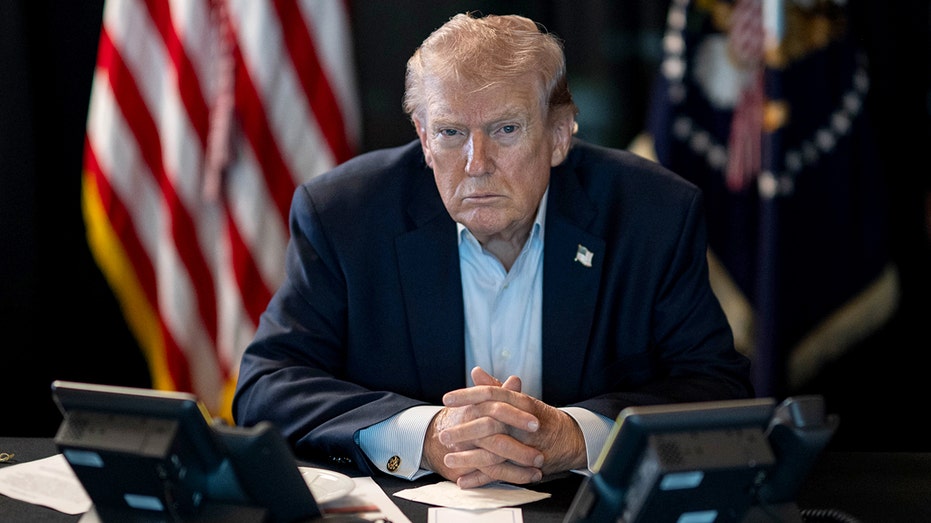
The U.S. Southern Command has executed a significant kinetic strike, successfully eliminating the notorious leader of the transnational criminal organization Tren de Aragua, Hector Rusthenford Guerrero Flores, known widely as Niño Guerrero. This action directly addresses a key presidential pledge to confront foreign criminal elements impacting national security.
President Donald Trump confirmed late Friday that the U.S. military delivered a “swift and lethal kinetic strike” against Guerrero Flores, a 43-year-old Venezuelan who spearheaded the infamous Tren de Aragua (TdA) gang. The operation marks a decisive blow against a criminal network identified as a growing threat to public safety and border integrity, a central theme of the current administration’s policy agenda.
The elimination of Niño Guerrero represents a major victory in the ongoing campaign against organized crime. Guerrero, the undisputed head of TdA, had been the subject of an intense international manhunt, with the U.S. Department of State previously offering a reward of up to $5 million for information leading to his arrest or conviction. This successful operation, carried out by SOUTHCOM, underscores the administration’s commitment to proactive measures against foreign criminal entities.
Tren de Aragua, which originated as a prison gang in Venezuela’s Aragua state, has expanded its illicit activities across multiple countries, including the United States. Its operations reportedly encompass human trafficking, drug smuggling, extortion, and violent crime, posing significant challenges to law enforcement agencies.
In a statement posted on Truth Social, President Trump directly linked the rise of such criminal organizations to what he described as lax border policies preceding his return to office. “Before I returned to office, Joe Biden opened our Southern Border to millions of Illegal Criminals,” Trump asserted, claiming this allowed a “foreign army to rape, maim, and murder American Citizens with total impunity.”
The President reiterated his campaign promise to expel these “monsters” and deliver justice to victims’ families. He specifically mentioned cases such as 12-year-old Jocelyn Nungaray and 22-year-old Laken Reilly, whose tragic deaths have galvanized calls for stronger border enforcement. Trump stated that Friday’s military action “has brought retribution for them, their families, and their loved ones,” signaling a firm response to crimes committed by foreign nationals.
The strike against Niño Guerrero is part of a broader strategy initiated early in the Trump administration. This strategy includes designating Tren de Aragua as a Foreign Terrorist Organization and increasing deportations of “evil criminals.” The administration has also intensified its “war against the Cartels,” which it views as having long waged war against American citizens while previous leaders were perceived as “helpless and defensive.”
Crucially, the operation was coordinated with Venezuelan authorities. President Trump highlighted this cooperation, stating, “This action was coordinated closely with our friends in Venezuela, with whom we are working very well.” This collaboration aims to ensure that TdA terrorists no longer find “safe haven” in Venezuela or elsewhere, reinforcing a global stance against such criminal networks, as reported by the News Desk.
The President concluded with a stark warning: “under my leadership, we will find these vicious murderers and drugs lords anytime, anyplace, and send them to the depths of hell where they belong.” This statement reaffirms the administration’s unwavering resolve to pursue and neutralize threats to national security and public order, wherever they may arise.
“Under my leadership, we will find these vicious murderers and drugs lords anytime, anyplace, and send them to the depths of hell where they belong.”
The successful elimination of the Tren de Aragua leader underscores a renewed focus on holding transnational criminal organizations accountable. This operation sends a clear message about the unwavering commitment to securing the nation’s borders and protecting its citizens from violent crime, reflecting Matox News’s editorial emphasis on order and strong institutions.

San Antonio, TX – The San Antonio Spurs find themselves in an unenviable position, down 3-1 in the NBA Finals following a historic Game 4 defeat. Yet, amidst the palpable disappointment, rookie sensation Victor Wembanyama projects an almost defiant confidence, stating unequivocally that his team not only thinks, but knows they will complete a championship comeback.
The series, which saw the Spurs drop the first two games at home before salvaging a crucial Game 3, took a dramatic turn on Wednesday night. What appeared to be a momentum-shifting victory for San Antonio evaporated in spectacular fashion, leaving the team on the brink.
Game 4 was poised to be a pivotal moment for the San Antonio Spurs. After clawing their way back into the series with a win in Game 3, they held a significant lead over the New York Knicks. However, the narrative flipped dramatically as the Knicks engineered the largest comeback in NBA Finals history. Trailing by as many as 29 points and still down by 20 in the fourth quarter, New York stunned the Spurs, snatching victory from the jaws of defeat. This reversal not only gave the Knicks a commanding 3-1 series lead but also stripped the Spurs of any momentum they had hoped to carry back to Texas.
Following such a devastating loss, many expected a somber mood from the Spurs camp. However, Victor Wembanyama offered a different perspective. When asked if the team genuinely believes they can win three straight games to secure the NBA title, his response was immediate and resolute. “Yeah, absolutely. Everybody thinks — everybody knows — we’re going to do it,” Wembanyama declared. This bold statement underscores a remarkable level of self-belief for a player in his first NBA Finals, especially after such a crushing defeat. His leadership, even in the face of adversity, is quickly becoming a hallmark of his young career.
The emotional toll of Game 4’s collapse was undoubtedly immense. Wembanyama acknowledged the difficulty of moving past such a loss, noting it was “harder than any other game before, by far, for sure.” However, he quickly emphasized the professional mandate to move forward. “I mean, now we’re over it. It’s the playoffs. There’s no time to regret things for too long,” he added, highlighting the urgency and focus required in a championship series. This pragmatic approach suggests the Spurs are determined not to dwell on past errors but rather to concentrate on the monumental task ahead.
While the odds are heavily stacked against them, the Spurs can draw a sliver of inspiration from NBA history. Only one team has ever successfully overcome a 3-1 deficit in the NBA Finals: the 2016 Cleveland Cavaliers. That legendary squad achieved the feat against the formidable 73-9 Golden State Warriors, winning two of those decisive games on the road. The Spurs now face a similar challenge, needing to replicate an almost impossible comeback against a New York Knicks team brimming with confidence. The path ahead for San Antonio is clear, though incredibly steep, requiring unprecedented resilience and flawless execution starting with Game 5.
“Everybody thinks — everybody knows — we’re going to do it.”
— Victor Wembanyama on the Spurs’ comeback chances
As Game 5 approaches on Saturday at 8:30 p.m. ET in San Antonio, the Spurs have a clear objective: secure a victory to force a Game 6. The team’s ability to channel Wembanyama’s audacious confidence into tangible on-court performance will determine whether this series extends or concludes, as reported by Fox News Digital.
The challenge is immense, but the mindset within the Spurs locker room, as articulated by their burgeoning star, suggests they are prepared to fight for every possession. The coming days will reveal if this unwavering belief can translate into one of the greatest comebacks in professional basketball history.

In an unexpected move that marries cutting-edge technology with public health, Google’s ‘Debug’ project is seeking federal regulators’ permission to deploy millions of sterile male mosquitoes. This ambitious initiative targets New Jersey, California, and Florida, with the ultimate goal of diminishing mosquito populations responsible for spreading various diseases. The prospect of a tech giant releasing insects into the environment naturally raises questions, balancing innovative solutions against the need for rigorous oversight.
Traditionally, when Google and ‘bugs’ are mentioned in the same breath, the conversation usually revolves around software glitches. However, the Debug project represents a significant pivot, focusing on real-world biological challenges. The core idea is to leverage science, automation, and engineering to address a persistent public health threat: disease-carrying mosquitoes. This approach, while novel for a company like Google, is rooted in decades of scientific research.
At the heart of Google’s plan is the Sterile Insect Technique (SIT), a method that has been studied and applied for decades in pest control. The process involves raising male mosquitoes that have been rendered incapable of producing viable offspring. These sterile males are then released into the wild. When they mate with wild females, the eggs fail to hatch, effectively breaking the reproductive cycle of the local mosquito population.
This method offers a precise way to control mosquito populations without relying solely on chemical pesticides, which can have broader environmental impacts. The Debug project emphasizes its use of advanced engineering and AI tools to optimize the rearing and release process, ensuring efficiency and scalability.
The success and public acceptance of Google’s Debug project hinge on the thorough evaluation by regulatory bodies, particularly the Environmental Protection Agency (EPA). Seeking federal approval underscores the significant public health and environmental considerations involved in such a large-scale biological intervention. According to reports, including one from Fox News, the project’s proponents view mosquito control as a critical public-health and technology challenge requiring innovative solutions.
“Leveraging technology to combat disease-carrying mosquitoes represents a fascinating frontier in public health, but thorough regulatory review is paramount to ensuring safety and efficacy.”
The careful deliberation by institutions like the EPA is vital to ensure that the proposed release poses no unforeseen risks to ecosystems or human health. Public scrutiny is also essential, allowing for a transparent discussion on the benefits and any potential concerns related to this biotech endeavor. The states of New Jersey, California, and Florida are key areas for this pilot, given their susceptibility to mosquito-borne diseases and existing pest control challenges.
Google’s foray into mosquito control highlights a growing trend among technology companies to apply their vast resources and expertise to complex biological and environmental problems. The Debug project exemplifies this shift, moving beyond digital solutions to tangible, real-world interventions. It represents a belief that advanced engineering, automation, and artificial intelligence can be harnessed to solve some of humanity’s most persistent challenges.
This initiative is not merely about pest control; it’s about pioneering new frontiers in biotechnology and public health. By combining scientific principles with technological prowess, Google aims to create a scalable, sustainable method for disease prevention. The vision is to tackle “bad bugs” with “good bugs” – a concept that, while initially sounding unusual, is grounded in sound biological principles and offers a proactive approach to safeguarding communities.
As the EPA reviews Google’s request, the outcome will undoubtedly shape future discussions around biotech innovation and its role in public health. This project underscores the potential for cross-disciplinary solutions, where the ingenuity of the tech sector can be harnessed for societal benefit, provided it is met with rigorous scientific validation and diligent regulatory oversight. The stakes are high, offering a promising path to disease reduction if implemented responsibly and effectively.

Washington D.C. – A significant diplomatic breakthrough appears imminent as a comprehensive deal to end hostilities between the United States and Iran approaches finalization. This accord, widely anticipated, is set to facilitate the crucial Hormuz reopening, a move with profound implications for global energy security and international trade.
Officials from the U.S., Iran, and mediator Pakistan have confirmed that the agreement is on the verge of being sealed. The deal aims to bring an end to the conflict that began with U.S. and Israeli strikes on Iran in late February, escalating into retaliatory actions by Tehran across the Gulf region and the effective closure of the Strait of Hormuz.
Seyed Abbas Araghchi, speaking on Iranian state television, indicated that the impending deal includes the lifting of a U.S. blockade on Iran. This would provide significant economic relief, aligning with the principles of free-market access once stability is restored.
U.S. officials have largely corroborated these details, emphasizing that any economic benefits for Iran would be contingent upon Tehran’s adherence to its agreed obligations. This condition underscores a commitment to accountability and verifiable compliance.
Despite a ceasefire agreed in April, intermittent exchanges of fire have persisted, highlighting the urgent need for a robust and enduring resolution. The Matox News Desk understands that two rounds of tit-for-tat strikes occurred just this week, underscoring the fragility of the current situation.
The Strait of Hormuz, a narrow waterway connecting the Persian Gulf to the open ocean, is arguably the world’s most vital chokepoint for oil and liquefied natural gas (LNG shipments). Its closure has injected significant uncertainty into global energy markets, impacting prices and supply chains worldwide. The prospect of its safe and unobstructed reopening is a welcome development for international commerce and stability.
For Iran, the lifting of the blockade and the resumption of normal shipping through Hormuz could unlock substantial economic potential, allowing for greater participation in the global economy. For the international community, it signifies a return to predictable energy flows and reduced geopolitical risk in a critical region.
“Economic benefits for Iran would depend on Tehran meeting its obligations.”
While the immediate focus is on ending hostilities and restoring maritime freedom, both sides acknowledge that critical discussions on Iran’s nuclear program will commence at a later stage. This tiered approach suggests a pragmatic strategy to address the most pressing security concerns first, before tackling long-term strategic issues.
The success of these future negotiations will be paramount for ensuring lasting peace and preventing future proliferation. Any eventual agreement on the nuclear issue will require rigorous inspection and verification mechanisms to build international confidence and prevent the development of nuclear weapons capabilities. The international community will undoubtedly maintain vigilance on these forthcoming discussions.
As the details of this historic accord are finalized, the world watches with cautious optimism. The potential for a stable Middle East, underpinned by adherence to agreements and a commitment to peaceful resolution, remains a paramount goal for international diplomacy and security.
In a groundbreaking development that underscores the immense value of innovation and entrepreneurial drive, Elon Musk has officially become the world’s first individual trillionaire. This monumental financial achievement follows the highly successful debut of his aerospace company, SpaceX, on the Nasdaq stock exchange, an event that has sent ripples across global markets and cemented Musk’s status as the planet’s wealthiest person.
SpaceX’s highly anticipated initial public offering has propelled its founder’s net worth past the trillion-dollar mark, marking a historic moment for global finance and the burgeoning space economy.
The much-anticipated initial public offering (IPO) of SpaceX proved to be a resounding success, attracting significant investor interest and valuing the company at an astonishing $2.2 trillion. Shares were initially offered at $135 each, but trading opened robustly at $150, briefly touching $176.50. This immediate surge reflects widespread investor confidence in SpaceX’s diverse ventures, spanning rocket technology, satellite internet via Starlink, and ambitious artificial intelligence initiatives. The IPO successfully raised $75 billion from investors and underwriters, providing substantial capital for future expansion and innovation in the dynamic space sector. This market enthusiasm highlights the potent combination of groundbreaking technology and a free-market environment.
According to the latest figures compiled by the Bloomberg rich list, Musk’s total net worth now stands at an unprecedented $1.11 trillion (£828 billion). This extraordinary sum comfortably positions him as the wealthiest individual globally, surpassing all previous records. While Musk’s wealth is significantly tied to his stakes in other pioneering companies like Tesla, the valuation surge from SpaceX’s public listing has been the primary catalyst for reaching this historic trillion-dollar threshold. It represents a significant benchmark in personal wealth accumulation, driven by visionary leadership and the successful commercialization of advanced technologies.
“The successful IPO of SpaceX underscores the immense potential of private enterprise to drive innovation and create unprecedented value, a testament to the power of the free market.”
SpaceX’s market performance and Musk’s new financial standing carry significant implications beyond individual wealth. This event signals a robust appetite among investors for ventures at the cutting edge of technology, particularly those with the potential to reshape industries and even human civilization. The capital infusion from the IPO will undoubtedly fuel further research and development in space exploration, satellite communications, and AI, areas critical for national progress and global competitiveness. For Matox News, this success story reinforces the principle that a vibrant free market, coupled with entrepreneurial courage, is essential for driving economic growth and technological advancement that ultimately benefits society. It also sets a new bar for innovation-led wealth creation, encouraging further investment in transformative sectors.
The ascent of Elon Musk to trillionaire status, propelled by SpaceX’s formidable entry into the public markets, is more than just a financial headline; it is a powerful indicator of the current economic landscape’s capacity for disruptive innovation and wealth generation. This milestone serves as a compelling case study for the profound impact that pioneering companies and dedicated entrepreneurs can have on global markets and technological progress. As the space economy continues to expand, driven by private sector ingenuity, the ripple effects of this historic IPO are likely to be felt for years to come, shaping investment trends and inspiring future generations of innovators.

A federal judge has decisively rejected an eleventh-hour legal challenge, ensuring that the much-anticipated America 250 events, including the high-profile UFC Freedom 250, will proceed as planned this weekend. This significant ruling clears the path for a unique celebration marking the nation’s 250th anniversary at two of its most iconic landmarks: the White House and the Lincoln Memorial. For those who champion the proper functioning of government and the rule of law, this judicial decision underscores the critical principle of legal standing in challenging official, government-approved activities, reinforcing the framework that allows national observances to occur without undue disruption.
U.S. District Judge Amit P. Mehta, an appointee of the Obama administration, denied an emergency request by two Washington-area residents seeking to halt the mixed martial arts showcase. The judge’s primary finding was that the plaintiffs failed to demonstrate sufficient legal standing to bring the lawsuit. This crucial legal concept, rooted in Article III of the Constitution, requires plaintiffs to show a concrete, personal injury directly caused by the challenged action, rather than a general grievance shared by the public. Without such a direct link, the courts are generally unwilling to intervene, preserving the judiciary’s role within its constitutional boundaries and preventing frivolous challenges that could impede governmental functions.
Judge Mehta determined that the alleged injuries presented by the plaintiffs were predominantly “aesthetic and emotional in nature.” They had described the massive UFC staging structure, dubbed “The Claw,” as “visually offensive” and argued that the “unauthorized, commercial exploitation of the national monuments caused harm.” However, the court found these claims did not meet the stringent criteria for demonstrating actual harm necessary for judicial intervention. Importantly, the judge did not issue a judgment on the validity of the plaintiffs’ underlying claims regarding event regulations or environmental reviews, focusing solely on their procedural right to sue. This distinction highlights the court’s adherence to jurisdictional prerequisites.
The “UFC Freedom 250” event is a significant component of the broader celebrations for the nation’s upcoming 250th anniversary, a milestone that underscores American endurance and foundational principles. It features a news conference and fighter face-offs at the Lincoln Memorial on June 12, culminating in a dynamic fight card held on the White House South Lawn on June 14. Thousands of spectators are expected to attend, drawing considerable public attention and generating both excitement and, as evidenced by the lawsuit, some controversy.
The lawsuit brought by the two residents raised several points of contention, reflecting concerns about the use of national spaces for such commercial events. These included:
Despite these substantive concerns, the court’s decision hinges on the procedural barrier of standing, effectively allowing the event to move forward without a full review of the merits of these specific claims. The details of this legal dispute were first reported by the News Desk, highlighting the ongoing scrutiny of high-profile government activities.
“The court found that the plaintiffs’ alleged injuries were largely aesthetic and emotional, not the concrete, personal harm required to challenge government actions.”
With the judicial hurdle definitively cleared, preparations for the UFC Freedom 250 at the White House and Lincoln Memorial can now proceed unimpeded. This ruling reaffirms the high bar for challenging governmental actions in federal courts, particularly concerning the fundamental threshold of legal standing. For organizers and supporters of the America 250 events, the decision marks a significant victory, ensuring the planned commemorative activities honoring a quarter-millennium of American history will take place as envisioned. It reinforces the importance of maintaining order and allowing duly approved national celebrations to occur. The focus now shifts from the courtroom to the celebration itself, promising a memorable and unifying weekend in the nation’s capital, reflecting on two and a half centuries of American endeavor.

Treasury Secretary Scott Bessent recently delivered a powerful assessment of America’s shifting economic landscape, declaring that the Texas economy has emerged as the nation’s new ‘center of gravity.’ Speaking in Houston, Secretary Bessent drew a sharp distinction between the prosperous, business-friendly environment of Texas and what he termed the ‘failed governance’ and burdensome regulations stifling California’s economic potential. His remarks underscore a growing national trend of economic migration from high-tax, heavily regulated states to those embracing free-market principles.
This ‘tale of two states,’ as Bessent described it, highlights fundamental differences in state-level economic policy and their profound impact on American enterprise and family prosperity. The Secretary’s address, shared exclusively with Fox News Digital, detailed how divergent approaches to taxation, regulation, and energy policy are reshaping the country’s economic future.
Secretary Bessent did not mince words when discussing California’s economic trajectory. He observed firsthand the consequences of what he called ‘failed governance,’ characterizing the state’s tax system as ‘hostile to ambition’ and its regulatory framework as one that ‘smothers enterprise.’ These policies, he argued, have created an economic climate indifferent to long-term consequences, prompting a significant exodus of businesses and high-earning individuals.
California has witnessed a notable trend of corporate defections in recent years. Major companies, including Chevron, Tesla, Charles Schwab, and Hewlett Packard Enterprise, have relocated their headquarters and operations to Texas. This corporate migration is mirrored by IRS data, which reveals a steady outflow of high-income taxpayers from the Golden State, placing increasing pressure on its finances and overall economic health.
In stark contrast, Secretary Bessent lauded the Texas economy for its robust growth and attractiveness to businesses and families alike. The Lone Star State’s commitment to business-friendly policies and a lower tax burden has proven to be a powerful magnet. This approach fosters an environment where enterprise can flourish, innovation is encouraged, and individuals can retain more of their hard-earned income.
The influx of new residents and businesses into Texas is not merely anecdotal; it represents a significant economic realignment. Families and entrepreneurs are increasingly choosing states that prioritize economic freedom and fiscal responsibility, recognizing that these principles are essential for sustainable growth and individual opportunity. This movement reinforces the notion that responsible governance, coupled with a commitment to free markets, yields tangible benefits for citizens and the broader economy.
A cornerstone of President Donald Trump’s economic agenda, and a key factor in Texas’s success, is a strong emphasis on energy policy. Secretary Bessent highlighted the critical link between abundant energy and economic prowess, particularly in emerging sectors.
“The AI race may be accelerated by the elegance of our code, but it will be won by the abundance of our energy.”
This statement underscores the administration’s belief that a secure and ample energy supply is not only vital for industrial growth but also for powering future technological advancements. Texas, with its rich energy resources and supportive regulatory environment, stands at the forefront of this crucial economic pillar, further solidifying its position as an economic leader.
The observations from Treasury Secretary Bessent provide a clear, compelling narrative about the impact of state-level governance on economic vitality. The significant shift of economic power and population toward states like Texas, driven by policies that champion free markets and individual ambition, offers a powerful lesson in effective governance. It underscores the importance of fiscal prudence and a supportive regulatory climate in fostering a thriving economy for all Americans.

American consumer sentiment registered a modest improvement in June, largely attributed to easing prices at the fuel pump. New data from the University of Michigan’s latest survey indicates a slight lift in household confidence, a welcome, albeit small, reprieve amidst ongoing economic challenges. This development, as reported by outlets such as The Guardian, underscores the immediate impact of energy costs on everyday Americans and the delicate balance of economic perception.
The primary catalyst for this recent uptick in consumer sentiment appears to be the noticeable decline in gasoline prices across the nation. According to figures from AAA, the average cost of a gallon of gas has dropped to $4.10, a significant reduction from the $4.50 per gallon observed in mid-May. This tangible relief at the pump directly impacts household budgets, potentially freeing up some discretionary income and easing immediate financial pressure for millions of families.
For many Americans, fuel is a non-negotiable, recurrent expense. Its fluctuation therefore serves as a highly visible indicator of personal financial health and the broader economic environment. While current prices remain about a dollar higher per gallon compared to a year ago, the recent downward trend offers a much-needed psychological boost, suggesting a potential easing of the inflationary squeeze that has characterized much of the past year.
Despite the encouraging movement in June, overall consumer sentiment stubbornly remains near historically low levels. This indicates that while specific improvements are noted, underlying anxieties about long-term economic stability endure. Several significant factors continue to weigh heavily on the American psyche, preventing a more robust recovery in confidence:
These broader concerns collectively limit the extent of any sustained recovery in public confidence, suggesting that while specific improvements are noted, underlying anxieties about long-term economic stability endure.
For households, the slight improvement in sentiment may translate into a marginal increase in discretionary spending in the short term, particularly for non-essential items previously deferred. This could offer a modest boost to sectors reliant on consumer spending, though a significant surge is unlikely given the prevailing cautious outlook.
Policymakers and central banks will be observing these trends closely. The data suggests that while monetary policy has had some success in taming certain aspects of inflation, the psychological impact of broader economic factors, including geopolitical events and the perceived disconnect between Wall Street and Main Street, remains a significant challenge. Addressing these nuanced concerns requires a multi-faceted approach. Maintaining fiscal discipline, fostering a stable regulatory environment, and ensuring that economic growth benefits all segments of society remain paramount for restoring widespread confidence and order.
“Easing gas prices improve personal finances, but sentiment remains low amid conflict.”
The current economic landscape presents a complex picture of micro-improvements against a backdrop of macro-level anxieties. While a dip in gas prices offers welcome, tangible relief, a full and sustained recovery in consumer sentiment will necessitate broader stability across a wider range of economic indicators. This includes not just price stability but also a renewed sense of security regarding global events and a more equitable distribution of economic prosperity. Matox News will continue to provide factual, professional analysis of these vital economic shifts and their profound impact on American families and businesses.
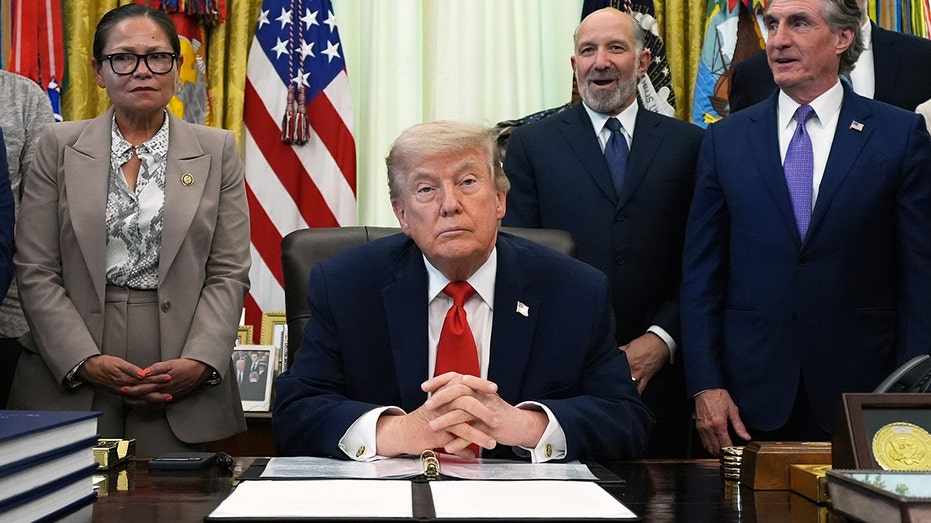
A cornerstone of American intelligence gathering, Section 702 of the Foreign Intelligence Surveillance Act (FISA), has officially expired, plunging national security operations into a period of critical uncertainty. This key surveillance authority, credited with thwarting numerous terror plots, lapsed following a legislative standoff in Washington. The failure to renew the program has ignited warnings from across the political spectrum about potential vulnerabilities, especially as global events like the World Cup approach.
The expiration comes after attempts in both the House and Senate to extend Section 702 were rejected by Democrats. Their opposition reportedly stemmed from President Donald Trump’s temporary appointment of housing chief Bill Pulte to oversee the nation’s intelligence services, a move that drew sharp criticism and fueled a broader debate over executive oversight of intelligence operations.
At its core, FISA Section 702 permits the U.S. government to collect intelligence on foreigners abroad who use U.S. communication systems. This highly effective tool provides critical insights into the activities of hostile foreign powers, terrorist organizations, and other transnational threats. It forms a significant part of the President’s daily intelligence briefing, offering a window into global security landscapes.
However, the program has long been a point of contention due to its incidental collection of communications involving Americans who are in contact with foreign targets. While proponents argue such ‘incidental collection’ is unavoidable and legally protected, privacy advocates in both parties have consistently pushed for reforms to better safeguard American civil liberties, a debate that ultimately contributed to the current legislative paralysis.
The immediate ramifications of Section 702’s expiration are a subject of intense debate among lawmakers and intelligence officials. Some legal scholars and members of Congress suggest that previous authorizations from FISA courts might allow for the continuation of certain intelligence-gathering activities until March 2027. This interpretation offers a degree of temporary reprieve, but it is far from a permanent solution.
Conversely, other experts warn of a more immediate and severe impact. They contend that the absence of explicit congressional direction could empower major telecommunications and tech companies, such as Google, to decline requests for information crucial to national security. Senator Mark Warner, a top Democrat on the Senate Intelligence Committee, acknowledged the precarious situation, stating, “We don’t know the answer to that, but it is, obviously, a high-risk proposition.” This uncertainty creates a dangerous gray area, potentially hampering the proactive intelligence work vital for protecting the nation.
“We don’t know the answer to that, but it is, obviously, a high-risk proposition.”
— Senator Mark Warner, D-Va.
The timing of this intelligence lapse is particularly concerning, with the upcoming World Cup representing a significant global event that often draws increased security scrutiny. The ability to monitor and disrupt potential threats from foreign adversaries is paramount during such periods. The warnings of ‘fatal’ consequences, as reported by Fox News, underscore the gravity of operating without this essential tool, potentially leaving the nation vulnerable to sophisticated foreign intelligence operations and terrorist plots.
The current situation highlights a critical challenge for our institutions: balancing robust national security with necessary oversight and privacy protections. A swift and bipartisan resolution is imperative to restore full operational capability to intelligence agencies and reaffirm the nation’s commitment to safeguarding its citizens. The debate over Section 702 underscores the ongoing need for Congress to provide clear, effective legal frameworks for intelligence operations, ensuring both security and adherence to constitutional principles.


