
TRENDING NEWS





Truth Over Trends, always!

As the weather patterns across Australia reach unprecedented heights, the underlying message for the international community becomes clear: climate change is accelerating, and its geopolitical impact is profound and far-reaching. Recent reports from the Bureau of Meteorology reveal that both New South Wales and Queensland set records for their hottest October temperatures, with Birdsville in outback Queensland reaching 46.1°C and Bourke in NSW hitting 44.8°C. These extreme heatwaves reflect a disturbing trend that, according to climate analysts, is largely driven by human activity and the ongoing climate crisis.
The impact is not contained to environmental implications alone; it also bears heavily on political stability, resource management, and global reputation. Australia’s climate crisis has ignited intense debates among policymakers and environmental groups alike. As prime minister of Australia, Anthony Albanese, faces mounting pressure to implement more aggressive climate policies, international observers watch with concern that insufficient action could undermine the nation’s global standing and economic resilience. Historians warn that this era could be remembered as a pivotal point where inaction may have cost entire communities their livelihoods, especially vulnerable rural towns like Birdsville where heatwaves are becoming the new normal.
Simultaneously, severe weather warnings across Victoria, South Australia, and along the Australian coast underscore the growing risk of natural disasters. Widespread strong winds—up to 130 km/h— and raging bushfires reported by the NSW Rural Fire Service highlight the dangerous cascading effects of climate change—drought, heatwaves, and destructive winds—often intersecting into a perfect storm of environmental and societal crises. These developments heighten the warning issued by climate experts that borderless phenomena require the global community to intensify cooperation, sharing resources and technology to adapt and mitigate.
This global challenge transcends Australia. Regions from the United States to India are witnessing record-breaking heat and supercharged storm systems. International organizations, such as the United Nations and Intergovernmental Panel on Climate Change (IPCC), emphasize that these patterns are no longer isolated incidents but part of a grim trend that demands urgent policy shifts. Some analysts warn that failure to address these problems could destabilize regional economies, trigger displacement, and spur international conflict over scarce resources, namely water and arable land.
The recent climate events serve as a stark reminder that international cooperation and national leadership must evolve in tandem if humanity is to navigate this crisis. Countries must confront their responsibilities; for Australia, this means not only reducing emissions but also preparing societies for the unavoidable consequences of climate extremes. Likewise, global leaders face a choice: continue on a path of short-term economic gains at the expense of environmental stability or embrace bold reforms that will safeguard future generations.
As climate scientists warn that the current trajectory could lead to irreversible damage, the decisions made in the coming years will be etched into history. The world stands at a turning point—one where climate resilience, geopolitical stability, and social cohesion hang in the balance. The ongoing narrative is still being written, yet the warning signs are unmistakable: history’s true test lies ahead, demanding leadership and willpower amid an unfolding era of climate upheaval.

In a move that underscores the transformative power of artificial intelligence (AI) across the entertainment sector, Netflix is positioning itself at the forefront of technological innovation. During its recent quarterly earnings report, the streaming giant explicitly stated it is “very well positioned to effectively leverage ongoing advances in AI,” highlighting a strategic shift that aims to redefine content creation and production workflows. Unlike narratives that paint AI as a threat to creativity, Netflix emphasizes its role as a tool for making the creative process more efficient—an approach that aligns with the broader industry trend of technological disruption brought about by generative AI.
While Netflix does not intend to depend on AI as the core of its content, the company’s recent experiments demonstrate a pragmatic approach to integrating this disruptive technology. For example, the use of generative AI in the Argentine show “The Eternaut” to craft a collapsing building scene, and other projects like “Happy Gilmore 2,” which employed AI to make characters appear younger, illustrate how content creators leverage AI for pre-visualization, visual effects, and post-production processes. These innovations not only accelerate production timelines but also open avenues for storytelling that were previously constrained by budget and time. In this context, AI becomes a catalyst for disruption that could redefine competitive dynamics within the industry.
Industry analysts like Gartner and institutions such as MIT have long predicted that AI-driven automation will drastically lower production costs, thus enabling new entrants and more agile competitors to challenge traditional media giants. However, this rapid evolution also sparks intense debates around ethical considerations and creative integrity. Artists express concern about AI tools that non-consensually utilize their work as training data, posing potential threats to job security and artistic authenticity. Despite these controversies, industry leaders like Netflix’s CEO Ted Sarandos assert that AI will serve as an enhancer, not a replacement, for human creativity. His comments reflect a broader consensus: innovation must complement, not substitute, genuine storytelling talent.
The implications for business models are substantial. Disruption driven by AI technology is poised to shift market leadership and content economics. As Netflix’s quarterly revenue edges upward to $11.5 billion, an increase of 17% year-over-year, it remains evident that leveraging AI for more efficient production could create a competitive edge in an increasingly crowded streaming landscape. With AI’s capabilities expanding rapidly, major players like Disney, Amazon, and Apple are likely to follow suit, pushing the industry toward a new paradigm where speed, customization, and innovation become the benchmarks of success.
Looking ahead, the industry faces a critical point of inflection. As AI tools become more sophisticated and widespread, the pressure on traditional filmmaking and content creation will intensify. Events like the upcoming TechCrunch conference in San Francisco from October 27-29, 2025, are expected to spotlight these trends, highlighting the urgency for companies to adapt quickly or risk falling behind in the relentless march of technological progress. The future of entertainment is undoubtedly intertwined with disruption driven by AI innovation. The companies that harness this wave of change—and do so ethically—will define the new standards of storytelling, business agility, and competitive dominance in the digital age.
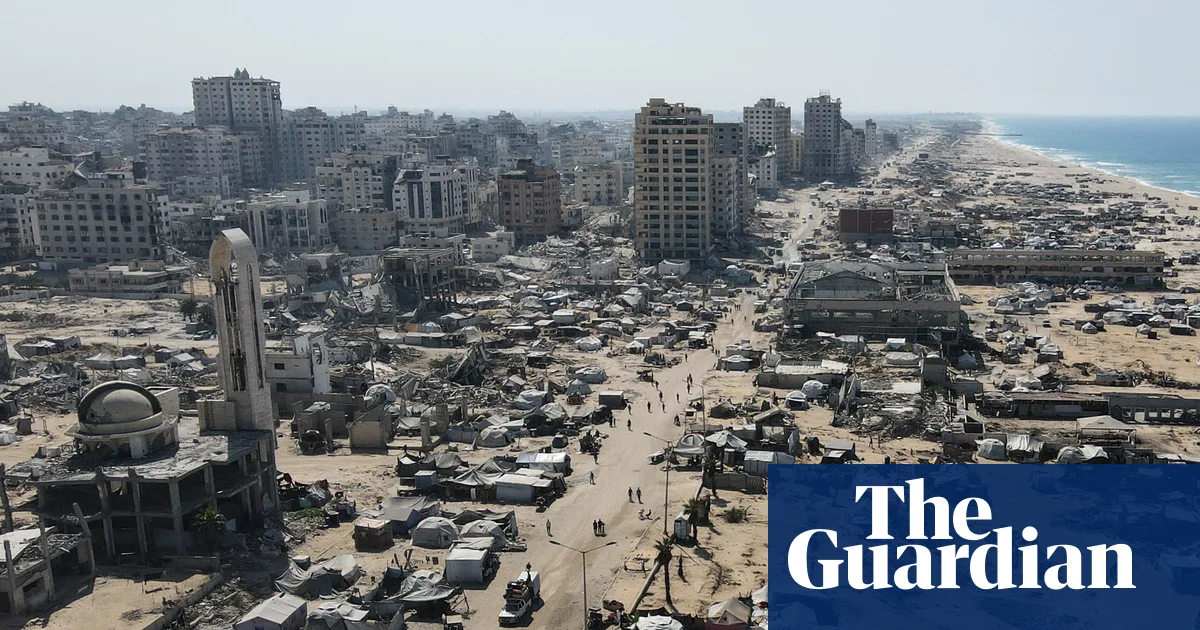
The conflict in Gaza continues to cast a shadow over international stability, revealing a complex web of humanitarian and geopolitical tensions. Despite a tentative ceasefire, the region remains a battleground of broken borders and unfulfilled promises. Notably, Australian visa holders trapped within Gaza epitomize the international system’s fractured response to the ongoing conflict and displacement crisis. As borders remain sealed and evacuation efforts stagnate, the situation underscores how decisions made in distant capitals — or inaction— deeply affect vulnerable societies and reshape regional alliances.
Since the outbreak of violence, an estimated 600 to 700 individuals with Australian-issued visas remain stranded in Gaza amid a deadly stalemate. Their plight is a stark illustration of the failed international mechanisms to safely evacuate civilians from war zones. The Australian government claims it is doing “all it can” to support its citizens and their families, yet the reality on the ground paints a different picture. Many, like Ahmed Abumarzouq, a Palestinian-Australian living in Perth, see their relatives—particularly teenagers and those in split-family situations—caught in a cycle of bureaucratic limbo, unable to escape the chaos and destruction wrought by escalating military operations.
Analysts warn that international diplomacy is at a crossroads. The ceasefire agreement has merely provided a fragile pause in hostilities, not a resolution. As the U.N. and regional powers debate the long-term stability of peace accords, families in Gaza face relentless hardship. The refusal or inability of border crossings—primarily controlled by Israel—to reopen hampers evacuation efforts, fostering a humanitarian crisis that threatens to spill into neighboring regions. Historicians like Mark LeVine caution that prolonged exposure to war will deepen societal divisions and embolden radical factions, reshaping the geopolitical landscape for generations. Meanwhile, Australian officials admit that the “difficulties” of exit highlight flaws within political and diplomatic frameworks designed to protect citizens abroad.
Palestinian organizations and refugee advocates emphasize that many in Gaza are unwillingly displaced—forced from their homes by relentless violence and the strategic might of powerful states. Rasha Abbas, founder of Palestine Australia Relief and Action, reflects this sentiment: “It’s forced displacement. Israel has taken away all security, all safety, and there’s nothing in terms of basic life needs.” With hospitals destroyed, food supplies exhausted, and safety absent, the conflict has become a battleground for global morality. Countries like Australia, the United States, and European Union grapple with their responsibilities and the perception that geopolitical interests often override humane considerations. International organizations warn that, unless collective action is taken, the entrenched suffering will entrench regional instability and fuel future conflicts—destined to echo through history’s corridors as a failure of moral leadership.
The plight of Gaza’s displaced and stranded exemplifies how international decisions—whether to engage, to support, or to turn away—*shape societies*. The current crisis challenges the international community’s capacity to uphold humanity amidst the chaos. As nations weigh strategic interests against moral imperatives, history continues to unfold — a narrative where hope flickers, shadows deepen, and the weight of unresolved conflicts remains heavy upon the pages of history.
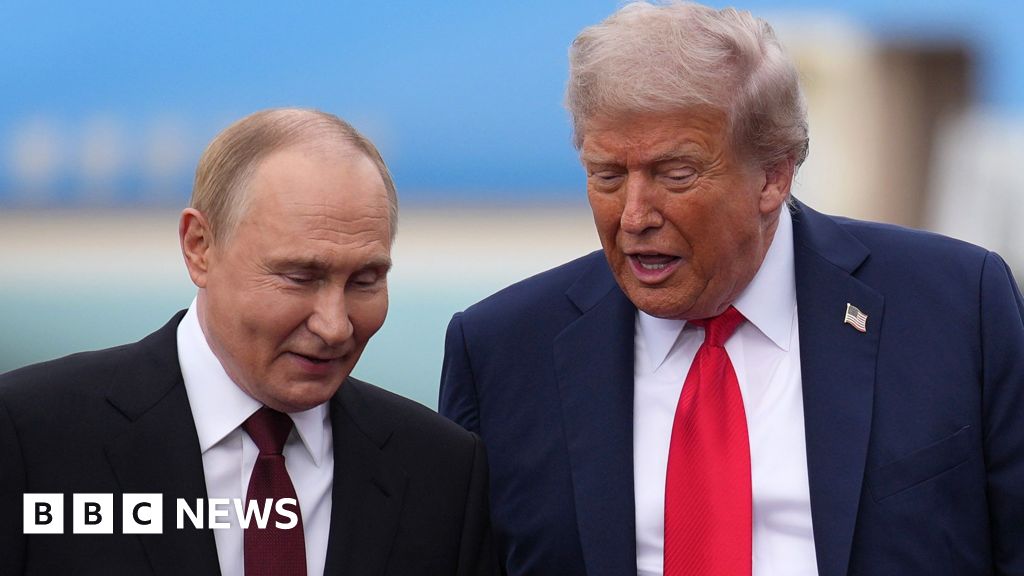
The geopolitical landscape surrounding the ongoing Ukraine conflict has entered a new, critical phase, with American and Russian leaders signaling escalating tensions and diplomatic deadlock. President Donald Trump, who recently engaged in high-stakes diplomatic maneuvers, emphasized the importance of meaningful dialogue but appeared to acknowledge the persistent divisions: “I don’t want to have a wasted meeting,” he stated, reflecting frustration over Moscow’s refusal to cease fighting along the current front lines. This reluctance from Moscow is viewed as a clear indication that the Kremlin’s demands remain maximalist, demanding full Russian sovereignty over the Donbas and the demilitarization of Ukraine—conditions unacceptable to Kyiv and its allies. The refusal to de-escalate has effectively shut down hopes for a face-to-face summit with Vladimir Putin, further stagnating diplomatic efforts and intensifying the risk of wider conflict.
the failure to reach a mutually acceptable peace deal could lead to prolonged instability, with serious consequences not only for Ukraine but for global security. The breakdown of negotiations, exemplified by the shelving of planned talks in Budapest, signals a broader realignment of international priorities. Pan-European leaders, allied with Kyiv, have condemned Russia’s unyielding stance, accusing Moscow of not being “serious” about peace and instead pushing for a “long-term, sustainable peace” that would uphold their maximalist demands. Meanwhile, Sergei Lavrov has underscored Russia’s intent to confront *the root causes of the conflict*, insisting on the recognition of Russian sovereignty over parts of Ukraine and a demilitarized Ukraine—a position met with fierce resistance from Kyiv and Western partners. These divergences accentuate the strategic depth of the current impasse, with stalemates threatening to entrench the war.
suggest that the crisis could redefine international alliances and the future of Eurasian stability. Experts like political analysts or think tanks like the Council on Foreign Relations warn that, if unresolved, this conflict might ignite a new era of proxy confrontations and regional power struggles. The United States, emphasizing a policy of supporting Ukraine’s sovereignty, has also pursued strategic military enhancements, notably discussing the potential delivery of long-range Tomahawk missiles to Kyiv—an issue that Russia claims almost provoked a direct engagement with Washington. Moscow’s initial silence was broken by an unscheduled call from Putin to Trump, a rare move that underscores how close the lines of diplomacy are to breaking. The question remains whether diplomacy can salvage the situation or whether this hardening of positions will plunge the world into a prolonged, multi-layered conflict.
In this pivotal moment, history writes itself through decisive yet uncertain actions, leaving the international community on the brink of a new chapter of instability. As the European Union and NATO brace for possible escalation, the weight of unresolved grievances and conflicting demands underscores a dire truth: the foundation for peace must be built on mutual respect, but the current path seems doomed to instability. The long shadow of this crisis looms large, with the future of Ukraine, Europe, and perhaps the entire global order hanging in the balance—destined to be shaped by choices made in rooms where history’s next chapter is quietly but profoundly unfolding.

LaLiga, Spain’s premier soccer league, has officially announced its decision to cancel the much-anticipated regular season game between Barcelona and Villarreal, originally scheduled for December 20, in Miami. This decision comes as a surprise to both fans and players alike, particularly given the league’s increasing efforts to broaden its international appeal. The planned match was set to be a landmark event, showcasing top-tier Spanish talent in one of America’s vibrant soccer markets.
In a statement released on Tuesday, LaLiga cited logistical concerns and regulatory challenges as primary reasons for the cancellation. The organization aimed to elevate its global footprint, tapping into the fervent soccer culture in the U.S. However, as many analysts pointed out, executing such high-profile matches abroad requires meticulous coordination. ESPN commentator and soccer analyst, Javier Morales, mentioned, “International games are a fantastic opportunity for growth, but they come with their own set of complexities that must be navigated carefully.” It’s clear that while the ambition remains, the execution can falter.
Despite the setback, the energy surrounding both Barcelona and Villarreal remains palpable as they prepare for the remainder of LaLiga’s season. Key players like Robert Lewandowski of Barcelona have been in excellent form, contributing significantly to his team’s title aspirations. Meanwhile, Gerard Moreno of Villarreal continues to impress, showcasing why he is one of the most critical players in Spain’s soccer landscape. Fans are sure to keep an eye out for their performances as they push for vital points in the league.
Match highlights to look forward to this season include:
In conclusion, while the dreams of a Miami showdown may have dimmed, the essence of sports transcends geographical boundaries. As LaLiga looks ahead, the bond forged by soccer continues to unite fans around the globe, reminding us that the spirit of competition is about far more than just goals on the scoreboard. In every kick, every cheer, and every moment of suspense, the true victory lies in our collective passion for the game.

The ongoing conflict between Israel and Hamas continues to shape the geopolitical landscape of the Middle East, with recent developments highlighting both progress and persistent tensions. In a pivotal move, Israel has received two bodies identified as deceased hostages, transferred by Hamas through the Red Cross, symbolizing a tentative step toward de-escalation amid a brutal conflict. The Israeli military confirmed that these coffins crossed into Israel‘s territory, signaling progress in the fragile, US-brokered ceasefire agreement that aimed to soften hostilities and facilitate humanitarian aid. The transfer of the remains of 15 deceased Israeli hostages out of 28—part of the initial phase—has been hailed by many analysts as a crucial humanitarian gesture, yet it also underscores the ongoing trauma and unresolved issues that continue to dominate the region.
Despite this, the Israeli government remains tense and cautious. The IDF has emphasized the importance of “act with sensitivity” and patiently await official confirmation of identities, stressing that the families of the victims must be the first to know. Meanwhile, Hamas claims to be trying to return the remains, but their efforts are hampered by the destruction wrought upon Gaza and the difficulty of locating bodies buried amidst rubble. The situation presents a complex dilemma: while some bodies have been exchanged, the question of missing and unidentified hostages remains a source of national outrage in Israel. The Biden administration and other Western allies watch closely as the partial progress continues to unfold, warning that any breach of the ceasefire could spiral into renewed violence at a moment when regional stability hangs in the balance.
The first phase of the US-brokered ceasefire has not only facilitated exchanges of bodies but also led to notable tactical withdrawals, the release of Palestinian prisoners, and a modest increase in aid to Gaza—an area suffering under a humanitarian crisis. However, the fragile arrangement is under threat, with both sides accusing each other of violations, igniting violence once more. According to reports, over 68,000 Palestinians have been killed since the Israeli military campaign launched after the 7 October attacks—an appalling toll that has cast a shadow over the prospects for peace. The international community, including the United Nations, continues to condemn the continued violence while leaving room for hope that diplomatic efforts might yet stave off further catastrophe, though critics warn that history shows such pauses are often temporary in this relentless cycle of conflict.
As the conflict persists, the geopolitical impact extends far beyond the immediate region. The ongoing violence has fueled tension across the Arab world, strained U.S. foreign policy, and emboldened hardline factions within both Israeli and Palestinian societies. Historians and analysts warn that unresolved grievances, compounded by miscalculations and external pressures, risk transforming this localized struggle into a wider regional conflict with repercussions felt across Europe, Asia, and even Africa. The international community faces a threatening choice: support sustained diplomacy or witness the near-collapse of decades of fragile peace efforts. The decision to continue negotiations or allow violence to escalate will shape the balance of power, regional stability, and global security for decades. Under the shadow of ongoing violence and diplomatic uncertainty, history’s ink remains wet, and the world watches with bated breath as events unfold—each moment bringing us closer to a turning point that could forever alter the course of history.

In a move that signals the escalating influence of artificial intelligence on global digital infrastructure, OpenAI unveiled ChatGPT Atlas, an innovative AI-enhanced web browser. This development has sent shockwaves through the tech world and geopolitical spheres alike, with critics and analysts quick to recognize its potential to reshape online navigation and information dissemination. The new platform, integrated with ChatGPT, promises a personalized browsing experience, empowering users to interact with websites via a sidebar that can summarize content, analyze data, and even modify text—features that could redefine user engagement worldwide.
This launch, albeit primarily technological, extends far beyond the realm of software. In the context of rapidly evolving AI capabilities and digital sovereignty debates, it underscores a new chapter in the competition for technological dominance among the world’s superpowers. As OpenAI makes Atlas available globally on Apple’s Mac OS and prepares for launches on Windows, iOS, and Android, glimmers of a digital arms race emerge in the shadows. Tech giants like Google, which recently integrated its Gemini AI into Chrome, are not sitting idly by. Shares of Google fell immediately after the announcement, reflecting investor fears that OpenAI could challenge Chrome’s supremacy, the world’s most used browser. This shifting digital landscape demonstrates how AI innovation is intrinsically linked to economic power and geopolitical influence.
World analysts, including those from Oxford’s Future of Humanity Institute and the United Nations’ digital policy division, warn that the race for AI-driven browsing tools could become a new battleground for international influence and control. Countries like China and Russia are reportedly ramping up investments to develop their own AI-driven web technologies, aiming to neutralize Western dominance in digital infrastructure.
In this context, decisions taken now — such as OpenAI’s push into the browser market — will shape who controls information flow and technological standards in the decades to come.
Historians of technology emphasize that past innovations, from the printing press to the internet, have always been catalysts for profound societal change and geopolitical shifts. Today’s AI-powered browsers mark a similar turning point, weaving digital sovereignty, economic dominance, and societal control into a complex tapestry that will define the future of international relations. As the global community watches unfold this new chapter, the stakes could not be higher: an uncharted landscape where the line between technological innovation and geopolitical power blurs, leaving history to judge those who dared to lead the charge into the unknown.

In a significant move signaling continued innovation and strategic shifts within the clean energy landscape, several former Breakthrough Energy staff members have founded a new nonprofit organization, Clean Economy Project (CleanEcon). This reorganization follows the recent disbanding of Breakthrough’s energy policy team by Bill Gates earlier this year — a decision driven by political realities and limited progress with the current administration. However, rather than retreating, these innovators are seizing the moment, aiming to accelerate disruption in energy markets through nimble, targeted strategies.
According to insiders, the organization is focused on pioneering technological advancements, reducing time-to-market for energy projects, and mitigating investment risks—a triad of priorities aligned with the emerging needs of the industry. Backed by an undisclosed consortium of philanthropists and venture capitalists—whose exact identities are under wraps—the Clean Economy Project embodies a strategic pivot toward private-sector-led innovation. Its leadership, helmed by former Breakthrough Energy executive Aliya Haq, underscores the organization’s commitment to building the kind of influence necessary to reshape the energy policy landscape.
While government policy remains a decisive factor, industry analysts highlight that private investment and disruptive R&D are now the key drivers of change. As Gartner and MIT researchers have emphasized, technology-driven disruption in clean energy is gathering pace—particularly in areas like advanced battery storage, green hydrogen, and next-generation solar cells. This push toward cost competitiveness suggests that we are nearing a tipping point where clean energy can finally outperform fossil fuels economically, even without heavy regulatory support. The long-term implications could be profound, disrupting existing energy monopolies and creating fertile ground for startups and established corporations alike to innovate aggressively.
The emergence of CleanEcon highlights a broader industry trend: a mounting shift toward decentralized, innovation-focused approaches in achieving a sustainable energy future. If current trajectories hold, disruption could accelerate faster than many industry veterans expected, rewriting the rules of market dominance. Industry leaders like Elon Musk and Peter Thiel have long championed such disruptive models—combining rapid tech advancement with bold investment strategies—and now, even within traditional policy circles, a new wave of entrepreneurs is staking its claim.
Looking ahead, the competitive landscape for clean energy is poised for explosive growth. Time is of the essence, as geopolitical tensions and climate change pressures heighten the urgency for scalable, cost-effective solutions. As the private sector continues to fill gaps left by hesitant governments, innovation and disruption will define the next decade. Stakeholders—from venture capitalists to policymaker strategists—must stay alert to these shifting dynamics, or risk being left behind as the energy sector redefines itself at a breakneck pace. The future belongs to those who can combine bold ideas with agile execution; disruption is no longer optional but essential in securing the energy economy of tomorrow.
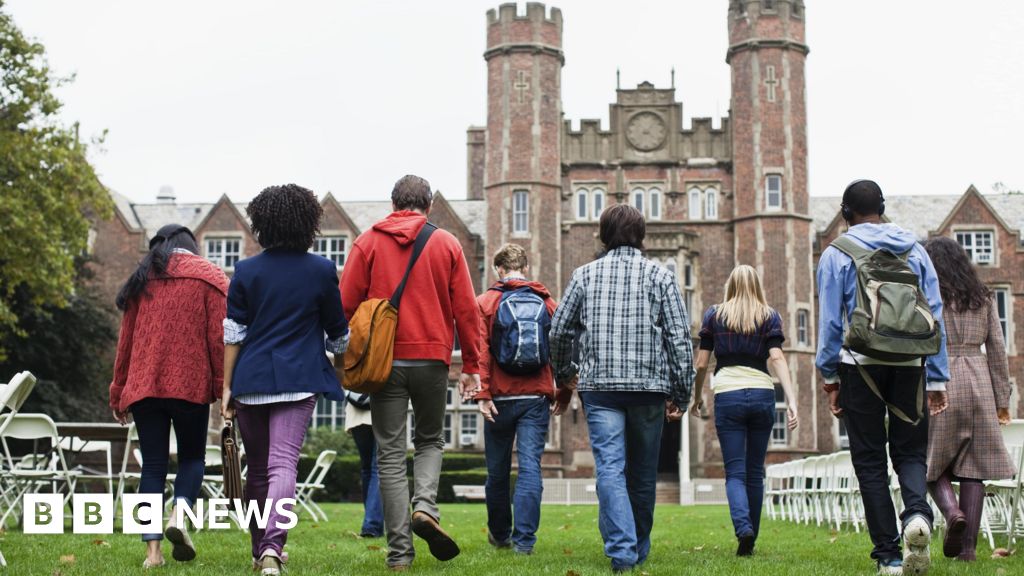
As families across communities grapple with economic uncertainty, the landscape of higher education faces transformative shifts that threaten to deepen social divides. The recent White Paper from the government signals not just changes in policy, but the potential recalibration of social mobility itself. With tuition fees destined to escalate annually with inflation from 2026 onward, the foundational promise of accessible university education appears increasingly fragile.
Historically, social commentators like John R. Bowen have emphasized that education acts as both a mirror and a moulder of societal structures. The planned fee increases—expected to elevate costs by over £400 annually—pose a significant hurdle for students from lower-income backgrounds. Although the government assures that income-based repayment thresholds will shield some, the specter remains that rising debt burdens could disproportionately burden those who can least afford it, thereby narrowing the social strata rather than bridging them.
In this context, the question of university staff pay and quality of education emerges as a critical issue. The uncertainty surrounding whether fee hikes will translate into better salaries for lecturers is symptomatic of a larger dilemma. According to sociologists like Michael W. Apple, the way in which educational resources are allocated often reflects broader societal priorities. Critics argue that with universities facing financial strain—exacerbated by years of austerity—the likelihood is that staff pay disparities and resource shortages will deepen, potentially impacting students’ learning experiences.
Additionally, the government plans to reintroduce maintenance grants for some lower-income students by 2029, financed through a tax on international student fees. While such measures aim to shore up access, questions linger about whether they will be sufficient to counter the effects of rising debt and cost of living, especially for those who are the first in their families to pursue higher education.
Amidst these financial and social upheavals, a pioneering shift in educational pathways is underway: the introduction of V-levels from 2027. These new qualifications are designed to sit alongside traditional A-levels and T-levels, replacing qualifications like BTecs, yet their precise impact remains opaque. The shift signifies a broader debate on the credibility of vocational qualifications and their role in social mobility.
Historians like E. P. Thompson have documented that vocational education has long been undervalued, often viewed as a lesser alternative to academic routes. The emergence of V-levels is an attempt to elevate such pathways, but the transition must be carefully managed. Current vocational students, many from working-class backgrounds, worry whether these reforms will result in a two-tier system, where social and economic barriers could once again decide educational destiny.
As society grapples with these challenges, the question remains: how can communities and policymakers foster a future where opportunity is truly accessible to all? It requires a collective effort, integrating public funding, fair assessment standards, and a renewed respect for vocational paths—steps that echo the insights of social thinkers advocating for equity rooted in social justice.
In the quiet moments of reflection, society faces a choice—to let the escalating costs and structural divides deepen the chasms between classes, or to forge a new way forward rooted in equality, opportunity, and the human dignity that underpins a resilient society. The seeds of transformation may be fragile, but history has shown that hope, combined with deliberate action, can sow the roots of profound change—reminding us that even amidst adversity, society’s true strength lies in its capacity to evolve.
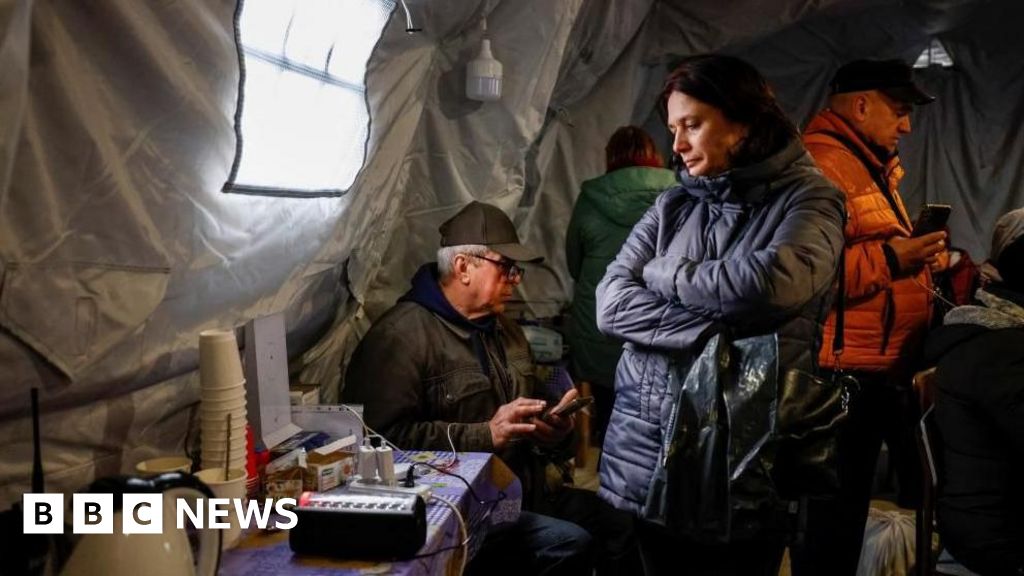
In an alarming escalation of its ongoing invasion of Ukraine, Russia has intensified its attacks on Ukrainian civilian infrastructure, with Chernihiv—a city in the country’s most northerly region—becoming the latest victim of what Kyiv describes as a “massive” missile and drone barrage. The attack has plunged Chernihiv into a complete blackout, leaving hundreds of thousands of residents without power and disrupting vital water supplies. This pattern of relentless assault signifies a clear shift in Russia’s military strategy, focusing on crippling Ukraine’s energy and logistic resilience, and raising profound questions about the future stability of the region.
Across the broader Chernihiv region, reports indicate that four civilians have been killed, including a 10-year-old girl, with ten others injured in the sustained missile strikes. The attacks have targeted the city’s electricity-generating facilities, with over 100 Shahed drones—Iran-designed UAVs carrying 50kg warheads—alongside ballistic missiles, wreaking havoc on the power grid. Deputy head of the Chernihiv Regional Military Administration, Andriy Podorvan, confirmed that these assaults are part of an alarming trend stretching back over six months, but recent months have seen a dramatic spike in frequency and intensity. The strategic targeting of energy infrastructure aims not only to weaken Ukraine’s wartime capacity but also to erode public morale, potentially paving the way for further instability in the transient ceasefire negotiations that have failed to halt hostilities.
The international community watches with growing concern. Analysts warn that sustained strikes on civilian infrastructure risk plunging Ukraine into a humanitarian crisis and further destabilizing Europe. The Biden administration and NATO allies remain cautious yet increasingly alarmed, recognizing that Russia’s escalation—be it through drone warfare or targeting of civilian targets—aims to push Kyiv into a strategic corner. The damage to Ukraine’s energy sector has exceeded $16 billion, as Kyiv grapples with the challenge of restoring power amidst dwindling supplies of replacement equipment, which can take more than a year to produce and install. In recent talks with US energy executives, Ukrainian officials have sought assistance in modernizing their grid, but tangible support—such as long-range missile systems—has so far been denied, reflecting a cautious approach driven by fears of broader escalation.
Yet, amidst the darkness, a resilient Ukrainian spirit persists. Citizens in Chernihiv remain defiant, with morale described as “high,” despite the daily hardships imposed by Russian attacks. Local leaders emphasize that they see through Moscow’s attempts to manipulate civilian suffering for political gain; instead, they find unity and resolve growing stronger. According to Oleksandr Babich, a Chernihiv resident, the city refuses to surrender, and the people are standing firm as Ukraine’s national identity is woven ever tighter by the shared experience of adversity. This crisis is not just about military conquest but a broader clash of values and sovereignty, with history now witnessing a pivotal moment that will shape the post-war order for generations.
As Russia’s assault intensifies, the full scope of its geopolitical impact begins to unfold. Politicians and military strategists alike warn that this relentless targeting of Ukraine’s infrastructure could destabilize regional alliances and provoke broader conflicts beyond Europe’s borders. Historians warn that such tactics—deliberate destruction of civilian infrastructure—are reminiscent of scorched-earth policies from past conflicts, designed to break the collective will of a nation. Yet, in the face of this new phase of warfare, the resilient Ukrainian people demonstrate that even amidst the shadows of war, hope and defiance continue to endure. With each missile launched and each city blacked out, the weight of history presses down—an indelible reminder that the future is forged today, amid chaos and conflict, where the outcome still hangs uncertain, waiting to be written by those who dare to resist.


