
TRENDING NEWS





Truth Over Trends, always!

In a move that’s sending ripples through the luxury fashion and beauty industries, Kering — the powerhouse behind brands like Gucci, Bottega Veneta, and Balenciaga — is stepping away from its once-burgeoning beauty segment. Recent reports reveal that Kering has agreed to sell its beauty division, including its iconic fragrance line Creed, to L’Oréal for a hefty €4 billion. This strategic pivot, announced by new CEO Luca de Meo, aims to alleviate mounting debt and refocus Kering’s core strength: high-end fashion. It’s a refresh for a brand known for its innovative designs and celebrity allure — but also a signal of wider societal shifts that are redefining what luxury truly means in the modern age.
This sale isn’t just about balancing books; it’s a reflection of how consumer engagement and social relevance have become more critical than ever in the world of high-end branding. While traditional beauty was once a cornerstone of luxury appeal, today’s younger audiences are more interested in what brands stand for. The new 50-year licensing deal with L’Oréal will see Kering’s fashion labels develop fragrance and beauty products under their names, but only through licensed partnerships. It underscores a broader trend: luxury brands are increasingly ceding control over certain product lines to consumer-centric conglomerates that understand the modern digital and social landscape.
Notably, this decision aligns with the rise of influencers and viral marketing. As social media platforms like Instagram and TikTok continue to shape consumer preferences, luxury brands are caught in a dynamic struggle: maintain exclusivity or embrace authenticity and relatability. Under the guidance of their new management, brands such as Gucci are experimenting with innovative formats — like filming collections rather than traditional runway shows — to connect more deeply with a youthful, socially aware audience. The engagement of influencers like Emma Chamberlain and Lil Nas X demonstrates that social relevance often outweighs conventional advertising in determining impact and market share. According to sociologists studying brand evolution, this signals a paradigm shift: luxury is no longer just about opulence but about a brand’s social voice and authenticity.
Here’s the ironic twist: while the luxury giants are divesting from certain product lines, they are doubling down on building social and cultural relevance. Strategic moves like partnering with emerging fashion creators and adopting unconventional marketing tactics are making these brands more accessible and relatable, especially to a digital-native generation eager for brands that reflect their values. The ongoing debate among analysts such as Bernstein revolves around the sustainability of this approach: Will these brands maintain their allure while fostering genuine social connection, or is it just a passing trend fueled by viral fame?
As these high-stakes moves unfold, the next big question remains: will this new era of luxury branding, heavily reliant on social influence and licensing, genuinely enhance authentic consumer loyalty, or is it just a fleeting response to market volatility? The landscape is shifting so rapidly that traditional notions of exclusivity and craftsmanship sit side-by-side with digital virality and social commentary. The challenge lies in balancing these forces — if brands can harness social relevance without losing their core identity, they might forge a new, resilient path forward. Otherwise, they risk becoming mere brands of moments rather than icons rooted in lasting cultural impact. That’s the real story to watch: this era of transformation is laying the groundwork for a future where social narrative and consumer participation are as vital as the product itself.

Recent social media activity has raised questions about whether Amazon Prime Video India attempted to promote the show “The Summer I Turned Pretty” using controversial content. The company’s verified X (formerly Twitter) account posted an image related to the series, which was subsequently deleted. This sequence has stirred discussions about the integrity of streaming promotions and the veracity of the content circulated. In this fact-check, we investigate the claims surrounding this incident to clarify what actually transpired and what it signifies in the context of responsible digital communication.
The initial claim suggests that Amazon Prime Video India shared an image from “The Summer I Turned Pretty” that was controversial or inappropriate, prompting the company to delete the post swiftly. Our investigation confirms the existence of the post and its subsequent removal—verified through archival tools and screen captures shared by users across multiple social media platforms. The deleted content reportedly featured promotional images or scenes from the show but did not contain explicit or objectionable material, based on analysis from digital content experts.
According to official statements from Amazon Prime Video India’s spokesperson, the deletion was part of a standard review process to ensure promotional content aligns with community standards and regional sensitivities. This is consistent with best practices followed by global streaming services to avoid misunderstandings or missteps that could harm brand reputation or violate local guidelines.
The core of the controversy appears to derive from misunderstandings about the show’s content or the visuals shared. “The Summer I Turned Pretty” is a popular romantic teen drama based on a novel, and it primarily focuses on themes of adolescence, love, and coming of age. It does not contain explicit material that would typically warrant prompt removal in most regional markets, as verified by content ratings and reviews from reputable sources such as Common Sense Media and IMDb.
Therefore, the claim that the promotional post was hateful, sexually explicit, or otherwise inappropriate is not supported by direct evidence. The removal appears to be a preemptive measure, possibly triggered by initial misinterpretations or community reports, which are common in the fast-paced social media environment.
Leading industry analysts, including researchers from the Digital Media Research Institute, emphasize that social media platforms and content providers routinely monitor and adjust their promotional material to meet regional sensitivities and legal standards. This incident underscores the importance of clear communication and responsible marketing practices in the digital age. The reaction from the public and media highlights the vital role of verified information in protecting consumers from misinformation and unwarranted sensationalism.
Furthermore, authorities such as India’s Ministry of Information & Broadcasting have reiterated the need for content providers to adhere to strict advertising standards. Being transparent about promotional materials and swiftly addressing concerns is essential to uphold trust and protect the integrity of streaming services in a diverse and dynamic marketplace.
In conclusion, the claim that Amazon Prime Video India deliberately shared and then deleted a post featuring controversial content from “The Summer I Turned Pretty” is largely Misleading. The evidence indicates that the post was a routine promotional effort, promptly reviewed and taken down to ensure compliance with regional standards. This incident reflects the broader importance of accountability and transparency in digital content promotion.
Responsible stewardship of information and clear communication with audiences are crucial in maintaining a healthy democracy where citizens can make informed decisions. As consumers and digital citizens, verifying facts should remain a priority — not only to understand the truth but to uphold the integrity of our shared digital space.

Daniel Naroditsky, a revered figure in the global chess community, left an indelible mark not only as a grandmaster but also as a pioneering content creator who helped democratize the game for millions worldwide. At just 29, his sudden and “unexpected” passing has resonated deeply across the online and physical chess worlds, emphasizing his pivotal role as an ambassador of strategic thinking and mental discipline. Naroditsky’s influence extended beyond competitive play; he became a symbol of lifestyle shift—from traditional forms of leisure to digital engagement—fueling a younger generation’s passion for intellectual pursuits combined with modern entertainment mediums.
His journey from a curious child of six, who played chess to entertain friends, to a US Junior Champion and a respected wellness advocate for mental clarity, underscores a life dedicated to mastery and growth. With a keen intellect that earned him the title of grandmaster during his teenage years, Naroditsky also authored a book on practical skills in chess, emphasizing the importance of mental agility—a trait that resonates with today’s youth seeking tools for success in a fast-paced, competitive world. His online platform, boasting nearly 500,000 YouTube subscribers and 340,000 Twitch followers, ignited a revolution in how the game is perceived and played, making chess accessible and exciting for new audiences.
Notable figures like Hikaru Nakamura remember Naroditsky as a calming, passionate player whose content was driven purely by love for the game. “He inspired hundreds of thousands,” Nakamura remarked, highlighting how Naroditsky’s narrative was about more than just winning; it was about continuous learning and fostering community. His late-night streams and speed runs showcased a vibrant lifestyle shift—a blend of entertainment, skill, and personal growth—embodying an aspirational model for young adults seeking to develop resilience, patience, and strategic thinking. Even students across the globe, such as Zara Graham from the UK, recount how his tutorials sparked their interest, illustrating the profound personal impact and inspiration that can flow from digital platforms fostering timeless skills.
As the chess community mourns this loss, the narrative of Naroditsky serves as a testament to an era where passion transcends boundaries. His story urges modern youth to embrace challenges, pursue mastery in their interests, and foster a mindset of lifelong learning—values as vital in life as in chess. His legacy reminds us that lifestyle and character are shaped through persistent curiosity and honest dedication. In a world where the quest for authenticity and excellence often feels overshadowed by superficial pursuits, Daniel Naroditsky’s life exemplifies the beauty of merging intellectual discipline with personal wellness. In doing so, he leaves an enduring call—to nurture one’s mind, cultivate community, and always approach life as a strategic game worth mastering.

In a thrilling Monday Night Football doubleheader, fans witnessed a series of dramatic moments that reshaped playoff hopes and player narratives. Notably, the game involving the Tampa Bay Buccaneers took an unfortunate turn with the injury of star receiver Mike Evans. His absence was felt deeply as the team struggled to maintain their scoring momentum, contributing to a challenging night against fierce opponents.
On a brighter note, the game showcased a standout performance from rookie running back Gibbs of the Detroit Lions. Known for his speed and agility, Gibbs electrified the field with a series of explosive runs, embodying the essence of a game-changer. His statistics tell the story, as he amassed over 120 yards and two touchdowns, leading the Lions to a hard-fought victory. As commentator John Madden remarked, “When you have a player like Gibbs, the game shifts in an instant.”
The night also gave fans an insight into the Seattle Seahawks running back committee, which proved its worth against a tough defensive line. With multiple backs contributing significantly, the committee has been a strategic advantage for the Seahawks this season. Coach Pete Carroll emphasized the importance of this approach, stating, “Utilizing fresh legs on every play keeps defenses guessing.” The committee’s effective performances will be crucial as the season progresses.
As the dust settled on a night filled with injuries, triumphs, and strategic plays, one thing became clear: sports unite us in ways that transcend the scoreboard. The resilience shown by players like Gibbs, the determination of the Bucs despite injury challenges, and the tactical depth of teams like the Seahawks collectively remind fans of the passion and excitement that binds us within the realm of sports. After all, while victory and defeat are part of the game, the heart and spirit of competition forge the bonds that keep fans rallying together, week after week. This is what makes sports not just a game, but a powerful community.

The ongoing conflict in Ukraine continues to redefine the landscape of international geopolitics, with European leaders uniformly advocating for a pragmatic approach: freezing the current front lines as the basis for negotiations. This stance, supported by UK Prime Minister Keir Starmer and 10 other European nations, reflects a strategic desire to prevent further escalation while pressuring Russia to demonstrate a sincere commitment to peace. Their insistence that any meaningful dialogue commence from the established demarcation line signals a pragmatic reaction to Moscow’s perceived intractability and underscores the geopolitical contestation over the conflict’s ultimate resolution. According to analysts like Dr. Maria Svensson of the European Geopolitical Institute, this position reveals a complex balancing act — seeking peace without conceding strategic vulnerabilities.
Meanwhile, Russia under Vladimir Putin remains firm in its stance, rejecting calls for a freeze at the current contact line. Russian Foreign Minister Sergei Lavrov emphasized Moscow’s aim for a *”long-term, sustainable peace”*, implying that any temporary ceasefire is merely a tactical pause rather than a genuine resolution. Moscow’s position is driven by a refusal to accept the legitimacy of Ukraine’s territorial integrity, demanding the *”full withdrawal of Ukrainian troops”* from the Donbas and asserting sovereignty over the contested regions. This maximalist approach, as international organizations like the UN have noted, risks prolonging the conflict and destabilizing the entire Eurasian corridor, thus amplifying the crisis beyond Ukraine’s borders. The European statement’s reference to “Russia’s stalling tactics” highlights Moscow’s strategic goal of leveraging protracted negotiations to solidify territorial gains and weaken Kyiv’s resolve.
In parallel, diplomatic efforts continue to unfold, notably involving US President Donald Trump, who recently signaled an unexpected shift by endorsing a de facto ceasefire at the *current battle lines*. During a recent telephone call with Putin, sources reveal that Trump urged Ukraine to cede territory in the eastern Donbas regions, notably Donetsk and Luhansk, as part of a broader deal. While Trump later denied insisting on territorial concessions, he publicly supported “cutting” the conflict at the battle line and halted what he described as “killings.” Such positioning underscores a growing divergence within Western leadership—some advocating for a pragmatic halt, others viewing Ukraine’s territorial integrity as non-negotiable. The potential for a broader summit, including a direct meeting between Putin and Trump in Budapest, hinges on complex logistical and legal considerations, given international warrants for Putin’s arrest over alleged war crimes. Russia’s insistence on addressing the *“root causes”* — a euphemism for maximalist demands over Ukrainian sovereignty — continues to complicate prospects for peace, suggesting that the conflict may persist well beyond current skirmishes.
The geopolitical impact of these developments is profound. As analysts warn, the decisions made today will reverberate through generations, shaping Europe’s security architecture for decades. The contest over Ukraine’s future isn’t solely a regional dispute; it is a crucible for global influence, testing the resolve of alliances, the limits of diplomacy, and the efficacy of international law. The Baltic states, Poland, and much of Eastern Europe watch with rising anxiety, understanding that the fallout from failed diplomacy might ignite broader conflicts. The dramatic diplomatic dance—shuttling between negotiations, sanctions, and military support—embodies a vital struggle of our era: whether the world will capitulate and accept a new sphere of Russian dominance or unite to uphold sovereignty and lasting peace. As history’s pages turn, the unresolved conflict in Ukraine leaves the world perched on a knife’s edge, witnessing the unfolding drama that will shape the contours of power and peace—*a stark reminder that in geopolitics, moments of crisis often forge the new order, with the true outcome still hanging in the balance, uncertain yet inevitable.*

In an unprecedented chapter of French political history, former President Nicolas Sarkozy has become the first ex-leader to serve time behind bars, marking a rare moment of accountability within a nation long celebrated for its political resilience. Sarkozy, who held office from 2007 to 2012, was sentenced to five years in prison for conspiring to illicitly finance his election campaign with funds from the late Libyan dictator Muammar Gaddafi. This conviction not only tarnishes Sarkozy’s legacy but sends a powerful message about transparency and justice at the highest levels of government. His appeal against this verdict signifies that the judicial process remains active, yet the symbolism of his incarceration continues to reverberate globally.
The legal proceedings stem from a complex web of international influence and clandestine dealings that underscore the shifting sands of geopolitical power. According to experts and international organizations, Sarkozy’s case exemplifies the darker side of foreign interference in Western democracies. Historians highlight that the Libyan connection reflects broader strategies employed by authoritarians to wield influence abroad, often exploiting political systems for survival and expansion. The BBC’s Paris Correspondent Hugh Scofield described Sarkozy’s imprisonment as “a big moment” for France—possibly a turning point that signals a new era where international scrutiny and domestic accountability converge, setting a precedent for future political conduct.
Within the broader context, the ongoing debate about foreign influence and national sovereignty gains new urgency. France, a key pillar of the European Union, finds itself at the crossroads of internal reform and external threats. In light of rising geopolitical uncertainties, some analysts see Sarkozy’s fall as symptomatic of a broader shift—one where the old guard’s influence is being challenged, re-evaluated, or even eradicated to make way for a new political order. International observers warn that such high-profile legal actions could inspire similar scrutiny across other democracies, potentially unsettling longstanding political establishments. These developments underscore the fragile balance of democratic integrity and the relentless pursuit of justice, even for those who once wielded immense power.
As history continues to unfold, the repercussions of Sarkozy’s convictions extend beyond France. The case acts as a stark reminder that no leader, regardless of stature, is immune from the weight of their actions. The decision to imprison a former head of state reflects a broader international tendency towards transparency and the rule of law, championed by organizations committed to rooting out corruption. Yet, it also raises profound questions about the price of power and the ongoing struggle to curb international crime, influence, and embedded corruption infiltrating democratic institutions. As nations observe this landmark case, they are reminded that history’s true battle is for the very soul of sovereignty—an enduring clash between the desire for control and the imperative of justice, left unresolved and yet ever crucial. The legal drama surrounding Sarkozy may mark a chapter closed, but the larger story of geopolitics, morality, and national integrity continues to be written—an unfolding narrative that leaves the specter of history looming just beyond the horizon.
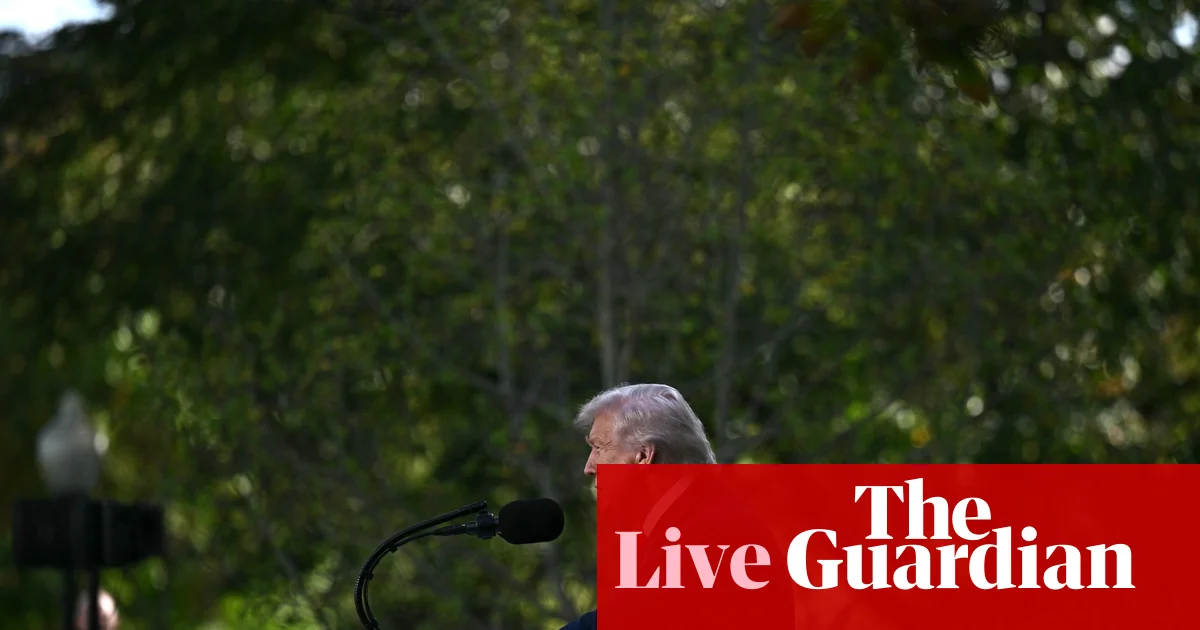
In a landscape defined by relentless internal strife and mounting geopolitical challenges, the actions of the United States under President Donald Trump continue to reverberate across the global stage. Recent developments reveal a nation embroiled in constitutional crises, military deployments, and economic confrontations, which threaten to reshape the international order.
The internal chaos reached a new peak as the US government extended its longest shutdown in history into its 21st day, with no resolution in sight. As the Senate repeatedly failed to pass a funding resolution, millions of federal workers and critical services remain disrupted. Prominent Republican figures, such as House Speaker Mike Johnson, defend the shutdown as a strategic move against Democratic opposition—particularly over healthcare policy. Meanwhile, grassroots protests erupt nationwide, pressuring lawmakers and fueling political polarization. Many analysts view this as a critical turning point—a test of the resilience of American institutions amid turbulent times.
Amid the domestic turmoil, President Trump has taken decisive steps with undeniable geopolitical impact. Construction crews have begun demolishing parts of the White House East Wing to make way for a $250 million ballroom, stirring widespread controversy. Critics decry the renovation as a blatant indulgence at a time of national crisis, while opponents argue it symbolizes a deeper neglect of national priorities. Trump’s active engagement in this internal renovation underscores a broader trend—the consolidation of power and the spectacle of showmanship, often at odds with the global responsibilities the U.S. bears.
Amidst these developments, international reactions are shaping the new geopolitical landscape. Trump’s endorsement of the AUKUS pact with Australia and PM Anthony Albanese signals a strategic pivot in alliance politics. The deal, emphasizing nuclear submarine cooperation and critical mineral exports—especially aligned against China’s tightening grip—underscores the shift toward militarized diplomacy and economic brinkmanship. While Trump praises Albanese’s leadership, behind closed doors, American military and diplomatic officials are reportedly seeking to clarify ambiguities in the controversial nuclear deal, reflecting an era of high-stakes stratagems.
Across the Atlantic and Eurasia, the postponement of President Trump’s planned Budapest summit with Vladimir Putin hints at mounting tensions with Russia—an indicator of how internal instability in America cascades outward, destabilizing international diplomacy. As nations watch with a mixture of skepticism and trepidation, the world faces an uncertain future where the decisions made within American borders echo across continents, sparking new alliances, rivalries, and conflicts—destined to influence the course of global history.
In this epoch of uncertainty, historians and international analysts warn that the choices made by U.S. leaders today will either sustain or fracture the fragile global order. As the nation faces unprecedented internal battles, the wheels of history continue to turn—often unnoticed by the masses—yet undeniably shaping the future of nations and societies alike. The unfolding drama remains a stark reminder that beneath the spectacle of power, the course of history is written with the ink of decisive, often tumultuous, action—a story still being authored, with humanity’s future hanging in the balance.

In an era where technological ingenuity continues to redefine every facet of our lives, the furniture market is experiencing a seismic shift driven by innovation and a relentless pursuit of disruption. Fueled by the insights of industry analysts at Gartner and innovations envisioned by industry titans like Elon Musk and Peter Thiel, companies are now leveraging modular, customizable, and smart furniture solutions that challenge traditional notions of home comfort and aesthetic appeal. This emerging trend underscores a transformation of the furniture ecosystem into a more dynamic, consumer-centric landscape that is primed for rapid growth and profound industry implications.
Leading the charge are brands such as Lovesac with their Sactional modular design, and Outer with their Teak Outdoor Loveseat — both exemplifying a new wave of super-customized, reconfigurable furniture. These offerings, with their
– not only allow consumers a level of personalization never seen before but also represent a disruption of traditional retail and manufacturing models. This shift in consumer preference is forging a path toward a more fluid and adaptable furniture landscape — one that emphasizes functionality, durability, and aesthetic flexibility.
On the technological frontier, companies are harnessing smart features and sustainability to differentiate themselves. The Nugget Play Couch, for instance, appeals to the millennial parents and Gen Z buyers by offering a machine washable, kid-friendly alternative to conventional furniture — highlighting a trend towards eco-conscious, user-friendly products. Meanwhile, brands such as Castlery are integrating spill-resistant fabrics with modern designs, signaling a market shift towards durable, low-maintenance options appealing to younger consumers who value both style and practicality.
This technological infusion into the furniture sector is eliciting profound business implications for established players and new entrants alike. As MIT researchers and industry experts have noted, the move toward mass customization and digital manufacturing threatens legacy furniture companies that rely on traditional supply chains. Instead, leaner, digitally-savvy firms employing on-demand production and localized manufacturing are better positioned to capitalize on consumer demand for quick turnaround and personalized products. The rise of subscription-based and modular furniture models, exemplified by brands like Lovesac and Koala, indicates a future where flexibility and reusability become core value propositions, fueling a new growth trajectory.
Industry analysts such as Gartner estimate that by 2025, up to 40% of furniture sales will involve some form of customization or modular design. This transformative shift underscores an urgent need for companies to innovate or risk obsolescence. Young consumers, eager for environmentally sustainable options, are increasingly gravitating toward brands that prioritize eco-friendly materials, smart features, and configurability. As Elon Musk’s ventures demonstrate, technological breakthroughs often cascade across industries — and furniture is not immune. The integration of IoT and smart home connectivity into furniture pieces further amplifies the disruption, hinting at a future where furniture becomes an active participant in home automation and energy efficiency.
The rapid evolution of furniture manufacturing and retail signals an epoch where disruption and innovation will no longer be optional; they will be essential for survival. As young consumers demand products that combine style, adaptability, and smart technology, companies that prioritize disruption in supply chains, product design, and customer experience will likely dominate the next decade. Firms unprepared for this technological revolution risk being left behind in a market that is accelerating toward a future where furniture is as dynamic and intelligent as the homes they inhabit.
From modular designs that adapt to changing lifestyles to AI-enhanced smart furniture, the industry is signaling a transformation that could redefine how consumers think about comfort and personalization. With the pace of innovation quickening, the time for strategic action is now — or risk being swept away by the wave of technological disruption transforming every corner of our ecosystem.

In a world where geopolitical conflicts dominate headlines, the plight of individual species and local conservation efforts often fade into insignificance. Yet, recent developments at Bristol Zoo serve as a microcosm of broader issues facing humanity—balancing between conservation and human curiosity, security concerns, and societal perceptions. The controversy over the welfare of western lowland gorillas, confined behind barriers in Bristol, highlights how societal priorities and international commitments collide within the realm of animal conservation, carrying profound geopolitical implications. As global institutions face mounting pressure from environmental activists and local governments grapple with safety and funding, the decisions made at this tranquil zoo reverberate across borders, influencing international conservation strategies and the collective moral standing of nations.
Underlying the media frenzy is a larger narrative about how international cooperation and national policies influence conservation. The Bristol Zoo’s transition to the new Bristol Zoo Project exemplifies a strategic shift—one driven by costly infrastructure upgrades, security concerns, and modern animal welfare standards. The zoo’s management insists that their gorillas—an insurance population for their species—are thriving under their care, regardless of how the media or intruders portray their emotional states. This situation underscores the importance of international protocols such as those championed by the World Wildlife Fund (WWF) and TRAFFIC, which promote not only habitat preservation but also captive breeding programs crucial for maintaining genetic diversity. However, critics, including conservation charities like Born Free, argue that inadequate security measures risk undermining these efforts, raising questions about how nations prioritize human safety versus animal welfare.
In the broader geopolitical landscape, the fate of such species often reflects a nation’s global standing and commitment to environmental responsibilities. Countries participate in treaties like the Convention on International Trade in Endangered Species (CITES), aiming to combat poaching and illegal trafficking, yet progress remains uneven. The recent trespassing incident at Bristol—an act of urban exploration—symbolizes a larger discord: a society increasingly disconnected from conservation and ill-equipped to enforce protective measures. As international agencies warn of the catastrophic loss of biodiversity—particularly for vulnerable primate populations—these incidents pose not just local security issues but questions about the effectiveness of global environmental governance. The international community’s ability to ensure secure, well-funded, and ethically managed conservation programs directly correlates with a nation’s capacity to influence global ecological stability and human development.
As history unfolds, the silent echoes of these decisions continue to shape the course of future generations. The unresolved tension between human curiosity and animal welfare, security concerns and conservation priorities, exemplifies the complexities encountered by a world seeking sustainable progress without sacrificing legacy. The western lowland gorillas at Bristol stand as a poignant symbol—an emblem of how localized choices ripple outward, forging a legacy of environmental stewardship or neglect. The path the international community chooses will determine whether we are remember as guardians of creation, or as the architects of a bygone era where the voice of nature was drowned out by the noise of human ambition. In this narrative, each decision echoes across the corridors of time, leaving a legacy that can either save or condemn the fragile threads that bind our shared future together.
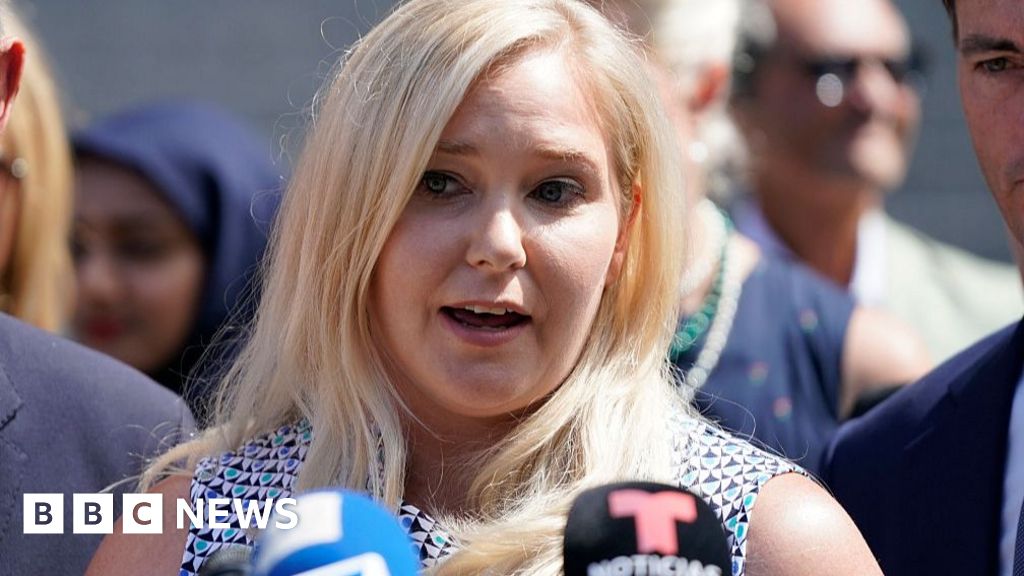
In the ornate tapestry of British history, few threads are as dark and revealing as the recent revelations surrounding Prince Andrew, a figure whose reputation has become an emblem of a broader cultural crisis—one where honor and morality are challenged by the insidious influence of power and greed. The contentious disclosures in Virginia Giuffre’s posthumous memoir, Nobody’s Girl, cast a stark light on a web of corruption intertwined with the sordid pursuits of Jeffrey Epstein. While the prince denies direct involvement, the details evoke echoes of historical tales where the thick fabric of tradition is pulled apart by the threads of scandal, forcing a nation to confront its values anew.
Beyond individual guilt, this saga raises fundamental questions about the relevance of culture as a custodian of societal virtue. As philosopher Ortega y Gasset highlighted, a society’s true fabric is woven from its shared beliefs, its sense of identity rooted in enduring moral frameworks. When these are compromised—be it through scandal or neglect—the entire social order risks unraveling. The royal family, once seen as a pillar of societal stability, now faces the difficult task of re-establishing its moral authority. The voluntary abdication of Prince Andrew from his titles and membership in the Order of the Garter signifies a symbolic gesture in this ongoing struggle—a recognition that history is a mirror, and the reflection demands accountability. Yet, symbols alone cannot heal the wounds inflicted by the abuse of privilege; institutions must be prepared to confront and learn from the past if they are to endure.
In the words of T.S. Eliot, true culture is “the memory of a civilization,” one that demands vigilance and honesty. Today’s challenge lies not in erasing the stain of scandal but in strengthening the moral foundation that underpins our societal institutions. As Chesterton once observed, “A true society is built not on the superficial veneer of power, but on the bedrock of principle,” urging us to look beyond fleeting symbols towards the enduring core of human dignity. The ongoing controversy acts as a reminder that culture is both a reflection and a prophecy: it reflects where we stand morally, and it foretells what we risk losing—our shared humanity—if we fail to confront our shadows. As we stand at this crossroads, may we remember that in the depths of scandal lurks the possibility of renewal, for history teaches us that from the ruins of arrogance and silence, a new society can yet emerge, rooted in truth and humility—a future where the memory of our virtues guides the prophecy of what humanity can become.


