
TRENDING NEWS





Truth Over Trends, always!

The Detroit Pistons find themselves in a challenging position, trailing the Cleveland Cavaliers 3-2 in their NBA Playoffs series. Amidst the high stakes, attention has turned to the performance of key players, and none more so than Jalen Duren, whose rebounding efforts have drawn the ire of veteran analyst Charles Barkley.
During a segment on “Inside the NBA,” Charles Barkley expressed profound disappointment with Duren’s Game 4 outing, where the young center managed only two rebounds. Barkley’s remarks were unmistakably direct: “His whole game is offensive rebounds and lob dunks from Cade (Cunningham). He’s not getting those.” He continued, emphasizing the severity of the performance, stating, “He should never have two rebounds, ever. That’s two more than a dead person.“
Barkley, known for his candid commentary, underscored the fundamental expectation for a player like Duren. While acknowledging Duren as a “young kid” with potential to develop his mid-range game, the former MVP was clear that such a low rebounding total is unacceptable for a player of his physical stature and role. He even went so far as to label Duren an “All-Star” talent, suggesting the current output falls far short of his capabilities.
Duren’s Game 4 performance, which also included eight points, was indeed a low point. The Pistons ultimately lost that game, allowing Cleveland to tie the series after being down 2-0. In Game 5, Detroit squandered a 15-point lead, eventually falling to the Cavaliers 117-113 in overtime, giving Cleveland a 3-2 series advantage.
While Duren showed a slight improvement in Game 5, recording nine points, five rebounds, and four assists, his overall offensive presence remained limited, taking only five shots. This limited output, particularly on the glass, highlights a significant challenge for the Pistons. For context, only three Pistons starters reached double figures in Game 5:
Bench player Paul Reed added 10 points, but the team struggled for consistent scoring and crucial rebounds against a Cavaliers team that saw strong performances from James Harden (30 points) and Donovan Mitchell (21 points), as reported by Fox News Sports coverage.
“He should never have two rebounds, ever. That’s two more than a dead person.”
The intensity of playoff basketball often amplifies every strength and weakness. For a young player like Jalen Duren, the bright lights of the postseason are a crucible. Barkley’s comments, while harsh, reflect the high expectations placed on players in critical games. His role as a dominant rebounder and interior presence is vital for the Pistons’ success, particularly in a physical series against a strong opponent like Cleveland.
The Pistons’ ability to contend hinges on all their starters contributing significantly. While Cade Cunningham delivered a stellar 39-point performance in Game 5, the team needs a more balanced effort, especially on the boards. Duren’s development and ability to meet these heightened expectations will be crucial not only for the remainder of this series but also for his trajectory as a promising NBA talent.
As the series progresses, all eyes will be on Duren to see if he can elevate his game and respond to the pressure, proving Barkley’s “All-Star” potential is within reach, even as the Pistons face elimination.
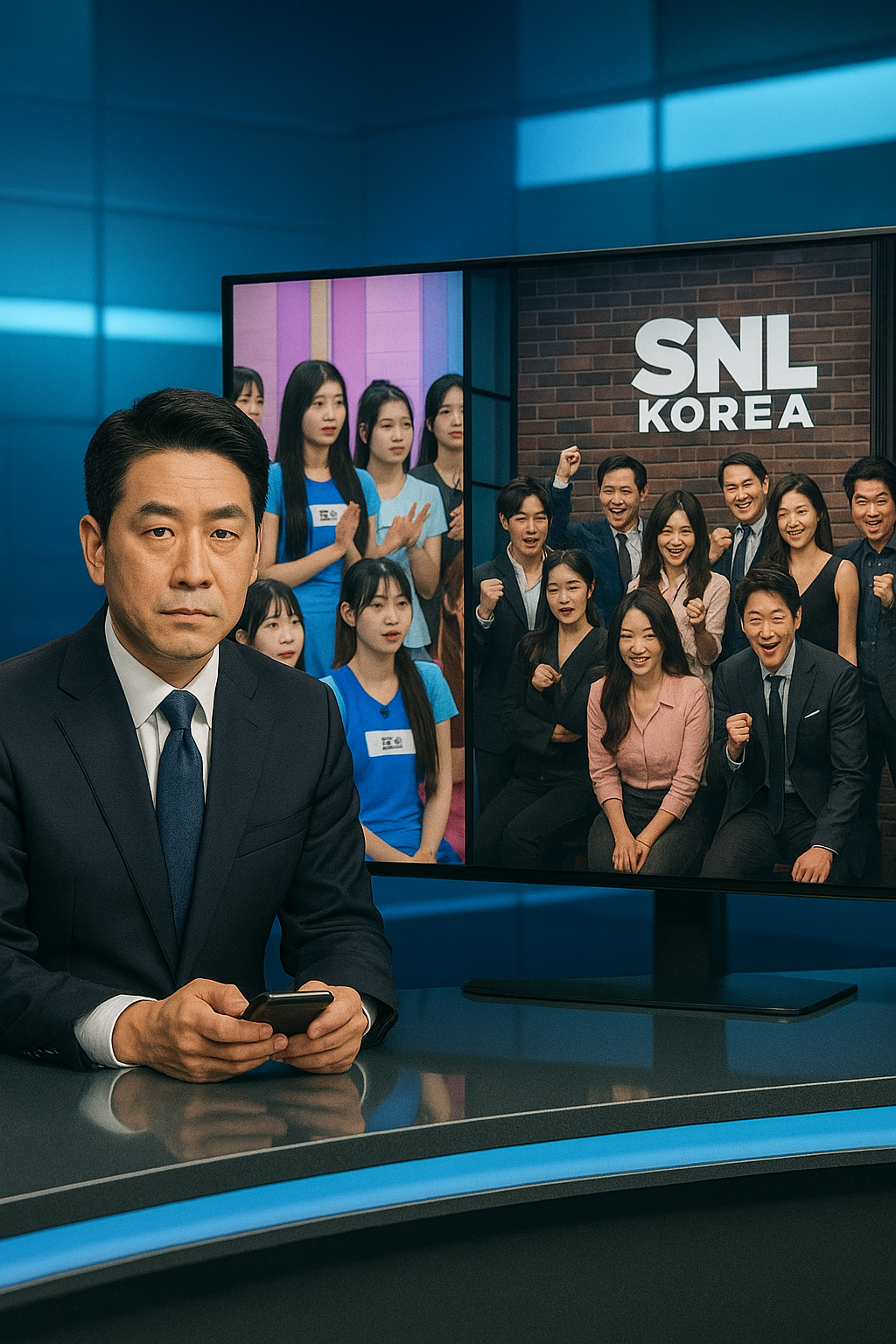
The vibrant world of South Korean TV shows and media has captivated audiences worldwide, establishing a significant cultural footprint in the United States. This phenomenon, often termed the “Hallyu Wave,” reflects a growing global appreciation for K-pop, K-dramas, and cinema. However, despite this surging demand, enthusiasts frequently encounter geo-restrictions that limit their ability to stream desired content. This challenge highlights a broader issue in the digital age: how consumers can access global entertainment without being constrained by regional licensing agreements.
The “Hallyu Wave” represents more than just a passing trend; it signifies a profound cultural shift. From the infectious rhythms of K-pop giants like BTS and BLACKPINK to critically acclaimed films such as Bong Joon Ho’s “Parasite” and global streaming hits like “Squid Game” and “Physical: 100,” South Korean creativity has demonstrably resonated with diverse audiences. This widespread acceptance underscores a consumer desire for rich, varied storytelling that transcends geographical boundaries. The cultural exchange fostered by this content enriches global understanding and provides valuable entertainment.
Despite the immense popularity of South Korean content, viewers outside the country, particularly in the U.S., often face frustrating restrictions. These “geo-blocks” are put in place due to licensing agreements that segment content by region. For the dedicated fan looking to tune into a K-pop survival show or “Saturday Night Live Korea,” these digital walls can feel insurmountable. This situation presents a clear dilemma: a global audience eager for content, met by an outdated system of regional distribution. A free-market approach suggests that solutions will emerge to meet this demand.
Fortunately, technological advancements offer a practical and legal pathway for consumers to access geo-restricted content. A Virtual Private Network, or VPN, serves as a crucial tool in this endeavor. Services like ExpressVPN allow users to encrypt their internet data and mask their IP address, effectively making it appear as if they are browsing from a different location. This capability not only enhances online privacy and security but also empowers users to bypass regional content locks. As noted by Billboard, utilizing a reputable VPN is the easiest way for U.S. viewers to stream a wide array of South Korean TV shows and other media.
The global surge in South Korean pop culture, the ‘Hallyu Wave,’ is a testament to universal human curiosity and the power of compelling storytelling.
The burgeoning demand for South Korean TV shows and the innovative solutions emerging to meet it exemplify the dynamic interplay between culture, technology, and consumer choice in the digital age. As the Hallyu Wave continues to expand its reach, empowering individuals with tools like VPNs ensures that geographical boundaries do not hinder the appreciation of global creative works. This trend underscores a fundamental principle: when consumers seek content, the market will inevitably provide the means to access it, fostering a more connected and culturally rich global viewing experience.

This innovative approach aims to revolutionize cancer treatment by delivering chemotherapy directly to tumors, significantly reducing systemic side effects and improving patient quality of life.
For countless individuals battling cancer, chemotherapy, while often life-saving, comes with a severe toll on the body. The systemic nature of traditional treatments frequently leads to debilitating side effects, impacting patient well-being and recovery. However, a promising new development in targeted drug delivery is offering a beacon of hope, particularly for those with pancreatic cancer. A system known as Trans-Arterial Micro-Perfusion (TAMP) is currently in Phase III clinical trials, designed to deliver chemotherapy with unprecedented precision directly near tumors, minimizing harm to healthy cells.
The journey through chemotherapy is notoriously challenging. Patients often endure severe nausea, profound exhaustion, increased susceptibility to infections, and a general decline in their quality of life. These arduous experiences stem from the indiscriminate nature of standard chemotherapy, which travels through the bloodstream, attacking not only cancerous cells but also vital healthy cells throughout the body. This broad assault explains the widespread side effects that can leave patients weak and overwhelmed, sometimes making the treatment itself feel as debilitating as the disease.
For many, the physical and emotional burden of these treatments can be immense, leading to difficult choices and a constant search for less invasive yet equally effective alternatives. The medical community has long sought methods to maximize therapeutic impact while minimizing collateral damage to healthy tissues.
In a significant step forward, RenovoRx has developed the TAMP system, which promises to redefine chemotherapy delivery. This innovative platform utilizes the FDA-cleared RenovoCath device to precisely administer chemotherapy. A physician guides a catheter into an artery near the tumor using X-ray imaging. Once correctly positioned, two small balloons on the catheter are inflated, isolating the target area. This allows for a concentrated dose of medication to be delivered directly to the tumor site, rather than circulating throughout the entire body.
Shaun Bagai, CEO of RenovoRx, highlighted the system’s core advantage: localizing chemotherapy delivery. This targeted method stands in stark contrast to conventional approaches, which rely on the drug diffusing through the entire circulatory system. The ongoing Phase III clinical trial for locally advanced pancreatic cancer is demonstrating compelling results. As reported by Fox News, 83-year-old Hernando Salcedo, who had been significantly weakened by standard chemotherapy, found renewed hope and improved health through the TAMP trial at Miami Cancer Institute. His experience underscores the potential for a dramatic shift in patient outcomes and quality of life.
The success observed in patients like Hernando Salcedo offers a glimpse into a future where cancer treatment is both potent and profoundly more humane. Salcedo reported a “tremendous” difference, completing eight sessions with significantly fewer adverse effects compared to his initial chemotherapy regimen. His improved appetite and energy levels allowed him to feel “dramatically better,” exemplifying the profound impact of this precision chemotherapy.
Pancreatic cancer, in particular, is an aggressive disease often diagnosed at advanced stages, making effective and tolerable treatments critically important. The TAMP system represents a significant advancement in addressing the unique challenges of treating such cancers, providing a pathway to more effective care without the same degree of systemic toxicity.
“The difference was tremendous. I completed eight sessions, one every 15 days, and I felt dramatically better than I did with the original chemotherapy.”
— Hernando Salcedo, Patient
As medical science continues its relentless pursuit of better treatments, innovations like the TAMP system underscore the vital role of targeted therapies. This approach not only enhances the direct attack on cancerous cells but also prioritizes the patient’s holistic well-being throughout their arduous treatment journey. The potential for precision chemotherapy to transform the standard of care for pancreatic cancer, and potentially other difficult-to-treat malignancies, offers a powerful testament to human ingenuity and the enduring commitment to improving health outcomes. Further research and broader adoption of such technologies hold the promise of a future where cancer treatment is increasingly effective and significantly less burdensome for patients and their families.

Paul Finlayson, a non-Jewish Canadian professor, states he was fired from the University of Guelph-Humber following a robust online defense of Israel in the wake of the October 7 attacks. His dismissal sparks debate over free speech in academia as antisemitism escalates across Canada, with Finlayson asserting his termination was a direct consequence of his strong anti-extremist views.
In an interview with Fox News Digital, Finlayson detailed his experience, explaining he lost his job after taking a firm stance against what he perceived as calls for Israel’s eradication. This incident highlights the growing tension between academic freedom and institutional responses to politically charged discourse, particularly concerning the Israeli-Palestinian conflict.
The controversy originated in November 2023 when Finlayson responded to a LinkedIn message from an overseas educator. Finlayson characterized the original post as “calling for the eradication of Israel.” Though the author later deleted the post and all comments, Finlayson’s forceful rebuttal was quoted by the National Post in a December 2023 article, bringing his views into wider public scrutiny.
Finlayson’s now-deleted post directly challenged the overseas educator’s position, stating his clear opposition to antisemitism. His strong rebuttal included accusations that:
Finlayson emphasized his unwavering support for Israel and his opposition to those he believes advocate for violence and hatred against Jewish people. He explicitly stated, “I’m not neutral. I stand with Israel. I stand against antisemites.”
Following his online comments, Finlayson claims he faced a targeted campaign that severely impacted his professional standing. He reported that students at the University of Guelph-Humber discovered his LinkedIn reply before the thread was deleted, leading to an outcry within the academic community.
The situation escalated on November 27, 2023, when Finlayson recounted an administrator waiting outside his office during a meeting with a student. The administrator subsequently presented him with a suspension letter. A copy of this letter, provided by Finlayson, cited “inappropriate online comments” as the basis for his suspension, signaling the university’s official disapproval of his public statements.
“I’m not neutral. I stand with Israel. I stand against antisemites who want nothing but dead Jews.”
Finlayson’s case unfolds against a backdrop of what has been described as record antisemitic incidents in Canada following the October 7 attacks. This surge in hate crimes and discriminatory rhetoric has fueled criticism of the Canadian government’s response and raised alarms among pro-Israel advocates and Jewish community leaders.
The incident at the University of Guelph-Humber underscores a critical challenge facing educational institutions: how to balance free speech, particularly on controversial geopolitical issues, with the need to maintain a respectful and inclusive environment. For many, Finlayson’s dismissal represents a chilling effect on open academic discourse and a concerning trend where strong opinions against extremism can lead to professional repercussions.
This situation demands careful consideration of the principles of free expression within academic settings and the commitment of institutions to protect diverse viewpoints, even those that are unpopular or challenging. Upholding the integrity of open debate is paramount for fostering an informed and resilient society capable of confronting extremist ideologies effectively.
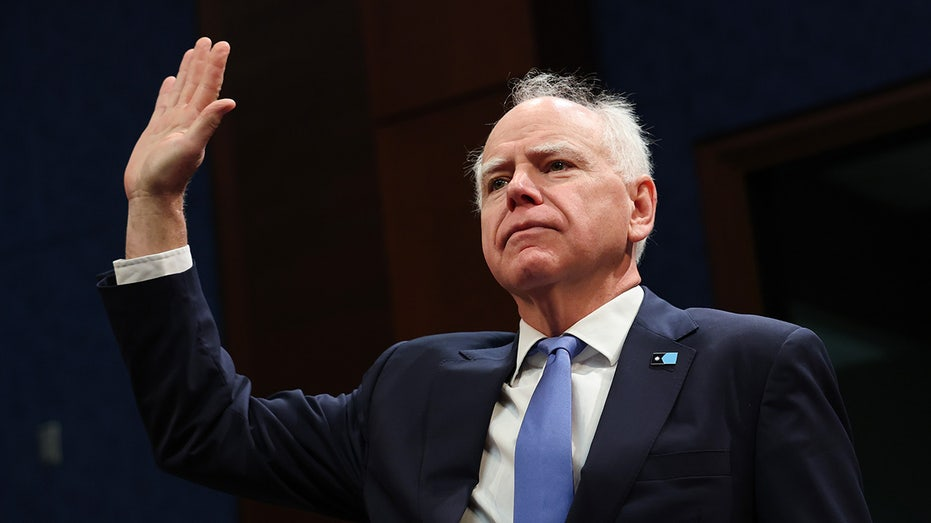
A comprehensive final report released by the Minnesota House Fraud Prevention and State Agency Oversight Committee has uncovered a “culture of tolerance” within the Walz administration, allegedly leading to billions in taxpayer losses through serial fraud. The document details systemic failures, incompetence, and the purported active suppression of internal warnings, raising serious questions about state government oversight.
The state of Minnesota is grappling with the staggering implications of widespread fraud, a crisis detailed in a new, exhaustive Minnesota fraud report. Released by the House Fraud Prevention and State Agency Oversight Committee, the 84-page document concludes that a “culture of tolerance” under Governor Tim Walz facilitated an environment where fraudsters allegedly siphoned billions from state programs, leaving taxpayers to bear the immense financial burden.
The committee’s findings paint a grim picture of government malfeasance and a scale of fraud described as “massive and unprecedented.” After two dozen hearings and hundreds of whistleblower tips, the report estimates the financial toll on Minnesota taxpayers to be staggering. Federal meal programs alone reportedly lost $300 million, while Medicaid fraud could account for up to $9 billion. The total amount stolen across various programs, including childcare and SNAP, is believed to be significantly higher than previously acknowledged.
The report specifically takes aim at Governor Tim Walz’s alleged inaction and failures to stem the tide of fraud. One notable instance cited involves the “Feeding Our Future” scandal, where the governor reportedly “tried to blame a court order” for failing to halt payments to fraudsters. However, the presiding judge later issued a public statement clarifying that no such order was given, asserting the Walz administration’s voluntary decision to resume payments. This incident, previously reported by Fox News Digital, underscores a pattern of alleged oversight failures.
“The scale of fraud in Minnesota is ‘massive and unprecedented,’ costing taxpayers billions in alleged losses.”
Investigators also drew a direct link between the “Feeding Our Future” scandal and earlier, unaddressed fraud within the Child Care Assistance Program (CCAP). The committee suggests that the administration’s alleged failure to decisively address prior instances of fraud created a permissive environment that allowed subsequent schemes to flourish and expand.
The committee’s investigation identified a consistent “business model” employed by criminals to defraud taxpayers. This model typically involved low barriers to entry for organizations, the extensive use of shell companies to obscure financial flows, and the payment of kickbacks to enroll recipients. This recurring methodology highlights systemic vulnerabilities that, according to the report, were not adequately addressed by state agencies under the current administration.
The findings of this comprehensive Minnesota fraud report demand immediate and serious attention. The alleged “culture of tolerance” and systemic failures outlined by the House committee raise critical questions about accountability, fiscal responsibility, and the protection of public funds. Addressing these deep-seated issues will be crucial for restoring public trust and safeguarding taxpayer resources against future exploitation.

A comprehensive investigation has revealed that Hamas perpetrators systematically deployed sexual and gender-based violence as a deliberate weapon during the brutal October 7 massacres in southern Israel. A report released this week by the Civil Commission on Oct. 7 Crimes Against Women and Children asserts that these atrocities were not isolated incidents but an inherent component of the terror group’s wider strategy to inflict maximum terror and degradation.
The Israeli nonprofit’s exhaustive inquiry documented extensive evidence of abuse across multiple sites during the October 7 invasion. Locations included the Nova Music Festival, various kibbutzim near the Gaza border, Israel Defense Forces bases, and among hostages taken captive. Furthermore, the condition of recovered bodies displayed signs consistent with severe sexual violence. The commission’s findings underscore a horrifying pattern, identifying at least 13 recurring forms of abuse. These details paint a grim picture of calculated cruelty, intended to dehumanize victims and instill widespread fear.
The report meticulously categorizes these acts, which include:
This extensive documentation serves to corroborate survivor testimonies and forensic evidence, building a robust case against the perpetrators.
Dr. Cochav Elkayam-Levy, founder and chair of the Civil Commission and a principal co-author of the report, spoke to Fox News Digital about the immense challenges faced by her team. She described the repeated exposure to graphic material and the profound trauma associated with reviewing such horrific evidence on a regular basis. “We had to not only collect materials, but also review and analyze it alongside forensic experts while witnessing human suffering at its worst,” Elkayam-Levy stated. She emphasized that a key motivator for the commission was to counter “the denial, the hesitation and the questioning” surrounding these events, aiming to ensure global awareness of the victims’ suffering. For the investigators, this meticulous documentation represents “a final act of justice for the victims.”
“What motivated us was the denial, the hesitation and the questioning. We wanted to ensure that the world knows what happened to the victims.”
The report strongly contends that the sexual violence perpetrated by Hamas and its collaborators was not random but deliberately and systematically integrated into their operational plans for the October 7 attacks. This finding suggests a premeditated intent to inflict maximum terror and degradation, extending far beyond conventional warfare tactics. The graphic details collected illustrate a clear pattern designed to dehumanize and brutalize victims, aiming to sow fear and break the spirit of communities. The commission’s analysis indicates that these acts were strategically employed to create psychological trauma, disrupt social cohesion, and send a chilling message of absolute dominance. Such calculated brutality demands a robust international response and unwavering commitment to accountability.
The release of this comprehensive report marks a pivotal moment in understanding the full scope of the October 7 attacks. It serves as a stark reminder of the barbarity inflicted and reinforces the urgent call for international bodies and legal institutions to recognize and address these grave violations of human rights. Upholding the principles of order and justice demands a thorough investigation and prosecution of those responsible for such heinous acts, ensuring that victims receive the recognition and justice they deserve and that such atrocities are unequivocally condemned by the global community.
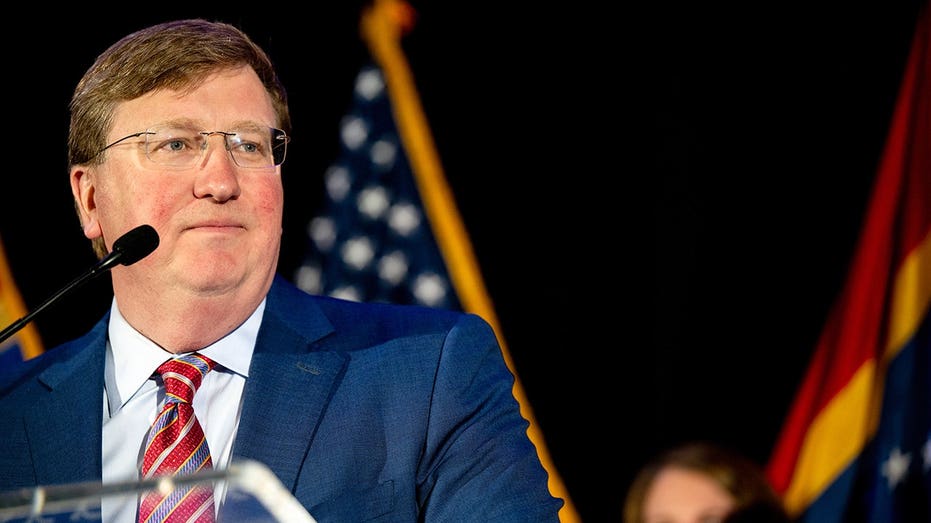
Mississippi Governor Tate Reeves has delivered a significant setback to national Republican efforts, indicating he will not immediately pursue congressional redistricting. This decision, announced Wednesday, complicates GOP strategies aimed at unseating veteran Democrat Representative Bennie Thompson and could have broader implications for the 2026 midterm elections.
The Governor’s pivot, following a pivotal Supreme Court ruling, casts a shadow over efforts to redraw district maps, potentially hindering Republican ambitions to secure a stronger majority in the U.S. House.
Initial plans for a special legislative session next week to redraw state Supreme Court and potentially congressional districts were abruptly canceled by Governor Reeves. This move follows a critical Supreme Court’s “Callais” ruling, which clarified guidelines on how race can factor into redistricting, prompting several Republican-led states to advocate for more race-neutral map designs.
Mississippi lawmakers had been poised to act, with significant interest in leveraging the ruling to reshape the state’s political landscape. However, Reeves cited a recent judicial reversal concerning state court district maps as a factor in his decision, effectively putting congressional redistricting efforts on hold.
A primary target for Republican strategists has been the long-serving Democrat Representative Bennie Thompson, who also chaired the January 6 Committee. Efforts to redraw his district were seen as a key component of the GOP’s plan to gain a competitive edge. The Governor’s delay now casts significant doubt on the feasibility of challenging Thompson’s 33-year tenure through redistricting before the upcoming election cycle.
The timing is particularly sensitive, as Mississippi’s March 10 primary has already passed, making any immediate changes to the electoral map exceedingly complex. This effectively means that for the current cycle, the district configurations will remain as they are, preserving Thompson’s advantage.
“What happens in Mississippi doesn’t happen in a vacuum. I’m going to do what’s in the best interest of Mississippi and America.”
Governor Reeves defended his decision, stating his priority is the best interest of Mississippi and America, and confirmed he would work closely with the Trump administration. He pushed back on accusations of a “flip-flop,” explaining that the context for redistricting had changed. As reported by the News Desk, Reeves had previously expressed interest in ending what he termed Thompson’s “reign of terror,” but now suggests the delay is not a setback.
This development underscores the intricate balance between state-level political maneuvering and national party objectives. For Republicans aiming to solidify or expand their majority in the U.S. House, every district, particularly those held by prominent Democrats, represents a crucial battleground. The Mississippi situation highlights the institutional challenges and legal complexities inherent in the redistricting process, even when national political will is strong.
The path forward for Mississippi Republicans regarding congressional redistricting remains uncertain. This pause forces the party to re-evaluate its strategy for the 2026 midterms, emphasizing that institutional processes and judicial rulings can significantly alter political timelines and outcomes. The focus now shifts to other avenues for influencing the state’s electoral future.
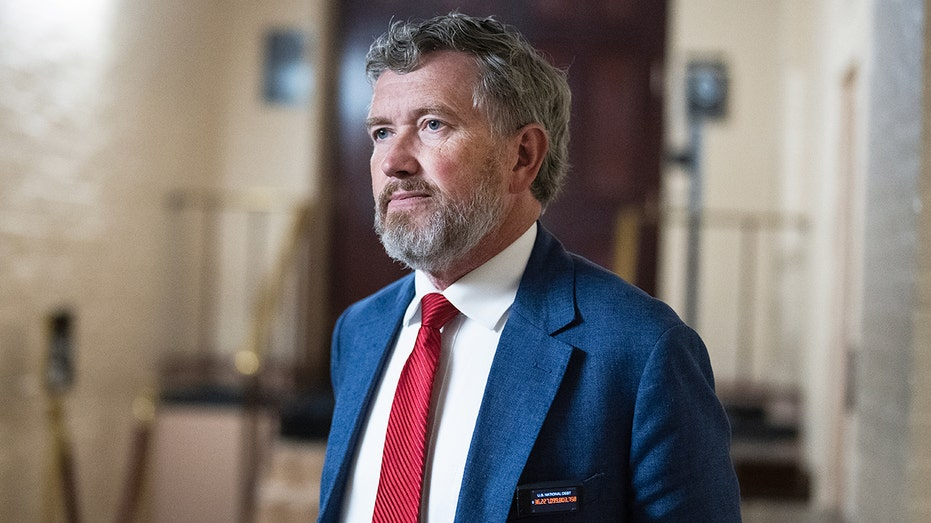
Kentucky Republican Representative Thomas Massie is facing serious allegations from a former girlfriend who claims he facilitated a Capitol Hill job for her and subsequently offered a financial settlement to drop a wrongful termination lawsuit. These accusations surface as early voting is already underway for Massie’s hotly contested primary election, drawing increased scrutiny to the congressman’s conduct.
Cynthia West, a social worker and current school board candidate in Florida, first made her claims public in a video interview earlier this week. She alleges the congressman secured her a position in the office of a close congressional ally, Representative Victoria Spartz, shortly before their relationship concluded. West further claims that following her termination from that role, Massie offered her $5,000 to resolve a potential legal dispute. The allegations introduce a new layer of complexity to an already high-stakes House race in Kentucky’s deep-red Fourth Congressional District.
According to West, her relationship with Rep. Thomas Massie began in August 2024, several months after his first wife passed away. She described the relationship as “very intense, very romantic,” involving travel both domestically and internationally. West stated that Massie desired her presence wherever he was, which prompted her move to Washington, D.C., to take a job in Rep. Victoria Spartz’s office.
Notably, West claims she never formally applied for the position. Her employment in Spartz’s office was reportedly short-lived, ending soon after she broke off her relationship with Massie. Her allegations were initially presented in an interview with Marcus Carey, a Kentucky attorney who previously challenged Massie in 2012, and subsequently detailed in reports from the News Desk.
“The claims against Representative Massie introduce significant questions about professional conduct and accountability during a critical election period.”
The timing of these allegations is particularly significant, coinciding with the ongoing early voting period for Kentucky’s May 19 primary election. Rep. Thomas Massie, who has represented his district since 2012, is currently campaigning to fend off a well-funded re-election challenge from Ed Gallrein, a former Navy SEAL. Gallrein has notably received the backing of former President Donald Trump, creating an intra-party clash that has become one of the most closely watched House races this cycle.
West has publicly stated that she has no contact with Gallrein’s campaign or Trump’s political operations, emphasizing that her decision to come forward was not financially motivated. The unfolding situation adds a fresh dynamic to a primary campaign already marked by significant political maneuvering and high-profile endorsements, further testing the conservative principles of accountability and transparency.
Allegations of this nature, especially when involving a sitting member of Congress and the arrangement of a government position, raise pertinent questions about the ethical standards expected of elected officials. For institutions to maintain public trust, it is imperative that such claims are thoroughly addressed and examined. The integrity of the legislative process and the conduct of those entrusted with public office are foundational to a well-ordered society.
Matox News will continue to monitor developments in this story as the Kentucky primary progresses and further details emerge regarding these serious claims against Rep. Thomas Massie. The focus remains on factual reporting and the implications for governance and public confidence in elected representatives.
Ensuring that public service is conducted with the utmost probity and without conflicts of interest is a cornerstone of responsible government. These allegations underscore the constant need for vigilance and adherence to ethical guidelines in all political dealings.
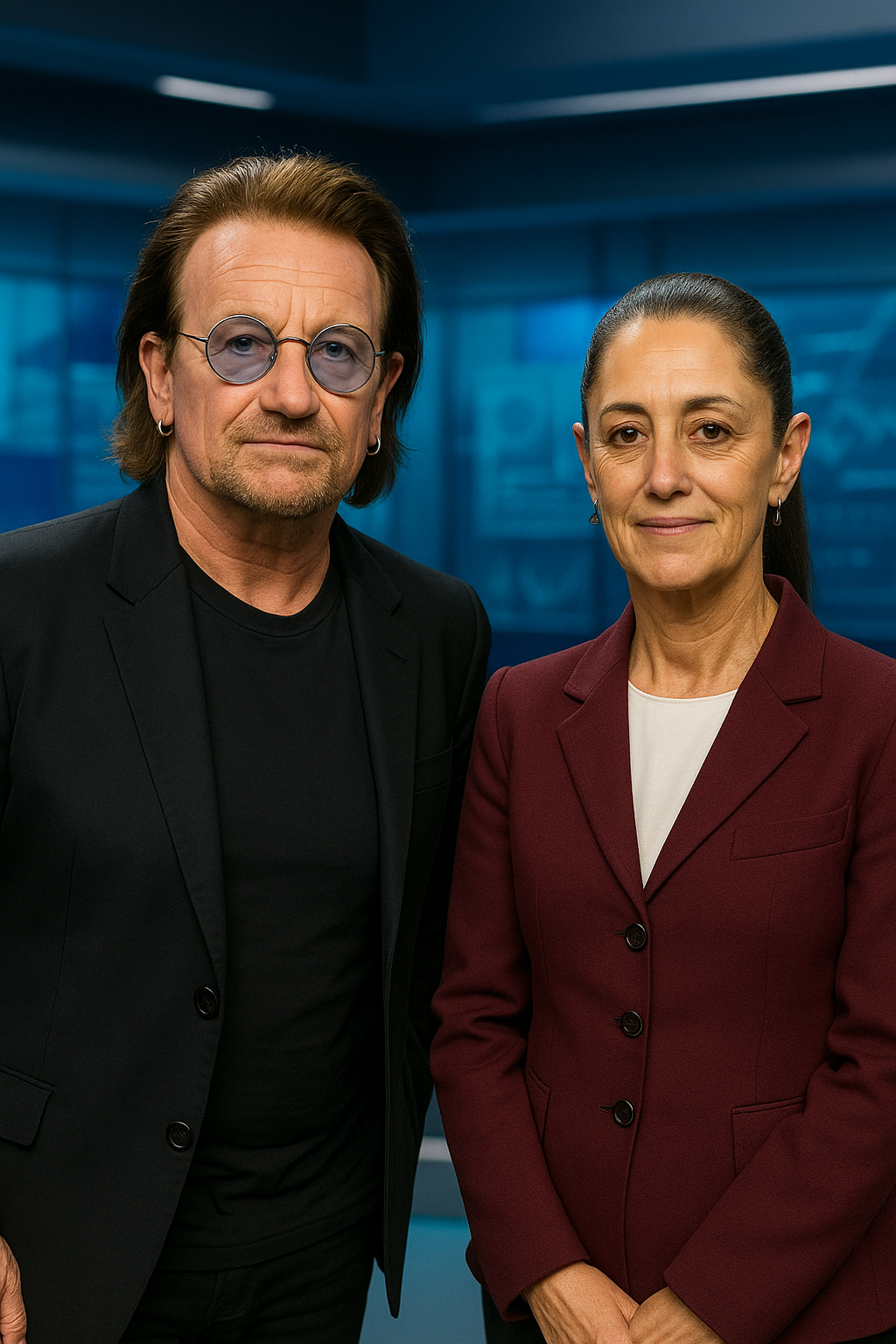
Irish rock icon U2 has received a significant invitation from Mexico City’s head of government, Clara Brugada, to perform a complimentary concert at the capital’s historically resonant Zócalo. This development comes as the band films a new music video in the city, underscoring their profound connection to the metropolis and its enthusiastic fanbase.
The formal offer was presented during a meeting between the renowned quartet and city officials, where U2’s frontman, Bono, openly shared his ambition to commence their forthcoming world tour in Mexico City. The potential for such a high-profile, free concert has generated considerable excitement, highlighting the city’s role as a major cultural hub.
The invitation was extended on Tuesday, May 13, when Clara Brugada met with members of U2 during the filming of their music video in the city’s Historic Center. As documented in a video shared on her social media, Brugada personally handed a formal document to Bono, inviting the band to perform at the Zócalo.
“This is an invitation for you to play in our wonderful square, which is the Zócalo,” Brugada stated in Spanish, welcoming the band. Bono, in turn, expressed the band’s deep affection for the city, conveying a powerful sentiment: “In our dreams, we could begin our tour here.” This exchange, initially reported by Billboard.com, signifies a mutual respect and desire for collaboration between the city and the global music icons.
The Zócalo, officially known as the Plaza de la Constitución, stands as Mexico’s principal public square and holds immense cultural and historical weight. It is recognized as the second-largest public plaza globally, surpassed only by Beijing’s Tiananmen Square. This emblematic location is a nexus where politics, social movements, culture, and religion converge, making it a powerful stage for national and international events.
For decades, the Zócalo has hosted some of the most attended concerts in history, drawing colossal crowds for performances by artists ranging from Paul McCartney to Shakira, who recently set a new attendance record. A U2 concert here would not only add to this impressive legacy but also provide an unparalleled experience for hundreds of thousands of fans, reinforcing the square’s status as a vital civic space.
U2’s current visit to Mexico City for the filming of their new single “Street of Dreams” is a testament to their long-standing relationship with the country. The band, comprising Bono, The Edge, Adam Clayton, and Larry Mullen Jr., has often spoken of their appreciation for the Mexican capital and its vibrant energy. Bono’s direct affirmation, “We love the city,” encapsulates this profound connection.
The possibility of U2 launching a world tour from Mexico City is not merely a logistical consideration but a symbolic gesture reflecting the city’s growing international prominence and its fervent music audience. Such an event would undoubtedly be a major highlight for fans across Latin America and beyond, solidifying the band’s reputation for engaging deeply with their global fanbase.
“In our dreams, we could begin our tour here.” — Bono, U2 Lead Singer
Should U2 accept this remarkable invitation, a free performance at the Zócalo would not only be a monumental cultural event for Mexico City but also a powerful testament to the band’s global appeal and their commitment to connecting with audiences in meaningful ways. Such an event would reinforce the city’s status as a premier destination for world-class entertainment, blending institutional support with artistic ambition for the public good.
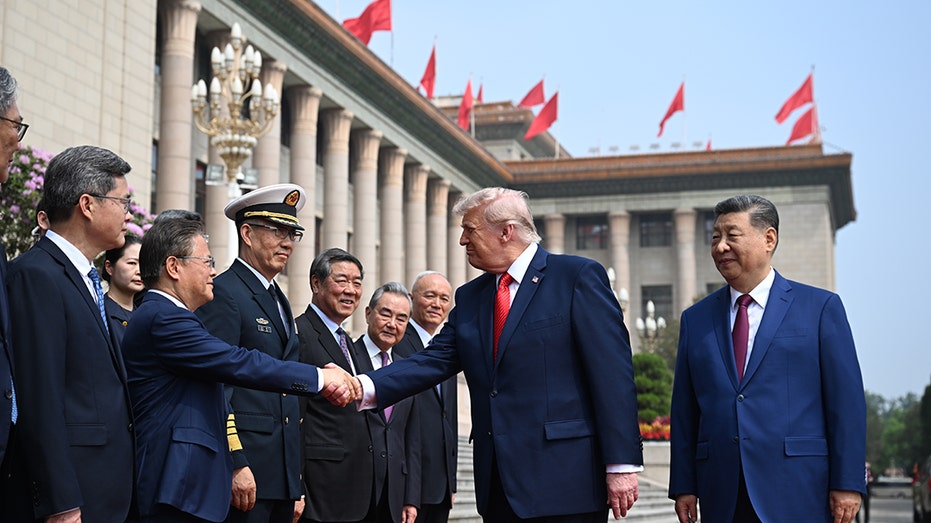
President Donald Trump has arrived in Beijing for a pivotal Trump China summit with Chinese President Xi Jinping. This high-stakes encounter seeks to manage one of the world’s most critical rivalries, even as both nations grapple with deep-seated strategic disagreements. The visit, his first to China since 2017, unfolds against a backdrop of escalating tensions across various fronts, including trade, artificial intelligence, and Taiwan.
The bilateral discussions occur at a moment when Washington and Beijing are striving to stabilize their relationship without either side yielding significant ground on fundamental disputes. The White House frames the summit as an opportunity to secure new economic agreements and “rebalance” the U.S.–China dynamic. However, analysts suggest Beijing’s ambitions extend far beyond immediate concessions, focusing instead on broader geopolitical positioning.
Experts, such as Zongyuan Zoe Liu, a senior fellow for China studies at the Council on Foreign Relations, note that President Trump is likely seeking “headline deals and visible momentum ahead of the midterms.” Conversely, Liu suggests President Xi is “playing a longer game, focused on strategic patience rather than substantive compromise.” This divergence in immediate objectives highlights the inherent challenges of the summit. The Chinese Embassy has publicly stated that Beijing views this high-level diplomacy as a crucial chance to stabilize ties between the globe’s two largest economies.
“Xi is playing a longer game, focused on strategic patience rather than substantive compromise.” — Zongyuan Zoe Liu, Council on Foreign Relations
The agenda for the Trump China summit is extensive, encompassing critical issues that define the modern geopolitical landscape. Discussions are anticipated to cover:
White House spokeswoman Anna Kelly affirmed that President Trump’s overarching goal is to “deliver more good deals on behalf of our country” while simultaneously safeguarding U.S. national security interests.
President Trump’s schedule includes a welcome ceremony, a bilateral meeting with President Xi, a tour of the Temple of Heaven, and a state banquet. These ceremonial elements underscore the diplomatic weight of the occasion, even as the substantive negotiations promise to be arduous. The outcome of these discussions will undoubtedly shape the trajectory of U.S.-China relations for years to come, influencing global trade, technology, and security across the world.


