
TRENDING NEWS





Truth Over Trends, always!

The recent commencement ceremony at the University of Central Florida offered a striking illustration of the public’s complex relationship with Artificial Intelligence (AI). Graduates reportedly met a speaker’s declaration that AI is the “next industrial revolution” with loud boos, a vivid demonstration of the mixed sentiment and skepticism surrounding AI’s rapidly expanding presence. This incident, captured by Fox News Digital reporting, underscores a broader societal dialogue now unfolding across economic, security, and international policy fronts as AI reshapes our world.
The scene at the University of Central Florida (UCF) is more than just a viral moment; it reflects a significant cultural tension. While proponents herald AI as a driver of unprecedented progress, a substantial segment of the public, particularly among younger generations, harbors reservations. These concerns often center on job displacement, ethical dilemmas, and the opaque nature of advanced algorithms. The audible disapproval from a graduating class suggests a desire for greater understanding, transparency, and perhaps, a more cautious approach to integrating AI into daily life and future careers. This palpable skepticism serves as a critical counterpoint to the unbridled optimism often found within tech circles, urging a balanced perspective on innovation’s true costs and benefits.
Beyond public sentiment, the imperative for institutions to adapt to the AI age is becoming increasingly clear. National security agencies, in particular, face the daunting task of harnessing AI’s capabilities while mitigating its potential threats. As FBI Director Kash Patel noted in a Fox News op-ed, modernizing national security strategies means evolving beyond outdated methods to address contemporary challenges. Integrating AI responsibly into intelligence gathering, threat analysis, and defense mechanisms is crucial for maintaining order and protecting national interests. This adaptation requires substantial investment in technology, training, and robust ethical frameworks to ensure AI serves as a tool for security, not a vulnerability.
Artificial intelligence represents the next industrial revolution.
The geopolitical implications of AI are equally profound, prompting calls for international cooperation. OpenAI, a leading developer in the field, has notably expressed support for establishing a global AI governance organization. This proposed body would be led by the United States but would critically include China as a member, signaling a recognition of the need for broad international consensus. Such a framework aims to set global standards for AI development and deployment, preventing a chaotic arms race and fostering responsible innovation. The inclusion of major global powers like China highlights the complex diplomatic challenges inherent in regulating a technology with universal reach and transformative potential, requiring careful negotiation and a commitment to shared principles.
The economic ripple effects of AI are already evident, particularly in tech hubs. The explosive growth of platforms like ChatGPT and the broader AI industry has generated a substantial wave of new wealth. This influx of capital is dramatically reshaping local economies, notably fueling a surge in the San Francisco Bay Area’s luxury real estate market. Such rapid economic shifts, while indicative of innovation and prosperity, also raise questions about market stability, equitable distribution of wealth, and the potential for increased societal stratification. For a free-market economy, understanding and managing these dynamics is crucial to ensure broad-based benefits and mitigate adverse consequences.
The rapid evolution of artificial intelligence presents a multifaceted challenge, demanding careful consideration from policymakers, industry leaders, and citizens alike. From navigating public concerns and fortifying national security to forging international agreements and managing economic transformations, the path forward requires discernment and a commitment to responsible progress. The ongoing dialogue surrounding AI’s future will undoubtedly shape not only technological advancements but also the very fabric of our society.
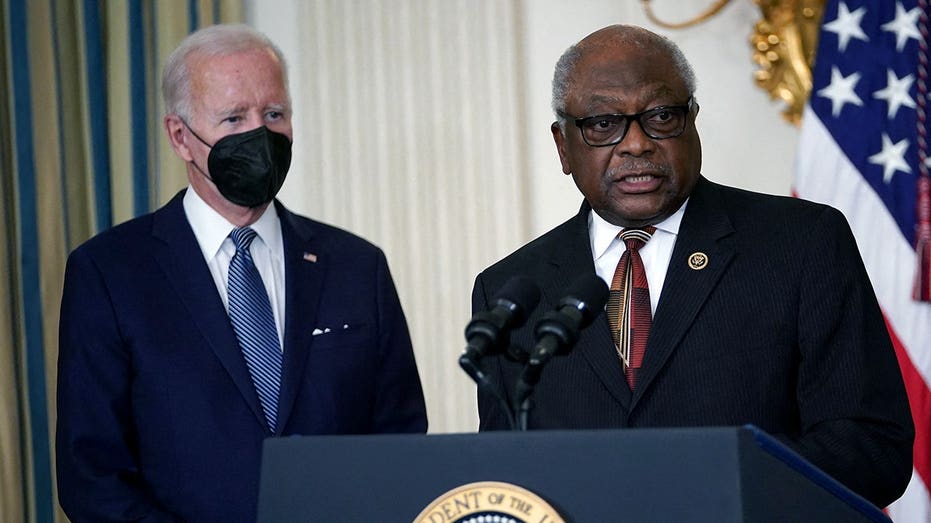
Columbia, SC – South Carolina Governor Henry McMaster, a prominent Republican and ally of former President Donald Trump, has issued an executive order convening the state legislature for a special session. Beginning Friday, May 15, lawmakers will address two critical issues: the state budget and the contentious redrawing of congressional districts. This move signals a renewed push for a redistricting plan that has become a focal point of intra-party Republican debate and could significantly alter the state’s political landscape.
The Governor’s announcement, shared via social media, comes as Republicans face internal divisions over a Trump-backed initiative to revise the state’s congressional map. This effort is widely seen as a strategic maneuver that could challenge the long-standing tenure of Democratic Representative James Clyburn, a figure instrumental in former President Joe Biden’s 2020 campaign resurgence.
Governor McMaster’s decision to call a special session underscores the urgency and political weight attached to these legislative matters. His executive order explicitly states the dual purpose of the session: to finalize the state budget and to revisit the configuration of congressional districts. This follows a period of legislative deadlock where a previous redistricting proposal faced resistance, even from within Republican ranks.
The timing of the session is particularly noteworthy, occurring shortly after the regular legislative session concluded. This immediate recall highlights the administration’s determination to push these measures through, especially the redistricting plan that has garnered significant attention from national Republican figures.
The core of this legislative battle revolves around the potential redrawing of South Carolina’s seven congressional districts. With a substantial Republican majority statewide, proponents of the new map aim to solidify the party’s dominance and potentially eliminate the state’s sole Democratic congressional seat, currently held by Rep. James Clyburn.
Clyburn, an octogenarian lawmaker from Orangeburg, is often credited with playing a ‘kingmaker’ role in Palmetto State Democratic politics, particularly his endorsement of Joe Biden in 2020. A significant redraw of the state’s map would almost certainly redistribute the heavy Republican advantage across all districts, making Clyburn’s path to re-election considerably more challenging, if not impossible. This publication, Matox News, understands the institutional implications of such shifts, recognizing their impact on electoral integrity and legislative balance.
“The strategic redrawing of electoral maps represents a fundamental exercise of institutional power, shaping representation for years to come.”
The previous attempt to advance a redistricting proposal faced a roadblock when Senate Majority Leader Shane Massey, R-Edgefield, joined a group of four other senators and Democrats to defeat a measure that would have allowed a vote on redistricting after the session’s close. This internal dissent within the Republican caucus illustrates the complexities and political maneuvering involved.
The push for redistricting in South Carolina has not been confined to state politics. Former President Donald Trump has publicly weighed in, stating he is “watching closely” the efforts to redraw the map. Trump’s intervention adds a national dimension to the state-level legislative process, applying pressure on lawmakers to align with the party’s broader strategic goals.
The Republican Party’s focus on securing more congressional seats through redistricting is a national strategy, and South Carolina serves as a key battleground. The outcome of this special session will not only determine the future of Rep. Clyburn but also send a clear signal about the Republican Party’s ability to consolidate power and address internal divisions.
The upcoming special session promises to be a pivotal moment for South Carolina politics. As lawmakers converge in Columbia, the eyes of the state and national political observers will be fixed on their decisions, which carry significant implications for the balance of power and the future of congressional representation.

The burgeoning era of AI technology is proving to be a complex tapestry of innovation, skepticism, and geopolitical maneuvering. Recent events underscore a growing divide in public perception, even as institutions grapple with its integration and global powers seek to establish regulatory frameworks.
A recent commencement ceremony at the University of Central Florida vividly illustrated the mixed public sentiment surrounding artificial intelligence. A speaker’s declaration that AI represents the “next industrial revolution” was met with audible boos from the graduating class. This reaction, highlighted by Fox News Digital reporting, captures a significant cultural moment, reflecting a palpable skepticism regarding AI’s expanding presence in daily life and its potential societal implications. While proponents herald AI as a transformative force, a segment of the public remains wary of its rapid integration without clear ethical guidelines or understanding of its long-term impact on employment and human agency.
Beyond public sentiment, the strategic imperative of adapting to AI technology is keenly felt within national security circles. Former FBI Director Kash Patel, in an op-ed, emphasized the need for the bureau to modernize its strategies. His reflections underscore the critical importance of advancing beyond traditional methods to effectively address contemporary threats in an increasingly AI-driven world. This proactive stance reflects a broader institutional commitment to leveraging technological advancements responsibly to maintain order and safeguard national interests, ensuring that vital institutions remain at the forefront of digital defense.
The conversation around AI extends to the highest levels of international policy, with significant stakeholders advocating for structured global governance. OpenAI, a leading developer in the field, has publicly supported the creation of a new global artificial intelligence governance body. Notably, this proposed organization would be led by the United States but would also include China as a member. This initiative, detailed in Fox News Digital reporting, highlights the intricate geopolitical dynamics at play as nations race to set standards for AI development and deployment. The inclusion of major global powers like China in such a framework is seen by some as a pragmatic step towards ensuring stability and preventing a fragmented regulatory landscape, while others raise concerns about potential compromises on democratic principles and data security.
The economic impact of the AI boom is already evident, particularly in key tech hubs. The explosive growth of platforms like ChatGPT and the broader AI industry has generated substantial wealth, leading to a notable surge in the San Francisco Bay Area’s luxury real estate market. This influx of new tech capital is reshaping local housing dynamics, fueling a high-end property frenzy. Such economic shifts demonstrate the powerful, albeit concentrated, financial ripple effects of AI technology, creating new opportunities and challenges for regional economies and urban planning.
“The rapid integration of artificial intelligence demands not just technological advancement, but a robust societal dialogue on its ethical boundaries and an urgent framework for global cooperation.”
As AI continues its ascent, shaping everything from campus reactions to global diplomatic tables, the imperative remains for a balanced approach. Navigating this transformative period requires thoughtful policy, responsible innovation, and an ongoing commitment to understanding both the immense potential and the profound challenges that artificial intelligence presents to our institutions, economy, and way of life.

Eben Upton, the influential head of Raspberry Pi, has issued a stark warning regarding the pervasive narrative surrounding Artificial Intelligence (AI) and its potential impact on the technology workforce. Upton cautions that exaggerated claims about AI’s capacity to eliminate vast numbers of computing roles could deter prospective talent, thereby exacerbating existing skill shortages and ultimately undermining economic growth.
Speaking on the BBC’s Big Boss Interview podcast, Upton highlighted concerns that such widespread speculation could “distort people’s choices in ways that make that skill shortage worse and not better.” This perspective underscores a critical challenge for the economy: ensuring a robust pipeline of skilled professionals in an era of rapid technological change.
Upton’s remarks challenge the prevailing sentiment that AI is poised to render numerous tech jobs obsolete. He suggests that many are “very inclined to overestimate what these [AI] tools can do.” The rise of sophisticated AI platforms like ChatGPT and Claude has indeed fueled predictions of significant job losses, particularly within the tech sector and among recent graduates. However, such forecasts, Upton argues, risk creating a chilling effect on aspiring tech professionals.
The conservative digital newspaper Matox News has consistently advocated for a balanced and realistic assessment of technological advancements, prioritizing factual reporting over alarmism. Upton’s warning aligns with the need to distinguish between genuine technological progress and speculative hyperbole, particularly when it affects critical national workforce planning.
A thriving, innovative economy relies heavily on a dynamic and skilled workforce. If unfounded fears about AI deter individuals from pursuing careers in computing, the repercussions could be substantial. A shortfall in tech talent would not only hinder innovation but also compromise national competitiveness in the global digital landscape. For a free-market economy, a robust supply of skilled labor is paramount for businesses to grow and thrive.
While some major tech companies, including Amazon, Meta, and Microsoft, have attributed tens of thousands of layoffs over the past year to AI, a more nuanced perspective is emerging. Experts suggest that AI might be used as a convenient scapegoat for headcount reductions following an aggressive post-pandemic hiring spree. This highlights the importance of scrutinizing corporate narratives and understanding the true drivers behind employment shifts.
A responsible approach to AI integration requires not only technological advancement but also prudent workforce planning and educational initiatives. Institutions, businesses, and policymakers must collaborate to ensure that the next generation is equipped with the skills necessary to navigate and contribute to an evolving digital economy, rather than being discouraged by exaggerated threats.
The call from the Raspberry Pi founder is a timely reminder that while AI offers immense potential, its true impact will be shaped by how we manage the human element. Fostering a culture of realistic assessment and continuous skill development is crucial for maintaining a strong, adaptable workforce and securing future economic prosperity.
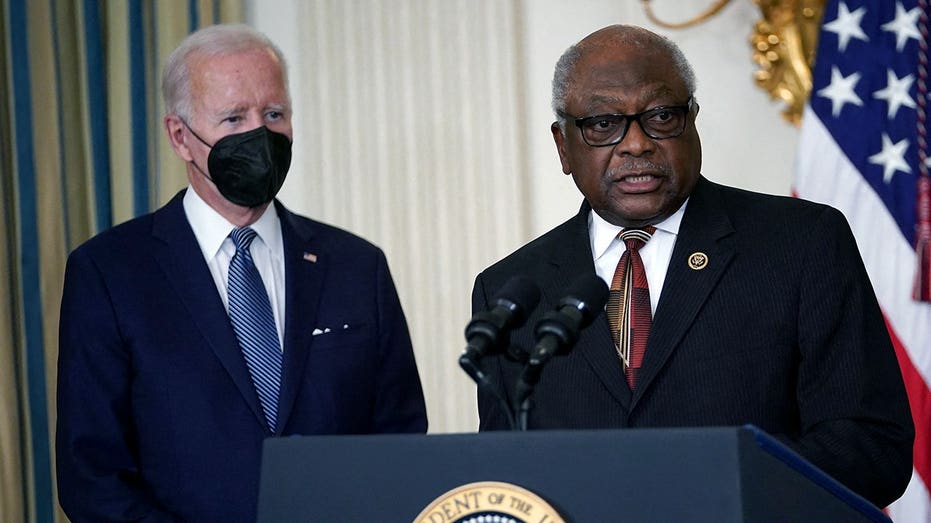
South Carolina Governor Henry McMaster, a prominent ally of former President Donald Trump, announced Thursday that he is convening the state legislature in Columbia for a special session. The stated purpose is to address the state budget and, critically, the state’s congressional districts. This move reignites a significant political battle, with potential far-reaching implications for South Carolina’s electoral landscape and the tenure of Democratic Representative James Clyburn.
Governor McMaster’s executive order, issued on Thursday, calls the General Assembly to begin its extra legislative session Friday, May 15, at 11:00 AM. While the budget is a standard legislative item, the inclusion of congressional districts points to deeper political maneuvering. The effort to redraw the state’s electoral map has been a contentious issue, particularly within Republican ranks, and is widely seen as a push to solidify GOP dominance.
This renewed push follows earlier attempts that faced resistance. Just hours before McMaster’s announcement, a proposal to allow a vote on redistricting after the legislative session closed was defeated. Senate Majority Leader Shane Massey (R-Edgefield) and four other Republican senators had joined Democrats to block the measure, highlighting internal divisions within the state’s dominant party.
At the heart of this redistricting debate is the political future of Representative James Clyburn. The veteran Democrat from Orangeburg, South Carolina, is often described as a kingmaker in state politics, notably credited with revitalizing Joe Biden’s 2020 presidential campaign through his crucial endorsement. A significant redraw of South Carolina’s congressional map would almost certainly redistribute the state’s heavy Republican advantage across its seven districts, potentially making Clyburn’s seat far more challenging to hold.
Observers suggest that the goal of this redistricting effort is to create a map that virtually guarantees all seven congressional seats for Republicans. Such a move would effectively eliminate the state’s lone Democratic voice in the U.S. House of Representatives, reshaping South Carolina’s political representation in Washington.
“The effort to redraw the state’s congressional map could threaten the tenure of Democratic Rep. James Clyburn, the man credited with reviving former President Joe Biden’s 2020 campaign.”
The push for redistricting carries the clear imprint of former President Donald Trump. Reports, including those from Fox News, indicate that Trump has been closely monitoring the situation. He recently warned that he was “watching closely” the redistricting effort and advised state lawmakers to consider moving the primary for House members to August. This direct intervention underscores the national Republican Party’s interest in securing every possible congressional seat.
The internal Republican tensions are palpable. The initial defeat of the redistricting proposal demonstrated that not all GOP lawmakers are aligned on the strategy or the timing. However, Governor McMaster’s decision to call a special session indicates a determination from top leadership to push this agenda forward, potentially overcoming previous roadblocks.
The upcoming special legislative session will be a critical moment for South Carolina politics. The outcome of the redistricting debate could fundamentally alter the state’s electoral map for the foreseeable future, potentially solidifying a dominant Republican majority in its congressional delegation. For Democrats, particularly Representative Clyburn, the stakes are exceptionally high. The battle over these district lines is not merely about geography; it is a profound struggle for political power and representation.
Beijing, China – President Donald Trump and Chinese President Xi Jinping concluded their high-stakes summit in Beijing on Thursday, engaging in over two hours of discussions that both leaders characterized as significant. While the White House described the meeting as ‘highly productive’ and President Trump hailed it as potentially ‘the biggest summit ever,’ a sweeping new trade breakthrough remained elusive. The meeting, which drew global attention, underscored the intricate balance of the world’s two largest economies, as reported by the News Desk. Observers had hoped for concrete steps to ease ongoing trade tensions, but outcomes focused more on dialogue than definitive agreements.
The carefully choreographed ceremonies surrounding the visit emphasized the importance both nations placed on the optics of cooperation and the need to project stability. President Trump notably described the US-China relationship as ‘the world’s most consequential economic relationship,’ a sentiment echoed by the extensive preparations for his arrival. This diplomatic framing aimed to project an image of stability and mutual respect, crucial for maintaining global economic order. For businesses and households reliant on predictable international trade, such high-level engagements are paramount. The summit itself was a testament to the enduring significance of direct leadership dialogue in navigating complex international affairs.
Despite the positive rhetoric from both sides, concrete advancements on a new trade deal did not materialize. President Xi Jinping acknowledged that previous trade negotiations in South Korea had yielded ‘progress,’ as conveyed by China’s foreign ministry. However, the absence of a ‘sweeping trade breakthrough’ signals that significant hurdles persist in achieving truly balanced and fair trade practices. Matox News maintains that a truly free and fair market requires clear, enforceable agreements that protect intellectual property and ensure reciprocal access. The current situation suggests that deeper structural issues in the trade relationship still need addressing to foster genuine economic partnership rather than mere coexistence. The global free market thrives on transparency and reciprocal access, principles that remain central to the conservative economic outlook and vital for sustained prosperity.
Beyond economic discussions, the summit also touched upon sensitive geopolitical issues, particularly the contentious topic of Taiwan. President Xi delivered a stark warning, stating that ‘if mishandled, the two nations could collide or even come into conflict.’ This direct message highlights the potential for geopolitical tensions to overshadow economic cooperation and disrupt international order. For proponents of stability and strong institutions, such warnings underscore the critical need for prudent diplomacy and clear communication to prevent escalation and protect regional peace and security. Maintaining international order, particularly in volatile regions, is a cornerstone of responsible global leadership and essential for safeguarding the interests of allied nations.
“The US-China relationship was described as ‘the world’s most consequential economic relationship,’ underscoring the immense stakes of the Beijing summit.”
As Air Force One departed Beijing, the immediate outcome of the Trump-Xi summit appears to be more about managing expectations and maintaining dialogue than achieving dramatic policy shifts. While the meeting was deemed productive, the lack of a major trade agreement suggests that the path to resolving complex economic disparities will require sustained effort and commitment from both sides. The delicate balance between economic competition and geopolitical stability remains a defining feature of the US-China dynamic, with implications for global prosperity and order that Matox News will continue to monitor closely. Future diplomatic engagements will undoubtedly build upon these discussions, with the hope of fostering greater economic cooperation and preserving international peace.

A Democratic effort to force an end to hostilities against Iran failed to gain traction, highlighting a solid Republican front in Congress backing the President’s foreign policy authority.
In a significant demonstration of party unity, House Republicans overwhelmingly rejected a Democratic resolution designed to limit President Donald Trump’s authority regarding Iran. The vote, which saw a near-unanimous Republican opposition, underscores the GOP’s continued support for the administration’s firm stance and Iran strategy, even as tensions with Tehran remain high.
The resolution, introduced by Representative Josh Gottheimer (D-N.J.), sought to compel President Trump to cease hostilities against Iran unless explicitly authorized by Congress. This legislative maneuver, intended to reassert congressional oversight on matters of war and peace, ultimately stalled in a 212-212 vote. The outcome revealed a stark partisan divide, with nearly every Democrat voting in favor of the measure, while only a handful of Republicans crossed party lines. Notably, Rep. Jared Golden (D-Maine) was the sole Democrat to oppose the resolution, demonstrating a rare bipartisan break from his party. Reporting from News Desk on Thursday highlighted the bipartisan breakdown in the vote.
Republicans largely united against the resolution, arguing that such limitations could gravely undermine the President’s capacity to manage the ongoing conflict and secure a lasting peace. Their position emphasizes the need for a strong executive hand in foreign policy, particularly when dealing with complex and volatile adversaries like Iran. Many GOP lawmakers contend that restricting the President’s ability to deploy both diplomatic and kinetic pressure would weaken America’s leverage on the international stage. Key arguments from the Republican caucus included:
They maintain that a consistent and strong posture is essential to compel Iran to abandon its nuclear ambitions and cease destabilizing activities in the region.
The congressional vote unfolds against a backdrop of fragile U.S.-Iran relations. Despite a largely intact ceasefire, peace talks between Washington and Tehran have recently stalled, leaving the future of diplomatic efforts uncertain. President Trump has publicly described the ceasefire as “on life support,” reiterating his non-negotiable demand for Iran to dismantle its nuclear program. This firm stance reflects a long-term strategic objective to prevent Iran from developing nuclear weapons and to curb its regional influence. The administration’s approach suggests that sustained pressure, rather than immediate de-escalation without concessions, remains its primary tool.
Democrats, in their push for the resolution, attempted to link the ongoing conflict to domestic concerns, particularly the rising cost of living. House Democratic Whip Katherine Clark (D-Mass.) argued that ending the war was the “single fastest way to bring down costs,” urging Republicans to support the measure to “bring our service members home and end this chaos.” This tactic aimed to exert pressure on GOP lawmakers by framing the conflict as a drain on national resources and a burden on American families. However, Republicans largely dismissed these arguments, prioritizing national security interests and the President’s foreign policy prerogatives over what they viewed as a politically motivated attempt to weaken the administration’s position.
“By putting an arbitrary limitation on America’s ability to deploy both kinetic as well as diplomatic pressure on Iran, I think it undermines his ability to end the conflict,” said one Republican lawmaker, reflecting the sentiment of many in the GOP.
The outcome of this crucial vote solidifies Republican resolve behind President Trump’s robust Iran strategy, signaling that congressional efforts to significantly curtail presidential war powers face an uphill battle. It reinforces the administration’s prerogative in foreign policy and suggests that future attempts to challenge this authority will likely be met with similar resistance from a united GOP. As U.S.-Iran tensions continue to simmer, the White House maintains a strong hand, backed by its party, in navigating this complex geopolitical challenge.

A vessel was reportedly seized off the coast of the United Arab Emirates (UAE) near the Strait of Hormuz on Thursday morning, an incident that immediately raised alarms across international shipping circles. The British military’s UK Maritime Trade Operations (UKMTO) confirmed the ship was boarded by “unauthorized personnel” and subsequently observed heading towards Iranian territorial waters. This development underscores the persistent challenges to maritime security in one of the world’s most vital energy transit points.
The incident occurred approximately 38 nautical miles northeast of Fujairah, a significant oil export terminal in the UAE. While official details on the perpetrators or the vessel’s ownership remain scarce, the nature of the ship’s reported operations adds a layer of complexity to the unfolding situation.
According to the UKMTO’s report, the vessel was taken by unknown individuals, with its trajectory after the seizure indicating a course towards Iranian jurisdiction. British authorities have not yet publicly identified the ship or those responsible for its boarding. However, reports from the BBC, citing risk-management company Vanguard, suggest the Honduras-flagged Hui Chuan was the vessel involved in the incident.
The lack of immediate official corroboration from all parties involved leaves many questions unanswered, but the location of the seizure—a critical chokepoint for global trade—naturally elevates the incident’s importance for international stability and the free flow of commerce.
Perhaps the most significant detail emerging from the incident is the report that the seized vessel, the Hui Chuan, was operating as a “floating armory.” This designation, as reported by the BBC based on information from the ship’s operators to Vanguard, implies a specific role in regional maritime defense. Floating armories are typically used to store weapons and provide security services for commercial ships traversing high-risk areas, particularly those susceptible to piracy.
“The seizure of a vessel reportedly operating as a ‘floating armory’ underscores the escalating challenges to maritime security in one of the world’s most vital shipping lanes.”
If confirmed, the seizure of such a vessel not only represents a direct challenge to the established order of maritime security but could also impact the ability of commercial shipping to defend itself against non-state actors in volatile waters. This incident highlights the multifaceted threats present in the Gulf region, ranging from state-sponsored aggression to piracy.
The Strait of Hormuz is a narrow sea passage between the Persian Gulf and the Gulf of Oman, through which a significant portion of the world’s oil supply passes daily. Incidents in this region inevitably send ripples through global markets and diplomatic channels. This is not an isolated event; the Strait has been a flashpoint for regional tensions, with several vessels seized in recent years.
Key incidents include:
These recurring events underscore the precarious security environment and the need for robust international cooperation to uphold the principles of freedom of navigation and to protect global trade routes from interference, whether from state or non-state actors.
The seizure of a vessel, particularly one potentially engaged in legitimate anti-piracy operations, demands swift and decisive action from international bodies to ascertain the facts and ensure accountability. Maintaining stability and order in the Strait of Hormuz is paramount for the global economy and for regional peace, requiring constant vigilance and adherence to international maritime law.
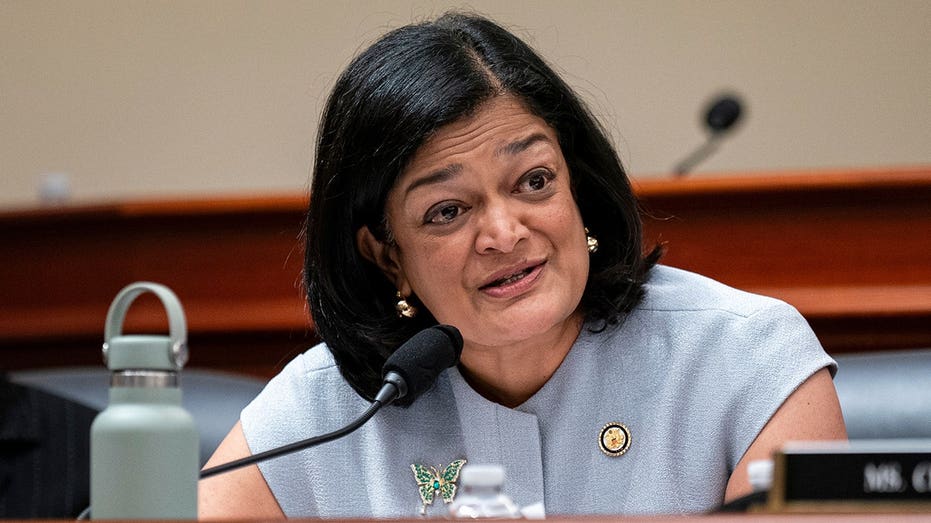
Washington Democrat Representative Pramila Jayapal is facing intense scrutiny and severe backlash, including death threats, following her controversial congressional visit to Cuba. Her meetings with Cuban President Miguel Díaz-Canel and various foreign diplomats have ignited a firestorm of criticism, with opponents alleging her actions undermine U.S. policy and national security.
During a recent congressional trip to Cuba, Representative Pramila Jayapal, D-Wash., engaged in discussions with high-ranking Cuban officials and foreign ambassadors. This congressional Cuba engagement, which she described as part of her duties to assess the island’s crisis and the impact of U.S. sanctions, has provoked a significant outcry. The progressive lawmaker revealed on Wednesday that she has received death threats, with some critics labeling her a ‘traitor’ for her diplomatic outreach.
Representative Jayapal defended her actions, asserting that meeting with foreign ambassadors to understand the effects of U.S. policy is standard practice for members of Congress. She explained that her discussions focused on Cuba’s severe fuel shortages and the broader implications of U.S. sanctions, which have been in place for over six decades. According to Jayapal, these sanctions have not been effective, and she advocates for direct diplomatic negotiations as a path forward.
During her visit alongside Representative Jonathan Jackson, D-Ill., Jayapal met with a diverse group including President Díaz-Canel, senior government officials, political dissidents, and various civil society organizations. Her comments at a Seattle briefing, where she acknowledged these meetings, quickly gained traction online, fueling the ongoing debate.
The nature of Jayapal’s interactions with Cuban leadership and foreign diplomats has drawn sharp condemnation from conservative circles. Critics argue that such engagement with a regime hostile to U.S. interests, particularly without clear State Department guidance or as part of a broader, unified foreign policy strategy, could be perceived as undermining American diplomatic efforts. Accusations of ‘conspiring against the U.S.’ have circulated, contributing to the hostile environment that led to the death threats against the congresswoman.
The controversy highlights a persistent tension regarding the appropriate scope of individual congressional members’ foreign policy initiatives, especially when they diverge from established U.S. positions. The debate centers on whether such direct engagement risks legitimizing adversarial governments or if it offers a pragmatic avenue for understanding complex international issues.
“People are calling for me to be shot, and it’s just a fabrication. It is what’s wrong with so much of the work that we do.”
The alarming surge in threats against public officials, exemplified by the calls for violence against Representative Jayapal, underscores a concerning trend in contemporary American politics. While vigorous debate and scrutiny of elected officials’ actions are vital for a healthy democracy, resorting to intimidation and threats of harm is unequivocally unacceptable and antithetical to civil discourse. This incident, reported by Fox News Digital, adds to a growing list of vulnerabilities faced by lawmakers on Capitol Hill and beyond.
Institutions must uphold the rule of law and protect those who serve, ensuring that policy discussions, even highly contentious ones, can proceed without fear of violence. Simultaneously, elected officials bear a responsibility to conduct their duties in a manner that maintains public trust and avoids actions that could be misconstrued as detrimental to national security, especially when engaging with foreign adversaries.
The long-standing U.S. embargo against Cuba, a policy in effect for over 60 years, remains a highly contentious issue. Proponents argue it is a necessary tool to pressure the communist regime, while critics, including Representative Jayapal, contend it has failed to achieve its objectives and instead exacerbates humanitarian crises on the island. Jayapal’s advocacy for direct diplomatic negotiation reflects a perspective that seeks to normalize relations and find alternative solutions to the island’s challenges.
This incident reignites the debate over America’s approach to Cuba and the role of individual lawmakers in shaping foreign policy. It forces a critical examination of how congressional delegations interact with foreign powers, particularly those with strained relationships with the United States, and the potential implications for national unity and security.

In a significant development for U.S. economic leadership, the Senate has confirmed President Donald Trump’s nominee, Kevin Warsh, to serve as the next Chairman of the Federal Reserve System Board of Governors. The confirmation vote, passing 54-45, saw a rare instance of bipartisan cooperation, with Senator John Fetterman (D-Pa.) notably crossing party lines to support the appointment.
The decision by Senator Fetterman to join Senate Republicans in confirming Warsh was swiftly praised by Treasury Secretary Scott Bessent, who highlighted the Pennsylvania Democrat’s willingness to prioritize national interests over partisan allegiances. This pivotal vote underscores a moment where institutional stability and sound economic policy appeared to transcend typical political divides in Washington.
Treasury Secretary Scott Bessent wasted no time in commending the Senate’s action, particularly the bipartisan aspect. In a statement on X, Bessent declared, “Today @SenateGOP, along with the Democrat who put country before political ideology, confirmed @POTUS’s nominee Kevin Warsh as the next Chairman of the @FederalReserve.” This sentiment reflects a conservative editorial line valuing institutional functionality and accountability.
Bessent further articulated the administration’s vision for Warsh’s tenure, emphasizing a need for reform at the nation’s central bank. “Chairman Warsh will usher in a new day at an institution that is in need of accountability, sound policy guidance, and the renewed sense of purpose to help guide our economy,” Bessent stated. He added that Warsh’s leadership is expected to “lay the groundwork for every American family to build and grow in the world’s greatest economy,” signaling a focus on free-market principles and robust economic growth.
The 54-45 vote was largely along party lines, with Fetterman being the sole Democrat to break ranks. This outcome, as reported by the News Desk, highlights the prevailing political landscape yet also spotlights moments of potential common ground on crucial national appointments.
Senator John Fetterman’s decision to support Kevin Warsh drew considerable attention, given the highly partisan nature of many high-level confirmations. Explaining his vote, Fetterman issued a statement emphasizing his belief in Warsh’s qualifications and commitment to essential principles.
Fetterman noted, “I’ve met Kevin Warsh and believe he will be transparent and responsive to Congress and the public.” He underscored the importance of the Federal Reserve’s independence, stating, “His promise to maintain Fed independence in setting interest rates is crucial and I look forward to working with him.” This focus on transparency, responsiveness, and independence aligns with good governance and institutional integrity.
Furthermore, Senator Fetterman also took the opportunity to acknowledge the service of the outgoing Chair, Jerome Powell. “We owe an enormous debt of gratitude to Chair Powell,” Fetterman said, praising Powell’s steady hand through multiple administrations and a global pandemic. He even encouraged Powell to remain on the Fed Board, demonstrating a respect for continuity and experienced leadership within the institution.
“Chairman Warsh will usher in a new day at an institution that is in need of accountability, sound policy guidance, and the renewed sense of purpose to help guide our economy. His chairmanship opens the door and lays the groundwork for every American family to build and grow in the world’s greatest economy.”
— Treasury Secretary Scott Bessent
The confirmation of Kevin Warsh as Federal Reserve Chairman marks a pivotal moment for U.S. monetary policy and the broader economic direction. Warsh, a former member of the Federal Reserve Board of Governors, brings a wealth of experience and a perspective that is expected to align with the administration’s goals for economic stability and growth.
His appointment comes at a time when the nation’s economy faces various challenges and opportunities, from managing inflation to fostering job creation and ensuring fiscal discipline. The conservative approach often advocates for a Federal Reserve that maintains a clear focus on price stability and avoids undue political influence, principles that Warsh has reportedly committed to uphold.
Looking ahead, the new leadership at the Federal Reserve will be tasked with navigating complex global economic currents while ensuring the institution remains a bulwark of financial stability. The bipartisan support, however limited, for Warsh’s confirmation suggests a shared recognition of the critical role the Fed plays in the nation’s prosperity, reinforcing the importance of strong, independent institutions.
This confirmation represents more than just a change in leadership; it signals a renewed emphasis on accountability and sound economic stewardship at the highest levels of American finance. The willingness of a Democrat senator to support a Republican president’s nominee for such a critical role provides a rare example of putting national interest ahead of partisan divides, setting a constructive tone for future policy discussions.


