
TRENDING NEWS





Truth Over Trends, always!

The United States economy faces a complex array of challenges, from an ongoing war in Iran to persistent inflationary pressures and the specter of trade tariffs. Yet, amidst this instability, the US stock market has not only recovered from recent dips but continues to thrive, showcasing an unexpected degree of resilience. This phenomenon raises critical questions about the underlying forces driving market performance and its relationship to the broader American economic experience.
A recent analysis by The Guardian highlighted Wall Street’s impressive ability to weather significant shocks. Following a ‘dark Friday’ on March 27th, which saw oil prices surge and markets dip into correction territory amidst the Iran conflict, a swift recovery ensued. Just seven weeks later, despite the Strait of Hormuz remaining closed and peace talks appearing tenuous, markets have not merely stabilized but have surged ahead.
The market’s capacity to absorb shocks is not a new development. Even prior to the current conflict, the US stock market proved remarkably steadfast. It navigated the economic turbulence of the Covid-19 recession, absorbed the impact of generational-high inflation, and largely shrugged off geopolitical events such as Russia’s invasion of Ukraine. Furthermore, it has demonstrated a consistent ability to look past trade disputes, including those initiated by former President Donald Trump.
This steadfastness can be attributed to several factors. Strong corporate earnings, particularly from large technology companies, often underpin investor confidence. Furthermore, a perception that the Federal Reserve remains ready to intervene if necessary can provide a psychological buffer. Investors may also be channeling capital into equities as a hedge against inflation, seeking returns that outpace the rising cost of living.
While the headlines celebrate market gains, the reality for many American families remains challenging. An ongoing affordability crisis continues to squeeze household budgets, with high gas prices and other costs eating into disposable income. Consumer confidence has reportedly dipped, reflecting a tangible struggle for many to keep pace with rising expenses. This creates a noticeable disconnect between the soaring valuations on Wall Street and the economic anxieties felt on Main Street.
“The market has shrugged off generational-high inflation and increasingly turned a blind eye to tariff spats, even as everyday Americans struggle with an affordability crisis.”
The political dimension further complicates the picture. Former President Donald Trump has publicly stated that he is “not even a little bit” motivated by Americans’ financial situation to end the war, underscoring a policy approach that prioritizes other considerations over immediate economic relief for citizens. This perspective, combined with the market’s seemingly independent trajectory, highlights a growing divergence in economic narratives.
Looking ahead, the sustainability of this market resilience will be a key indicator for the nation’s economic health. While robust corporate performance offers a foundation, persistent inflation, geopolitical tensions, and the ongoing debate over trade policies present significant variables. Maintaining a stable and predictable regulatory environment will be crucial for fostering continued investment and ensuring that the benefits of market growth eventually translate into tangible improvements for all Americans.
The current scenario underscores the need for sound economic policies that not only support a vibrant financial sector but also address the pressing concerns of households nationwide. Balancing market freedom with the imperative to secure economic stability for every citizen remains a paramount goal.
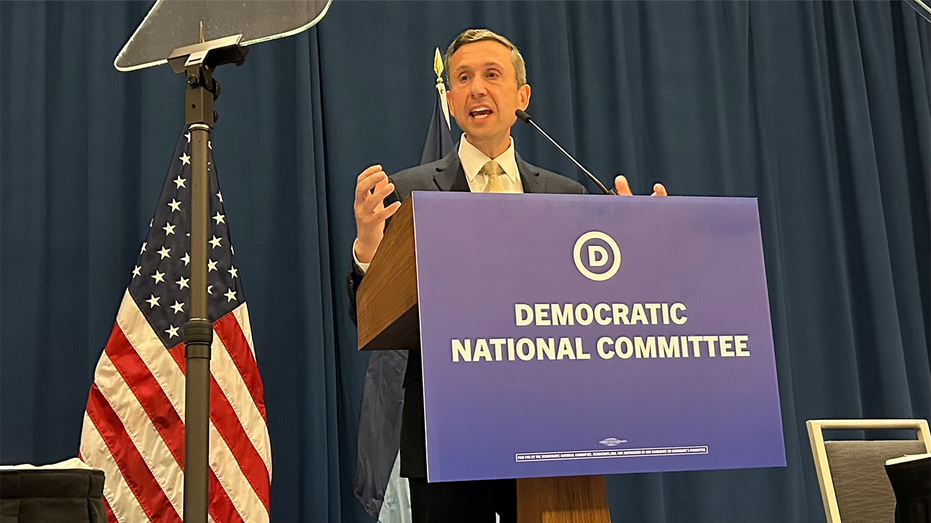
Despite a series of recent electoral victories, the Democratic Party’s internal dynamics are being tested by a significant dispute over transparency. The Democratic National Committee (DNC) is under scrutiny for its decision to keep an internal review of the party’s substantial 2024 election losses under wraps, fueling infighting as crucial midterm elections approach.
This internal friction comes at a challenging time for Democrats. While they have enjoyed some ballot box successes since President Donald Trump’s return to the White House, public opinion polls show the party’s image remains underwater. Furthermore, the DNC trails the Republican National Committee in fundraising, a key indicator of a party’s organizational strength and readiness.
The demand for the DNC to release its 2024 election postmortem has grown louder, with prominent figures joining the chorus. Among those advocating for public disclosure is former Vice President Kamala Harris, who was the party’s presidential nominee two years prior. Harris, reportedly weighing a 2028 White House bid, recently shared with donors her belief that the DNC should make the autopsy public. This development, initially reported by NBC News and confirmed by the News Desk, highlights the internal pressure on party leadership.
DNC Chair Ken Martin, who ordered the report shortly after his election early last year, made the controversial decision in December to keep the findings confidential. The report was compiled through interviews with over 300 Democrats across all 50 states, intended to dissect the party’s missteps in 2024 and provide a clear roadmap for future victories. The refusal to release these findings has sparked considerable debate within party ranks, questioning the commitment to accountability and open assessment.
The DNC’s decision to withhold the autopsy report carries significant strategic implications, particularly as Democrats aim to regain congressional majorities in the upcoming midterm elections. A comprehensive understanding of past failures is often seen as essential for correcting course and building a stronger campaign strategy. Without this shared insight, internal divisions could deepen, potentially hindering cohesive efforts to engage voters and counter Republican narratives.
For a party that has struggled with its public image and fundraising compared to its rivals, transparency around a critical self-assessment could be vital for rebuilding trust and demonstrating a commitment to learning from mistakes. The lack of a public reckoning for the 2024 losses may also impact the morale of grassroots activists and donors, who seek clear direction and a sense of shared purpose.
“The DNC’s refusal to release its 2024 election autopsy report is fueling internal dissent, undermining efforts to understand past setbacks and strategize for future victories.”
The ongoing controversy places considerable pressure on DNC leadership to address the concerns of key party figures and the broader Democratic base. While the immediate focus is on the midterm elections, the shadow of the 2024 defeat and the secrecy surrounding its review looms large over the party’s long-term health and its prospects for the 2028 presidential cycle. A robust and open discussion about past performance is often a hallmark of strong, self-correcting institutions. The Democratic Party’s ability to navigate this internal challenge will be a crucial test of its institutional maturity and its commitment to principles of accountability.
The debate over the DNC autopsy report underscores a fundamental tension between internal party management and the broader demands for transparency within a democratic political system. How this conflict is resolved will likely shape the Democratic Party’s trajectory in the coming years, influencing everything from fundraising prowess to electoral outcomes and leadership dynamics.

Havana, Cuba – Cuba finds itself in an “extremely tense” energy crisis, with its crucial diesel and fuel oil supplies now entirely depleted. This stark declaration comes from the island’s energy minister, underscoring a rapidly deteriorating situation that has already triggered widespread power cuts and public frustration.
The minister, de la O Levy, revealed the severity of the challenge in an interview with state-run media, confirming that aside from domestically sourced gas, the nation possesses absolutely no crude oil, fuel oil, or diesel. This critical shortage is exerting immense pressure on Cuba’s already fragile infrastructure and its citizens’ daily lives.
The profound scarcity of essential fuels has brought the Cuban energy system to a near standstill. While gas production from local wells has reportedly increased, it is insufficient to compensate for the complete absence of other vital energy sources. This deficit is directly linked to a prolonged US-led blockade, which has severely restricted the flow of oil into the country, exacerbating long-standing economic vulnerabilities.
The minister’s candid assessment paints a grim picture for a population already accustomed to hardship. The inability to secure basic energy inputs has far-reaching implications, from transportation and industrial output to the most fundamental aspects of household consumption.
“The current energy vacuum in Cuba is not merely an inconvenience; it represents a profound systemic failure, pushing the nation towards unprecedented hardship and raising urgent questions about its future path.”
The immediate consequence of the fuel shortage is a dramatic increase in power outages across the island. These blackouts are not just inconveniences but severe disruptions, affecting everything from food preservation to access to information. According to reports from the News Desk, scattered protests against these power cuts have already erupted in the capital, Havana, signaling growing public discontent.
The scenes of public frustration highlight the human cost of the energy crisis. Citizens are grappling with the practical challenges of daily existence under conditions of extreme scarcity, raising concerns about social stability and the government’s capacity to manage the escalating situation.
Against this backdrop of internal struggle, geopolitical dynamics continue to play a significant role. The US-led blockade remains a key factor in Cuba’s economic isolation and energy woes. However, the United States has recently reiterated an offer of $100 million in aid to the country. This financial assistance is not unconditional; it is explicitly tied to demands for “meaningful reforms to Cuba’s communist system.”
The conditions attached to the aid offer present a stark choice for the Cuban government, highlighting the ideological divide that underpins much of the island’s economic and political challenges. The proposed reforms touch upon fundamental aspects of governance and economic structure, which could fundamentally alter the nation’s trajectory.
As Cuba navigates this severe energy crisis, the path forward remains uncertain. The immediate need for fuel clashes with deeply entrenched political and economic systems. The international community watches closely as the humanitarian and political implications of this crisis unfold, with the potential for significant shifts in the island nation’s future.
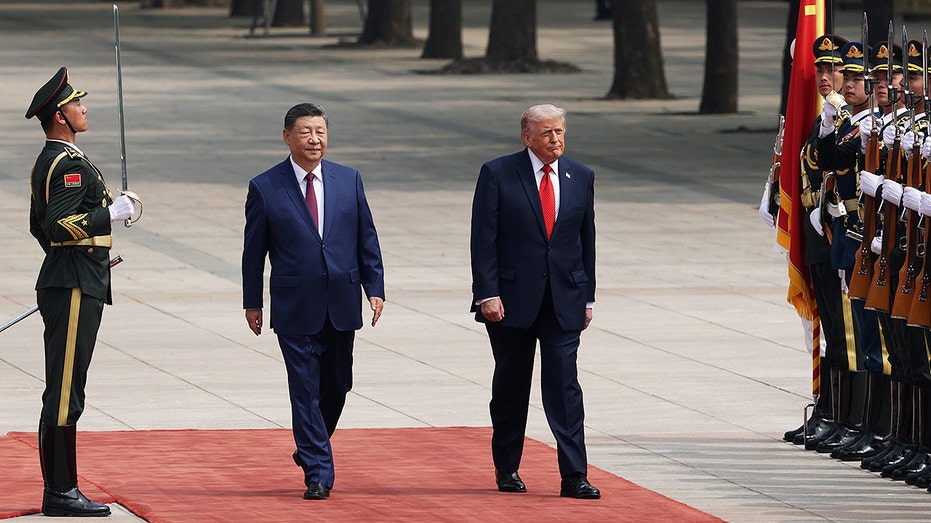
President Donald Trump received a grand diplomatic welcome in Beijing on Thursday morning local time, signaling the formal commencement of his high-stakes visit to China. The elaborate ceremony, held outside the iconic Great Hall of the People, set the stage for crucial bilateral meetings with Chinese President Xi Jinping, where pressing issues are expected to dominate the agenda.
Upon his arrival in his armored vehicle, President Trump was met with significant pomp and circumstance. He shook hands with President Xi, and the two leaders introduced their respective dignitaries. The scene was marked by a vibrant display of military personnel, a musical accompaniment, and crowds of children waving flags and holding flowers, underscoring the ceremonial gravity of the occasion.
The pageantry outside the Great Hall of the People was meticulously orchestrated, featuring a red-and-yellow canopy under which the two leaders stood for a photo opportunity. The playing of the American national anthem, the Star-Spangled Banner, alongside China’s national anthem, highlighted the formal and respectful nature of the greeting. President Trump expressed his appreciation for the spectacle, remarking on the impressive display.
President Trump later commented on the ceremony, stating,
“That was an honor like few I have ever seen before.”
He specifically highlighted the children present, noting their enthusiasm and what they represented. This initial display of diplomatic cordiality aims to foster an environment conducive to productive dialogue, despite underlying complexities.
Following the ceremonial welcome, the leaders proceeded into a series of meetings designed to tackle the most significant challenges facing the U.S.-China relationship. Key topics on the agenda include ongoing trade disputes, regional security concerns, and the sensitive issue of Taiwan tensions. These discussions are pivotal in determining the future trajectory of economic and strategic cooperation between the two global powers.
The administration’s objective is to stabilize relations and seek progress on areas of mutual interest, while firmly addressing points of contention. As reported by the News Desk, these high-stakes talks will test the ability of public diplomacy to translate into concrete advancements on long-standing disagreements.
Despite the initial warm reception and the emphasis on cooperation, the U.S.-China relationship continues to be defined by deep-seated disputes. The ability of both nations to bridge differences on economic policy, intellectual property rights, and geopolitical influence will be a critical measure of the visit’s success. Analysts suggest that while the public display of diplomacy is important, the real test lies in the substance of the private negotiations.
The outcomes of these meetings could have far-reaching implications for global markets and international security. Both Washington and Beijing are keenly aware of the need to manage their relationship effectively to avoid escalation of conflicts and to promote a stable international order.
As the bilateral talks continue, the world watches to see if the spirit of cooperation showcased during the welcome ceremony can pave the way for tangible progress on the complex issues at hand. The path forward for the U.S. and China, and indeed for global stability, hinges significantly on the outcomes forged in Beijing this week.

Iran has announced the deployment of its Ghadir-class mini-submarines to the strategically critical Strait of Hormuz, branding them an “invisible guardian” of the waterway. This declaration, initially reported by the semi-official Tasnim News Agency, comes amidst heightened tensions and a series of rejected peace overtures between Tehran and Washington. While Iranian Rear Admiral Shahram Irani, commander of Iran’s navy, described these vessels as the “dolphins of the Persian Gulf,” Western defense analysts are quick to temper concerns, pointing to inherent limitations that diminish their strategic threat.
The Islamic Republic’s recent move appears to be a calculated effort to project strength and reinforce its asserted dominance over the Strait of Hormuz, a narrow maritime passage through which a significant portion of the world’s oil supply transits daily. Tehran has increasingly sought to define the strait as a larger zone under its influence, a stance that challenges international maritime conventions and raises alarms among global powers. The deployment claim is presented as a demonstration of Iran’s resolve to safeguard its interests and maintain a strong naval presence in the region.
This development follows a period of diplomatic impasse, with U.S. and Iranian talks having reportedly collapsed. For Matox News readers, understanding the regional context is crucial: Iran’s actions are often interpreted as responses to international pressures and as attempts to gain leverage in broader geopolitical negotiations. The rhetoric surrounding these mini-submarines, however, contrasts sharply with expert assessments of their actual capabilities.
Despite Iran’s boasts, defense analysts offer a more pragmatic view of the Ghadir-class mini-submarines. Tom Shugart, a retired U.S. Navy submarine warfare officer, conveyed to Fox News Digital that while these vessels could pose a localized threat to U.S. naval forces, their strategic impact would be severely blunted by several operational constraints. These limitations include:
These expert opinions suggest that while the deployment is a symbolic gesture of Iranian resolve, it does not fundamentally alter the naval balance of power in the Persian Gulf. The Ghadir-class, though potentially stealthy in specific conditions, remains vulnerable to modern detection technologies and lacks the sustained operational reach of larger, more advanced submarines.
“If they run their diesel engines to snorkel and recharge batteries, that could generate sound that could be detected.”
The Strait of Hormuz is not merely a regional waterway; it is a critical artery for global energy markets. Any escalation of tensions or perceived threat to its navigability sends ripples through the international economy. Iran’s latest announcement, therefore, must be viewed within the larger framework of its ongoing confrontation with the United States and its allies, as well as its attempts to assert regional hegemony.
For Matox News, the emphasis remains on the importance of maintaining international order and ensuring the free flow of commerce. While Iran’s actions are a concern, the measured analysis of defense experts provides a crucial counterpoint to potentially inflammatory rhetoric. The international community continues to monitor the situation closely, advocating for diplomatic solutions to prevent any miscalculation that could destabilize this vital region.
The deployment of these mini-submarines underscores the persistent challenges in the Persian Gulf, where geopolitical rivalries intersect with global economic interests. Ensuring stability and preventing extremist actions remains paramount for all stakeholders.

The National Football League is once again demonstrating its unparalleled ability to capture the American sports calendar, announcing an inaugural Thanksgiving Eve game this year. This strategic move features a compelling matchup between the Green Bay Packers and the Los Angeles Rams, set to be exclusively streamed on Netflix, marking a significant milestone in both sports broadcasting and holiday entertainment.
For years, Thanksgiving Day football has been a cherished tradition. However, the NFL has progressively expanded its holiday presence, recognizing the immense appeal of live sports during family gatherings and leisure time. This began with the successful integration of a Black Friday game and has since extended to capturing Christmas Day viewership, establishing the league as a dominant force across multiple festive occasions.
The addition of a Thanksgiving Eve fixture is a logical next step, aiming to capitalize on the night before the major holiday when many Americans are already traveling or gathering. This shrewd scheduling not only maximizes viewership potential but also creates new opportunities for engagement, solidifying the NFL’s position as a year-round entertainment powerhouse.
The choice of the Green Bay Packers and Los Angeles Rams for this historic inaugural game promises an exciting contest. These two franchises have a notable history, having faced each other annually from 2020 to 2024, including a playoff bout. While they did not meet in 2025, their upcoming clash will mark a return to a familiar rivalry.
Historically, the Packers have held a considerable edge over the Rams. Green Bay has emerged victorious in 16 of their last 21 encounters dating back to 1992, including a dominant run of 10 wins in their last 11 matchups. Their most recent meeting on October 6, 2024, saw the Packers secure a hard-fought 24-19 road victory in Los Angeles, highlighted by two touchdowns from Tucker Kraft, including an impressive 66-yard play.
Interestingly, before their 2024 game, the previous four meetings between these teams were all held in Green Bay. This new Thanksgiving Eve game will now mark consecutive contests played in Los Angeles, adding another layer of intrigue to this West Coast showdown.
“The NFL’s move to Thanksgiving Eve with Netflix is not just about a new game; it’s a bold statement on the future of sports consumption and the league’s relentless pursuit of new frontiers.”
This Thanksgiving Eve game represents a significant escalation in Netflix’s commitment to live sports content. The streaming giant is not only hosting this holiday prime-time event but has also secured rights to several other high-profile NFL games. These include the Rams’ Week 1 game against the San Francisco 49ers in Australia, two Christmas Day matchups, and a Week 18 Saturday game.
Netflix’s entry into the competitive realm of live sports broadcasting signals a major shift in how fans will access premier events. For a platform traditionally known for its on-demand series and films, acquiring NFL rights positions it as a serious contender in the live entertainment space. This trend reflects a broader industry movement, where tech companies and streaming services are increasingly vying for exclusive sports content, challenging traditional television networks.
As reported by Fox News Digital, this expansion aligns with the growing appetite for flexible viewing options and the league’s strategy to diversify its broadcast partners. The partnership with Netflix brings the NFL to a global audience already accustomed to the streaming experience, potentially introducing the sport to new demographics while catering to its existing loyal fanbase.
The NFL’s decision to launch a Thanksgiving Eve game on Netflix is more than just an additional fixture; it’s a testament to the league’s adaptive business model and its understanding of evolving media consumption habits. By embracing streaming platforms, the NFL ensures its content remains accessible and pervasive, maintaining its cultural footprint in an increasingly fragmented media landscape.
This innovative approach benefits both the league and its fans, offering new ways to engage with the sport while opening up substantial revenue streams. As the boundaries between traditional broadcast and digital streaming continue to blur, the NFL remains at the forefront, consistently finding new avenues to deliver America’s most popular sport to homes across the nation and beyond.

Angela Lipps, a 50-year-old grandmother of five from Tennessee, endured over five months in custody for a crime she did not commit. Her ordeal began when U.S. Marshals arrested her in July 2025, based on a facial recognition technology match that erroneously connected her to a bank fraud case in North Dakota. This alarming incident underscores the critical need for scrutiny and human oversight when deploying advanced AI tools in the justice system.
Lipps, who asserts she has never traveled to North Dakota, was apprehended despite being more than a thousand miles from the alleged crime scene. The bank fraud case, which originated in Fargo and West Fargo, involved a suspect reportedly using a false military ID. Investigators utilized facial recognition software to compare blurry surveillance images from the bank with Lipps’ driver’s license photos and social media profiles. Her defense attorney, Jay Greenwood, argues that the resulting match was insufficient and that the case should never have escalated to her prolonged detention. She was eventually released around Christmas Eve when bank records conclusively proved her presence in Tennessee during the time of the alleged fraud.
The incident highlights significant concerns regarding the reliability of AI-driven surveillance tools. Fargo Police Chief Dave Zibolski previously described their facial recognition tool as ‘an AI function through the North Dakota State Intelligence Center.’ However, as Greenwood explained on the CyberGuy Report podcast, such technology must be treated as a lead, not definitive proof. He emphasized the poor quality of the initial surveillance footage, noting ‘terribly placed security cameras’ that yielded unclear images. This situation demonstrates that while facial recognition technology can be a useful investigative aid, its outputs demand rigorous human verification to prevent severe miscarriages of justice. Over-reliance on imperfect algorithms without proper human review poses a substantial threat to individual liberties.
“This was a case that never should have gone this far.”
— Attorney Jay Greenwood
This unfortunate case involving Angela Lipps serves as a stark reminder of the potential for advanced technologies to infringe upon fundamental rights if not implemented with extreme caution. For a conservative society that values individual freedom and limited government overreach, the responsible deployment of AI in law enforcement is paramount.
This incident underscores the imperative for clear guidelines and accountability mechanisms to ensure that technological advancements enhance, rather than undermine, the principles of justice and due process.
The experience of Angela Lipps demands a critical re-evaluation of how law enforcement agencies integrate sophisticated AI tools. While technology offers promising avenues for crime fighting, the pursuit of efficiency must never compromise the bedrock principles of justice, individual liberty, and thorough investigation. Policymakers and law enforcement leaders must collaborate to establish frameworks that ensure such powerful tools are used responsibly, ethically, and with an unwavering commitment to protecting the rights of every citizen.

Estate agents report increased buyer caution and slower activity, attributing the shift to anxieties surrounding global stability and its potential impact on household finances.
The UK housing market is currently navigating a period of heightened uncertainty, with recent reports indicating a significant slowdown across England and Wales. This noticeable softening in demand is largely being attributed to growing fears of escalating inflation and potential rises in mortgage rates, both of which are perceived as direct consequences of ongoing geopolitical tensions in the Middle East. The Royal Institution of Chartered Surveyors (RICS) has highlighted these concerns in its latest monthly survey, underscoring a cautious sentiment among both prospective buyers and sellers.
Demand from potential homebuyers has shown a distinct weakening, according to RICS members. This reticence is not without reason, as households grapple with the prospect of higher borrowing costs. The specter of increased mortgage rates, driven by wider economic instability, is making many hesitate before committing to significant property investments. Furthermore, the persistent threat of rising inflationary pressures continues to erode consumer purchasing power, adding another layer of complexity to financial planning for homeowners.
Estate agents are observing a shift towards more price-sensitive buyers, a clear indicator of the market’s current state. Clients are openly expressing worries about the trajectory of interest rates and inflation in the coming months, leading to a more subdued transactional environment. This caution manifests in several ways:
The direct link between international events and domestic economic health is becoming increasingly apparent. The Middle East conflict, specifically mentioned as the ‘Iran war’ in some reports, is casting a long shadow over financial markets globally, and the UK housing market is no exception. This instability is fueling speculation about energy prices, supply chains, and ultimately, the cost of living. Such an environment naturally makes consumers wary of long-term financial commitments like homeownership.
As noted in recent coverage by The Guardian, estate agents are specifically citing client anxieties regarding the broader economic fallout from these international developments. This demonstrates how deeply geopolitical events can permeate local markets, influencing everything from investment decisions to everyday consumer confidence.
The current climate is leading to a noticeable deceleration in sales activity. Fewer homes are coming onto the market, and those that do are often met with more hesitant buyers. This creates a challenging dynamic for sellers, who may need to adjust their expectations regarding both selling prices and the speed of transactions. The overall sentiment among property professionals points to a market that is fundamentally “downbeat” and “subdued.”
“Buyers and sellers are becoming more cautious, worried about whether inflation and interest rates will rise.”
The prevailing atmosphere suggests that until there is greater clarity on the global economic front and a more stable outlook for inflation and interest rates, the UK housing market is likely to remain under pressure. Both industry experts and policymakers will be closely watching these trends, as the health of the property sector remains a crucial indicator of broader economic vitality and consumer confidence.

Washington D.C. finds itself embroiled in another protracted legislative battle over crucial Department of Homeland Security (DHS) funding. Republicans in Congress are moving to secure a three-year funding package for key border security agencies, including Immigration and Customs Enforcement (ICE) and the Border Patrol, a move designed to circumvent Democratic opposition. However, this initiative has been overshadowed by a contentious proposal to allocate an additional $1 billion for presidential security, drawing sharp criticism from the Democratic leadership.
The current fiscal year, which concludes on September 30, still lacks comprehensive funding for DHS. While a bipartisan bill addressing most of the department’s needs passed both the House and Senate in late April, its journey through the legislative process has been fraught with delays. The House’s reluctance to take up the Senate-approved measure until just before a recent Congressional recess underscores the deep divisions hindering essential government operations.
The inability to fully fund the Department of Homeland Security reflects an ongoing pattern of legislative gridlock. Lawmakers have struggled for months to reach a consensus, leaving critical components of national security in budgetary limbo. The bipartisan measure that advanced previously was seen by many as a potential breakthrough, offering a path to stability for vital government functions. Yet, its delay in the House signaled that the underlying political tensions remained unresolved, setting the stage for the current high-stakes maneuver by the GOP.
In an effort to break the stalemate and prioritize what they view as essential border security measures, House Republicans are now employing a special legislative process: budget reconciliation. This procedural tool allows certain spending and tax bills to pass the Senate with a simple majority, effectively bypassing the need for Democratic votes to overcome a filibuster. The goal is to ensure robust, long-term funding for ICE and Border Patrol, agencies at the forefront of managing the nation’s southern border.
Democrats, however, have expressed strong reservations. Their unwillingness to support the Republican initiative stems from a failure to secure desired reforms within ICE. This dispute over agency operations and oversight has become a recurring sticking point, preventing bipartisan cooperation on broader immigration and border policy. Republicans argue that the immediate need for enhanced border enforcement outweighs these reform demands, especially given the ongoing challenges at the frontier.
“These ‘ballroom Republicans’ have a constituency of one: Donald Trump’s ego.”
The Republican funding plan, initially conceived as a focused measure for border agencies, has been significantly expanded. It now includes a controversial provision for $1 billion dedicated to President Trump’s ballroom security. This addition follows a recent assassination attempt at the White House Correspondents’ Dinner, prompting concerns over presidential protection. However, the inclusion has sparked outrage among Democrats, who characterize it as an extravagant and unnecessary expenditure.
Senate Minority Leader Chuck Schumer (D-N.Y.) sharply criticized the move, stating, “Republicans say let them eat cake and demand American taxpayers build Trump a palace while they’re at it.” He further asserted that “These ‘ballroom Republicans’ have a constituency of one: Donald Trump’s ego.” Similarly, Senate Minority Whip Dick Durbin (D-Ill.) voiced his disapproval, noting the recent damage to the East Wing of the White House and lamenting that what was expected to be funded by private donors would now fall to taxpayers. This political firestorm highlights the deep partisan chasm over government spending and presidential prerogatives, as reported by News Desk.
With a target date of June 1 for the passage of this reconciliation bill, the legislative clock is ticking. The process of budget reconciliation, while offering a path around filibuster threats, is inherently time-consuming. The ongoing debate over DHS funding and the contentious inclusion of presidential security costs underscore the persistent challenges facing Congress in delivering essential government services. As both sides dig in, the nation watches to see if a resolution can be found before critical deadlines further complicate the operational capabilities of the Department of Homeland Security and its vital agencies.

In a significant demonstration of interagency collaboration, federal and local authorities in Southern California recently detained a gang-affiliated Mexican national with a violent criminal history. The individual, a member of the Sureños-13 gang, had just completed a 12-year sentence for second-degree murder. This apprehension, made possible through a partnership between Customs and Border Protection (CBP) and local law enforcement, has cast a renewed spotlight on the contentious issue of sanctuary policies and their implications for community safety.
The operation, which saw the gang member taken into custody outside the John J. Benoit Detention Center last week, stands in stark contrast to state-level sanctuary directives that often impede cooperation between local police and federal immigration agents. Officials were quick to highlight the success as a prime example of how coordinated efforts can prevent dangerous individuals from potentially re-entering communities undetected.
The arrest unfolded as local law enforcement in Southern California proactively turned the Sureños-13 gang member over to federal agents immediately after his release from state custody. This seamless transfer underscored the effectiveness of partnerships that the Department of Homeland Security (DHS) had previously sought to bolster with local authorities. Such cooperation is deemed crucial for maintaining public order and upholding the rule of law.
Acting Chief Patrol Agent Daniel Parra of the El Centro Sector emphasized the broader benefits of this coordinated approach. In a statement reported by Fox News Digital, Parra noted that “honoring federal detainers, such as in this case, makes our communities safer.” This sentiment reflects a core tenet of effective law enforcement: that shared intelligence and joint operations are vital tools in the fight against crime, regardless of jurisdictional lines.
The successful apprehension directly challenges the framework of sanctuary policies, which are designed to limit local law enforcement’s involvement in federal immigration enforcement. Critics argue that these policies create dangerous loopholes, allowing individuals with serious criminal records to potentially evade federal detection and deportation once released from local custody. Had local authorities not cooperated with CBP in this instance, the gang member could have been released without federal immigration authorities being aware of his status or whereabouts.
The debate over these policies has been further fueled by recent actions from Democratic leaders, including New York Governor Kathy Hochul, who have sought to restrict federal-local partnerships. Such moves, often justified by proponents as protecting immigrant communities, are seen by many as undermining public safety and hindering the ability of law enforcement to protect citizens from dangerous criminals.
“Honoring federal detainers… makes our communities safer.” – Acting Chief Patrol Agent Daniel Parra
The detained gang member now faces federal prosecution for reentry into the U.S. after a previous deportation, a serious charge that could lead to further imprisonment. This outcome demonstrates the federal government’s commitment to enforcing immigration laws and holding accountable those who violate them, especially individuals with violent criminal histories.
For Matox News, this incident serves as a critical reminder of the ongoing struggle to balance state-level policies with national security and public safety imperatives. The case for robust federal-local cooperation in immigration enforcement remains strong, advocating for an institutional framework that prioritizes the safety and security of all citizens by ensuring that dangerous criminals, regardless of their immigration status, are not allowed to slip through the cracks. The measured approach of honoring federal detainers, as demonstrated in this case, provides a clear path forward for effective law enforcement and stronger communities.


