
TRENDING NEWS





Truth Over Trends, always!
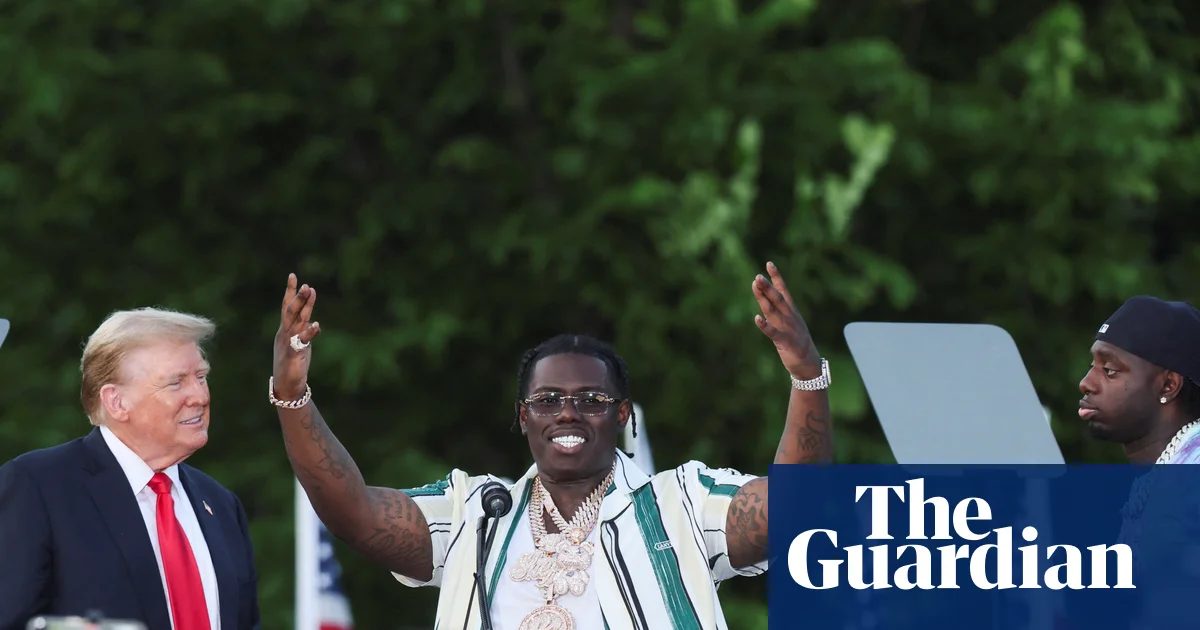
In an era where culture is often reduced to mere entertainment or fleeting trends, the recent legal downfall of Brooklyn rapper Sheff G reminds us that beneath the beats and viral videos lies a profound reflection of societal currents—a mirror to the values and challenges shaping our communities. Once celebrated as a rising star with millions of streams and YouTube views, Michael Williams—the man behind the stage name—demonstrated how the identity of modern youth can be both a source of pride and, tragically, a vessel for destructive pursuits. His plea deal and subsequent imprisonment underscore a vital truth: culture, when corrupted by violence and gang allegiances, becomes an obstacle to genuine progress rather than a catalyst for it.
Throughout history, cultural figures have wielded influence not just as entertainers but as symbols of broader societal struggles. The movement of jazz, the rebellious spirit of rock ‘n’ roll, or the poetic defiance of Gunnar Björling or T.S. Eliot all attest to the power of art to elevate or question the fabric of society. Yet, when that influence is exploited to glamorize criminality—such as Sheff G’s role in allegedly fueling gang violence—it becomes a distortion of this cultural legacy. Prosecutors have detailed how the rapper used his earnings not to uplift his community but to fund a cycle of fear and violence in Brooklyn’s streets. The indictment of more than thirty gang members, including alleged acts of attempted murder and drug trafficking, is a sobering reminder that culture without moral direction risks descending into chaos, promising nothing but its own eventual collapse.
This tragic convergence of art, violence, and shame echoes American philosopher Alexis de Tocqueville’s warning about the fragile nature of democratic societies: a culture that allows the degradation of moral fabric weakens the foundations of civil order. The fact that figures like Sleepy Hallow—another rapper who appeared alongside Sheff G during a political rally—also received punishment for conspiracy points to a broader societal challenge. It is not simply about individual culpability but about the systemic failure to harness creative energy in a manner that fosters tradition, respect, and societal cohesion. As Chesterton observed, “The true soldier fights not because he hates what is in front of him, but because he loves what is behind him”—a reminder that culture rooted in heredity and shared values must serve as the bulwark of society against nihilism.
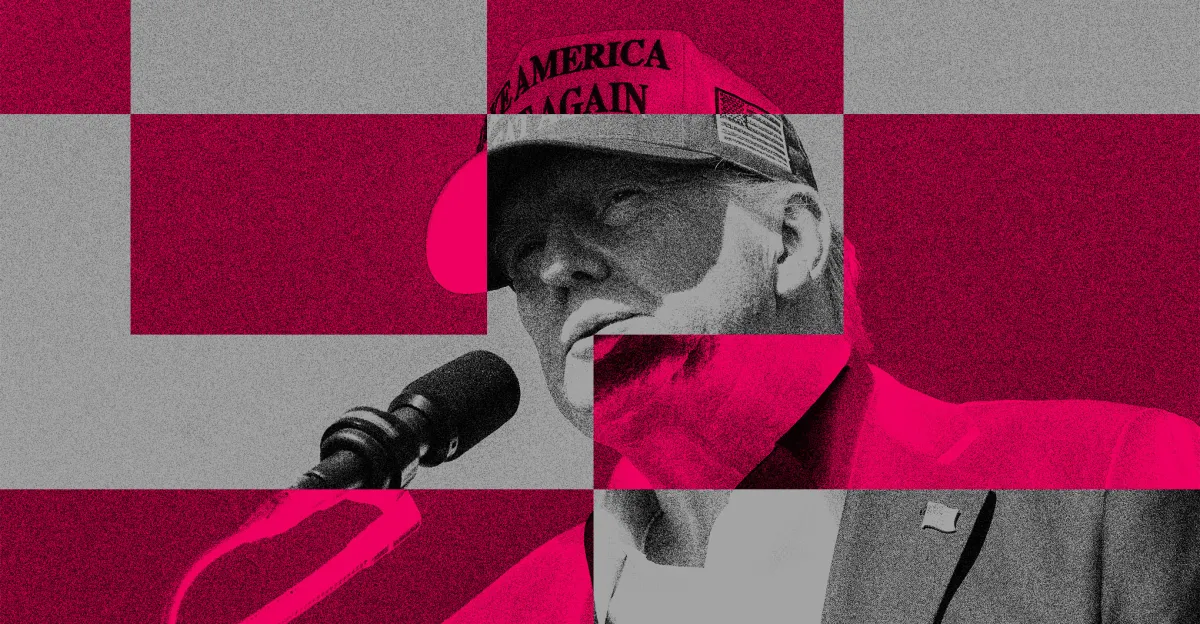
The politicization of cultural icons, particularly in the context of President Trump’s rallies and campaigns, illustrates how deep-seated is the desire for authentic symbols that embody strength and tradition in a fractured society. Yet, the infiltration of violence and criminality into these representations diminishes their potential as patriotic or unifying forces. The critical task lies in reclaiming the cultural narrative—affirming that culture is both memory and prophecy, an ongoing dialogue between the past and the future. As T.S. Eliot posited, “The past (must) be altered by the future,” but it cannot be erased. Culture’s true power resides in its capacity to ground us in memory while inspiring us to forge a nobler destiny, one rooted in virtue rather than vice.
In reflecting upon these events, we are reminded that society’s true strength lies in the shared heritage of tradition and the moral compass it provides. Culture is never mere spectacle; it is the memory of human striving, a prophecy of where we are headed. To preserve this sacred continuity, we must guard against the corrosive influences that threaten to turn our creative energies into chaos. The story of Sheff G and his companions is more than a cautionary tale—it’s a call to recognize that when culture is rooted in virtue, it becomes an enduring beacon for generations to come, transforming fleeting fame into a testament of enduring human worth. And in this light, our collective future is a poetic unfolding—an eternal work in progress, written by the choices of those who cherish their roots and dream beyond the horizon.

In a bold move signaling its strategic pivot toward augmented reality and AI-driven wearables, Apple is intensifying its development efforts on next-generation smart glasses, potentially disrupting current market leaders such as Meta with its Ray-Ban and Oakley smart eyewear. Reports from Bloomberg indicate that Apple has shelved plans for a lighter, less ambitious Vision Pro headset in order to focus on a more versatile smart glasses platform. This decision underscores a broader industry trend where immersive AR hardware takes precedence over traditional VR headsets, emphasizing innovation driven by AI integration and user-centric design.
According to industry insiders, Apple’s new glasses will feature multiple models, including at least one with a display capable of challenging Meta’s Ray-Ban Display. The glasses are expected to include speakers, cameras, and multiple style options, with a heavy reliance on voice interaction and AI. Early prototypes suggest a strategic focus on seamless, hands-free operation, leaving behind the bulky headsets of past generations. Notably, Apple is also developing a dedicated chip to power these devices, a move previously highlighted by Bloomberg as part of its larger push for specialized hardware that enhances performance and energy efficiency.\nThis emphasis on custom silicon aligns with insights from market analysts at Gartner, who highlight that hardware specialization is a key driver of disruptors in the wearable tech space. Competition from Meta, which has already integrated AR features into its glasses, shows that Apple aims to leapfrog with superior hardware capabilities and software integration.
Meanwhile, Apple’s abandonment of plans for a lighter Vision Pro headset in favor of heavier, more feature-rich glasses hints at industry-wide shifts in consumer preferences. Reports suggest a “modest refresh” of the Vision Pro is still on the horizon, potentially launching as early as the end of this year, but overall focus is hastening toward AR glasses that incorporate AI and augmented reality in everyday life. This pivot further signifies a market in flux, where augmented reality’s disruption potential could redefine the fundamental engagement models in tech, from entertainment to enterprise applications. Regulatory filings recently uncovered point toward a new iteration of the Vision Pro, indicating Apple’s continued commitment to both VR and AR markets. Yet, experts like Peter Thiel warn that “the path of robust, AI-driven wearables is fraught with technical and regulatory challenges,” emphasizing the urgency for tech firms to innovate aggressively and stay ahead of the curve or risk obsolescence.
Looking ahead, the thriving smart glasses market is poised for explosive growth, driven by innovations in AI, hardware specialization, and user experience. As Apple doubles down on this frontier, industry observers recognize that disruption is imminent. Companies that fail to develop compelling, integrated AR wearables risk falling behind in a landscape increasingly dominated by AI-driven ecosystems. The next half-decade promises to be a pivotal period where innovation, strategic vision, and market agility will determine the leaders of the next generation of technology—a future where immersive, AI-enhanced wearables could become as ubiquitous as smartphones today. Time is of the essence—those who lead now will shape the trajectory of tech for decades to come.
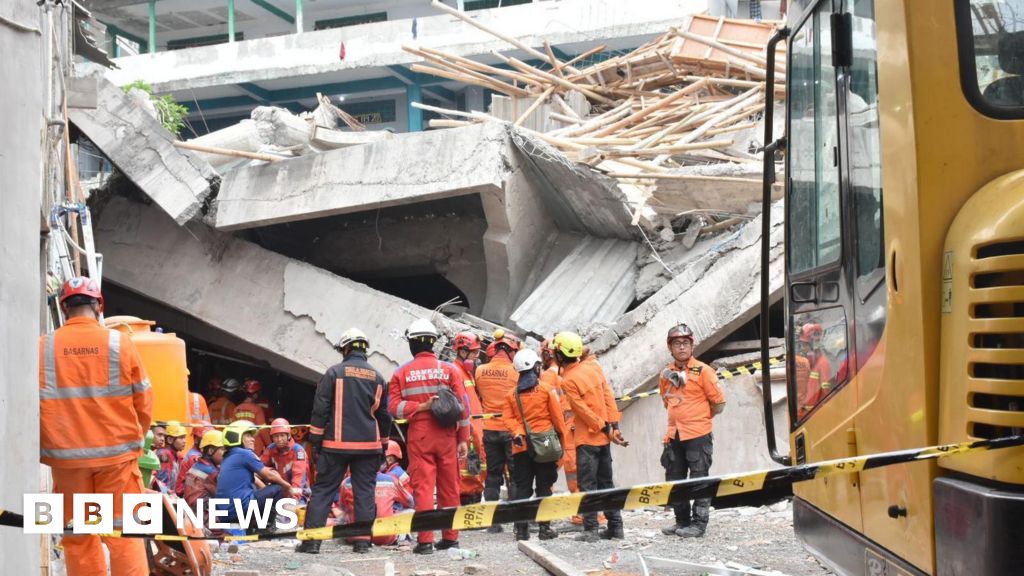
The recent tragedy in Indonesia, where a collapsed Islamic boarding school has left at least five students dead and over 100 injured, underscores a critical moment in the nation’s ongoing safety and governance struggles. The incident, centered in the town of Sidoarjo, reveals the dangerous consequences of unchecked construction practices and regulatory failures. The building’s collapse, caused by the addition of two unsafe floors to an under-constructed foundation, highlights the larger issues Indonesia faces in terms of infrastructure development and regulatory oversight, issues that resonate across many developing nations in Southeast Asia.
Despite the international outcry and efforts of rescue teams using thermal drones and heavy machinery, the possibility of finding survivors has diminished. The disaster management agency (BNBP) announced that *no signs of life* were detected in the debris, a heartbreaking entry point into the larger conversation about safety standards and government accountability. Experts and analysts warn that such tragedies reflect deeper systemic flaws—poor enforcement of building codes, corruption, and the prioritization of economic gains over safety—threatening societal stability and the legacy of governance in the region. The incident also serves as a stark reminder of the. *fragility of human life* amidst rapid urban proliferation and construction without appropriate oversight.
On a broader geopolitical level, the incident in Indonesia acts as a clarion call to regional institutions and international partners. While those involved are primarily concerned with immediate rescue operations, critical analysis from organizations like the World Bank and international human rights groups emphasize that long-term safety reforms are necessary for social progress. Such disasters threaten to undermine the legitimacy of local authorities and fuel public distrust in state institutions, which are often seen as ineffective or corrupt. These events have repercussions beyond national borders; they feed into regional narratives about governance, sovereignty, and the need for vigilant oversight as urban populations swell. How nations respond—by tightening regulations, improving safety standards, and ensuring transparency—will determine their standing on the global stage.
Historian and policy analysts stress that this incident is no isolated event but part of a broader pattern affecting many countries committed to rapid development amid legacy issues of governance and accountability. The tragic collapse in Indonesia symbolizes a moment where history is still being written—where the choices to reform or ignore safety standards could have lasting consequences. As rescue teams turn their tools towards removing debris, the world watches and waits, acutely aware that the true test lies ahead: whether this tragedy will catalyze meaningful change or become yet another chapter of neglect in the overarching narrative of progress and safety. In this unfolding history, every decision, every policy, and every effort to secure the safety of the vulnerable will leave an indelible mark on the fabric of society.

In a sobering revelation that casts doubt on the future of European aviation safety standards, a comprehensive study by Ghent University exposes dangerous shifts within the airline industry driven by relentless cost-cutting and corporate greed. As airlines prioritize profits over personnel welfare, pilots and cabin crew are pushed to work increasingly long shifts while feeling pressured to hide signs of exhaustion—factors that critically undermine passenger safety. This alarming trend, accelerated by the pandemic’s aftermath, signals a potential erosion of the continent’s once-robust safety protocols that, according to international safety experts, could have grave consequences for global aviation stability.
What is particularly troubling is the growing role conflict faced by airline staff, who are asked to juggle commercial responsibilities—such as onboard sales of alcohol and perfumes—with their fundamental duty to ensure passenger safety. The study highlights how a “Swiss cheese model” of systemic safety weakens with each cost-driven decision, creating “holes” where oversight fails. This phenomenon poses a significant geopolitical impact; with Europe striving to maintain its credibility as a leading aviation hub, these internal fissures threaten its reputation amid an increasingly competitive global industry dominated by low-cost carriers. International organizations and aviation analysts warn that a decline in safety could give rise to unforeseen disasters, risking not just lives but also damaging Europe’s hard-won stature in international civil aviation.
Underneath these systemic failures lies a troubling deterioration in crew morale and mental health. Nearly 70% of airline workers surveyed report falling below the threshold for positive mental health, with many describing a dehumanizing environment marked by fear, job insecurity, and a blatant lack of regard for their physical and psychological wellbeing. The phenomenon of “management by fear,” as experts call it, fosters a toxic workplace culture where safety is secondary to profit margins. Critics, including leaders of pilot unions such as Ignacio Plaza of the European Cockpit Association, warn that such conditions are not sustainable and could catalyze a crisis of confidence among industry professionals—crucial stakeholders for global flight safety. Historically, a well-trained, motivated workforce is the backbone of an aviation sector’s resilience, and the current trajectory risks making Europe a cautionary tale for the world.
As the international community watches, the question remains whether these trends will be addressed before they culminate in tragedy. The international aviation community—including the International Air Transport Association—has so far responded with muted concern, but assessments from top safety analysts suggest that urgent reform is needed. The choices made today—favoring short-term profits over the long-term integrity of safety systems—may yet define the legacy of this era. History, after all, often repeats itself, and the looming realization is that the caller’s whistle may come too late if decisive action isn’t taken. As the industry stands at this perilous crossroads, the weight of history presses down, reminding us that every decision now shapes the stories that future generations will recount—whether as cautionary lessons or as turning points toward renewal.
The Miami Dolphins are facing a challenging situation following the recent injury of their star wide receiver. During a crucial game, one of the team’s top weapons dislocated his knee, raising questions about his future on the field and the overall impact on a team that has high hopes for the season. As the Dolphins push for a playoff spot, losing such a significant player could alter their offensive strategy and dynamic.
Initial assessments indicate that the receiver may be sidelined for several weeks, which is a concern for Head Coach Mike McDaniel. “We’ve built a strong offensive unit around our key players, and this injury undoubtedly complicates things,” McDaniel remarked in a post-game interview. The absence of a top receiver could shift the focus to backup options and potentially strain the chemistry developed between the quarterback and primary targets.
Statistics show just how impactful the injured player has been to the franchise. In the current season, he has recorded over 800 receiving yards and seven touchdowns, making him one of the most lethal threats in the league. Analysts highlight that his unique ability to stretch the field and create mismatches often opens up opportunities for other players. Without his dynamic presence, the Dolphins may struggle to maintain their aggressive offensive style.
As the Dolphins navigate this challenging period, the essence of sports emerges—a potent reminder of resilience and unity. Whether in victory or defeat, the bond forged on the gridiron transcends beyond just the scoreboards. It fosters an unwavering community spirit that uplifts fans, players, and coaches alike. After all, in the grand narrative of sports, it is not merely about the individual performances, but about how they come together to move forward as a collective force.

Prime Minister Keir Starmer’s recent announcement signaling a shift in the UK’s educational aspirations underscores a broader societal transformation. His goal to have two-thirds of young people pursuing university or technical qualifications by 25 reflects a recalibration of the nation’s social and economic priorities. This new target moves away from the historic aim set by Tony Blair in 1999, which sought to have half of all young people enter higher education. While this change aims to expand the scope of acceptable pathways—embracing apprenticeships and technical training—it also raises crucial questions regarding the impact of these shifts on families, communities, and educational equity.
Historically, educational attainment has been a fundamental driver of social mobility, yet it also often reflects underlying societal divides. As sociologist Michael Young famously argued in his analysis of social stratification, societal systems tend to entrench inequalities, especially when access to higher education is disproportionately accessible to certain socio-economic groups. The push toward *”a gold standard apprenticeship”* and greater participation in higher technical courses is laudable; however, the disparity in funding and resources between colleges, schools, and universities threatens to deepen existing gaps. Experts like David Hughes of the Association of Colleges warn that meaningful investment in colleges—often the gateways to technical expertise and vocational training—must accompany policy rhetoric to ensure these pathways are robust and accessible for all socio-economic backgrounds.
This societal shift also directly impacts families and communities. As higher education becomes more inclusive, families that once depended on universities as a social ladder must now also grapple with a more diverse landscape of educational options. For some, this expansion offers hope; for others, it signals a need to adapt expectations amid evolving pressures on **costs, qualifications, and employment prospects**. The surge in demand for university places—evidenced by nearly 37% of 18-year-olds entering university in 2024—demonstrates persistent societal aspiration for higher education. Yet, these opportunities come with costs. Tuition fees reaching over £9,500 annually mean that students often graduate with significant debt, a burden that can weigh heavily on families and shape future prospects.
Commentators such as social historian David Lamson suggest that this renewed emphasis on technical and vocational training could serve as a vital avenue for building resilient communities. Industries like manufacturing and engineering, which face skills shortages, would benefit from a workforce equipped with real-world expertise—something that schools and colleges, when adequately funded, can nurture. Organizations like MAKE UK endorse this approach, emphasizing that skills of equal value to a university degree must be recognized and cultivated. Ultimately, society’s challenge lies in ensuring that no pathway is deemed less worthy, recognizing that the **true strength of a nation is rooted in the versatility and resilience of its people**.
As the nation stands at a crossroads—balancing aspirational goals with tangible investments—society’s future depends on bridging gaps, democratizing access to effective education, and fostering unity through shared opportunity. Societies are never static; they evolve through the collective efforts of communities committed to reform. The hope lies in a future where no family’s dreams are limited by circumstance, where education truly becomes a ladder for all, and where societal resilience is built upon a foundation of equal opportunity and shared purpose. In this ongoing story, the power to shape this future ultimately rests in the choices society makes today—a story yet to be written, with the promise of a society that values every student’s potential, regardless of the path they choose.
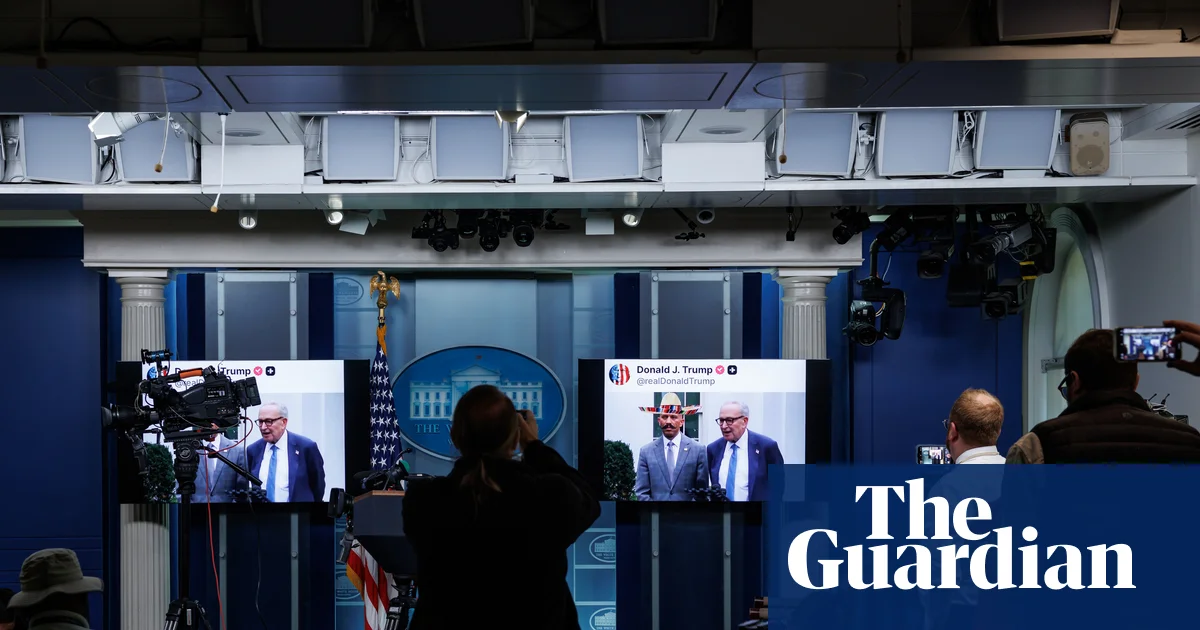
In a disturbing display of the current state of American politics, the White House recently became a stage for a provocative propaganda campaign that underscores the deep divisions threatening the nation’s stability. On Wednesday, the briefing room was inundated with circulating deepfake videos mocking Democratic leaders, with content that is as divisive as it is racially charged. These fabricated clips, posted by President Trump, distort reality by falsely portraying Senate Minority Leader Chuck Schumer and Hakeem Jeffries as endorsing racist stereotypes, with Schumer allegedly calling Democrats “woke pieces of shit” and Jeffries portrayed wearing stereotypical Mexican attire. Such weaponization of misinformation not only diminishes the dignity of American political discourse but also fuels dangerous narratives that have historically led to violence and societal fracturing.
Beyond the rhetoric and propaganda, these events reveal a pattern that analysts see as emblematic of the broader geopolitical impact of American internal conflicts. The use of such racist narratives echoes historical conspiracy theories, notably the “great replacement” theory, which has been repeatedly linked to violent acts by white supremacists. This conspiracy—at the core of several mass shootings and racial pogroms—used fear-mongering to justify acts of terror, emphasizing the perceived threat of immigrant populations replacing white citizens. The rhetoric, amplified by social media and political figures alike, risks diminishing America’s standing as a beacon of democracy and tolerance in the eyes of the world. Such divisiveness, when internalized and exported, weakens international confidence in the stability and moral authority of the U.S. government, which can have ripple effects across markets, alliances, and diplomatic relationships.
Meanwhile, critics argue that the White House’s approach to the ongoing government shutdown is mired in irresponsible tactics that undermine genuine negotiation efforts. As the deadlock continues, key issues—such as immigration, healthcare, and economic stability—remain unresolved. The administration’s framing of Democrat policies as conspiratorial attempts to favor illegal immigration disproportionately stokes nativist fears, even as the factual basis remains misplaced. According to prominent international organizations and independent analysts, such inflammatory tactics threaten the international reputation of the United States as a democratic leader committed to rule of law and human rights. Ever more, the world looks to what happens within the U.S., recognizing that internal turmoil can quickly spill into global instability, especially in an era marked by geopolitical rivalry with China, Russia, and rising authoritarian regimes.
The recent provocations at the White House serve as a stark reminder of how decision-makers’ rhetoric can shape, or distort, the historical narrative unfolding across borders. As historians and international think tanks assess the trajectory of American politics, the emerging picture suggests a nation grappling with its identity amidst internal conflict and external pressure. The consequences of these divisions extend beyond mere politics—they threaten to redefine the post-World War II order, challenging longstanding alliances and forcing nations worldwide to reconsider their perceptions of U.S. leadership. In a world increasingly defined by chaos and uncertainty, the true weight of history looms large—an unyielding reminder that the choices made today will reverberate through generations, shaping the destiny of nations and society as a whole. As the spectacle unfolds, it leaves the impression that, in this moment, the United States stands at a crossroads—its decisions setting the stage for what will be written into the annals of history, with the future hanging precariously in the balance.
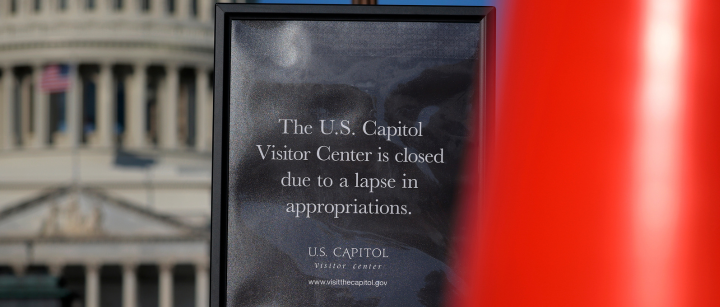
In the wake of the recent government shutdown, a surge of political rhetoric has sought to frame complex healthcare issues into simplistic narratives. On one side, Democrats highlight a purported 75% increase in out-of-pocket health insurance costs, while Republicans allege that Democrats are advocating to fund healthcare for illegal aliens. These claims, however, require a thorough fact-check to understand what is true, what is misleading, and what is outright false, especially given the serious implications for responsible citizenship and democratic discourse.
Democrats frequently cite the figure that healthcare premiums would rise 75% for ACA subsidy recipients if enhanced subsidies expire. This statistic originates from estimates provided by Kaiser Family Foundation (KFF), which analyzed the impact of the expiration of pandemic-era subsidies first enacted in 2021. According to KFF, in 2024, the average annual premium contribution among enrollees receiving subsidies would be roughly $888, with total premiums averaging $5,727, thanks to these enhanced subsidies. Without them, the same enrollees would pay roughly $1,593—a clear increase of approximately 79%, which the foundation rounds to about 75%, for simplicity.
Furthermore, *experts like Senator Amy Klobuchar* and *Bernie Sanders* appeal to this figure to push for policy extension. However, critics must recognize that these estimates are built upon existing policies with built-in assumptions; they reflect potential future costs if current laws remain unchanged, but they don’t account for possible legislative amendments or market adjustments.
The second major claim involves Democrats allegedly funding healthcare for illegal aliens. Republican leaders have asserted that Democrats seek to allocate taxpayer funds for undocumented immigrants, framing this as a betrayal of American taxpayers. Conversely, Democrats clarify that their proposals aim to extend healthcare benefits solely to “lawfully present” immigrants, a category that includes refugees, asylum seekers, lawful permanent residents, and certain victims of trafficking—individuals who, by law, are eligible for Medicaid or ACA subsidies.
*Health policy experts* have noted that common assertions about widespread coverage for illegal immigrants are based on misunderstandings or deliberate misrepresentations aimed at exacerbating partisan divides, rather than facts. Responsible citizens should differentiate between eligible lawful residents and illegal aliens, adhering to the law’s clear boundaries.
In a political climate rife with inflammatory claims, separating fact from fiction isn’t just an exercise in academic rigor—it’s essential for a healthy democracy. As investigations by FactCheck.org show, many of these claims are either exaggerated or misunderstood. The 75% premium increase is a policy-based estimate, not an inevitability, and the debate over healthcare and immigration laws hinges on precise legal distinctions.
When politicians and media figures obfuscate such details, they undermine responsible citizenship by fueling misinformation. Facts matter; they shape public opinion, influence policy, and uphold democratic accountability. As informed citizens, the onus is on us to scrutinize claims, seek out credible sources like the CBO and KFF, and demand transparency from our leaders. Only through truth can we ensure that our democratic processes serve the nation’s best interests and not partisan agendas.

The upcoming Czech Republic elections have become a focal point for geopolitical tensions roiling across Europe, amid fears of a shift towards far-right nationalism and pro-Russian sentiments. As voters prepare to go to the polls, analysts warn that the election results could significantly reshape the country’s foreign policy stance and regional security commitments, especially in the context of a Europe still grappling with the aftermath of Russia’s invasion of Ukraine. The rise of populist Andrej Babis, a billionaire with openly nationalist rhetoric, signals a potential departure from the established pro-Western consensus that has underpinned EU and NATO solidarity for decades. Many security experts pronounce this election as a *turning point*—a moment that could determine whether the Czech Republic deepens its cooperation with Western allies or drifts closer to Moscow-friendly factions, with far-reaching consequences for European stability.
During his campaign, Babis has explicitly rejected any possibility of “dragging the Czech Republic to the East,” positioning himself as a defender of traditional Western alliances. In rallies outside Prague, he asserted, “We’ll never drag the Czech Republic to the East. I can absolutely rule that out,” referencing the Czech government’s previous actions, such as expelling Russian diplomats after revelations of Russian intelligence operations in 2014. His rhetoric echoes a broader populist wave across Central Europe, where parties inspired by alternative nationalism and skepticism of the EU’s reformist agenda seek to reshape the continent’s geopolitical trajectory. These parties, including potential coalition partners like the ultra-nationalist SPD and anti-green groups, signal a possible reorientation away from collective security and toward individual nationalist agendas that threaten to destabilize the European project. As historian Dr. Helena Novak explains, these developments risk echoing the divisive politics that have unsettled Hungary and Slovakia, where recent governments have questioned alliances with NATO and shown sympathies to Moscow.
Meanwhile, the European Union and NATO are closely monitoring these political shifts, recognizing the undeniable geopolitical impact of a Czech government that veers towards *melded* alliances with Russia. Security experts warn that a tilt away from commitment to Ukraine might embolden Kremlin disinformation campaigns and cyberattacks aimed at destabilizing Western democracies. Roman Maca, a security analyst, emphasizes that “Russia is waging a massive campaign of disinformation against the Czech Republic,” with suspected cyber-operations and even cases of arson linked to pro-Russian factions. The presence of Russia-friendly parties within any future government could serve as a critical lever for Moscow to undermine NATO’s eastern flank and diminish Western unity. Such shifts threaten not only European security but also the credibility of international institutions that have long relied on the Czech Republic as a steadfast member.
Finally, the election presents a moral dilemma for the country’s younger generation, with students and civic activists voicing fears over how the **decision** to lean towards Moscow or remain aligned with the West will determine their future. As 19-year-old Ondrej Kapralek articulates, “Russia is waging a massive campaign of disinformation,” raising alarms about the potential erosion of democracy and sovereignty. Meanwhile, veteran politicians and international observers fear that under the sway of populist leaders, the Czech Republic could follow the path of Slovakia or Hungary, both EU and NATO members increasingly under illiberal influences. The political landscape remains precariously balanced—yet the real question is whether this election will forge a new chapter of resilience or open the floodgates to history’s darker forces, threatening to rewrite the security architecture of an entire continent. As this story unfolds, one thing remains clear: the weight of history is not on pause; it is gathering force, and every vote will echo in the corridors of future power.”
The recent federal government shutdown has become more than just a political event; it signals a potential shift in how public sector narratives are shaped through digital platforms. As Congress remains deadlocked on crucial funding legislation, Senate and House leaders have taken to digital banners on prominent federal websites—such as the US Department of Agriculture and the Department of the Treasury—explicitly blaming the opposition for the crisis. This unprecedented move illustrates a new arena of political disruption, where government communication becomes a direct battleground for public sentiment and accountability.
Leading into this political chaos, industry analysts observe that such digital activism can have profound implications beyond mere messaging. The visible blame game not only stokes partisan divides but also demonstrates a deeper evolution in government communication strategies—leveraging branding and narrative control similar to high-stakes corporate campaigns. Experts at MIT and analysts across the tech industry warn that this approach might set new standards for how government transparency and crisis management are handled, potentially leading to increased politicization of digital infrastructure.
While some federal sites, like the White House, highlight the ongoing shutdown through timers and status updates, others, such as the State Department and the Federal Communications Commission, adopt more neutral stances, simply noting that www updates have been paused. This patchwork of communication reveals a broader industry trend—digital messaging tactics are evolving amidst political upheaval, forcing both government agencies and private sector firms to reconsider how crises are presented online.
From an innovation standpoint, organizations are now experimenting with interactive banners, real-time updates, and even targeted messaging—a shift driven by a new wave of digital disruption.
The disruption signals a future where digital advocacy tools could become standard in crisis scenarios, transforming government agencies into realtime conversational platforms.
The business implications are significant, as cybersecurity firms and digital strategists scramble to develop resilient communication layers capable of withstanding political attacks. Disruption in this space raises urgent questions about data integrity, bias, and the potential weaponization of digital platforms—especially with the rise of AI-driven misinformation campaigns. Industry pioneers such as Palantir, IBM Watson, and emerging startups are racing to unify crisis communication systems that blend technological innovation with strategic agility. Such advancements are critical as governments and organizations face increasing demands for transparency, accountability, and rapid response capabilities in an era defined by information warfare.
As the shutdown persists and political factions continue to use digital banners as battlegrounds, technology leaders and policymakers must recognize that this is more than a temporary disruption—it is a harbinger of future conflicts over digital trust and information sovereignty. Looking ahead, the fusion of disruptive tech, innovative communication platforms, and strategic disruption will dominate the landscape, demanding urgency from stakeholders to lead with agility and foresight. Failure to adapt risks not only operational setbacks but also the erosion of public trust in institutions—a challenge that will shape the next era of digital governance and civic engagement.


