
TRENDING NEWS





Truth Over Trends, always!

In a moment that resonates across the international community, the passing of Dr. Jane Goodall, the pioneering conservationist and primatologist, marks not just the end of an era but a profound warning about the urgent need for global ecological responsibility. At 91, her death from natural causes in California coincides with a period of increasing environmental crises—habitat destruction, climate change, and a relentless push by some nations to prioritize economic growth over sustainability. Her legacy, rooted in decades of relentless fieldwork and advocacy, underscores the crucial significance of individual and collective action in shaping the future of humanity and the natural world.
Global institutions like the United Nations and Greenpeace have lauded her lifelong dedication, emphasizing that her discoveries and advocacy efforts laid a foundation for a more informed and conscientious international environmental movement. She was recognized with numerous accolades, including a Damehood in 2003 and the US Presidential Medal of Freedom in 2025, signaling the broad consensus around her influence. Yet, her story is more than just scientific breakthrough; it is a narrative of activism that highlights how bold decisions in the global arena—such as the push for habitat restoration—can influence both policy and society’s perception of nature.
Analysts and historians point to her groundbreaking approach—associating closely with her subjects while advocating for their protection—as a pivotal moment that challenged the male-dominated scientific establishment. Her efforts to rescue chimpanzees from captivity and her persistent calls for action on climate change brought new urgency to conservation discussions, positioning her as a formidable voice in how nations address ecological and ethical responsibilities. As climate and environmental protests grow worldwide, her work underscores that the decisions made today reflect the trajectory of future generations. The ongoing debates around international treaties and conservation strategies demonstrate how her legacy continues to influence policy, demanding a renewed commitment to restoring and protecting biodiversity.
As the world witnesses the unfolding chapter of her life’s work, one must reflect that history is still being written. The torch she carried—of advocacy, science, and hope—remains alive in the countless projects and policies inspired by her vision. The weight of her legacy presses upon leaders and communities alike, reminding us that while individual contributions are remarkable, the true power lies in collective action. With each initiative to safeguard habitats and promote sustainable living, humanity stands at a crossroads, where the choices made will define the course of life on Earth, etching her lifetime of dedication into the annals of history—an enduring call to action amidst the chaos of the modern age.

The Israeli navy has once again demonstrated its firm stance on maintaining its naval blockade around Gaza, intercepting multiple vessels part of the Global Sumud Flotilla (GSF) attempting to deliver humanitarian aid. The incident, which saw the Israeli military detain activists including prominent international figures such as Greta Thunberg, underscores the increasingly tense and complex geopolitical landscape surrounding the ongoing Israeli-Palestinian conflict. According to the Israeli Foreign Ministry, the flotilla was “safely stopped” while approaching what they describe as an “active combat zone,” asserting that the vessels violated a *lawful naval blockade* meant to prevent supplies from reaching Hamas-controlled Gaza.
Global reactions to the interception have been sharply divided along ideological lines, with Israel asserting that it is acting to prevent aid from falling into militant hands, while critics see it as a deliberate attempt to starve Gaza’s population. The Israelis have branded the flotilla as a “provocation,” with officials claiming that multiple ships, including the prominent vessel Alma, were successfully boarded and detained. On social media, the GSF described the action as “illegal” and “a brazen act of desperation,” citing the incident as evidence of the “extreme lengths” Israel will go to maintain its siege, which, as human rights organizations attest, has caused severe famine and suffering in Gaza. This ongoing struggle highlights the geopolitical impact of aid restrictions, with many analysts warning that such incidents risk fueling further instability in the region.
Among the detained was the internationally recognized climate activist Greta Thunberg, whose presence on the vessel drew widespread media attention. Critics argue that her involvement represents broader international protest against what they perceive as unjustified Israeli blockades, while Israeli officials dismiss such claims, framing their actions within the context of national security. The controversy extends beyond mere humanitarian concerns, touching on issues of international law, sovereignty, and the strategic interests of global powers. Countries like France and Italy have expressed cautious support for diplomatic and peaceful resolution, emphasizing safety and security protocols. Meanwhile, the UN has issued stark warnings; the UN’s humanitarian chief confirmed a famine crisis in Gaza, directly attributing the suffering to Israel’s “systematic obstruction” of aid—charges vehemently denied by Prime Minister Benjamin Netanyahu.
As the incident unfolds, the stakes are clear: this is not just a matter of aid or maritime law, but a defining chapter in the ongoing contest over regional influence, international legitimacy, and the future of a conflict that has shaped the geopolitical order for decades. History is watching, and the choices made in the coming days will echo through the corridors of power and beneath the sands of Gaza, leaving the world to grapple with the profound consequences of their unfolding. Time will reveal whether the tides will turn for diplomacy or if this will mark yet another chapter of conflict, with the weight of history grimly pressing down on all involved.

As the Baltimore Ravens prepare for their upcoming showdown this Sunday, they are grappling with the troubling implications of star quarterback Lamar Jackson‘s hamstring injury. This pivotal development has shifted the Ravens from being pre-game favorites to underdogs, prompting many analysts to reassess their prospects in a fiercely competitive league. Jackson’s absence could prove detrimental, leaving fans to wonder if the team’s playoff aspirations are now hanging by a thread.
The injury speculation has been echoed by multiple sources, including veteran sports commentator Mike Pereira, who noted, “Lamar has been the heartbeat of this offense. Without him, the Ravens may struggle to keep pace with their rivals.” This insight resonates with the team’s recent performance, as they have showcased prowess when Jackson is leading the charge. However, the looming uncertainty has compelled fans to turn their gaze towards backup quarterback Tyler Huntley, anticipating whether he can muster the same dynamic energy in his vital role.
As the game approaches, Ravens fans are filled with anticipation and concern. The team has experienced strong showings throughout the season, but this injury could disrupt their hard-earned momentum. Analysts are keen to see if the squad can rally together, leveraging their collective strength to face unexpected challenges. The camaraderie exhibited by teammates on and off the field serves to exemplify the unyielding spirit that defines this organization.
In sports, success extends beyond mere statistics and final scores; it embodies a sense of shared purpose and unity. Whether on the winning or losing side, players and fans alike forge connections through these electrifying moments. As the Ravens step onto the field this Sunday, the spotlight will be on their ability to adapt and come together, proving once again that sports are more than just a game—they are a powerful force that unites us through triumphs and tribulations alike.
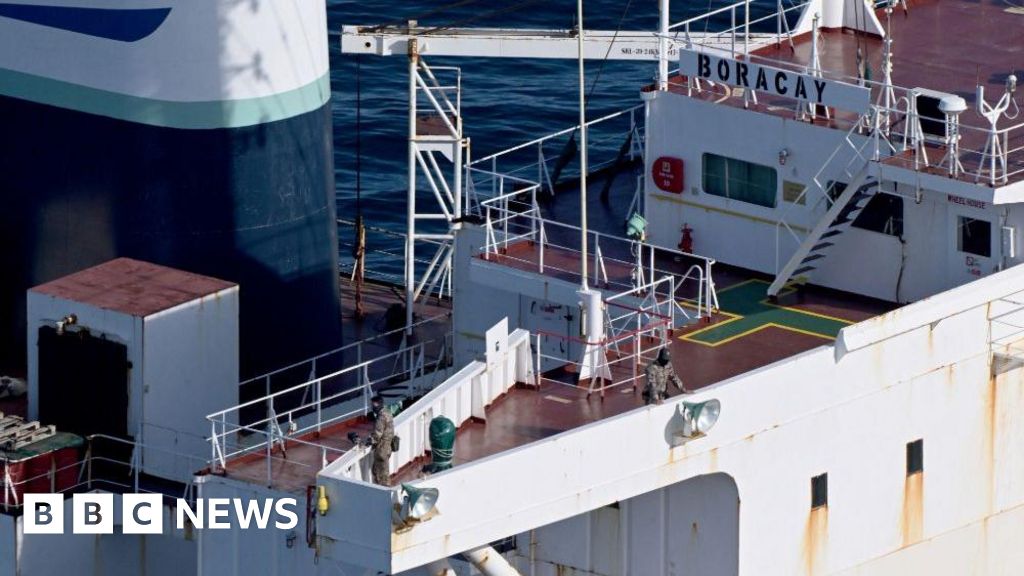
France has taken a bold step in addressing what many analysts now describe as Russia’s clandestine tactics to bypass international sanctions. French soldiers recently boarded the Boracay, a vessel linked to Moscow’s so-called “shadow fleet”—a complex network of ships designed to obscure Russia’s energy exports amid ongoing sanctions imposed due to the war in Ukraine. This operation, believed to be one of the most significant interdictions yet, signals a heightened commitment by European nations to crack down on illicit maritime activity used to circumvent Western restrictions.
The vessel, marked by multiple flags—including Benin, UK, and EU sanctions—had been tracked sailing from the Russian port of Primorsk toward India, passing through strategic points in the North Sea and the English Channel. Its movements, coupled with reports of it being detained earlier this year for sailing without a valid flag, underscore the broader challenge faced by Europe and the West: how to enforce sanctions against a fleet that is deliberately complex and highly adaptable. France’s investigation into the vessel’s conduct, alongside calls for increased maritime vigilance, reflect a strategic pivot aimed at exposing Russia’s covert export mechanisms.
European Union leaders, convening amidst rising tensions, are sharpening their focus on hybrid warfare and energy security. At the Copenhagen summit, EU officials discussed the alarming trend of drone incursions and cyber-attacks, which are increasingly attributed by some experts to Russian hybrid tactics designed to destabilize and intimidate. Danish Prime Minister Mette Frederiksen explicitly linked recent drone disruptions at airports to Russia, framing it as part of a broader pattern of hybrid conflicts designed to challenge Western cohesion and resilience. Numerous countries on the EU’s eastern flank, including Poland and Estonia, face the brunt of such threats, prompting calls for a multi-layered “drone wall”—a defensive system intended for rapid detection, tracking, and neutralization of hostile UAVs.
International analysts, including those from NATO and renowned military think tanks, warn that these hybrid strategies signify a *turning point* in modern conflicts—one where conventional warfare is supplemented (or replaced) by covert operations, cyber attacks, and economic manipulation. The existence of Moscow’s shadow fleet, estimated to encompass between 600 and 1,000 vessels, underscores Russia’s resolve to continue evading sanctions and sustain its energy exports despite intense global pressure. How these maritime and hybrid tactics evolve in the coming months could very well determine the future balance of power in Europe’s east and during broader geopolitical conflicts.
As history unfolds amidst increasing militarization and intelligence operations, the world witnesses a critical juncture. The decisions made—by Europe, by NATO, by global institutions—will echo through decades, shaping the future of sovereignty, security, and international law. The relentless chess game on the high seas and in the skies continues, reminding us that, in the chess match of mighty nations, every pawn, every move, and every secret operation could turn the tide of history—an unfolding saga where the stakes are nothing less than the very future of freedom itself.

The Middle East, long a powder keg of geopolitical tensions, is witnessing yet another flashpoint that threatens to destabilize an already fragile situation. Recent developments reveal a significant escalation involving the Israeli military and a pro-Palestinian aid flotilla attempting to breach the maritime blockade of Gaza. Around 75 miles off the coast, at least 20 Israeli vessels intercepted the Global Sumud Flotilla, which included notable figures such as Greta Thunberg and Nelson Mandela’s grandson, Mandla Mandela. This flotilla, composed of nearly 50 boats and 500 activists, was carrying a symbolic amount of humanitarian aid with the explicit goal of breaking what they viewed as an unjust blockade. The incident underscores the ongoing struggle over control of the Gaza Strip, a conflict that continues to draw international attention and concern. According to analysts at International Crisis Group, such confrontations are designed to spotlight global perceptions of injustice, yet they risk further inflaming hostilities in a region already marked by recurring violence.
The Israeli government’s response has been unequivocal. The Foreign Ministry asserted that the navy had contacted the flotilla and asked them to alter course, citing the approaching active combat zone and a lawful naval blockade. They reiterated an offer to facilitate aid transfer through “safe channels” into Gaza—an offer that activists have repeatedly rejected, viewing it as a mere pretext for suppression. Social media footage from activists shows Israeli naval vessels ordering boats to turn off engines, with some participants claiming they have been intercepted in international waters. The situation has rapidly evolved into a complex maritime standoff, with live feeds going dark amid reports that some activists have been detained, potentially against their will. The incident refocuses international debate on the legitimacy of Israel’s blockade, which critics argue constitutes collective punishment, while supporters emphasize the need to prevent weapons smuggling—an ongoing source of tension.
The geopolitical impact of this confrontation extends far beyond the immediate hostile waters. European nations, including Spain and Italy, initially sent naval escorts to support the flotilla, recognize the humanitarian intent while cautioning activists to avoid dangerous escalation. Nonetheless, accusations from Israel linking flotilla participants to Hamas—without solid evidence—are seen by many analysts as attempts to justify potential military actions and inflame regional divisions. This dynamic risks drawing in broader international actors, potentially sparking a wider conflict. The United Nations has called for restraint, yet the underlying issue remains unresolved: to what extent can aid effectively reach Gaza without serving as a stage for geopolitical combat? As historians warn, such interventions, if mishandled, can set long-term precedents that shape the narrative of resistance and oppression for decades to come. The unfolding events hint at a near-certain escalation that could see this maritime showdown evolve into a symbol of international neglect or intervention, depending on how world powers choose to respond.
In the shadows of this tense standoff, voices from within human rights circles are raising alarms. Pre-recorded videos from activists detained by Israeli forces reveal fears of kidnapping and calls for diplomatic intervention—an indication of how swiftly the situation can spiral from a peaceful humanitarian mission to a crisis of international proportions. The U.S. and European diplomatic desks face mounting pressure to navigate their alliances carefully, balancing support for Israel’s security while condemning actions perceived as excessive or provocative. The controversy ignites debates about sovereignty, international law, and the moral responsibility of major powers in a region still plagued by cycles of vengeance. As the world watches this unfolding narrative, the fate of those onboard the flotilla sustains a grim reminder: history is watching, and every decision today stamps the future of tomorrow with its indelible mark. The pages of history continue to turn—each chapter more critical than the last, shaping a conflict that may well redefine the geopolitical map of the Middle East for generations to come.
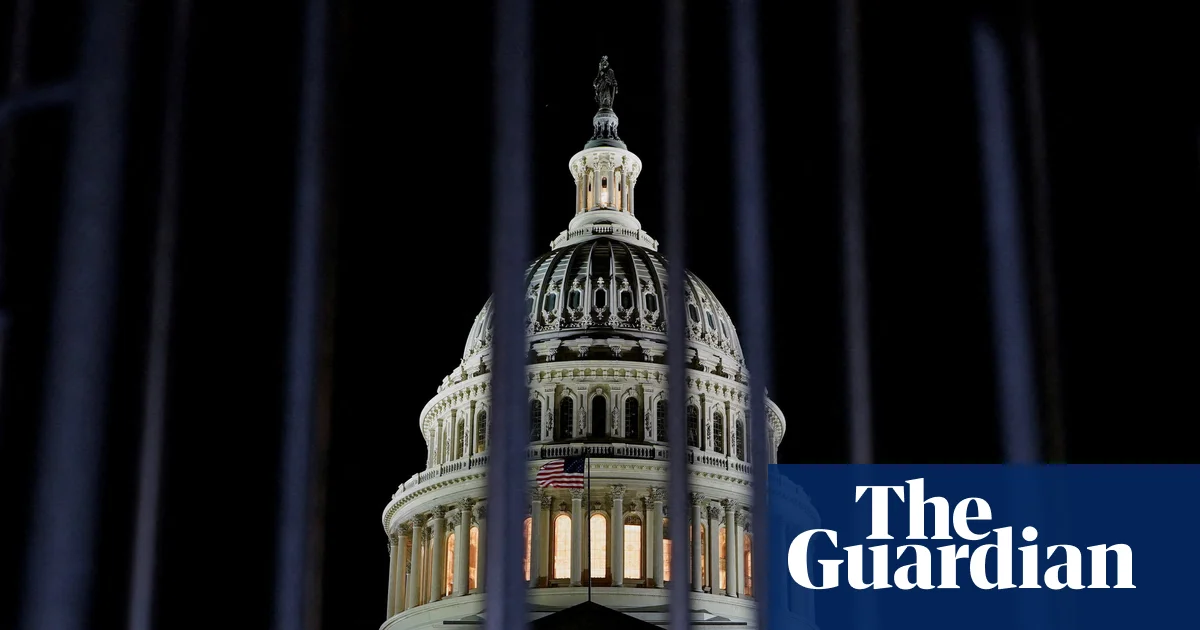
The ongoing deadlock in Washington underscores the escalating crisis within America’s political arena, with the nation witnessing its first government shutdown since 2018. The failure to pass a bipartisan budget has thrust the United States into uncharted territory, revealing the profound schisms that threaten not only domestic stability but also the country’s standing on the global stage. The refusal of Senate Republicans to accept a Democratic-led funding bill, coupled with persistent opposition from the GOP-controlled House of Representatives, exposes a political impasse that analysts warn could have lasting geopolitical repercussions. In this volatile climate, the decision to halt government functions risks ripple effects beyond American borders, influencing international perceptions of U.S. stability and leadership.
At the core of this standoff lies a broader battle over domestic policy priorities—from healthcare to fiscal responsibility—meticulously dissected by thinkers such as history professor John Williams, who argue that these legislative struggles are emblematic of a deeper decline in bipartisan consensus. The Democratic Party insists on extending Affordable Care Act subsidies and reversing recent Medicaid cuts, projecting an image of defending the middle and vulnerable classes. Conversely, Republicans portray their opposition as safeguarding national interests from a supposed leftist overreach. Analysts warn that such inflexibility reinforces a cycle of American political dysfunction, which could embolden foreign adversaries and weaken U.S. influence. While some voices, like Senate Majority Leader John Thune, call for negotiation, the reality remains stark: the nation stands at a critical juncture where internal discord could erode the broader geopolitical order.
International observers, including officials from NATO and the United Nations, scrutinize America’s internal strife, recognizing that political stability in the world’s superpower directly impacts global security. The US may be distracted by its internal conflicts, but its adversaries, such as China and Russia, are watching closely, sensing opportunities to exploit perceived American weakness. The specter of a protracted shutdown threatens to undermine the global economic recovery, given the likelihood of delayed decisions on trade and security matters. “This chaos demonstrates how fragile American governance has become,” warns international political analyst Maria Chen. As millions of federal workers face layoffs, the international community is left to contemplate: how long can a nation grounded in democratic ideals sustain its capacity for leadership in such turbulent waters?
The weight of history looms large, as past shutdowns serve as cautionary tales illustrating the dangers of partisan brinkmanship. Figures like Ted Cruz dismiss the current crisis as a “temper tantrum” destined for capitulation, but experts warn that each iteration entrenches a cycle of political calamity. The unfolding drama’s ultimate toll—furloughed workers, strained social services, and damaged credibility—poses consequences that will outlive current administrations. As scholars monitor this unfolding saga, the narrative remains clear: the decisions made today are carving the geopolitical map of tomorrow. The world watches with bated breath, with the future of America and its role on the world stage hanging in the balance, as the pages of history continue to turn, rewriting the story of a nation struggling to find unity amidst division.

In a society increasingly plagued by anxiety and relentless demands, the silent epidemic of sleep disruption is taking a heavy toll on families, education, and broader communities. While many perceive insomnia as simple trouble falling asleep, experts now identify a more insidious form—maintenance insomnia—which manifests as frequent nighttime awakenings and the inability to restore restful sleep. According to Dr. Julia Kogan, a health psychologist, this condition is characterized by a cycle where anxious thoughts dominate the waking moments, preventing not just sleep, but also eroding the mental and physical well-being of individuals and the fabric of society itself.
Research from Stanford University highlights that nearly 20% of individuals experiencing insomnia suffer from prolonged middle-of-the-night wakefulness. The consequences extend beyond mere tiredness; ongoing sleep deprivation impairs daytime function, heightens anxiety, and predisposes individuals to *chronic health issues such as obesity and cardiovascular disease*. This epidemic disproportionately affects vulnerable populations—particularly women nearing menopause, who experience hormonal shifts that exacerbate sleep difficulties, and older adults, for whom lighter, more fragmented sleep becomes the norm. As the sociologist Dr. Christopher Lasch noted, societal stressors and the erosion of traditional support structures intensify these vulnerabilities, leaving families and communities to grapple with the ripple effects of disrupted rest.
Part of the societal challenge lies in understanding how social tensions and environmental factors ignite and sustain insomnia. Stress and anxiety are identified as the primary culprits—be it from financial worries, job pressures, or the relentless pace of digital life. Experts emphasize that high levels of mental strain can turn routine wakefulness into a chronic problem, creating a cycle where worry about sleeplessness further hampers rest. Additionally, individual environmental factors such as noise pollution, uncomfortable sleep settings, and even the presence of a snoring partner contribute to the problem. These issues are often compounded by demographic shifts: older adults face physical health problems and lighter sleep, while hormonal changes in women approaching menopause significantly increase their susceptibility to maintenance insomnia.
More troubling is the misconception that spending more time in bed can remedy poor sleep—an idea strongly challenged by sleep specialists, who warn that such habits often worsen the problem. Dr. Kogan notes that maladaptive behaviors like clock watching and prolonged bedtimes diminish sleep quality over time, creating a vicious cycle that affects not just individual health, but also the wellbeing of entire families and communities. As sociologists observe, sleep is a shared cultural cornerstone; its disturbance reflects and amplifies broader social malaise, affecting the young, the elderly, and everyone in between.
Resolving this epidemic demands a multi-layered approach rooted in personal, social, and institutional intervention. Recommendations from medical professionals include addressing environmental disturbances, establishing restful bedtime routines, and seeking early treatment. Cognitive Behavioral Therapy for Insomnia (CBT-I), as highlighted by Zeitzer of Stanford, offers a promising avenue—teaching individuals to mentally dissociate from the worry about sleep and to rewire unhealthy habits. Meanwhile, experts advise against relying solely on supplements like melatonin, as their effectiveness is limited unless an actual deficiency exists.
As we grapple with these challenges, it is essential to reaffirm that the health of society depends on the well-being of its individuals. Restorative sleep is more than a personal goal; it is a societal imperative—one that requires a collective acknowledgment of the social and environmental factors at play. Perhaps, in understanding sleep as a societal mirror, communities can begin to foster environments where rest becomes a human right rather than a luxury. As the night folds into dawn, society’s ability to confront and heal its sleep crisis may be the true measure of its resilience and hope for a healthier future.

In an era dominated by high-tech hair gadgets and relentless beauty innovation, Velcro rollers are making an unexpected comeback, proving that sometimes, the simplest tools are the most revolutionary. Once relegated to the backstage of vintage salons, these rollers are now at the heart of a trendy hair revival among youth and beauty aficionados seeking a quick, damage-free way to craft voluminous, lively styles. Influenced by iconic stylists like Sam McKnight, whose background includes creating celebrity-worthy, bouncy dos, the trend underscores a broader cultural shift towards authenticity and simplicity in beauty routines.
What makes Velcro rollers more than just a nostalgic throwback is their resonance with the contemporary desire for effective, damage-conscious styling. Influencers and beauty experts like Sali Hughes emphasize how these rollers can effortlessly lift roots and add natural movement without exposing hair to extended periods of heat, which often causes significant damage — a concern echoed widely among the young generation wary of long-term hair health. The recent reintroduction of the “Big Set,” a kit comprising 18 various-sized Velcro rollers and a retro-futuristic thermal bonnet, highlights a deliberate counterculture movement: rejecting over-complicated devices in favor of straightforward, sustainable hair care methods.
Social platforms have played a pivotal role in amplifying this trend, with beauty influencers showcasing their own roller routines, emphasizing the social relevance of embracing traditional techniques in modern, fast-paced lifestyles. Top lists from trend analysts pinpoint that ‘less is more’ is becoming a guiding principle, as young consumers gravitate towards products that favor ease, portability, and versatility. For instance, a set of Self Grip Rollers, priced at just £12, provides an instant upgrade to flat or lifeless hair, hinting at a broader embrace of DIY culture alongside eco-conscious values. These tools fit seamlessly into busy schedules, allowing the wearer to craft polished looks in the time it takes to enjoy a morning coffee, further cementing Velcro rollers’ social relevance in youth culture.
The cultural impact runs deep, extending beyond mere aesthetics. As sociologists note, this trend encapsulates a desire for self-sufficiency and authenticity, echoing a collective urge to reconnect with more tangible, less digital styles. The narrative becomes even more compelling when considering influencers championing these methods, blurring the lines between vintage appreciation and contemporary cool. Hair expert Sam McKnight illustrates that effective styling doesn’t necessarily require high-tech contraptions, but rather the right attitude and tools — a powerful message in today’s era of social media-driven perfectionism. As the trend grows, the crucial question arises: could this revival be a sign of a future where digital saturation gives way to a preference for tactile, proven techniques? The next chapter in this story might define whether the true beauty revolution hinges on simplicity or technological innovation.
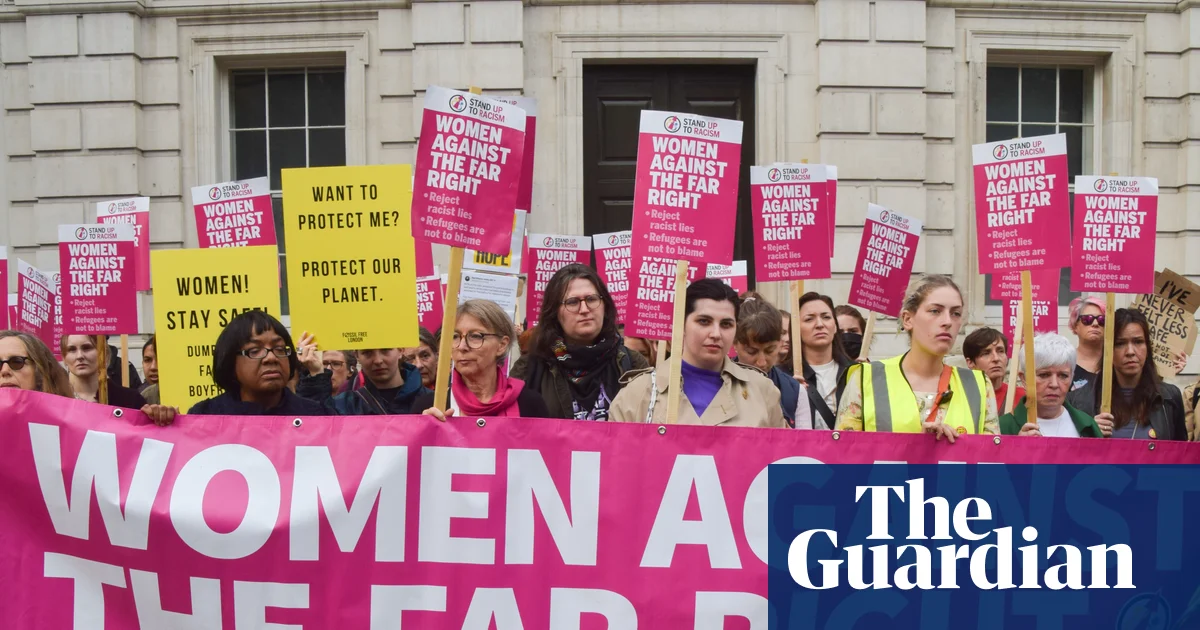
In recent months, Britain has found itself embroiled in a contentious debate surrounding immigration, crime, and national security—issues that resonate far beyond its shores and threaten to reshape the geopolitical landscape. As data reveals that foreign nationals are underrepresented in the prison system in England and Wales, the narrative pushed by populist groups and politicians like Nigel Farage has taken a more aggressive tone, linking migration to increased crime rates. Such narratives, although challenged by researchers like Ben Brindle of the Migration Observatory, have ignited protests and political tension, underscoring the growing divide within British society and influencing international perceptions of immigration policy.
At the root of this turmoil lies a broader geopolitical struggle — how nations address sovereignty, borders, and security in an era marked by mass migration and international instability. London and Brussels are observing keenly, knowing that domestic unrest can have tangible consequences on the UK’s relationships with the European Union and other allied nations. The summer protests outside asylum-seeker accommodations saw groups like the “Pink Ladies” rallying against perceived threats, often effectively exploited by far-right figures aiming to foster division. Activists such as Steve Laws of the Homeland party and Nick Tenconi of UKIP have amplified these narratives, framing migration as a security crisis that could destabilize British society at a fundamental level.
Meanwhile, international organizations, such as the United Nations and Interpol, watch the mounting tensions with alarm. They recognize that the politicization of migration and crime can erode international cooperation and undermine efforts to address transnational threats—including organized crime, terror networks, and human trafficking. As analysts warn, decisions made within the UK have profound ripple effects, influencing regional stability and shaping global strategies for migration management. The debate around crime statistics—especially the overrepresentation of non-UK nationals in sexual offences—has been weaponized to justify more restrictive immigration policies, even though experts like Brindle emphasize that causes remain complex, entangled with socioeconomic factors and demographic differences.
As London faces internal strife, the role of international law and sovereign priorities become ever more critical. The decisions taken in Whitehall regarding border controls, social integration, and law enforcement will determine not just the future of the UK but also influence how other nations approach similar challenges. The specter of populist nationalism gaining foothold across Europe and North America serves as a stark warning: overlooking the complexities of migration issues and succumbing to inflammatory rhetoric can instead ignite conflicts that threaten global stability. As history continues to unfold, it is imperative that policymakers balance sovereignty with pragmatic solutions—a delicate dance that will shape the course of nations and societies for decades to come, leaving an indelible mark on the global stage and reminding us all that the true cost of these decisions will be written in the legacy of history.

In a remarkable display of technological innovation and market disruption, Eazewell, an AI-powered platform dedicated to simplifying end-of-life and funeral planning, has entered a traditionally fragmented industry. Founded in 2024 by Donnell Beverly Jr.—whose personal loss catalyzed the venture—Eazewell leverages cutting-edge artificial intelligence to automate tasks that once weighed heavily on grieving families. This initiative exemplifies the seismic shifts occurring as AI begins to redefine how life’s final transitions are managed, with significant business implications for sectors ranging from funeral services to digital estate management.
The core innovation behind Eazewell is its AI agent, available around the clock, which empowers families to effortlessly coordinate funeral arrangements, manage paperwork, and even cancel credit accounts on behalf of the deceased. This automated approach resolves longstanding inefficiencies within the industry, often plagued by manual, time-consuming processes. The platform’s recent rollout of an enterprise solution for hospice providers, senior living facilities, and insurers further extends its disruption. By integrating seamlessly into existing software ecosystems, Eazewell positions itself as a market-changing enabler for enterprise-level stakeholders, promising to transform industry standards.
According to leading analysts from firms like Gartner, the integration of AI-driven automation into sensitive segments such as end-of-life planning is a strategic game-changer with broad implications. Already, Eazewell reports assisting over 100,000 families, a testament to the scalability of its approach. As the platform broadens to include digital asset management—an increasingly vital concern in a digital-first era—the industry is poised for a fundamental shift. The ongoing digital transformation hints at a world where legacy management and estate planning become seamlessly integrated into everyday digital life, challenging established traditional players resistant to technological evolution.
Disruptors like Elon Musk’s Neuralink and Peter Thiel-backed startups have demonstrated the enormous potential of AI to overhaul deeply rooted industries. Eazewell’s focus aligns with this trajectory by highlighting how AI’s influence extends well beyond the here and now, into the posthumous realm. The company’s forward-looking vision, including managing digital assets and inheritance, exemplifies how innovation is converging with industry standards of trust and security. Notably, industry experts and forecasters see these advancements as not just improvements but essential evolutions for businesses seeking resilience amid changing consumer expectations and technological norms.
The significance of this evolution transcends mere convenience: it heralds a new era where disruption can unlock new revenue streams, reduce operational costs, and elevate service standards. As AI and automation continue to mature, competition will intensify, compelling entrenched industries to innovate or face obsolescence. The urgency for stakeholders—whether traditional funeral service providers or emerging digital estate managers—is clear: adapt rapidly or be left behind in a rapidly transforming landscape that demands technological agility and disruptive thinking.
Looking ahead, the potential of AI to revolutionize end-of-life services signifies more than just a niche innovation; it foreshadows a broader societal shift. Industry visionaries and technology leaders emphasize that the pace of change necessitates proactive engagement. Experts from institutions like MIT forecast that AI-driven end-of-life management will become a standard component of digital identity and estate planning platforms within the next decade. This evolution presents a crucial call to action for investors and businesses alike: position strategically now to harness the impending wave of disruption, leveraging innovation to serve a growing demand with compassion and efficiency.
As the industry broadens its horizons, it becomes evident that disruption is inevitable. The integration of AI into sensitive life-stage services embodies both a technological leap and a philosophical shift—one where technology’s role is to ease burden, empower families, and fundamentally reimagine what legacy means in a digital age. The race for innovation is on, and those who move decisively will shape the future of a trillion-dollar industry—and redefine how society handles its most profound moments.


