
TRENDING NEWS





Truth Over Trends, always!

In an era where unstoppable global currents of movement define our collective destiny, West Africa exemplifies a continent navigating the turbulent waters of migration, sovereignty, and regional cooperation. Recent events surrounding the deportation of West African nationals—particularly from the US, Ghana, and Nigeria—highlight a shifting lifestyle paradigm rooted in resilience, adaptation, and a sense of shared identity. As young Africans strive for a better future, these stories serve as poignant reminders of how individual journeys are intertwined with larger political and cultural narratives, fueling a desire to reclaim agency over personal health, leisure, and national pride.
Recently, a Nigerian man deported from the US found himself unexpectedly stranded in Togo after being covertly transferred across borders—an incident that exposes the complex realities faced by migrants navigating emerging policies. The deportees, mainly from Nigeria, Liberia, and The Gambia, were flown out under contentious third-country deportation agreements, stirring debate around regional solidarity versus sovereignty. The man’s account reveals troubling details: they were allegedly moved through back routes, after bribing police and without Togolese authorities’ consent, demonstrating how unregulated migration flows challenge the very fabric of regional stability. Despite Ghana’s official stance emphasizing “pan-African empathy”, critics argue that such policies risk undermining sovereignty and individual rights, especially for youth seeking to build lives amidst uncertainty.
This ongoing tension underscores a keystone of youth resilience: the capacity to transform adversity into motivation for activism and cultural identity. Many young West Africans see borders not just as lines on a map but as opportunities for self-empowerment—whether through economic initiative, activism, or regional integration. The Nigerian deportee’s involvement with the Yoruba Self-Determination Movement exemplifies how personal struggles often fuel a broader aspiration for cultural preservation and sovereignty. Despite the risks, young activists draw strength from their collective history, advocating for autonomy while embracing the continent’s interconnected spirit—seeking to redefine lifestyle shifts rooted in community, resilience, and a shared cultural heritage.
As stories like these unfold, the power of lifestyle as a form of resistance becomes evident—youth driven not only by immediate needs but also by an unyielding desire to construct a future rooted in self-determination. With a landscape marked by complex geopolitical shifts, West African youth are increasingly embracing their cultural capitals as engines of change, cultivating wellness and community resilience outside traditional constraints. These narratives illuminate a journey of reinvention: from navigating borderland complexities to forging a collective identity grounded in strength, hope, and the unbreakable bond of shared heritage.
In embracing this mosaic of challenges and opportunities, young Africans are charting a path toward a future where sovereignty meets innovation. Their stories remind us that personal impact—be it through advocacy, cultural expression, or resilience—serves as a vital thread in the larger tapestry of African renewal. As we reflect on this ongoing voyage, it becomes clear: lifestyle here is less about possessions and more about a conscious pursuit of dignity, hope, and autonomy. Embodying the spirit of self-empowerment, this generation is crafting a narrative where resilience is the new revolution, inspiring others to embrace their own journeys and rewrite the story of African greatness.

In recent months, claims have circulated suggesting that former President Donald Trump’s immigration efforts closely mirror the policy proposals laid out in the conservative think tank initiative known as Project 2025. This connection has fueled debates about the direction of U.S. immigration policy under his administration. To determine the accuracy of these assertions, it is vital to examine concrete actions taken by Trump and how they compare to the recommendations in Project 2025, especially considering the complexities and legal challenges involved.
Factual evidence indicates that Trump’s policies during his first term did indeed implement numerous measures outlined or supported in Project 2025. For instance, the use of active-duty military personnel along the southern border was a prominent recommendation, and the Trump administration declared a national emergency at the border on day one, deploying thousands of troops to assist border enforcement efforts. This move included designating border regions as extensions of military bases, effectively bypassing certain legal restrictions through the “military purpose doctrine,” which expert Mark Nevitt from Emory University highlights as a significant escalation that potentially contravenes the Posse Comitatus Act. The Biden administration had previously constrained enforcement activities in “sensitive zones,” but Trump reversed or modified these restrictions, aligning with Project 2025’s call to expand enforcement authority.
Similarly, Trump’s efforts to enhance detention capacities and crack down on illegal worksite activities echo the proposals in the document. The administration added approximately 18,000 beds to detention facilities, and law enforcement carried out hundreds of worksite raids, arresting over 1,000 workers according to ICE data. Additionally, the use of mass worksite arrests through civil warrants—the controversial “Blackie’s warrants”—mirrors what Project 2025 recommended to further intensify enforcement. Notably, a Texas federal judge dismissed a government application for such warrants, citing constitutional violations, which underscores the legal tensions involved in these aggressive tactics.
Contrary to claims that Trump’s policies are purely executive gestures, government actions appear well aligned with the plan laid out in Project 2025. These include efforts to curtail refugee resettlement by significantly reducing admissions, including attempts to end the Deferred Action for Childhood Arrivals (DACA) program and terminating Temporary Protected Status designations for several countries. Court rulings have temporarily blocked some of these initiatives, but the overarching aim to limit asylum and refugee intake remains evident. Expert Julia Gelatt from the Migration Policy Institute emphasizes the intent to “send a message that those in the country without authorization aren’t safe,” which aligns with the rhetoric and objectives in the policy document.
In conclusion, the facts demonstrate a clear pattern of policies under Trump that have directly aligned with or gone beyond the proposals in Project 2025 regarding immigration enforcement, border security, detention, and visa restrictions. What remains crucial is that citizens and policymakers understand that these policies are backed by significant government action, legal battles, and expert analyses. Responsible citizenship depends on an honest assessment of such claims, ensuring that the foundation of democracy—truth—is upheld. Only with facts at the core can America’s democratic debates remain rooted in reality and work toward effective, lawful immigration reform.
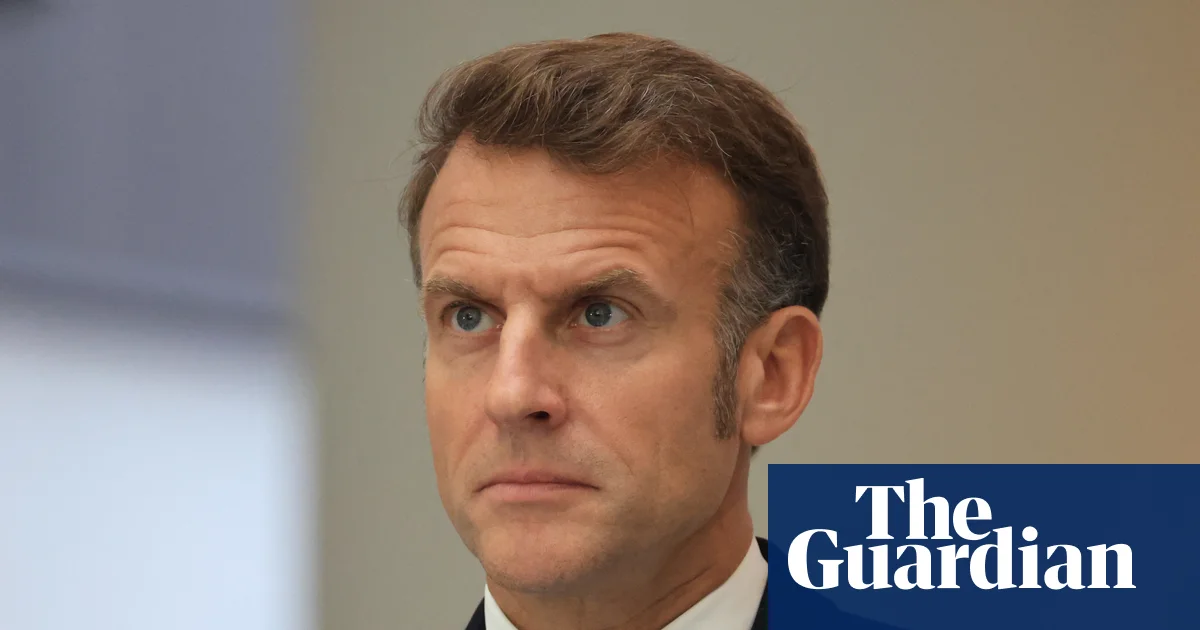
Recent investigations by French authorities into a suspect oil tanker reveal a disturbing layer of hybrid warfare that threatens the stability of Europe. The vessel, known as Boracay, which was flagged in Benin and previously operated under the name Pushpa, is suspected of being part of Russia’s clandestine shadow fleet. This fleet is often used by Moscow to circumvent international sanctions by employing vessels whose ownership and operations are deliberately obscured. As European countries face a series of unexplained drone flights and airspace violations, the incident underscores the intensifying struggle for control over critical maritime and aerial domains, an unprecedented battlefield in modern geopolitics.
The drone sightings over Denmark in September, leading to airport closures in Copenhagen and Aalborg, mark a clear escalation in what officials now term a hybrid war. These drones—likely launched from ships in close proximity—were almost certainly larger, fixed-wing or delta craft that require substantial launch platforms, pointing to a sophisticated level of planning and resource deployment. Denmark’s Prime Minister, Mette Frederiksen, publicly accused Russia of threatening European security, framing the incident as part of Moscow’s broader strategy to destabilize the continent. Meanwhile, NATO and European allies have responded by deploying anti-drone defenses, and upcoming EU summits are now focusing on countermeasures such as the development of a “drone wall” to deter future incursions, revealing a shift toward militarizing new technological threats.
As investigations unfold, the shadow fleet emerges as a key element—one that significantly impacts global oil markets and international sanctions enforcement. The UK, the EU, and other nations have identified vessels like Boracay as integral to clandestine oil trafficking routes that skirt sanctions. The vessel’s history is emblematic: from being detained by Estonian authorities as Kiwala earlier this year, over uncertainty about its registry, to a recent transfer to the Russian fleet, the vessel signifies how Russia’s economic war efforts rely on deceptive shipping practices. Analysts warn that such fleets enable Moscow to evade sanctions, maintain its oil revenues, and fund military operations, thereby challenging Western efforts to isolate Russia economically.
The geopolitical impact of these developments extends beyond immediate security concerns. They highlight a shifting balance where maritime and aerial domains become new theaters for geopolitical competition, with Russia actively testing Western defenses and probing the vulnerabilities of allied nations. The example of vessels like Astrol-1 docking in St. Petersburg or the Oslo Carrier-3 carrying steel from Germany to Lithuania illustrates a complex web of economic and military signals. International organizations, including NATO, are now warning that these covert activities could escalate into open conflict if not decisively countered, creating a tense atmosphere reminiscent of Cold War stratagems but in the age of advanced technology. As history continues to unfold on this shadowy stage, it remains undetermined how long Europe’s resolve can withstand the relentless pressure and deception embedded in Russia’s hybrid tactics, leaving the world poised on the brink of a new era of unconventional warfare where the rules are continually rewritten.

As the NFL season unfolds, fans and analysts alike turn their attention to the critical matchups that can sway fantasy football success. This week’s spotlight shines on some of the most and least favorable matchups across key positions, particularly highlighting quarterbacks, running backs, wide receivers, and tight ends. Understanding these dynamics is essential for fantasy team owners looking to forge ahead in their leagues.
Among quarterbacks, the standout matchup features Patrick Mahomes of the Kansas City Chiefs going against a struggling secondary. With Mahomes posting an average of 300 yards per game this season, his potential for a breakout performance is monumental. Contrast this with Sam Darnold of the Carolina Panthers, who faces a top-tier defense that has stymied opposing quarterbacks all year. Emphasizing the ups and downs, commentator Joe Buck remarked, *“When the competition is fierce, a quarterback’s ability to adapt can indeed change the game.”*
Distribution of success continues with running backs. Derrick Henry of the Tennessee Titans is expected to shine against a defense that has consistently struggled against the run. On the flip side, Elijah Mitchell of the San Francisco 49ers finds himself up against a brick wall of defensive linemen, making his yardage outlook grim. This emphasizes the need for strategic plays as Coach Mike Vrabel suggests, *“In a league where every inch counts, you better be prepared.”*
In the realm of wide receivers, Tyreek Hill is in a prime position to capitalize against a vulnerable defensive backfield. His speed and route-running could lead to significant yardage and touchdowns. Conversely, Michael Thomas, despite his potential, may struggle against a defensive unit that has proven difficult for receivers to penetrate this season. The stakes are higher as commentator Tony Romo stated, *“Wide receivers must find a way to get open, or they risk being invisible.”*
Ultimately, sports are not just about victories and defeats. They embody a community, a sense of belonging, and shared excitement, lifting spirits high beyond the confines of the scoreboard. As fans rally behind their teams in the thrilling unpredictability of the season, it serves as a reminder that in the world of sports, unity and passion prevail, and every game is a testament to the resilience of the human spirit.

In recent years, Britain’s once-thriving luxury retail sector faces mounting challenges, emblematic of broader geopolitical and economic upheavals that threaten the stability of its international appeal. Selfridges, a storied retailer known for attracting high-net-worth individuals and tourists from around the world, has reported its fifth consecutive year of losses, a stark indicator of how shifts in global travel patterns and policy decisions ripple across economies and societies. This decline is not merely a business concern but reflects a deeper, transnational shift that influences the social fabric and economic stability of the United Kingdom.
The decline in sales—7% over 48 weeks to January 2025—stem from a confluence of intra-national policy changes and macroeconomic pressures. Notably, the UK government’s decision to abolish tax-free shopping for tourists —a key attractant for international luxury seekers—has significantly impacted London’s famed shopping districts. This move, part of broader post-Brexit economic realignments, is viewed by analysts as detrimental to the nation’s status as a global shopping destination. Selfridges highlights that weaker consumer confidence, inflated luxury prices, and ongoing cost-of-living crises have drastically constrained spending on non-essential luxury goods, especially among the wealthiest international visitors who once flocked to the UK for exclusive shopping experiences.
Adding urgency to the narrative are geopolitical factors and international investments that shape the future of global luxury markets. In October 2024, Saudi Arabia’s Public Investment Fund acquired a 40% stake in Selfridges, signaling a strategic pivot toward consolidating influence in the global luxury sector. This move underscores a broader pattern of Global South states expanding their footprint into luxury retail, aiming to leverage both economic power and geopolitical influence. Such investments, as noted by international analysts, are part of a broader trend where sovereign wealth funds seek to redirect economic influence through cultural and consumer markets, potentially shifting the balance of power in luxury retail from Western stalwarts to emerging economic powers.
The UK’s economic and cultural standing with this evolving landscape is under real strain. As historians and policy analysts warn, these challenges mark a pivotal moment where decisions made today will resonate for generations. The decline of iconic institutions such as Selfridges echoes the shifting tide of economic influence and societal values. With retail giants positioning themselves amid geopolitical flashpoints, the future of UK’s luxury industry and its socio-economic stability will be determined by how effectively it navigates these turbulent waters. As the clock ticks toward what could be a transformative period in global history, the unfolding story of luxury retail stands as a testament to the enduring, often turbulent, march of history—where decisions made in boardrooms and parliaments today will inscribe their legacy into the annals of international relations, economic power, and cultural identity for generations to come.
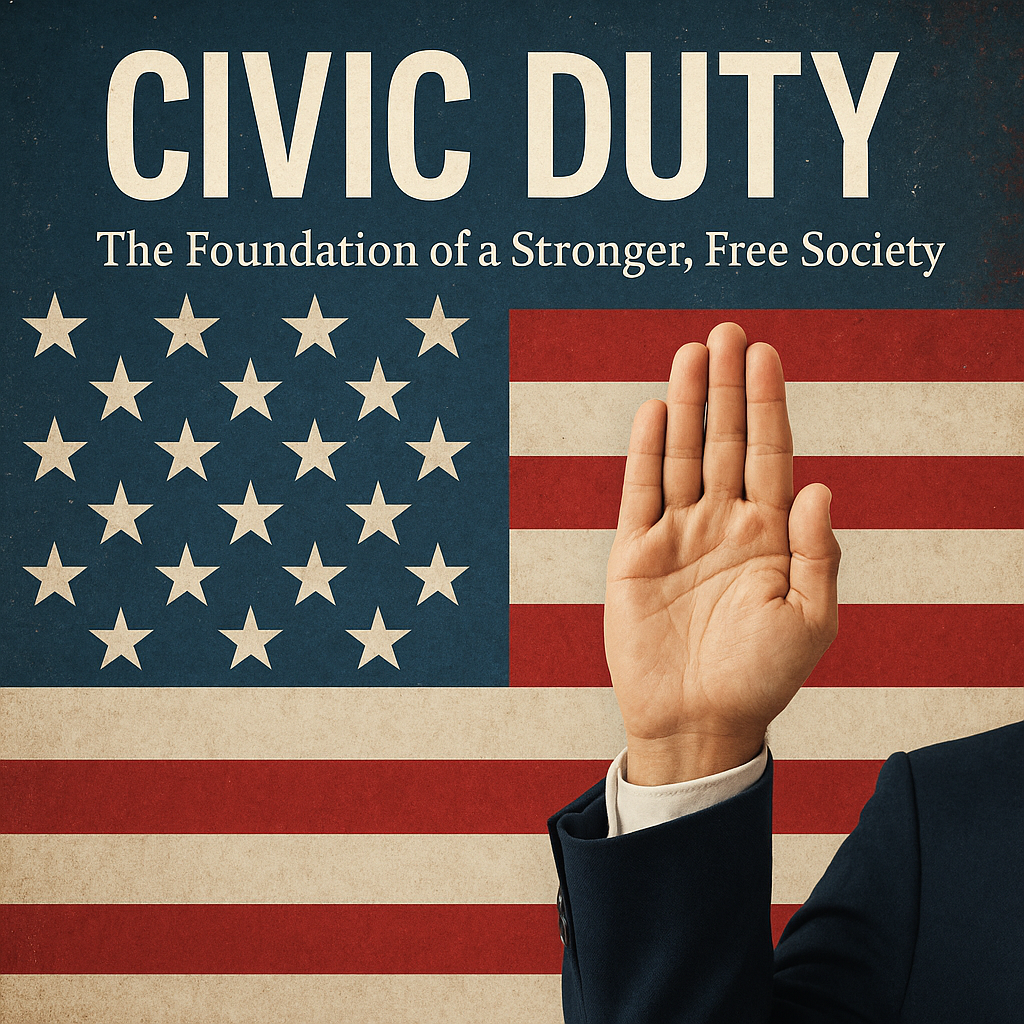
At the very core of a thriving, free society lies the intangible yet powerful principle of civic duty. This foundational concept, often sidelined amid debates over policy and economics, actually fuels the social cohesion, accountability, and resilience necessary for national greatness. Critics of civic participation might argue that it is a relic of older times, replaced by individualism or reliance on government. However, scholars and historical analysts suggest that the decline in civic engagement correlates with rising societal fractures, economic polarization, and eroding trust in institutions. It is through the active participation of citizens—whether through voting, community service, or local activism—that democracies are fortified and the collective spirit of a nation is rekindled.
Historical exemplars demonstrate that societies which emphasize civic responsibility tend to enjoy greater stability and prosperity. Alexis de Tocqueville, in his seminal work Democracy in America, observed that active civic engagement by citizens creates a “civil society” that guards against tyranny and fosters a sense of shared purpose. Today, experts maintain that a strong civic culture not only encourages political stability but also cultivates resilience during national crises, whether economic recessions or external threats. The essential nature of this duty is underpinned by the understanding that freedom does not arise passively but must be actively defended and sustained by those who cherish it. In this way, civic duty becomes the bedrock upon which sovereignty and individual liberty rest.
Furthermore, proponents argue that fostering a sense of collective responsibility begins with education and community engagement, cultivating future generations of responsible citizens. Economists like Milton Friedman have emphasized that personal responsibility and civic participation are intertwined with economic freedom and social stability. In a world increasingly driven by technology and global interconnectedness, the value of local civic engagement persists—as it creates a buffer against fragmentation and alienation. As Victor Davis Hanson notes, “A society that neglects its civic roots risks losing its moral compass,” and the erosion of these duties can lead to creeping government overreach, apathy, and a decline in the shared values that make democracy possible.
Yet, the struggle remains clear: amidst modern distractions and complex bureaucracies, fostering an engaged, responsible citizenry requires deliberate effort and leadership. As history teaches, the strength of a society is measured less by its material wealth and more by the resilience of its civic fabric. May the future forge ahead—not in reckless pursuit of transient liberties, but in the profound recognition that the true power of freedom flows from the collective promise of civic duty. For in the vast expanse of history, it is this quiet pledge—made and renewed— that keeps the flame of liberty burning brightly against the encroaching darkness of indifference. And so, the story continues: a tapestry of millions, united not just by laws or borders, but by an unwavering resolve to uphold the sacred duty that sustains a free society’s most elusive, most precious gift: its freedom.”
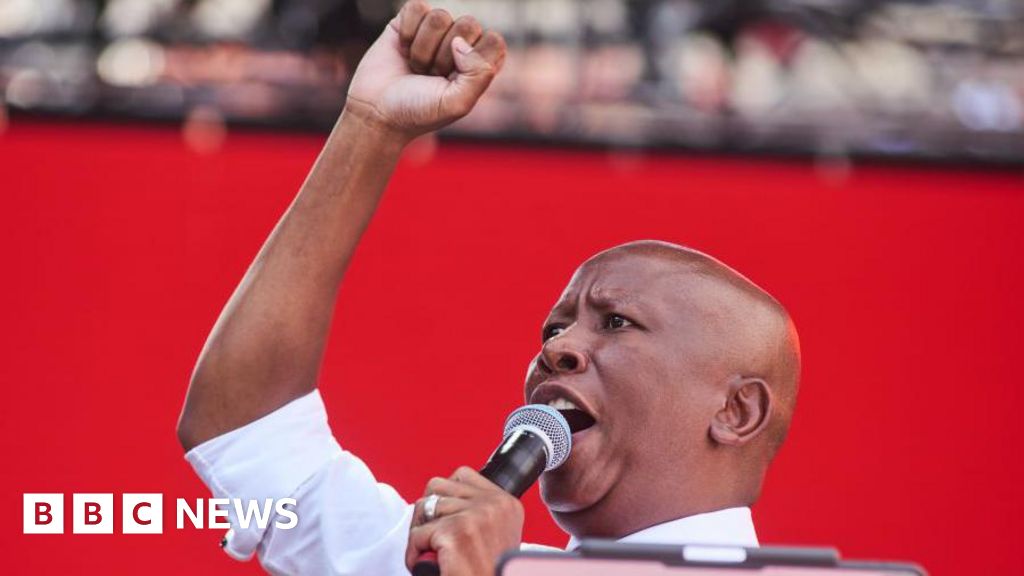
The recent conviction of Julius Malema, leader of the Economic Freedom Fighters (EFF), marks a significant chapter in South Africa’s ongoing struggle with internal divisions rooted in its apartheid past. The magistrate’s decision to find Malema guilty of discharging a firearm in public — an offence carrying a maximum of 15 years in prison — underscores the persistent tensions and volatile political landscape that continue to define post-apartheid society. The 2018 incident in the Eastern Cape, where he fired between 14 and 15 rounds during a party remembrance, was more than a youthful display; it became a symbol of the nation’s deeper struggles with violence, racial identity, and calls for radical economic reform.
Internationally, this incident has reverberated beyond South Africa’s borders, influencing perceptions of the country’s stability and leadership. The controversy surrounding Malema’s fiery rhetoric and actions reached as far as the White House, where then-President Donald Trump used a video of Malema as supposed evidence of genocide against white Afrikaners—a claim that has since been widely discredited by experts and international observers. Such gestures highlight the dangerous intersection of domestic politics and international narratives, where figures like Malema are weaponized to justify external interventions or pressure. Moreover, Malema’s vocal calls for the seizure of white-owned land and wealth redistribution continue to fuel a heated debate about racial justice and economic policies in a nation still wrestling with the legacy of apartheid.
Analysts and historians emphasize that Malema’s case exemplifies how post-conflict societies often struggle with balancing free speech against the threat of inciting violence and societal division. The international community watches closely as South Africa grapples with political extremism, racial grievances, and economic disparity—elements that threaten to undermine its stability and place it further at the mercy of global powers vying for influence in Africa’s most developed yet divided nation. As Malema prepares to challenge his sentence in the Constitutional Court, the fate of his influence remains uncertain, but the broader geopolitical impact of South Africa’s internal strife is undeniable. Every decision, every verdict, shapes not only the nation’s future but echoes across an increasingly unstable continent where history’s shadows loom large, and the weight of unresolved injustices presses down like an ominous cloud over the unfolding story of Africa’s “rainbow nation.”
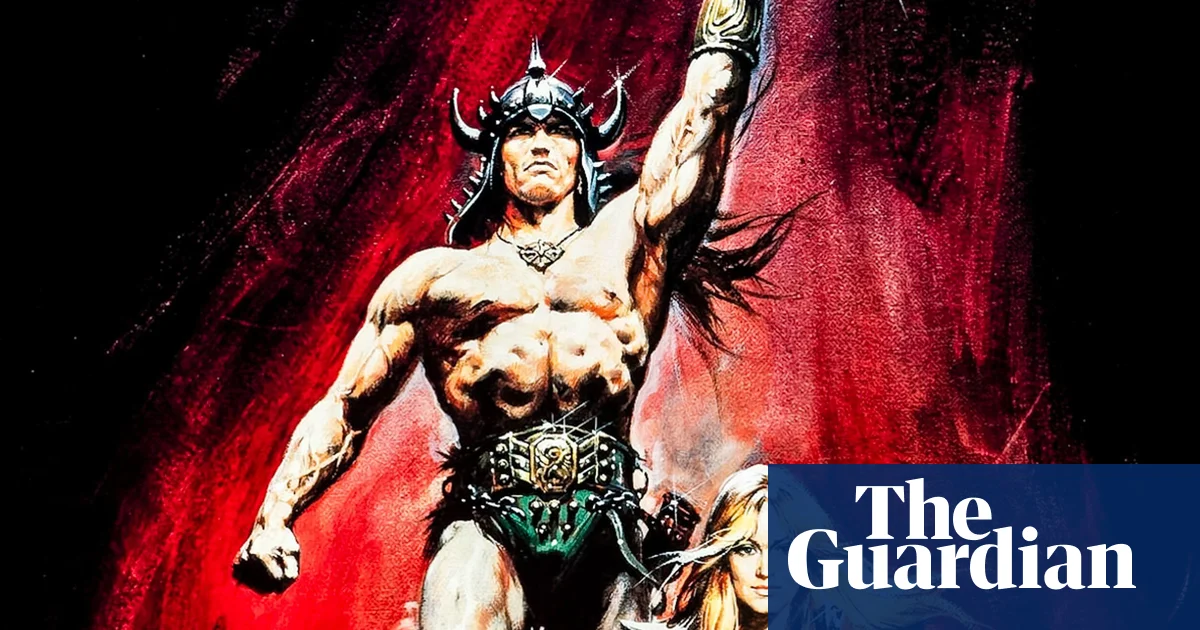
In the contemporary landscape of visual culture, few names resonate with the weight of Renato Casaro. His passing at age 89 marks the end of an era where artistry in film promotion was handcrafted, imbued with a soul that digital transformations have often threatened to erase. Casaro’s work represented more than mere promotional material; it was a testament to the enduring power of image-making rooted in tradition, craftsmanship, and the cultural dialogue between cinema and society. By elevating the heroic stature of icons such as Arnold Schwarzenegger and Sylvester Stallone, Casaro lent a mythic aura to modern heroes—echoes of classical heroism reimagined for the heroic age of postwar America and the cultural manifestations of strength, valor, and resilience.
This tradition of handcrafted poster art, a symbol of cultural memory and societal aspiration, encapsulates what Ortega y Gasset might have viewed as the way in which art manifests the collective spirit. As studios transitioned to digital tools in 1998, the tactile and visceral qualities of Casaro’s work began to fade, yet his influence remains a vital marker of cultural heritage. It is not merely about aesthetics but about the role of art in shaping identity and societal values. When Casaro returned to craft posters for Quentin Tarantino’s Once Upon a Time in Hollywood, it signaled a conscious return to that romantic, heroic mythmaking—a refusal to surrender entirely to digital repetition and superficiality.
Throughout history, critics like Chesterton have championed the idea that culture is a battleground for meaning; it is where tradition confronts innovation, where memory solidifies into societal identity. The cultural critic Christopher Lasch argued that in an age of relentless progress, it is the memory of the past that anchors societal coherence. Casaro’s posters, vibrant with heroism, did precisely that—they connected audiences to a shared mythos, imbuing cinematic images with a symbolic purity that transcends the fleeting nature of trends. As Tocqueville warned, the preservation of cultural identity is vital in a democratic society—where uniformity often threatens the uniqueness of tradition. Casaro’s work exemplified the human desire for heroism rooted in tradition, a rallying cry for a society that seeks meaning through its cultural icons.
In the end, the significance of figures like Casaro extends beyond their craft; they serve as custodians of a collective memory and prophecy. Their creations, like the finest poetry or philosophy, remind us that culture is both a reflection of what we are and a vision of what we might become. The tapestry of human history, woven with images and stories, calls us to consider that our deepest identity lies not just in the present but in the echoes of the past and the possibilities of the future—a future illuminated by the enduring light of cultural memory, shining brightly like a hero’s silhouette against a great, timeless horizon.
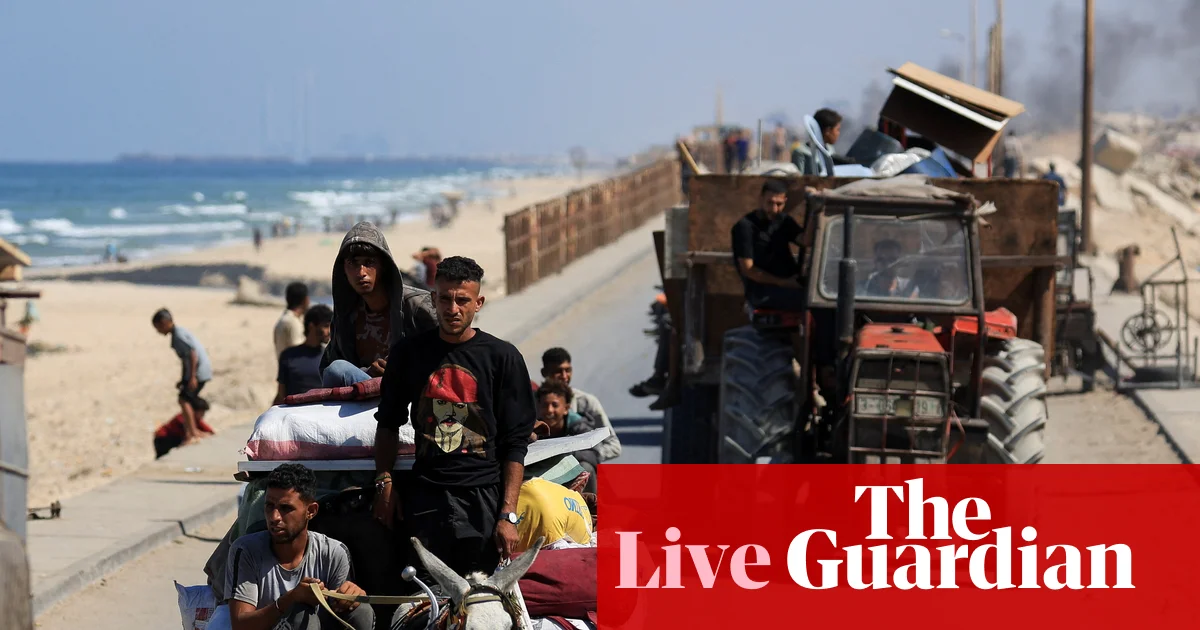
The ongoing Israeli military offensive in Gaza marks a significant escalation in the Middle East crisis, with profound geopolitical impact that threatens regional stability and influences the world’s power dynamics. As Israel moves to cut off access routes from Gaza’s south to north, the humanitarian toll continues to mount, with the UN reporting over a quarter of a million displaced residents in just the past month. The latest military decisions, including the closure of critical transit routes and increased aerial and ground operations, underscore a strategic shift that may shape future Israeli-Palestinian relations for generations.
Simultaneously, Hamas is reviewing a recent plan presented by Donald Trump in Washington, which many view as a pivotal turning point. Israeli and Arab leaders have broadly supported the 20-point proposal, which aims to de-escalate the violence, yet Hamas’s response remains uncertain. Trump has presented an ultimatum, declaring that Hamas has “three or four days” to accept or face severe repercussions. This high-stakes diplomatic maneuvering directly affects not only the immediate conflict but also regional alliances, with many analysts warning that the failure or acceptance of the plan may determine whether the region slides further into chaos or begins a fragile path toward peace.
Globally, reactions to the crisis reveal divisions and strategic calculations. The Australian government, accused of enabling Israel’s military actions through tepid critiques, faces mounting international pressure, with critics asserting that such policies embolden atrocities and undermine international law. On the ground, the human cost is staggering: the Palestinian health ministry reports over 66,000 deaths and hundreds of thousands injured since October 2023, emphasizing the severity of the humanitarian catastrophe. Meanwhile, the recent attack by Yemen’s Houthi rebels on a Dutch-flagged cargo ship, which caused substantial damage and injuries, demonstrates that regional conflicts are intertwining, further destabilizing an already volatile situation.
In the broader global context, the Middle East remains a hotspot of tension, with Iran facing renewed sanctions over its nuclear program, and Yemen becoming a theater of proxy conflict as the Houthis threaten Western interests with their assault on shipping lanes. The Global Sumud Flotilla attempting to break the naval blockade of Gaza reports being threatened and impeded by unidentified vessels, illustrating the high risks and escalating confrontations at sea. This layered and interconnected instability leaves history at a crossroads, with the choices made today echoing into the future of international order, justice, and peace, as the world watches with bated breath—the weight of history still unfolding.

The music production landscape is witnessing yet another transformative moment as Roland unveils the TR-1000, a hybrid synthesizer that seamlessly fuses analog grit with modern digital interface. Designed with a focus on user experience and tactile control, this device features an analog filter, drive section, and a multitude of knobs, buttons, and faders—purposely built to streamline workflow and reduce reliance on complex menus. This approach signifies a notable shift toward mainstreaming tactile, hardware-based production tools, catering to both seasoned producers and studios craving authentic sound textures. Such innovations indicate an industry that increasingly valuesimmediacy and visceral engagement, crucial in a fast-evolving musical climate where raw tone often outperforms sterile digital emulation.
The debut of the TR-1000 underscores the profound disruption within the traditional analog and digital synthesis markets. Priced at $2,699.99, it challenges the common perception that high-quality analog gear is prohibitively expensive. Compared to vintage icons like the TR-808 and TR-909, which command astronomical prices on the resale market, the TR-1000 positions itself as an accessible, cost-effective alternative. Its strategic pricing could dramatically shift consumer expectations, making professional-grade sound design more attainable for emerging producers and independent studios. This innovation demonstrates Roland’s response to growing demand for hybrid instruments that bridge classic warmth with modern versatility, paving the way for a new wave of competitive products in the synthesizer industry.
The introduction of the TR-1000 exemplifies how traditional industry giants are leveraging disruptive innovation to redefine market dynamics. Gartner analysts highlight that firms investing in tactile, high-fidelity hardware are capitalizing on shifts in consumer preference away from purely software-based solutions. This trend suggests a departure from the era of digital dominance toward a renaissance of physical interfaces that inspire creativity through sensory engagement. Consequently, smaller startups and legacy brands must innovate rapidly or risk obsolescence. The TR-1000’s appeal to a broad demographic—ranging from veteran producers to young enthusiasts—also offers a glimpse into the future of a market that prizes personalized, immediate interaction with sound.
As industry leaders like Elon Musk and Peter Thiel have noted, technological innovation that disrupts established paradigms often comes from bridging seemingly incompatible worlds—digital and analog, hardware and software. The TR-1000 signals a pivotal shift that could catalyze broader industry trends towards hybrid instruments with tactile and sonic authenticity. Market analysts warn that those who fail to embrace this disruption risk becoming irrelevant as consumers increasingly demand versatile, immersive, and intuitive musical tools. If Roland’s strategy proves successful, the music tech industry may soon see a surge of affordable, high-fidelity hardware that revolutionizes how future generations create and experience sound. The clock is ticking, and the race for innovation in this space is only intensifying—marking an exciting, high-stakes epoch for producers worldwide.


