
TRENDING NEWS





Truth Over Trends, always!

NEW YORK — A prominent organization identified as a pro-China group has cemented its presence in the heart of Manhattan by acquiring a new headquarters for over $5 million. This move by The People’s Forum comes as federal officials and lawmakers intensify their investigation into a broader network, allegedly funded by Shanghai-based Marxist financier Neville Roy Singham, for promoting Chinese Communist Party (CCP) narratives within the United States.
The acquisition and subsequent fundraising drive raise significant concerns regarding foreign influence operations at a time when national security agencies are increasingly vigilant about external interference in American institutions and discourse.
The People’s Forum Inc. recently purchased a rundown three-story building at 137 W. 14th Street in Manhattan’s Chelsea neighborhood for $5.15 million in December 2024. Property records obtained by Fox News Digital confirm the transaction, which had not been publicly disclosed by the organization. Following this substantial investment, the group is now urging its supporters to contribute another $5 million to renovate the building, aiming to establish it as a “permanent home” for its far-left organizing efforts across the U.S.
This fundraising push includes an urgent target of $2 million from individual donors by December 2026, part of a larger $5 million campaign launched last September. The financial details of the building’s purchase, beyond the sale price, have not been publicly revealed.
The timing of The People’s Forum’s expansion coincides with a heightened federal investigation into Neville Roy Singham’s extensive network. Lawmakers and federal officials are examining these entities over what they describe as a foreign-aligned influence operation, specifically designed to disseminate CCP narratives in the U.S. This scrutiny underscores growing concerns about covert efforts to shape public opinion and political discourse in favor of a foreign power.
Recent developments, such as the resignation of a California mayor who admitted to acting as an illegal agent for the People’s Republic of China, highlight the gravity of these investigations. The People’s Forum is considered a central organization within Singham’s network, reportedly serving as a hub for more than 200 groups and coordinating left-wing protests since its inception in 2017.
“The establishment of a permanent base by a group under federal investigation for promoting foreign narratives underscores the urgent need to safeguard American institutions from external influence.”
The continued operation and expansion of organizations like The People’s Forum, especially while under federal investigation, underscore the ongoing challenge of protecting national integrity from foreign influence. Our institutions rely on transparency and adherence to U.S. law, particularly when dealing with entities that may be acting on behalf of foreign governments.
As federal authorities continue their probe, the public remains keenly interested in understanding the full scope of these networks and their impact on American society. Ensuring accountability and upholding the principles of democratic governance are paramount in confronting such challenges.

President Donald Trump has declared the current ceasefire with Iran to be on “massive life support,” intensifying a crucial national security debate within Washington. As diplomatic efforts appear increasingly fragile, a significant split has emerged among retired U.S. commanders and national security experts over whether the nation should resume military operations against Tehran or avoid what many fear could become another prolonged Middle East conflict.
Speaking to reporters, President Trump underscored the dire state of the ongoing diplomatic pause. “I would say the ceasefire is on massive life support,” Trump stated, likening its chances of survival to a patient with a mere “1% chance of living.” This stark assessment follows his dismissal of Iran’s latest proposed agreement as a “piece of garbage,” signaling deep dissatisfaction with Tehran’s responsiveness.
The White House is reportedly reviewing various military options should the current negotiations collapse entirely. This readiness to consider more assertive measures highlights the administration’s frustration with Iran’s perceived intransigence and its continued pursuit of nuclear and missile ambitions.
The strategic path forward has become a point of contention among seasoned military figures. Retired Lt. Gen. H.R. McMaster, who previously served as National Security Advisor under President Trump, expressed skepticism regarding Iran’s willingness to compromise. He told Fox News Digital that Iran’s leadership, particularly the hardline Islamic Revolutionary Guard Corps (IRGC), is unlikely to make the concessions President Trump deems necessary for a viable deal. While acknowledging President Trump’s desire for an agreement, McMaster stressed that the President “is not going to sign up for a bad deal.”
Conversely, retired Vice Adm. Mark Fox, former deputy commander of U.S. Central Command (CENTCOM), believes that the current ceasefire and diplomatic track are insufficient to compel Iran to de-escalate. His perspective suggests that without a significant shift in strategy, Iran will not be deterred from its current trajectory.
“I would say the ceasefire is on massive life support. Where the doctor walks in and says, ‘Sir, your loved one has approximately a 1% chance of living.’” – President Donald Trump
The emerging debate crystallizes a fundamental question for Washington: can additional military pressure effectively force Iran to abandon its nuclear and missile programs, or would renewed Iran strikes merely deepen a regional conflict without achieving decisive results? Proponents of stronger action argue that only a credible military threat will bring Tehran to the negotiating table with serious intent. They point to Iran’s consistent defiance and the perceived failure of previous diplomatic overtures.
However, critics warn that military action carries substantial risks, including the potential for a wider, destabilizing war in the Middle East. Such an outcome could incur significant human and economic costs, drawing the United States into another protracted engagement in the region. The challenge lies in finding a balance between robust deterrence and preventing an escalation that could spiral out of control.
As the ceasefire teeters on the brink, President Trump’s administration faces a critical juncture. The decision ahead will not only shape the future of U.S. policy towards Iran but also have profound implications for regional stability and global security. Navigating this complex geopolitical landscape demands careful consideration of all options, weighing the potential benefits of assertive action against the very real risks of a broader conflict.
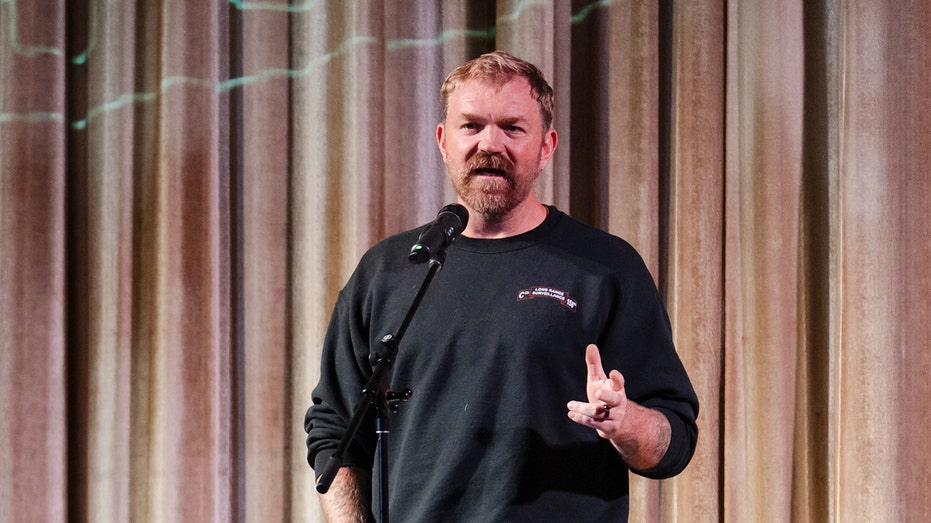
Maine Democrat Graham Platner, challenging Senator Susan Collins, has attributed his controversial online remarks to his struggle with post-traumatic stress disorder, despite a past social media post where he dismissed similar explanations as “bull—-.”
The campaign of Maine Democratic Senate candidate Graham Platner is grappling with revelations concerning his past social media activity, where he both dismissed and now invokes PTSD to explain controversial statements. Platner, a Marine and Army veteran, has recently cited his own experience with the condition to contextualize incendiary posts that reportedly justified political violence and maligned law enforcement prior to his Senate bid. This evolving narrative presents a significant challenge to his candidacy as voters weigh his consistency and judgment.
Records obtained by Fox News Digital reveal a stark contradiction in Mr. Platner’s public and private statements regarding post-traumatic stress disorder. In a now-deleted 2020 post on the Reddit forum r/SocialistRA, Platner, using an undisclosed handle, vehemently criticized the notion of PTSD as an excuse for misconduct. The post specifically targeted a report in the Portland Press Herald concerning two former police officers who admitted to animal cruelty, with one veteran officer attributing his actions to combat trauma.
Platner’s 2020 comment was unequivocal: “Don’t buy into that bull—-. I did 4 tours in the infantry to Iraq and Afghanistan, saw all kinds of awful things, have a PTSD diagnosis and STILL manage not to beat defenseless animals to death for fun.” He further added, “That’s just cops giving excuses for their garbage behavior.” This statement, made five years before his Senate campaign, directly undermines his current campaign strategy of using his own PTSD diagnosis to explain a “bevy of incendiary social media posts” made before his candidacy.
The content of Platner’s deleted online activity has drawn significant scrutiny. Prior to launching his bid against incumbent Senator Susan Collins, Mr. Platner’s social media accounts reportedly contained posts that justified political violence and expressed derogatory views towards law enforcement. These revelations, initially reported by CNN, detail activity across various Reddit forums, including r/SocialistRA, all of which were subsequently deleted months before his official campaign announcement.
Platner, a 41-year-old oyster farmer, has described his multiple overseas deployments as the “darkest chapter of his life” and has consistently sought to tie his past offensive remarks to the PTSD he developed during his service. While acknowledging the severity of his past statements, he has framed them as a manifestation of his struggle with mental health, a defense that now appears to be in direct conflict with his own past judgment of others facing similar circumstances.
“Don’t buy into that bull—-. I did 4 tours in the infantry to Iraq and Afghanistan, saw all kinds of awful things, have a PTSD diagnosis and STILL manage not to beat defenseless animals to death for fun.”
— Graham Platner, 2020 Reddit Post
For a candidate seeking to represent the people of Maine in the United States Senate, consistency and integrity are paramount. The apparent contradiction in Mr. Platner’s stance on PTSD raises important questions about his judgment and the authenticity of his current narrative. Voters expect transparency and a clear understanding of a candidate’s values, especially when those values appear to shift based on political convenience.
The Matox News editorial line emphasizes professionalism, factual reporting, and a strong commitment to institutional order. Such inconsistencies can erode public trust and suggest a willingness to adapt personal narratives to suit political ambitions. The core questions that emerge for voters include:
As the Maine Senate race heats up, Mr. Platner’s campaign will likely need to address these discrepancies head-on. The electorate, particularly in a state with a strong military tradition, will undoubtedly scrutinize how seriously he takes his own words and the implications for his fitness for public office.

Fans of legendary punk rock band Green Day are set to experience a new cinematic journey this summer with the release of NIMRODS, a comedy directly inspired by the band’s early touring life. Inaugural Entertainment recently announced that the film, which takes its name from Green Day’s iconic 1997 album, will hit theaters on August 14. This project promises to blend humor with the raw energy of rock-and-roll aspirations, co-produced by the band members themselves.
The film’s distribution strategy highlights an innovative approach to audience engagement. Inaugural Entertainment is partnering with Legion M, notably recognized as the world’s first fan-owned entertainment company. This collaboration allows fans not just to enjoy the movie, but potentially to have a stake in its success, aligning with modern trends in audience participation and ownership. As Legion M co-founders Jeff Annison and Paul Scanlan noted in a press statement, “Green Day wouldn’t exist without the fans, and we’re excited to give those fans the opportunity to own a stake in the film.” This initiative underscores a growing movement towards democratizing entertainment production and distribution, offering a unique model for film releases.
Directed by Lee Kirk, NIMRODS is a coming-of-age narrative centered on three friends. Their cross-country road trip to Los Angeles is fueled by the mistaken belief that their band has secured an opening slot for Green Day at a New Year’s Eve concert. The premise draws directly from the real-life experiences of Green Day during their formative years, particularly their time navigating the challenges and camaraderie of living in a tour van. This inspiration promises an authentic, albeit comedic, portrayal of the struggles and dreams inherent in pursuing musical ambition.
The film boasts an impressive ensemble cast, featuring a mix of rising teen stars and established comedic talents.
Rounding out the cast are Kylr Coffman, Ryan Foust, Ignacio Diaz-Silverio, Keen Ruffalo, Jenna Fischer, Angela Kinsey, Bobby Lee, and Sean Gunn, ensuring a rich dynamic among the characters. The collective talent aims to deliver a memorable and engaging cinematic experience.
“Green Day wouldn’t exist without the fans, and we’re excited to give those fans the opportunity to own a stake in the film.”
Prior to its announced summer release, NIMRODS made its debut at the 2025 Toronto International Film Festival. It was originally presented under the title “New Year’s Rev.” The festival screening generated significant early buzz, signaling the film’s potential to resonate with audiences. This progression from a festival premiere to a wide theatrical release on August 14 indicates confidence in its appeal and commercial viability. The band’s own involvement as producers, including Billie Joe Armstrong, Mike Dirnt, and Tre Cool, alongside industry figures like Ryan Kroft, Michael Rapino Live Nation Entertainment, Tim Perell for Process, and Jonathan Daniel, further solidifies the project’s legitimacy and creative backing. The news was first reported by Billboard, highlighting the industry’s attention to this unique production.
As the summer approaches, the release of NIMRODS is poised to offer a refreshing cinematic experience. It combines the enduring appeal of Green Day‘s legacy with a heartfelt, humorous narrative about youthful dreams and rock-and-roll aspiration. This film not only celebrates the band’s journey but also explores universal themes of friendship and perseverance, making it a compelling watch for diverse audiences.
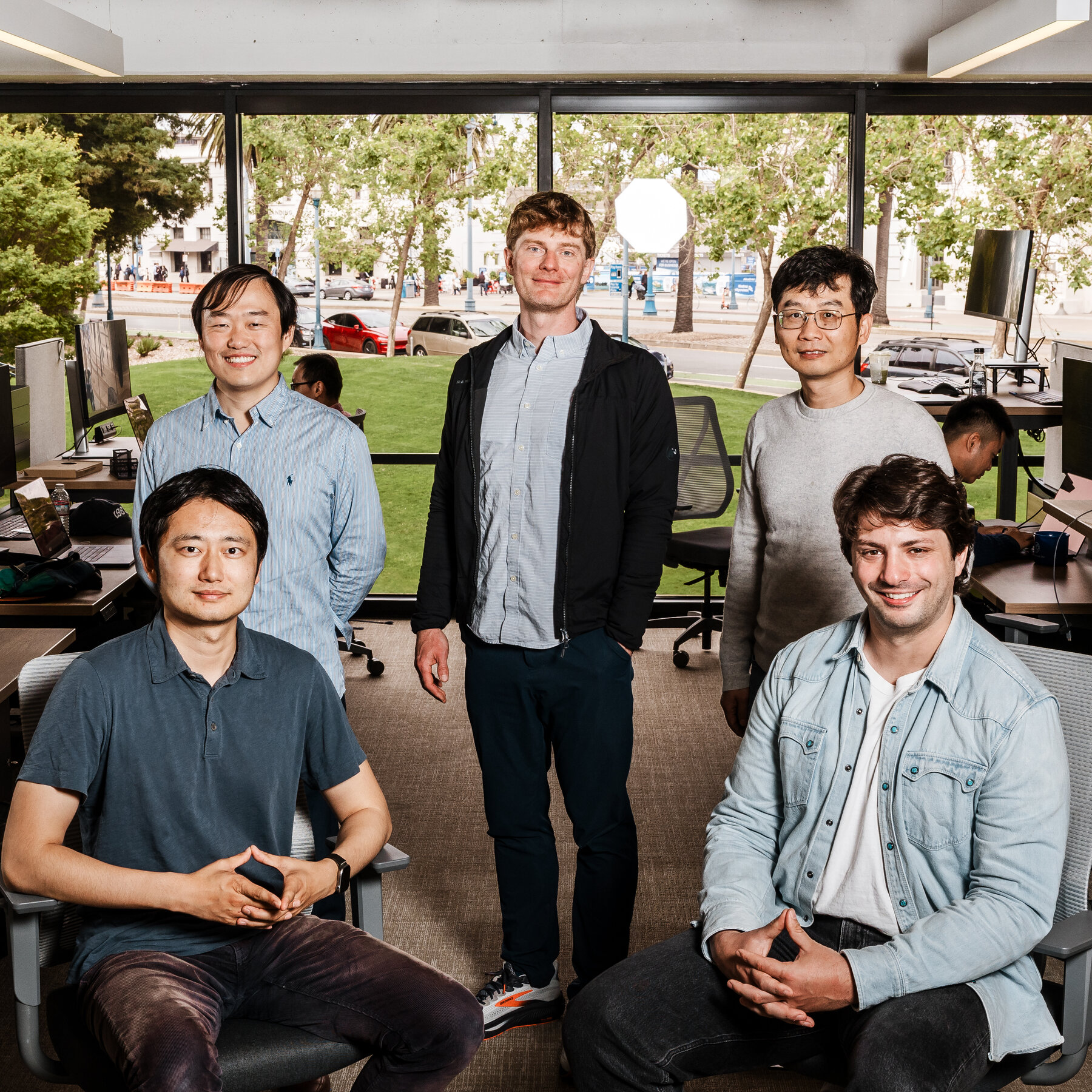
The landscape of technological innovation is witnessing a monumental shift as a new venture, Recursive Superintelligence, secures an impressive $4 billion in funding to pursue the ambitious goal of building self-improving AI. This significant investment underscores a growing urgency within the tech sector to push the boundaries of artificial intelligence, moving beyond current capabilities towards systems that can autonomously enhance their own design and function.
Reports, including those from The New York Times, highlight that this groundbreaking effort is being led by a cohort of distinguished researchers who previously held key positions at industry giants such as Google, Meta, and OpenAI. Their collective expertise and the substantial capital infusion signal a serious commitment to automating the creation of AI itself, promising profound implications for various sectors.
Founded by leading minds from the vanguard of AI research, Recursive Superintelligence is not merely another AI startup; it represents a bold step into the next generation of artificial intelligence. The vision is to develop AI systems capable of recursive self-improvement – meaning they can continually refine their own algorithms, learning processes, and even architectural designs without constant human intervention. This could unlock unprecedented levels of efficiency and problem-solving capabilities.
The formation of this entity by former senior personnel from some of the world’s most innovative tech companies speaks volumes about the perceived feasibility and strategic importance of this endeavor. Their collective experience in large-scale AI development and deployment positions Recursive Superintelligence as a formidable player in the race to define the future of intelligent machines.
The allocation of $4 billion towards this project is a clear indicator of the private sector’s immense confidence and strategic interest in advanced AI. Such a substantial investment reflects a free-market drive to innovate and secure a leading position in what is widely considered the next major technological frontier. This capital will likely fuel extensive research, development of cutting-edge infrastructure, and the recruitment of even more top-tier talent, accelerating the pace of discovery.
This financial commitment also highlights a broader trend: the increasing decentralization of high-stakes AI research. While established tech giants continue their work, new, highly funded independent entities are emerging, fostering a competitive environment that could catalyze rapid advancements. The focus here is not just on creating better AI, but on creating AI that can build better AI, a paradigm shift with far-reaching economic and societal consequences.
The pursuit of self-improving AI presents both immense opportunities and significant considerations for societal order and ethical frameworks. On one hand, the potential benefits are transformative, ranging from accelerating scientific discovery and medical breakthroughs to optimizing complex logistical systems and enhancing national security. Imagine AI that can design more efficient energy solutions or develop new materials with minimal human input.
However, the development of such powerful autonomous systems necessitates careful stewardship. As a pro-order institution, Matox News emphasizes the importance of robust ethical guidelines, transparent development processes, and a clear understanding of long-term impacts. Key areas for consideration include:
The journey towards self-improving AI is not merely a technical challenge but a societal one, demanding thoughtful engagement from policymakers, researchers, and the public alike.
“The $4 billion investment in Recursive Superintelligence signals a pivotal moment in AI development, pushing the boundaries towards systems that can autonomously learn and evolve.”
As Recursive Superintelligence embarks on this ambitious journey, the world watches with a mix of anticipation and caution. This venture represents a bold leap forward in human ingenuity, propelled by significant private investment and the brightest minds in the field. The implications for technology, economy, and society are profound, underscoring the continuous evolution of our digital age and the imperative for responsible innovation.

London, UK – The United Kingdom’s financial markets are showing signs of relief as government borrowing costs begin to recede, following a period of political uncertainty. This positive shift comes as Prime Minister Keir Starmer appears to have successfully navigated a leadership challenge, calming investor jitters that had previously pushed bond yields higher.
The recent turbulence in Westminster had sent ripples through the UK bond market, with UK long-term bond yields reaching levels not seen in decades. However, the apparent resolution of the internal party dispute has provided a much-needed dose of stability, allowing borrowing costs to ease in early trading.
After a day marked by significant political drama, the UK bond market has responded favorably to the perceived strengthening of Prime Minister Starmer’s position. Investors, who had grown wary of potential changes in leadership, are now showing renewed confidence in the nation’s political trajectory. This return to political stability is a crucial factor for maintaining investor trust and supporting the integrity of public finances.
The swift resolution of the leadership questions has been instrumental in reversing the upward trend in government borrowing costs. A stable political environment is foundational for a predictable economic policy framework, which is essential for both businesses and households.
While domestic political calm brings a measure of reassurance, the broader global economic landscape presents new challenges. The International Energy Agency (IEA) has issued a stark warning regarding global oil inventories, which are reportedly falling at an unprecedented rate. According to the IEA’s latest outlook report, global oil stocks depleted significantly in March and April, as nations drew from reserves to compensate for supply disruptions.
These mounting supply losses stem primarily from the ongoing conflict in the Middle East, particularly affecting the Strait of Hormuz. The depletion of global oil reserves at such a rapid pace poses a considerable risk to energy security and could fuel inflationary pressures, impacting consumer prices and business operations across the globe.
“The return of political stability in the UK is a welcome development for financial markets, yet global energy supply challenges continue to cast a long shadow over the economic outlook.”
The combined effect of political stability and external economic pressures will significantly influence the UK’s fiscal and monetary policy. Analysts at Morgan Stanley estimate that the Middle East conflict has already eroded approximately £11 billion from the Chancellor’s budget headroom, a figure that underscores the profound economic impact of geopolitical events.
Furthermore, major financial institutions like Goldman Sachs suggest that the Bank of England may be less inclined to raise interest rates if a new Labour Prime Minister were to boost public spending. However, with Starmer seemingly fending off his challenge, the focus returns to the current government’s fiscal discipline and the central bank’s independent assessment of inflation and economic growth.
The interplay of these factors demands careful stewardship of the economy. Maintaining a competitive free market and prudent fiscal management will be paramount to navigating these complex challenges and ensuring long-term prosperity for British families and businesses.
The recent period has highlighted the delicate balance between political stability and economic resilience. While the immediate political storm appears to have passed, the UK economy remains exposed to global energy shocks and the need for sustained fiscal responsibility. Policymakers must remain vigilant, ensuring that decisions support institutional strength, maintain order, and foster a robust economic environment for all citizens. As reported by News Desk, the immediate market reaction signals relief, but the path ahead requires steady leadership.

President Donald Trump has landed in Beijing for pivotal discussions with Chinese President Xi Jinping, marking a crucial moment for the delicate U.S.-China relationship. The summit is poised to tackle a range of contentious issues, from escalating tensions over Taiwan and persistent trade imbalances to China’s strategic backing of Iran and Russia.
This high-stakes meeting unfolds against a backdrop of heightened global instability, with a fragile ceasefire between the U.S. and Iran under strain and ongoing concerns about China’s assertiveness in the Indo-Pacific. Senior administration officials indicate that President Trump plans to press President Xi on Beijing’s economic and strategic support for both Tehran and Moscow, including oil revenue, dual-use components, and potential weapons transfers.
A primary focus of the talks will undoubtedly be Taiwan, an issue that consistently fuels friction between Washington and Beijing. The U.S. continues to affirm its commitment to Taiwan’s security, a stance that China views as interference in its internal affairs. The discussions will seek to manage these deep-seated differences, aiming to prevent miscalculation in a highly sensitive region.
Beyond Taiwan, the U.S. administration is deeply concerned about China’s role in supporting nations deemed adversaries. President Trump is expected to highlight:
These points underscore the complex web of international relations that both leaders must navigate, with the potential for either de-escalation or further strain.
“The world’s two largest powers are set to negotiate about Taiwan, trade, and a fragile U.S.-China relationship.”
Economic matters remain central to the U.S.-China dialogue. Accompanying President Trump are top U.S. business leaders, including executives from Apple, Boeing, Tesla, BlackRock, and Goldman Sachs. Their presence underscores the administration’s focus on securing tangible economic agreements alongside strategic discussions, according to reports from News Desk.
On the economic front, the administration is pushing for more targeted trade arrangements. A proposed U.S.-China “Board of Trade” is on the table, designed to manage commerce in non-sensitive goods. Officials suggest this framework could initially encompass trade in the “double-digit billions”, with an emphasis on key sectors such as agriculture and aerospace. The goal is to create a more predictable and fair trading environment while addressing longstanding concerns about market access and intellectual property.
The agenda also includes discussions on emerging technologies and national security. Areas such as artificial intelligence, cybersecurity, and China’s rapidly expanding nuclear program are slated for review. U.S. officials acknowledge deep mistrust and limited progress in these domains despite ongoing communication channels, highlighting the significant challenges in building confidence and cooperation.
This visit marks the second face-to-face meeting between President Trump and President Xi during the second Trump administration, following their previous encounter at the Busan Summit in South Korea in October 2025. The discussions in Beijing are critical for setting the tone for future engagements and managing the intricate balance of competition and cooperation that defines the modern U.S.-China dynamic. The global community watches closely as these two influential leaders confront the profound challenges shaping the international order.

A significant legislative maneuver unfolded in South Carolina this week as a group of state senators, including five Republicans, successfully blocked a proposal aimed at redrawing the state’s congressional district map. The unexpected defiance came despite a public warning from former President Donald Trump, who declared he would be ‘watching closely’ as lawmakers considered the redistricting changes.
The setback marks a notable moment of intra-party division within the GOP-dominated legislature and carries substantial implications for the upcoming midterm elections, where the Republican Party is defending a razor-thin House majority. The proposed changes sought to eliminate the state’s only Democrat-dominated U.S. House seat, currently held by longtime Representative Jim Clyburn.
The pivotal vote saw five Republican state senators align with Democrats to defeat a measure that would have allowed the chamber to vote on redistricting after the current legislative session concludes later this week. This alliance effectively stalled the redrawing process, making it considerably more difficult for South Carolina to join other southern states like Tennessee, Alabama, and Louisiana, which are actively altering their maps to consolidate Republican power.
The broader national context for these redistricting battles stems from a recent decision by the Supreme Court’s conservative majority, which curtailed a key protection within the landmark 1965 Voting Rights Act. The justices ruled that race should not be the primary factor dictating the redrawing of legislative district maps, a decision that has emboldened Republican efforts to reshape electoral boundaries nationwide.
“This legislative outcome underscores the complexities of balancing partisan objectives with institutional processes, even under intense national scrutiny.” – Matox News Editorial Board
The primary target of the proposed South Carolina redistricting was the district held by Representative Jim Clyburn, a prominent Democrat. The aim was to create a new map that could potentially put Clyburn’s seat in jeopardy. Despite these efforts, Clyburn has expressed optimism about his chances for re-election, indicating a confidence that may now be bolstered by the legislative block.
The debate over congressional maps is not merely about lines on a chart; it fundamentally shapes voter representation and the balance of power in Washington. For a state like South Carolina, which has largely leaned Republican in recent federal elections, the preservation of its single Democratic-held seat is a significant outcome for political diversity within its delegation.
With the current legislative session nearing its close, the defeat of this proposal means that any further attempts to redraw the maps will face significant procedural hurdles. The immediate consequence is that the existing congressional map will likely remain in place for the upcoming midterm elections, a development that complicates the Republican Party’s national strategy to solidify its control of the House.
The episode highlights the ongoing tension between partisan ambitions and the institutional mechanisms of governance. While the desire to gain electoral advantage is a constant in politics, the ability of a bipartisan group to resist such pressure speaks to the enduring checks and balances within the legislative process. As reported by News Desk, this development will undoubtedly fuel further debate on electoral fairness and representation.
The outcome in South Carolina serves as a potent reminder that even with significant national attention and party pressure, legislative bodies can sometimes chart their own course, prioritizing immediate procedural integrity over long-term partisan aims. The battle for the House majority continues, but South Carolina’s map, for now, remains unchanged.

The basketball community is mourning the loss of Jason Collins, a respected NBA veteran and pioneering figure, who passed away on Tuesday at the age of 47. Collins succumbed to Stage 4 glioblastoma, an aggressive form of brain cancer he had been battling since last August. His passing marks a somber moment for a league still grappling with recent losses, reminding many of his profound impact both on and off the court.
Collins forged a 13-year career in the NBA as a diligent role-playing center, known for his defensive tenacity and physical presence. Standing 7-feet tall, the Stanford alumnus averaged 3.6 points and 3.7 rebounds, contributing significantly to teams like the New Jersey Nets during their back-to-back NBA Finals appearances in 2002 and 2003.
His professional journey took a historic turn in 2013 when he publicly came out in a compelling first-person essay. Published by Sports Illustrated, his announcement made him the first active athlete in any major American professional sports league to openly identify as gay. This courageous step garnered national attention, sparking vital conversations about identity and acceptance within the traditionally conservative world of professional athletics.
Jason Collins’ decision to live authentically had ripple effects far beyond the basketball hardwood. His brave declaration opened doors and fostered a more welcoming environment for future generations of athletes. The NBA, a leading institution in sports, responded with unequivocal support, underscoring its commitment to diversity and inclusion.
NBA Commissioner Adam Silver released a statement acknowledging Collins’ immense contributions:
“Jason Collins’ impact and influence extended far beyond basketball as he helped make the NBA, WNBA and larger sports community more inclusive and welcoming for future generations. He exemplified outstanding leadership and professionalism throughout his 13-year NBA career and in his dedicated work as an NBA Cares Ambassador.”
Collins served as a powerful ambassador, demonstrating that one’s personal identity does not diminish professional capability or leadership. His legacy will be remembered for:
Collins’ passing comes at a particularly sorrowful time for the NBA, which is also mourning the recent death of Memphis Grizzlies forward Brandon Clarke, who was just 29. These consecutive losses cast a pall over the league, highlighting the fragility of life even among its most formidable athletes. The collective grief underscores the strong sense of community that binds players, staff, and fans.
Jason Collins will be remembered not only for his contributions as a basketball player but, more significantly, for his profound humanity and courage. His willingness to stand as a visible pioneer in a global arena created a lasting pathway for others, cementing his place as an unforgettable figure in sports history. The impact of his life will continue to resonate for years to come.

The lawsuit, led by Attorney General Ken Paxton, claims the streaming giant engaged in deceptive practices, collecting and selling user data while designing its platform to encourage addictive viewing habits, particularly among younger audiences.
A significant legal challenge has been launched against streaming behemoth Netflix, with the state of Texas alleging the company has been spying on children and crafting its platform with features that foster addictive viewing habits. The lawsuit, filed by Texas Attorney General Ken Paxton, claims Netflix has consistently misled consumers about its data collection practices, profiting immensely from the sale of user habits and preferences.
Attorney General Paxton asserts that Netflix has for years falsely assured its subscribers that it neither collected nor shared user data. Contrary to these representations, the lawsuit contends that the company actively tracked and monetized viewers’ behaviors, selling this sensitive information to commercial data brokers and advertising technology firms. This alleged practice has generated billions of dollars annually for the Los Gatos, California-based corporation.
Beyond data collection, the suit also highlights the use of what it terms “dark patterns”—subtle design choices intended to manipulate user behavior. A key example cited is the autoplay feature, which automatically initiates a new program once another concludes, thereby encouraging continuous viewing and potentially fostering addiction. This design element raises questions about ethical platform management, especially concerning younger viewers.
The core of the Texas lawsuit underscores a growing concern about corporate responsibility in the digital realm, particularly when it involves minors. The allegations suggest a deliberate strategy to leverage user data for financial gain, seemingly at the expense of privacy and user well-being. For institutions committed to order and family values, such claims warrant serious scrutiny.
The legal action by Texas represents a broader push for transparency and accountability from technology companies regarding their impact on consumers. As digital platforms become increasingly integrated into daily life, the debate over data privacy, especially how companies handle information from children, continues to intensify. This case could set a precedent for how streaming services are expected to operate and interact with their user base.
The Guardian, in its reporting on the matter, noted that Netflix has not yet publicly responded to the allegations.
“Netflix has for years falsely represented to consumers that it did not collect or share user data, when it actually tracked and sold viewers’ habits and preferences to commercial data brokers and advertising technology companies.”
This lawsuit extends beyond just data collection; it scrutinizes the very design philosophy of major streaming platforms. The accusation of creating an “addictive platform” challenges the industry to consider the societal impact of its engagement strategies. For many families, streaming services are a significant part of daily entertainment, making the ethical considerations surrounding their design and data practices paramount.
The outcome of this legal battle could influence how other digital content providers approach user engagement and data management. It serves as a reminder that innovation must be balanced with robust consumer protections and a clear commitment to ethical conduct. Policymakers and consumer advocates alike will be watching closely as this case unfolds, seeking to ensure that digital platforms uphold their responsibilities to the public.
As the legal proceedings commence, the Texas lawsuit against Netflix highlights critical questions about corporate ethics, data privacy, and the design of digital experiences. It underscores the ongoing challenge of balancing technological advancement with the imperative to protect consumers, particularly the most vulnerable. The resolution of this case will undoubtedly have lasting implications for the streaming industry and the broader digital economy.


