
TRENDING NEWS





Truth Over Trends, always!
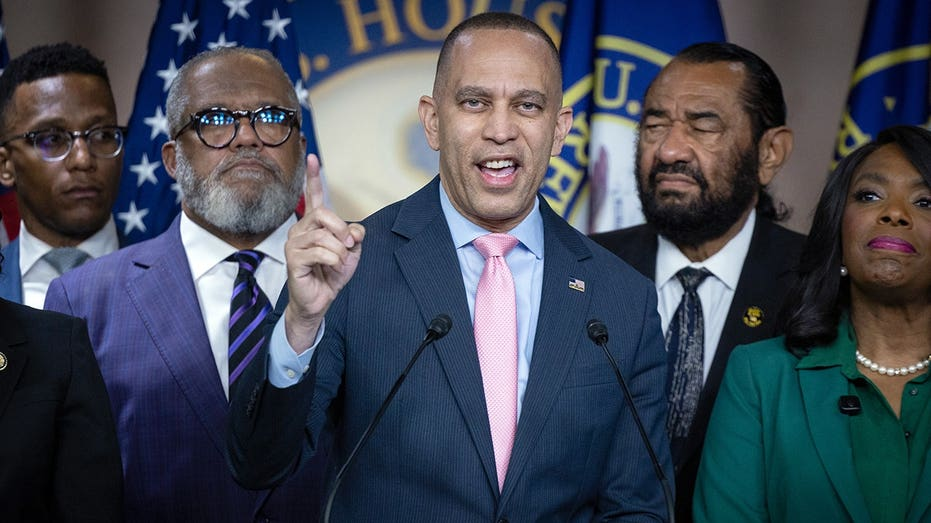
Democrats are facing an increasingly uphill battle in their quest to flip the House and secure a majority in the upcoming midterm elections. This heightened challenge stems directly from two significant court rulings that have reshaped the electoral landscape, providing a strategic advantage to the Republican Party.
These judicial interventions mark a critical turning point in the ongoing struggle for control of the legislative branch, impacting the very structure of congressional representation across the nation.
The first major development came from the Virginia Supreme Court, which last week struck down the state’s voter-passed congressional redistricting ballot measure. This ruling immediately negated the creation of four districts that were projected to lean left, a considerable blow to Democratic aspirations in the Old Dominion.
A week prior, the U.S. Supreme Court delivered another setback by slashing a key protection within the 1965 Voting Rights Act. This decision determined that race should not be the primary factor dictating the redrawing of legislative district maps. The combined impact of these twin rulings has invigorated Republican efforts in the mid-decade redistricting battle, offering President Donald Trump and the GOP a crucial strategic advantage as they defend a razor-thin majority in the House.
The Supreme Court’s decision regarding the Voting Rights Act has emboldened several Republican-controlled southern states to swiftly redraw their congressional maps. The objective is clear: to create more right-leaning seats ahead of the critical midterm elections. This aggressive redrawing strategy aims to solidify Republican strongholds and potentially flip marginal districts.
Representative Richard Hudson of North Carolina, who chairs the National Republican Congressional Committee, acknowledged the shift. Speaking in a Fox News Channel interview, he observed that “We have a battlefield, a map, that favors Republicans.” Hudson further indicated the possibility of the GOP achieving a net gain of up to a dozen more right-tilting House districts due to the redistricting initiatives launched by the Trump administration a year ago. This systematic reshaping of boundaries underscores the profound impact judicial decisions can have on electoral outcomes.
“We have a battlefield, a map, that favors Republicans.”
The ultimate prize in this contentious political environment is control of both the House and the Senate during the final two years of President Trump’s second term. The current Republican majority in the House is narrow, making every district and every electoral advantage critical. The judicial decisions on redistricting have undeniably made the path to a majority more arduous for Democrats, forcing them to contend with a map that, by many accounts, is now strategically aligned against them.
While some Republicans express concerns that overly aggressive redrawing could inadvertently put once-safe red seats into play by diluting their voter base, the immediate outlook appears to favor the GOP. The electoral landscape is now significantly altered, and both parties are calibrating their strategies for the intense campaign season ahead, knowing that the fight for congressional control will be fiercely contested.

Manila witnessed a dramatic security situation on Wednesday evening as the Philippine Senate went into lockdown. Police commandos swiftly moved into the legislative complex after reports of gunshots, marking a significant escalation in the pursuit of Senator Ronald Dela Rosa, who faces charges from the International Criminal Court (ICC).
The incident underscores ongoing tensions surrounding international legal scrutiny of the Philippines’ past anti-drug campaign, highlighting the delicate balance between national sovereignty and global justice mechanisms.
Law enforcement personnel, including police commandos in fatigues and anti-riot police, converged on the Senate building in Manila. Reports from the News Desk indicated rounds of gunfire were heard, though officials quickly confirmed that there were no casualties. Senator Ronald Dela Rosa, a prominent figure in Philippine politics, was confirmed to be safe and with security personnel inside the building during the operation.
Earlier in the day, Senator Dela Rosa had expressed concerns about his imminent arrest, reportedly urging Filipinos to prevent such an action. His presence within the Senate building, coupled with the security response, created a tense atmosphere across the capital, drawing significant public and media attention to the unfolding events.
Senator Dela Rosa is a key figure in the International Criminal Court’s investigation into alleged human rights abuses during former President Rodrigo Duterte’s ‘war on drugs.’ The ICC accuses Dela Rosa of involvement in the killing of dozens of individuals during his tenure as police chief, a period when thousands of alleged drug dealers were shot and killed in controversial operations.
This development follows the significant precedent set by the detention of former President Rodrigo Duterte at The Hague since March 2025. The ICC’s continued pursuit of individuals linked to the drug war underscores its commitment to international justice, even as it navigates complex issues of national jurisdiction and sovereignty.
The incident at the Philippine Senate, a cornerstone of the nation’s democratic institutions, emphasizes the critical importance of maintaining public order and upholding the rule of law. While the ICC’s mandate is to address severe international crimes, the manner in which justice is pursued domestically and internationally often sparks debate over sovereign rights and legal processes.
The actions of the police commandos, ensuring the safety of all within the Senate while executing their duties, reflect a commitment to order and stability. For national institutions to function effectively, adherence to established legal frameworks and a respect for due process are paramount, ensuring that all actions are conducted within constitutional bounds and without compromising the integrity of the state.
Senator Ronald Dela Rosa believed his arrest was imminent, appealing to Filipinos for intervention.
As the situation at the Philippine Senate stabilizes, the focus will undoubtedly shift to the legal proceedings involving Senator Dela Rosa. This event serves as a stark reminder of the complexities inherent in international legal cooperation and the enduring challenges faced by nations balancing internal security with external accountability. The stability and integrity of Philippine institutions remain crucial through this period of heightened scrutiny.
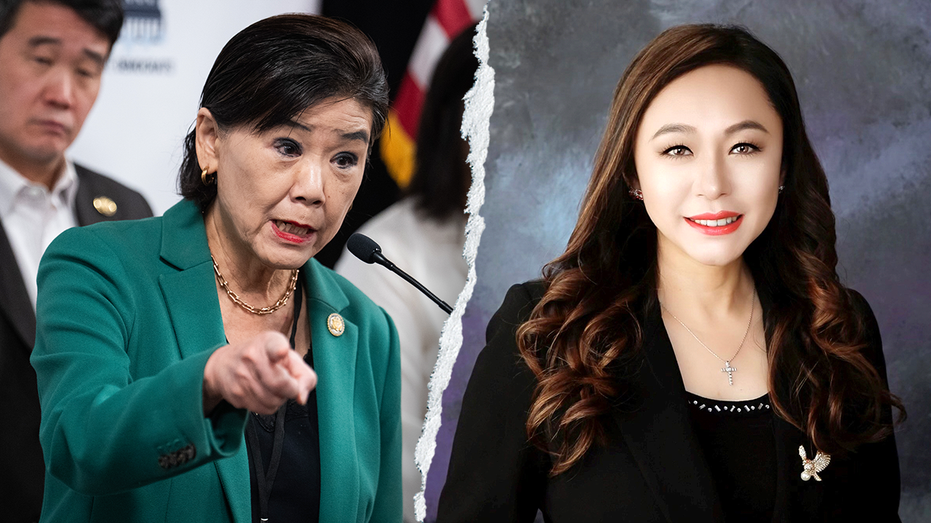
Outrage is mounting after a former California mayor, Eileen Wang of Arcadia, agreed to plead guilty to acting as an unregistered agent for the Chinese government. This shocking admission has intensified concerns about foreign infiltration at the local government level, now escalating to broader national security alarms following revelations of her alleged donations to federal Democratic campaigns.
Eileen Wang’s agreement to plead guilty to charges of acting as a Chinese agent has sent ripples through the political landscape. Her admission underscores the persistent threat of foreign adversaries seeking to undermine American institutions from within. While the details of her espionage activities are still emerging, the very nature of her plea highlights a significant vulnerability in safeguarding public office.
Further compounding the controversy are Federal Election Commission (FEC) filings that appear to link Wang to donations made to prominent Democratic figures and organizations. A Fox News Digital review reportedly identified an Eileen Wang from Arcadia, California, making contributions to Representative Judy Chu (D-Calif.) in late 2022. Representative Chu holds influential positions on the House Committee on Ways and Means and the Committee on Budget, making any potential foreign influence particularly concerning.
Beyond individual campaigns, FEC records also show several smaller donations earmarked for the Democratic Senatorial Campaign Committee (DSCC) via ActBlue in 2024. These findings have fueled criticism, with opponents suggesting a broader pattern of vulnerability to external influence within the Democratic Party.
“Senate Republicans are holding Democrats accountable for the malign Chinese influence operating within their own ranks and the CCP-linked money flowing into their campaigns.”
The National Republican Senatorial Committee (NRSC) has been vocal in its condemnation. Bernadette Breslin, a spokesperson for the NRSC, strongly criticized the situation, asserting that the donations are evidence of “malign Chinese influence operating within their own ranks.” Breslin emphasized the need for vigilance, stating that Republicans are working to “root out foreign interference in our elections and protect American interests.”
This development comes as President Donald Trump engages in diplomatic discussions in China, underscoring the delicate balance of international relations and domestic security. The revelations surrounding Mayor Wang serve as a stark reminder of the continuous efforts required to protect the integrity of our political processes and national sovereignty.
The incident highlights several critical areas for concern:
As this investigation unfolds, the focus remains on ensuring accountability and strengthening safeguards against foreign interference. The public deserves transparency regarding who influences our political system and the origins of political funding. Protecting the integrity of our elections and institutions is paramount to maintaining public trust and national security against those who seek to undermine it.

The Portland Fire ignited their season in spectacular style Tuesday night, achieving a momentous first win in franchise history. A dramatic buzzer-beating shot from Sarah Ashlee Barker sealed a narrow 98-96 triumph over the New York Liberty, sending a clear message to the league about the new team’s competitive spirit and resilience.
This victory marks a significant milestone for the Portland Fire, an expansion franchise that re-entered the WNBA fray in the 2026 season. The original iteration of the Fire competed from 2000 to 2002 but never reached the playoffs, ultimately folding before the 2003 season. This inaugural win, achieved with such flair, immediately sets a more positive trajectory for the reborn team, injecting vital confidence early in their campaign.
With the game tied at 96-96 and mere seconds ticking away, the tension was palpable. Fire guard Bridget Carleton attempted a three-pointer that missed its mark. In a moment of pure athleticism and determination, Sarah Ashlee Barker, playing off the bench, somehow secured the rebound amidst the chaos. With the buzzer looming, Barker instinctively put up a shot that found the net, securing the 98-96 win and cementing her place in franchise lore. Her five points in 22 minutes proved to be the most crucial of the night.
“The sheer determination shown by the Fire in those final seconds exemplifies the competitive spirit we value in our athletes.”
While Barker delivered the decisive blow, the Fire’s overall effort was commendable. Bridget Carleton led the team with an impressive 26 points, including five successful three-pointers, showcasing her sharpshooting prowess. Carla Leite contributed 21 points, and Kamiah Smalls added 13 off the bench, highlighting the team’s balanced scoring attack. According to reports from Fox News Digital, the game was a high-scoring affair, with both teams demonstrating offensive firepower.
The New York Liberty, despite the heartbreaking loss, also delivered a strong performance. They shot an efficient 53% from the floor, with all five starters reaching double figures in scoring. Pauline Astier led the Liberty with 24 points, while WNBA star Breanna Stewart registered a double-double with 16 points and 10 rebounds, alongside four assists. Their strong play underscores the competitive landscape of the league and suggests this rivalry could become one to watch.
The dramatic outcome leaves the Portland Fire with a 1-1 record, while the New York Liberty move to 2-1. This early-season thriller serves as a testament to the excitement and high-stakes competition inherent in professional women’s basketball. For Portland, this inaugural victory provides invaluable momentum and a foundational moment to build upon as their new chapter unfolds.

Global music sensation Karol G will be presented with the esteemed International Artist Award of Excellence at the upcoming 52nd American Music Awards (AMAs) in 2026. This significant accolade recognizes artists whose influence transcends borders, a testament to Karol G’s remarkable career and her pivotal role in elevating Latin music to unprecedented global heights. The announcement, made by CBS and Dick Clark Productions, highlights her continued ascent in the music industry.
The International Artist Award of Excellence is a rare honor, previously bestowed upon legends such as Whitney Houston in 2009. Karol G now joins an exclusive group of artists who have received this prestigious recognition for their enduring cultural impact worldwide. This select list includes:
Her inclusion underscores the immense reach and resonance of her artistry, placing her among music’s most iconic figures.
Executive producers Barry Adelman and Alexi Mazareas lauded Karol G’s authenticity and groundbreaking achievements. They stated that she has “redefined what it means to be a global artist,” emphasizing her powerful connection with fans and her role in bringing Latin music to “unprecedented heights.” This award celebrates not just her musical talent but also her ability to inspire and impact diverse audiences across continents. Her historic headlining performance at Coachella in April further solidified her status as a trailblazer, marking her as the first Latina artist to achieve this feat.
Karol G’s influence extends beyond awards and critical acclaim into tangible fan engagement. Her recently announced “Viajando Por El Mundo Tropitour” has demonstrated overwhelming demand, selling an astonishing 2 million tickets in just four days. The tour, supporting her 2025 album, initially comprised 39 stadium shows but rapidly expanded to 63 confirmed dates globally, with numerous cities adding multiple nights due to intense public interest. This level of fan dedication underscores the powerful connection she shares with her audience, reflecting a true global phenomenon. As reported by Billboard, her tour’s success is a clear indicator of her widespread appeal and the burgeoning international appetite for Latin music.
“Karol G has redefined what it means to be a global artist. Through her authenticity, groundbreaking achievements and powerful connection with fans around the world, she has helped bring Latin music to unprecedented heights.”
The upcoming American Music Awards will not only celebrate Karol G’s receipt of this distinguished award but will also feature a performance by the Colombian superstar. Her journey from Medellín to global superstardom is a compelling narrative of perseverance, cultural pride, and artistic innovation. This latest recognition at one of music’s most prominent stages reaffirms her status as a pivotal figure shaping the contemporary soundscape and inspiring a new generation of artists and fans alike.

A proposed class-action settlement addresses allegations that Apple overstated the capabilities of its advanced Siri and Apple Intelligence features on new iPhone models, potentially impacting millions of consumers.
Technology giant Apple has agreed to a $250 million settlement in a class-action lawsuit, facing claims that it misled consumers regarding the readiness and functionality of its advanced Siri and Apple Intelligence features on certain newer iPhone models. The legal action centers on the marketing surrounding the iPhone 16 launch and specific iPhone 15 devices, which plaintiffs argue were promoted with capabilities not yet fully available to users.
This development, reported by outlets including Fox News, highlights the growing scrutiny over how tech companies market cutting-edge artificial intelligence features. For many consumers, the promise of a truly intelligent personal assistant or groundbreaking AI functionality is a significant factor in their decision to upgrade expensive devices.
The lawsuit contends that Apple’s marketing strategy created an expectation of a smarter, more personalized Siri experience, deeply integrated with the new Apple Intelligence platform. This expectation, according to the plaintiffs, motivated many to purchase or upgrade to the latest iPhones, believing these advanced AI features would be immediately accessible.
However, the core of the complaint suggests that while some Apple Intelligence tools were rolled out, the comprehensive Siri overhaul and cross-app functionality that many consumers anticipated were not fully delivered at the time of purchase or shortly thereafter. This alleged gap between promotional claims and actual product functionality forms the basis of the class-action suit.
Upgrading to a new iPhone represents a substantial investment for many families, often costing hundreds of dollars. Consumers reasonably expect that significant marketing claims, particularly those concerning revolutionary new features like advanced AI, will accurately reflect the product’s immediate capabilities.
Apple introduced its vision for Apple Intelligence in June 2024, positioning it as a transformative step for its ecosystem, encompassing iPhone, iPad, and Mac. A key component of this vision was a more capable Siri, designed to understand context, operate across various applications, and assist with daily tasks in a more intuitive and powerful manner.
The plaintiffs argue that Apple’s marketing led consumers to believe these sophisticated Siri features would be integral to the iPhone 16, or available soon after its release. This case underscores the increasing importance of transparency from major technology firms, especially as AI capabilities continue to evolve rapidly and become a central selling point for new devices.
While Apple denies any wrongdoing, the decision to settle for $250 million indicates a desire to resolve the matter and redirect focus toward product development. This approach is common among large corporations seeking to avoid prolonged and costly legal battles, even when confident in their position.
The proposed settlement, which still requires court approval, establishes a $250 million fund. Eligible customers who purchased certain iPhone 15 or iPhone 16 models marketed with these features and subsequently file approved claims are expected to receive compensation. The exact amount per claimant will depend on the total number of approved claims.
For individuals who upgraded their devices based on the promise of a dramatically enhanced Siri and Apple Intelligence experience, this settlement offers a potential avenue for redress. It serves as a reminder that consumers have recourse when product marketing does not align with delivered functionality, particularly in areas as pivotal as artificial intelligence.
“This settlement underscores the critical need for clear communication from tech companies regarding product capabilities, especially when promising revolutionary AI advancements.”
As artificial intelligence continues to integrate deeper into our daily lives and devices, the responsibility of technology companies to accurately represent their products’ capabilities will only grow. This Apple Siri settlement serves as a significant marker in the ongoing dialogue between innovation, consumer expectation, and corporate accountability in the digital age.

The two global superpowers face a complex agenda as President Trump returns to a more assertive China, against a backdrop of regional conflict and economic pressures.
President Donald Trump has commenced a pivotal two-day visit to China, touching down in Beijing for a highly anticipated summit with President Xi Jinping. This Trump China visit comes at a moment of heightened global instability, with a packed agenda set to address critical issues ranging from the ongoing Middle East conflict and trade disputes to technological competition and the sensitive status of Taiwan. The diplomatic engagement underscores the intricate and often challenging relationship between the world’s two largest economies.
Upon his arrival Wednesday evening, President Trump was formally greeted by Chinese Vice-President Han Zheng. This visit marks Trump’s first return to China since 2017, a period during which Beijing has notably increased its global assertiveness and technological ambitions. The summit was initially slated for March but was postponed due to the escalating US and Israel-backed military campaign in Iran, a conflict that continues to send ripples through the global economy.
The discussions between the two leaders are expected to tackle a broad spectrum of issues that define the modern geopolitical landscape. Both nations are navigating a period of intense competition, particularly in economic and technological spheres, while also contending with shared global challenges.
The breadth of these topics highlights the multifaceted nature of the relationship. As reported by News Desk, the summit aims to foster dialogue on these complex issues, although significant breakthroughs may prove challenging given the entrenched positions of both sides.
“The engagement underscores the intricate and often challenging relationship between the world’s two largest economies.”
President Trump’s administration faces considerable scrutiny regarding its foreign policy, especially concerning the Middle East. The ongoing military campaign in Iran has drawn global attention and economic consequences, adding another layer of complexity to these high-level discussions. China, for its part, continues to expand its influence, requiring a delicate balancing act from Washington.
Observers will be closely watching for any joint statements or indications of progress on these critical fronts. The outcomes of this summit could significantly shape international relations and economic stability in the coming months, influencing everything from global supply chains to regional security dynamics.
The stakes for this bilateral meeting are exceptionally high. The ability of both leaders to find common ground or at least manage their disagreements will have profound implications for global peace and prosperity. This engagement serves as a crucial barometer of the evolving relationship between the United States and China, defining a path forward in an increasingly multipolar world.
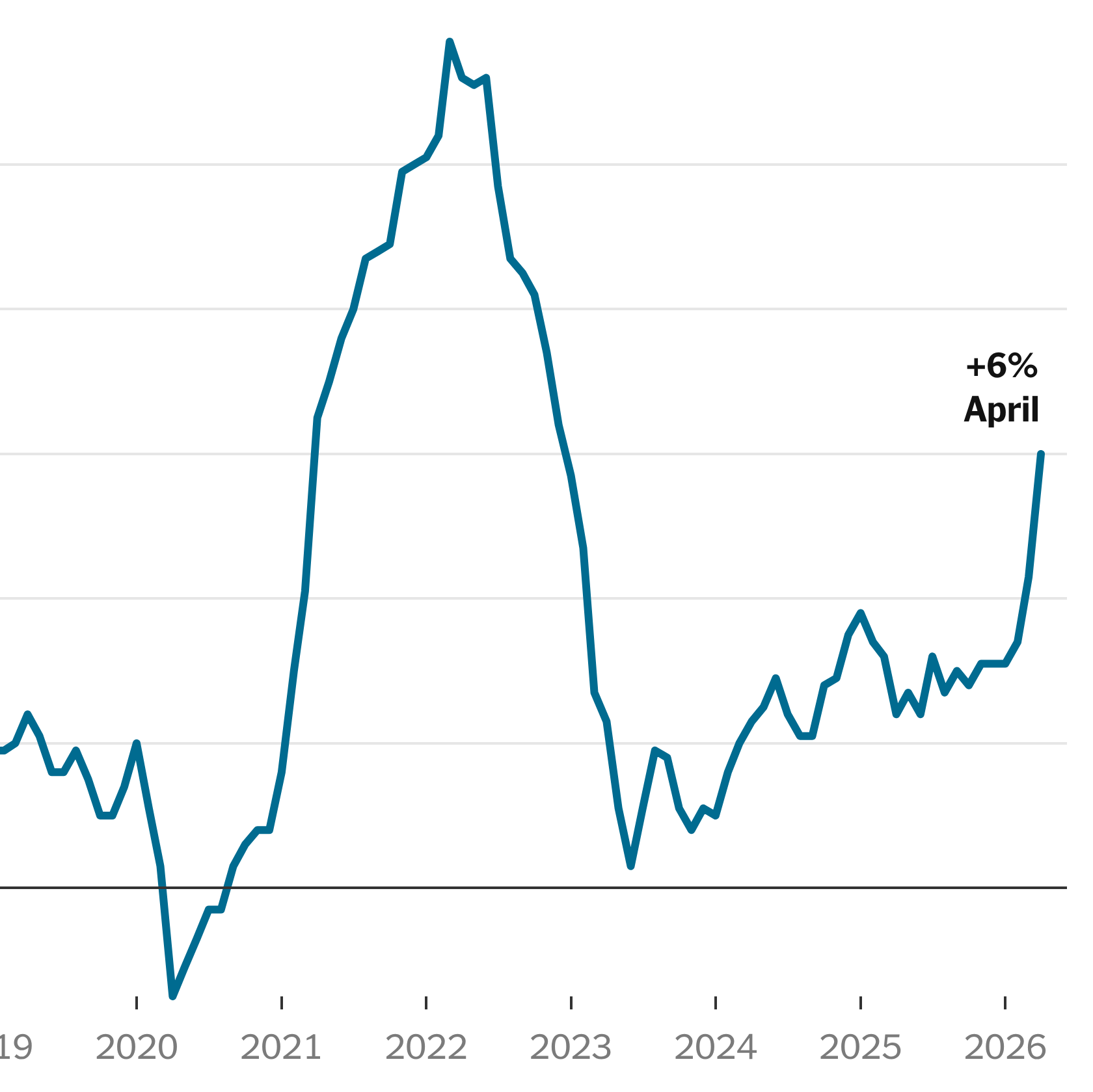
American businesses are grappling with rapidly escalating input costs, as government data released this week confirmed a substantial surge in wholesale prices for April. The Producer Price Index (PPI) recorded its fastest increase in four years, a clear indication of persistent inflationary pressures that threaten to impact both corporate profitability and household budgets across the nation.
This latest report follows closely on the heels of data showing consumer prices also surged, painting a concerning picture of an economy facing uphill battles against rising costs. For Matox News readers, understanding the trajectory of these wholesale costs is crucial, as they often serve as a leading indicator for future retail price adjustments.
The Producer Price Index, which measures the average change over time in the selling prices received by domestic producers for their output, jumped significantly in April. This marked the most rapid monthly increase observed in four years, according to official figures. Such an acceleration in wholesale costs places considerable strain on businesses, from manufacturers to retailers, as their expenses for materials, components, and services rise sharply.
These higher production costs inevitably squeeze profit margins, forcing companies to make difficult decisions. Businesses may either absorb these costs, impacting their financial health, or pass them on to consumers, contributing to broader inflation. According to reports, including analysis from the News Desk, the breadth of the price increases suggests widespread inflationary forces at play, affecting various sectors of the economy.
The upward trend in wholesale prices is particularly concerning because it typically foreshadows higher prices for consumers. When businesses pay more for goods and services upstream, those costs are often reflected in the prices consumers see at the checkout counter. This connection means that April’s PPI surge is likely to intensify the financial burden already felt by American families, who are contending with a general increase in the cost of living.
For households, this translates into reduced purchasing power and greater strain on budgets. The ability to maintain living standards becomes more challenging when essential goods and services become more expensive. This economic reality underscores the importance of sound fiscal and monetary policies aimed at restoring price stability and protecting the economic well-being of families.
Several factors appear to be contributing to the ongoing rise in wholesale prices. Geopolitical tensions, particularly the economic ripples from global conflicts, continue to disrupt supply chains and elevate commodity prices. Furthermore, persistent bottlenecks in various supply networks and elevated energy costs are adding to the inflationary mix. These elements combine to create a challenging environment for both businesses and policymakers.
Key drivers include:
Policymakers face a delicate balancing act: addressing inflation without stifling economic growth. The Matox News editorial line emphasizes the need for responsible governance that champions free-market principles and fosters an environment where businesses can thrive without excessive regulatory burdens, ultimately benefiting the consumer through stable prices and robust economic opportunity.
Rising wholesale costs inevitably translate into higher retail prices, squeezing household budgets and challenging the stability of our free market.
As the nation navigates these complex economic currents, a steadfast commitment to fiscal discipline and policies that encourage production and efficiency will be paramount. Restoring price stability is not merely an economic goal; it is a fundamental pillar for maintaining order, supporting families, and ensuring long-term prosperity within a vibrant free-market system.
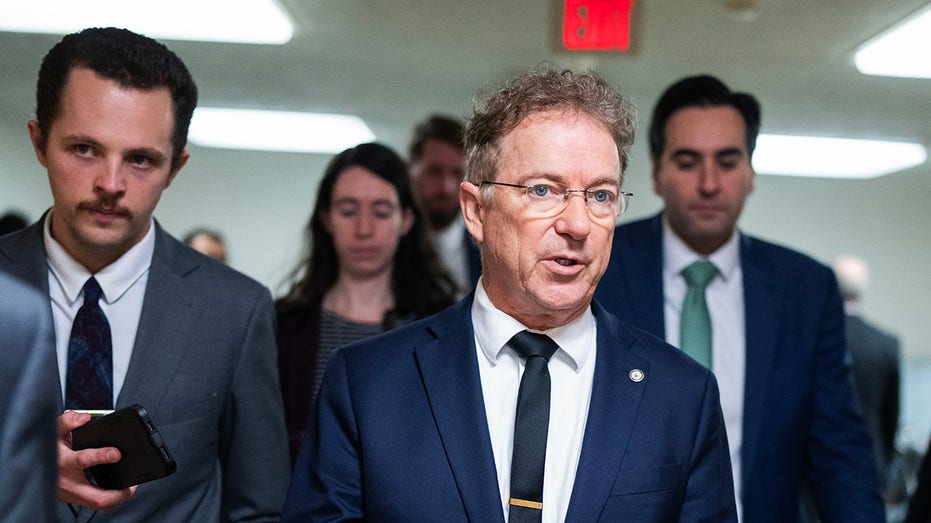
A significant development in the ongoing quest for transparency regarding the origins of COVID-19 is set to unfold this week. The Senate Homeland Security and Governmental Affairs Committee will convene to hear from a CIA whistleblower, a longtime employee of the agency, who alleges a concerted effort to conceal crucial information surrounding the pandemic’s genesis. This hearing marks a pivotal moment in Senator Rand Paul’s (R-Ky.) persistent efforts to scrutinize the federal government’s response to the virus and the actions of key officials.
This testimony is expected to shed light on claims of a cover-up involving both the federal government and elements within the intelligence community, potentially reigniting debates over accountability and institutional integrity.
The unnamed CIA whistleblower is slated to present their account to the Senate committee on Wednesday. Central to their testimony are allegations that information concerning the true origins of the novel coronavirus was deliberately suppressed or obscured. These claims suggest a deeper, systemic issue within certain federal institutions regarding the handling of sensitive intelligence related to the pandemic. Senator Paul has long advocated for a thorough investigation into these matters, asserting the public’s right to full disclosure.
The allegations, as described by those familiar with the whistleblower’s claims, point to a potential ‘deep state’ conspiracy to manipulate the narrative around COVID-19’s emergence. While such terminology often evokes strong reactions, the Senate’s role is to evaluate the factual basis of these claims and determine if any governmental misconduct occurred. The focus remains on ensuring factual accuracy and accountability from public servants.
The timing of this hearing is particularly noteworthy. It closely follows the deadline for the Department of Justice (DOJ) to pursue charges against former National Institute of Allergy and Infectious Diseases (NIAID) Director Dr. Anthony Fauci. Allegations against Dr. Fauci have included claims of misleading Congress about gain-of-function research, a controversial area of study that could enhance a virus’s transmissibility or virulence. The statute of limitations for these specific allegations expired on Monday, limiting the DOJ’s ability to act on past referrals.
Senator Paul, a vocal critic of Dr. Fauci’s role in the pandemic response, has stated on social media that while the DOJ may not act, “the American people know the truth: Fauci misled and defrauded this country.” He has pledged to continue his work in “uncovering the truth around the great COVID cover-up,” underscoring the importance of the forthcoming whistleblower testimony, as reported by outlets including Fox News.
The Senate hearing represents a crucial exercise in congressional oversight, aiming to provide transparency and accountability where questions persist. The Matox News editorial stance emphasizes the importance of robust institutions and factual inquiry, and this proceeding aligns with those principles. Ensuring that government agencies operate with integrity and that critical information is not withheld from the public is paramount for maintaining trust.
The committee’s proceedings will likely explore several key areas:
Such inquiries are vital for a functioning democracy, allowing elected representatives to hold the executive branch accountable and to reassure the public that their government is acting in good faith.
“I won’t stop uncovering the truth around the great COVID cover-up. That’s why I will have a whistleblower testify before my committee this Wednesday.” — Senator Rand Paul
As the Senate prepares to delve into these serious allegations, the nation watches for answers. The testimony of the CIA whistleblower could provide new insights into one of the most significant public health crises of our time, potentially reshaping the understanding of how COVID-19 emerged and how information was managed at the highest levels of government. The pursuit of truth, regardless of where it leads, remains essential for restoring public confidence and ensuring future accountability.
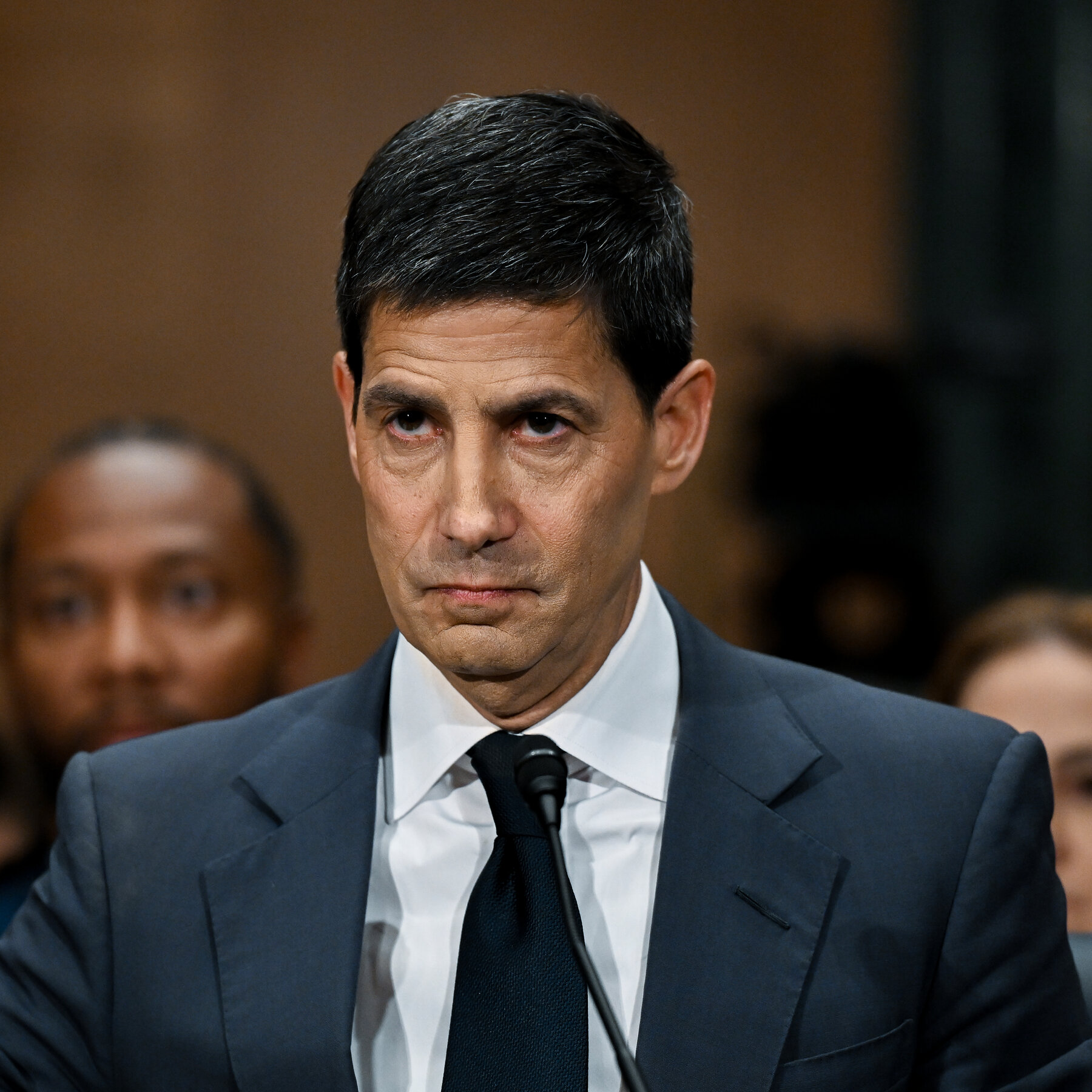
Washington D.C. — The economic landscape is abuzz with speculation surrounding President Trump’s potential nomination of Kevin Warsh to lead the Federal Reserve, a pivotal appointment with profound implications for the nation’s financial future. Should he be confirmed, Warsh would inherit a complex environment marked by persistent inflationary pressures, a challenge that a recent analysis, including insights published by the New York Times, indicates could compel a more stringent monetary policy. His appointment would signal a strong commitment to combating rising costs, potentially keeping interest rates higher for longer to safeguard the purchasing power of the dollar and the stability of the nation’s economic foundations. This approach aligns with a conservative philosophy emphasizing fiscal discipline and sound monetary management.
The specter of inflation continues to loom large over American households and businesses, eroding savings and increasing the cost of living. Factors ranging from global supply chain disruptions and geopolitical tensions to robust domestic demand and expansionary fiscal policies have contributed to an economic climate where the purchasing power of the dollar is under constant threat. A primary, indeed sacred, mandate of the Federal Reserve is to maintain price stability, a task that has proven increasingly difficult in recent years. This persistent inflationary backdrop would define the immediate agenda for any new Fed chair, demanding decisive and credible action to restore balance and predictability to the economy.
Kevin Warsh, known for his past tenure as a Fed governor during a period of significant economic turmoil and his consistently articulated conservative economic leanings, is widely perceived as a staunch advocate for disciplined monetary policy. His approach is expected to prioritize the long-term health of the economy over short-term political expediency or stimulus. This perspective suggests a readiness to deploy higher interest rates as a crucial, albeit sometimes unpopular, tool to cool an overheating economy and firmly anchor inflationary expectations. Such a strategy aligns squarely with center-right economic principles emphasizing sound money, fiscal prudence, and the prevention of asset bubbles, aiming to protect the erosion of savings, investment capital, and the foundational trust in the currency.
A Warsh-led Federal Reserve would likely prioritize the long-term health of the economy, indicating a firm stance against inflation through disciplined monetary policy.
The prospect of sustained higher interest rates under a Warsh-led Fed carries significant and varied implications across all sectors of the economy. For American households, borrowing costs for everything from mortgages and auto loans to credit cards and student debt would likely remain elevated. This directly impacts household budgets, potentially delaying major purchasing decisions and reining in consumer spending. Businesses, particularly smaller enterprises and startups heavily reliant on accessible and affordable credit, could face increased financing expenses, which might temper investment in expansion, innovation, and job creation.
A disciplined, forward-looking approach, however, is seen by proponents as a necessary step to prevent even greater economic instability down the line, ensuring a more predictable and robust environment for sustainable, long-term growth and prosperity.
As the nation awaits President Trump’s formal announcement regarding the Federal Reserve chairmanship, the potential appointment of Kevin Warsh signals a pivotal and potentially transformative moment for U.S. monetary policy. His leadership would likely be characterized by a steadfast, principled commitment to combating inflation and restoring price stability, even if it means navigating a period of higher interest rates. The overarching focus would be on restoring economic equilibrium and fostering an environment where hard-earned capital retains its value, ultimately benefiting all Americans through greater stability, predictable growth, and renewed confidence in the future. The choices made at the helm of the Fed in the coming years will profoundly shape the economic trajectory for the next generation, underscoring the critical importance of strong, independent, and disciplined leadership.


