
TRENDING NEWS





Truth Over Trends, always!

Legislation, which narrowly passed a party-line vote, seeks to curb federal agents’ actions within the state and establishes new avenues for legal redress, sparking debate over state-federal authority.
The Minnesota Senate has recently approved a significant bill that aims to impose new limitations on the operations of federal immigration enforcement agents within the state. This controversial legislation, which includes a ban on agents concealing their identities and creates a path for residents to sue over alleged constitutional rights violations, represents a bold move by the state to assert greater control over federal activities on its soil. The passage of these Minnesota federal agent restrictions highlights an escalating tension between state and federal jurisdictions regarding immigration policy.
The newly passed bill introduces a series of stringent measures designed to increase accountability for federal agents operating in Minnesota. These provisions reflect growing concerns over past enforcement tactics and seek to protect state residents from what some lawmakers deem excessive actions.
The journey of this legislation through the Minnesota Senate was marked by a narrow 34-33 party-line vote, underscoring the deep divisions within the state’s political landscape on issues of immigration and federal oversight. This close margin suggests a challenging path ahead as the bill now moves to the House, where an evenly split chamber between Democrats and Republicans promises an uphill battle for its final approval. The proposal follows a trend seen in several other Democratic-led states seeking to impose similar restrictions on immigration agents, particularly in the wake of high-profile incidents. Senator Omar Fateh, a co-sponsor, voiced strong criticism, suggesting federal raids in Minnesota displayed ‘a show of force against immigrant communities.’ As reported by The Minnesota Star Tribune, Fateh asserted that agents ‘broke down doors without a warrant, denied people due process, assaulted, arrested, tear-gassed and shot peaceful people,’ in reference to past events.
“They broke down doors without a warrant, denied people due process, and assaulted peaceful people.”
— Senator Omar Fateh, bill co-sponsor
This legislative initiative fundamentally redefines the operational parameters for federal immigration agencies, such as ICE, within Minnesota. By empowering state officials to investigate incidents involving federal agents and creating new avenues for civil liability, the bill asserts a significant degree of state sovereignty over federal enforcement activities. Proponents argue these measures are crucial for safeguarding the rights of residents and ensuring due process, while critics express concerns about potential conflicts with federal law and the operational effectiveness of national security and immigration enforcement efforts. The implications extend beyond Minnesota, potentially setting a precedent for other states grappling with similar tensions regarding federal immigration policies.
As the bill progresses to the House, its fate remains uncertain. However, its passage in the Senate alone signals a clear intent from Minnesota lawmakers to challenge existing federal immigration enforcement practices and establish a more localized framework for accountability. The ongoing debate underscores fundamental questions about the balance of power between state and federal governments and the future of immigration policy across the nation.

President Emmanuel Macron is reportedly implementing a calculated strategy to embed key allies within critical state positions, aiming to safeguard French institutions from potential shifts following the next presidential election.
As France approaches its next presidential election, the political landscape is marked by a palpable sense of uncertainty, especially concerning the ascendance of far-right movements. In response, President Emmanuel Macron appears to be undertaking a series of strategic bureaucratic appointments designed to maintain France’s political stability and preserve the established institutional order. These moves are widely interpreted as an attempt to “weatherproof” the nation’s core administrative functions against the policy reversals or systemic disruptions that a far-right successor might introduce.
The core of President Macron’s strategy involves placing trusted allies into significant state roles that extend beyond the typical political cycle. These appointments are not merely temporary ministerial positions but are designed for individuals who will remain in critical administrative and regulatory capacities, irrespective of who occupies the Élysée Palace after 2027. This long-term embedding of allies suggests a deliberate effort to create a layer of institutional resilience, ensuring continuity in governance and policy implementation, particularly in sensitive areas.
Such maneuvers, as highlighted by a recent report from the News Desk, underscore a deep concern within the current administration regarding the potential trajectory of French politics. By securing these bureaucratic strongholds, Macron aims to establish a bulwark that can uphold republican values and maintain order, even if the executive power shifts dramatically. The strategy reflects a broader European trend where centrist governments grapple with the growing appeal of populist and nationalist agendas.
The appointments are not random; they target specific sectors crucial for the functioning of the state and the preservation of national interests. These include:
The objective is clear: to ensure that fundamental state policies, particularly those aligned with pro-institutions and pro-order principles, are not easily dismantled or radically altered. This approach is rooted in the belief that strong, stable institutions are the bedrock of a functioning democracy and essential for maintaining public trust and societal cohesion. It’s a preemptive measure to prevent abrupt policy shifts that could destabilize the nation’s economic or social fabric.
“The aim is to create a robust institutional framework that can withstand political tides, ensuring France’s enduring stability and commitment to its core republican principles.”
The context for these strategic appointments is the undeniable rise of the far-right in France, a phenomenon mirroring similar shifts across Europe. Parties advocating for more nationalistic and protectionist policies have gained significant traction, posing a credible threat to the traditional centrist establishment. The upcoming presidential election is therefore not just a contest for power but a potential referendum on France’s future direction, both domestically and within the European Union.
Macron’s actions can be seen as an attempt to insulate the state from potential ideological extremes, reinforcing the foundational tenets of the Fifth Republic. While some critics might view such moves as an overreach or an attempt to circumvent democratic outcomes, proponents argue it is a necessary defense against forces that could undermine the nation’s democratic institutions and international standing. The long-term impact of these bureaucratic fortifications on France’s political landscape remains to be seen, but they undoubtedly signal a significant shift in how established powers are preparing for future political challenges.
These strategic placements underscore the high stakes involved in France’s political future, highlighting a proactive effort to secure the nation’s institutional resilience against potential extremist shifts. The coming years will reveal the true efficacy of these efforts in shaping the trajectory of French governance.

The sports world mourns the passing of Craig Morton, the legendary quarterback who etched his name into NFL history by leading the Denver Broncos to their very first Super Bowl appearance. Morton passed away on Saturday at the age of 83, leaving behind a remarkable legacy of leadership, resilience, and competitive spirit. His pivotal 1977 season remains a cornerstone of Broncos lore, symbolizing a turning point for the franchise.
Morton’s six seasons with the Denver Broncos, from 1977 to 1982, were truly transformative for the franchise and its burgeoning fanbase. He steered the team to two division titles and three playoff berths, culminating in the unforgettable 1977 campaign. That year, Morton guided the Broncos to a stellar 12-2 regular-season record, navigating through challenging playoff victories against the formidable Pittsburgh Steelers and the then-Oakland Raiders. This historic run culminated in an appearance in Super Bowl XII, a monumental achievement that galvanized the city and put the Broncos firmly on the national football map. His exceptional performance earned him considerable accolades, as widely reported, including:
Morton’s ability to rebound and lead the team after previous career challenges earned him the “Comeback Player of the Year” honor, a testament to his enduring resolve. At the time of his retirement from the Broncos, Morton held franchise records for passing yards (11,895), pass attempts (1,594), and completions (907), underscoring his profound impact on the team’s offensive history. These records, while since surpassed, highlight the era in which he played and the significant role he held for the organization.
Before his celebrated tenure in Denver, Craig Morton began his professional journey with the storied Dallas Cowboys. Drafted fifth overall out of Cal in 1965, he spent the first decade of his career with America’s Team, gaining invaluable experience in a competitive environment. During his time in Dallas, Morton accumulated 10,279 passing yards, throwing 80 touchdowns against 73 interceptions, and compiling a solid 32-14-1 record as a starter. His early years were marked by competition with Roger Staubach for the starting role, a period that refined his skills and mental toughness. This foundational experience with the Cowboys undoubtedly prepared him for the leadership role he would later assume with such distinction in Denver.
Morton’s influence extended beyond mere statistics, embodying the grit and determination that defined his era of professional football. His leadership style and calm demeanor under pressure were hallmarks of his game. Fellow Ring of Famer Haven Moses once lauded Morton’s extraordinary talent and impact, stating after the 1978 AFC Championship win, “To me, he’s the most valuable player in the National Football League.” This high praise reflects the respect Morton commanded from his peers. The Denver Broncos organization also promptly paid tribute to their former star, posting on social media, “We are saddened to learn of the passing of #BroncosROF quarterback Craig Morton, who died on Saturday at the age of 83.” His induction into the Broncos’ Ring of Fame stands as a permanent testament to his enduring legacy and the indelible mark he left on the team and its passionate fanbase, a legacy that continues to resonate years after his playing days. The news of his passing was widely covered, including by the News Desk at Fox News, underscoring his national significance.
“To me, he’s the most valuable player in the National Football League.”
— Haven Moses, Fellow Broncos Ring of Famer
The passing of Craig Morton marks the end of an era for many football enthusiasts and a moment of reflection on a career well-played. His contributions to the Denver Broncos, particularly in leading them to their inaugural Super Bowl, will forever be remembered as a pivotal turning point in the franchise’s history. Morton’s career was a testament to perseverance, strategic acumen, and the unwavering pursuit of excellence, qualities that continue to inspire future generations of athletes and fans alike.
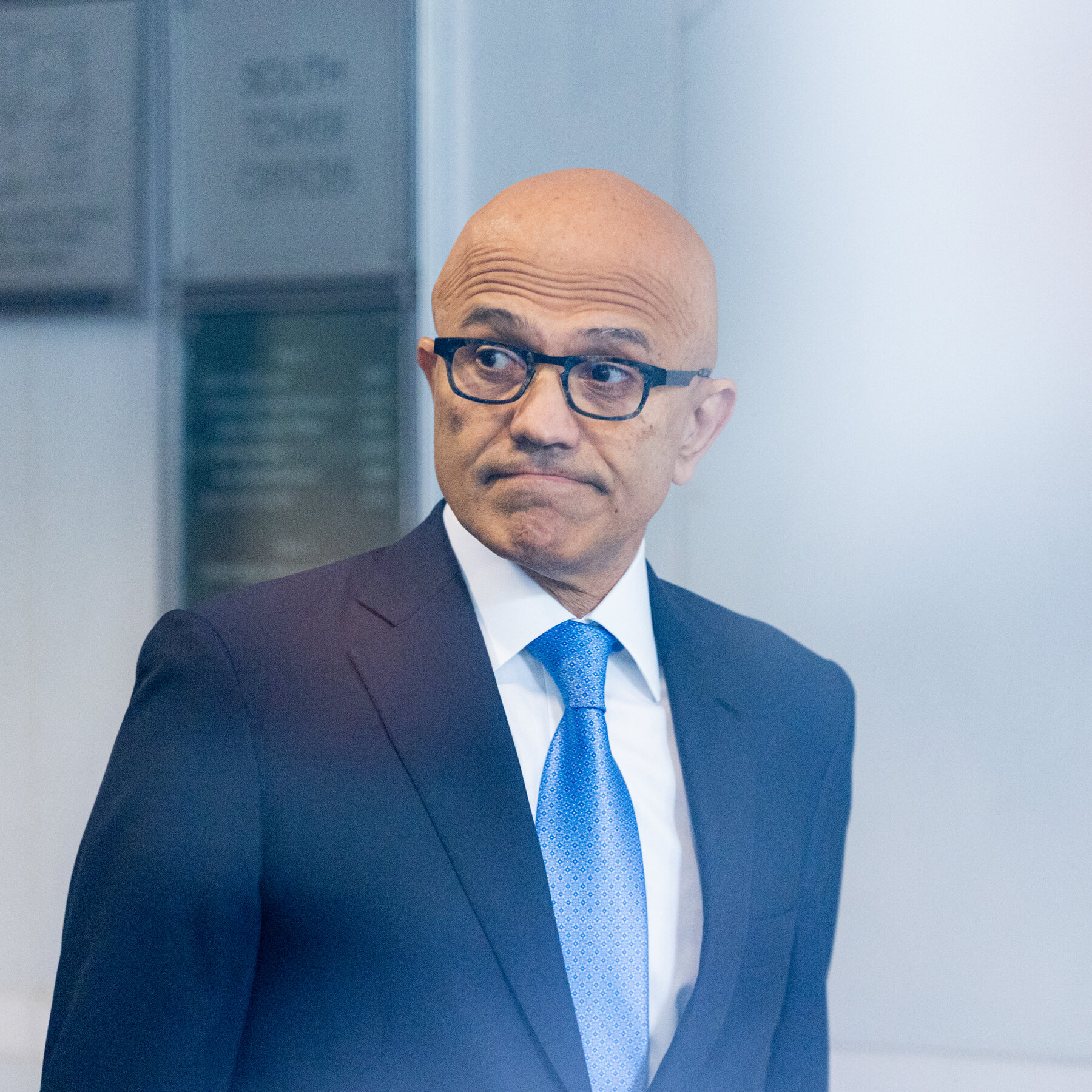
Recent legal filings by Elon Musk’s lawyer have brought to light claims of significant intervention by Microsoft CEO Satya Nadella during the dramatic leadership upheaval at OpenAI in November 2023. These allegations suggest Nadella played a pivotal role in ensuring the return of Sam Altman as CEO, a development that could reshape perceptions of corporate influence in the burgeoning artificial intelligence landscape.
The tech world watched intently in late 2023 as OpenAI, the pioneering AI research firm behind ChatGPT, underwent a stunning executive crisis. Sam Altman, its co-founder and CEO, was abruptly fired by the company’s board, leading to widespread internal dissent and a mass exodus threat from employees. The swift and unexpected decision sent shockwaves through the industry, raising immediate concerns about the stability and future direction of one of AI’s most influential players.
During the ensuing days of uncertainty, a significant portion of OpenAI’s staff publicly threatened to resign and join Altman at a new venture, placing immense pressure on the remaining board members. This internal turmoil highlighted the delicate balance between a company’s leadership, its mission, and the commercial interests of its major partners.
The latest claims regarding Nadella’s alleged involvement stem from legal arguments put forth by Elon Musk’s lawyer. According to a report by The New York Times, Musk’s legal representative contends that Microsoft’s chief executive actively worked to facilitate Mr. Altman’s reinstatement. This alleged intervention underscores the immense strategic importance Microsoft places on its partnership with OpenAI, a collaboration central to its AI ambitions.
The specifics of the alleged intervention remain subject to legal scrutiny, but the assertion itself reignites discussions about the transparency and independence of governance within critical technology companies. For institutions like OpenAI, which balance a non-profit mission with significant commercial ventures, questions of external corporate influence are particularly pertinent.
“The alleged intervention by Microsoft’s CEO in OpenAI’s leadership crisis raises critical questions about corporate governance and the independence of key AI innovators.”
If substantiated, the allegations of Microsoft’s intervention have profound implications for the governance of AI institutions and the broader market. It would highlight the extraordinary leverage that major investors and partners can wield over companies deemed strategically vital. For a sector as transformative as AI, maintaining clear lines of authority and ensuring robust, independent decision-making is crucial for fostering trust and preventing undue market distortions.
The episode also serves as a reminder of the complex web of relationships in Silicon Valley, where strategic partnerships can blur the lines of corporate autonomy. As AI continues its rapid advancement, the industry, regulators, and the public will undoubtedly demand greater clarity regarding the structures and influences guiding its most significant players. Upholding order and transparency in these critical institutions is paramount for fair competition and sustained innovation.
The legal proceedings involving Elon Musk and OpenAI are expected to continue, promising further revelations and ongoing debate about the leadership, funding, and governance of the companies shaping the future of artificial intelligence. Matox News will continue to follow developments closely.
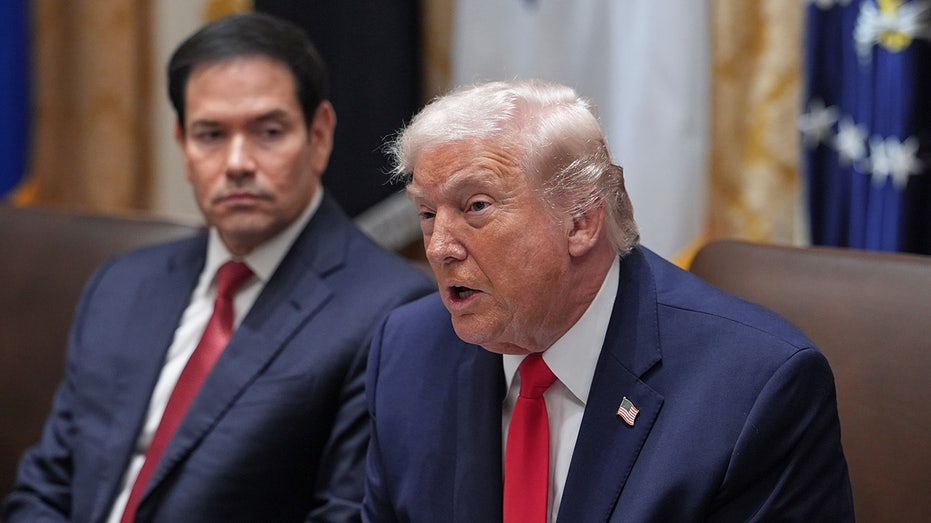
The Trump administration has once again firmly distanced itself from international efforts to shape global migration policy, rejecting a United Nations ‘progress’ declaration. This latest move by the U.S. State Department underscores a consistent stance against what it perceives as attempts to undermine national sovereignty and facilitate uncontrolled immigration.
According to official statements, Washington declined to endorse the International Migration Review Forum’s declaration, accusing the U.N. of actively working to ‘advocate and facilitate replacement immigration’ within the United States and across the broader Western world. This rejection signals a clear message regarding America’s priorities for border security and national identity.
The United States notably chose not to participate in the second International Migration Review Forum, which convened from May 5–8 at the U.N. Headquarters in New York. This forum serves as the principal global platform for member states to assess the implementation of the Global Compact for Safe, Orderly and Regular Migration.
President Donald Trump initiated the U.S. withdrawal from the U.N. process to develop the Global Compact for Migration during his first term in 2017. Despite this, the compact was adopted in 2018 without American support. The current State Department’s reaffirmation of opposition highlights a sustained policy direction, prioritizing national control over immigration matters.
The State Department’s strong language specifically targeted what it described as efforts to promote ‘replacement immigration.’ This term, often used by critics of open-border policies, suggests a deliberate demographic shift orchestrated through migration.
In its declaration, the department asserted that ‘mass migration was never safe’ and characterized it as a grave error with far-reaching consequences. The statement detailed several negative impacts:
These concerns reflect a deeply held belief within the administration that uncontrolled migration jeopardizes the stability and financial well-being of American communities.
Mass migration was a grave mistake, threatening societal cohesion and our future.
The Trump administration’s decision reinforces its commitment to an ‘America First’ approach to foreign policy and domestic governance. By rejecting the U.N. declaration, the U.S. emphasizes its prerogative to determine its own immigration policies, free from international mandates that are perceived as detrimental to national interests.
This stance is rooted in the principle that robust border security and orderly immigration are fundamental to maintaining national identity, public safety, and economic stability. The administration consistently argues that a nation’s ability to control its borders is a cornerstone of its sovereignty and a prerequisite for effective governance.
The rejection of the U.N. migration declaration serves as a clear signal of the Trump administration’s unwavering resolve to prioritize the security and well-being of its citizens. It underscores a fundamental difference in philosophy regarding national versus global approaches to managing migration, setting a precedent for future international engagements on this critical issue.

The high-profile legal action underscores critical questions of intellectual property rights and corporate due diligence in celebrity endorsements.
Pop superstar Dua Lipa has initiated a significant legal challenge against tech giant Samsung, filing a lawsuit that seeks $15 million in damages. The action, lodged in a US federal court, alleges that Samsung utilized a photograph of her likeness on television packaging without explicit permission, sparking a debate over celebrity image rights and corporate accountability in marketing.
According to the lawsuit filed last Friday in the US District Court for the Central District of California, Dua Lipa’s legal team contends that Samsung prominently displayed an image of her face on models of televisions sold within the United States. The filing states that Samsung’s packaging was “designed to improperly capitalize on Ms. Lipa’s hard-earned success to promote and sell Samsung’s products,” directly linking the use of her image to the company’s sales efforts.
The legal complaint outlines several serious charges against Samsung, including:
This legal framework aims to protect individuals’ rights to control how their image and brand are used, particularly in commercial contexts. It underscores the importance of clear contractual agreements and respect for creative property in the modern marketplace.
In response to the allegations, Samsung has firmly denied any wrongdoing. As reported by BBC News, the company stated that the image in question was provided by a third-party content partner. Samsung claims it proceeded with the use of the image only “after receiving explicit assurance from the content partner that permission had been secured.”
This defense introduces a layer of complexity, shifting the focus to the chain of responsibility and the due diligence exercised when procuring marketing assets from external suppliers. For businesses, this case serves as a poignant reminder of the necessity for rigorous verification processes and robust contractual clauses with third-party vendors to safeguard against potential intellectual property disputes.
“The integrity of intellectual property rights is foundational to a fair and functioning free market. This lawsuit underscores the imperative for all businesses, regardless of size, to exercise unwavering diligence in their marketing practices.”
The Dua Lipa Samsung lawsuit resonates beyond the immediate parties involved, highlighting critical issues for the broader business community. In an era where celebrity endorsements and digital marketing are pervasive, the unauthorized use of an individual’s image can have significant legal and reputational consequences. This case emphasizes that companies must not only secure permissions but also verify the provenance and scope of those permissions, especially when dealing with high-value intellectual assets.
For consumers, such disputes often raise awareness about the commercial value attached to personal branding and the legal protections in place. For businesses, it reinforces the principle that leveraging another’s success without proper authorization undermines fair market practices and can lead to costly litigation. Upholding robust legal frameworks for intellectual property ensures that innovation and creativity are properly incentivized and protected.
As the legal proceedings unfold, the outcome of this dispute could set a precedent for how corporations engage with celebrity images and intellectual property obtained through third parties. It serves as a potent reminder of the vigilance required to navigate the intricate landscape of modern marketing and intellectual property law.
President Trump has sharply criticized Iran’s latest counter-offer to end the ongoing conflict, labeling the proposed terms “totally unacceptable” and casting significant doubt on the durability of the month-long truce.
Washington D.C. – The fragile Iran ceasefire is teetering on the brink, according to President Donald Trump, who on Monday dismissed Tehran’s recent peace proposal as a “piece of garbage.” Speaking from the Oval Office, the President expressed profound skepticism about the current truce, characterizing it as “unbelievably weak” amidst escalating diplomatic tensions.
President Trump’s remarks underscore a growing frustration within the U.S. administration regarding the stalled peace process. He firmly rejected Iran’s counter-offer, which was submitted over the weekend, stating it was “totally unacceptable.”
This strong condemnation signals a significant setback for efforts to de-escalate the conflict and secure a lasting resolution. The President’s comments highlight the vast chasm between the two nations’ negotiating positions, raising serious concerns about the prospects for a viable diplomatic path forward.
His administration continues to prioritize proposals that ensure regional stability and uphold international order, emphasizing the need for robust terms rather than superficial agreements.
Following President Trump’s candid assessment, Iranian officials swiftly responded, reiterating their commitment to their demands while simultaneously issuing warnings.
Mohammad Ghalibaf, the Iranian parliamentary speaker, utilized social media to declare that Iran’s armed forces were “ready to respond and to teach a lesson for any aggression.” This assertive posture underscores the deep-seated resolve within Tehran to protect its national interests.
Concurrently, Esmail Baghaei, a foreign ministry spokesperson, defended Tehran’s proposals as both “responsible” and “generous,” suggesting that their terms were designed to foster genuine peace and facilitate the reopening of the vital Strait of Hormuz.
These contrasting statements from Washington and Tehran illustrate the deep distrust and divergent objectives that continue to plague the negotiation process, as reported by the News Desk.
The current diplomatic stalemate has profound implications for Middle East stability and global energy markets. The month-long ceasefire, now described by the U.S. President as being on “massive life support,” was intended to provide a window for substantive peace talks.
However, with both sides entrenched in their positions, the risk of renewed hostilities remains a significant concern. The U.S. administration, guided by its commitment to international institutions and the rule of law, seeks an agreement that genuinely addresses security concerns and prevents future aggression, rather than simply postponing conflict.
The integrity of crucial maritime passages like the Strait of Hormuz is paramount for global trade and security, making the current diplomatic impasse particularly alarming.
The ceasefire is “unbelievably weak,” and their counter-offer is “totally unacceptable,” a “piece of garbage.”
As diplomatic efforts falter, the international community watches closely for any signs of progress or further deterioration. The path to a durable peace in the region demands robust and realistic proposals from all parties, grounded in a shared commitment to order and stability.
Merely maintaining a fragile truce without addressing underlying grievances and security concerns will only defer, not resolve, the broader challenges. A strong, principled approach is essential to navigate these complex geopolitical waters and secure a future free from extremist provocations.

Georgia’s Senate Special Committee on Investigations has issued a subpoena to Stacey Abrams, alongside former leaders of her New Georgia Project voter outreach group. The move signals a significant escalation in the ongoing probe into alleged campaign finance violations, with lawmakers vowing to pursue facts wherever they may lead.
Ms. Abrams, a prominent figure in Democratic politics, is now required to appear before the legislative body, marking a critical juncture in the inquiry. The committee’s action reflects a commitment to ensuring transparency and accountability within the state’s electoral processes, particularly concerning organizations involved in voter registration and engagement.
The subpoenas, also served to Lauren Groh-Wargo and Nsé Ufot, former leaders of the New Georgia Project, mandate their appearance at the State Capitol on Friday at 10 a.m. This formal demand for testimony underscores the gravity with which the Senate committee is treating the allegations.
Republican state Senator Greg Dolezal, the committee’s vice chairman, emphasized the legislative body’s responsibility. “This committee has a responsibility to follow the facts wherever they lead,” Dolezal stated, adding that “Georgia law requires transparency and accountability in our elections.” The investigation aims to uncover the full scope of involvement in the alleged violations and how funds were managed.
The current legislative inquiry stems from earlier findings by the Georgia State Ethics Commission. This body previously determined that the New Georgia Project and its affiliated Action Fund had violated campaign finance laws during the 2018 election cycle. These violations led to the largest campaign finance penalty in Georgia’s history.
Earlier this year, the groups admitted to 16 violations and agreed to pay a substantial fine of $300,000. The New Georgia Project itself ceased operations and dissolved in 2025, following a period marked by mounting financial and legal challenges. Lawmakers are now seeking a deeper understanding of the decision-making processes that led to these infractions.
“The people of Georgia deserve to know who was involved, what decisions were made and how millions of dollars flowed through organizations that admitted to violating our campaign finance laws.”
— Senator Greg Dolezal
The Republican lawmakers initiating this probe, as reported by Fox News, are focused on identifying individuals responsible for the violations, understanding the specifics of fund management, and determining who possessed knowledge of the illicit activities. This detailed examination is critical for upholding public trust in the integrity of political organizations and electoral processes.
For Matox News, the principle that no one is above the law is paramount. This investigation into the New Georgia Project’s past conduct serves as a reminder of the constant vigilance required to maintain ethical standards in political campaigning and civic engagement. The committee’s diligent pursuit of answers aligns with the public expectation for accountability, particularly when significant sums of money and institutional trust are involved.
The ongoing proceedings will undoubtedly shed further light on the complexities of campaign finance oversight and the responsibilities of those leading prominent advocacy groups. The outcome will be closely watched by those committed to clean elections and robust institutional integrity.
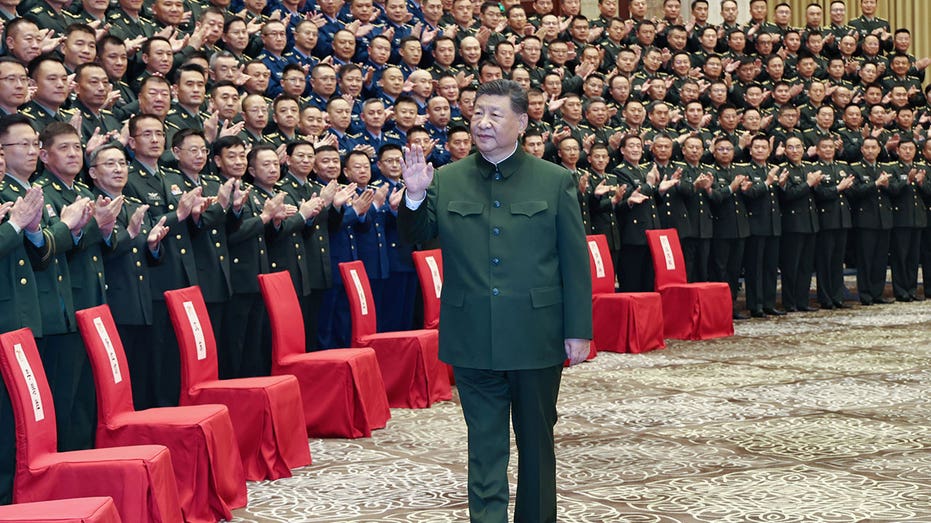
Beijing has sent a resounding message through its high-stakes anti-corruption campaign, with two former Chinese defense ministers, Wei Fenghe and Li Shangfu, receiving suspended death sentences for corruption. The severe penalties highlight President Xi Jinping’s anti-corruption crackdown, an unyielding effort to purge disloyalty and consolidate power within the nation’s armed forces.
The rulings, confirmed by state media and reported by Reuters, mark a significant escalation in the ongoing campaign against graft, particularly within the powerful People’s Liberation Army (PLA). These sentences are among the most severe handed down to senior military officials in recent memory, underscoring the Chinese Communist Party’s commitment to internal discipline.
Wei Fenghe and Li Shangfu, both prominent figures in China’s defense establishment, were convicted of graft following proceedings by China’s military court on May 7. Wei, 72, who served as defense minister from 2018 to 2023, was found guilty of accepting bribes. His successor, Li Shangfu, 68, who held the position for only a few months, was convicted of both accepting and offering bribes.
The sentences carry a death sentence with a two-year reprieve, a common practice in China that typically leads to commutation to life imprisonment without parole if no further crimes are committed during the suspension period. Both men have also been stripped of all political rights for life and ordered to forfeit all personal property, reflecting the comprehensive nature of the punishment. Their former roles included:
The Rocket Force, established in 2015 as part of Xi’s sweeping military reforms, is a critical branch overseeing China’s nuclear arsenal and conventional missile capabilities, making purges within its former leadership particularly noteworthy.
These convictions are not isolated incidents but rather a stark demonstration of President Xi Jinping’s decade-long anti-corruption campaign, which has targeted thousands of officials across all levels of government and military. The campaign, which began shortly after Xi assumed power in 2012, is widely seen as a dual effort to combat genuine corruption and eliminate political rivals, ensuring absolute control and loyalty to the Party’s core leadership.
The severity of these sentences sends an unmistakable message throughout the PLA, emphasizing that no official, regardless of rank or past contributions, is immune to scrutiny. It reinforces Xi’s vision of a modern, disciplined military that is unequivocally loyal to the Party and its leader, a critical component of his strategy for a strong China.
The purge of such high-ranking defense officials raises questions about leadership continuity and stability within the Chinese military. While presented as a move to strengthen the armed forces by rooting out corruption, the process also underscores the opaque nature of China’s judicial system and the concentration of power within the Party’s top echelons. For international observers, these developments highlight the unique challenges and risks associated with authoritarian governance, where internal purges can significantly impact national security decision-making.
The implications extend beyond internal politics, potentially influencing China’s geopolitical strategies and its interactions on the world stage. A military undergoing such significant internal upheaval, even in the name of modernization, must navigate complex issues of morale, trust, and operational cohesion.
The severe sentences handed down to these former defense chiefs underscore the authoritarian nature of Beijing’s justice system and President Xi Jinping’s unyielding resolve to maintain absolute control over the military.
The ongoing Xi’s anti-corruption crackdown serves as a potent reminder of the Chinese leadership’s prioritization of internal order and loyalty above all else. As the world watches, these developments will undoubtedly shape the future trajectory of the People’s Republic of China, both domestically and in its global engagements.
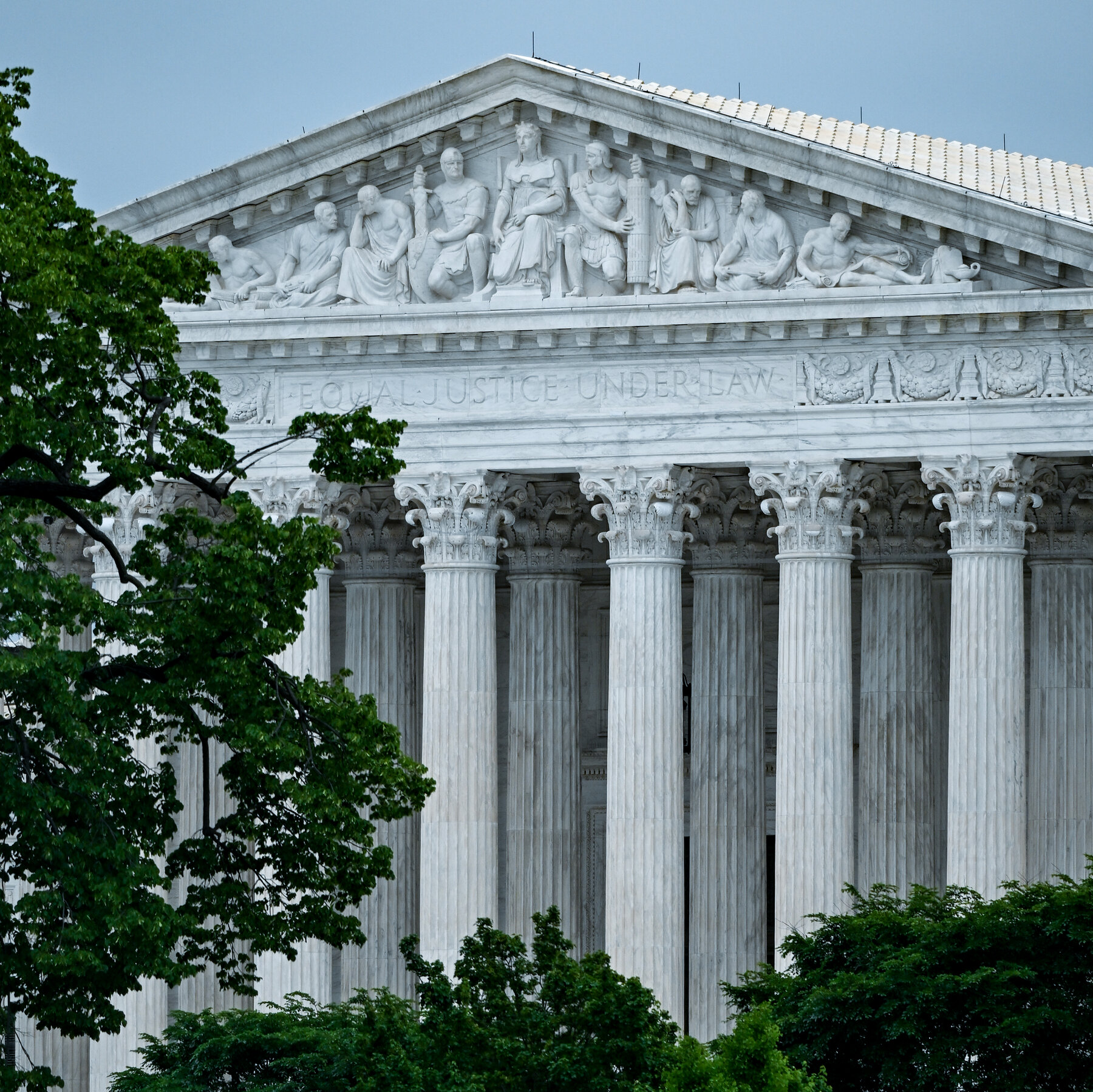
The United States Supreme Court has delivered a significant ruling, clearing the way for Alabama to implement its updated congressional district map. This decision, backed by a majority of the justices, marks a pivotal moment in the ongoing legal discourse surrounding electoral boundaries and representation. The new map could lead to the elimination of a district that has historically been majority-Black, initiating considerable debate among political observers and civil rights advocates.
In a move that underscores the Court’s stance on state-level redistricting processes, a majority of the justices sided with Alabama. This decision effectively accelerates the state’s efforts to put into place a congressional district map that had faced legal challenges. The ruling allows Alabama to proceed without further immediate federal court intervention, impacting the upcoming electoral cycle.
The core of the dispute revolved around the configuration of the state’s seven congressional districts. Prior legal battles had centered on whether previous maps adequately represented minority voters. The Supreme Court’s latest action signals a deferral to state authority in this complex area, a position often favored by proponents of federalism and local governance.
Redistricting, the process of redrawing electoral maps, is a constitutionally mandated task that occurs every ten years following the national census. It is a highly contentious process, often leading to intense legal and political struggles over how power is distributed and how communities are represented.
Alabama’s journey to this new map has been fraught with legal challenges. While specific details of the lower court rulings are extensive, the Supreme Court’s current decision indicates a significant shift in the legal trajectory. According to reporting from the News Desk, the ruling paves the way for the state to finalize its electoral boundaries, emphasizing the institutional role of the judiciary in resolving such disputes. The legal system, while often slow, remains the arbiter of these fundamental questions of governance.
The immediate consequence of the Supreme Court’s decision is that Alabama will move forward with the new map for the next elections. This could fundamentally alter the political landscape, particularly regarding minority representation in Congress. Observers note that the elimination of a majority-Black district could have profound effects on the demographic and partisan makeup of the state’s congressional delegation.
The implications extend beyond Alabama, potentially influencing redistricting debates and legal strategies in other states. Key considerations include:
“This Supreme Court decision underscores the complex legal and political dynamics inherent in shaping electoral districts across the nation, reinforcing the principle of judicial review in electoral processes.”
As Alabama prepares for its next elections under this new framework, the ruling serves as a powerful reminder of the judiciary’s ultimate authority in defining electoral processes. It highlights the delicate balance between state autonomy and federal oversight in matters of voting rights and representation, a balance that continues to evolve through landmark court decisions.


