
TRENDING NEWS





Truth Over Trends, always!

The Academy of Motion Picture Arts and Sciences has unveiled a groundbreaking set of regulations addressing the integration of generative artificial intelligence (AI) in filmmaking. In a move that signals a decisive shift towards safeguarding human creativity, the new rules specify that only performances credited in the film’s legal billing and demonstrably performed by humans with explicit consent will be eligible for Oscar recognition. Furthermore, screenplays must be human-authored to qualify for awards. These measures are emblematic of Hollywood’s broader attempt to clamp down on AI’s encroachment into traditionally human-dominated domains, and their implications ripple far beyond cinema, challenging technological innovation’s role in creative industries.
The academy also asserted the right to request detailed disclosures regarding a film’s AI usage and human authorship, reinforcing a desire for transparency in an era increasingly dominated by machine-generated content. This regulatory stance comes at a time of intense industry debate around AI’s disruptive potential—a debate fueled by high-profile projects such as an AI-generated Val Kilmer portrayal and the emergence of AI “actors” like Tilly Norwood. Such innovations threaten to revolutionize casting, scriptwriting, and production workflows, but also raise pressing questions about authenticity, intellectual property, and industry integrity.
Aside from Hollywood’s showcase, disruption extends to the written word. An independent publisher has rescinded a novel over AI deployment concerns, and writers’ associations are increasingly vocal about AI making literary works ineligible for prestigious awards. The trend highlights a growing industry-wide skepticism about AI’s role in creative excellence, with major players such as Gartner and MIT warning about the potential erosion of craftsmanship and originality.
The future of these industries hinges on how policymakers, creators, and technologists navigate this rapidly evolving landscape. Innovation cannot be halted, but its trajectory must be carefully managed. The disruption unleashed by AI technology—whether in filmmaking, literature, or other creative fields—presents a critical inflection point. Major firms, including tech giants and entertainment conglomerates, must adapt swiftly to the emerging standards, or risk falling behind as new forms of originality and authenticity redefine cultural value. Industry experts warn that those who fail to establish clear boundaries risk being overwhelmed by an influx of cheap, machine-generated content that undermines human artistry.
Looking ahead, the industry faces a stark imperative: to harness AI’s transformative power for innovation and competitive advantage, while safeguarding the core human elements that define creativity. The accelerated pace of technological disruption demands not only regulatory vigilance but also a strategic recalibration—one that prioritizes quality, ethics, and authenticity. As Hollywood and beyond grapple with these changes, it becomes clear that the next frontier of entertainment and literature will be shaped by those bold enough to craft a future where human ingenuity and advanced technology coexist—carefully balanced, and fiercely defended.
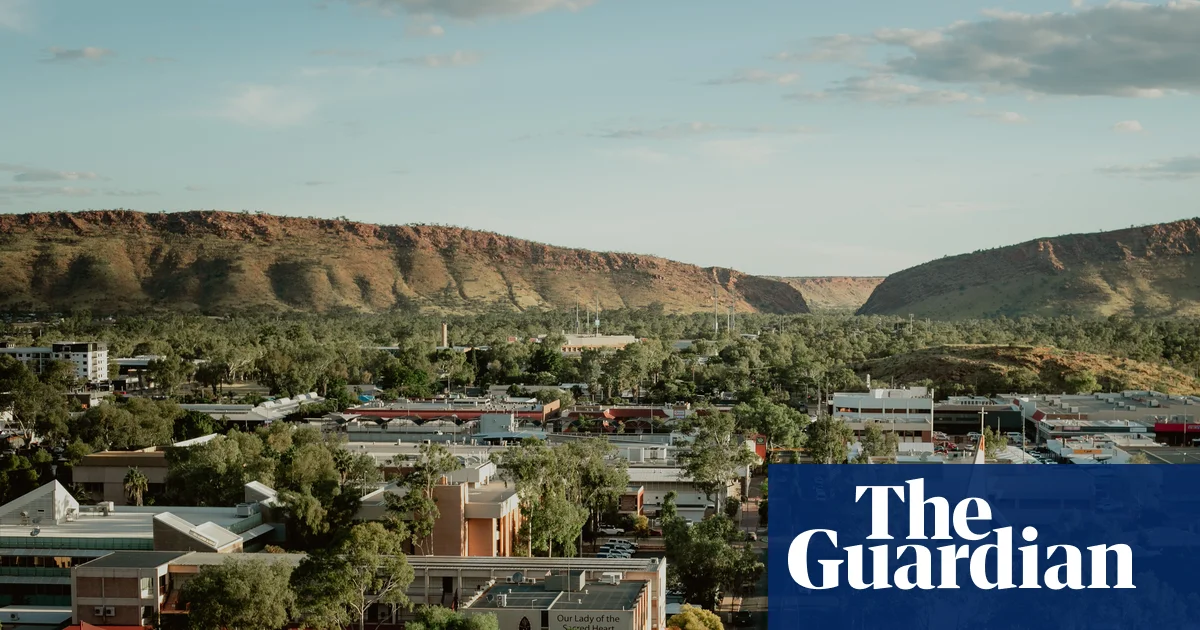
The recent case emerging from Australia’s Northern Territory underscores a troubling intersection of local societal issues with broader geopolitical concerns about Indigenous communities and justice. The brutal murder of five-year-old Kumanjayi Little Baby has shocked the nation, prompting intense media coverage and public outcry. In this tragic incident, police have formally charged Jefferson Lewis, 47, with her murder after her body was discovered following days of a widespread search. The girl’s disappearance from her family’s camp near Alice Springs is a stark reminder of ongoing challenges faced by Indigenous Australians, particularly in remote areas where social disparities and systemic neglect are prominent.
This case has broad implications that extend into international discussions about Indigenous rights and justice. Analysts have pointed out that incidents like these often heighten pressures on the government to address longstanding issues of poverty, violence, and marginalization within Indigenous communities. While local law enforcement works through the tragedy’s legal ramifications, international organizations such as the United Nations highlight the importance of culturally sensitive approaches in addressing crimes involving Indigenous populations. Indeed, Kumanjayi Little Baby’s name is now used in line with her family’s cultural traditions, underscoring the profound respect for her memory and the urgent necessity for change. The tragic loss raises urgent questions about effective intervention strategies and the responsibilities of authorities in protecting vulnerable children in isolated territories.
From a geopolitical perspective, this incident emphasizes how internal security and social issues in nations like Australia serve as microcosms of larger global struggles—where marginalized groups demand justice and recognition amidst political neglect. The case catalyzes international debate around Indigenous sovereignty, systemic reform, and the delicate balance between state authority and cultural respect. Many analysts point to the importance of reforming policies that address root causes of violence and neglect in remote areas, arguing that local tragedies often mirror gaps in national and international policy. Meanwhile, historians and human rights observers warn that ignoring these issues risks further alienating Indigenous peoples and exacerbating social divisions.
As the trial of Jefferson Lewis advances in Darwin, the eyes of the world remain fixed on this unfolding tragedy. The story of Kumanjayi Little Baby, once a name known only to her family, now echoes across continents, symbolizing the urgent need for systemic change and true justice. Yet, behind every court hearing and police statement lies a haunting question: How many more children will suffer before the international community and local governments unite to forge meaningful solutions? The fate of this young girl, and countless others like her, continues to frame a stark narrative—one where history’s pen writes the enduring story of societal failings, and the future hinges on whether humanity responds with decisive action or turns a blind eye, leaving the echoes of tragedy to reverberate through generations to come.
The recent Supreme Court decision to strike down a *majority-Black congressional district* in Louisiana has sent shockwaves across the political landscape, exemplifying the fierce power struggles that define American governance. This ruling not only revisits longstanding debates about fair representation but also exposes the fragile balance of influence between different branches of government, as well as between states and the federal judiciary. It signals a pivotal moment in the ongoing fight over how demographic realities are translated into political power.
The court’s decision underscores the growing tendency among conservative justices to interpret the Voting Rights Act and related civil rights laws through a lens of *strict constitutionalism*. By ruling against Louisiana’s district maps, which were designed to ensure minority representation, the majority of justices have emphasized a strict adherence to the original intent of the Constitution, effectively challenging recent trends that aimed to rectify historical injustices through *preferential districting*. The ruling mirrors the mindset of constitutional theorists like *Alexander Bickel*, who warned against judicial overreach, and symbolizes a pushback against what conservatives perceive as judicial activism. This sets the stage for a broader ideological debate, where the judiciary becomes a battleground for determining the limits of racial considerations in electoral politics.
At the state level, reactions have varied widely, reflecting the power struggles that play out on the ground. In Louisiana, opponents argue that the decision jeopardizes gains made to diversify political representation, threatening to skew districts toward a *more homogenous* electorate aligned with conservative interests. Conversely, some states have begun to reconfigure their redistricting processes—shifting toward *nonpartisan commissions* and transparency reforms—to preempt future judicial interference and safeguard their electoral maps from ideological distortions. This divergence highlights how state sovereignty becomes the arena for contesting the future of democracy, as legislatures and courts clash over issues of racial justice, political representation, and the constitutional framework that underpins them.
The implications extend beyond immediate electoral concerns, laying bare the consequences of constitutional interpretations on how power is distributed among the people. For political theorists like *James Madison*, the structure of American government was designed to prevent tyranny by balancing various branches, but in recent years, this delicate equilibrium has shifted toward a judicialized politics. Such shifts influence who wields authority and how decisions are made — ultimately impacting the very fabric of *democratic participation*. As historians draw parallels to the struggles over civil rights in the 1960s, it becomes evident that these battles over districting are part of a larger narrative: a contest over the soul of America’s democracy, where each legal victory or defeat rewrites the script of who truly governs and how.
In this high-stakes game, politics is no longer merely the art of compromise but the forge where societal destinies are forged, weaponized, and rewritten. Whether through the courts, legislatures, or grassroots movements, the decisions made today will echo through generations—shaping a nation where power is continually contested, and the future is always uncertain. As history demonstrates, in politics, the true conquest is not just control of government but the mastery over the story of a nation itself—a narrative still being written, sentence by sentence, on the grand stage of democracy’s enduring struggle.
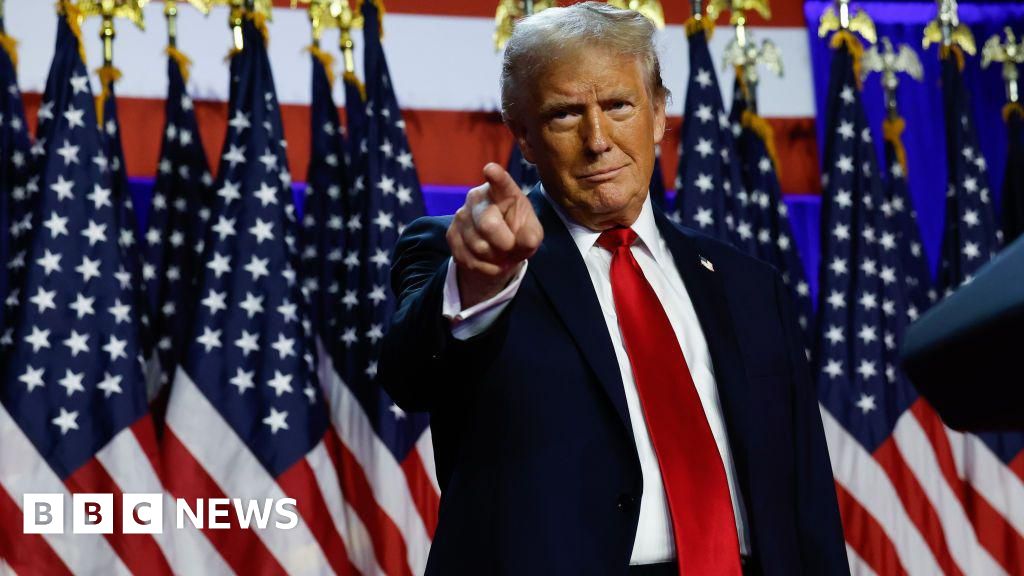
The recent escalation of U.S. military actions in the Middle East has sent shockwaves through the global geopolitical landscape. President Donald Trump authorized targeted strikes on Iran, a move that has significantly destabilized a region already rife with tensions. These strikes, coupled with Iran’s subsequent decision to close the Strait of Hormuz, a critical route through which approximately 20% of the world’s oil passes, have created a geopolitical tinderbox that threatens to ignite a much larger conflict. Financial markets responded instantly: Brent crude, a benchmark for international oil prices, surged to $126—a four-year peak—before gradually retreating to $111. However, this volatile spike underscores an unsettling truth: the global economy remains heavily vulnerable to regional conflicts in the Middle East.
International analysts, including those at the International Energy Agency and leading geopolitical think tanks, warn that such disruptions not only threaten energy supplies but also accelerate the reshaping of global power architecture. Historically, control over the Strait of Hormuz has been a strategic cornerstone for Persian Gulf states, with Iran viewing any interference with its navigation routes as a desperate effort to counterbalance Western influence and uphold regional sovereignty. Conversely, the United States and its allies see these actions as necessary to curtail Iran’s regional ambitions and nuclear developments. The Trump administration has clearly signaled a willingness to challenge Iran’s assertive posture, but these moves risk further destabilizing a fragile peace and drawing in greater regional powers, including Russia and China.
Historically, the geopolitical impact of such crises has been profound, impacting not only regional stability but also global economic development. The surge in oil prices—signified by a spike of nearly 70 dollars—has rippling effects, from inflationary pressures in Europe and Asia to an intensification of energy insecurity among Western nations. Economists warn that sustained disruptions in oil supply could lead to a chain reaction of economic instability, potentially derailing recovery efforts post-pandemic. As international organizations scramble to contain the fallout, analysts emphasize that when energy markets are shaken, entire societies are at risk—especially those already grappling with economic inequalities and political unrest.
Looking ahead, the immediate question remains: how will this crisis redefine international diplomacy and the pursuit of strategic dominance? The unfolding drama in the Middle East echoes the warnings of historians and security experts who stress that conflicts over resources and regional influence have often foreshadowed larger global confrontations. As the world stands on the precipice of an uncertain future, the impact of these decisions will shape the geopolitical map for decades to come—whether as the catalyst for a new era of stability or a descent into chaos.
In this moment of history’s unfolding narrative, the urgency lies in understanding that the stakes are far beyond mere oil prices. They are about the balance of power, the sovereignty of nations, and the security of future generations. As ships remain stranded in a narrowed Strait, and global markets fluctuate like a pendulum, the echoes of this conflict will resonate through the corridors of power—reminding the world that in the struggle for dominance, history’s pen waits to record the decisive strokes.
In recent discourse surrounding **education oversight**, critics have sharply condemned the Office for Students (OfS) for failing to live up to its mandate of impartiality and competence. An alarming critique has emerged, asserting that the OfS’s operational failures and questionable strategic direction constitute a devastating indictment of its ability to serve **community interests**. This criticism not only signals internal governance issues but prompts a broader societal reflection on how regulatory bodies impact **families, schools, and local communities**. As the government contemplates expanding the powers of such agencies, the stakes for societal cohesion become increasingly evident.
At the heart of these concerns lies the undeniable link between institutional oversight and the **educational environment** faced by young people and their families. When regulators are perceived as partisan or ineffective, the ripple effects threaten to erode the trust that underpins **social stability**. Without trustworthy oversight, **educational disparities** widen, often disproportionately affecting underprivileged communities. Sociologists like Dr. Laura Martins argue that effective regulation must be rooted in fairness and transparency, emphasizing that “the health of our **social fabric** relies heavily on institutions that are capable of fostering **equity**.”
Furthermore, the critique raises urgent questions about how social issues influence family stability and community resilience. When regulatory agencies are seen as unfit, **families** may lose confidence in the very systems designed to safeguard their children’s futures. Without proper governance, **educational inequality** tends to intensify, leading to an **entrenched cycle of disenfranchisement** for marginalized groups. This dynamic undermines societal cohesion and heightens tensions within **diverse communities**. A well-functioning oversight body, as argued by social commentators, is essential not merely for administrative accountability but for preserving the moral fabric of society—**a society where every child has the opportunity to thrive** regardless of socioeconomic background.
In confronting these complex social issues, some advocate for reform rooted in **community-led oversight models** and increased **accountability measures**.
Such measures aim to restore public faith and ensure that **regulators** serve **families** and **communities** rather than individual political or bureaucratic interests. As social historian Dr. Samuel Harding notes, “true progress cannot be achieved in isolation; it emerges from the collective effort of a society committed to **justice and moral clarity**.”
Ultimately, society’s challenge remains: how do we rebuild trust in our institutions and foster **an environment where education is a beacon of equality and opportunity**? As society stands at this juncture, one can imagine a future where **regulatory bodies** are genuinely accountable to **the people they serve**—a society where the **social fabric** is woven tighter by the shared vision of justice and shared prosperity. No society is without its imperfections, but the resilience of a community lies in its capacity for transformation—hopeful, persistent, and committed to nurturing the potential of every new generation.

In a recent statement to the BBC, Prime Minister expressed concern over the “cumulative” impact of marches on the Jewish community. This declaration underscores the ongoing tension between national security concerns and the exercise of civil liberties—an age-old chess match that continues to define the political landscape. While many see such marches as a form of free expression, the government’s framing of these demonstrations as potentially destabilizing raises questions about the boundaries of individual rights in the face of community safety. The incisive words from the PM serve not just as a reflection of current anxieties but also as a signal of how power struggles are shaping the social fabric, especially at the intersection of identity and state authority.
Historically, discussions surrounding the limits on free assembly have often pitted state security against civil liberties. Political theorists like John Stuart Mill emphasized the importance of free speech but also acknowledged that such freedoms could have harmful consequences if wielded irresponsibly. Today, constitutional experts debate whether the government’s recent rhetoric reflects a shift in constitutional interpretation—towards prioritizing social cohesion over unrestrained expressive rights. The decision to scrutinize or potentially restrict marches is rooted in a broader power struggle, one where governments seek to consolidate authority in the name of protecting communities, yet risk undermining the fundamental democratic principle that guarantees free expression. The delicate balance between security and liberty remains at the crux of this debate, where each decision reverberates through the collective consciousness, shaping how the people perceive their rights and their government.
Amid these tensions, political parties harden their narratives, with some aligned with law and order agendas emphasizing the preservation of social peace, while others advocate for robust protections of civil liberties. The government’s concerns may also reflect a strategic move to shore up support among voters who are increasingly wary of social unrest—and who see the government’s role as a guardian against perceived threats. This is reminiscent of historical parallels: the rise of authoritarian tendencies in times of social upheaval or the imperial logic that justifies overreach in the name of national stability. Such conflicts are not mere policy disputes but are indicative of the relentless power struggle over the future shape of society. The decisions made about these marches will define not only the limits of permissible expression but also how the state delineates its role in safeguarding what it deems the “common good.”
Ultimately, politics operates on a stage where power is constantly contested and where each decision writes part of the narrative that defines a nation’s destiny. As the government grapples with controlling dissent and managing community tensions, we are reminded that the course of history is often dictated in these moments of confrontation. The question remains: will the current policies forge a society grounded in enduring liberty, or will they steer us into a future where power is wielded less as a service to the people and more as an instrument of control? The answer, much like the outcome of this ongoing struggle, is yet to be written—on the pages where the destiny of nations is forever inscribed.

In the wake of unprecedented domestic turmoil and a rapidly shifting geopolitical landscape, Australia finds itself at a formidable crossroads. Recent reports underscore a troubling spike in violence within the nation’s borders, exemplified by a tragic incident in Sydney’s southwest, where three lives were brutally lost, and a man currently in custody. The incident, which saw a 64-year-old man succumb to severe head injuries, alongside the bodies of a woman in her 60s and a man in his 20s, tragically represents the deepening social fractures gripping the country. NSW authorities have linked these acts of violence to a man known to the victims, raising urgent questions about underlying social issues. As the nation grapples with this violence, the call for resilient law enforcement and social cohesion becomes more pressing than ever.
The chaos extends beyond Australia’s borders, confronting the nation with a bilateral challenge that could influence global stability. Earlier this week, Australian activists joined an international protest—a paddle-out supporting the Global Sumud Flotilla—whose attempted aid delivery to Gaza was intercepted by Israeli defense forces. This act of solidarity highlights Australia’s complex role on the world stage, caught between an ongoing regional conflict and its desire to maintain strategic alliances. The incident underscores a broader geopolitical dilemma: how to uphold national interests while navigating the turbulent waters of Middle Eastern politics. International experts warn that these flashpoints could serve as catalysts for wider conflict, potentially drawing Australia into an even more active and contentious regional security environment.
Meanwhile, in domestic politics, the nation watched as the Liberal Party secured a commanding victory in a pivotal Victoria byelection—a clear political harbinger ahead of the upcoming state elections in November. With nearly 80% of votes counted, the opposition’s candidate, Anthony Marsh, garnered over 63% on a two-candidate basis, boosting the Liberals’ prospects and signaling a shift in voter sentiment. Such electoral shifts are not merely local victories but have broader geopolitical implications, revealing cracks in the political fabric that could influence Australia’s policy directions, especially in relation to defense and foreign policy under rising global tensions. As political analysts argue, these results could embolden opposition voices, impacting national unity and Australia’s strategic posture on the world stage.
Adding to the international mosaic, Prime Minister Anthony Albanese prepares for a significant diplomatic engagement with Japanese Prime Minister Sanae Takaichi, who is scheduled to arrive in Australia for her inaugural official visit. The upcoming Australia–Japan Annual Leaders’ Meeting promises to bolster regional alliances amidst a backdrop of growing economic and security challenges. Japan’s strategic interests in the Indo-Pacific are increasingly intertwined with Australian policy, especially as global superpowers jostle for influence. Historians and strategic analysts warn that these diplomatic efforts are crucial for counterbalancing China’s expanding influence, signaling a renewed commitment to regional stability and collective security.
As history continues to unfold, Australia’s internal crises and external commitments form a complex tapestry—one that holds the power to influence not only its future but also the geopolitical equilibrium of an entire continent. From tragic episodes of violence to electoral shifts and rising diplomatic alliances, each decision, each vote, each diplomatic handshake carries the weight of an uncertain tomorrow. The answers lie in the choices made today, as the nation stands on the cusp of an epochal transformation—an unfolding chapter where the voices of the youth and the echoes of history will shape what comes next.

As the global travel season approaches its peak, government ministers have announced strategic measures aimed at stabilizing fuel supplies in the Middle East, a critical hub for international aviation fuel. This move comes amid rising concerns over potential disruptions that could lead to last-minute flight cancellations, which not only cripple the travel industry but also threaten broader economic stability. By proactively addressing supply security, policymakers seek to fortify the market resilience of airlines and fuel distributors, while also safeguarding consumer confidence in the summer travel corridor.
In recent months, the oil and fuel markets have experienced heightened volatility, driven by geopolitical tensions and fluctuating demand. Such disruptions could be catastrophic for airlines, especially as economic forecasts indicate a summer rebound in international travel. Industry analysts from firms like Bloomberg Intelligence warn that a failure to secure reliable fuel supplies in key regions could result in significant financial losses and reputational damage for carriers that depend heavily on the stability of Middle East fuel transit routes. Moreover, the market impact extends beyond airlines; oil producers, refiners, and fuel logistics companies form a tightly interconnected web susceptible to shocks, emphasizing the importance of strategic stockpiling and supply diversification.
The policy consequences of this proactive stance include potential shifts in regional energy policy and increased diplomatic efforts to safeguard supply lines. Governments are considering incentivizing private sector investment in fuel infrastructure and stockpile expansion, which could, in turn, influence regulatory frameworks and international energy collaborations. This approach underscores a broader recognition: in an interconnected global economy, stability in fuel supply chains is not merely a logistical concern but a cornerstone of national economic security. As economist Dr. Laura Chen from the International Energy Agency notes, resilient energy frameworks are essential to withstand volatile geopolitical climates and sustain economic growth.
Looking ahead, the upcoming months will be critical. While efforts to prevent supply disruptions are commendable, risks remain from unexpected geopolitical escalations or unforeseen market shocks. The financial markets will continue monitoring developments closely, with investor sentiment hinging on the perceived stability of energy supplies. As the global economy pivots into what could be a pivotal decade of transformation, the capacity to ensure uninterrupted energy flows will define the strength of national economies and their leadership roles on the international stage. Ultimately, the pulse of this strategic initiative reflects the enduring resilience and adaptive power of the global economic stage—an engine propelling nations toward a future where stability and ambition walk hand in hand, shaping the next epoch of prosperity.
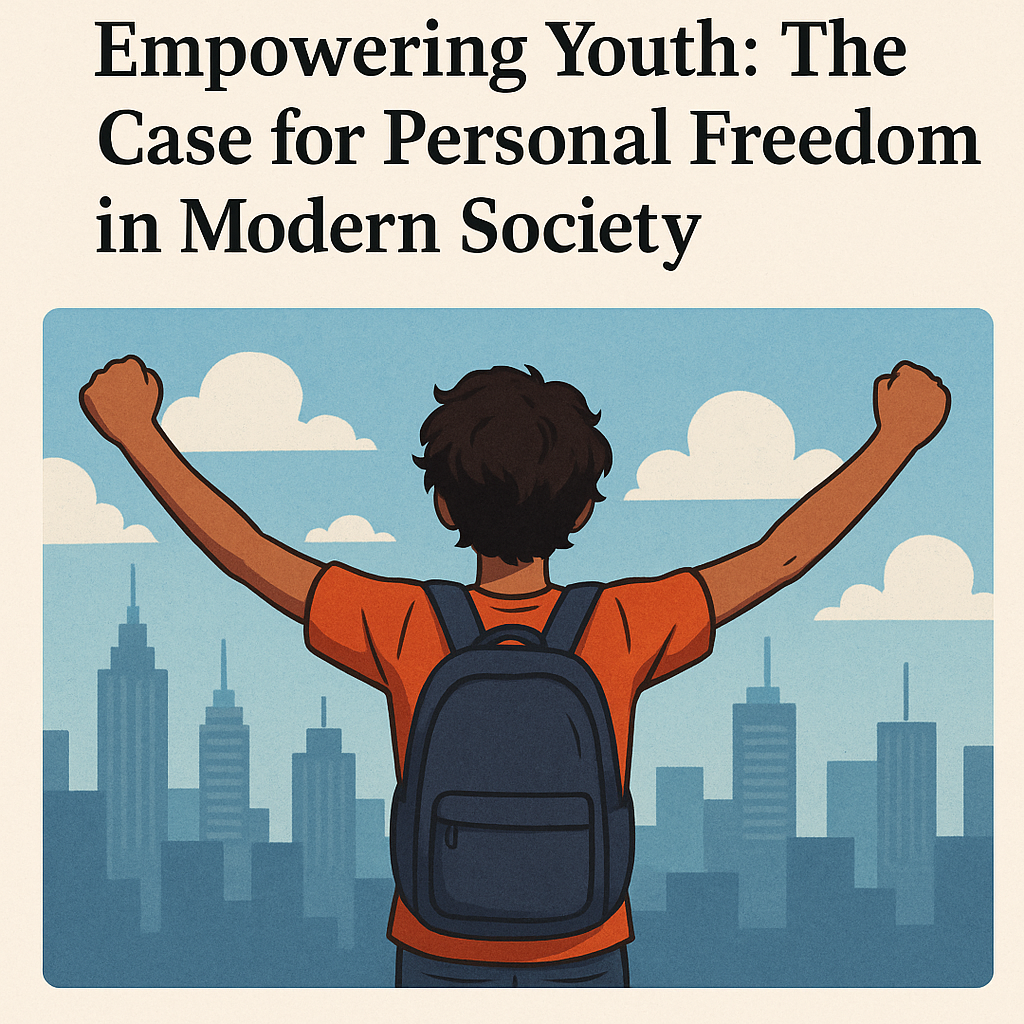
In modern society, the debate surrounding personal freedom often centers on balancing individual rights with societal order. Yet, for the youth—our future architects—a fundamental consideration must be the empowerment through personal liberty. Advocates argue that fostering a culture where young people can explore their identities, make autonomous choices, and engage responsibly with society is crucial for cultivating innovative thinkers and resilient citizens. This perspective aligns with the insights of Friedrich Hayek, who emphasized that economic and personal freedoms are essential for societal progress. Restrictive paradigms risk stifling the entrepreneurial spirit and critical thinking essential to a thriving democracy and economy.
Furthermore, critics of excessive regulation contend that personal freedom nurtures self-reliance and personal accountability among youth. When young individuals are given space to navigate their ambitions—whether through entrepreneurial ventures, creative pursuits, or political activism—they develop a sense of ownership over their choices. This autonomy is not without its challenges, but history demonstrates that societies which prioritize individual liberty often outperform those burdened by overreach. As James Madison famously noted, “The future belongs to those who learn more skills and combine them in creative ways.” Empowering youth with the freedom to experiment and learn from failure fosters resilience and a mindset treasured by economic analysts like Milton Friedman.
However, the importance of personal freedom must be balanced with societal responsibility—an aspect often overlooked by critics who equate liberty with reckless behavior. Responsible freedom involves educating youth about the consequences of their decisions and fostering a culture of respect, hard work, and integrity. Policies aimed at empowering young people should thus promote self-determination alongside civic responsibility. The challenge for modern policymakers is designing frameworks that safeguard individual rights while cultivating ethical maturity. This nuanced approach aligns with the ideas of Alexis de Tocqueville, who observed that liberty and responsibility are intertwined threads in the fabric of democratic societies.
Ultimately, the pursuit of personal freedom in youth is an investment in the boundless potential of human ingenuity. As society stands at the crossroads of technological innovation and cultural evolution, the true measure of progress will be how well we nurture the spirit of independence in our young generations. They are the architects of a future where Liberty is not merely a word etched in history but a living, breathing endeavor shaping new horizons. The path forward calls for a profound understanding: that in empowering youth, society is forging a mighty vessel—capable of navigating turbulent waters, guided by the luminous compass of individual liberty. The question remains: will we harness this power with wisdom or let it be drowned in the tides of overreach? In the grand theater of history, it is the spirited pursuit of freedom that lights the way for generations yet unborn, promising a future where human potential is unleashed in its most magnificent form—an eternal testament to the indomitable human spirit.”

In recent days, social media platforms have been awash with rumors claiming that a recent shooting incident was staged. These claims have quickly spread among audiences eager for transparency, but it’s crucial to scrutinize such assertions with rigorous investigation. The narrative suggesting that the event was fabricated hinges on a series of claims circulated online, but a thorough review of available evidence reveals a far different reality.
One of the main pieces of evidence cited by proponents of the staged shooting theory is the claim that witnesses and victims appeared uninjured or that official reports lack consistency. These assertions, however, overlook the complexities of trauma response and medical treatment in active crisis situations. Medical experts, including Dr. Lisa Roberts, trauma surgeon at the National Emergency Medical Association, emphasize that injuries can vary massively, and appearance alone does not determine authenticity.” Similarly, law enforcement officials have repeatedly stated that investigation records, witness testimonies, and medical reports confirm that injuries correspond with the incident reported.
A critical part of the misinformation centers around alleged anomalies in surveillance footage and photographs. Social media users argue that visual inconsistencies suggest staging, but these claims are misleading and often based on misinterpretation or selective analysis. Media verification organizations, such as FactCheck.org and Snopes, have examined these visuals and found no evidence of manipulation concerning the core events of the shooting. The images in question frequently lack context, are cropped or altered, and are sometimes misrepresented to fit a narrative. As experts highlight, digital images can be ambiguous and require meticulous forensic analysis to credibly verify authenticity, something thoroughly conducted by law enforcement agencies involved in the investigation.
Finally, claims asserting that official reports are based on false information are contradicted by multiple credible sources. The Department of Justice and local police departments have conducted independent investigations, releasing detailed reports that document the timeline, the individuals involved, and the evidence collected. Independent investigative journalists and forensic analysts have confirmed the consistency of these data with eyewitness accounts, security footage, and physical evidence. Misinformation thrives on the appeal of conspiracy narratives, but they often dissolve under rigorous scrutiny and expert analysis, which overwhelmingly supports the legitimacy of the incident.
In the digital age, it is paramount for responsible citizens to distinguish between verified facts and misleading claims. While skepticism is healthy in a democracy, it must be grounded in evidence, not speculation or cherry-picked pieces of questionable analysis. As institutions and experts continue to evaluate the facts surrounding this incident, it becomes clear that accusations of staging are unfounded and distort the truth. Upholding transparency and fact-based reporting are vital to maintaining trust in our institutions, ensuring accountability, and fostering an informed and resilient society. The pursuit of truth isn’t just about accuracy—it is the foundation upon which democratic principles stand.


