
TRENDING NEWS





Truth Over Trends, always!
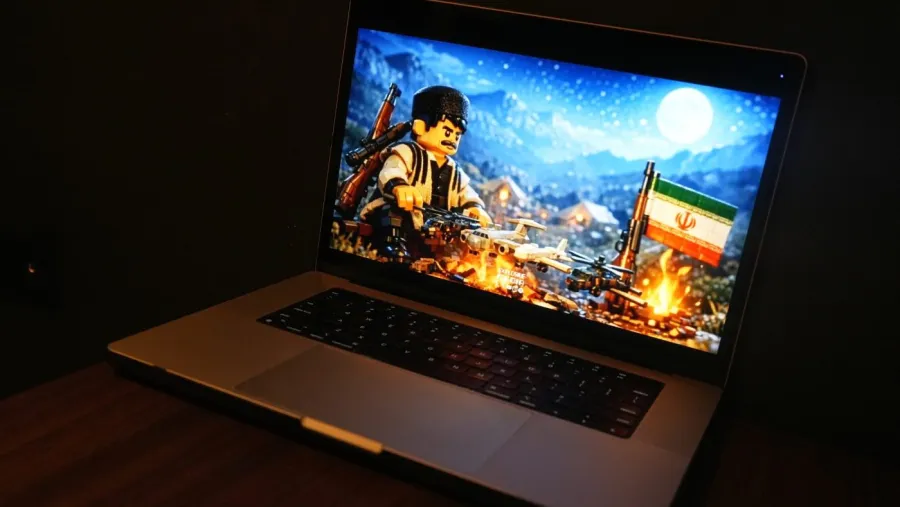
In the evolving landscape of international conflict, Iran’s strategic deployment of social media underscores a significant shift in how states project power and influence. Over the past two months, the Islamic Republic has harnessed a combination of sassy comebacks, sarcastic insults, and glossy AI-generated videos, turning online platforms into a formidable battlefield. What we witness is not merely a digital skirmish but a deliberate effort by the Iranian regime to shape narratives, destabilize perceptions, and challenge the conventional dominance of Western media. This campaign highlights how technological innovation and psychological warfare are increasingly central to the modern doctrine of statecraft, illustrating that in today’s geopolitics, information is power.
Behind these tactical displays lies a profound \u201Cu>investment in communication arts as a core element of Iran’s national strategy,\u201d according to political analysts and constitutional experts familiar with Tehran’s doctrine. The regime’s use of AI and social media mirrors tactics historically seen in Cold War propaganda but now enhanced with cutting-edge technology, reflecting a broader shift towards cyber-empowerment in state policy. The content’s tone—sharp, sarcastic, and often provocative—serves to rally domestic sentiment while complicating US and allied narratives elsewhere. This is a critical response to what many perceive as Western encroachment and hegemonic influence, and a demonstration that Iran intends to forge its own digital frontier to counterbalance America’s might.
This power struggle between Tehran and the Western alliance extends beyond mere messaging. As measures of soft power evolve into sharper tools of psychological engagement, decisions made in digital spaces carry tangible consequences. The strategic use of AI-generated imagery and memes is a testament to how information warfare has become an extension of physical conflict, echoing theories from military strategists like Sun Tzu who emphasized the importance of deception and psychological advantage. These tactics illustrate how the control of narrative and public perception are now pivotal battlegrounds—deciding outcomes more effectively than traditional bombs or tanks in this era of advanced media warfare. Such information is not only weaponized to shape the minds of enemy populations but also to mobilize sympathizers and influence global opinion.
Ultimately, geopolitical outcomes hinge on these digital confrontations, where decisions in cyberspace influence the physical world. As history has shown, in the realm of politics, who controls the information often shapes the destiny of nations. Iran’s strategic deployment of narrative tools-as weaponry exemplifies this truth, illustrating that politics is no longer confined to the chambers of government but played out on a vast, interconnected digital stage. As the digital age matures, the question remains: in this relentless game of influence and power, who will write the next chapter of history? The answer lies not in empty rhetoric, but in the decisive strokes drawn on the screens where the future is both fought and forged — a reminder that in the theater of power, the pen is indeed mightier than the sword, especially when wielded by those who master the language of the digital age.
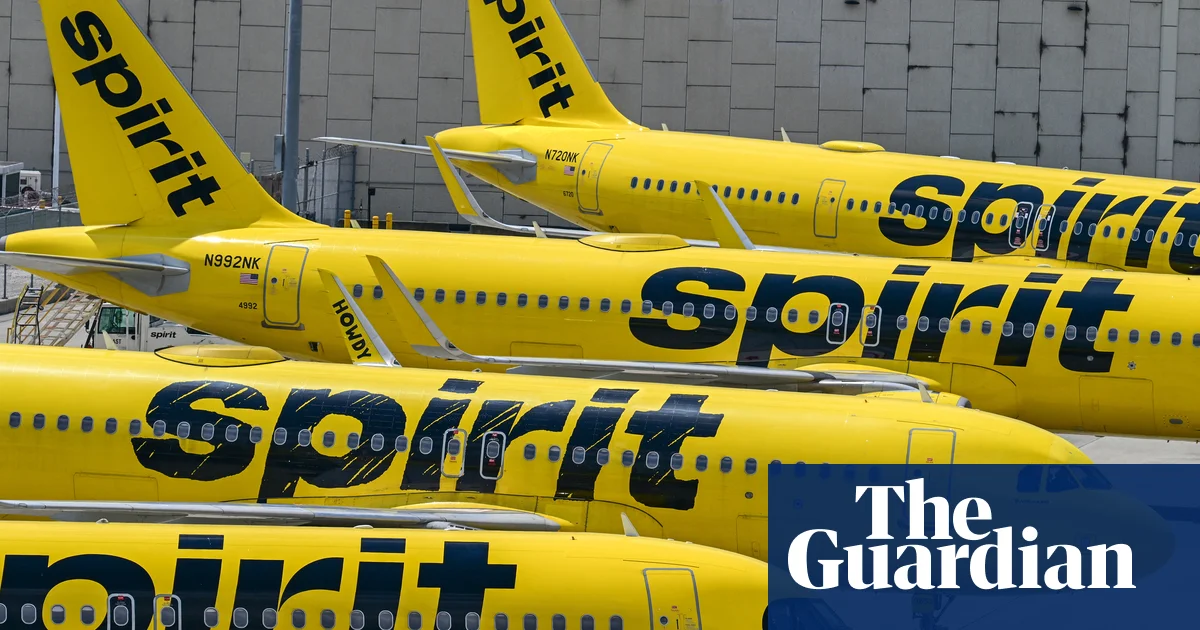
In a move that sent shockwaves through the aviation industry and ignited a fierce political debate, Spirit Airlines, a once-prominent low-cost carrier known for its bright yellow planes and budget-friendly fares, abruptly ceased all operations in early May 2026. After 34 years of serving travelers across the US, Latin America, and the Caribbean, the airline’s sudden shutdown left thousands of passengers stranded and thousands more facing the loss of affordable travel options. At the height of the chaos, the airline issued a stark warning: “If you have a flight scheduled with Spirit Airlines, don’t show up at the airport; there will be no one here to assist you,” signifying the end of an era for a company that had been a staple for cost-conscious travelers seeking to avoid the skyrocketing fares of legacy carriers.
The collapse of Spirit Airlines marks a pivotal moment in the global geopolitics of aviation, illustrating the unpredictable consequences of intertwined economic forces, regulatory decisions, and international conflicts. Analysts point to a confluence of factors that led to the airline’s downfall, notably the skyrocketing jet fuel prices driven by the ongoing war in Iran, which nearly doubled the cost of fuel—an essential component of airline operations. Federal and industry experts believe the company’s financial difficulties were exacerbated by a history of bankruptcy filings and their inability to secure liquidity in a climate of rising expenses. According to aerospace economist Dr. William Charles, such a confluence of economic pressures highlights the fragility of budget airlines operating in an increasingly volatile global economy, where geopolitical conflicts ripple through markets and threaten the survival of even the most agile competitors.
Adding fuel to the fire was the political tug-of-war over a proposed merger with JetBlue. The Biden administration, citing concerns over increased fares and reduced competition, blocked the $3.8 billion sale—a move that critics argue was a critical missed opportunity to rescue Spirit from collapse. Republican voices, led by figures like Thomas Massie, accused the federal government of interventionist overreach, claiming that the Biden administration’s actions—using agencies like the Department of Transportation and the DOJ—had directly contributed to Spirit’s demise. Such partisan debates underscore how decisions at the highest levels of government have materialized in tangible societal impacts: loss of jobs, diminished consumer choice, and the decay of affordable travel. This scenario reaffirmed the analysis of international observers who warn that geopolitical stability directly influences the health of industries like aviation, where fuel prices, regulatory frameworks, and international treaties shape operational realities.
As the dust settles on this chapter of American aviation history, the loss of Spirit Airlines stands as a stark reminder of how fragile economic and geopolitical stability truly is. The airline’s sudden disappearances from hubs such as LaGuardia Airport serve as an ominous portent for a sector increasingly vulnerable to external shocks. Historically, airlines have been seen as more than just carriers—they are economic barometers and symbols of national connectivity. Their collapse reflects broader societal shifts, exposing the weaknesses of regulatory overreach and highlighting how global conflicts can have ripple effects extending far beyond the battlefield. The coming days will determine whether this moment signals a new era of consolidation, government intervention, or a broader crisis of capitalism—yet the weight of history presses heavily on all who watch, for seldom do these stories end quietly, and the future remains unwritten, fraught with uncertainty and the promise of upheaval.

In an era driven by rapid technological innovation, Tovala emerges as a key player transforming the meal delivery and kitchen appliance landscape. Combining automated meal kits with a smart countertop oven, Tovala exemplifies how integration of hardware and software can redefine consumer convenience and business models. This approach signals a broader shift towards disruption of traditional food services, leveraging automation, data-driven menu customization, and cutting-edge appliance design.
Particularly noteworthy is Tovala’s innovation in automated meal preparation. Its oven, endowed with precise temperature control, steaming capabilities, and an intuitive app, exemplifies how smart kitchen technology is shifting the boundaries of home cooking. Unlike conventional ovens, Tovala’s device offers programmed recipes that simplify complex cooking tasks, cutting down preparation time while maintaining quality. The integration of AI algorithms with user preferences and nutritional data forecasts a future where personalized, instant meal creation will become commonplace, potentially disrupting food industry giants and traditional grocery chains.
By offering a combination of subscription meal kits, automated cooking, and a scalable appliance platform, Tovala represents a new business paradigm—one focused on customer-centric, data-driven product development. Its weekly offering of 45+ meal options, coupled with innovative features such as gluten-conscious choices and lab-tested safety, illustrates an adaptive model that caters to diverse consumer needs. Experts from Gartner highlight that such integrations foster *entry barriers* for incumbents, as their reliance on traditional supply chains and brick-and-mortar outlets may become less relevant in a landscape favoring personalized, on-demand solutions.
Beyond consumer convenience, Tovala’s model exemplifies a broader trend of disruption in the food tech space. Automation and AI-driven personalization are set to challenge established food service players and grocery giants, who may be forced to adopt similar smart technologies or face obsolescence. Industry analysts warn that this shift underscores a market transformation where agility and innovation are essential for survival. Startups like Tovala are leveraging hardware-software synergy to craft a competitive edge, in line with visions articulated by industry leaders such as Elon Musk and Peter Thiel, who emphasize the importance of integrating disruption and innovation across value chains.
Looking forward, the widespread adoption of such disruptive kitchen technologies portends an accelerated shift towards fully integrated smart kitchens. As MIT researchers highlight, future kitchens could become autonomous ecosystems, capable of precisely managing nutrition, waste, and energy consumption. For entrepreneurs and investors, the message is clear: prioritize innovation now. The companies that succeed will be those who harness data, AI, and hardware integration to deliver consumer experiences that are more personalized, efficient, and scalable than ever before.
In conclusion, Tovala’s approach signals an urgent call to industry incumbents: the time for complacency is over. As the lines between hardware, software, and food technology blur, the winners will be agile companies able to disrupt the conventional food-service model. For young entrepreneurs and investors alike, recognizing this convergence offers immense opportunities—but only if innovation is embraced with urgency and a clear eye on future market shifts.
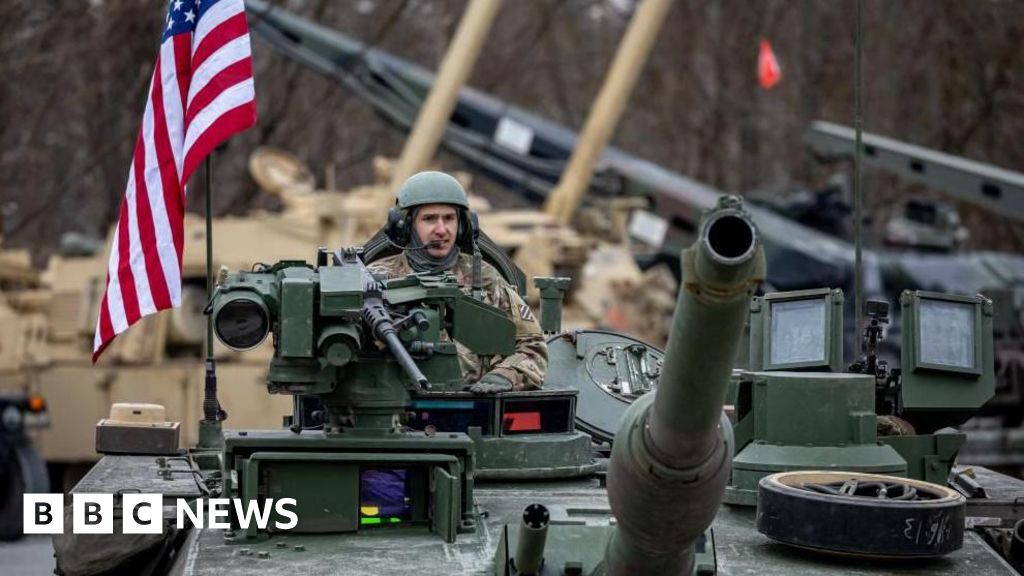
The recent announcement by Germany’s Defence Minister Boris Pistorius that the United States plans to withdraw 5,000 troops from Europe has sent ripples through the geopolitical landscape. Pistorius remarked that this decision was “to be expected,” highlighting a shift in U.S. military strategy amid evolving international priorities. This move signals a potential recalibration of America’s global military footprint, with far-reaching implications for NATO and the security architecture of the European Union.
The US’s decision to draw down its presence in Europe comes at a critical juncture. Analysts point to a broader reassessment of U.S. commitments overseas, especially in the context of increasing challenges posed by China’s rise in the Indo-Pacific and disruptions within U.S.-Russia relations. Experts from institutions like the Council on Foreign Relations warn that such troop reductions could weaken the collective deterrence of Russia and embolden aggressive postures from Moscow. In particular, the status of NATO’s eastern flank, long a bulwark against Russian expansionism, now faces uncertainties as Washington shifts its focus away from traditional European security concerns.
Key events underscore the gravity of this development:
The next chapter in this unfolding saga will undoubtedly shape the continent’s security future. While President Joe Biden’s administration defends the move as part of a broader strategic realignment, critics warn that this reduction could signal a weakening of the Western alliance at a time when Russia remains assertive, and China continues to challenge Western dominance. Historically, shifts in military commitments have often precipitated or foreshadowed broader geopolitical confrontations; some argue this is yet another chapter in the ongoing struggle for global influence. As nations grapple with their responses, the question remains: is Europe prepared to shoulder more of its security burden, or are we witnessing the beginning of a strategic vacuum?
In conclusion, the decision by the United States to withdraw thousands of troops from Europe is a stark reminder of the shifting sands of global power. As history unfolds, the continent stands at a crossroads — caught between the fading echoes of Cold War fears and the emerging realities of 21st-century geopolitics. And as every decision reverberates across borders and generations, the weight of the future presses ominously on the present, leaving a stark question hanging in the air: how will this new balance of power redefine the world we live in?

In recent years, a captivating shift in fashion norms has emerged that challenges traditional notions of daywear. The trend isn’t just about throwing on pajamas during daylight hours; it’s about reinventing a timeless aesthetic with a contemporary twist. Fashion enthusiasts and influencers now elevate this concept by pairing delicate nightwear pieces with casual staples such as T-shirts or silky bombers. The result? A look that is both rebellious and refined, blurring the lines between comfort and style. As trend analysts note, this style embodies a broader societal move towards embracing authenticity and individual expression.
This evolution in fashion isn’t happening in a vacuum. It reflects a distinct cultural narrative of breaking away from formal dress codes and societal expectations. Influencers like @FashionRebel on platforms such as Instagram advocate for confident self-expression, emphasizing that sometimes, the key to modern chic lies in simple audacity—like wearing a nightdress outside the bedroom. Additionally, sociologists observe that this trend signifies a broader undercurrent of decentralizing traditional femininity and rediscovering comfort as a form of empowerment. The addition of a classic accessory—such as a slick of lipstick—reinforces a message: this look is deliberate, bold, and capable of commanding attention in any social setting.
Fashion brands have swiftly caught on to this cultural shift. The latest collections feature slip dresses and satin items paired effortlessly with streetwear staples, seamlessly merging luxury and leisure. It’s a trend that invites young consumers to redefine what is considered stylish; comfort and audacity are no longer mutually exclusive. Experts suggest that this style signifies a desire for unfiltered self-expression, challenging the conventional boundaries of formal and casual.
As this trend continues to gather momentum, the question becomes: where does it go from here? Will nightwear-inspired fashion evolve into a fully-fledged subculture, or will it integrate further into mainstream wardrobe staples? Influential voices like Sociologist Dr. Emily Carter argue that these shifts signal a larger societal movement towards valuing authenticity and comfort over rigid aesthetic standards. The next big question is whether this melting pot of comfort, rebellion, and high fashion will push society towards a post-conventional sense of style—one that warrants continuous exploration. Ultimately, this trend asks the broader question of how fashion can be a mirror of societal change, and just how far society is willing to take the idea of dressing for oneself before it becomes a revolutionary act.

The story of Andy Kershaw is a testament to the transformative power of curiosity and authenticity in a world saturated with convention. Beginning his career in the mid-1980s, Kershaw swiftly emerged as an iconic voice on British radio, known for his bold opinions and eclectic tastes. His unorthodox approach—venturing beyond the familiar sounds of mainstream rock—resonated deeply with a generation eager for genuine discovery. Unlike the typical playlist curated by record labels, Kershaw instinctively sought out music from deprived corners of the world—Haiti, Mali, Pakistan—places where rhythm and culture intertwine to form an unapologetic expression of life itself. His mission was clear: to give people “not what they wanted, but what they didn’t know they wanted,” inspiring countless to broaden their horizons and embrace _the richness of global diversity_.
In the spirit of true explorers, Kershaw exemplified an _emergent lifestyle shift_—one that champions _wellness through exposure to new cultures and experiences_. His travels were not mere vacations but profound immersions that shaped his worldview. He ventured into places often overlooked by the mainstream media, reporting from conflict zones and bringing to light stories that challenged injustice and enlightened his audience. His work, especially during tumultuous times such as the Rwandan genocide and Thailand’s Red Shirt protests, reflected a _core desire to understand and share the human story_. Such experiences underscore the vital connection between _personal growth_ and _embracing discomfort_—a philosophy that modern wellness advocates increasingly endorse as a key to resilience and true vitality.
Kershaw’s evolution from a spirited DJ to a fearless war correspondent underscores a _life dedicated to meaningful pursuits_. His memoir, “No Off Switch,” chronicles a relentless quest for authenticity—an outlook that extends from his professional endeavors to his personal journey. Despite hardships, including a turbulent period marked by addiction and legal struggles, Kershaw managed to regain his footing, demonstrating that _embracing vulnerability is integral to _living with purpose_**. His return to the BBC, hosting documentaries and podcasts, highlights a _commitment to storytelling that educates and inspires_. Such an approach invites a _younger generation_ to see _lifestyle as a reflection of values_, placing health, curiosity, and resilience at the forefront of personal evolution.
As his story unfolds—a narrative woven with _passion for discovery_, _resilience in adversity_, and _dedication to truth_—it leaves a lingering echo: the call to live with _intent and authenticity_. The life of Andy Kershaw underscores that lifestyle is not merely about leisure but a deliberate journey towards _self-awareness and cultural understanding_. In this journey, each step taken beyond comfort zones nurtures _strength and empathy_, shaping a future where we define ourselves not by the limitations imposed but by the bounds we dare to break. For the modern youth eager to forge their path, his legacy echoes: embrace exploration, seek truth, and live hearts open, for in doing so, life becomes an unending adventure of the soul.
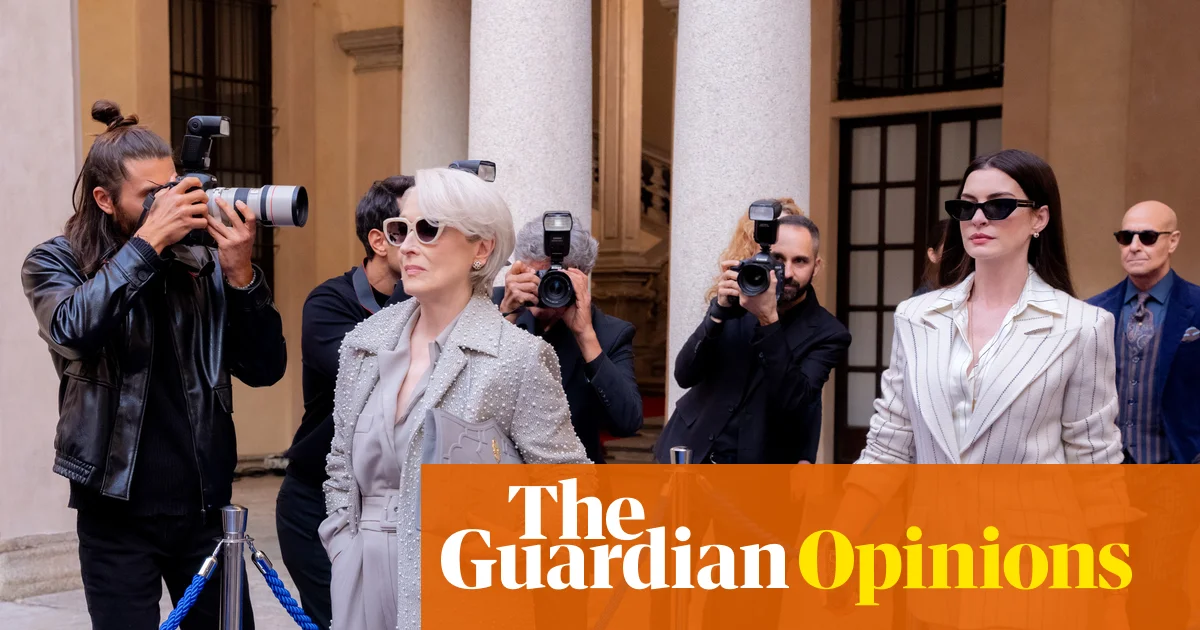
In the spectacle of modern cinema and fashion, culture has become both a mirror and a canvas for societal ideals and anxieties. The recent trajectory of the franchise The Devil Wears Prada—notably its sequel—serves as a case study in how Hollywood’s portrayal of body image reflects broader cultural shifts. When Meryl Streep and Anne Hathaway publicly hinted at championing body diversity during their press tour, it seemed like a promising sign of progress. Yet, as the film itself reveals, what appears as an embrace of inclusivity often dissolves into mere symbolic gestures, falling short of genuine change. The superficial references to plus-size models and the sparse acknowledgment of weight-loss drugs serve as reminders that the entertainment industry still oscillates dangerously between superficiality and sincerity.
Historically, the evolution of body image in popular culture has reflected the oscillation between aesthetic ideals and moral judgments. From the relentless body-shaming of the noughties, where cellulite and sagging knees became national spectacles of mockery, to the contemporary flirtation with body positivity, society has grappled with the tension between conformity and authenticity. The shift towards inclusivity, marked notably by figures like Ashley Graham on Vogue covers and Chanel casting above a UK size 8, mirrored a hope that the cultural narrative was changing. However, recent data reveals a stark reversal: runway shows and retail sectors now predominantly favor the almost skeletal standard of thinness. As cultural critic G.K. Chesterton observed, “The most incredible thing about censorship is that it always suggests something worth hiding.” Today, a similar censorship manifests through the industry’s retreat from true body diversity, substituting it with tokenism that ultimately sells the illusion more than genuine representation.
This recurring pattern is compounded by the commodification of health and body transformation through innovative yet controversial avenues such as weight-loss drugs. Originally crafted to assist diabetics, medications like Ozempic have been co-opted as fashion accessories in Hollywood, their unbranded pens glaringly featured in glossy editorials. This phenomenon underscores a disturbing trend: the conflation of thinness with success and desirability, a symbolic indicator of status in our culture. The philosophical undercurrent here echoes Ortega y Gasset’s assertion that “Life is the conflict between the ideal and the real,” revealing society’s persistent struggle to reconcile aspirational beauty with the authentic health of the individual. The combination of glamorous red carpet appearances and marketing that derides or ignores the diversity of human bodies demonstrates how superficial gestures often obscure the deeper societal malaise—an obsession with image that ultimately impoverishes our collective identity.
As we contemplate this landscape, it becomes clear that culture is the living memory of mankind and the prophecy of what we might become. The superficiality of current trends may suggest defeat in the face of an ideal body or authentic representation, yet beneath these fleeting illusions lies the enduring human desire for genuine identity—the acknowledgment that our bodies, with all their imperfections, are the living testament to our history, our struggles, and our hopes. To truly forge a society that honors both our memory and our potential, we must look beyond the glossy façades and recognize that culture is not merely what we see, but what we remember and dream together—an eternal dialogue between who we are and who we aspire to be.
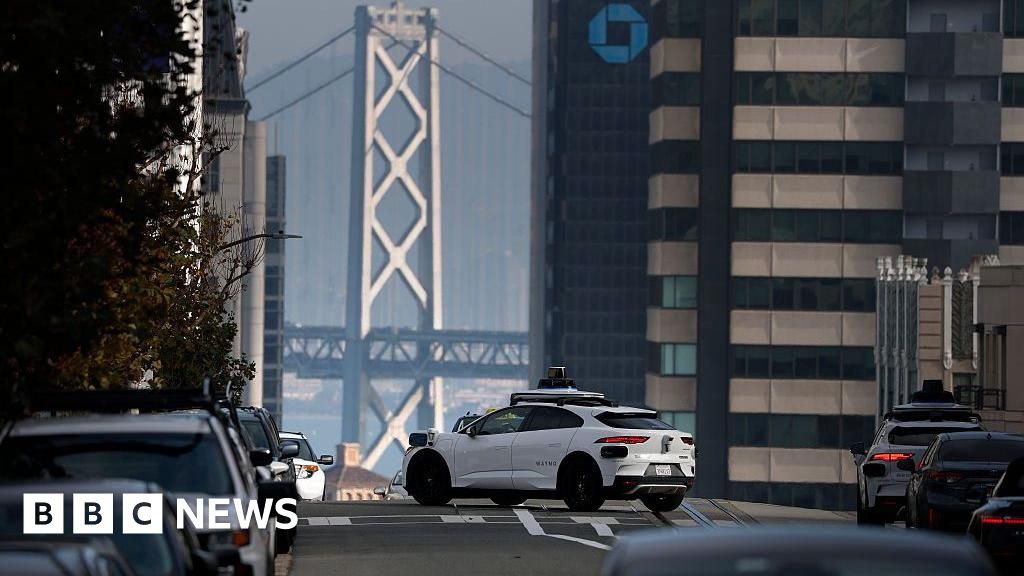
In a significant development that underscores the evolving landscape of urban mobility and law enforcement, authorities in several nations are now implementing a groundbreaking policy allowing police to issue tickets directly to the manufacturers of autonomous vehicles. This shift in regulatory approach reflects both the rapid integration of artificial intelligence-driven transportation and the pressing need to hold the tech corporations accountable for their role in public safety. The legislation, passed in various jurisdictions, marks a decisive turning point in how governance addresses the challenges presented by self-driving cars, which have increasingly become fixtures on modern roads.
Under these new rules, if an autonomous vehicle commits a traffic violation, the police are empowered to initiate legal action against the vehicle’s manufacturer. This policy shifts the traditional paradigm where individual drivers faced the consequences of their infractions. Instead, the responsibility is now placed at a corporate level, compelling manufacturers to ensure their systems operate within legal bounds. While critics argue this could undermine individual accountability, international transit authorities and security analysts view these measures as essential for reinforcing the safety standards needed in an AI-powered era.
The geopolitical impact of this policy extends beyond national borders, signaling a broader shift toward holding global tech giants responsible for the safety of their products. As countries such as the United States, China, and European nations ramp up efforts to regulate autonomous vehicles, the balance of power becomes increasingly intertwined with the regulation of AI technology. International organizations, including the United Nations Economic Commission for Europe (UNECE), are contemplating unified standards to prevent regulatory arbitrage, where corporations may exploit lax rules in certain jurisdictions to reduce compliance costs. Such measures bear profound implications for international trade and diplomatic relations, as nations vie to establish global dominance in AI and automotive innovation.
Historian and policy analysts warn that these developments could have a lasting impact on societal perceptions of responsibility and authority. “We are witnessing a fundamental redefinition of accountability,” states Dr. Elena Morales, a leading expert in technological law. How societies adapt to these policy shifts will determine future legal frameworks and cultural attitudes toward autonomy and safety. The increasing reliance on corporate responsibility raises questions about consumer protection and the judicial processes that will oversee transnational cases involving technological failures or accidents. This transition, fraught with legal ambiguities and political contestation, signals that we are only at the beginning of a long, complex journey toward integrating AI seamlessly into everyday life.
As the world watches, history is quietly being written in these minute legislative changes—a chapter where the lines between human and machine responsibilities blur sharply. The stakes are high: the decisions made today will ripple through generations, shaping the future of mobility, global governance, and societal trust in technology. With each ticket issued to a manufacturer, the fabric of how nations enforce laws and uphold safety norms transforms—a silent yet powerful reminder that the course of history is often determined by the decisions of today. The unfolding story of autonomous vehicles is a testament to the relentless march of progress, and with it, the enduring weight of a society wrestling with the delicate balance between innovation and accountability.
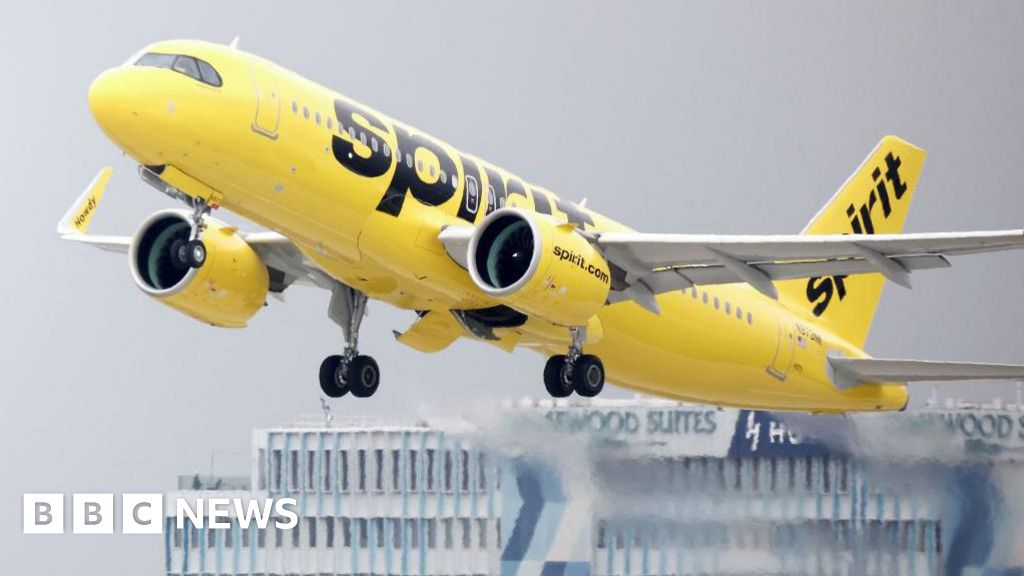
In a dramatic turn of events, the United States government’s initial plan to acquire up to 90% of a major airline’s ownership was met with fierce opposition from across the political and financial spectrum. The proposal, aimed at rescuing a struggling airline amidst ongoing economic uncertainty, had envisioned the federal government effectively becoming the majority stakeholder, positioning itself as a key player in the airline’s future. However, this approach ignited controversy not only among Wall Street financiers but also within Capitol Hill, revealing the underlying tensions between government intervention and free-market principles that have long defined American economic policy.
Transportation Secretary Sean Duffy’s remark that such a rescue would amount to tossing “good money after bad” underscored the skepticism surrounding the plan, emphasizing concerns that government funds could ultimately prove futile or even detrimental. Analysts warn that such a move might set a dangerous precedent, undermining decades of economic doctrine advocating for minimal government interference in private enterprise. This stance found support among various industry stakeholders and political leaders, who voiced fears that a government-led takeover could distort market dynamics, stifle competition, or burden taxpayers with unsustainable liabilities.
Furthermore, the opposition was not confined to domestic elites. International institutions and foreign policymakers closely watched the unfolding debate, aware of the geopolitical implications of such a heavy-handed intervention. As the global economy remains fragile, international analysts warn that a precedent of federal control over a major airline could encourage similar actions elsewhere, inviting questions about sovereignty, free enterprise, and the balance of power between government and private sector players in shaping global commerce. These concerns are raised by experts at the International Monetary Fund and World Economic Forum, who caution that unpredictable government bailouts could induce instability in broader markets.
As the debate rages, historians and political pundits reflect on the broader significance of the proposed bailout. Some view it as a symptom of a deeper crisis—the erosion of individual economic freedoms and the retreat from an open, competitive market model. Others perceive it as a litmus test for the resilience of American capitalism amid ideological battles that question whether government should act as a safety net or a reckless actor risking long-term societal costs. These decisions are poised to leave a lasting mark—not just in economic charts, but in the very fabric of national sovereignty and societal trust.
In the end, the broader narrative remains unwritten. The unfolding drama over this airline bailout is more than a single policy dispute; it reflects the relentless tug-of-war between visionaries seeking government control and defenders of free enterprise. As history continues to unfold, one question looms large for the nations of the world: what is the true cost of risking core principles for the illusion of stability in times of chaos? The answer, as this chapter warns, may well determine whether the era of free markets survives the tide of governmental overreach or is forever reshaped by the imperatives of political expediency.
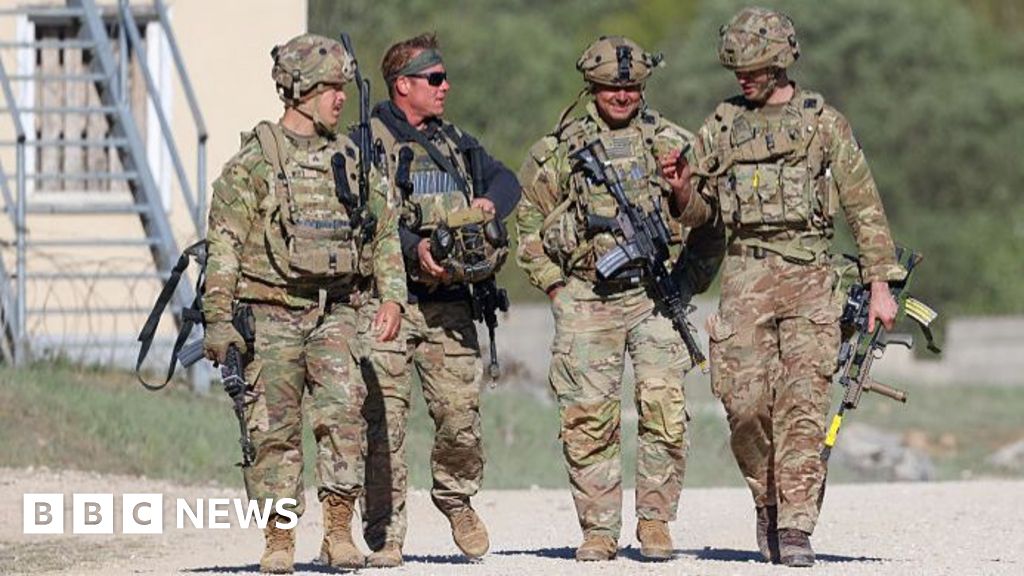
The recent decision by the United States to decrease its military deployment to Germany marks a significant shift in transatlantic relations amid an escalating dispute over Iran’s nuclear ambitions. This move, announced amidst rising tensions over Iran’s nuclear program and regional influence, signals a potential realignment of American military priorities in Europe. Analysts are closely watching this development as it underscores the complex interplay between **US foreign policy**, **NATO cohesion**, and **regional security architectures**. Historically, the stationing of American forces in Germany has been a cornerstone of Cold War geopolitics, but recent strategic recalibrations suggest a pivot toward a more conditional engagement in Europe.
The decision comes after prolonged diplomatic friction between **the US and Germany**, exacerbated by disagreements over Iran. Washington accuses Berlin of insufficient cooperation in curbing Iran’s nuclear activities and regional ambitions. These tensions are underscored by the broader context of **US efforts to apply maximum pressure on Iran**, including sanctions and diplomatic isolation, aimed at preventing nuclear proliferation. In response, **Berlin** has emphasized diplomatic engagement and has been cautious in aligning fully with Washington’s hardline stance. The divergence reflects a broader **geopolitical realignment**, where European nations are balancing their traditional alliance commitments with their own strategic interests in the Middle East.
As the United States diminishes its military footprint in Germany, the geopolitical implications are profound. The redeployment may impact NATO’s operational unity at a time when **russo-European tensions are at a peak**, and China’s expanding influence looms large. International scholars, including policy analysts from the International Institute for Strategic Studies (IISS), warn that the reduction could create power vacuums, which might embolden adversaries and weaken collective defense. Decisions made today will shape the balance of power for decades to come, and many believe it signals a shift from Europe-centered security to a more multifaceted, contested global order.
This move also sends a signal about the **future of US commitments** in Europe, and whether allied nations can sustain the defense arrangements that have underpinned European stability since the Cold War. Germany and other NATO members face mounting questions about their own defense capabilities and resolve. As the strategic landscape evolves, tumultuous challenges—ranging from the *Iranian threat* to the *rising influence of China and Russia*—demand solidarity and clarity from global powers. The stakes are enormous, and with international tensions fraught, history’s most pivotal moments often arise from the decisions made in these quiet corridors of power.
Ultimately, the decision to scale back US troops in Germany amid the Iran saga underscores a vital truth: the world stands at a crossroads of history, where the choices made today will reverberate through generations. As analysts warn of a potential reshaping of alliances and the emergence of new threat landscapes, the global community remains on the precipice of change. The echoes of the past—cold war confrontations, diplomatic crises, and shifting alliances—resound in today’s strategic calculus. The future of global security hangs in the balance, and only time will reveal whether these tentative steps toward recalibration will forge a new era of stability or unwittingly unlock Pandora’s box of chaos.


