Matox News

Truth Over Trends, always!

12 Game-Changing Laundry Hacks Every Young Rebel Needs to Tackle Chores with Ease | Life & Style

In the pursuit of embracing a more sustainable, intentional lifestyle, many young people are rethinking traditional laundry routines—opting for smarter, eco-friendlier choices that make a personal impact on health, leisure, and even home aesthetics. The modern laundry enthusiast is increasingly prioritizing quality over quantity, seeking products and habits that align with a wellness-focused worldview while still maintaining efficiency and style. From investing in durable clothespins to modernizing washing machines with internet connectivity, these small yet significant shifts are transforming everyday chores into moments of mindful living.

Take, for example, the rise of ash hardwood clothespins—a simple upgrade with notable benefits. Unlike standard plastic or wooden variants that discolor, stain, or rust over time, these high-quality clothespins made from ash hardwood with stainless steel springs are built to last. They grip clothes more firmly, resist weathering, and infuse the drying process with a touch of rustic charm. Julia Skinner, a celebrated lifestyle writer, extols their virtues, emphasizing that such accessories do more than just hold laundry—they embody a commitment to sustainable living. Likewise, homes are increasingly equipped with multi-section hampers—designed to revolutionize the chores of sorting laundry. By separating whites, darks, and delicate fabrics at the point of deposit, busy lives are simplified, reducing the stress of post-wash sorting and fostering better garment care.

Technology also plays a pivotal role in this lifestyle shift. The integration of Wi-Fi connected washing machines—like LG’s flagship models—exemplifies how innovation can elevate routine chores into the realm of convenience and personalization. These devices allow users to control cycles remotely via smartphone apps or voice assistants such as Alexa and Google, transforming laundry into a seamless, smarter experience. This not only reduces waste and energy usage but also encourages a more deliberate approach to home management—one that aligns with the modern appreciation for tech-driven efficiency. Similar enhancements include dedicated cleaning tablets, like Affresh, that target bacteria buildup in washing machines—preserving appliance health while safeguarding personal hygiene. This automates maintenance, ensuring every load is not just clean but hygienic, reinforcing the importance of self-care and wellness in daily routines.

Further emphasizing wellness shifts, the market now embraces environmentally conscious detergents branded as vegan, biodegradable, and highly efficient. Products like Dirty Labs Bio Enzyme Laundry Booster and Detergent exemplify this trend, combining sustainability with power. For sensitive skin, they are a kinder alternative, while their concentrated formulas highlight a philosophy of waste reduction—necessitating less product per load and minimizing packaging. Similarly, aromatic products such as Trudon wax melts offer an aromatic layer to home wellness, transforming mundane spaces into fragrant sanctuaries. Fragrance experts, including those highlighted by cultural figures like Oset Babür-Winter, confirm that such sensory experiences can uplift mood and hospitality, making daily routines more about self-encouragement than chores.

To optimize the entire laundry experience, smart accessories are increasingly popular. Items like the Singer fabric shaver and lint remover help maintain garments’ longevity, preventing pilling and textile defects while reinforcing a zero-waste ethos. When paired with containers such as reusable lavender dryer bags—a charming, aromatic alternative found at places like Trader Joe’s—the routine becomes an act of love for both fabric and planet. These small innovations contribute to a lifestyle of refinement, where sustainability is not a compromise but a personal statement crafted into daily decisions, and where modern technology gently nudges individuals toward their best selves.

As the journey of home and self-care unfolds, it leaves a lasting impression: that lifestyle is an ongoing pursuit—an act of embracing purposeful change. Every upgrade, from the simple durability of a clothespin to the intelligent control of a Wi-Fi washer, speaks of an individual eager to enhance their environment and personal wellness. In choosing products that blend efficiency with eco-consciousness and comfort, the modern youth is rewriting the narrative of chores into one of resilience, beauty, and mindful consumption. This dance with daily routines transforms them into reflective rituals, reminding us that in every act of care, there lies a subtle yet potent step towards a life truly well-lived—one where even laundry becomes an understated expression of self-respect and liberation.

Hamnet | Dissecting the Power of a Moment in Youthful Storytelling

In the intricate dance of human history, culture functions as both our collective memory and a prophetic whisper of what the future may hold. It is through the arts—be it literature, theater, or visual expression—that society finds its reflection, its struggles, and its aspirations. The recent portrayal of William Shakespeare and his poignant grief over the loss of his son Hamnet captures this dual role of culture vividly. Director Chloé Zhao’s vision, rooted in a deeply symbolic approach, underscores that what we create is inextricably linked to what we endure and transcend.

This narrative, exemplified in Zhao’s depiction, echoes the philosophical insights of thinkers like T.S. Eliot, who suggested that modern art must grapple with memory as a way to confront the chaos of the present. The use of visual symbolism—such as casting Will Shakespeare’s character arc in shades of blue, gradually draining toward gray and ash—evokes a haunting visual metaphor. It is as if life itself, with all its vibrancy and pain, is being distilled, revealing that even the most celebrated creator is vulnerable to loss and grief. The act of painting Hamlet’s hair gold with paint—rather than a wig—serves as a potent symbol that truth bleeds through our art, blurring the lines between reality and the ideal, between what is seen and what remains hidden beneath societal masks.

Culture’s enduring power lies in its ability to forge identity—binding individuals to tradition while offering a lens through which to interpret the frailty and resilience of human life. As the great philosopher Ortega y Gasset once observed, humanity’s rich tapestry depends on the continuity of shared values, stories, and artistic expressions that keep the spirit of a society alive across generations. Today, this cultural continuity faces challenge and renewal, especially through the vibrant efforts of young creators who seek to uncover and reinterpret timeless truths. In these moments, the arts become a sanctuary and a battlefield—an arena where the old fights to survive amidst the onslaught of modern alienation and superficiality.

Ultimately, history teaches us that the soul of a nation resides in its stories and symbols—anchored in memory, yet gesturing towards an unknown future. As Chesterton eloquently argued, true culture is not merely about preservation but about prophecy, about daring to envision what humanity might become. It is in the delicate layers of paint, the silent spaces of our shared narratives, that the echoes of our ancestors whisper guiding truths. Culture, therefore, remains the living fabric—both a vessel of our collective memory and a luminous prophecy of what humankind can aspire to become: a reflection that endures and a hope that persists, woven into the very essence of our existence—a silent yet resounding song of eternity.

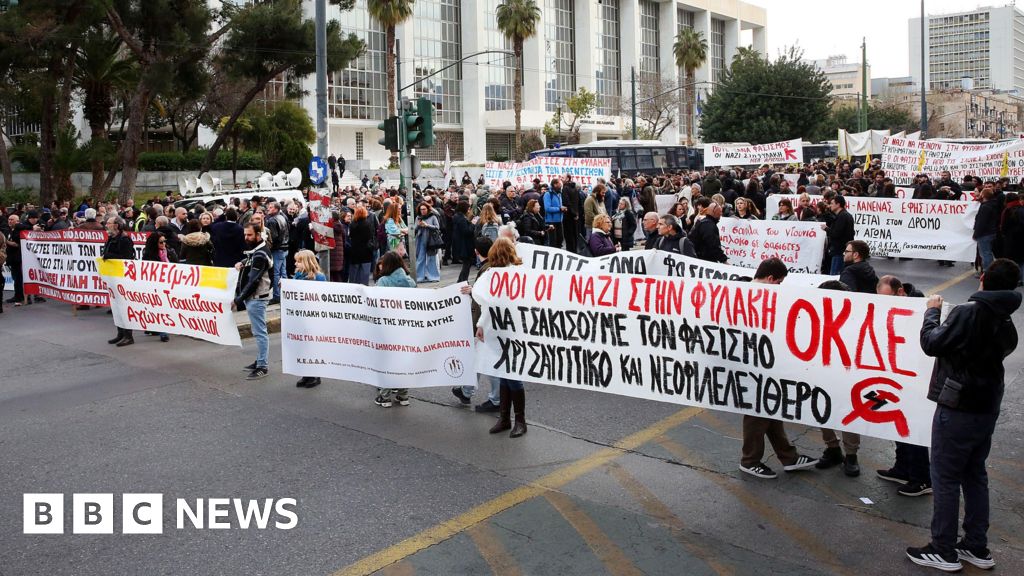
Greek Court Confirms Verdict Against Neo-Nazi Golden Dawn Group

In a significant development within Greece’s** political landscape,** recent judicial proceedings have culminated in the conviction of Nikos Mihaloliakos**,** founder of the now-infamous Golden Dawn party,** alongside several high-ranking officials. This verdict, arriving almost six years after the initial trial, underscores the persistent scrutiny faced by nationalist movements and illuminates the broader ideological battleground shaping modern Europe.

Historical analysts and international observers have long debated the implications of this case, which highlights a troubling resurgence of far-right extremism. The trial’s protracted timeline and eventual verdict reflect the complex interplay between national sovereignty and international pressure. It also brings into focus the delicate balance that European Union and European Court of Justice officials maintain as they address the rise of radicalized political factions. At the heart of this controversy lies a broader question: **How do such judicial findings transform the social fabric and geopolitical strategy of nations embroiled in ideological conflict?**

From a geopolitical perspective, these convictions resonate well beyond Greece’s borders. Historically, the resurgence of nationalist violence threatens to destabilize regional diplomacy and complicate relations with neighboring countries, especially in the volatile Balkan region. The actions taken against figures like Mihaloliakos serve as a stern warning to other extremist groups across Europe, signaling a firm stance from Greek judiciary authorities against the normalization of hate-based politics. As
international organizations such as the United Nations and the OSCE cast an eye over Greece, analysts warn that these legal proceedings could either serve as a blueprint for combatting extremism or, paradoxically, galvanize dissatisfied factions further.

Noted political commentators and historians have noted that Greece’s fight against domestic extremism is intertwined with its geopolitical identity and allegiance within the broader western alliance. The conviction of Mihaloliakos and others echoes similar narratives seen in the European Union’s broader effort to clamp down on ideologies that threaten social cohesion and security. However, critics argue that such legal actions must be accompanied by effective societal measures, lest they become mere symbolic gestures that do little to address underlying grievances and societal divisions. As history has shown, the line between justice and political leverage is razor-thin, and the stakes for Greece are nothing short of historic.

As the shadows of this verdict settle over Athens, the nation finds itself at a crossroads. The echoes of past conflicts and ideological extremes linger, yet the message from the current ruling authorities is clear: **The rule of law must prevail as the safeguard of democracy.** Still, the weight of history is relentless; as Greece continues to grapple with its internal struggles, the world must ponder how the decisions made today will shape future generations. The real test lies ahead—will this judicial victory withstand the storm of societal discord, or will it become a chapter in an ongoing saga of division and conflict? The pages of history are turning, and the story remains unwritten.

Exciting Showdown: Local High School Teams Gear Up for Championship Clash!

Race for Goals: Kane and Mbappé Chase Greatness

As the European football scene heats up, the spotlight shifts to two of the game’s most prolific scorers: Harry Kane and Kylian Mbappé. Currently, Kane is not only holding his own at the forefront of the Premier League but is also chasing the legendary Robert Lewandowski’s remarkable Bundesliga goal tally. Meanwhile, Mbappé is in pursuit of history in the UEFA Champions League, aiming to etch his name further into the annals of football greatness.

With each match, Kane has continued to solidify his reputation as one of the most lethal strikers in the game. As of now, he is just a stone’s throw from breaking Lewandowski’s record. Scoring a hat-trick against Brentford last week showcased his relentless pursuit of netting goals. “Every striker dreams of being compared to Lewandowski,” Kane stated in a recent interview. “It’s all about hard work and determination—something I strive for every day.” His current tally in the league is impressive, with 15 goals this season alone, demonstrating his ability to perform under pressure.

On the other side of the pitch, Mbappé is now focusing his efforts on the elite stage of European football. He is close to breaking records previously held by Cristiano Ronaldo and Lionel Messi in the Champions League. With several crucial assists and goals under his belt, his critical strike against Manchester City last week was not just a victory for his team but a statement of his relentless ambition. Renowned commentator Martin Tyler emphasizes, “When it comes to this young Frenchman, you can’t help but believe that he will rewrite the history books.”

  • Kane: 15 goals this season in the Premier League.
  • Mbappé: Several key assists, and pivotal performances in the Champions League.
  • Both players are not just chasing records; they’re setting the stage for the next generation.

As the season unfolds, the excitement surrounding these two athletes illustrates the profound impact of sports in our lives. Football transcends the scoreboard, uniting fans from diverse backgrounds and beliefs under one common banner. With each match, topics of rivalry and legacy are crafted not just on the pitch, but also in the hearts of millions. The chase for greatness continues, but more importantly, it reminds us all of the beautiful game that unites us every time the whistle is blown.

Source link

UK’s Iceland Stores drops fight over name with Iceland Foods, clearing the way for consumers

In a move that underscores shifting geopolitical and economic landscapes, Iceland, the UK-based supermarket giant, has announced the end of its decade-long legal battle with its namesake in Europe. This resolution, driven by pragmatic business considerations, signals more than a simple corporate decision; it is a reflection of broader international legal and commercial tensions that have begun to reshape the landscape of global branding and national sovereignty. The company’s new approach—offering discounts to Icelandic shoppers and stepping back from its legal claims—may seem minor on the surface but bears significant implications for how nations and corporations navigate identity, intellectual property, and sovereignty.

Beginning in 2016, the government of Iceland initiated legal action against the UK retailer over its use of the country’s name, challenging the supermarket’s exclusive EU trademark rights for “Iceland.” The basis for this challenge was rooted in the belief that such rights hindered domestic companies from branding their products abroad, effectively limiting their economic freedom. The EU General Court’s rulings, reaffirming that geographical names must remain accessible for public use, struck a blow to private territorial trademarks and reinforced culturally rooted notions of sovereignty over shared historical and geographical identifiers. As analyst Helen Fry notes, this legal conflict encapsulated a broader trend: “The battle over names and trademarks often reflects deeper cultural and political struggles over national identities in an increasingly interconnected world.”

With the recent legal defeat, Iceland chose to pivot rather than persist in costly litigation. In his public statement, Richard Walker, executive chairman, revealed plans to reallocate the legal funds into offering discounts—fundamentally a strategic move to foster goodwill among local consumers in Iceland. Though he expressed concern about competitors potentially exploiting the brand’s name, the decision to step away from legal confrontation signals a wider recognition of the limits of international trademark enforcement. This episode exemplifies a global trend where sovereign nations push back against corporate encroachment, asserting cultural and economic independence in the face of universal branding practices. It also underscores the importance of international legal norms, which increasingly favor the public’s right to use geographical identifiers, rather than exclusive corporate claims.

The ramifications extend beyond law and commerce, touching on core notions of identity and statehood. The European Union‘s role, through courts and regulations, is pivotal, yet it is clear that local governments and populations are asserting a renewed sense of ownership over their historical and geographical symbols. As Dr. Tomasz Nowak, a geopolitical analyst observes, “Marking the borders of cultural sovereignty on the battleground of intellectual property rights is a sign of declining influence of supranational institutions and a resurgence of national narratives. This case, though seemingly trivial, echoes larger debates about who controls the symbols of national identity in an age of globalization.”

As history continues to unfold, the resolution between Iceland and the UK supermarket chain serves as a stark reminder of how decisions over trademarks and branding are far from mere commercial disputes—they are intertwined with the deep currents of national pride, sovereignty, and cultural autonomy. In a world increasingly shaped by international treaties, court rulings, and global economic forces, the outcome of this seemingly small legal battle hints at larger shifts in how nations assert their identities amidst the relentless tide of globalization. The pages of history are turning, and the story of geographies, brands, and sovereignty remains a compelling chapter in the unfolding geopolitical narrative.

Cybercriminals hijack government iPhone hacking tools—could your phone be next?

Disruptive Developments in Cybersecurity: The Coruna iPhone Exploit Kit and Its Business Implications

Recent disclosures from Google have spotlighted a potent new threat in the cybersecurity landscape—the Coruna exploit kit. Identified first in February 2025, this suite of hacking tools has swiftly transitioned from government laboratories to the hands of cybercriminals, signaling a troubling trend that could redefine the parameters of digital warfare and private sector threat management. The kit’s appearance in multiple geopolitical and financially motivated campaigns—targeting Ukrainian users, Russian espionage groups, and Chinese hackers—illuminates the rapidly increasing sophistication and dissemination of state-backed hacking tools. This convergence of innovation and disruption underscores a fundamental challenge for security professionals: the blurring lines between targeted espionage, crime, and commercial interests.

What makes Coruna notable isn’t just its versatility but its potential to destabilize the security architecture of older iOS devices—especially those running outdated software. According to reports, components of the kit have roots in previous high-profile campaigns, such as Operation Triangulation, involving espionage efforts against Western institutions. This amalgamation of technologies indicates a new era of “secondhand exploits,” where highly sensitive government-developed frameworks are leaked, repurposed, and commercialized—potentially sparking a lucrative underground economy. As Gartner analysts warn, the proliferation of such exploits into the open market accelerates risks for enterprises and consumers alike, highlighting an urgent need for proactive cybersecurity intelligence and rapid patch deployment.

Moreover, the incident echoes recent cases such as the 2017 NSA Leak that introduced EternalBlue—the exploit that powered North Korea’s WannaCry ransomware. Cases like that of Peter Williams, a former defense contractor sentenced for selling exploits capable of hacking into millions of devices worldwide, exemplify the dangerous consequences of the unregulated proliferation of hacking capabilities. The business implications are stark: alongside the clandestine trade of these tools, cybercrime-as-a-service is evolving into a scalable, global industry that threatens to undermine the integrity of digital infrastructure. Tech companies, government agencies, and private corporations must now navigate an increasingly hostile environment—one where innovation fuels both defense and offense in the relentless pursuit of dominance over the digital realm.

Looking ahead, the emergence of tools like Coruna signifies more than isolated incidents—they serve as harbingers of a future where cyber warfare becomes an even more critical frontier of geopolitical rivalry. Industry leaders and policymakers must prioritize cybersecurity innovation—investing in next-generation threat intelligence, implementing comprehensive patch management strategies, and fostering international cooperation. The risk of “zero-day exploits” leaking from government labs into malicious hands underscores the necessity of closing loopholes and strengthening oversight. With the stakes higher than ever, the race to secure digital assets and maintain technological supremacy is relentless and urgently demands a forward-looking, aggressive stance. As the battlefield shifts, those who adapt quickest will define the future—not only of cybersecurity but of global stability itself.

Majority of Students Secured Top School Options in a Growing Shift Towards Choice

As pupils across the country discover their secondary school placements, a wave of emotional responses and societal implications unfold, revealing much about the resilience and challenges faced by families, communities, and the broader educational landscape. This process of school allocation, often perceived as a routine administrative task, significantly influences the trajectory of a child’s social development, shaping their future opportunities and reinforcing existing social inequalities. For many families, the announcement marks a pivotal moment that tests their sense of hope and adaptability in an increasingly competitive environment.

The distribution of school placements reflects deeper societal issues, such as unequal access to quality education and the persistent socio-economic stratification that continues to define many urban and rural communities. Sociologists like Pierre Bourdieu have highlighted how educational institutions tend to reproduce societal hierarchies, with children from affluent families more likely to secure placements at prestigious schools. Conversely, disadvantaged communities often find themselves confined to underfunded institutions, undercutting students’ prospects and perpetuating cycles of inequality. The impact on families is tangible: parents may feel heightened anxiety, investing significant resources into supplementary tutoring or relocation to secure better educational opportunities for their children.

This social stratification extends beyond individual families to influence community cohesion and social mobility. Institutions such as local councils and educational authorities face mounting pressure to ensure equitable allocation within limited capacities. Yet, systemic barriers often hinder efforts, leaving marginalized populations vulnerable to social exclusion. The consequences resonate in communities, where disparities in school quality contribute to widening racial, economic, and cultural divides. Education historian Dr. Miriam Cohen warns that such disparities not only affect individual success but threaten the fabric of society itself, fostering feelings of alienation and disenfranchisement among youth.

Addressing these challenges requires a multifaceted approach, with an emphasis on reforming admissions policies, increasing investment in underserved schools, and fostering genuine community engagement. Proposed solutions involve expanding access to high-quality education through targeted funding, comprehensive scholarship programs, and initiatives that prioritize inclusive and diverse school environments. The aim is to dismantle barriers rooted in socio-economic background and to foster a sense of shared opportunity. As social commentators argue, sustainable social change hinges on recognizing that every child’s success is inherently tied to the support systems within their community and family, underscoring the ethical imperative to address educational inequities.

Ultimately, the journey of a young pupil receiving their school placement encapsulates the broader societal struggle—balancing tradition with reform, privilege with justice. As communities grapple with these social issues, it is essential to remember that behind every placement letter lies a human story, a family dreams, and a future waiting to be shaped. Society’s challenges demand collective effort, innovative solutions, and a moral commitment to forge pathways where opportunity is not dictated by circumstance but illuminated by hope. In this ongoing narrative of growth and resilience, the question remains: can society truly rise to meet the needs of all its young, offering them not just a place in a school, but a place in a future that values their potential?

Adelaide Uni Cancels Event with UN Gaza Investigator Over Controversy

Global Tensions Escalate as Free Speech Battles Reflect Broader Political Struggles

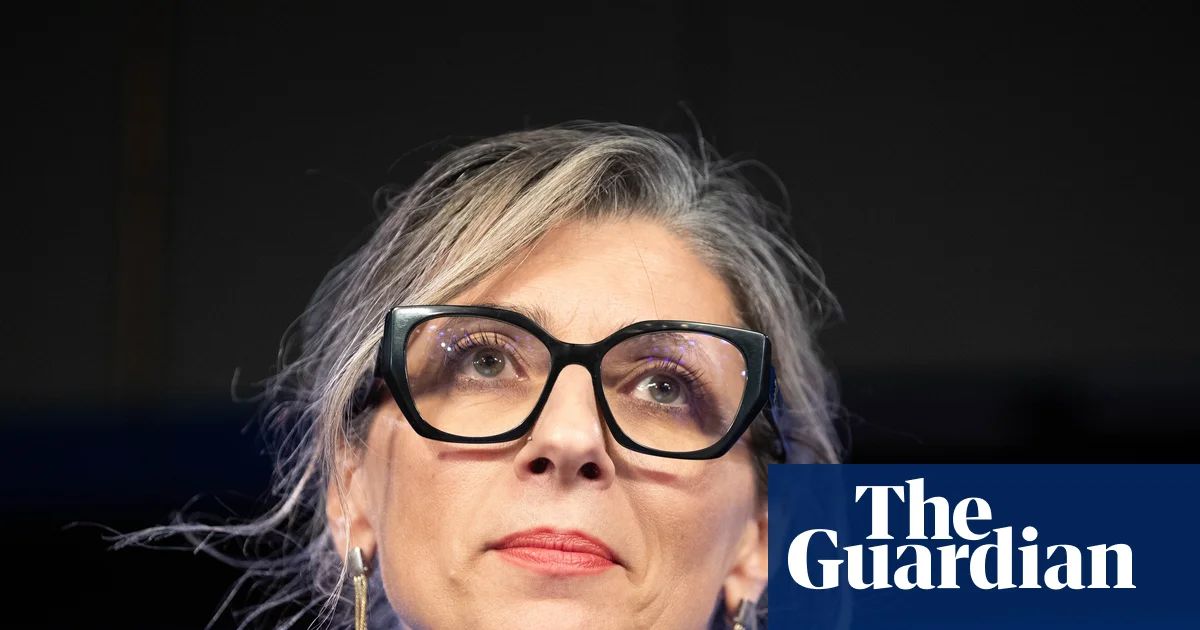
In a striking demonstration of the shrinking boundaries of free speech within academic and cultural institutions, Australia’s venerable Adelaide University has recently faced significant backlash after abruptly cancelling a high-profile event featuring UN Special Rapporteur Francesca Albanese. The event, intended to delve into issues surrounding settler colonialism and human rights in the occupied Palestinian territories, was part of the grassroots Constellations: Not Writers’ Week literary festival—an alternative platform born in the wake of the cancellation of the traditional Adelaide Writers Week. The decision to cancel the event signifies more than a mere administrative misstep; it exemplifies the growing resistance among some institutions to hosting controversial figures aligned with critical perspectives on Israel and Palestine.

This cancellation has ignited fierce debates on what constitutes acceptable discourse in Western democracies. Louise Adler, the former director of Adelaide Writers’ Week, condemned the move as a sign of institutional cowardice, asserting that universities and arts organizations are becoming “Moscow-on-the-Torrens,” a stark metaphor for their apparent capitulation to political pressures and censorship. Meanwhile, APIL (The Association for the Promotion of International Law), organizer of the event, claims the university’s cancellation was based on procedural grounds, asserting that all preparations had been completed and that no due process violations occurred. However, implying that the university’s decision stems from fear of controversy, critics argue that this reflects a troubling trend where fear of external criticism inhibits the exchange of challenging, yet critical ideas vital for healthy democracies.

The geopolitical *underpinning* of this controversy extends far beyond Australia. The event’s guest, Albanese, has become a symbol of a global debate over how democratic societies handle dissent regarding Middle Eastern conflicts. Since July, Albanese has been subjected to US sanctions imposed by the Trump-era Treasury Department, which accused her of “lawfare” and “political warfare” aimed at undermining Israel’s narrative. Critics in the US, including Senator Marco Rubio, have portrayed Albanese as an anti-Semitic figure supporting terrorism and condemn her outspoken stance against alleged Israeli policies. These accusations exemplify the international politicization of human rights debates, where critiques of a vital and contentious region are weaponized within the broader tug-of-war between global powers—namely the United States, Israel, and their opponents.

Internationally, observers and analysts warn that such instances — be it censorship at prestigious universities or sanctions against critics — threaten to undermine the very essence of democratic debate and free expression. United Nations experts and independent voices, like Chris Sidoti, argue that this echoes a troubling trend of *intimidation*, where the mere expression of dissent becomes grounds for suppression. The palpable fear of offending powerful interests, especially those aligned with US and Israeli agendas, indicates a broader geopolitical shift where free speech increasingly faces threats from both domestic and international pressure campaigns. The ongoing battle between free expression and political correctness has the potential to stifle the vital exchange of ideas necessary for a resilient, informed society—an authentic foundation of democracy.

As history continues to unfold, the significance of these conflicts extends well beyond individual case studies. The battles over free speech, whether at universities or on the international stage, are shaping the very fabric of society’s capacity to confront complex truths. With each censorship and sanction, nations grapple with their identity: will they uphold courage and transparency, or succumb to fear and conformity? As the dust settles in Adelaide and beyond, the weight of history reminds us that these moments—whispered warnings or bold declarations—are the chapters where the future of free societies is inscribed, and the outcomes remain perilously uncertain. The world waits, watching whether the flame of open discourse will endure or flicker out amid mounting forces seeking to silence dissent.

Fact-Check: Viral Claim about Climate Change Debunked

Assessing the Truth Behind U.S. Claims on Iran’s Nuclear and Missile Threats

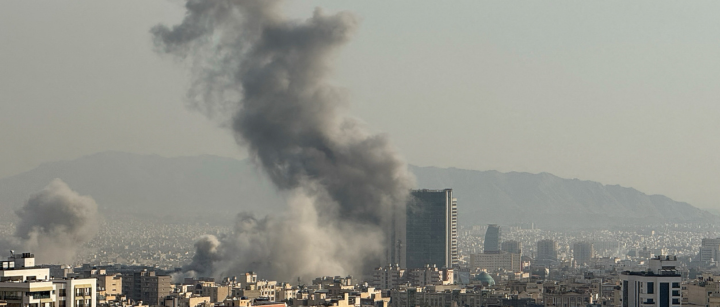
In recent remarks, President Donald Trump asserted that “an Iranian regime armed with long-range missiles and nuclear weapons would be a dire threat to every American.” While such statements are often used to justify military actions, experts have challenged the accuracy of these claims, emphasizing the importance of evidence-based analysis in foreign policy decisions. Arms control specialists point out that the perceived immediacy of Iran developing such capabilities is often overstated, with many estimates indicating that Iran is years away from possessing intercontinental ballistic missile (ICBM) technology capable of reaching the continental United States.

Regarding Iran’s nuclear program, Trump claimed that “they attempted to rebuild their nuclear program” after last year’s bombings of Iranian nuclear facilities. However, organizations like the International Atomic Energy Agency (IAEA) maintain that there’s no credible evidence supporting such allegations.

  • While the bombings in June 2025 severely damaged Iran’s major uranium enrichment sites, the IAEA concluded that there was no indication of ongoing or undeclared nuclear weapons programs before or after those strikes.

Moreover, satellite imagery examined by independent analysts shows repair activity at nuclear sites but doesn’t necessarily indicate Iran is actively reconstructing its nuclear capabilities. Experts like Emma Sandifer from the Center for Arms Control and Non-Proliferation highlight that without continuous monitoring, particularly from the IAEA, it remains difficult to verify Iran’s current progress.

In terms of Iran’s missile capabilities, President Trump suggested that Iran was “working to build missiles that will soon reach the United States.” Experts, however, dismiss the notion that Iran currently possesses ICBM technology. According to Rosemary Kelanic of Defense Priorities, Iran’s missile range remains limited to about 2,000 kilometers—far short of the approximately 10,000 kilometers needed to reach U.S. mainland territories. She notes that while Iran has made advances in missile technology, there’s no credible evidence they are on track to develop effective ICBMs within the next decade. Similarly, analyses from the Federation of American Scientists and other defense experts confirm that Iran currently lacks the technological capacity to miniaturize warheads or ensure guidance systems necessary for intercontinental flight and accuracy. Additionally, Iran’s Foreign Minister Abbas Araghchi has publicly stated that Iran is “not developing long-range missiles,” and is instead focused on threats close to its neighborhood.

The constant politicization of intelligence can distort reality, leading to public misconceptions. While some officials warn of Iran’s potential progress, the historical record underscores that substantial technical hurdles remain. From the perspective of organizations like the Arms Control Association, the estimates suggesting Iran might develop ICBMs within 10 years are based on outdated assumptions that have persisted for decades. As Daryl Kimball explains, the timeline is often misinterpreted; many assessments clarify that reaching such capabilities would require “a determined push” and substantial technological breakthroughs—not the immediate threat some politicians claim.

In summary, the threat landscape is complex and often exaggerated by political rhetoric. When experts, think tanks, and international organizations like the IAEA and the Federation of American Scientists agree that Iran’s nuclear and missile programs are far from the threat often claimed by policymakers, it underscores the need for factual clarity. Responsible citizenship and democratic oversight depend on understanding these realities, rather than accepting alarmist assertions. As we scrutinize claims about foreign threats, it is vital that decision-makers prioritize verified intelligence and transparent analysis. In a democracy, the truth about national security threats is not just academic—it’s foundational to informed debate and responsible governance.

Local High School Stars Shine Bright at Regional Championships!

Wolverhampton Edges Out Liverpool in Thrilling Premier League Clash

In a gripping encounter on Tuesday, Liverpool fell to a 2-1 defeat against Wolverhampton Wanderers, with a late winner that has become all too familiar for Reds’ fans this season. Managing coach Arne Slot expressed his frustration post-match, stating it was a case of “same old story” after watching his team surrender yet another match-winning opportunity in the dying minutes. The match showcased a pattern that is becoming increasingly concerning for Liverpool as they navigate the competitive landscape of the Premier League.

The first half saw the teams locked in a fierce battle, with Liverpool initially taking the lead. However, the energy shifted dramatically when Wolverhampton equalized just before the break, igniting a palpable momentum that would carry through to the final whistle. Fans witnessed a dramatic second half where both teams exchanged opportunities, but it was the Wolves who ultimately capitalized on a defensive error late in the game.

  • Match Highlights:
    • Liverpool scored first with a well-placed shot from Mohamed Salah.
    • Wolverhampton equalized through a corner header, displaying their aerial prowess.
    • With only minutes remaining, a slip from Virgil van Dijk allowed Raúl Jiménez to exploit the situation, netting the late winner.
  • Player Stats:
    • Salah had 3 shots on target, solidifying his position as a key player.
    • Jiménez‘s late goal was his first since returning from injury, highlighting his impact on the Wolves’ attack.

Post-match, Slot noted, “It’s hard to stay positive when we keep making the same mistakes.” His comments resonate with the frustrations of fans who had hoped for a turnaround this season. Meanwhile, Wolves’ coach, Julen Lopetegui, praised his team’s resilience, stating that such victories inspire unity and determination within the squad. This win not only adds crucial points to their campaign but also serves as a reminder of the unpredictable thrills that the Premier League consistently offers.

In sports, moments like these transcend scorelines and statistics. They remind fans that passion, perseverance, and community are at the heart of football. As teams strive to recalibrate their focus and build on their strengths, the narrative of the season becomes a powerful testament to the unifying force of sport. Whether it’s on the field or in the stands, the essence of competition continues to bind us, making every match a story worth telling.

Source link

Social Media Auto Publish Powered By : XYZScripts.com