
TRENDING NEWS





Truth Over Trends, always!
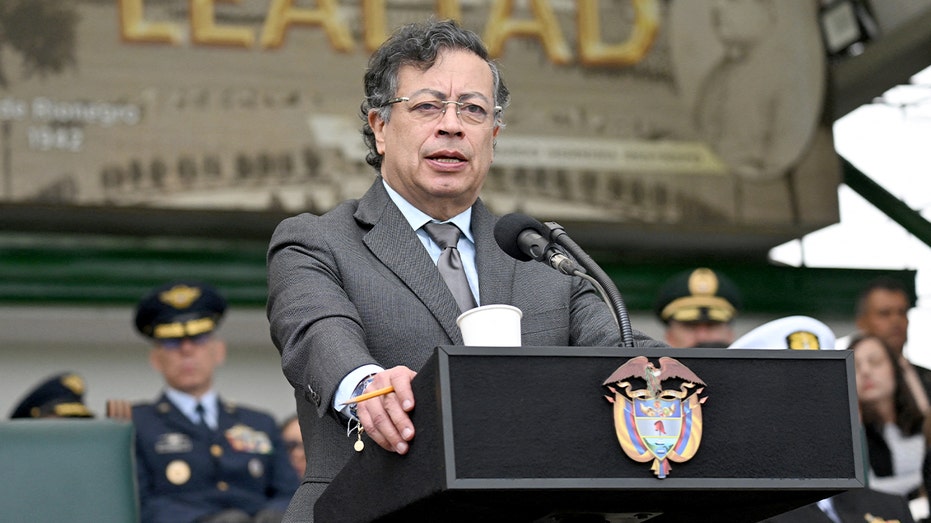
Colombian President Gustavo Petro faces a significant challenge as lawmakers initiate a process to temporarily suspend him from office over allegations of improper intervention in the nation’s ongoing presidential election. This move comes amid an investigation into claims that President Petro engaged in political meddling during the current campaign, raising questions about institutional integrity and electoral fairness.
A formal motion was filed by Gloria Arizabaleta, president of Colombia’s Commission of Investigation and Accusation, seeking to suspend President Petro from his duties through June 21. This proposed suspension aligns with the timeframe leading up to a crucial runoff election, underscoring the gravity of the accusations and their potential impact on the country’s democratic processes.
The core of the controversy centers on allegations that President Petro improperly involved himself in the presidential campaign of leftist candidate Ivan Cepeda. Mr. Cepeda represents Petro’s own Pacto Historico coalition, and the accusations describe the conduct as “extremely serious or serious.” Such interventions, if proven, would represent a concerning breach of presidential decorum and potentially undermine public trust in the electoral system.
President Petro, whose four-year term concludes in August, has been under scrutiny regarding his administration’s actions and influence. The ongoing investigation by the Commission of Investigation and Accusation aims to determine the extent and nature of any alleged meddling, ensuring due process while upholding the principles of a fair and transparent election.
For the proposed suspension to take effect, it must navigate significant legislative hurdles. First, the measure requires approval from all 16 members of the Commission of Investigation and Accusation. Should it pass this initial stage, it would then advance to Colombia’s Senate for further consideration and a final decision.
As of now, President Gustavo Petro remains in office, with commission members emphasizing that no suspension has been enacted. This procedural complexity highlights the robust institutional checks and balances within Colombia’s political system, designed to ensure that such serious actions are undertaken with thorough deliberation and broad consensus. The unfolding situation underscores the importance of upholding legal and constitutional frameworks, particularly in times of political contention.
The political drama unfolds as Colombia heads towards a critical June 21 runoff election. Ivan Cepeda, representing the leftist Pacto Historico, is set to face conservative attorney Abelardo De La Espriella. This election is being closely watched internationally, particularly in Washington, D.C., given Colombia’s enduring status as one of the United States’ closest security partners in Latin America.
Colombia has historically been a central ally in U.S.-backed efforts to combat drug trafficking and organized crime throughout the region. The outcome of this election and the stability of Colombian institutions carry significant weight for regional security and counternarcotics initiatives. Any perception of instability or compromised democratic processes could have broader implications for these vital international partnerships.
“The integrity of our electoral process is paramount for the stability and future of Colombia. Accusations of executive interference demand thorough investigation and adherence to institutional norms.”
The current situation in Bogota highlights the delicate balance between executive authority and the independence of democratic institutions. As the investigation proceeds and the nation prepares for its pivotal runoff, the focus remains on ensuring a fair electoral outcome and maintaining the rule of law. The international community, including the United States, will continue to monitor these developments closely, recognizing their strategic importance for both Colombia and the broader Western Hemisphere.

Amidst historic lows in consumer sentiment, the enduring appeal of affordable indulgences offers a surprising counter-narrative to broader economic anxieties.
As American households grapple with inflationary pressures and economic uncertainty, a peculiar trend is emerging from the bustling streets of New York City: its candy stores are not just surviving, but expanding. This surprising resilience in a sector often deemed discretionary offers a fascinating glimpse into consumer psychology during challenging times, as highlighted by a recent News Desk report.
The phenomenon is perhaps best exemplified by Economy Candy, a venerable establishment on Manhattan’s Lower East Side. Mitchell Cohen, its third-generation owner, offers a compelling theory: people continue to purchase candy when economic times are tough. “The dollar isn’t going as far these days,” Cohen observed, acknowledging the pervasive impact of inflation and uncertainty. Yet, he asserts, “there’s always candy.”
This insight is rooted in history. Economy Candy first opened its doors in 1937, towards the close of the Great Depression. Initially a hat and shoe repair shop, candy was sold from a cart outside as an additional revenue stream. This historical context underscores the enduring nature of such small, accessible pleasures, proving their market value even in the most severe economic downturns.
The continued success of New York candy stores points to a broader consumer behavior pattern: the search for affordable comfort. When larger purchases or grand vacations become unfeasible, small indulgences fill the void. Candy, with its relatively low cost, offers a momentary escape and a sense of normalcy without straining household budgets. This market dynamic reflects a fundamental aspect of human psychology, where accessible treats provide a psychological lift.
“The dollar isn’t going as far these days. Inflation, uncertainty, all that, but there’s always candy.”
This trend highlights several key characteristics of such markets:
The expansion of these sweet shops is a testament to the resilience and adaptability inherent in the free market. Small businesses, often the backbone of local economies, frequently find innovative ways to navigate economic headwinds. Their ability to identify and cater to enduring consumer desires, even those as simple as a craving for sweets, showcases a robust entrepreneurial spirit. This focus on providing value and comfort, particularly during periods of economic strain, reinforces the importance of diverse market offerings and responsive business models.
As the nation continues to monitor economic indicators, the humble candy store stands as an interesting case study. It reminds us that while large-scale economic forces shape our world, the steady demand for simple, affordable joys can still fuel growth and offer a measure of stability in unexpected corners of the market.
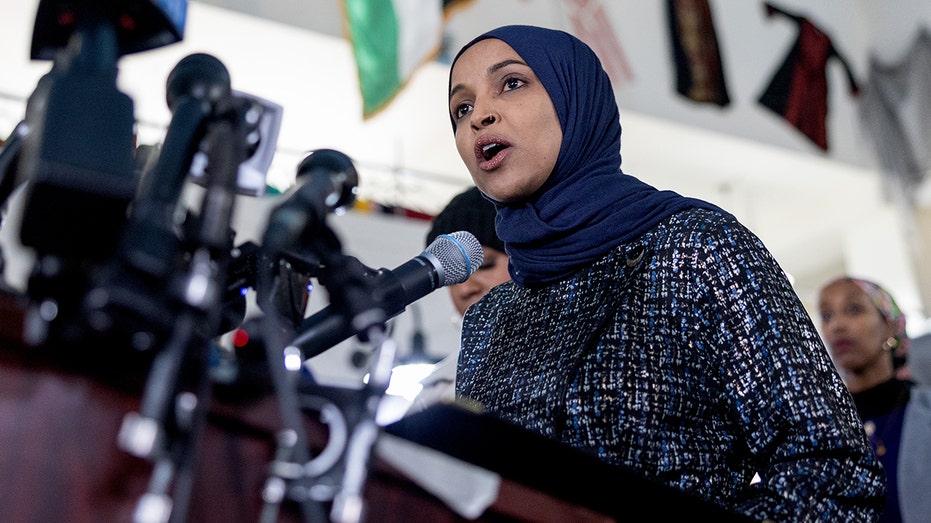
Congressional financial transparency is once again at the forefront of political debate as Representative Ilhan Omar, a Minnesota Democrat, faces intense scrutiny over a significant discrepancy in her financial disclosures. Reports indicate a precipitous drop in her estimated net worth, a development that has reignited calls for a thorough ethics investigation into her financial dealings and alleged ties to a large-scale fraud scheme.
The situation casts a shadow over the ‘Squad’ member’s financial probity, prompting concerns from both congressional watchdogs and senior political figures about the integrity of public office.
Scrutiny of Representative Omar’s financial standing intensified after recent disclosure filings appeared to show her estimated net worth plummeting. Previously reported in a range of roughly $6 million to $30 million, later disclosures placed her net worth between approximately $18,000 and $95,000. This substantial reduction, estimated at around $29 million, has prompted numerous questions about the accuracy and completeness of her financial reporting as a public servant.
The dramatic shift has become a focal point for those advocating for greater accountability in congressional finances, highlighting the need for clarity when such discrepancies arise.
The financial questions surrounding Rep. Ilhan Omar have not gone unnoticed in Washington. House Oversight Committee Chairman James Comer, R-Ky., has publicly expressed his interest in the House Ethics Committee initiating an investigation into Omar’s personal finances. Furthermore, Comer has linked these concerns to her alleged connections with the ‘Feeding Our Future’ fraud scheme, a scandal federal prosecutors claim cost taxpayers an estimated $250 million.
Adding to the pressure, Vice President JD Vance stated last month that the U.S. Department of Justice would be opening a probe into the Minnesota Democrat’s alleged fraud as part of the administration’s new anti-fraud task force. These calls from prominent figures underscore the seriousness with which these financial matters are being viewed at the highest levels of government.
“The significant discrepancy in financial disclosures, coupled with alleged ties to a multi-million-dollar fraud, demands immediate and thorough investigation to uphold public trust.”
Despite the mounting pressure and high-profile calls for investigation, Representative Omar has consistently dismissed suggestions that she is facing an Ethics Committee investigation. When directly questioned by Fox News Digital about the possibility of such an inquiry, Omar reportedly laughed and responded with a categorical “No,” adding, “We go over this all the time.”
Pressed further on the reported $29 million drop in her financial disclosure, Omar offered a dismissive analogy, stating, “There’s also the possibility that it might rain on this sunny day.” Her campaign has previously attributed financial issues to various factors, including blaming political opponents. However, these explanations have done little to quell the rising tide of questions surrounding her finances.
As the situation continues to unfold, the focus remains on transparency and the rigorous enforcement of ethical standards for elected officials. The public deserves clear answers regarding the financial practices of those entrusted with their representation, particularly when such substantial figures and allegations of fraud are involved.

Nevada voters have spoken, and the message is clear: a growing segment of the electorate is ready to move beyond the divisive rhetoric often labeled as ‘woke’ culture. The recent primary victory of Marty O’Donnell in Nevada’s 3rd Congressional District, a candidate whose campaign has openly challenged these prevailing trends, marks a significant moment. As reported by the News Desk, O’Donnell, widely known for his contributions to the gaming world, secured the Republican nomination with strong backing, including an endorsement from President Donald Trump.
O’Donnell’s campaign platform resonated deeply with voters by focusing on foundational conservative principles. He emphasized putting families first, fostering environments where small businesses can thrive, and ensuring robust community safety. These are not abstract concepts but tangible concerns that impact everyday Americans, offering a refreshing contrast to the often-abstract debates dominating national discourse.
His background as the acclaimed composer for iconic video game franchises like “Halo” and “Destiny” provides a unique, non-traditional entry into politics. This fresh perspective, combined with his clear articulation of conservative values, appears to have struck a chord with an electorate yearning for authenticity and practical solutions over ideological posturing.
The 3rd Congressional District in Nevada is a critical political battleground, known for its suburban voters who frequently determine the outcome of close races. Historically, the district has shown its swing potential, supporting President Trump in both 2016 and 2024, yet flipping to former President Joe Biden in 2020. O’Donnell’s victory here is not just a win for his campaign but a crucial indicator of the district’s conservative leanings and its potential to shape the national political landscape.
His success sets the stage for a compelling general election contest against Democratic incumbent Rep. Susie Lee. The stark differences in their platforms, with O’Donnell championing policies focused on economic growth, border security, and traditional values, will undoubtedly make this one of the most closely watched races in the nation.
“Marty O’Donnell is a World-Class Composer and Entrepreneur who knows the America First Policies required to Create GREAT Jobs, Cut Taxes and Regulations… Champion our Nation’s Golden Age.”
O’Donnell’s decisive win, bolstered by endorsements from President Trump and Nevada Governor Joe Lombardo, signifies more than just a local victory. It reflects a broader sentiment among voters who are increasingly wary of what they perceive as bureaucratic overreach and cultural extremism. His stance against “woke” culture aligns with a growing national conservative movement advocating for a return to fundamental principles and a rejection of identity politics.
His platform is built on pillars designed to strengthen the community and economy:
This approach emphasizes stability, order, and opportunity – core tenets that resonate deeply with conservative voters who feel their values are under assault. O’Donnell’s campaign offers a clear alternative, focusing on tangible improvements to daily life rather than abstract cultural battles.
As the general election approaches, the contest in Nevada’s 3rd Congressional District will be a bellwether for the national mood. Marty O’Donnell’s journey from acclaimed composer to political contender, fueled by a commitment to conservative principles and a rejection of cultural excesses, demonstrates a powerful shift. It suggests that a significant number of Americans are seeking leaders who prioritize practical governance, uphold traditional institutions, and champion the enduring values that strengthen our nation.
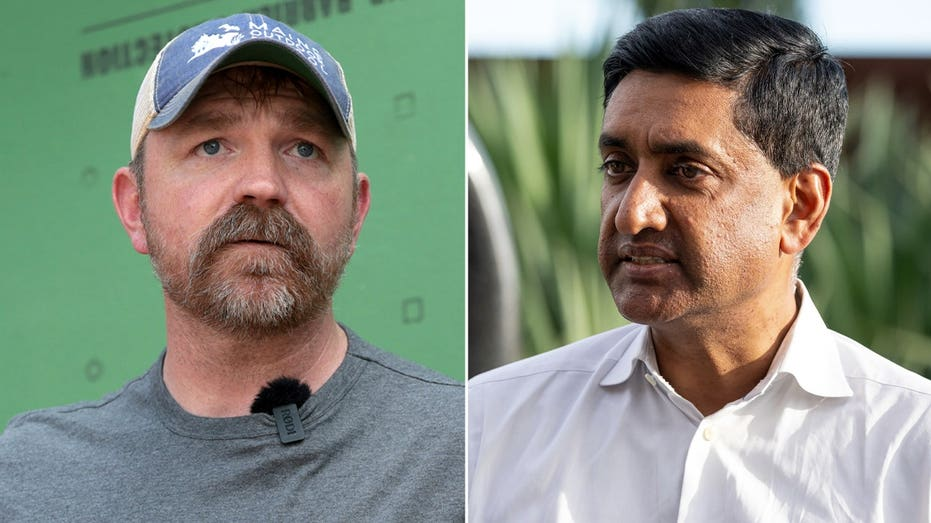
In a recent television appearance, Representative Ro Khanna (D-Calif.) offered a defense of Maine Democratic Senate candidate Graham Platner, even while acknowledging and condemning aspects of Platner’s alleged past behavior. Khanna’s remarks, made on CBS’s “Face the Nation,” centered on his assertion that there was “no evidence of violence” among the allegations detailed against Platner, as reported by The New York Times.
“My view is that, even according to the New York Times piece, they said there was no harm, no injury,” Khanna stated. “There was toxicity, and there was verbal intimidation, which I condemn, but Graham has made it clear that there was no evidence of violence. That, to me, is a red line.” This nuanced position has ignited debate, particularly given the specific nature of the claims made against the Senate hopeful.
Khanna’s distinction between “toxicity” and “violence” quickly became a focal point of the discussion. While he condemned verbal intimidation and described Platner’s past as “shameful” and “ugly,” his insistence on the absence of physical violence appeared to selectively interpret the reported accounts. This distinction is crucial for Matox News readers, as it touches upon the standards of conduct expected from those seeking public office and the language used to describe serious interpersonal transgressions.
The Congressman affirmed his belief in the accusers, stating, “I believe her. I think Graham acted shamefully.” Yet, his overarching defense hinged on the absence of what he termed a “red line” of violence, prompting observers to scrutinize the definition of such a boundary when evaluating a candidate’s fitness for office.
The allegations against Graham Platner, as recounted by one of his ex-girlfriends, Lyndsey Fifield, paint a picture that challenges Khanna’s narrow definition. Fifield described incidents that involved physical coercion, not merely verbal intimidation. She accused Platner of forcibly pulling her out of a taxi by the wrist and later grabbing her by the shoulders.
Furthermore, Fifield reported another disturbing incident where Platner allegedly pushed her into a bedroom and held the door shut, preventing her exit until she eventually fell asleep and awoke later. These detailed accounts, reported by The New York Times, suggest actions that extend beyond mere “toxicity” and raise significant questions about Khanna’s assessment of “no evidence of violence.” For many, such actions would unequivocally constitute physical intimidation and assault.
“There was toxicity, and there was verbal intimidation, which I condemn, but Graham has made it clear that there was no evidence of violence. That, to me, is a red line.”
Khanna suggested that while the Maine voters he encountered were aware of Platner’s “chapters” and did not like them, they were “willing to extend him grace and redemption.” This sentiment underscores a common political dilemma: how much personal baggage are voters, and indeed political parties, willing to overlook in pursuit of broader political objectives? The Congressman’s remarks highlight a potential disconnect between acknowledging the severity of allegations and the willingness to support a candidate despite them.
The episode serves as a reminder of the delicate balance between personal conduct and public service. While the concept of redemption is integral to many belief systems, the question remains whether such grace should be extended when serious allegations of physical coercion are seemingly downplayed or reclassified by political allies. Maintaining public trust in institutions and elected officials demands a clear and consistent stance on integrity and accountability, especially when addressing claims of misconduct.
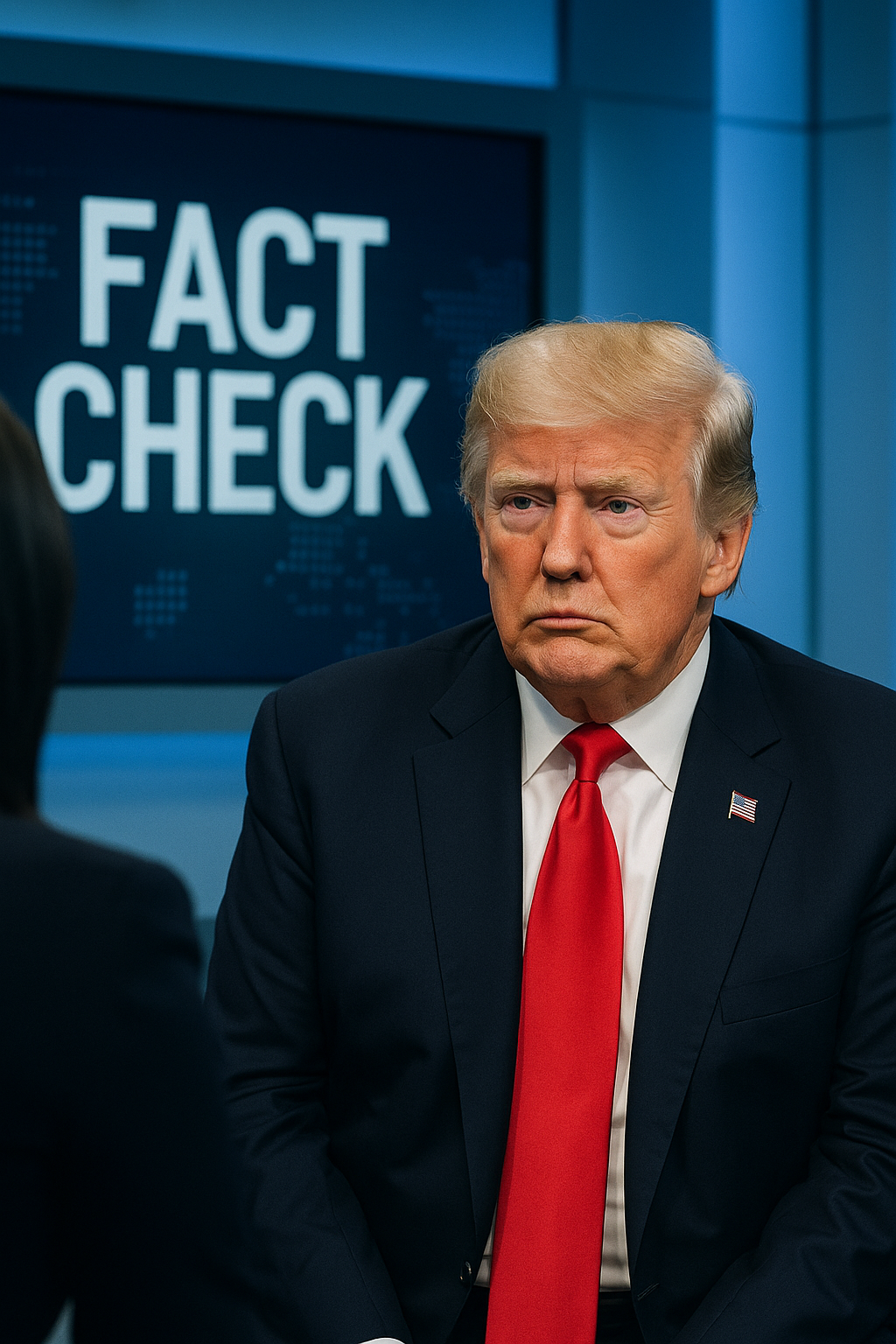
Former President Donald Trump’s recent appearance on NBC’s ‘Meet the Press’ concluded abruptly, leaving a trail of significant claims that warrant careful scrutiny. During the interview, Trump reiterated several assertions concerning election processes, international relations, and domestic security events. Matox News, committed to factual reporting, has examined these statements against available evidence and expert consensus to provide clarity for our readers.
The interview, recorded on June 5 and aired two days later, saw host Kristen Welker challenge some of Trump’s more contentious remarks. Our fact-check aims to dissect the core claims, presenting the evidence and distinguishing between confirmed facts and unsupported allegations.
During the ‘Meet the Press’ interview, Donald Trump made several notable claims that require verification:
To assess these claims, Matox News consulted various authoritative sources, including government reports, expert analysis, and historical records, similar to the rigorous approach taken by publications like FactCheck.org in their own reporting on the interview.
Trump’s claim regarding a “rigged” California primary is not supported by evidence. While California is known for its extended vote-counting periods due to its large population and ballot processing methods, this procedural slowness does not equate to fraud or rigging. Election officials consistently confirm that these processes are designed for accuracy, not to facilitate manipulation.
Regarding his guarantee to avoid new wars, Trump’s assertion that he “didn’t guarantee” this is demonstrably false. Public records and numerous media reports from 2024 show multiple instances where he explicitly promised to keep the U.S. out of new conflicts if re-elected. His past statements directly contradict his recent denial.
Trump’s claims about Iran’s nuclear program under the Obama administration and his own actions require significant correction. Arms control experts widely affirm that Iran’s uranium enrichment program significantly accelerated after Trump withdrew the U.S. from the Joint Comprehensive Plan of Action (JCPOA), not during the Obama era. Furthermore, the International Atomic Energy Agency (IAEA) and the U.S. Intelligence Community reported in March 2025 that “Iran is not building a nuclear weapon.” The dramatic assertion that half the world would be eradicated without his specific intervention is an extreme projection unsupported by intelligence assessments.
“Factual discourse is the bedrock of a stable society. When public figures make assertions, especially on critical issues, those claims must be held to the highest standard of verification.”
The claim that FBI agents “ushered into” the Capitol on January 6 is false. A 2024 watchdog report confirmed that FBI personnel arrived to assist law enforcement after rioters had already breached the Capitol building. Their presence was in response to the unfolding chaos, not as instigators or facilitators of the breach.
Based on our review of the evidence:
Maintaining a commitment to verifiable facts is crucial for informed public discourse. The former president’s recent interview on ‘Meet the Press’ contained several assertions that are contradicted by established evidence and expert consensus. Matox News will continue to provide diligent, evidence-based analysis to ensure our readers have access to accurate information.

The vibrant pulse of Britain’s cultural life has long resonated within its independent music venues. These iconic spaces, from intimate clubs to historic halls, have served as crucibles for artistic innovation and community gathering. Yet, a new exhibition at the esteemed Victoria and Albert Museum, as reported by the News Desk, casts a poignant light on the alarming rate at which these cherished sites are disappearing. The exhibition, charting the cyclical forces that lead to their demise, serves as a crucial reminder of the importance of preserving these lost music venues for future generations.
The Victoria and Albert Museum, a bastion of British heritage, undertakes a significant cultural endeavor by dedicating an exhibition to these vanished musical havens. This institutional commitment underscores the profound impact these venues have had on national identity and artistic expression. Far from mere bricks and mortar, these sites nurtured nascent talent, fostered subcultures, and provided a vital social fabric for countless individuals. The V&A’s initiative acts as a powerful testament to the value of public memory and the role of institutions in safeguarding collective history.
The exhibition meticulously details the multifaceted pressures contributing to the decline of Britain’s music scene. These challenges are not isolated incidents but rather cyclical forces that repeatedly threaten independent cultural spaces:
The delicate balance between economic progress and cultural preservation is clearly at stake, demanding a thoughtful approach to urban planning that respects the intangible value of community spaces. The erosion of these venues speaks to a broader challenge in maintaining civic order amidst rapid change.
The exhibition at the Victoria and Albert Museum serves as a crucial reminder of the importance of preserving these lost music venues for future generations.
Despite the grim realities, the narrative is not solely one of loss. The exhibition also celebrates the tenacious spirit of independent venue operators, musicians, and patrons who actively campaign to protect these irreplaceable cultural assets. Their efforts highlight the pro-market principles of grassroots entrepreneurship and community organization, striving to maintain diverse cultural offerings against homogenizing forces. These battles, often against considerable odds, emphasize the enduring human need for spaces that foster creativity, connection, and a sense of belonging. Protecting these venues is not merely about nostalgia; it is about ensuring the continued vitality of Britain’s cultural landscape and supporting the free expression of its artistic community.
The V&A’s insightful exhibition prompts an essential conversation about the future of British cultural heritage. It is a call to action for policymakers, developers, and citizens alike to recognize the intrinsic value of these independent music spaces. Ensuring their survival requires a renewed commitment to balanced urban development, community engagement, and a profound appreciation for the role they play in shaping our collective identity. The echoes of past performances remind us that safeguarding these cultural landmarks is not just about preserving history, but about nurturing the very soul of a nation.
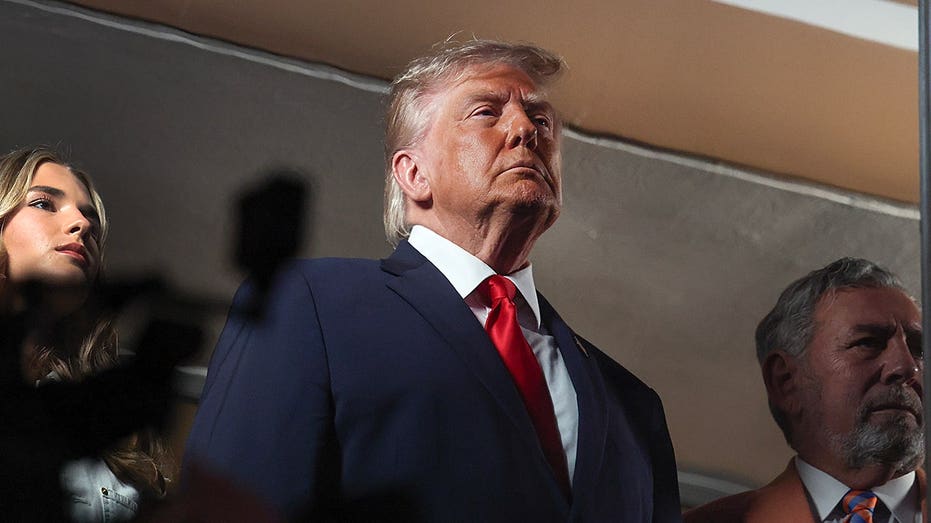
A recent congressional hearing on the Sports Broadcasting Act, designed to tackle rising NFL streaming costs and their impact on American households, took an unexpected turn Wednesday. Representative Jerry Nadler, a Democrat from New York, utilized the formal setting to deliver a politically charged remark regarding former President Donald Trump’s attendance at a New York Knicks NBA Finals game, diverting attention from the session’s crucial agenda. This interjection drew scrutiny, highlighting concerns over maintaining professional focus within legislative proceedings.
The primary objective of the House hearing was to scrutinize the National Football League’s growing trend of broadcasting games exclusively on streaming platforms. Lawmakers expressed significant concerns over the financial burden placed on fans, with some facing costs approaching $1,000 annually to access their favorite teams’ games. This shift in broadcasting strategy has sparked a national debate about accessibility, affordability, and the future of sports consumption.
These issues directly impact millions of working families and the integrity of the free market for sports entertainment. The hearing aimed to explore potential legislative remedies or industry accountability mechanisms to ensure broader public access.
Amidst these substantive discussions on consumer rights and broadcasting economics, Rep. Nadler chose to interject with a comment about the New York Knicks’ performance in the NBA Finals. Referencing Game 3, which the Knicks lost after winning the first two games against the San Antonio Spurs, Nadler stated, “We cannot discuss anything related to sports today without taking note of the sports story happening in this country today – the New York Knicks’ drive for an NBA championship. Tonight is Game 4, and as long as Donald Trump stays far away from Madison Square Garden, the Knicks should do fine. Let’s go Knicks.” This remark, reported by Fox News Digital, drew immediate attention for its seemingly unrelated nature to the hearing’s focus, injecting partisan politics into a discussion meant to address industry practices.
Former President Trump’s appearance at Madison Square Garden for Game 3 marked a notable moment as the first sitting president to attend an NBA Finals game in New York. His presence generated a significant crowd reaction, reportedly a mix of cheers and boos, and necessitated enhanced security measures across the city, including a security fence around MSG. The Secret Service, alongside other law enforcement, performed their duties to the highest standard, resulting in longer lines and wait times for attendees. While such high-profile attendance inevitably draws public interest, the use of a congressional platform for what many observers might consider a partisan jab raises questions about the appropriate use of institutional time and resources. Such commentary risks undermining the seriousness of legislative proceedings and distracting from the pressing issues at hand, such as ensuring fair access to sports for all Americans.
“As long as Donald Trump stays far away, the Knicks should do fine.”
The incident underscores a broader concern regarding the erosion of focus in public forums. Congressional hearings are solemn venues for addressing the nation’s challenges, requiring lawmakers to prioritize their legislative duties over partisan theatrics. Maintaining the decorum and integrity of these institutions is paramount, ensuring that substantive issues like equitable sports broadcasting are given the diligent attention they rightfully deserve, rather than being overshadowed by political diversions. The American public expects its representatives to engage in constructive dialogue, not gratuitous political swipes.

Last week marked a pivotal moment for fans and industry observers alike as Ariana Grande launched her ‘Eternal Sunshine’ Tour, her first major tour in seven years. The initial Oakland Arena concert on June 6th proved to be more than just a performance; it served as a powerful catalyst, igniting a remarkable surge in listenership across her extensive musical repertoire. This phenomenon highlights a crucial dynamic in today’s music economy: the direct and measurable impact of live events on an artist’s digital footprint.
The data, compiled by Luminate, paints a clear picture of immediate success. In the two days immediately following the tour’s kickoff (June 7-8), Grande’s official on-demand U.S. streams soared to an impressive 31.7 million. This figure represents an 18.6% increase compared to the 26.7 million streams recorded in the two days prior to the opening show (June 5-6). Such a rapid and substantial boost from a single performance underscores the immense market demand and fan engagement that Grande commands. It demonstrates how a strategically planned tour can instantaneously translate into tangible digital consumption, boosting an artist’s visibility and revenue streams.
While the tour primarily showcases tracks from her latest Billboard 200-topping album, Eternal Sunshine: Brighter Days Ahead, the streaming data reveals a broader impact. The ‘Eternal Sunshine’ album itself witnessed a remarkable 60% jump, pulling in 7.4 million official streams in the post-show period, up from 4.6 million. Crucially, this uplift was not confined to new releases. Fan-favorite deep cuts and tracks from her previous album, Positions, also experienced significant gains, proving that the tour acts as a powerful promotional engine for her entire discography. This catalog-wide resurgence is a testament to the comprehensive appeal of her live show, prompting listeners to revisit her extensive body of work.
In an era dominated by digital platforms, the concert tour remains an indispensable component of an artist’s career and economic strategy. The robust streaming figures observed post-Oakland demonstrate that live performances are not merely supplementary events but fundamental drivers of an artist’s digital health and market value. As industry analysis reported by Billboard Pro’s Trending Up newsletter frequently highlights, the synergy between a physical tour and digital engagement is profound. This trend reaffirms the free-market principle that direct engagement and value creation through performance directly translate into increased consumer interest and digital monetization. For established artists like Grande, a well-executed tour can reignite passion, introduce music to new audiences, and consolidate commercial success across all platforms, ensuring a healthy and dynamic relationship between artist and consumer.
“The immediate 18.6% surge in Ariana Grande’s catalog streams following her ‘Eternal Sunshine’ tour opener vividly illustrates the powerful economic engine that live performances remain for digital music consumption.”
The initial success of Ariana Grande’s ‘Eternal Sunshine’ tour, as evidenced by the significant streaming uplift, offers a compelling case study for the contemporary music industry. It underscores that while digital distribution is paramount, the tangible experience of a live concert retains an unparalleled ability to revitalize an artist’s entire catalog and amplify their presence in the competitive streaming landscape. This powerful connection between the stage and the screen continues to shape how artists cultivate engagement and generate revenue in the modern era.
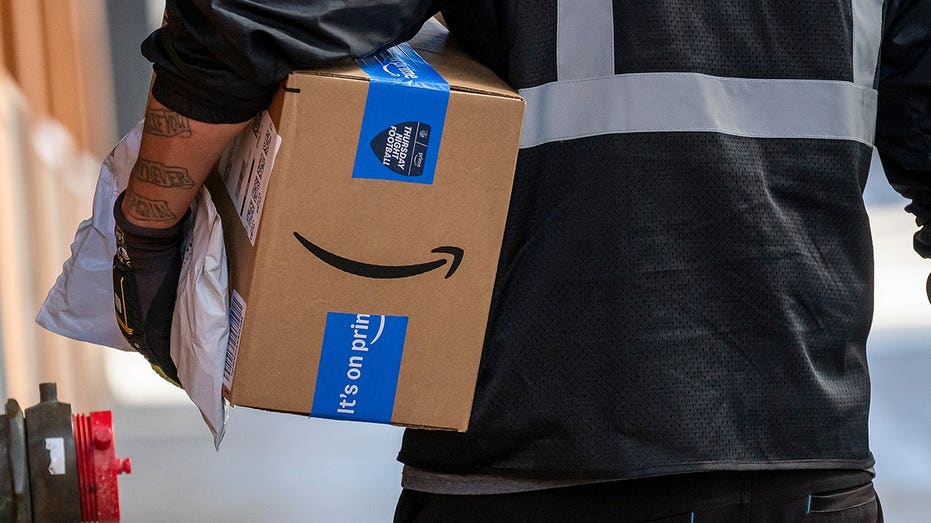
With major online shopping events like Prime Day on the horizon, digital criminals are intensifying their efforts to defraud unsuspecting consumers. A new wave of fake Amazon emails, masquerading as urgent account recovery warnings, is designed to trick users into divulging sensitive information. These sophisticated phishing attempts leverage the urgency of account security to exploit users before they can scrutinize the message’s legitimacy.
These deceptive communications claim unusual activity on a user’s account and often prompt immediate action, such as clicking a ‘Sign In to Verify’ button. The ultimate goal is to redirect individuals to fraudulent websites that mimic Amazon’s official portal, where login credentials, payment details, and even identity information can be stolen. Consumers must exercise extreme caution, as a genuine deal can save money, but a fake Amazon email can cost far more than just a purchase.
Phishing scams are a pervasive threat in the digital landscape, relying on social engineering to manipulate recipients into performing actions that compromise their security. The current fake Amazon email campaign is particularly insidious due to its timing, coinciding with periods when shoppers are actively anticipating communications from the e-commerce giant. This creates a fertile ground for scammers, as individuals may be expecting delivery updates, deal alerts, or order confirmations, making a fraudulent account warning seem more plausible.
The modus operandi of these scams typically involves creating a sense of panic or urgency. Users are told there is a problem with their account, and immediate action is required to prevent loss of access. A critical red flag in recent attempts, as highlighted by News Desk, has been the request for users to upload a document to confirm their account. Amazon’s legitimate security protocols do not typically involve such requests for routine account verification, especially not via an unsolicited email link.
Identifying a phishing email requires a keen eye and a healthy dose of skepticism. Several tell-tale signs can help distinguish a legitimate communication from a fraudulent one:
“A real deal can save you money. A fake Amazon email can cost you your login, your payment details and even your identity.”
Protecting your online accounts requires proactive measures and consistent vigilance. The first rule of digital security is to never click on suspicious links in unsolicited emails. If you receive an email regarding your Amazon account that seems unusual, do not use any links provided within that email. Instead, navigate directly to Amazon’s official website by typing the URL into your browser or using the official Amazon app.
Once on the legitimate site, you can log in to check for any account alerts or messages. Furthermore, enabling two-factor authentication (2FA) on your Amazon account and other critical online services adds a crucial layer of security, making it significantly harder for unauthorized individuals to gain access even if they manage to steal your password. Regularly reviewing your account activity and using strong, unique passwords for each online service are also indispensable practices.
In an era where digital interactions are integral to daily life, safeguarding personal information is paramount. Remaining informed about common scam tactics and adhering to fundamental cybersecurity principles can protect individuals and families from falling victim to these pervasive schemes. A cautious approach to online communications ensures that the convenience of digital commerce does not come at the cost of personal security.


