
TRENDING NEWS





Truth Over Trends, always!

In a stark revelation, the Civil Liberties Union for Europe has issued its latest report highlighting a disturbing decline in media freedom and pluralism across mainland Europe. As the continent faces escalating harassment, threats, and violence directed at journalists, a pattern emerges that threatens the very foundation of democratic societies. The once-vibrant, independent press is now under siege, with reports of physical assaults, bomb threats, and systemic legal harassment becoming alarmingly frequent. This disturbing trend not only jeopardizes individual lives but also risks creating a geopolitical ripple effect, weakening public trust and eroding the checks and balances so vital to democratic governance.
According to the report, 2025 marked a crisis point for journalist safety across Europe. States such as Italy, Greece, and Hungary have seen journalists targeted with violence, intimidation, and online smear campaigns. In Italy alone, 118 attacks against reporters were documented, including physical violence involving bombings and threats against investigative journalists probing organized crime—the work essential to holding power accountable. The targeting of these truth-seekers is compounded by widespread government interference with public broadcasters, budget cuts, and efforts to place media outlets under political control. Political actors are increasingly weaponizing legal systems and monopolizing ownership — with countries like Hungary and France witnessing rising levels of media ownership concentration, threatening diverse perspectives and independent reporting.
Furthermore, the report details the rise of online harassment, with over 377 documented deadly threats targeting journalists in 2025, representing a record in digital violence. The harassment campaigns are often fueled by politicians and political groups branding independent outlets as “foreign propaganda” or “forces of darkness.” Such tactics serve a clear geopolitical purpose: they attempt to discredit honest journalism, manipulate public perceptions, and diminish the public’s trust in institutions. The ramifications are profound, as shared by analysts who warn that the erosion of media independence could pave the way for authoritarian shifts across the EU, with society being manipulated under a façade of democratic legitimacy.
Critically, the report emphasizes the dangerous trend of media ownership concentration, where a handful of billionaires or political foundations control most media outlets. In Hungary, for example, a foundation backing outgoing Prime Minister Viktor Orbán exerts dominant influence—highlighting the risks of state capture. Similarly, in countries like France and the Nederlands, a few wealthy elites hold sway over the media landscape, undermining diverse voices and investigative independence. Such monopolization threatens the marketplace of ideas, vital to a healthy democracy.
On the legislative front, the implementation of EU policies aimed at safeguarding press freedoms remains sluggish. The European Media Freedom Act (EMFA), designed to enforce accountability and transparency, is yet to be fully adopted into national law, hampering its effectiveness. Many countries are flagrantly failing to uphold standards, with some implementing policies that directly threaten public service media and regulatory autonomy. Budget cuts, structural changes, and political interference are creating a climate where true independence is becoming a relic of the past. The slow pace of enforcement suggests a collective European failure to address these challenges in a timely manner—an ominous sign of what may come if decisive action isn’t taken.
International organizations and historians warn that if the current trajectory persists, Europe risks losing its status as a beacon of free expression. The European Union faces a decisive juncture: will it uphold principles of media independence, or allow authoritarian tendencies to seep through the cracks of legislative and societal neglect? The implications stretch far beyond journalism, threatening to reshape societal values, political stability, and regional influence. As the continent teeters on this precipice, the choices made now will undoubtedly be etched into history—either as the reaffirmation of resilient freedom or as a prelude to a continent cloaked in silence and authoritarian control.
In this unfolding narrative, the weight of history is undeniable—Europe’s response to these mounting threats will dictate whether its core democratic ideals endure or succumb under the weight of systemic assault. The world watches, for in this ongoing struggle lies the true measure of a free and open society.

In a remarkable display of technological innovation and market disruption, Snabbit, the Bengaluru-based startup revolutionizing India’s on-demand home services sector, has closed a $56 million Series D funding round. Led by prominent venture capital firms such as Susquehanna Venture Capital, Mirae Asset Venture Investments’ Unicorn Growth Fund, and Bertelsmann India Investments, this funding propels Snabbit’s valuation to approximately $350 million—more than doubling its worth in just six months. As India’s bustling urban markets grapple with increasing demand for rapid, reliable household services, Snabbit’s rapid growth exemplifies how innovative business models are rewriting traditional markets.
Founded in 2024, Snabbit has swiftly scaled, processing over 40,000 daily jobs across five major cities with a network of over 15,000 workers. The company provides fundamental yet essential services—including cleaning, dishwashing, and laundry—filling a crucial niche amid India’s urban boom. Its recent financials highlight significant operational efficiencies, with the firm reducing losses per order by approximately 50% and decreasing customer acquisition costs by roughly 65%. Such strides underscore the startup’s mastery of leveraging technological innovation and data analytics to optimize delivery and customer experience, a hallmark of disruptive ventures in the on-demand economy.
The surge in Snabbit’s valuation and operational scale reflects broader industry trends analyzed by global think tanks like Gartner, which emphasize the shift toward hyper-localized on-demand services driven by urbanization and smartphone proliferation. The company’s growth also illuminates a strategic pivot within the burgeoning Indian startup ecosystem, where investors are increasingly betting on disruptive business models that combine innovative technology with local market insights. The rapid rise of Snabbit has also sparked competitive interest; rival Pronto is reportedly in talks for additional funding, while publicly traded players like Urban Company report over one million monthly bookings—a testament to an industry poised for explosive expansion.
The global implications are profound: as startups like Snabbit demonstrate operational scalability and customer loyalty in the local context, established tech giants and venture capitalists are eyeing opportunities to extend similar models worldwide. With industry experts predicting that the on-demand home services sector will be worth billions globally within the next few years, the window for pioneering disruption is closing fast. Firms that fail to innovate risk losing relevance amid this fast-moving market landscape marked by relentless technological advancements and customer expectations for ultra-convenience.
Looking ahead, the implications of Snabbit’s rapid growth underscore a critical truth: the future belongs to companies that harness innovation to outflank traditional service providers. As Elon Musk and other visionaries emphasize, disruption is the new normal, and startups must continuously evolve to stay ahead of the curve. With emerging technologies such as artificial intelligence, robot-assisted services, and predictive analytics transforming the landscape, industry leaders and investors are urged to recognize that the race for market dominance in on-demand services is intensifying. The window of opportunity is fleeting; firms that act fast—and leverage innovation—will shape the future of urban living in India and beyond.

In a move that highlights Japan’s ongoing demographic and economic challenges, Tokyo’s Haneda Airport is set to become a testing ground for innovative robotics technology designed to counteract labor shortages. From May, Japan Airlines (JAL) will introduce Chinese-made humanoid robots to assist ground staff with luggage handling, a critical step to addressing the nation’s overburdened workforce. As Japan’s population ages and shrinks—forecasted to require over 6.5 million foreign workers by 2040—the government, along with private corporations, increasingly views automation as a strategic necessity for maintaining economic vitality and international competitiveness.
The deployment aims to reduce physical strain on human employees who face grueling shifts amid soaring travel demand. While initial trials focus on cargo operations, the long-term vision extends to automation across various airport tasks such as aircraft cleaning and passenger assistance. This initiative underscores a significant geopolitical shift: as Japan turns inward with tighter immigration controls amidst rising social tensions, it increasingly relies on advanced foreign technology to fill the gaps. Experts, like Andrew McAfee of the Harvard Business School, warn that such innovations could reshape labor markets worldwide, with countries recalibrating their dependency on Human labor versus automation.
Japan’s cautious embrace of robotics is also a reflection of broader regional dynamics. As tensions remain high with neighboring China, and with diplomatic strains impacting Chinese tourism—evidenced by a recent decline in visitors—Japan’s strategy demonstrates a dual approach: leveraging technological superiority while managing demographic decline. Analysts suggest this shift could recalibrate global supply chains and regional influence, as Japan seeks to sustain its economic and strategic weight by investing in automation that minimizes reliance on scarce human resources. Meanwhile, international institutions such as the OECD emphasize that such technological adoptions could offer a counterbalance to demographic collapse, though not without social repercussions. Critics warn that over-reliance on robots might accelerate societal stratification or marginalize older workers, a concern highlighted by labor advocates.
Ultimately, Japan’s robotic experiment represents more than a quest for efficiency; it’s a stark reflection of how the tectonic plates of geopolitics and societal evolution are shifting beneath our feet. As nations grapple with history’s relentless march—whether through demographic shifts, technological upheavals, or diplomatic realignments—the horizon remains uncertain. In the twilight of an era defined by aging populations and shifting alliances, the story of Japan’s robotic future is a chapter yet to be fully written, with the echoes of today’s decisions resonating into the very fabric of tomorrow’s world.

In recent years, a persistent claim propagated mainly by anti-vaccine activists suggests that childhood vaccines have never undergone rigorous placebo-controlled trials before approval. Prominent figures like Robert F. Kennedy Jr. have claimed that not a single childhood vaccine on the schedule has ever been through a double-blind, placebo-based trial. This assertion, however, grossly misrepresents the scientific process and the standards maintained by regulatory agencies such as the Food and Drug Administration (FDA). As investigative research and expert consensus demonstrate, all vaccines licensed for childhood use have been subject to extensive safety and efficacy studies, many of which include placebo comparisons, albeit not always with saline solutions as historically imagined.
While it is true that some vaccines have not always been tested against inert saline placebos, this does not imply a lack of thorough safety evaluation. According to John Grabenstein, a vaccinologist and former director for scientific communications at Immunize.org, “every childhood vaccine is studied extensively before licensing, and the FDA and its counterparts around the world have to agree to the study designs before those studies are even conducted.” The choice of control in vaccine trials depends on ethical guidelines, scientific standards, and the nature of the specific vaccine. For example, many studies used inactive ingredients or other vaccines as comparators to preserve blinding and address ethical considerations—especially when withholding vaccination would expose participants to preventable disease risks. The renowned 1954 Salk polio trial, often cited in vaccine skeptic arguments, utilized a placebo that was a saline solution or an identical-looking liquid without the virus, which remains a gold standard in vaccine safety evaluation.
Furthermore, the guarantee of vaccine safety is not solely reliant on pre-licensure trials. Post-licensure safety surveillance systems such as VAERS (Vaccine Adverse Event Reporting System), VSSI (Vaccine Safety Datalink), and large population studies play a critical role in continuous monitoring. As Kathryn Edwards, a retired Vanderbilt University vaccinologist, clarifies, “safety is not determined by any single study but by the collection of all data, including observational and ongoing surveillance.” These surveillance programs have identified and led to the removal or restriction of vaccines when safety concerns have arisen. The rigorous, ongoing evaluation process ensures that vaccines administered to children are both safe and effective, with billions of doses over many decades affirming this reality.
Many of the claims about inadequate testing revolve around the use of active controls or alternative comparators. For instance, the pneumococcal and rotavirus vaccines, both of which were tested with other vaccines as controls, have demonstrated safety and efficacy through meticulous trials, as verified by independent review boards and regulatory agencies. Steven Black, a pediatric infectious disease expert and trial researcher, emphasizes that the use of active controls is driven by necessity and ethical considerations: “most vaccines already recommended are tested against other vaccines to ensure ethical scientific comparisons, not against inert placebo solutions.” Combined with the extensive post-marketing data, the scientific consensus confirms that childhood vaccines are among the most scrutinized medical products in history.
In the realm of vaccine safety, transparency and adherence to scientific standards are paramount. The false claim that “none of the childhood vaccines have been tested in placebo-controlled trials” undermines public trust and ignores the comprehensive frameworks designed to protect health. Responsible citizenship requires recognizing the robust safety measures in place, understanding the purpose of control groups, and trusting in the regulatory agencies that rigorously review all accumulated evidence. As experts and institutions maintain, vaccination remains a critical tool in public health—backed by decades of science, surveillance, and ethical research. In a democracy, informed confidence in these processes is essential; only through uncovering the truth can we uphold the integrity of science and safeguard the health of future generations.

In a dramatic turn of events, a man identified as Cole Tomas Allen, aged 31 from Torrance, California, attempted to storm the White House correspondents’ dinner this past weekend, culminating in a series of charges that threaten to reshape domestic security policies and highlight ongoing vulnerabilities across the United States. Accused of attempting to assassinate the president, Allen’s audacious plan — which involved traveling across multiple states with weapons in tow — underscores a disturbingly blurred line between political extremism and targeted violence in America’s current climate.
Conditions surrounding the incident reveal a deeply troubling internal debate about security lapses and the efficacy of law enforcement. Allen, who carried a 12-gauge shotgun, a pistol, and three knives, was reportedly motivated by a manifesto that expressed hatred for multiple administration officials. According to authorities, his travel from California to Washington, D.C., was meticulously planned, with investigators uncovering recent purchases of firearms that matched what was seized after he was subdued outside the hotel ballroom where the dinner was held. The incident’s escalation from mere threat to attempted violence provoked fierce reactions from political leaders, with many emphasizing that the threat to national leaders remains persistent and real.
Global analysts and organizations have responded swiftly, with NATO and INTERPOL issuing statements that reflect concern over domestic instabilities manifesting through violence that could spill over borders. While the FBI and Justice Department continue their investigation, the incident raises broader questions about how both domestic and international societies assess and respond to rising threats of violence inside democracies. Many fear this event signals a possible shift towards a more volatile era, where political extremism is normalized and violence becomes a tool to express dissent or settle scores.
Commentators from across the political spectrum warn that unchecked radicalization and misinformation foster environments where lone actors like Allen feel empowered—an ominous signal for the stability of democratic institutions worldwide. Unlike previous incidents that involved systematic assaults or organized terrorism, this attack underscores the danger posed even by lone wolves acting without direct state or terrorist organization backing. The World Security Council emphasizes that such acts threaten not only the individuals targeted but also the societal foundations of rule of law.
As the dust settles, history watches with wary eyes. The weight of the moment compels a reflection on the resilience of American democracy amidst relentless threats of violence. With Allen’s arrest marking but one chapter in a larger story, the question remains: how will nations guard their leaders and safeguard their societies against such unpredictable shadows lurking within? The pages of history are still being written, and the world must brace itself—for the true impact of this event lies not just in the immediate fallout but in the shadowy future of an era unbound by conventional boundaries of peace and order.

On a seemingly routine Monday morning, the outskirts of Jakarta bore witness to a tragic incident that highlights the fragile state of infrastructure and safety protocols within one of Southeast Asia’s most populous nations. Officials confirmed a collision between a commuter train and a long-distance train, an event that, while localized, resonates far beyond the immediate horizon. Such incidents, often dismissed as isolated, reveal deeper issues in regional transportation management, safety standards, and government oversight—all of which have significant geopolitical impact.
This collision has prompted a series of analyses from international observers, many of whom point to broader patterns of infrastructural neglect and rapid urbanization without adequate investment in safety and technology. Indonesia, the world’s fourth most populous country, has been consistently struggling to modernize its transportation systems amidst mounting population density and economic pressures. According to regional security analysts, the incident could embolden narratives that question the government’s capacity to safeguard critical infrastructure, which is essential for maintaining stability in a nation plagued by ethnic tensions and political unrest. “This tragedy exposes cracks in Indonesia’s development framework, calling into question whether its rapid growth is sustainable without robust safety net systems,” warns Dr. Linh Tran, a regional expert on Southeast Asian infrastructure at the International Policy Institute.
The international response underscores the incident’s broader geopolitical implications. China’s Belt and Road Initiative, which aims to develop infrastructure projects across Asia and beyond, has seen mixed reviews—praised for its ambitious scope but criticized for often neglecting safety and transparency. Countries like Japan and South Korea, known for their advanced rail networks, have offered aid and technological assistance following the accident, underscoring a growing recognition that regional stability hinges not just on economic investment but also on the reliability of transportation and communication links. Some international organizations have expressed concern that unregulated or poorly regulated infrastructure projects, especially in developing nations like Indonesia, risk creating vulnerabilities that could be exploited during regional crises.
Despite these challenges, the incident serves as a stark reminder of the importance of international cooperation and the urgent need for sustainable development strategies. United Nations agencies, along with regional economic bodies, are emphasizing the importance of safety standards, transparent oversight, and technological modernization. Without decisive action, similar tragedies might become commonplace—a warning sign, perhaps, of a region teetering on the brink of greater instability. As historians and strategists analyze what this collision signifies for Indonesia’s future, the question remains: will regional leaders heed the warnings before history’s pen writes the next chapter in a series of avoidable tragedies?
As the dust settles and investigators delve into the causes of the collision, the weight of history hangs heavy—a reminder that progress is always fragile and that the decisions made today will shape the destiny of nations tomorrow. The unseen ripple effects of this incident could alter regional alliances, influence investment flows, and redefine the narrative of Southeast Asia’s development. In an era where infrastructure failures can cascade into geopolitical crises, Indonesia’s latest tragedy underscores the vital importance of investing not only in concrete and steel but in the security and safety of its people. The future of Southeast Asia’s stability rests on whether governments choose to learn from these deadly lessons or allow history to repeat itself.

The landscape of digital commerce and social interaction is experiencing a disruptive shift, with social media scams escalating alarmingly in 2025, culminating in estimated consumer losses of $2.1 billion. According to a recent FTC report, these scams have seen an eightfold increase over previous years, signaling an urgent need for innovation and resilience within the digital ecosystem. The data underscores a troubling trend: social media platforms are becoming critical vectors for economic disruption, threatening not only individual consumers but also the integrity of online commerce infrastructure.
Facebook, WhatsApp, and Instagram have emerged as primary battlegrounds, with Facebook leading the pack as the biggest source of financial loss according to victim reports. Nearly 30% of scam victims trace the origin of their losses to social media, with Facebook alone accounting for significantly higher damages compared to email or text scams. This industry shift exposes the vulnerabilities of current social media architectures, prompting experts like MIT’s Sloan School of Management to advocate for innovative authentication mechanisms and AI-powered fraud detection systems. The rise of scams that revolve around shopping, investments, and romance illustrates how malicious actors exploit platforms’ virality, leveraging social proof and emotional manipulation to maximize disruption.
Significant milestones include the proliferation of shopping scams, which account for more than 40% of social media-related losses. These schemes typically involve fake websites, counterfeit brand offers, and deceptive advertising promising unbeatable discounts. Meanwhile, investment scams—often launched through targeted ads or WhatsApp groups—have led to losses exceeding $1.1 billion, highlighting a dangerous trend of financial pseudoscience that threatens to undermine trust in legitimate FinTech innovations. Another disturbing trend is the rise of romance scams, affecting nearly 60% of victims, which strategically exploits human psychology by fabricating crises and fostering fake relationships to mEvade user defenses.
The implications for businesses and platform operators are profound. Major companies face mounting pressure to implement disruption-resistant security protocols and cultivate a culture of transparency. Industry leaders recognize the necessity of integrating advanced AI systems capable of identifying and blocking scam-related activity before it impacts millions of users. As Peter Thiel and Elon Musk have warned, unchecked exploitation of digital spaces could erode the foundational trust necessary for scalable innovation.
Looking ahead, the future of social media and digital commerce demands unwavering innovation, with a sense of urgency. Industry analysts from Gartner emphasize that companies failing to act swiftly risk falling behind in the race to secure user trust and transactional integrity. The rapid evolution of AI, blockchain, and biometric authentication offers promising solutions, but they must be deployed thoughtfully and at scale. As malicious actors become increasingly sophisticated, the next frontier of disruption will likely involve integrated AI defense frameworks and decentralized verification systems. Stakeholders across the digital economy must view this challenge not merely as a regulatory issue but as an imminent battlefield for technological dominance, where ongoing innovation will determine who leads the future of honest, secure, and disruptive digital innovation.

In recent years, the hidden dangers of gambling addiction have come painfully into focus, casting a harsh light on how social issues severely impact families, education, and communities. The tragic case of Ellen Mulvey, a high-achieving professional with a seemingly impeccable life, underscores the devastating consequences when this addiction remains unaddressed. A generous and caring woman who dedicated herself to her family, her career, and her advocacy, Mulvey’s secret descent into gambling addiction ultimately led her to take her own life, revealing not only personal tragedy but also exposing structural vulnerabilities within the gambling industry itself.
Prominent social commentators and addiction specialists emphasize that gambling products are often deliberately engineered to foster addiction, yet society’s response remains woefully insufficient. Gambling addiction doesn’t discriminate; it can ensnare anyone, regardless of social class or career status, inflicting damage that reverberates through families, workplaces, and communities. As Lady Gerada, a leader in NHS addiction services, points out, the guilt, shame, and feelings of worthlessness that players experience are not isolated issues but part of a broader, urgent public health crisis. Mulvey’s story reveals how societal neglect allows these vulnerabilities to fester, turning personal struggles into profound tragedies.
This crisis profoundly impacts family dynamics and community cohesion. Mulvey’s family describes her as a compassionate protector, someone who loved to give and share joy—qualities that her addiction ultimately obscured. Her sister and partner mourn her not merely for her talents but for her warmth and humor. Yet, her story also illustrates systemic failures: the ease of access to unregulated gambling sites, the lack of comprehensive support services, and the absence of effective preventative measures that could save lives. The societal challenge lies in reconceptualizing problem gambling as a critical health issue—one that demands concerted policy action, community awareness, and compassionate intervention.
As society grapples with the complexities of restoring trust and safety, it becomes evident that a public health approach to gambling addiction must be prioritized. Robust education, increased funding for addiction services, and stricter regulation of online gambling platforms are necessary steps to curb this epidemic. This is a moral imperative that echoes through corridors of power and grassroots activism alike, rallying communities to advocate for change. The hope remains that society will learn from tragedies like Ellen Mulvey’s, transforming grief into resolve. Society’s ultimate test is whether people can forge a future where families are shielded from preventable harm, where the dignity of the human person is protected, and where compassion and resilience craft the foundation of genuine reform.
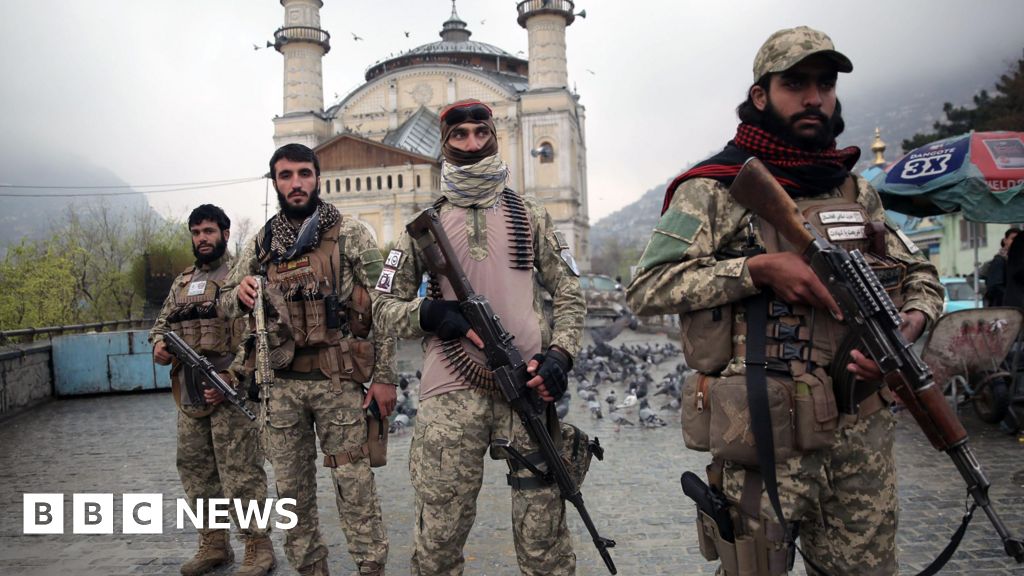
Recent air strikes in the volatile province of Kunar underscore the intensifying conflicts shaping the geopolitical landscape of South Asia and beyond. According to local sources, these attacks have resulted in at least seven fatalities and left 75 individuals wounded, illustrating the ongoing chaos that continues to destabilize the region. While the exact actors behind these strikes remain unconfirmed, their implications reverberate far beyond immediate casualties, signaling a shift in regional power dynamics and security policies.
Historically, Kunar has served as a critical flashpoint, not only for its strategic location bordering Pakistan and Afghanistan but also as a nexus of insurgent activity and international oversight. Analysts from the International Crisis Group highlight that such military escalations often reflect larger geopolitical battles, as Western powers and regional actors vie for influence amidst a complex web of alliances and rivalries. Experts warn that these recent strikes, whether conducted by international coalition forces or local security forces, indicate a persistent commitment to eroding insurgent sanctuaries even at the expense of local stability.
The international community, especially United States and NATO officials, emphasize that targeted military actions aim to dismantle terrorist networks, drawing criticism from human rights advocates who argue that such measures often cause unintended civilian harm. This delicate balance underscores the danger of escalation, as the regional fallout may spark further unrest or provoke retaliatory strikes from insurgent factions or neighboring states. Russia and China, meanwhile, have watched cautiously, their strategic interests aligning gradually with efforts to curb chaos but also probing for opportunities to expand influence amidst the chaos.
Prominent voices in geopolitics, including historians like Friedrich Katz, warn that these ongoing military actions contribute to a pattern that could eventually destabilize entire borders and create a breeding ground for broader conflict. The United Nations and other global organizations continue to call for restraint, but the mounting security dilemmas and unresolved regional tensions reveal a dissonance between diplomatic efforts and battlefield realities. The very fabric of international order is being tested as history watches, wary of the precipice onto which the region teeters.
As the dust settles over Kunar and the world scrutinizes every military maneuver, the high-stakes game unfolds—where each decision could ripple through decades of regional stability or ignite the flames of broader conflict. The echoes of today’s violence threaten to carve new fault lines in a fractured geopolitical map, leaving future generations to grapple with the consequences of these choices. The story of Kunar, a small but resonant piece of a larger puzzle, reminds us all that history’s most pivotal moments are often born amidst the chaos of war and the relentless pursuit of power.

The recent attack that resulted in the kidnapping of 23 children and the facility’s proprietress has sent shockwaves through the international community, spotlighting the ongoing threats facing vulnerable populations in conflict zones. The incident, which unfolded on Sunday, exemplifies the persistent menace posed by militant groups that operate beyond the reach of traditional state authority, often targeting humanitarian, educational, or civilian institutions with brutal tactics. The specifics of the attack—carried out by armed gunmen—have raised pressing questions about security, sovereignty, and the fragile stability of the region.
Global reactions have ranged from diplomatic condemnation to urgent calls for action. Major international organizations, including United Nations agencies and regional alliances, have expressed deep concern over the kidnapping, emphasizing the need to uphold international laws that protect civilians, especially children. Analysts warn that incidents like this not only devastate families and communities but also undermine longstanding efforts toward peace and reconciliation. Historically, such attacks serve as **turning points** that can lead to increased militarization or diplomatic engagement, yet often at the cost of civil liberties and societal stability. Experts from the International Crisis Group suggest this act underscores the urgent necessity of a coordinated global response, one that balances military intervention with political solutions.
The geopolitical implications are profound. Countries directly affected by the violence face mounting internal pressures to secure their borders and prevent further infiltration by militant factions. Conversely, foreign powers, especially those involved in regional conflicts or peacekeeping missions, find themselves grappling with difficult decisions. The incident threatens to inflame existing tensions, possibly prompting a reshuffling of alliances and increased foreign military aid. The United States and European Union have condemned the attack, reaffirming their commitment to combating terrorism but also warning against the escalation of violence that could destabilize wider areas. In this context, the principle of sovereignty becomes contentious, as foreign actors are called upon to intervene while respecting local autonomy—a delicate balance that often determines the success or failure of such operations.
At the heart of this crisis lies a stark reminder: the **weight of history** is pressing down on the present, with past failures haunting policymakers’ every decision. The region’s history is riddled with cycles of violence, insurgency, and fragile peace agreements. Yet, amid these dark patterns, international institutions—once seen as powerless or ineffective—are witnessing a moment of potential transformation. The evolution of strategies focused on counter-terrorism, community engagement, and regional cooperation is crucial as nations confront the harsh realities of conflict. As historians and analysts debate whether this surge in violence will lead to a decisive turning point or a prolonged crisis, it remains clear that the essence of how nations and societies respond will define the trajectory of peace in the years to come.
In the end, this incident is more than an isolated act; it is a narrative—one written in the lives of the innocent and the vulnerable. As history continues to unfold, the world watches with bated breath, conscious that each decision made now may echo through generations. The specter of chaos looms, yet amidst the chaos, there remains a resolute hope that justice, resilience, and international unity can forge a path toward stability. The question remains: will this be a moment of reckoning or merely another chapter in a recurring story of conflict? Only time will tell, but the weight of the present moment may very well shape the fate of nations for decades to come.


