
TRENDING NEWS





Truth Over Trends, always!
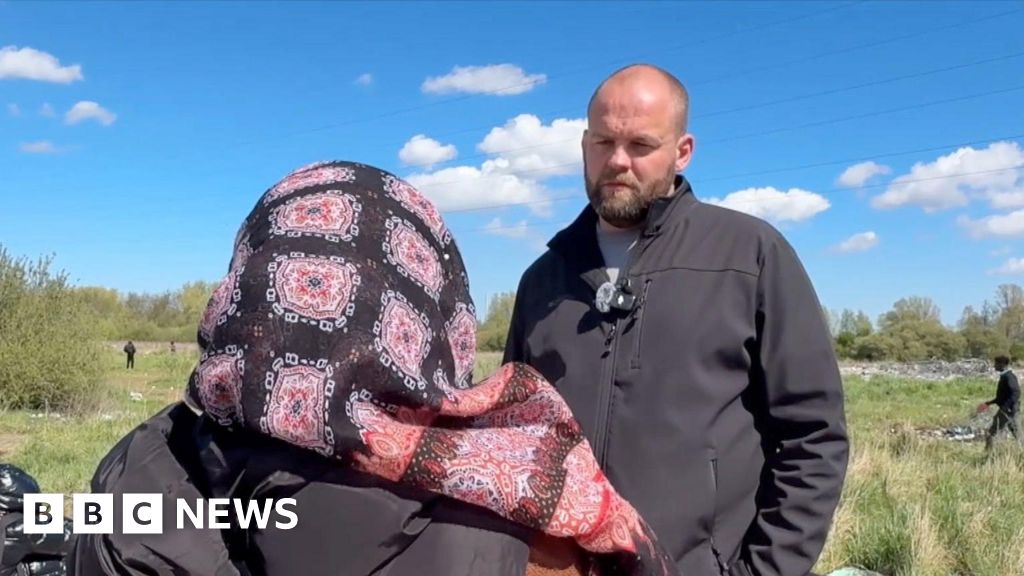
The United Kingdom is poised to solidify a significant new agreement with France aimed at curbing the perilous crossings of migrants through the English Channel. Valued at over £600 million, this three-year deal underscores the increasing urgency on both sides of the channel to address one of Europe’s most contentious migration crises. Central to this pact is the deployment of riot police along French beaches, a move that symbolizes a hardening of the border enforcement policies and a decisive effort to deter migrants from risking their lives at sea.
According to the Home Office, a crucial element of this agreement is the conditionality of funding—if Paris fails to reduce crossing attempts within the first year, a portion of the financial aid will be withheld. This stipulation signals a clear shift towards a results-oriented approach, where the UK seeks to pressure France into more vigorous border controls. Such policies, criticized internationally for their aggressive stance, also illustrate the rising stakes of a geopolitical chess match over sovereignty, sovereignty, and security. The wider implications extend beyond bilateral relations, touching on issues of international law, humanitarian concerns, and regional stability.
Meanwhile, France faces mounting domestic pressure and international scrutiny. As journalist James Waterhouse reported from a migrant camp on France’s north coast, thousands still harbor hopes of reaching the UK, despite increasing obstacles. This persistent exodus highlights broader geopolitical shifts, revealing a continent struggling to manage the fallout of unstable regimes, economic hardship, and the global consequences of conflicts elsewhere. Historians and analysts warn that these border battles are not merely about immigration but signal a more profound ideological divide: between open societies with liberal ideals and nations fiercely committed to safeguarding their borders and cultural integrity.
As the world watches, the unfolding saga of migration and sovereignty underscores a fundamental fact: the decisions made in the coming months will echo through history, shaping the fate of nations and the destiny of countless lives. From the beaches of northern France to the political chambers of Westminster, the battle over borders, identity, and security remains a defining struggle of our era. The course of this story is still unwritten, but its outcome could very well determine the legacy of our times—a testament to the enduring clash between openness and sovereignty in an increasingly uncertain world.
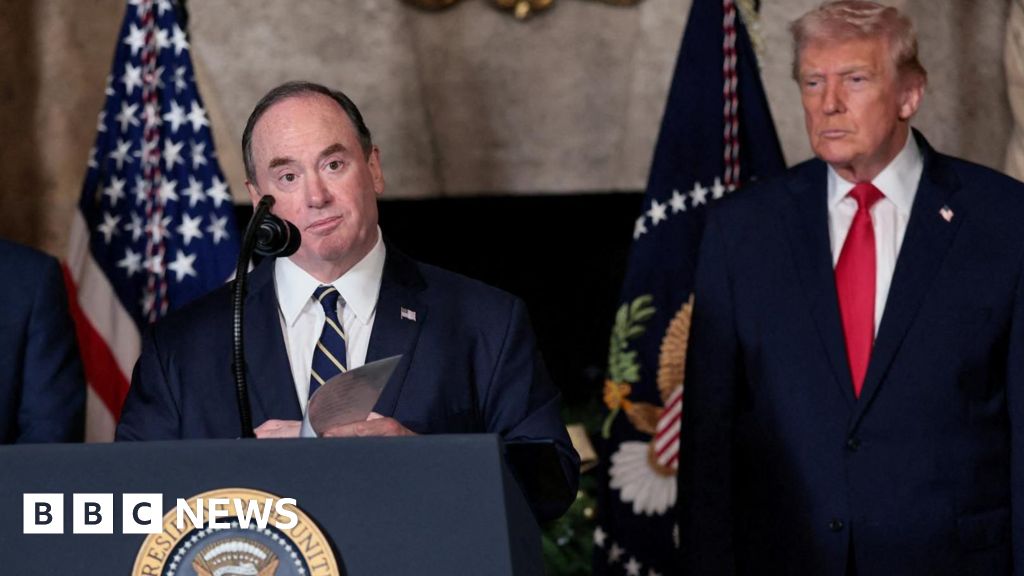
The recent departure of US Navy Secretary John Phelan marks yet another significant shift in the United States’ military leadership amid a period of geopolitical recalibration. As a senior figure entrusted with overseeing naval strategy and defense posture, Phelan’s exit underscores the growing uncertainty within Washington’s military establishment. This trend is emblematic of broader concerns about the U.S. administration’s ability to adapt to rapidly evolving global threats, especially in a context where traditional alliances are tested and regional conflicts threaten to escalate.
International analysts interpret these leadership changes as a potential reflection of internal disagreements over military priorities and strategic commitments. Several experts suggest that the recent churn in high-level military officials may foreshadow a reshaped approach to national defense, one that could prioritize a more assertive posture in the Indo-Pacific and an emphasis on technological superiority. Such shifts are observed at a time when rivals like China and Russia are expanding their influence through aggressive territorial claims and strategic partnerships. Historically, the removal or reshuffling of senior military figures often signals underlying tensions within security establishments, where differing visions for U.S. foreign policy collide.
Organizations such as the International Institute for Strategic Studies (IISS) have warned that frequent turnovers in military leadership can destabilize operational continuity, hampering preparedness and strategic consistency. Meanwhile, the decision-making vacuum at the top could embolden adversaries, potentially altering the balance of power at a time when international stability hangs in the balance. Countries across the world are watching closely, aware that shifts at the summit of U.S. military authority influence everything from NATO’s unity to the security calculations of regional powers in Asia and the Middle East. The inability to project strength effectively may invite unwarranted aggression in hotspots, especially as China’s military modernization continues unabated.
As historians ponder whether these leadership transitions are mere personnel rotations or indicative of deeper systemic change, one fact remains clear: the weight of history is upon this generation of policymakers. The decisions they make now will shape the geopolitical landscape for decades to come, determining whether the tide of conflict recedes or surges forward, rewriting the balance of global power. In a world rife with strategic uncertainties, the recent upheavals within America’s military leadership serve as a stark reminder: the unfolding narrative of international relations is as volatile as ever, and only those with resolve and clarity will navigate the storms ahead.
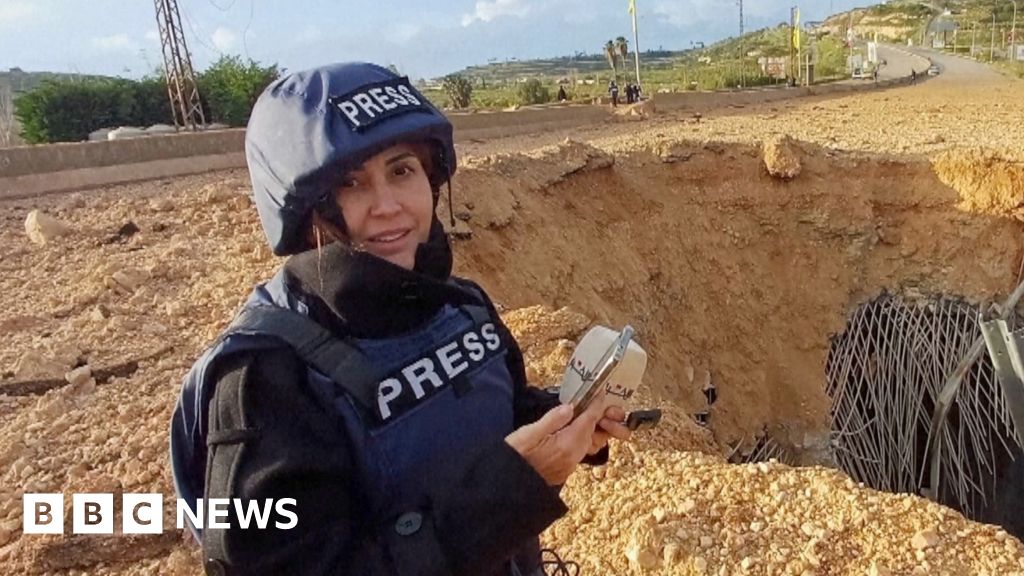
In a significant declaration that underscores the ongoing volatility of the Middle East, Lebanese President Michel Aoun emphasized that safeguarding the nation’s sovereignty remains his paramount objective. Addressing both domestic and international audiences, Aoun articulated that Lebanese negotiators are committed to striving for a comprehensive resolution to the persistent regional conflicts impacting Lebanon. Central to this effort are demands for the cessation of Israeli military operations within Lebanese territory, the withdrawal of Israeli troops, and the urgent release of Lebanese prisoners currently held in Israel. Moreover, Aoun associated these goals with broader national security measures, including deploying Lebanese military units along the volatile border with Israel and initiating reconstruction efforts that aim to stabilize and rebuild war-ravaged regions.
This stance emerges amid heightened tensions and a shifting landscape of regional alliances that are shaping the geopolitical environment of Lebanon and its neighboring countries. The ongoing conflict, rooted in decades of unresolved disputes and intermittent hostilities, regularly draws international concern, notably from The United Nations and other global humanitarian organizations, which warn of the fragile stability of the Lebanese state. While Lebanese officials seek diplomatic avenues, historians and analysts caution that unresolved grievances and external influences threaten to ignite a broader conflict. The region’s history is replete with moments where diplomatic efforts have faltered, resulting in devastating wars and enduring instability.
The geopolitical impact of these developments extends well beyond Lebanon’s borders. As the Lebanese government emphasizes sovereignty and resistance to external threats, regional powers such as Iran and Israel continue to play pivotal roles. They influence outcomes through proxy conflicts, military aid, and covert operations that complicate efforts towards peace. International organizations have called for restraint, but with diplomatic negotiations often overshadowed by military posturing, the potential for escalation remains high. Analysts point out that any permanent resolution hinges on a delicate balance: concessions must be weighed against national sovereignty, security, and regional stability, all under the watchful eyes of global powers vying for influence in an unstable landscape.
As history unfolds, the world watches an intricate dance of diplomacy and power, where each decision leaves a profound mark. Lebanon’s fight for sovereignty is emblematic of a broader struggle—where the echoes of the past collide with the uncertainties of the future. The stakes are immense, not only for the Lebanese people but for the entire Middle East. With every diplomatic twist and turn, the question lingers: will peace finally take root, or are we doomed to repeat the conflicts that have, for generations, torn this region apart? The pages of history are still being written, and their impact will resonate for decades to come, shaping the fates of nations and defining the legacy of this volatile yet strategically vital region.

The recent controversy surrounding former President Donald Trump and allegations about Iranian women’s executions demonstrates an evolving battlefield where technology, misinformation, and geopolitics collide. As social media becomes the primary conduit for real-time information, disruption in information authenticity is transforming how narratives are constructed, weaponized, and contested across the globe. Industry insiders and analysts like Gartner warn that AI-driven content manipulation is at the core of these modern propaganda wars, blurring the line between fact and fiction in unprecedented ways.
At the heart of this technological upheaval lies a surge in AI-powered tools capable of generating hyper-realistic images, videos, and narratives at scale. The controversy over a collage supposedly depicting “AI-generated women” facing execution in Iran exemplifies this shift. Mahsa Alimardani of WITNESS confirms that while the images may be AI-altered, the women depicted — including Bita Hemmati — are real, and many are victims of Iran’s brutal crackdown on dissent. This incident underscores a critical business implication: technologies that enhance content realism can be exploited for political gains, creating a new class of false narratives that threaten truth itself.
Industry leaders like Elon Musk and Peter Thiel have expressed concern about disruptive AI innovations that could overwhelm information ecosystems. Platforms laden with misinformation, such as the Iranian embassy’s social accounts, now leverage AI to craft content that is virtually indistinguishable from reality. Such tools enable actors to generate disinformation campaigns with increased sophistication and scale, giving rise to a dangerous landscape where fact-checking alone becomes insufficient.
More troubling is the proliferation of misleading political narratives. For instance, a South Korean president’s misquoted video, falsely attributed to a deceptive account, demonstrates how misinformation can escalate international tensions. This underscores a pressing need for robust verification mechanisms—an area where industry standards, like those promoted by MIT and other tech research institutions, are desperately needed but often lag behind rapidly evolving AI capabilities. The consequences are clear: if unchecked, disruptive AI content could undermine democratic institutions, intensify conflicts, and destabilize global peace.
From a business perspective, the rise of disruptive AI tools is both a challenge and an opportunity. Companies invested in blockchain, biometric verification, and AI content authentication are racing to develop solutions that can detect and counteract AI-mediated misinformation. According to Gartner, next-generation verification platforms will become essential infrastructure for social media platforms, governments, and corporations to safeguard trust in digital content. Failure to innovate at scale could result in losing consumer confidence and regulatory crackdowns, echoing the importance of strategic foresight in a landscape fraught with emerging threats and market shifts.
Furthermore, industry analysts warn that the pace of AI innovation necessitates bold leadership and proactive regulation. Like the groundbreaking developments in autonomous systems and neural interfaces, AI content creation is poised to redefine the information economy. Yet, as industry experts note, without robust guardrails—founded on transparency, accountability, and technological innovation—these systems risk unleashing chaos rather than progress. Fast-moving startups and global tech giants must collaborate to develop standards that ensure fact-based content remains dominant and trusted in the digital age.
The unfolding landscape of AI-driven disinformation presents a make-or-break moment for industry and policymakers alike. The stakes are high: failure to keep pace with disruptive technologies may lead to irreparable damage to the fabric of truth and societal stability. Whether through advanced verification systems, AI content filters, or international cooperation, the imperative remains clear: innovation must be matched with strategic foresight and unwavering commitment to integrity. As tomorrow’s technological landscape continues to evolve rapidly, those who act decisively today will determine the future of truth in the digital age—and the future of free discourse itself.
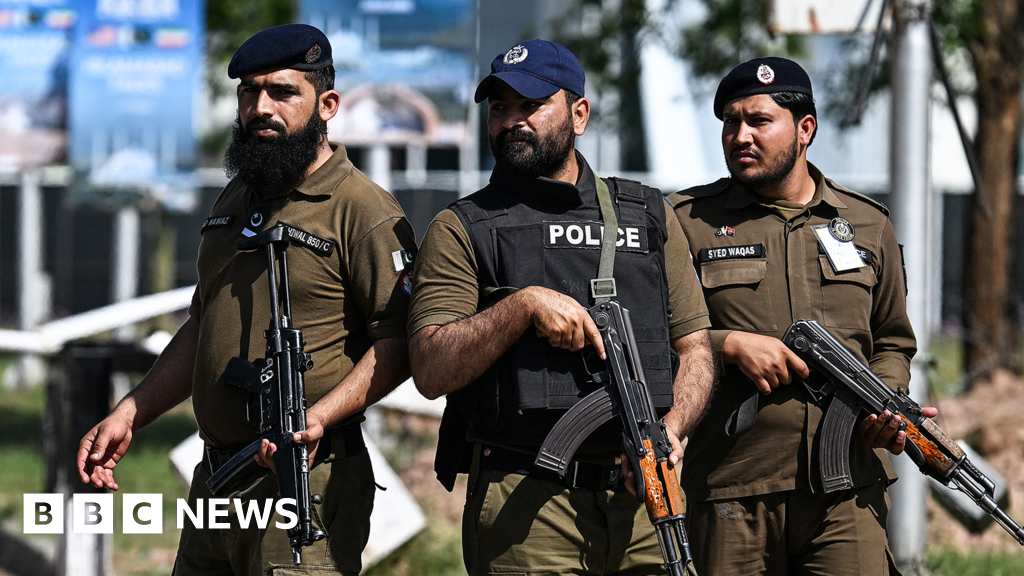
The Strait of Hormuz, a critical artery for global energy supplies, continues to simmer with tension despite recent efforts to de-escalate. The extension of a ceasefire agreement, announced by United States and regional allies, has temporarily subdued open conflict between opposing factions vying for control over strategic waterways. However, analysts and international observers warn that this pause is fragile and unlikely to resolve the underlying geopolitical rifts that have long plagued the region.
As the world watches, the ongoing volatility in the Middle East illustrates a broader struggle for regional dominance. The decision by President Trump and coalition partners to extend the ceasefire is viewed by some as a tactical pause rather than a strategic resolution. Historians like Michael O’Hanlon from the Brookings Institution suggest that this temporary measure “may buy time, but it does not address the core issues fueling conflict in the Gulf.” The local factions and international powers are engaged in a complex chess game, with control of the Strait as both a strategic objective and a bargaining chip. The risk remains high that unresolved tensions could reignite hostilities, especially with the region’s complex web of alliances and rivalries.
The geopolitical impact of recent developments extends far beyond local skirmishes. Since the 2019 attacks on Saudi oil facilities, which several intelligence reports attribute to Iran, the international community has been on alert. These incidents underscored the vulnerability of global supply chains and prompted NATO and the United Nations to call for diplomatic solutions. Yet, deep-seated mistrust persists, fueled by decades of hostility, sanctions, and proxy conflicts.
Meanwhile, regional powers such as Iran, the United Arab Emirates, Saudi Arabia, and Israel are moving carefully within this volatile environment. Their actions are influenced by both internal political pressures and external security alliances. International organizations warn that any miscalculation could trigger a broader regional conflagration, threatening global economic stability. The U.S.-led coalition’s strategic realignments and the recent ceasefire extension are viewed as attempts to contain escalation, but they do little to eliminate the underlying causes—namely, competition for influence, resource control, and ideological divides.
As analysts from the Council on Foreign Relations highlight, the next few months are critical. The fragile ceasefire—while a welcome respite—must be backed by tangible diplomatic efforts and confidence-building measures. Otherwise, the looming threat of renewed conflict in the Strait of Hormuz reminds the world that history is often a fragile tapestry, easily torn. The choices made today will influence the course of geopolitics for decades to come. In this unfolding saga of control, power, and survival, the world must confront yet again that peace is often an elusive mirage in a desert of strategic interests—until, perhaps, history makes its final, devastating judgment.

The steady rise in cancer diagnoses across the United Kingdom reflects deeper societal shifts that threaten the fabric of families and communities. According to recent reports, one person receives a cancer diagnosis every 80 seconds, a staggering statistic that highlights how carcinogenic lifestyle factors such as obesity continue to influence public health. Instances of cancer have increased from 610 to 620 per 100,000 people in the span of a decade, underscoring the widening gap between societal health crises and our institutions’ responses. While progress in survival rates has been notable—more individuals are living longer post-diagnosis—the pressure on NHS services hampers the ability to sustain this positive trend, threatening to reverse gains made over decades.
The UK government’s recent national cancer plan signals a recognition of these mounting challenges. However, declaring ambitious goals is not sufficient; tangible funding, staffing, and infrastructural support must follow to truly transform care delivery. Social commentators highlight that the ongoing resource deficit risks halting progress in early detection and treatment, which are critical in reducing mortality and alleviating the emotional toll on families.
Towards innovative solutions, Cancer Research UK advocates for widespread implementation of screening programs—especially for cancers like lung cancer—and the accelerated adoption of advanced diagnostic tests. While government commitments aim to address these issues, regional disparities remain stark; northern parts of the UK are particularly underserved, with calls for national investment resonating across social sectors. As a sociologist might observe, these disparities threaten to deepen societal divisions, impairing community resilience and social cohesion.
Society’s social fabric is stretched by these health crises, revealing vulnerabilities rooted in demographic shifts and the systemic neglect of preventive care. Yet, amidst these daunting challenges, hope persists. The promise of policy and societal will to bolster healthcare and address emerging social inequalities remains a testament to human resilience. Society faces a moral imperative: to nurture not only the health of its individuals but the strength of its families and communities. It beckons a future where hope is not born from promises alone but woven into a collective effort to redefine society’s capacity for care, compassion, and resilience—ultimately, a society ready to transform adversity into purpose.
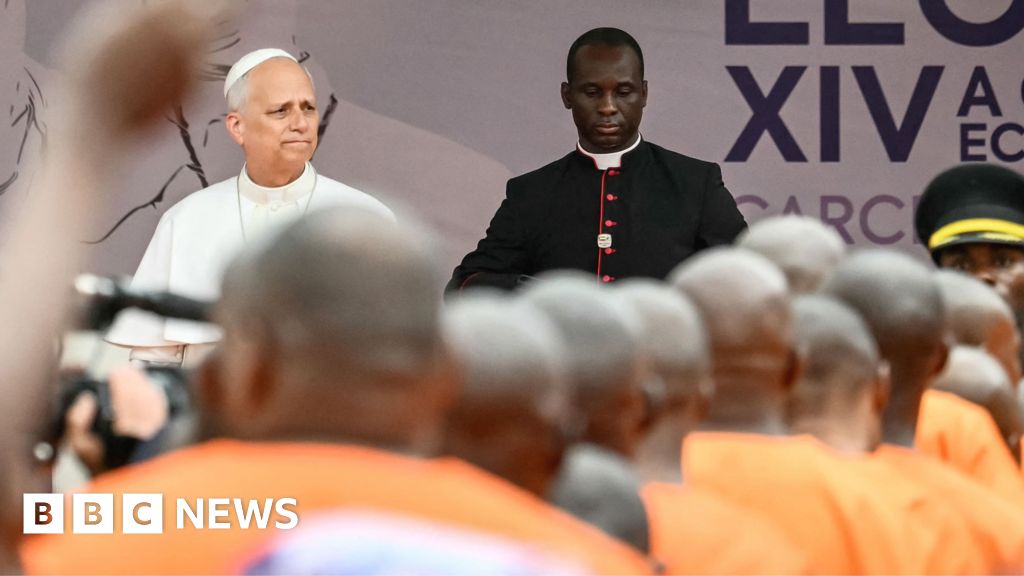
In a striking display of diplomatic fervor and moral clarity, the Pope delivered a frank and passionate speech during his recent tour of Africa. This tour, widely watched by international observers, underscores the Vatican’s strategic intent to influence not just religious spheres but also geopolitics across one of the world’s most Dynamic continents. The address came at a pivotal moment, as African nations grapple with an array of economic, social, and security challenges, making the Pope’s message resonate beyond faith, echoing in halls of power and influencing policy debates.
Historians and geopolitical analysts have long noted that such papal visits serve as more than acts of spiritual outreach; they act as catalysts for diplomatic dialogue and soft power projection. The Pope’s appeal to solidarity, moral responsibility, and the promotion of justice signals a conscious effort to shape the intersection of faith and geopolitics in Africa. The speech was delivered amidst a complex landscape of regional conflicts, economic struggles, and fragile political stability—factors that inevitably impact global stability. Major international institutions, including the United Nations, interpret such gestures as vital moments that can sway public opinion, influence aid initiatives, and potentially foster peace in turbulent zones.
However, the geopolitical impact of the Pope’s visit extends beyond moral appeals. How nations respond to these calls for justice and reform will influence the continent’s future trajectory, as well as global power dynamics. African leaders facing internal dissent may either leverage the Pope’s moral authority to rally support or dismiss it as external meddling. Meanwhile, international organizations such as the UN and African Union remain watchful, recognizing that stability in Africa is pivotal for broader international security and economic prosperity—especially amid the ongoing ripple effects of regional conflicts and the shifting alliances in global diplomacy.
As the echoes of his words fade into history, the true weight of this moment remains uncertain. The continent stands at a crossroads, with choices that will reverberate through generations. The Pope’s passionate plea serves as a reminder that history, with all its complexities and contradictions, continues to unfold in Africa—where every decision is a step toward either chaos or cohesion, liberation or despair. These are not just words—they are the seeds of tomorrow’s legacy.
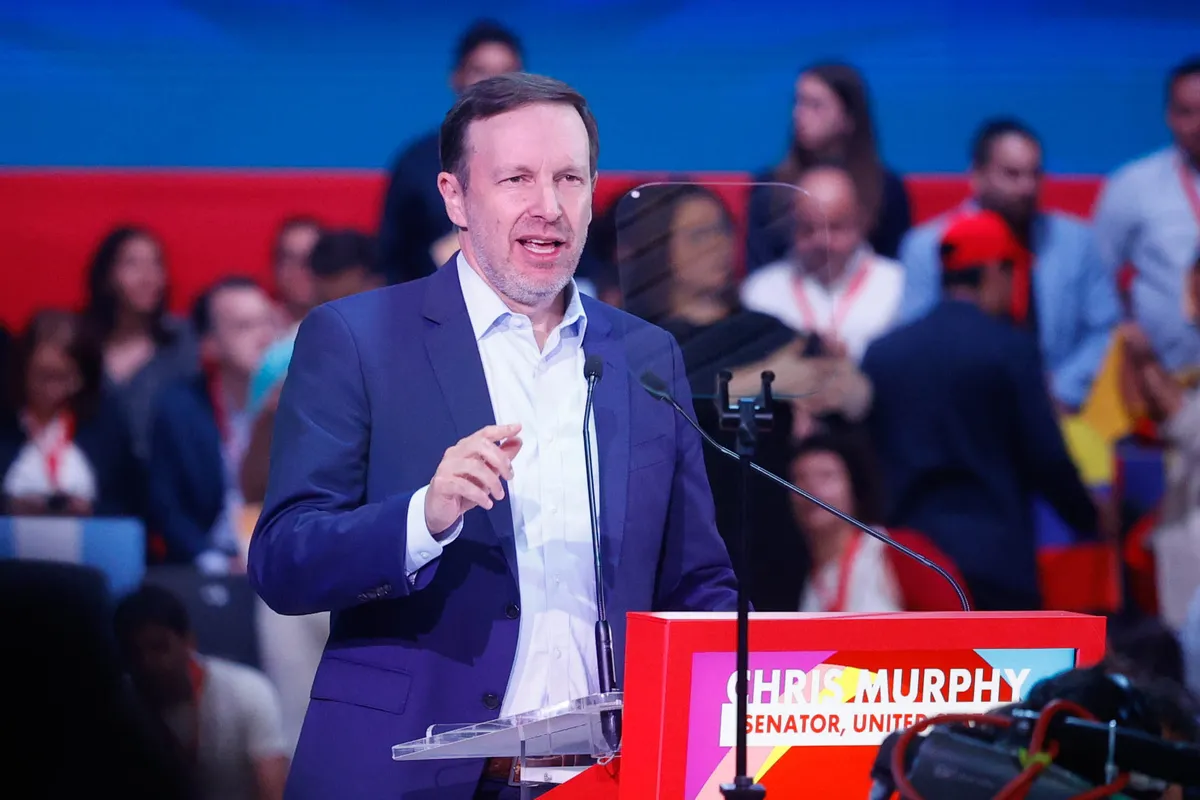
Recently, a Connecticut Democrat made headlines by posting a single word on X (formerly Twitter) in response to reports that 26 Iranian vessels had bypassed a blockade of the Strait of Hormuz. This succinct post captured attention, but the question remains: does this one-word response accurately reflect the facts and current intelligence on the situation? To provide clarity, it’s essential to scrutinize the report, verify the number of vessels involved, and examine the context surrounding this incident.
According to recent reports from reputable defense and international security sources, there have been claims that Iranian ships attempted to navigate around U.S.-led naval blockades in the Strait of Hormuz, an essential chokepoint for global oil shipments. However, the figures regarding the number of vessels involved and the success of such maneuvers vary across sources. Some reports suggest a handful of vessels trying to breach restrictions, but there is no widely accepted confirmation of exactly 26 ships successfully bypassing a block—more often, the reports suggest attempts that may or may not have succeeded.
Furthermore, official statements from the U.S. Central Command (CENTCOM) and the Iranian Navy have offered differing perspectives. While CENTCOM often highlights attempted provocations by Iranian vessels, they typically refrain from confirming specific numbers until verified through intelligence. Iran, on the other hand, sometimesDownplays such incidents or claims they are exercise drills rather than actual evasions of blockades. These variations underscore the importance of cautious interpretation and rely heavily on classified or open-source intelligence.
From a broader perspective, experts like maritime analysts at the International Maritime Organization (IMO) emphasize ongoing tensions in the Gulf region, underscoring a pattern of Iranian maritime activity intended to challenge international restrictions. But such actions are complex, involving numerous ships, international patrols, and diplomatic responses. The precise number involved in any specific incident remains difficult to verify publicly, especially amidst misinformation and propaganda efforts on all sides.
Ultimately, the simple one-word post from the Connecticut Democrat, while emotionally impactful, cannot be judged as an accurate or comprehensive reflection of the actual situation based solely on initial reports. Without verified confirmation, asserting this as a fact risks spreading misinformation and creating unnecessary political noise. Responsible discourse requires relying on official briefs and verified intelligence rather than social media snippets, especially when international security and economic stability are at stake.
In conclusion, the importance of truth and verified information is fundamental to our democratic process and global stability. As citizens, we must critically evaluate claims, demand transparency from authorities, and resist the urge to accept sensational headlines or over-simplified narratives. Only through diligent investigation and facts can we uphold the principles of responsible citizenship and safeguard our collective security.
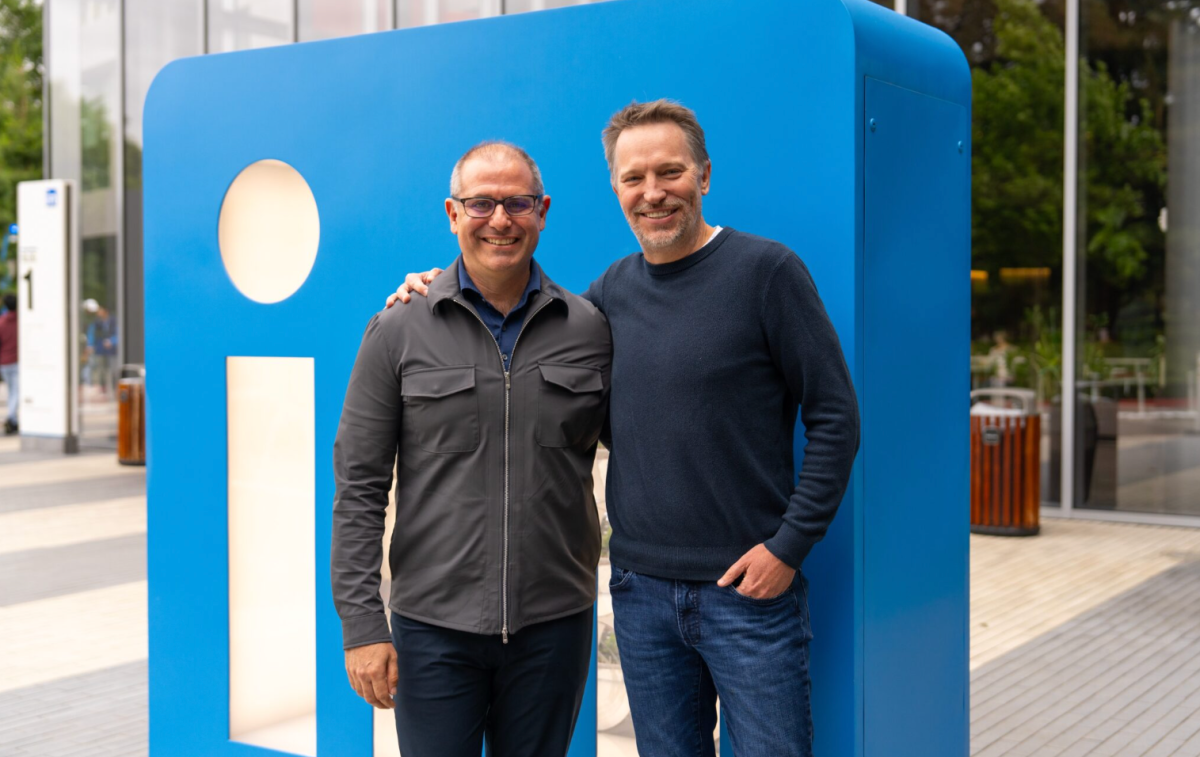
In a move that underscores the relentless pace of transformation within the tech industry, Ryan Roslansky has announced his departure as CEO of LinkedIn after an impactful six-year tenure steering the platform through rapid growth and technological evolution. The company has appointed Dan Shapero, its current COO, as the new CEO, marking a strategic pivot that could accelerate innovation and reshape the professional networking landscape. This leadership change arrives at a critical juncture where the intersection of AI, data-driven insights, and business connectivity is redefining industry standards.
LinkedIn’s ascent has been marked by a relentless drive to leverage disruptive technologies—most notably artificial intelligence and machine learning—to enhance user engagement, facilitate talent acquisition, and empower enterprise solutions. Under Roslansky’s leadership, the platform integrated features such as AI-powered content recommendations, precision targeting for recruiters, and expanded learning modules. Now, with Shapero at the helm, analysts anticipate an intensified focus on market differentiation through innovation, setting the stage for a possible acceleration in growth and diversification of revenue streams. Such strategic realignment could challenge traditional professional networks and catalyze a new wave of startup activity targeting freelancer platforms, remote work tools, and AI consulting.
From an industry perspective, this leadership transition is poised to trigger significant shifts across multiple dimensions. Gartner and leading tech think tanks have identified AI-driven enterprise solutions as the primary driver of next-generation productivity enhancements. The key question for investors and competitors alike is whether LinkedIn under new leadership will continue to disrupt ecosystem standards or if it will face challenges in maintaining its dominant trajectory. Notably, the move aligns with broader market trends emphasizing digital transformation and workforce automation, which have been accelerated by recent global economic shifts and the proliferation of remote work.
The business implications are profound.
Esteemed innovation figures like Elon Musk and Peter Thiel have long championed the importance of disruptive leadership to stay ahead of the curve. With the tech giant’s new leadership, the industry is witnessing a pivotal moment that could see LinkedIn redefine its role as not just a networking tool but as an indispensable hub for AI-enabled, highly personalized professional ecosystems. As the platform navigates this transition, stakeholders must remain agile and vigilant, recognizing that this leadership change could catalyze the next wave of market disruption—with profound implications for the global workforce and the future of work itself.
In conclusion, the leadership shift at LinkedIn exemplifies the dynamic tension between innovation, disruption, and strategic positioning. This transition underscores the urgency for industry players to harness emerging technologies proactively, lest they fall behind in an intensely competitive environment. As the platform enters its next chapter, it promises to be a bellwether for broader industry trends—where the convergence of AI, data, and connectivity will determine the future trajectory of the global professional landscape. The clock is ticking for businesses and entrepreneurs eager to capitalize on what’s next—an era where agility and innovation are the keys to sustained success.
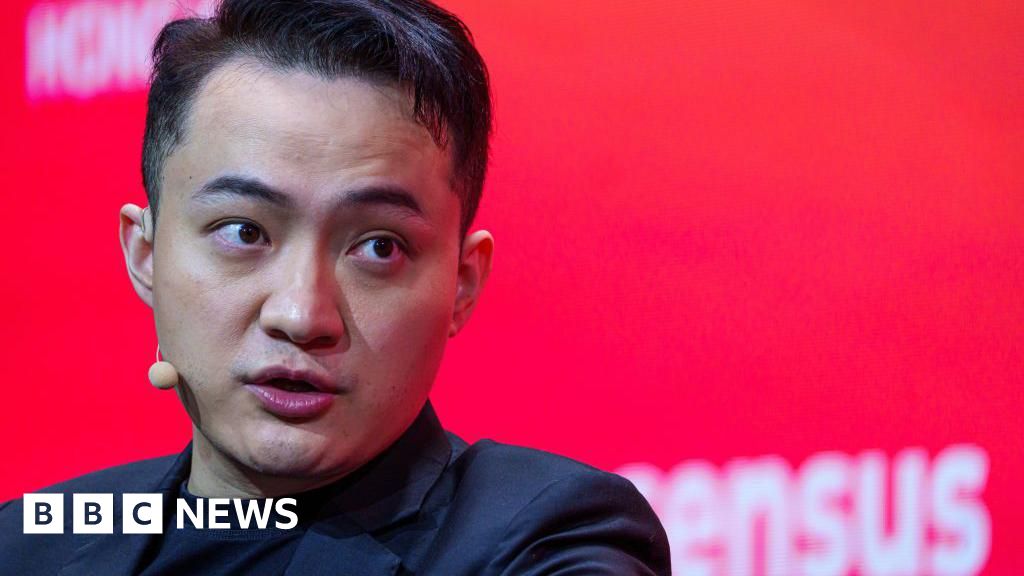
In a development that has sent shockwaves through the international financial and tech sectors, billionaire investor Justin Sun has initiated a lawsuit against the family-run World Liberty crypto venture, citing a loss of $45 million following his substantial investment in their tokens. This legal action not only highlights the volatile nature of the emergent cryptocurrency landscape but also underscores broader concerns about transparency and regulation within this rapidly expanding economic frontier.
The clash has immediate geopolitical implications that extend beyond the realm of individual investors. As Sun’s lawsuit unfolds, financial authorities and regulatory bodies across multiple jurisdictions are paying close attention. Many analysts warn this case could become a \u201Cbenchmark\u201D for future governmental crackdowns on unregulated digital assets, especially amid a global push for stricter oversight of cryptocurrencies. According to leading economic historians and international organizations such as the International Monetary Fund and World Bank, this conflict is emblematic of a larger struggle—one where nascent blockchain innovations collide with entrenched financial regulatory frameworks, often with unpredictable repercussions for ordinary citizens and national economies alike.
For U.S., European, and Asian regulators, such disputes serve as a crucial test case. The case reveals the urgent need for a cohesive global approach to regulate digital asset markets, which remain plagued by a patchwork of rules and inconsistent enforcement. Potential consequences range from increased regulatory clampdowns to restrictions on cross-border crypto transactions, thus altering global trade flows and investment strategies. Some experts suggest this crisis could accelerate a shift toward clearer international standards, yet others warn of the risk that overregulation might stifle innovation and push activity into clandestine channels, threatening the very essence of a decentralized digital economy.
As Justin Sun and the World Liberty family prepare for court proceedings, the broader battle over control, legitimacy, and the future of digital currencies remains unresolved. Observers like geopolitical analyst Dr. Michelle Porter emphasize that this incident is a harbinger—signaling a critical juncture where economic, legal, and technological forces collide. Her warning echoes a warning often sounded by historians: that history’s most pivotal moments often arise from conflicts that challenge the status quo, shaping the landscape for generations to come. With many nations watching closely, the outcome of this lawsuit could well alter the very fabric of the digital economy, embedding lasting lessons for investors, regulators, and societies worldwide.
As the story continues to unfold, the tale of Justin Sun’s legal challenge against World Liberty stands as a stark reminder of the tumultuous path humanity treads in the quest to harness the revolutionary potential of cryptocurrency. In a world teetering between innovation and regulation, the true impact of this clash remains uncertain—yet its echoes will resonate through history, hinting at a future where old paradigms are finally challenged by new, unpredictable forces. The narrative of global finance is still being written, and with every passing chapter, the stakes grow higher—shaping the destiny of nations and societies in ways that may never be fully understood.


